
The Role of Microfauna in Supporting Your Nano Goby, Blenny & Dragonet Population

Welcome to Aquarium Mastery!
Ever wondered how to achieve a thriving ecosystem in your nano aquarium, specifically one that supports those adorable gobies, blennies, and dragonets? We dive deep into the fascinating world of nano goby microfauna balance and its crucial role in their survival and well-being. Discover the secrets to creating a miniature paradise where these tiny creatures flourish, and your prized fish thrive. Ready to unlock the key to a healthy and vibrant nano reef? Let's get started!
- The Role of Microfauna in Supporting Small Reef Fish: Gobies, Blennies & Dragonets
- Understanding Microfauna Balance in Reef Aquariums
- Identifying Key Microfauna Species for Reef Tanks
- Establishing and Maintaining a Healthy Microfauna Population
- Feeding Strategies to Support Microfauna
- Monitoring and Troubleshooting Microfauna Populations
- Choosing the Right Fish Species for Microfauna Sustainability
- Enhancing Reef Biodiversity Through Microfauna
-
Frequently Asked Questions
- How does microfauna benefit nano gobies, blennies, and dragonets in a nano aquarium?
- What types of microfauna are most beneficial for nano gobies, blennies, and dragonets?
- How can I establish and maintain a healthy microfauna population in my nano aquarium?
- What are the signs of an imbalance in the microfauna population in a nano aquarium?
- Why is achieving a "nano goby microfauna balance" important for a thriving nano aquarium?
- Final Reflection: The Delicate Dance of Microfauna and Nano Life
- Ignite Your Nano Reef: Cultivate a Microfauna Paradise!
The Role of Microfauna in Supporting Small Reef Fish: Gobies, Blennies & Dragonets
Understanding Microfauna Balance in Reef Aquariums
Why Microfauna is Crucial for Reef Tanks
Microfauna, encompassing a vast array of tiny invertebrates like copepods, amphipods, and rotifers, forms the invisible backbone of a thriving reef aquarium. For delicate and specialized feeders such as nano gobies, blennies, and dragonets, these microscopic organisms are not merely a supplemental treat but often the primary, continuous food source. Unlike prepared foods, live microfauna provides constant foraging opportunities, mimicking their natural behaviors and supplying essential nutrients that are often degraded in processed diets. This consistent availability is fundamental to maintaining a robust "Nano goby microfauna balance" within the aquarium ecosystem.
Beyond just food, microfauna delivers critical nutritional benefits that are difficult to replicate with frozen or dry foods alone. They are rich in highly unsaturated fatty acids (HUFA), particularly docosahexaenoic acid (DHA) and eicosapentaenoic acid (EPA), which are vital for fish growth, coloration, immune function, and reproductive success. For instance, a healthy population of Tisbe copepods can contain up to 20% lipid content, providing a dense, bioavailable energy source. This rich nutrient profile helps reduce stress and improves disease resistance, particularly in species like the Trimma gobies, which can be prone to wasting if not adequately fed.
The Interconnected Ecosystem: Fish, Invertebrates, and Microfauna
The relationship between fish, larger invertebrates, and microfauna in a reef tank is a finely tuned symbiotic cycle. Microfauna actively grazes on detritus, nuisance algae, and uneaten food particles, effectively acting as the tank's microscopic cleanup crew. This biological filtration process recycles nutrients that might otherwise accumulate as nitrates and phosphates, which is particularly vital in the confined volumes of nano tanks where water parameters can fluctuate rapidly. For example, a single square inch of mature live rock can host thousands of micro-organisms, each contributing to nutrient export.
This continuous nutrient processing directly benefits the fish by maintaining pristine water quality and providing a sustained food web. Small fish like many species of Eviota gobies, Salarias blennies, and Synchiropus dragonets, actively hunt these tiny organisms throughout the day, engaging in natural foraging behaviors. This constant activity not only fulfills their dietary needs but also provides crucial mental stimulation, preventing lethargy and stress. A healthy "Nano goby microfauna balance" ensures that these fish have a constant supply of live prey, preventing starvation and nutrient deficiencies that often plague these specialized feeders in systems lacking sufficient microfauna.
Identifying Key Microfauna Species for Reef Tanks
Copepods: The Foundation of the Food Web
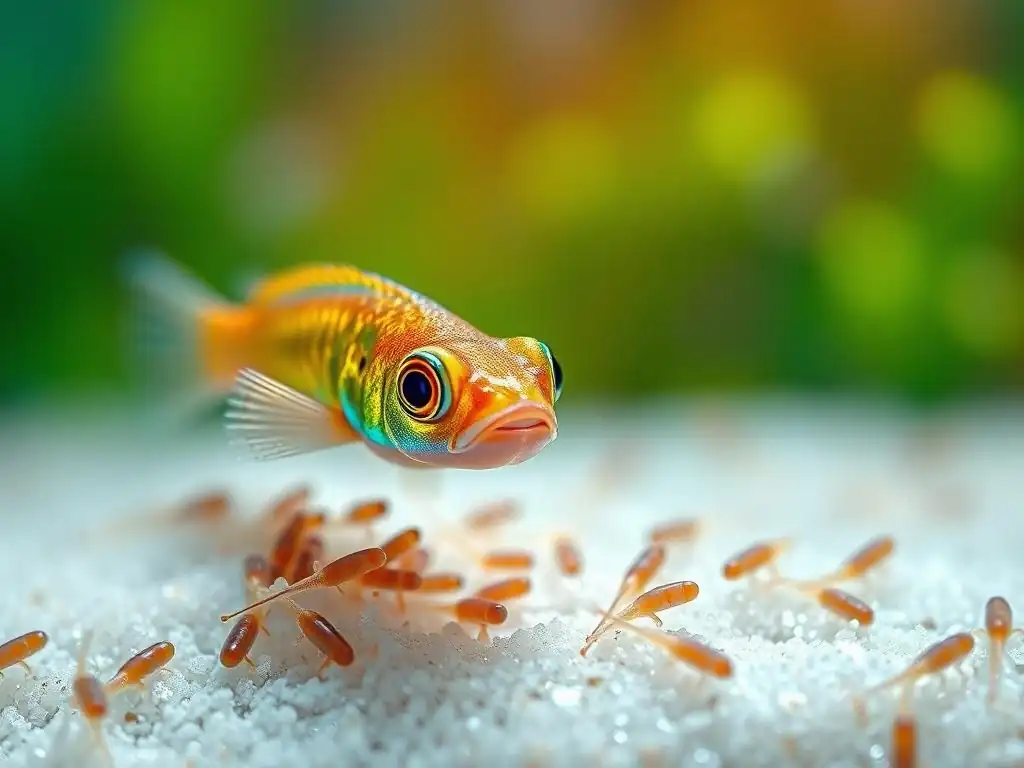
Copepods are arguably the most critical component of the marine microfauna food web, particularly for small reef fish. These tiny crustaceans, typically ranging from 0.1 to 2 millimeters in size, are found in vast numbers in healthy reef environments. Species like Tisbe, Tigriopus, and Apocyclops are commonly cultured and introduced into aquariums due to their small size, high reproductive rates, and excellent nutritional value, making them an ideal and continuous food source for even the smallest nano gobies, blennies, and larval fish. Their high protein and fatty acid content supports robust growth and vibrant coloration.
Beyond their role as a direct food source, copepods are instrumental in nutrient cycling. They are efficient grazers of phytoplankton, bacteria, and detritus, converting these less desirable forms of organic matter into bioavailable protein and fats that can then be consumed by larger organisms. This grazing activity helps control nuisance algae outbreaks and clarifies the water column. For instance, a well-established population of Tisbe copepods can consume significant amounts of microalgae daily, directly contributing to the overall "Nano goby microfauna balance" and the general health of the reef system.
Amphipods: Scavengers and a Nutritional Food Source
Amphipods, generally larger than copepods, typically range from 2 to 15 millimeters, though many reef-specific varieties remain smaller (2-5 mm). These opportunistic scavengers play a significant role as detritivores, consuming decaying organic matter, uneaten food, and even some types of algae. Species like Gammarus are common in reef tanks and provide a more substantial meal for slightly larger nano gobies, blennies, and especially dragonets, offering a different texture and nutritional profile than copepods.
Amphipods are often nocturnal, emerging from the live rock and sand bed at night to forage. They reproduce readily in suitable conditions, providing a continuous, self-sustaining food supply. Their preference for living within the intricate structures of live rock and deep sand beds makes them a resilient population, less susceptible to immediate predation. Their constant scavenging significantly contributes to tank cleanliness and nutrient export, further reinforcing the vital "Nano goby microfauna balance" by processing waste and making nutrients available up the food chain.
Rotifers: Essential First Food for Larval Fish and Small Invertebrates
Rotifers, particularly the marine species Brachionus plicatilis, are microscopic organisms ranging from 100 to 300 micrometers. While they are generally too small to be a primary food source for adult nano gobies and blennies, they are absolutely critical for the successful rearing of newly hatched fish larvae and for feeding very small, delicate corals. Their minute size makes them the perfect "first food" that many larval fish can consume immediately after hatching, providing essential nutrition during their most vulnerable developmental stage.
In a general reef tank setting, rotifers contribute to the microbial diversity and can serve as a foundational food source, especially in new setups or those aiming for a high degree of naturalism. They primarily consume bacteria and microalgae, further aiding in water clarification and nutrient cycling. Although their populations may not be as visibly abundant as copepods or amphipods in a mature display tank, their presence underpins the broader food web, providing a crucial link for the smallest inhabitants and the initial stages of life for marine fish.
Other Beneficial Microfauna: Isopods and Nematodes
Beyond copepods, amphipods, and rotifers, several other groups of microfauna contribute to a healthy reef ecosystem. Isopods, while some marine species can be problematic, many smaller, benign varieties (e.g., Sphaeroma species) are beneficial detritivores that graze on detritus and biofilm. They can serve as an occasional food source for larger predatory invertebrates or certain fish, though they are not typically a primary diet component for nano gobies or blennies. Their role is more focused on tank sanitation and nutrient recycling.
Nematodes, often referred to as roundworms, are an incredibly diverse group, with many marine species being microscopic and beneficial. These ubiquitous organisms are primarily found within the sand bed, where they play a significant role in breaking down organic matter and cycling nutrients. While not a direct food source for most aquarium fish due to their size and habit, their presence is indicative of a healthy, biologically active substrate. They contribute significantly to the overall nutrient processing and the decomposition of waste, indirectly supporting the "Nano goby microfauna balance" by maintaining a clean and functional environment.
Establishing and Maintaining a Healthy Microfauna Population
Setting Up Your Reef Tank for Optimal Microfauna Growth
Establishing a thriving microfauna population begins with a foundational setup that prioritizes biological stability and provides ample habitat. A mature tank with well-established biological filtration is paramount, as microfauna are sensitive to sudden shifts in water parameters. Consistency in salinity, temperature, and pH is crucial. For instance, maintaining a stable specific gravity of 1.025-1.026 and a temperature between 76-78°F (24-26°C) minimizes stress on these delicate organisms, allowing them to reproduce effectively.
Furthermore, providing diverse micro-habitats is essential. Avoid overly sterile environments or excessive flow in all areas of the tank. Microfauna needs quiescent zones where they can settle, graze, and reproduce without being constantly swept away or predated upon. Adequate surface area on live rock and in the substrate allows for the formation of biofilms and detritus pockets, which serve as both food and shelter, directly contributing to a robust "Nano goby microfauna balance."
Live Rock: The Ideal Habitat for Microfauna
Live rock is arguably the single most important element for cultivating a diverse and abundant microfauna population. Its porous structure, intricate crevices, and vast internal surface area provide an ideal refuge and breeding ground for copepods, amphipods, and countless other beneficial micro-organisms. The more porous and varied the live rock, the greater its capacity to host and sustain these populations. A typical pound of high-quality, fully cured live rock can contain millions of microscopic organisms.
When selecting live rock, prioritize well-cured, established pieces. Freshly collected or poorly cured live rock can leach ammonia and other undesirable compounds, which are detrimental to microfauna and overall tank health. The complex architecture of live rock allows microfauna to evade predation from fish and larger invertebrates, ensuring a continuous supply of new individuals to seed the display tank. This constant replenishment is a cornerstone of maintaining a healthy "Nano goby microfauna balance."
Substrate Selection: Encouraging Microfauna Colonization
The substrate in a reef tank, particularly a sand bed, serves as a crucial habitat for various microfauna species. A deep sand bed (DSB) of 4-6 inches provides an anoxic zone that supports denitrification and hosts a rich community of infauna, including a wide array of copepods, amphipods, and beneficial worms. Even a shallow sand bed (1-2 inches) offers significant surface area for colonization and serves as a vital refuge for these organisms.
Fine aragonite sand, with a grain size typically between 0.5 and 2 millimeters, is often preferred as it allows for easier burrowing and colonization by microfauna. It's important to avoid aggressive or excessive siphoning of the sand bed, as this can severely disrupt and remove beneficial microfauna populations. Instead, allow the natural processes of the microfauna to keep the sand bed clean. A healthy, active sand bed contributes significantly to the "Nano goby microfauna balance" by providing a constantly regenerating food source and nutrient processing hub.
Refugiums: A Safe Haven for Microfauna Cultivation
A refugium is an indispensable tool for hobbyists serious about maintaining a robust microfauna population, especially when housing microfauna-dependent fish. It is a separate compartment, usually plumbed off the main display tank, designed to provide a predator-free zone where beneficial organisms, including macroalgae (like Chaetomorpha or Caulerpa) and microfauna, can proliferate without being consumed. Water from the main tank flows through the refugium, allowing the microfauna to "seed" the display tank.
The benefits of a refugium are manifold. It significantly boosts the overall microfauna population, acting as a continuous generator of live food that flows into the main display. This constant replenishment is invaluable for species like mandarinfish or many nano gobies that require a steady supply of live prey. A well-established 10-gallon refugium, for example, can produce hundreds of thousands of copepods and amphipods weekly, ensuring a sustainable "Nano goby microfauna balance" and reducing the need for constant supplemental feeding.
Feeding Strategies to Support Microfauna
Phytoplankton: Fueling the Microfauna Food Chain
Phytoplankton, microscopic marine algae, are the foundational producers in the marine food web. They serve as the primary food source for many copepods, rotifers, and other filter-feeding microfauna. By regularly dosing phytoplankton directly into the display tank or, more effectively, into a refugium, aquarists provide essential nutrition that fuels the reproduction and growth of their microfauna populations. This direct input ensures that the base of the food chain is robust and capable of supporting higher trophic levels.
For optimal results, live phytoplankton cultures (e.g., Nannochloropsis, Tetraselmis, Isochrysis) are generally superior to preserved or concentrated forms, as they retain their full nutritional value and viability. A typical dosing regimen might involve adding 5-10 milliliters per 25 gallons of tank volume daily, adjusted based on the tank's bioload and observable microfauna density. This consistent supply of high-quality phytoplankton is critical for maintaining a thriving "Nano goby microfauna balance" and ensuring a continuous food source for your fish.
Detritus and Organic Matter: Natural Microfauna Food Sources
Many microfauna species, particularly certain types of copepods and most amphipods, are detritivores. This means they naturally consume decaying organic matter, uneaten fish food, and fish waste. In a healthy reef ecosystem, this natural grazing activity is a vital part of the nutrient cycle, converting potentially harmful waste products into bioavailable forms that can be consumed by other organisms. This process helps to keep the tank clean and reduces the accumulation of sludge.
While detritus serves as a natural food source, it is crucial to maintain a balanced approach. Excessive accumulation of detritus can lead to poor water quality and nuisance algae blooms, which can ultimately harm the overall ecosystem. The goal is a system where the microfauna population is robust enough to efficiently consume and process detritus as it forms, preventing its buildup, rather than relying on large quantities of waste to sustain them. An efficient "Nano goby microfauna balance" means that nutrient processing is continuous and effective.
Supplemental Feeding: Culturing and Dosing Techniques
For hobbyists with high demands on their microfauna population, such as those keeping multiple mandarin dragonets or engaged in breeding delicate fish species, culturing copepods and amphipods separately can be highly beneficial. Simple culture setups, often consisting of a bucket or small container with aeration and a regular supply of phytoplankton, can yield large quantities of live food. This allows for a proactive approach to ensuring a constant and abundant supply.
Regularly dosing live copepod and amphipod cultures directly into the display tank, especially at night when fish are less active, allows the microfauna to settle and establish themselves in the rockwork and sand bed before being consumed. This strategy ensures that a core population remains to reproduce. Dosing 1-2 vials (approximately 5,000-10,000 copepods) weekly can significantly boost the existing populations, providing a critical buffer and ensuring a robust "Nano goby microfauna balance" that can sustain even the most finicky feeders.
Monitoring and Troubleshooting Microfauna Populations
Signs of a Healthy Microfauna Population
Observing your tank closely, especially after the main lights have gone out or before they come on, can provide clear indicators of a healthy microfauna population. You might see tiny "bugs" scurrying across the glass, darting in and out of live rock crevices, or sifting through the sand bed. These quick, almost imperceptible movements, or the appearance of tiny white dots on the glass, are often signs of a thriving copepod and amphipod population.
Beyond direct observation, the behavior and health of your fish are crucial indicators. Fish species that rely heavily on microfauna, such as nano gobies, blennies, and dragonets, will appear plump, active, and display vibrant, natural coloration. They will spend a significant portion of their day actively foraging, constantly picking at the live rock and sand. A lack of this continuous foraging behavior, or a noticeably thin appearance in these fish, can be a strong signal that the "Nano goby microfauna balance" is insufficient to meet their dietary needs.
Addressing Microfauna Imbalances: Nutrient Management and Predation Control
Microfauna populations can be sensitive to environmental conditions. Insufficient nutrients, often seen in ultra-low nutrient (ULNS) systems, can starve microfauna by limiting their food sources (phytoplankton and detritus). Conversely, excessive nutrients can lead to nuisance algae blooms that outcompete microfauna for space and resources. Finding the right nutrient balance is crucial for their proliferation. Maintaining stable nitrate levels between 2-10 ppm and phosphate levels below 0.05 ppm generally supports both corals and microfauna.
Predation is another significant factor. Overstocking with fish that heavily graze on microfauna, such as multiple mandarin dragonets or certain wrasses, can rapidly decimate populations. A single mandarinfish, for example, can consume thousands of copepods daily. If a microfauna population crashes, reducing the number of predators or significantly increasing supplemental dosing of live cultures becomes necessary to allow the population to recover and restore the essential "Nano goby microfauna balance."
Avoiding Common Mistakes That Harm Microfauna
Several common aquarium practices can inadvertently harm or eliminate beneficial microfauna. The use of copper-based medications, many parasitic treatments (e.g., those containing Chloroquine Phosphate), and even some "reef-safe" invertebrate medications can be highly toxic to copepods and amphipods. Always thoroughly research the effects of any medication on beneficial micro-organisms before introducing it to your tank. If treatment is necessary, it's often best to remove the affected fish to a hospital tank to protect the main display's microfauna.
Excessive cleaning can also be detrimental. Over-siphoning the sand bed, aggressive scrubbing of live rock, or using overly powerful powerheads that create extreme turbulence can physically remove or kill microfauna. A balanced cleaning regimen that leaves undisturbed areas for microfauna to thrive is essential. For instance, only siphon small sections of the sand bed at a time, or only clean the front glass regularly, leaving the back and sides to accumulate beneficial biofilms. This mindful approach helps maintain a robust "Nano goby microfauna balance."
Choosing the Right Fish Species for Microfauna Sustainability
Selecting Species That Thrive on Microfauna
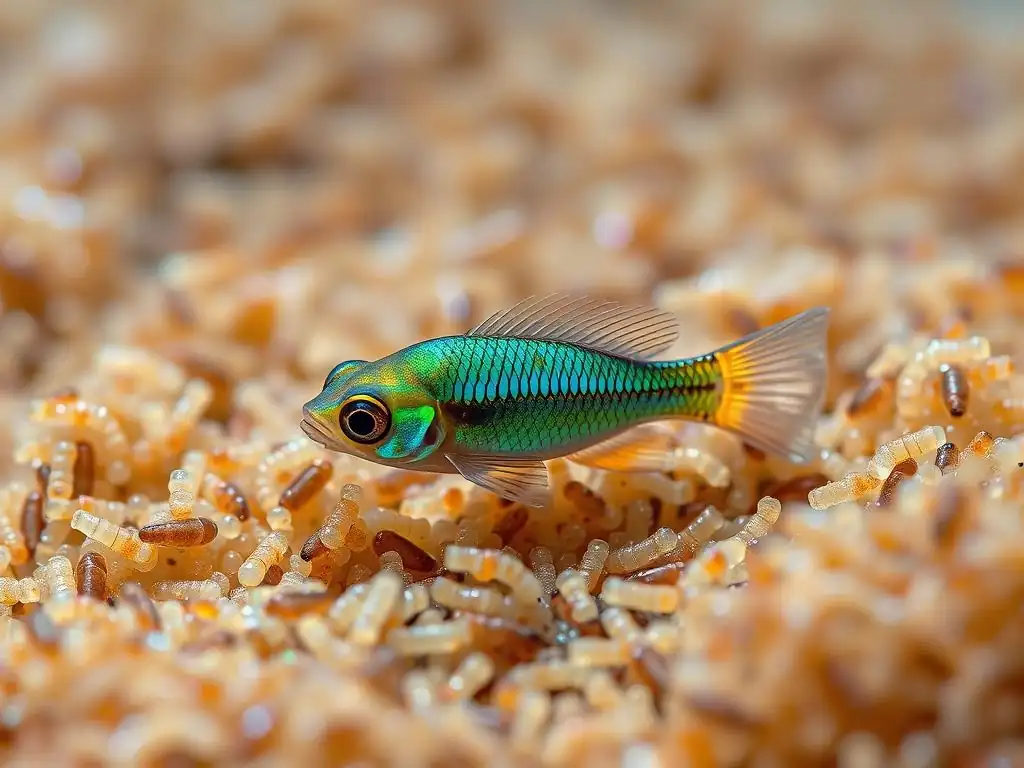
When planning a reef aquarium, especially a nano tank, it is paramount to select fish species whose dietary needs align with the natural availability of microfauna. Many nano gobies (e.g., Trimma and Eviota species), blennies (e.g., Salarias and Atrosalarias species), and particularly dragonets (e.g., Synchiropus species like the Mandarinfish) are obligate or heavy microfauna feeders. Their natural diet in the wild consists almost entirely of these small crustaceans, making a thriving microfauna population non-negotiable for their long-term health in captivity.
Before acquiring any fish, comprehensive research into its specific dietary requirements and foraging behaviors is crucial. For example, a Synchiropus splendidus (Mandarinfish) can consume upwards of 5,000-10,000 copepods per day in a healthy system. Without a very well-established and continuously reproducing microfauna population, or a dedicated refugium, these species will slowly starve, despite appearing to "pick" at the rocks. Ensuring a sustainable "Nano goby microfauna balance" is directly tied to the compatibility of your chosen fish species.
Considering the Feeding Habits of Different Species
Understanding the specific feeding habits of various fish species helps in managing the microfauna population. Some fish are constant grazers, continuously picking at the live rock and sand throughout the day (e.g., many blennies and certain gobies). Others are active hunters, darting after individual copepods or amphipods that emerge from the substrate (e.g., dragonets and some predatory gobies). The intensity and method of their foraging will impact the microfauna population differently.
While some microfauna-dependent species can eventually be weaned onto frozen foods (like enriched brine shrimp or mysis shrimp), many will still benefit immensely from, or even require, a consistent live food source. For species that are notoriously difficult to convert to prepared foods, such as the Ruby Red Dragonet ( Synchiropus sycorax), a thriving microfauna population is not just a beneficial supplement but often the sole determinant of their long-term survival. This emphasizes the critical importance of a healthy "Nano goby microfauna balance."
Maintaining a Balanced Ecosystem: Limiting Predation on Microfauna
One of the most common pitfalls in maintaining a healthy microfauna population is overstocking the tank with too many fish that heavily rely on or predate microfauna. In a 20-gallon nano reef, for instance, introducing more than one mandarinfish without substantial supplemental feeding and a robust refugium will almost certainly lead to the starvation of one or both individuals due to competition for food. The tank's capacity to regenerate microfauna is finite.
The size and maturity of your tank directly correlate with its ability to support microfauna populations. Larger, more mature tanks with extensive live rock, deep sand beds, and dedicated refugiums can sustain higher microfauna densities and, consequently, a greater bioload of microfauna-dependent fish. A newly set up 10-gallon nano tank, regardless of how well-intentioned, will have a very limited capacity to sustain such specialized species without significant and consistent external intervention to boost the "Nano goby microfauna balance."
Enhancing Reef Biodiversity Through Microfauna
Creating a Thriving Ecosystem for Reef Inhabitants
Microfauna are far more than just a food source; they are integral components of a complete and thriving reef ecosystem. Their continuous activity contributes to nutrient cycling, detritus consumption, and the overall health of the substrate. They act as a natural cleanup crew, reducing the need for manual intervention and fostering a more stable and self-regulating environment. This active biological community minimizes the accumulation of waste and promotes water clarity, benefiting all reef inhabitants, from corals to fish.
A tank rich in diverse microfauna closely mimics a natural reef environment, where these organisms are abundant and form the base of complex food webs. This naturalistic approach reduces stress on aquarium inhabitants by providing constant foraging opportunities and a biologically active substrate. It encourages natural behaviors, from the constant picking of a blenny to the intricate hunting dance of a dragonet. This leads to a more resilient, vibrant, and aesthetically pleasing aquarium, where the "Nano goby microfauna balance" contributes to overall ecological health.
The Benefits of a Diverse Microfauna Population
A diverse microfauna population offers significant advantages over a monoculture. Different species of copepods, amphipods, and other micro-organisms offer varying nutritional profiles, including different ratios of essential amino acids, fatty acids, and vitamins. This nutritional variety ensures that fish receive a wider spectrum of dietary components, leading to better overall health, enhanced coloration, and improved reproductive success. For example, a mix of Tisbe and Tigriopus copepods provides a broader nutritional spectrum than either species alone.
Furthermore, a diverse microfauna population contributes to the ecosystem's resilience. If one species declines due to environmental fluctuations, predation pressure, or disease, other species can often fill the ecological niche, maintaining the essential functions of the cleanup crew and food source. This inherent stability makes the entire system more robust and less susceptible to crashes. This diversity is key to the long-term stability and health of the "Nano goby microfauna balance" and the entire reef system.
Long-Term Health and Stability of Your Reef Tank
The ultimate goal for many reef aquarists is to create a self-sustaining ecosystem that thrives with minimal intervention. A healthy and robust "Nano goby microfauna balance" is a cornerstone of achieving this. By providing a continuous, natural food source and an efficient biological cleanup crew, microfauna significantly reduces the likelihood of fish starvation, nutritional deficiencies, and disease outbreaks related to poor water quality. This translates directly to less manual cleaning, fewer health issues, and lower overall maintenance demands for the aquarist.
A tank rich in microfauna is a living, dynamic environment that evolves and adapts over time, much like a natural reef. The constant interplay between the microfauna, the fish, and the corals creates a symbiotic relationship that fosters long-term stability. This allows the tank to thrive with a natural rhythm, offering a truly rewarding and educational experience for the aquarist and a flourishing, self-sufficient home for its inhabitants.
Frequently Asked Questions
How does microfauna benefit nano gobies, blennies, and dragonets in a nano aquarium?
Microfauna, like copepods and amphipods, serve as a crucial food source for these small fish. They provide the essential nutrients and natural grazing behavior that contribute to their health and well-being.
What types of microfauna are most beneficial for nano gobies, blennies, and dragonets?
Copepods, amphipods, and rotifers are all highly beneficial as they are appropriately sized and provide a diverse nutritional profile. A healthy and varied microfauna population ensures a consistent food supply.
How can I establish and maintain a healthy microfauna population in my nano aquarium?
Creating a refugium is an excellent way to culture microfauna. Providing plenty of hiding places and avoiding over-filtration also helps them thrive.
What are the signs of an imbalance in the microfauna population in a nano aquarium?
A noticeable decline in fish health or activity can indicate a lack of microfauna. An increase in nuisance algae can also signal that microfauna aren't effectively controlling it.
Why is achieving a "nano goby microfauna balance" important for a thriving nano aquarium?
Achieving this balance ensures the nano gobies, blennies, and dragonets have a sustainable food source. This contributes to a healthier, more stable, and visually appealing ecosystem.
Final Reflection: The Delicate Dance of Microfauna and Nano Life
The intricate relationship between nano goby microfauna balance is not merely a scientific observation confined to aquarium walls; it's a microcosm reflecting the delicate ecosystems that sustain life on a grander scale. Understanding and nurturing this balance within our nano tanks highlights the profound impact even the smallest creatures have on the overall health and vitality of a thriving environment.
This exploration into the world of copepods, amphipods, and other microfauna has underscored the critical role they play in supporting the nutritional needs and overall well-being of our beloved nano gobies, blennies, and dragonets. It reminds us that responsible reef keeping extends beyond simply providing water and light; it demands a deep appreciation for the interconnectedness of all living things within our care. In nature, nothing exists alone.
- Rachel Carson. This quote perfectly encapsulates the essence of a healthy nano reef, where the success of one species is inextricably linked to the prosperity of another.
As you contemplate the lessons learned from this journey into the microscopic world, consider how you can apply this understanding to your own reef keeping practices. Cultivate a thriving microfauna population, observe the subtle interactions within your tank, and strive to create a balanced ecosystem that allows your nano gobies, blennies, and dragonets to flourish. By embracing this holistic approach, you're not just maintaining an aquarium; you're fostering a vibrant, self-sustaining ecosystem that will bring you joy and wonder for years to come.
Ignite Your Nano Reef: Cultivate a Microfauna Paradise!
Thanks for diving deep into the world of nano reef ecosystems and the crucial role microfauna plays in supporting your gobies, blennies, and dragonets. Now that you understand the why, let's focus on the how!
Here are a few actionable steps you can take right away to boost your microfauna population and create a thriving environment for your finned friends:
- Immediately begin a regular dosing schedule of live phytoplankton – this is the fuel that powers the entire microfauna food web in your nano reef. Think of it as the foundation for success!
- Explore adding a refugium to your nano aquarium setup. This dedicated safe haven provides ideal conditions for microfauna to multiply, safe from predation.
- Consider introducing a small amount of specialized coral snow containing vital amino acids, micronutrients, and other elements necessary for establishing a rich ecosystem.
Ready to see your nano reef explode with life? What surprising method are you most excited to try for boosting your microfauna population?