
Crystal Clear & DiseaseFree: Why Pristine Water is Your Best Defense

Welcome to Aquarium Mastery!
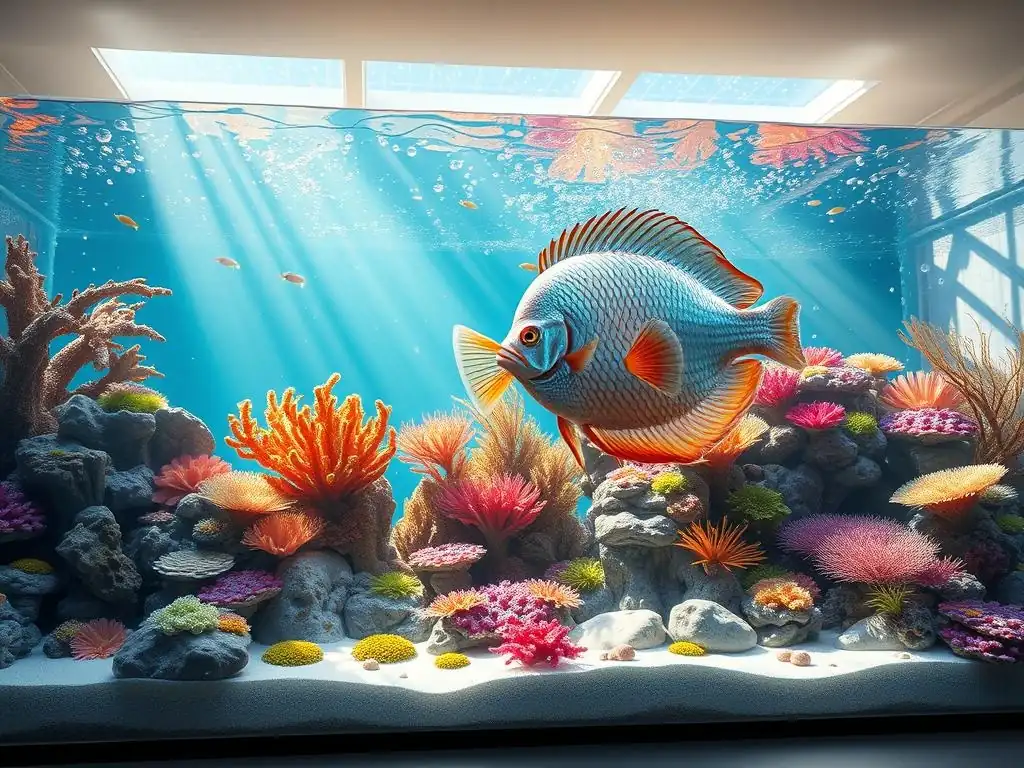
Ever wonder why some aquariums gleam with vibrant life while others struggle with cloudy water and sick fish? The secret often lies in something fundamental: pristine water aquarium maintenance. Unlock the key to a thriving aquatic ecosystem and discover why maintaining crystal-clear water is your best defense against disease and a cornerstone of a healthy aquarium. Dive in to learn how!
- Thriving Reef: The Cornerstone of a Healthy Saltwater Aquarium
- Understanding the Link Between Reef Quality and Coral & Fish Health
- The Science Behind Maintaining a Healthy Reef Environment
- Achieving Optimal Reef Conditions: Essential Maintenance Practices
- Advanced Techniques for Maintaining Reef Stability
- Preventing Algae Blooms and Other Reef Issues
- Reef Quality: A Long-Term Investment in Your Aquarium's Success
-
Frequently Asked Questions
- What is pristine water in the context of aquarium keeping?
- Why is maintaining pristine water so crucial for a healthy aquarium?
- How often should I perform water changes to maintain pristine water?
- What type of filtration is best for achieving pristine water in my aquarium?
- What are some signs that my aquarium water is not pristine?
- Final Reflection: The Enduring Clarity of Pristine Water
- Transform Your Aquarium: Take the Plunge to Pristine!
Thriving Reef: The Cornerstone of a Healthy Saltwater Aquarium
Understanding the Link Between Reef Quality and Coral & Fish Health
The Crucial Role of Reef Quality in Coral and Fish Well-being
Reef quality extends far beyond the visual appeal of a vibrant coral display; it is the fundamental bedrock upon which the entire saltwater aquarium ecosystem thrives. For corals, optimal reef conditions directly support vital biological processes such as calcification, where they extract calcium and carbonate ions to build their intricate skeletons, and photosynthesis, performed by their symbiotic zooxanthellae. In fish, a pristine reef environment, characterized by stable water parameters and the absence of pollutants, directly translates to robust immune systems and reduced susceptibility to common ailments.
When the aquatic environment is consistently stable and clean, both corals and fish exhibit natural behaviors, stronger growth rates, and enhanced coloration. For instance, a healthy reef system minimizes the chronic stress that can weaken a fish's immune response, making it less vulnerable to opportunistic pathogens like Marine Ich (Cryptocaryon irritans) or various bacterial infections. Similarly, corals in ideal conditions can grow at impressive rates, with some fast-growing Small Polyp Stony (SPS) corals like Acropora adding up to 1-2 centimeters of new growth annually, a clear indicator of successful pristine water aquarium maintenance.
Defining Optimal Reef Parameters for a Thriving Ecosystem
Establishing and maintaining optimal reef parameters is essential for mimicking the stable conditions found in natural ocean environments. Key parameters include salinity, ideally kept between 1.025 and 1.026 specific gravity, which is crucial for osmotic regulation in marine life. Temperature should consistently remain within 76-78°F (24.5-25.5°C) to support coral metabolism and zooxanthellae activity. pH levels, indicative of water's acidity or alkalinity, should be stable between 8.1 and 8.4.
Beyond these foundational parameters, specific chemical levels are paramount for coral health. Alkalinity, representing the water's buffering capacity, should be maintained at 7-11 dKH (degrees of carbonate hardness). Calcium, a primary building block for coral skeletons, needs to be between 400-450 ppm. Magnesium, which prevents calcium from precipitating out of solution, is vital at 1250-1350 ppm. Consistent pristine water aquarium maintenance, ensuring these parameters remain within narrow, stable ranges, is far more critical than simply hitting target numbers once, as even minor daily fluctuations can induce stress over time.
How Poor Reef Quality Leads to Coral Bleaching and Fish Stress
Deviations from optimal reef parameters can have devastating consequences for the aquarium's inhabitants. Coral bleaching, a severe stress response, occurs when corals expel their symbiotic zooxanthellae. This is frequently triggered by elevated water temperatures, even a sustained increase of just 2-3°F (1-2°C) above the ideal range, but can also be caused by sudden swings in salinity, extreme light changes, or prolonged exposure to high levels of pollutants. Without their zooxanthellae, corals lose their primary food source and vibrant coloration, eventually leading to starvation and death if conditions do not improve.
For fish, poor reef quality often manifests as chronic stress, weakening their immune systems and making them highly susceptible to disease. Elevated levels of ammonia (>0 ppm) and nitrite (>0 ppm), typical of an incomplete nitrogen cycle or overstocking, are acutely toxic. Even high nitrates (above 20-30 ppm for sensitive corals, though fish tolerate more) and phosphates (above 0.05 ppm) contribute to chronic stress, leading to suppressed appetite, faded colors, and increased vulnerability to parasitic infestations like Marine Ich or bacterial fin rot. Maintaining pristine water aquarium maintenance practices is the most effective preventative measure against these debilitating conditions.
The Science Behind Maintaining a Healthy Reef Environment
Alkalinity, Calcium, and Magnesium: The Foundation of Coral Growth
Understanding the Interplay of Alkalinity, Calcium, and Magnesium
The interplay between alkalinity, calcium, and magnesium is a cornerstone of successful coral husbandry. Corals primarily build their calcium carbonate (CaCO3) skeletons by absorbing calcium ions (Ca2+) and carbonate ions (CO32-) from the surrounding water. Alkalinity is a measure of the concentration of these carbonate and bicarbonate ions, which are crucial for buffering pH and providing the raw materials for calcification.
Magnesium, while not directly incorporated into the coral skeleton in large amounts, plays a critical role by preventing calcium carbonate from prematurely precipitating out of the water. Without sufficient magnesium, calcium and alkalinity can become unstable, making it difficult for corals to access these vital elements.
A general rule of thumb indicates that for every approximately 20 ppm of calcium consumed by corals, alkalinity decreases by about 0.5 dKH. If magnesium levels drop below the recommended 1250-1350 ppm range, this delicate balance is disrupted. For example, if magnesium falls to 1000 ppm, calcium and alkalinity may precipitate, forming a white film on heaters or powerheads and becoming unavailable to corals, regardless of how much is dosed. This complex chemical relationship underscores why precise pristine water aquarium maintenance is essential for supporting robust coral growth and maintaining system stability.
Maintaining a Balanced Reef System for Optimal Coral Health
Maintaining a balanced reef system requires consistent monitoring and replenishment of alkalinity, calcium, and magnesium. As corals grow and calcify, they continuously deplete these elements from the water column. To counteract this, aquarists typically employ dosing methods such as two-part solutions (calcium chloride and sodium bicarbonate/carbonate) or a calcium reactor. The goal is not simply to hit specific numbers but to maintain unwavering stability, aiming for daily fluctuations of no more than 0.5 dKH for alkalinity, 10 ppm for calcium, and 20 ppm for magnesium.
Imbalances in these parameters can lead to visible stress in corals. For instance, chronically low alkalinity (below 6.5 dKH) can result in "burnt tips" on fast-growing SPS corals, indicating a lack of carbonate ions for calcification. Conversely, low calcium (below 380 ppm) can halt coral growth entirely. Overdosing, while less common, can lead to precipitation or even tissue necrosis in sensitive species. Therefore, consistent, precise pristine water aquarium maintenance, informed by regular testing, is paramount to ensure continuous and healthy coral development.
The Importance of Trace Elements and Their Roles in Reef Biology
Iodine, Strontium, and Other Essential Trace Elements
Beyond the major parameters, trace elements are micronutrients required in minute quantities (often parts per billion or trillion) but are nonetheless vital for reef inhabitants. Iodine, for example, is essential for mollusk shell growth and has been anecdotally linked to preventing conditions like Rapid Tissue Necrosis (RTN) or Slow Tissue Necrosis (STN) in certain corals, though its precise mechanisms are still being researched. Strontium is another crucial trace element, directly incorporated into the aragonite skeletons of corals, where it enhances calcification rates and contributes to stronger, denser growth.
Other important trace elements include potassium, which is believed to enhance blue and purple coloration in some SPS corals, and boron, which contributes to the water's buffering capacity. Iron, while often a concern for nuisance algae, is essential for macroalgae growth in refugiums, facilitating their nutrient export capabilities. Although consumed slowly, the gradual depletion of these elements over time can subtly impact coral vibrancy, overall health, and the metabolic functions of fish and invertebrates, highlighting the comprehensive nature of pristine water aquarium maintenance.
Supplementing Trace Elements for Vibrant Coral Colors
Accurately testing for individual trace elements can be challenging for the average home aquarist, as many require advanced laboratory equipment like ICP-OES (Inductively Coupled Plasma - Optical Emission Spectrometry). Consequently, supplementing trace elements often involves using a reputable, balanced trace element blend designed for reef aquariums, or simply relying on regular water changes with a high-quality synthetic salt mix. Many premium salt mixes are formulated to contain natural seawater levels of these elements, offering a simple and effective method for their replenishment as part of pristine water aquarium maintenance.
Caution is paramount when dosing trace elements, as overdosing can be far more detrimental than underdosing. For instance, even minute amounts of copper, a common trace element in some supplements, are highly toxic to invertebrates and many corals. Aquarists should always adhere strictly to manufacturer guidelines and observe their corals for any signs of positive or negative response. Gradual introduction and careful monitoring are key to enhancing coral coloration and vitality without risking the health of the entire reef ecosystem.
Light Spectrum and Intensity: Providing Energy for Photosynthesis
Choosing the Right Lighting for Your Coral Species
Light is the primary energy source for photosynthetic corals, specifically their symbiotic zooxanthellae. Different coral species have varying requirements for both light spectrum and intensity. Small Polyp Stony (SPS) corals, such as Acropora and Montipora, typically demand high Photosynthetically Active Radiation (PAR) levels, often ranging from 300 to 500 PAR at the coral surface, and thrive under bluer spectrums (e.g., 14,000K-20,000K). Large Polyp Stony (LPS) corals like Euphyllia and Favia generally prefer lower PAR levels, usually between 100-200 PAR, and are more forgiving of spectrum variations.
Modern lighting solutions include T5 fluorescents, Metal Halides, and LEDs. LEDs offer unparalleled control over both spectrum and intensity, allowing aquarists to fine-tune the light output to precisely match the needs of their specific coral inhabitants. Many advanced LED fixtures allow for custom programming, mimicking natural sunrise and sunset cycles, and providing specific color channels (e.g., royal blue, violet, UV) that are crucial for coral health and the production of vibrant fluorescent proteins. Selecting and optimizing lighting is an integral part of comprehensive pristine water aquarium maintenance.
Optimizing Light Schedules for Growth and Coloration
Optimizing the light schedule, or photoperiod, is crucial for both coral growth and preventing nuisance algae. A typical photoperiod for most reef aquariums ranges from 8 to 12 hours, often including a ramp-up and ramp-down phase to simulate natural dawn and dusk transitions. Exceeding a 12-hour photoperiod can stress corals and significantly promote the growth of unwanted algae, even in tanks with otherwise low nutrient levels.
While high PAR promotes rapid growth, specific spectrums are vital for achieving the most vibrant coral coloration. Royal blue and violet wavelengths (around 400-470 nm) are particularly important for stimulating the production of fluorescent pigments within corals, leading to stunning visual displays. Gradual changes to light intensity or spectrum are always recommended to avoid shocking corals, which can lead to bleaching or recession. Consistent, appropriate lighting, alongside other husbandry practices, contributes significantly to the overall success of pristine water aquarium maintenance.
Achieving Optimal Reef Conditions: Essential Maintenance Practices
Regular Water Testing and Adjustment: Monitoring Key Parameters
Choosing Reliable Test Kits and Equipment
Regular and accurate water testing is the cornerstone of successful reef keeping and pristine water aquarium maintenance. To effectively monitor key parameters like alkalinity, calcium, magnesium, nitrate, and phosphate, aquarists must invest in reliable test kits and equipment. Reputable brands such as Salifert, Hanna Instruments, and Red Sea offer a range of options. Liquid reagent test kits generally provide greater accuracy and precision for reef parameters compared to less reliable test strips, which can often have a wide margin of error.
For even greater precision and consistency, many aquarists opt for digital colorimeters or checkers, such as the Hanna Checkers, for specific parameters like alkalinity, phosphate, or ultra-low range nitrate. These devices reduce human error in color interpretation and often provide results with a margin of error around +/- 5%. Additionally, regular calibration of probes for pH and salinity (using a refractometer or conductivity meter) is crucial to ensure their readings remain accurate over time, forming the backbone of effective parameter management.
Interpreting Test Results and Making Necessary Adjustments
Interpreting test results effectively involves more than just looking at a single number; it requires identifying trends over time. For example, a consistent decline in alkalinity over several days or weeks, even if still within the "acceptable" range, indicates high coral consumption and signals the need to increase dosing. Similarly, a rising nitrate or phosphate level suggests an accumulation of organic waste or insufficient nutrient export.
Once trends are identified, necessary adjustments can be made. For alkalinity, buffer solutions containing sodium bicarbonate or carbonate can be used. Calcium chloride is typically used to raise calcium, and magnesium sulfate or chloride for magnesium. It is crucial to make small, gradual adjustments (e.g., no more than 0.5 dKH increase per day for alkalinity) to avoid shocking the system. Drastic changes can cause stress to corals and fish, potentially leading to adverse reactions. Consistent, data-driven adjustments are integral to pristine water aquarium maintenance.
Proper Water Circulation: Ensuring Nutrient Distribution and Gas Exchange
Selecting the Right Powerheads and Wave Makers
Proper water circulation is paramount for a thriving reef, ensuring that nutrients reach corals and waste products are carried away, while also facilitating crucial gas exchange at the water's surface. The ideal flow rate varies with coral type: soft corals and Large Polyp Stony (LPS) corals generally thrive with moderate, turbulent flow (10-20 times the tank volume per hour), while Small Polyp Stony (SPS) corals require significantly higher, turbulent, and varied flow (20-40 times the tank volume per hour) to prevent the formation of stagnant boundary layers around their tissues.
Modern wave makers and powerheads, such as those from Ecotech Marine (VorTech) or Maxspect (Gyre), offer advanced programmability, allowing aquarists to create complex, random, or oscillating flow patterns that mimic natural ocean currents. These devices help eliminate "dead spots" where detritus can accumulate and decompose, contributing to elevated nutrient levels. Strategic placement of these pumps is key to achieving optimal flow distribution throughout the entire display tank, a vital component of pristine water aquarium maintenance.
Optimizing Flow Patterns for Different Coral Types
Optimizing flow patterns means tailoring the water movement to the specific needs of the corals within the aquarium. SPS corals, with their dense tissue and high metabolic rates, benefit immensely from strong, turbulent, and indirect flow. This high flow helps deliver fresh nutrients to their polyps and efficiently removes metabolic waste products, promoting vigorous calcification and growth. Direct, laminar flow, however, can be detrimental, causing tissue damage or even stripping tissue from the coral skeleton.
In contrast, soft corals (e.g., Leather Corals, Zoanthids) and LPS corals (e.g., Favias, Trachyphyllia) generally prefer more moderate, indirect flow. Excessive direct flow can cause soft corals to retract or deflate, and may damage the delicate tissues of LPS corals. Careful placement of powerheads, aiming them to create chaotic, multidirectional flow that gently washes over the corals rather than blasting them, is essential. Achieving the right balance of flow is a nuanced aspect of pristine water aquarium maintenance, directly impacting coral health and appearance.
Protein Skimming: Removing Organic Waste Before It Decomposes
Selecting an Appropriate Skimmer for Your Tank Size
A protein skimmer is one of the most effective pieces of equipment for maintaining pristine water aquarium maintenance in a reef tank. It works by creating a massive column of fine air bubbles that attract and bind dissolved organic compounds (DOCs) and other waste products, lifting them into a collection cup for removal before they can decompose into nitrates and phosphates.
When selecting a skimmer, it is crucial to choose one rated for at least 1.5 to 2 times the actual volume of your tank, particularly for heavily stocked reef systems. Over-skimming is generally not a concern in a reef tank, but under-skimming can quickly lead to water quality issues.
Common types include in-sump skimmers, which are highly efficient and quiet, and hang-on-back (HOB) skimmers, suitable for tanks without a sump. Features like cone-shaped bodies promote efficient bubble formation and waste concentration, while DC (direct current) pumps offer variable speed control for fine-tuning performance. A well-sized and properly functioning protein skimmer is an indispensable tool for proactive nutrient export and maintaining exceptional water clarity.
Adjusting Skimmer Settings for Optimal Performance
Achieving optimal performance from a protein skimmer involves carefully adjusting its settings to produce dark, thick skimmate. This typically means balancing the air intake and the internal water level within the skimmer body. If the skimmer produces very light, watery skimmate, it indicates that the water level is too high or the air intake is too low, resulting in insufficient removal of organic compounds. Conversely, if no skimmate is being produced, the water level may be too low or the air intake too high.
Several factors can influence skimmer performance, including water salinity, the organic load (how much waste is in the water), and the presence of certain additives or medications. For instance, new tank syndrome or the addition of certain bacterial products can cause a skimmer to "go crazy" and overflow. Regular cleaning of the collection cup (daily to weekly) and the skimmer neck (bi-weekly to monthly) is essential, as accumulated organic film can significantly reduce efficiency and hinder effective pristine water aquarium maintenance.
Effective Filtration: Mechanical, Chemical, and Biological
Mechanical Filtration: Removing Particulate Matter
Mechanical filtration serves as the first line of defense in maintaining pristine water aquarium maintenance by physically removing suspended particulate matter from the water column. This includes uneaten food, fish waste, detritus, and other debris that can cloud the water and, if left to decompose, contribute to rising nitrate and phosphate levels. Common mechanical filtration media include filter socks, filter floss, sponges, and filter pads. These media trap visible particles, preventing them from breaking down into dissolved organic compounds.
The critical aspect of mechanical filtration is its regular cleaning or replacement. Filter socks, for instance, should be changed and cleaned every 2-3 days, or even daily in heavily stocked tanks. If mechanical media are not cleaned frequently, they themselves become a source of pollution, acting as a "nitrate factory" as trapped detritus decomposes. While effective at removing visible waste, mechanical filtration alone cannot address dissolved pollutants or the nitrogen cycle.
Chemical Filtration: Using Activated Carbon and GFO
Chemical filtration plays a vital role in removing dissolved organic pollutants and other undesirable substances that mechanical and biological filtration cannot address. Activated carbon is widely used for its ability to adsorb a broad spectrum of dissolved organic compounds, phenols, and yellowing agents, leading to crystal clear water and improving light penetration. It also helps remove some toxins released by corals or other organisms. Granular Ferric Oxide (GFO) is another popular chemical media specifically designed to bind phosphates, a primary nutrient for nuisance algae growth.
For optimal performance, activated carbon should typically be replaced every 2-4 weeks, as its adsorptive capacity becomes exhausted. GFO replacement frequency varies depending on the tank's phosphate levels and the specific media type, usually every 1-4 weeks. It is crucial not to let these media become "saturated," as they can begin to leach absorbed pollutants back into the water, undermining all efforts towards pristine water aquarium maintenance. Proper placement in a media bag or reactor with appropriate flow is also important.
Biological Filtration: Nitrification and Denitrification
Biological filtration is the cornerstone of the nitrogen cycle in a marine aquarium, converting highly toxic waste products into less harmful forms. This process primarily relies on beneficial bacteria that colonize porous surfaces like live rock, bio-balls, and sand. The first stage, nitrification, involves nitrifying bacteria converting toxic ammonia (NH3/NH4+), produced from fish waste and decaying organic matter, into nitrite (NO2-), which is also highly toxic. A different group of nitrifying bacteria then converts nitrite into less toxic nitrate (NO3-).
The second crucial stage is denitrification, which occurs in oxygen-poor (anaerobic) zones within the aquarium, such as deep sand beds, the interior of highly porous live rock, or dedicated refugiums. Here, denitrifying bacteria convert nitrate into harmless nitrogen gas (N2), which then off-gasses from the water. A robust biological filter, encompassing both nitrification and denitrification, is essential for maintaining stable water parameters and is the ultimate goal of pristine water aquarium maintenance, ensuring the long-term health of the reef ecosystem.
Advanced Techniques for Maintaining Reef Stability
The Benefits of Using a Refugium for Nutrient Export
A refugium is a dedicated chamber, typically located within the sump, designed to cultivate macroalgae (such as Chaetomorpha or Caulerpa) and beneficial microfauna like copepods and amphipods. The primary benefit of a refugium is its role in natural nutrient export.
Macroalgae actively absorb nitrates and phosphates from the water as they grow, effectively competing with undesirable nuisance algae in the main display tank. By regularly harvesting a portion of this macroalgae (e.g., 25-50% every 1-2 weeks), these absorbed nutrients are physically removed from the system, preventing their re-release and helping to maintain ultra-low nutrient levels, a hallmark of pristine water aquarium maintenance.
Beyond nutrient export, a refugium provides a safe haven for microfauna to reproduce without predation from fish in the main tank. These copepods and amphipods then periodically "seed" the display tank, serving as an excellent, natural food source for many corals, mandarinfish, and other inhabitants. A well-lit and properly functioning refugium contributes significantly to overall system stability and biodiversity.
Implementing a Deep Sand Bed for Denitrification
A Deep Sand Bed (DSB) is a layer of fine sand, typically 4-6 inches (10-15 cm) deep, designed to create anaerobic zones at its lower depths. Within these oxygen-deprived layers, specific types of bacteria thrive that are capable of performing denitrification. These bacteria convert nitrate (NO3-) into harmless nitrogen gas (N2), which then bubbles out of the water column. A properly established DSB can be highly effective at reducing nitrate levels, potentially minimizing the need for frequent large water changes solely for nitrate control.
While highly effective, DSBs require careful setup and management. The sand must be fine enough to prevent excessive water flow through the lower layers, allowing anaerobic conditions to develop. Disturbing a mature DSB can release trapped hydrogen sulfide, a toxic gas, which can be detrimental to tank inhabitants. However, when managed correctly, a DSB represents a powerful, passive form of biological filtration that significantly contributes to maintaining pristine water aquarium maintenance and overall reef stability.
Dosing Methods: Balling Method vs. Calcium Reactor
For established reef tanks with significant coral growth, manual water changes often cannot keep up with the consumption of alkalinity, calcium, and magnesium. This necessitates automated or semi-automated dosing. The "Balling Method," or two-part/three-part dosing, involves adding separate solutions of calcium chloride, sodium bicarbonate/carbonate, and a magnesium supplement to replenish these vital elements. This method offers excellent precision and flexibility, making it popular for small to medium-sized tanks, often delivered via peristaltic dosing pumps.
Alternatively, a calcium reactor is a more automated solution, particularly suited for large, heavily stocked reef tanks with high calcium and alkalinity consumption rates. A calcium reactor works by slowly dissolving calcium carbonate media (like crushed coral or aragonite) using carbon dioxide (CO2) gas, which lowers the pH within the reactor chamber. This dissolved media then continuously drips into the sump, replenishing calcium and alkalinity. Once dialed in, a calcium reactor provides stable, hands-off pristine water aquarium maintenance for these key parameters, requiring only periodic refilling of CO2 and media.
Preventing Algae Blooms and Other Reef Issues
Controlling Nutrient Levels to Prevent Unwanted Algae Growth
Nuisance algae blooms, such as hair algae, diatoms, or cyanobacteria (red slime algae), are almost always a symptom of elevated nutrient levels, primarily nitrates (above 10-20 ppm) and phosphates (above 0.03 ppm). Therefore, the most effective strategy for prevention is stringent control over these nutrients. This involves a multi-pronged approach: regular water changes with RODI (Reverse Osmosis Deionized) water, effective protein skimming to remove organics before decomposition, and robust nutrient export methods like refugiums or GFO (Granular Ferric Oxide) reactors.
Overfeeding fish and corals is a common culprit for nutrient accumulation, so feeding sparingly and ensuring all food is consumed is crucial. Overstocking the aquarium can also lead to an unmanageable bioload. While the "Redfield Ratio" (a specific ratio of nitrogen to phosphorus) is less strictly applied in reefing, maintaining both nitrates and phosphates at very low levels is paramount. Consistent pristine water aquarium maintenance through these practices starves nuisance algae of their fuel, preventing unsightly outbreaks.
Proper Lighting and Photoperiod Control
While nutrient control is paramount, improper lighting can also significantly contribute to nuisance algae outbreaks. Excessive light intensity or an overly long photoperiod (e.g., more than 10-12 hours per day) can fuel algae growth even in tanks with relatively low nutrient levels. Algae, being opportunistic, can photosynthesize efficiently even under less-than-ideal conditions. Reducing the photoperiod or slightly lowering the light intensity can often help to curb persistent algae issues.
Furthermore, the specific light spectrum can influence which types of algae thrive. For example, too much green light can sometimes promote green hair algae. Adjusting the light spectrum towards bluer tones, which are highly beneficial for coral growth and coloration, can be less favorable for many common nuisance algae. Gradual adjustments to lighting schedules and spectrum are recommended to avoid stressing corals while effectively managing algae.
Introducing Algae-Eating Invertebrates
A diverse and well-chosen clean-up crew (CUC) can be an excellent biological tool in the ongoing battle against nuisance algae, complementing diligent pristine water aquarium maintenance. Herbivorous invertebrates consume various types of algae, acting as natural grazers. Examples include Turbo snails and Astrea snails, which are voracious eaters of film algae and diatoms on rocks and glass. Trochus snails are also highly effective, particularly on rocks, and can right themselves if they fall.
For specific algae issues, specialized invertebrates can be introduced. For instance, Emerald Crabs are known to graze on bubble algae (Valonia), while certain hermit crabs can help with detritus and some algal films. It is crucial to remember that a clean-up crew is a supplement to good husbandry, not a replacement. Overstocking the CUC can lead to starvation once algae levels are controlled, so the number of invertebrates should be balanced with the available food sources and the tank's bioload.
Reef Quality: A Long-Term Investment in Your Aquarium's Success
Developing a Consistent Reef Maintenance Schedule
Success in reef keeping is not achieved through sporadic interventions but through consistent, diligent effort. Developing and adhering to a regular reef maintenance schedule is the single most important factor for long-term stability and the maintenance of pristine water aquarium maintenance. A typical schedule might include: daily visual checks for fish behavior and coral health; weekly water tests for alkalinity, calcium, magnesium, nitrate, and phosphate; bi-weekly water changes (e.g., 10-20% of tank volume); and monthly cleaning of protein skimmer necks, powerheads, and other equipment.
This proactive approach allows aquarists to identify and address minor issues before they escalate into major problems. For example, a slight dip in alkalinity can be corrected before it impacts coral growth, and a subtle increase in phosphate can be managed before an algae bloom takes hold. Consistent adherence to such a schedule ensures a stable environment, which is paramount for the health and vibrancy of all reef inhabitants.
Quarantine Procedures for New Arrivals
Implementing stringent quarantine procedures for all new fish and corals is a critical preventative measure against introducing diseases and pests into the main display tank. Marine Ich (Cryptocaryon irritans), Marine Velvet (Amyloodinium ocellatum), and various coral pests (e.g., Montipora eating nudibranchs, flatworms) are common threats that can devastate an established reef system if not intercepted. Fish should typically be quarantined for 4-6 weeks, allowing time to observe for symptoms and administer treatments if necessary. Corals, while not susceptible to fish diseases, can carry their own specific pests and are often dipped and then quarantined for 2-4 weeks.
A separate, bare-bottom quarantine tank (QT) with basic filtration and heating is sufficient for this purpose. During quarantine, new inhabitants can be monitored for health, acclimated to captive conditions, and treated for any signs of illness or pest infestation without risking the existing, healthy population in the display tank. This proactive step safeguards your investment in your reef and ensures that your pristine water aquarium maintenance efforts are not undone by preventable introductions.
Seeking Expert Advice and Continuing Your Reefing Education
The world of reef keeping is complex, dynamic, and constantly evolving. Even experienced aquarists encounter unusual challenges or new techniques. Therefore, continuously seeking expert advice and furthering one's education is invaluable for long-term success. Reputable online forums, local fish stores with knowledgeable staff, and experienced fellow aquarists provide a wealth of collective wisdom and practical solutions. Attending webinars, reading scientific articles, and participating in local club meetings can also deepen understanding of marine biology and aquarium husbandry.
When faced with persistent issues, such as unexplained coral recession, chronic algae, or recurring fish disease, consulting with experts can provide fresh perspectives and targeted solutions. Sharing experiences and learning from the successes and failures of others is a cornerstone of the reefing community. This commitment to ongoing learning and collaboration is essential for mastering the art of pristine water aquarium maintenance and ensuring the enduring health and beauty of your reef ecosystem.
Frequently Asked Questions
What is pristine water in the context of aquarium keeping?
Pristine water refers to aquarium water that is exceptionally clean and free from harmful substances. It's achieved through consistent water changes, proper filtration, and maintaining a balanced ecosystem within the tank, leading to healthy fish and plants.
Why is maintaining pristine water so crucial for a healthy aquarium?
Pristine water directly impacts the health of your aquatic life. Poor water quality leads to stress, weakened immune systems, and increased susceptibility to diseases and parasites. Maintaining it is your best defense against these issues.
How often should I perform water changes to maintain pristine water?
The frequency of water changes depends on your tank size, fish load, and filtration system. A general guideline is to perform 25% water changes every 1-2 weeks. Regular testing of water parameters helps determine the optimal schedule.
What type of filtration is best for achieving pristine water in my aquarium?
A combination of mechanical, chemical, and biological filtration is ideal. Mechanical removes debris, chemical removes impurities, and biological filtration establishes beneficial bacteria to break down waste, all essential for stable water parameters.
What are some signs that my aquarium water is not pristine?
Signs of poor water quality include cloudy water, excessive algae growth, unusual fish behavior (e.g., gasping at the surface), and elevated levels of ammonia, nitrite, or nitrate. Regular testing is vital for early detection and correction.
Final Reflection: The Enduring Clarity of Pristine Water
The journey to understanding and maintaining pristine water extends far beyond the confines of an aquarium; it mirrors our responsibility to the larger ecosystem and our own well-being. The principles of balance, filtration, and diligent care we've explored are not merely techniques for a thriving aquatic environment, but potent metaphors for cultivating health and resilience in all aspects of life. The pursuit of crystal-clear water, therefore, becomes a pursuit of clarity and health in a broader sense.
This dedication to water quality has profoundly shaped our understanding of interconnectedness. It's a constant reminder that our actions, however small, ripple outwards, impacting the delicate balance of life. The beauty of a thriving aquarium, achieved through careful maintenance, serves as a tangible example of the rewards of mindful stewardship. Water is the driving force of all nature.
- Leonardo da Vinci. This quote encapsulates the profound truth that water is not just a resource, but the very essence of life, demanding our utmost respect and protection.
As you consider the insights shared in this article, I invite you to reflect on the "aquarium" of your own life. What areas require diligent maintenance to ensure clarity and health? What "filtration systems" can you implement to remove negativity and promote well-being? Embrace the principles of pristine water aquarium maintenance as a guide to cultivating a life of balance, resilience, and enduring clarity. Let the pursuit of crystal-clear water inspire you to create a healthier, more vibrant world, both within and beyond the glass.
Transform Your Aquarium: Take the Plunge to Pristine!
Thanks for diving deep with us into the world of aquarium water quality! We hope you’ve gained valuable insights into creating a healthier, thriving aquatic environment for your finned friends. Now, let’s put that knowledge into action.
Here's how you can elevate your aquarium game today:
- Prioritize Testing: Immediately test your aquarium water: using a reliable test kit. Identify any imbalances and start correcting them.
- Explore unconventional solutions: Research natural water purification methods such as using aquatic plants or specialized filter media. Share your findings in aquarium forums.
- Spread the knowledge: Post a picture of your crystal-clear aquarium on social media with the hashtag #AquariumMastery and tag us!
What specific water parameter are you most excited to optimize in your aquarium this week?