
Diamond Goby: Is This SandSifting Marvel Right for Your Nano Ecosystem?

Welcome to Aquarium Mastery, where we unlock the secrets to thriving underwater worlds!
Ever wondered how to keep your nano reef sparkling clean and your fish happy? Dive into the fascinating world of the Diamond Goby! Is this industrious sandsifter the perfect addition to your saltwater ecosystem? Explore our comprehensive guide for Diamond Goby care tips and discover everything you need to know, from their unique needs to creating the ideal environment for these captivating creatures. Get ready to master the art of aquarium keeping!
- Sand Sifting Gobies: Are They Right for Your Reef Tank?
- Understanding Sand Sifting Gobies: A Profile for Reef Keepers
- Sand Sifting Goby Care Tips: Essential Guide for Aquarium Success
- The Pros and Cons of Keeping a Sand Sifting Goby in a Reef Tank
- Sand Sifting Goby Tank Mates: Compatibility in a Reef Environment
- Preventing Common Sand Sifting Goby Health Issues
- Maintaining a Healthy Sand Bed with a Sand Sifting Goby
- Alternative Sand-Sifting Solutions for Reef Tanks
- Conclusion: Making an Informed Decision About Sand Sifting Goby Care
-
Frequently Asked Questions
- What are the key considerations before adding a Diamond Goby to my nano aquarium?
- What are the essential water parameters for optimal Diamond Goby care?
- How do I ensure my Diamond Goby gets enough food in a nano aquarium?
- What are common health issues Diamond Gobies face, and how can I prevent them?
- How much sand do I need to have in my tank?
- Final Reflection: The Sparkling Future of Reefkeeping
- Transform Your Nano Tank: Adopt the Diamond Goby Today!
Sand Sifting Gobies: Are They Right for Your Reef Tank?
Understanding Sand Sifting Gobies: A Profile for Reef Keepers
What are Sand Sifting Gobies? Introducing Common Species
Sand sifting gobies are a fascinating group of marine fish known for their distinctive behavior of sifting through the substrate in search of food. These fish typically ingest mouthfuls of sand, filtering out detritus, small invertebrates, and other organic matter, then expelling the cleaned sand through their gills.
This constant sifting action serves a dual purpose: it provides them with nutrition and helps to aerate and clean the sand bed within an aquarium. Species like the Diamond Watchman Goby ( Valenciennea puellaris), also commonly known as the Diamond Goby, are prime examples, often reaching adult sizes of 5 to 6 inches (12-15 cm) and becoming a central point of activity in a reef tank.
Beyond the Diamond Goby, other popular sand sifting species include the Blue Dot Goby ( Valenciennea strigata), the Orange Spotted Goby ( Valenciennea puellaris - sometimes confused with Diamond Goby but a distinct variant), and various species from the Amblygobius genus. While their sifting behavior is characteristic, their specific dietary needs and how much sand they process can vary slightly between species. For instance, a healthy Diamond Goby can process several pounds of sand in a single day, contributing significantly to substrate maintenance, making Diamond Goby care tips crucial for their well-being.
The Natural Habitat and Behavior of Sand Sifting Gobies
In their natural environments, sand sifting gobies primarily inhabit the sandy bottoms and rubble zones of coral reefs across the Indo-Pacific, ranging from the Red Sea to the central Pacific. They are typically found at depths ranging from shallow lagoons of 3 feet (1 meter) down to 100 feet (30 meters) or more, preferring areas with fine, loose sand where they can easily burrow and forage. Their survival relies heavily on the abundance of microfauna and detritus within these sandy substrates, which form the bulk of their natural diet.
Their behavior in the wild is characterized by constant movement, meticulously sifting through the sand, often creating small mounds or depressions as they work. Many species, including the Diamond Goby, are known for establishing intricate burrow systems, which they use for shelter and breeding. These burrows can be simple or quite complex, sometimes shared with symbiotic partners like pistol shrimp, although this symbiotic relationship is more commonly observed with other goby species like the Watchman Goby ( Cryptocentrus cinctus) rather than the Diamond Goby itself.
Why Sand Sifting Gobies are Popular (and Controversial) in Reef Aquariums
Sand sifting gobies are highly sought after by reef aquarists for several compelling reasons. Their continuous sifting activity naturally aerates the sand bed, preventing the buildup of anaerobic pockets that can release harmful hydrogen sulfide gas. They also consume detritus and uneaten food particles, acting as a natural cleanup crew and contributing to the aesthetic appeal of a pristine, clean sand bed. Their unique foraging behavior, often described as a graceful "dance" across the substrate, adds dynamic visual interest to any reef aquarium, making them a captivating addition for those seeking comprehensive Diamond Goby care tips.
However, their popularity also comes with significant controversy, primarily concerning their long-term health and impact on the reef ecosystem. A major concern is that in many established reef tanks, particularly those under 75 gallons, the available food source (microfauna and detritus) within the sand bed may be insufficient to sustain a sand sifting goby over time, leading to slow starvation. Furthermore, their vigorous sifting can disrupt delicate coral placements, stir up accumulated detritus into the water column, potentially irritating corals, and consume beneficial copepods and amphipods crucial for other tank inhabitants, creating a delicate balance that requires careful management.
Sand Sifting Goby Care Tips: Essential Guide for Aquarium Success
Sand Sifting Goby Tank Size Requirements: Is Your Tank Big Enough?
Providing an adequately sized aquarium is paramount for the long-term health and well-being of any sand sifting goby, especially the Diamond Goby, which requires ample space for its natural sifting behavior. For a single Diamond Goby ( Valenciennea puellaris), a minimum tank size of 50 gallons (approximately 190 liters) is generally recommended. This allows for a sufficiently large sand bed that can sustain their foraging needs over time, providing enough surface area for microfauna to propagate and detritus to accumulate naturally.
For optimal Diamond Goby care, larger tanks, such as those 75 gallons (285 liters) or more, are even better, particularly if you plan to keep other fish or if the goby will be sharing a sand bed with other sifting invertebrates. A larger footprint, rather than just volume, is critical, as it directly correlates with the available sand bed area for the goby to work. Tanks smaller than 50 gallons typically lack the necessary sand bed volume and surface area to provide a sustainable food source, often leading to the goby slowly starving despite supplemental feeding.
Water Parameters and Ideal Aquarium Conditions for Sand Sifting Gobies
Maintaining stable and appropriate water parameters is crucial for the health of sand sifting gobies, as they are sensitive to fluctuations. The ideal salinity for a Diamond Goby should be maintained between 1.023 and 1.026 specific gravity, replicating their natural marine environment. Temperature should be kept within a stable range of 74-80°F (23-27°C), with minimal daily swings to prevent stress.
Beyond salinity and temperature, other key parameters include pH between 8.1 and 8.4, alkalinity (dKH) between 8 and 12, and calcium levels between 400-450 ppm. Nitrates should be kept as low as possible, ideally below 10 ppm, and ammonia and nitrite should always be undetectable (0 ppm). Regular water changes, typically 10-20% bi-weekly, are essential to maintain these stable conditions, dilute accumulated nutrients, and replenish trace elements vital for overall fish health and effective Diamond Goby care.
Sand Sifting Goby Diet and Feeding Habits: Ensuring Proper Nutrition
What Do Sand Sifting Gobies Eat in the Wild?
In their natural Indo-Pacific habitats, sand sifting gobies are primarily micro-predators and detritivores. Their diet consists largely of the tiny invertebrates, such as copepods, amphipods, and various worms, that live within the sand bed. They also consume organic detritus and diatoms that settle on or within the substrate. This specialized diet is obtained by ingesting mouthfuls of sand, filtering out the edible components, and expelling the clean sand through their gills, a process they engage in almost continuously throughout the day.
This constant foraging behavior highlights their dependence on a thriving, mature sand bed rich in biodiversity. A single Diamond Goby can process several pounds of sand daily, extracting nutrient-rich particles. Understanding this natural feeding strategy is fundamental to providing effective Diamond Goby care tips, as it underscores the challenge of replicating such an abundant food source in a closed aquarium system over the long term.
Supplementing Your Sand Sifting Goby's Diet in Captivity
Given the potential for insufficient natural food sources in an aquarium, supplementing a sand sifting goby's diet is often critical for their long-term survival and health. While they will naturally sift for food, offering targeted frozen foods is highly recommended. Excellent choices include frozen Mysis shrimp, brine shrimp (enriched), finely chopped seafood, and copepod cultures. These should be offered two to three times per day, in small quantities, to ensure the goby receives adequate nutrition.
It's important to direct the food towards the sand bed or areas where the goby is actively sifting, as they are not typically pelagic feeders. Some aquarists also broadcast live copepods into the tank periodically to replenish the sand bed's microfauna population, providing a more natural and sustainable food source. Observing the goby's activity level, body condition, and coloration are key indicators of whether their nutritional needs are being met, forming a critical part of comprehensive Diamond Goby care tips.
Choosing the Right Substrate for Your Sand Sifting Goby: Sand Sifting Considerations
The type and depth of the substrate are critical factors for the well-being of a sand sifting goby. A fine-grained sand bed is absolutely essential, with a particle size typically ranging from 0.5 mm to 2.0 mm. Substrates like aragonite sand or sugar-fine sand are ideal as they are easy for the goby to ingest and expel without causing damage to their gills or digestive system. Coarse sand, crushed coral, or gravel are unsuitable as they can harm the goby and impede its natural sifting behavior.
In terms of depth, a minimum of 2 to 4 inches (5-10 cm) of sand is recommended. This depth allows the goby to create its burrows, which are vital for shelter and security, and provides a substantial volume for foraging. A deeper sand bed, particularly 4-6 inches (10-15 cm), will offer a larger surface area and volume for microfauna to thrive, contributing to a more sustainable food source for your sand sifting goby and supporting overall Diamond Goby care.
The Pros and Cons of Keeping a Sand Sifting Goby in a Reef Tank
Benefits of Sand Sifting Gobies: Sand Bed Maintenance and Aesthetics
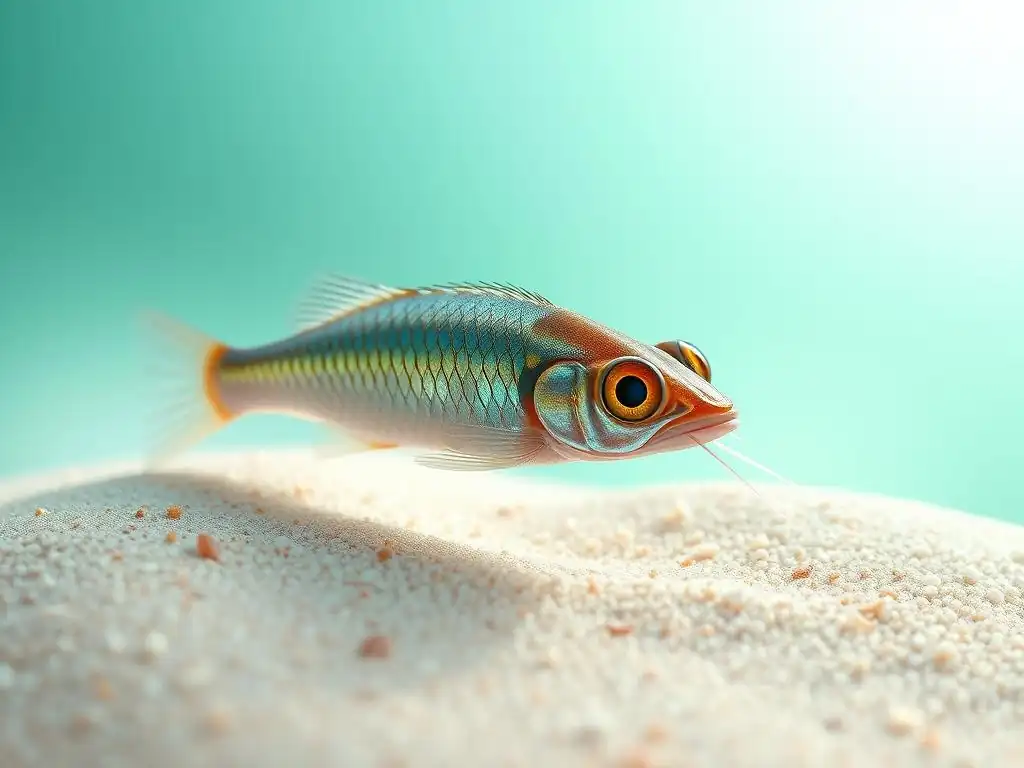
One of the most significant advantages of incorporating a sand sifting goby into a reef aquarium is their invaluable contribution to sand bed maintenance. By constantly sifting through the substrate, these fish effectively aerate the sand, preventing the formation of anaerobic pockets that can release harmful gases like hydrogen sulfide. This natural aeration promotes a healthier sand bed environment, encouraging beneficial bacterial activity and reducing the risk of nutrient buildup.
Furthermore, sand sifting gobies act as living vacuum cleaners, consuming detritus, uneaten food, and algal film from the sand surface. This continuous cleaning action helps to maintain a pristine and aesthetically pleasing sand bed, significantly reducing the need for manual gravel vacuuming. A healthy Diamond Goby, for example, can process several pounds of sand daily, keeping the substrate remarkably clean and free of unsightly debris, which is a major benefit for aquarists seeking low-maintenance solutions and excellent Diamond Goby care.
Potential Drawbacks: Sand Sifting Gobies and the Sand-Sifting Dilemma
Disturbance of the Substrate and Invertebrate Life
While beneficial for aeration, the vigorous sifting activity of sand sifting gobies can also present several challenges. Their constant movement of sand can lead to the displacement of small, unanchored corals or frags, potentially burying them and causing stress or even death. Similarly, their burrowing activities might destabilize unsecured rockwork, posing a risk of rock slides that could damage corals or other tank inhabitants. Aquarists must ensure all rockwork is securely epoxied or stacked to prevent such incidents.
Moreover, the gobies' diet of microfauna means they will consume beneficial invertebrates like copepods and amphipods that inhabit the sand bed. While this is natural, it can deplete the population of these crucial organisms, which serve as a food source for other reef inhabitants like mandarinfish or dragonets. This impact on the sand bed's biodiversity is a significant consideration, especially in smaller or newer tanks where microfauna populations might not be robust enough to sustain both the goby and other dependent species, highlighting a key aspect of Diamond Goby care.
Sand Sifting Gobies and Reef Stability
The continuous sifting action of sand sifting gobies, while beneficial for aeration, can also stir up accumulated detritus and fine particulate matter from within the sand bed into the water column. In systems with inadequate filtration or insufficient water flow, this can lead to cloudy water and, more critically, a temporary increase in dissolved organic compounds and nitrates. These nutrient spikes can stress sensitive corals, potentially leading to tissue necrosis or algal outbreaks if not properly managed.
To mitigate this potential issue, robust mechanical filtration, such as filter socks or a protein skimmer, is highly recommended to promptly remove suspended particles. Additionally, ensuring strong, turbulent water flow throughout the tank helps to keep detritus in suspension, allowing it to be effectively removed by filtration rather than settling deep within the sand bed. Careful monitoring of water parameters and consistent maintenance practices are essential to balance the benefits of sand sifting with the need for stable reef conditions, forming an important part of Diamond Goby care tips.
Sand Sifting Goby Tank Mates: Compatibility in a Reef Environment
Ideal Tank Mates for Sand Sifting Gobies
Choosing appropriate tank mates is crucial for the peaceful coexistence and well-being of sand sifting gobies in a reef aquarium. Due to their peaceful and non-aggressive nature, ideal companions are other docile, small to medium-sized marine fish that do not compete directly for sand bed resources or exhibit aggressive tendencies. Excellent choices include various species of clownfish, such as Ocellaris or Percula Clownfish, which are generally territorial but not overtly aggressive towards gobies.
Other suitable tank mates include firefish (e.g., Purple Firefish, Red Firefish), which primarily inhabit the water column and do not interfere with the goby's sand sifting activities. Small, peaceful wrasses like the Six-Line Wrasse or Melanurus Wrasse can also coexist well, as long as they are not overly boisterous. Peaceful angelfish species, such as the Flame Angelfish, can also be considered. The key is to select species that are not known fin-nippers, overly boisterous, or predatory, ensuring the Diamond Goby can forage without stress, a vital aspect of Diamond Goby care.
Fish to Avoid When Keeping Sand Sifting Gobies
When selecting tank mates for sand sifting gobies, it is equally important to identify and avoid fish species that could pose a threat or cause undue stress. Highly aggressive or predatory fish are unsuitable, as they may view the relatively small and peaceful goby as prey or harass it relentlessly. Examples of fish to avoid include large predatory species like Lionfish, Groupers, or large Anglerfish, which could easily consume a Diamond Goby.
Furthermore, overly boisterous or territorial fish can intimidate the goby, causing it to hide excessively and potentially limit its feeding opportunities. Fin-nipping species, such as some Triggerfish or large Damselfish, should also be avoided, as they can cause physical harm. Lastly, any fish that directly competes for the same limited sand bed food resources, especially in smaller tanks, should be reconsidered, as this can lead to starvation for the goby. Careful selection of tank mates is a critical element of successful Diamond Goby care tips.
Preventing Common Sand Sifting Goby Health Issues
Identifying Signs of a Healthy Sand Sifting Goby
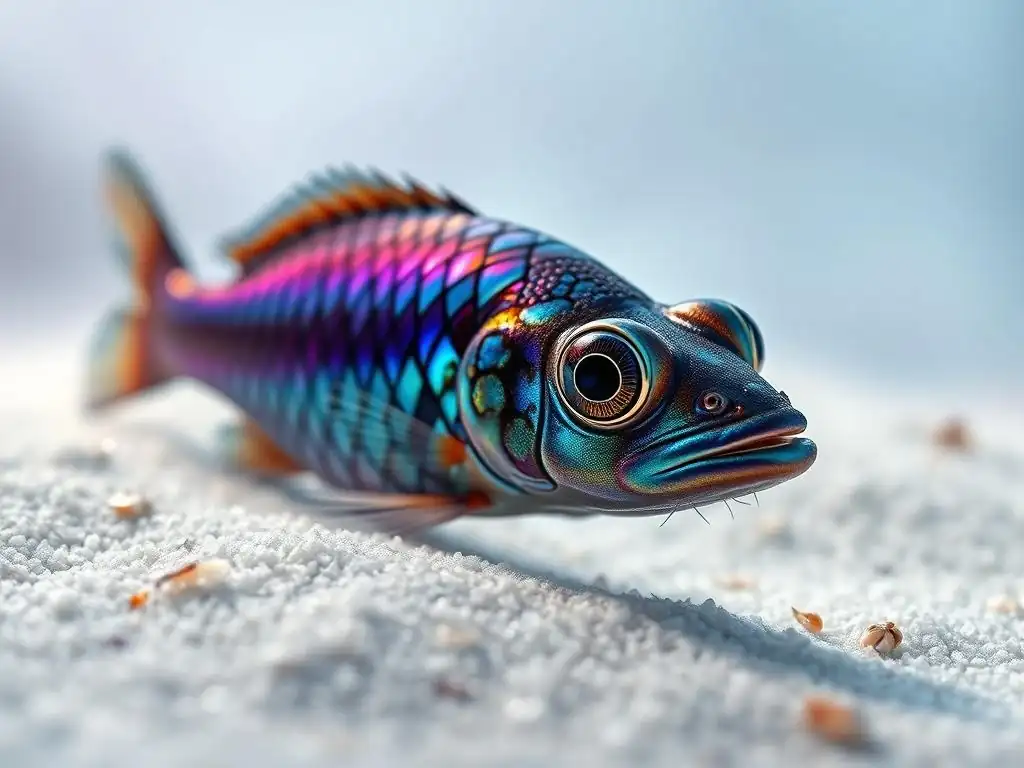
Recognizing the signs of a healthy sand sifting goby is fundamental to proactive Diamond Goby care and preventing serious health issues. A healthy goby will exhibit constant activity, diligently sifting through the sand bed for food. Their coloration should be vibrant and consistent with their species, without any dullness or unusual patches. Their eyes should be clear and bright, and their fins should be intact and free from tears or fraying.
Furthermore, a healthy goby will maintain a good body condition, appearing plump rather than emaciated, which is a common issue for these fish in tanks with insufficient food. They should respond promptly to feeding, actively seeking out and consuming supplemental foods. Any significant decrease in activity, loss of appetite, changes in coloration, rapid breathing, or the appearance of spots or lesions are immediate red flags indicating potential health problems that require prompt investigation and intervention.
Addressing Common Diseases and Parasites in Sand Sifting Gobies
Sand sifting gobies, like all marine fish, are susceptible to common aquarium diseases and parasites, particularly if stressed or introduced without proper quarantine. Ich ( Cryptocaryon irritans) and Marine Velvet ( Amyloodinium ocellatum) are two prevalent external parasites that can manifest as white spots or a dusty appearance on the fish's body and fins. Timely diagnosis and treatment are crucial, often involving copper-based medications or hyposalinity (reduced salinity) in a separate quarantine tank.
Bacterial infections can also occur, leading to symptoms like fin rot, cloudy eyes, or body lesions. These often require broad-spectrum antibiotics, administered either through food or directly to the water in a hospital tank. Internal parasites are less visible but can cause emaciation despite adequate feeding; deworming medications may be necessary. Providing optimal water quality, a nutritious diet, and a stress-free environment are the best preventative measures, forming essential Diamond Goby care tips for disease prevention.
Quarantine Procedures for New Sand Sifting Gobies
Implementing a strict quarantine procedure for any new sand sifting goby is arguably the single most important preventative measure against introducing diseases into your main display tank. A dedicated quarantine tank (QT) of at least 10-20 gallons (38-75 liters) is recommended, equipped with a heater, sponge filter, and PVC pipes or other simple hiding spots for the goby's comfort. Avoid using sand in the QT to facilitate observation and medication.
The recommended quarantine period is typically 4 to 6 weeks. During this time, observe the goby daily for any signs of illness, such as spots, rapid breathing, clamped fins, or unusual behavior.
Many aquarists opt for a preventative treatment regimen during quarantine, such as a freshwater dip upon arrival, followed by a prophylactic dose of a broad-spectrum anti-parasitic medication (e.g., Prazipro) and potentially a copper treatment if Ich or Velvet are a high concern. This diligent process significantly reduces the risk of disease outbreaks in your main reef, safeguarding the health of all your inhabitants and proving invaluable for Diamond Goby care.
Maintaining a Healthy Sand Bed with a Sand Sifting Goby
Balancing Sand Sifting with Manual Maintenance
While a sand sifting goby, such as the Diamond Goby, is an excellent natural detritus consumer and sand aerator, they are not a complete replacement for manual sand bed maintenance. Their sifting action primarily focuses on the upper layers of the sand bed (typically the top 1-2 inches or 2.5-5 cm), and they may not reach areas of low flow or deep detritus pockets. Therefore, a balanced approach is essential to maintaining overall sand bed health.
Regular, albeit less frequent, manual sand vacuuming or siphoning is still recommended, particularly in areas where detritus tends to accumulate, such as under rockwork or in corners. This helps to remove any organic matter that the goby misses or that settles too deeply for them to access. Aim to siphon a small section of the sand bed during each water change, rotating through different areas over time to avoid over-cleaning and disrupting the beneficial microfauna that the goby relies on for food, thereby supporting long-term Diamond Goby care.
Detritus Accumulation and Nutrient Control
Despite the sand sifting goby's efforts, detritus can still accumulate within the sand bed, especially in tanks with high bioloads or insufficient flow. This accumulated detritus breaks down, releasing nitrates and phosphates, which can fuel nuisance algae growth and negatively impact coral health. The goby's sifting can temporarily stir up this detritus, making it visible in the water column, which can be concerning for aquarists if not managed correctly.
Effective nutrient control strategies are crucial to complement the goby's cleaning efforts. This includes robust protein skimming to remove dissolved organics, regular water changes to dilute nutrients, and the use of filter socks or other mechanical filtration to capture suspended particles stirred up by the goby. Ensuring adequate water flow throughout the tank also helps to prevent detritus from settling in dead spots, keeping it in suspension where it can be removed by filtration, an important aspect of comprehensive Diamond Goby care.
The Role of Other Sand Bed Inhabitants
While sand sifting gobies are excellent at their task, they are part of a larger ecosystem, and other sand bed inhabitants play complementary roles in maintaining substrate health. Various types of snails, such as Nassarius snails ( Nassarius vibex), are excellent scavengers that burrow through the sand in search of uneaten food and detritus. They often work deeper within the sand bed than gobies, helping to process organic matter that might otherwise accumulate.
Furthermore, other invertebrates like Tiger Sand Conchs ( Strombus pugilis) are voracious detritivores that consume large amounts of detritus and algae from the sand surface. Microfauna, including copepods and amphipods, are also vital; they break down detritus and form a crucial part of the food web within the sand bed, benefiting not only the goby but also other tank inhabitants. A diverse cleanup crew, working in harmony with the sand sifting goby, creates a more robust and self-sustaining sand bed environment, enhancing overall Diamond Goby care.
Alternative Sand-Sifting Solutions for Reef Tanks
Considering Other Options for Sand Bed Maintenance
For aquarists who find that a sand sifting goby may not be the right fit for their specific reef tank setup, or for those with smaller nano ecosystems where a goby might struggle to thrive, several alternative strategies exist for maintaining a healthy and clean sand bed. These methods can effectively prevent detritus accumulation and ensure proper aeration without the potential drawbacks associated with keeping a sand sifting fish.
One primary alternative is diligent manual siphoning of the sand bed during regular water changes. While more labor-intensive, targeted siphoning allows for precise removal of detritus from specific areas, preventing nutrient buildup. Another effective strategy involves optimizing water flow patterns within the aquarium. Strategic placement of powerheads can create turbulent flow near the sand bed, preventing detritus from settling and keeping it suspended for removal by mechanical filtration.
Invertebrates for Sand Bed Health
A diverse and robust cleanup crew of invertebrates is an excellent alternative or supplement to a sand sifting goby for maintaining sand bed health. Nassarius snails ( Nassarius vibex), for example, are highly effective scavengers that burrow through the sand, consuming detritus and uneaten food. Their small size and active nature make them ideal for aerating the substrate and reaching areas that fish might miss. A general guideline is to add 1 Nassarius snail per 1-2 gallons of tank volume.
Another invaluable invertebrate for sand bed maintenance is the Tiger Sand Conch ( Strombus pugilis). These larger snails spend their days grazing on detritus and algae across the sand surface, often plowing through the substrate and stirring it up in the process. Other beneficial invertebrates include various species of copepods and amphipods, which naturally inhabit the sand bed, consuming detritus and microalgae, and contributing to the overall biological filtration while also serving as a natural food source for many fish.
Mechanical Filtration Methods for Sand Bed Health
Beyond biological and manual solutions, mechanical filtration plays a crucial role in maintaining a clean sand bed and overall water quality. Protein skimmers are highly effective at removing dissolved organic compounds before they break down into nitrates and phosphates, thus preventing detritus from forming in the first place. A well-sized and efficiently operating protein skimmer will significantly reduce the organic load on the sand bed.
Filter socks or filter floss placed in sumps or overflow boxes are also excellent mechanical filtration methods. They physically trap suspended particulate matter, including detritus stirred up from the sand bed. Regular replacement or cleaning of filter socks (every 2-7 days, depending on bioload) is essential to prevent them from becoming a source of nitrates themselves. Combining these mechanical methods with good water flow and a diverse cleanup crew provides a comprehensive approach to sand bed health, even without a dedicated sand sifting goby.
Conclusion: Making an Informed Decision About Sand Sifting Goby Care
Is a Sand Sifting Goby Right for Your Reef?
The decision to add a sand sifting goby, such as the popular Diamond Goby, to your reef aquarium requires careful consideration of your tank's specific parameters and long-term sustainability. These fascinating fish offer clear benefits in terms of sand bed aeration and detritus consumption, contributing to a cleaner and more aesthetically pleasing substrate. Their unique sifting behavior also adds a dynamic and engaging element to any display.
However, their specialized dietary needs and constant foraging activity mean they are not suitable for every setup. Tanks smaller than 50-75 gallons often lack the robust, mature sand bed required to provide a sustainable food source, potentially leading to slow starvation. The potential for substrate disturbance, impact on microfauna populations, and temporary nutrient spikes also needs to be weighed against their benefits. Ultimately, a sand sifting goby is best suited for established, larger reef tanks with a deep, fine sand bed and an aquarist committed to providing diligent Diamond Goby care tips, including supplemental feeding.
Key Considerations for Successful Sand Sifting Goby Keeping
For aquarists who decide to welcome a sand sifting goby into their reef, success hinges on addressing several key considerations. Firstly, ensure your tank meets the minimum size requirements (50-75 gallons or more) and features a deep (2-4+ inches) bed of fine sand (0.5-2.0 mm grain size). This provides the necessary foraging ground and burrowing space. Secondly, commit to a consistent supplemental feeding regimen, offering frozen foods like Mysis shrimp or enriched brine shrimp 2-3 times daily, as natural food sources in an aquarium are often insufficient.
Thirdly, maintain pristine water quality through stable parameters, regular water changes, and robust filtration, including protein skimming and mechanical filtration, to manage any detritus stirred up by the goby. Fourthly, select peaceful tank mates that will not compete for food or harass the goby. Finally, implement a strict quarantine procedure for any new goby to prevent disease introduction. By adhering to these Diamond Goby care tips, aquarists can significantly increase the chances of their sand sifting goby thriving and becoming a long-term, valuable inhabitant of their reef aquarium.
Frequently Asked Questions
What are the key considerations before adding a Diamond Goby to my nano aquarium?
Before introducing a Diamond Goby, ensure your tank is well-established with a mature sand bed to provide ample food. Also, verify your tank mates are compatible, as Diamond Gobies can be territorial.
What are the essential water parameters for optimal Diamond Goby care?
Diamond Gobies thrive in stable saltwater conditions. Maintain a specific gravity of 1.024-1.026, a pH of 8.1-8.4, and keep ammonia and nitrite levels at zero.
How do I ensure my Diamond Goby gets enough food in a nano aquarium?
While Diamond Gobies sift sand for food, supplement their diet with small, meaty foods like mysis shrimp and brine shrimp. Target feeding can ensure they receive adequate nutrition.
What are common health issues Diamond Gobies face, and how can I prevent them?
Diamond Gobies are susceptible to ich and other parasites if stressed. Maintain excellent water quality, quarantine new additions, and provide a stress-free environment to prevent illness.
How much sand do I need to have in my tank?
A deep sand bed is crucial for Diamond Gobies, ideally at least 3-4 inches deep. This allows them to sift effectively and find food, as well as provide a suitable habitat.
Final Reflection: The Sparkling Future of Reefkeeping
The Diamond Goby, as we've explored, presents a fascinating case study in responsible reefkeeping. Its natural sand-sifting behavior, while beneficial, necessitates careful consideration of the delicate balance within a nano ecosystem. Understanding the nuances of Diamond Goby care is not merely about maintaining a clean substrate; it's about embracing the responsibility that comes with introducing any creature into a closed environment. The choices we make as aquarists directly impact the well-being of these animals and the overall health of our miniature reefs.
The enduring appeal of the Diamond Goby lies in its ability to transform the mundane task of substrate maintenance into a captivating display of natural behavior. This connection to the natural world, even within the confines of a glass box, is what makes reefkeeping so profoundly rewarding. It reminds us that we are stewards of these tiny ecosystems, and our actions have far-reaching consequences. In the end, we will conserve only what we love; we will love only what we understand; and we will understand only what we are taught.
- Baba Dioum. This quote encapsulates the essence of responsible reefkeeping: education, understanding, and ultimately, conservation.
As you consider adding a Diamond Goby to your nano reef, remember that knowledge is power. Reflect on the information shared here, and commit to providing the best possible environment for this fascinating creature. Let your aquarium be a testament to responsible reefkeeping, a vibrant ecosystem where both beauty and sustainability thrive. Embrace the challenge, and discover the sparkling future of reefkeeping, one grain of sand at a time.
Transform Your Nano Tank: Adopt the Diamond Goby Today!
Thank you for diving into the world of Diamond Gobies! We hope you've gained valuable insights into whether this fascinating fish is the right fit for your nano aquarium. Now, let's make that knowledge actionable!
- Commit to responsible aquarium keeping: Thoroughly research the specific needs of Diamond Gobies and ensure your tank provides the appropriate environment before bringing one home.
- Explore the benefits of live sand, and consider introducing copepods or amphipods to the aquarium's ecosystem to enhance the goby's natural feeding habits.
- Share this article with fellow aquarium enthusiasts and start a conversation about the pros and cons of sand-sifting gobies in nano tanks!
What specific concerns do you have about introducing a Diamond Goby to your existing nano tank ecosystem?