
My Clownfish Ignores Its Anemone: Troubleshooting Hosting Issues & Solutions

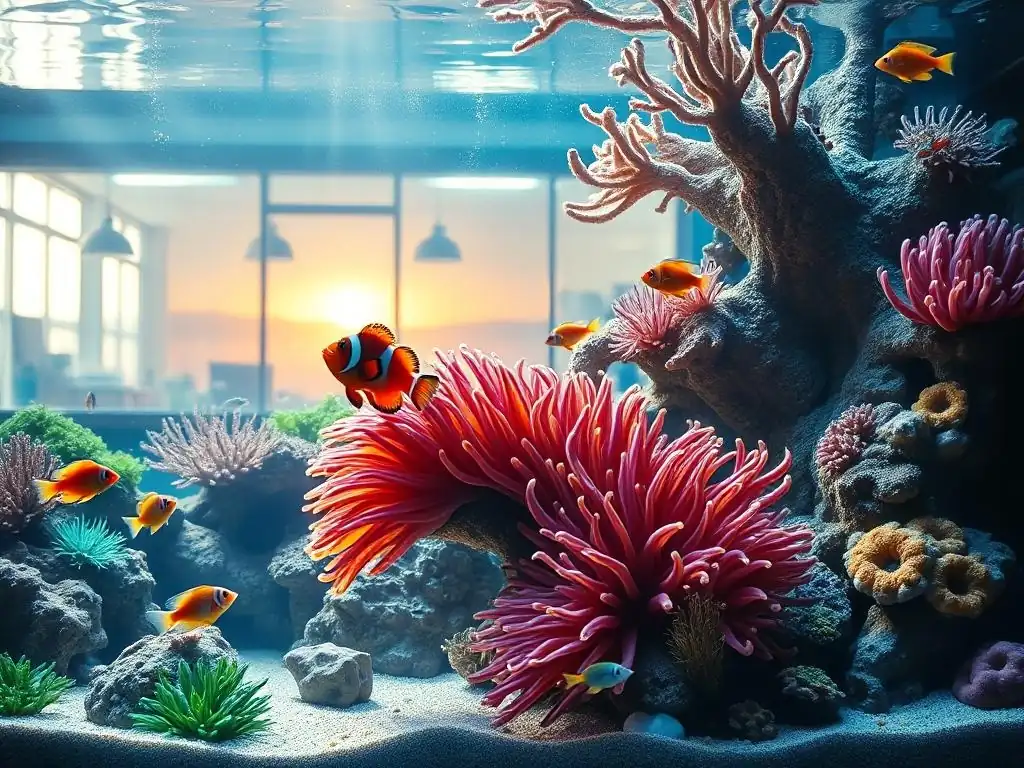
Welcome to Aquarium Mastery!
Ever wondered why your vibrant clownfish just won't snuggle up to its anemone? It's a common frustration for saltwater enthusiasts, and we're here to unravel the mystery. Dive into our comprehensive guide, "My Clownfish Ignores Its Anemone: Troubleshooting Hosting Issues & Solutions," where we explore the fascinating reasons behind this behavior and offer proven strategies to encourage a happy, symbiotic relationship in your saltwater aquarium. Ready to finally crack the code? Let's get started!
- Clownfish Ignoring Anemone: Troubleshooting and Solutions
- Understanding the Clownfish-Anemone Relationship
- Reasons for a Clownfish Ignoring Its Anemone
- Troubleshooting Anemone Hosting Problems
- Selecting the Right Anemone
- Managing Competition for the Anemone
- Identifying Serious Problems
- Preventing Future Issues
- Frequently Asked Questions
- Final Reflection: The Unspoken Language of the Reef
- Dive Deeper: Unlock a Thriving Anemone-Clownfish Partnership!
Clownfish Ignoring Anemone: Troubleshooting and Solutions
Understanding the Clownfish-Anemone Relationship
The Natural Symbiosis
The relationship between clownfish and sea anemones is one of nature's most iconic examples of mutualism, a symbiotic interaction where both species benefit. Clownfish possess a unique mucous coat that renders them immune to the stinging nematocysts of their host anemone, allowing them to shelter safely within its tentacles.
This natural immunity enables the clownfish to gain protection from predators, access to food scraps, and a secure breeding ground. For instance, an Ocellaris clownfish (Amphiprion ocellaris) will comfortably reside within the tentacles of a Bubble Tip Anemone (Entacmaea quadricolor), while other fish that lack this immunity would be quickly paralyzed and consumed.
In return for providing shelter, the clownfish offers several advantages to its anemone host. Clownfish are known to clean debris and parasites from the anemone's tentacles, effectively acting as a living janitor. Their constant movement within the anemone's tentacles also helps improve water circulation, which can aid in the anemone's respiration and nutrient uptake. Furthermore, the clownfish's aggressive territorial defense can deter potential predators of the anemone, such as certain butterflyfish species or sea slugs, making it a truly reciprocal partnership.
Benefits of Anemone Hosting for Clownfish
For clownfish, the primary benefit of hosting an anemone is unparalleled protection from predators. In the wild, species like triggerfish, moray eels, and even larger reef fish frequently prey on smaller fish, but they typically avoid the stinging tentacles of an anemone. The anemone provides a safe haven where the clownfish can retreat instantly when threatened, significantly increasing its chances of survival. This protective barrier allows the clownfish to venture out for food and then quickly return to safety, leading to a more relaxed and less stressed existence.
Beyond physical protection, anemone hosting offers significant advantages for reproduction and nutrition. The anemone's base often serves as a secure spawning site, where the female clownfish can lay her eggs directly on the rockwork beneath the protective tentacles. The male clownfish then guards these eggs diligently until they hatch, with the anemone providing an effective deterrent against egg predators. Additionally, clownfish often feed on uneaten food particles and waste products from the anemone, supplementing their diet with readily available nutrients. This access to shelter and food contributes to the overall health and longevity of the clownfish.
Potential Benefits for Anemones
While the benefits to clownfish are more widely known, the anemone also gains distinct advantages from hosting its clownfish companion. One significant benefit is the cleaning service provided by the clownfish. As clownfish move through the anemone's tentacles, they can remove detritus, parasites, and algae, helping to keep the anemone's surface clean and healthy. This constant preening ensures the anemone's polyps remain clear for optimal feeding and photosynthesis.
Another crucial benefit for the anemone is protection from its own predators. While many fish avoid anemones due to their sting, some specialized predators like certain species of butterflyfish (e.g., Copperband Butterflyfish, though typically not a direct predator, can pick at anemones) or sea slugs can pose a threat. The clownfish, being highly territorial, will aggressively chase away such threats, acting as a vigilant bodyguard.
For instance, a pair of Maroon Clownfish (Premnas biaculeatus) are known for their particularly aggressive defense of their host anemone, often charging at any perceived threat. The clownfish's waste products, rich in ammonia and nitrates, are also believed to be utilized by the anemone as a nutrient source, further contributing to its well-being.
Reasons for a Clownfish Ignoring Its Anemone
Acclimation Period for Newly Introduced Clownfish
It is common for newly introduced clownfish to initially ignore an anemone, even if it's a species known to be a preferred host. This behavior is often due to the stress of acclimation to a new environment. When a clownfish is moved from a fish store tank to a new home aquarium, it experiences significant changes in water parameters, lighting, and tank mates, which can be overwhelming. During this period, the clownfish prioritizes exploring its new surroundings and finding safe hiding spots rather than immediately seeking out an anemone.
This acclimation period can vary widely, from a few days to several weeks, and sometimes even months. For example, a young Ocellaris clownfish might take 2-4 weeks to begin investigating an anemone after introduction. Patience is key during this phase; forcing the issue can further stress the fish. A clownfish won't host anemone if it feels unsafe or disoriented in its new habitat, and allowing it time to adjust naturally is crucial for its long-term well-being and eventual hosting behavior.
Clownfish Maturity and Pairing Dynamics
The age and social maturity of a clownfish can significantly influence its hosting behavior. Juvenile clownfish, especially those that are tank-bred, may not possess the innate instinct to host an anemone immediately. Many tank-bred clownfish are raised without exposure to anemones, leading them to sometimes host other corals (like Euphyllia or Duncan corals) or even tank equipment instead. It might take several months for a young clownfish to develop the instinct and confidence to approach an anemone.
Furthermore, the social dynamics within a pair of clownfish can play a role. Clownfish are protandrous hermaphrodites, meaning they are all born male and the dominant individual in a pair will change to female. The larger, more dominant female often takes the lead in establishing territory and interaction with the anemone. If the hierarchy is not yet established, or if one fish is particularly timid, it might delay hosting. In some cases, a clownfish won't host anemone if it's too young or if the established pair dynamics aren't conducive to immediate hosting.
Anemone Health and Species Compatibility
A critical factor influencing whether a clownfish won't host anemone is the health and specific species of the anemone itself. A stressed, unhealthy, or dying anemone will not be attractive or safe for a clownfish to host. Anemones that are bleached, shrunken, have a gaping mouth, or are detaching from their substrate are indicators of poor health and are unlikely to entice a clownfish. For instance, a Bubble Tip Anemone suffering from bleaching due to inadequate lighting or temperature shock will appear dull and deflated, making it an unappealing host.
Beyond health, species compatibility is paramount. Not all anemone species are suitable hosts for all clownfish species, and some clownfish have very specific preferences. For example, while Ocellaris and Percula clownfish readily host Bubble Tip Anemones, they are less likely to host a Carpet Anemone (Stichodactyla haddoni), which is more commonly hosted by Clarkii or Saddleback clownfish. Attempting to force an incompatible pairing often results in the clownfish ignoring the anemone, as their natural instincts guide them toward specific host species they recognize and are adapted to.
Water Quality Parameters and Their Impact
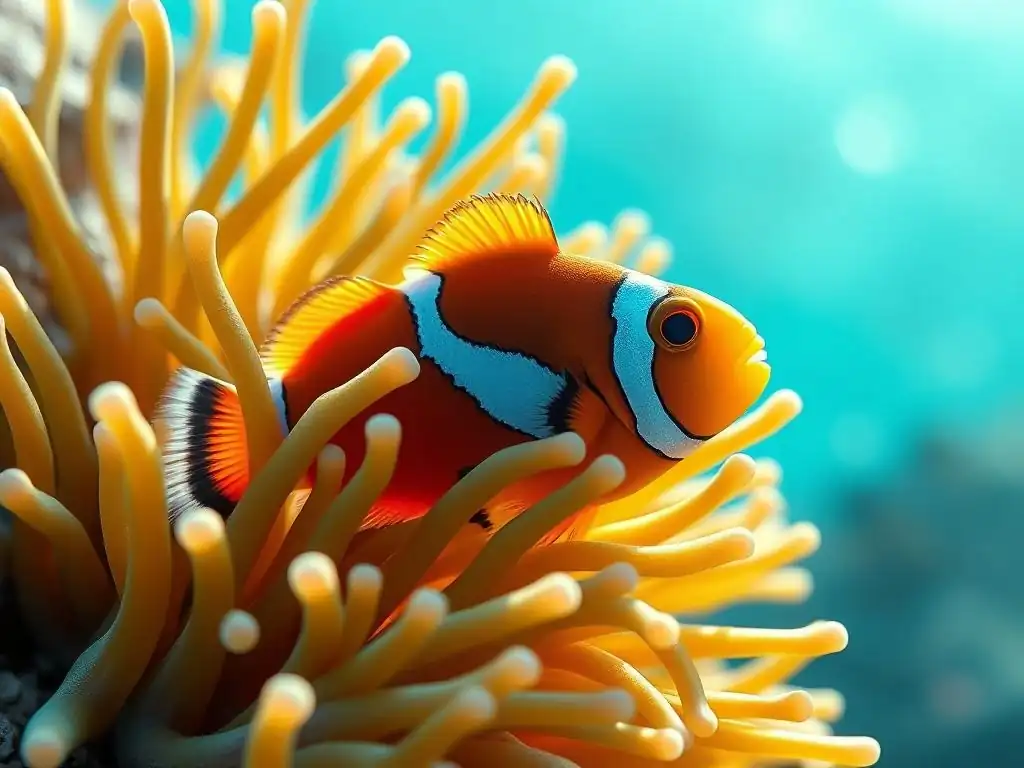
Suboptimal water quality is a significant stressor for both clownfish and anemones, often leading to a clownfish won't host anemone scenario. Anemones are particularly sensitive to fluctuations and poor parameters, which can lead to stress, bleaching, and even death. High levels of ammonia, nitrite, or nitrate, or unstable salinity, pH, or temperature, can severely impact an anemone's health, making it an undesirable or even harmful host. For instance, ammonia levels above 0 ppm or nitrite levels above 0 ppm are highly toxic to anemones, causing them to shrink and lose color.
Consistent and stable water parameters are crucial for encouraging natural hosting behavior. Salinity should ideally be maintained between 1.024 and 1.026 specific gravity, with temperature stable between 75-80°F (24-27°C). pH levels should remain within the 8.1-8.4 range. Even slight, consistent deviations or rapid fluctuations can stress both the clownfish and the anemone. A stressed anemone, struggling to survive in poor water conditions, will not emit the chemical cues or provide the stable environment that a clownfish seeks for hosting.
Stress Factors in the Aquarium
Various environmental stressors within the aquarium can prevent a clownfish from hosting its anemone. Aggressive tank mates are a common culprit; if a clownfish is constantly being harassed or bullied by other fish, its primary focus will be on survival and finding safe hiding spots, not on establishing a symbiotic relationship. For instance, a Damselfish or certain Dottyback species can be highly territorial and chase a clownfish away from the anemone's vicinity.
Inadequate hiding places or improper water flow can also contribute to stress. If the clownfish feels exposed or is constantly buffeted by strong currents, it may avoid the anemone. Similarly, incorrect lighting spectrum or intensity for the anemone can cause it stress, making it less appealing. Anemones require specific lighting to thrive, and if the light is too dim or too intense, the anemone may bleach or shrink, which in turn makes the clownfish won't host anemone situation more likely. A comfortable and secure environment is essential for the clownfish to exhibit natural behaviors like hosting.
Incompatible Clownfish and Anemone Species
One of the most frequent reasons a clownfish won't host anemone is a fundamental incompatibility between the species. While many clownfish species are opportunistic hosts, they often have strong preferences for certain anemone species in the wild. For example, the Pink Skunk Clownfish (Amphiprion perideraion) almost exclusively hosts the Magnificent Anemone (Heteractis magnifica) or the Sebae Anemone (Heteractis crispa) in its natural habitat. If placed with a Bubble Tip Anemone, it may show little to no interest.
Furthermore, some clownfish species are naturally less inclined to host anemones, especially if they are tank-bred and have never been exposed to one. For instance, while most Ocellaris and Percula clownfish will eventually host, some individuals may prefer non-anemone hosts like specific LPS corals (e.g., Euphyllia or elegance corals), powerheads, or even glass corners. Researching the specific hosting preferences of your clownfish species and selecting an appropriate anemone is crucial for success, as attempting to force an unnatural pairing is often futile and can stress both animals.
Troubleshooting Anemone Hosting Problems
Assessing Anemone Health
Signs of a Healthy Anemone
A healthy anemone is the most enticing host for a clownfish, and recognizing its signs is crucial if your clownfish won't host anemone. A healthy anemone will typically be fully inflated, with plump, turgid tentacles extended outwards. Its foot should be firmly attached to stable rockwork, demonstrating a strong grip that resists gentle water flow. The mouth, located in the center of the oral disc, should be tightly closed, appearing as a small, puckered opening. If the mouth is gaping open, it often signals significant stress or illness.
Furthermore, a healthy anemone will exhibit vibrant, consistent coloration, indicative of thriving zooxanthellae (symbiotic algae) within its tissues. For example, a healthy Bubble Tip Anemone will display robust, often green, pink, or brown coloration with fully inflated "bubbles" at the tips of its tentacles. It should also show a clear feeding response, retracting its tentacles slightly and pulling food towards its mouth when offered small marine-appropriate food items.
Identifying and Treating Anemone Diseases
Anemones can suffer from various ailments, often stemming from poor water quality or environmental stress, which can deter clownfish from hosting. Common signs of an unhealthy anemone include shrinking significantly, bleaching (loss of color), deflating tentacles, or detaching from its substrate and floating around the tank. A gaping mouth is a critical indicator of severe stress or impending death. For instance, if a Sebae Anemone rapidly loses its brown or purple coloration and turns pale white, it is likely undergoing bleaching due to unsuitable lighting, temperature shock, or nutrient deprivation.
Treating anemone diseases primarily involves addressing the underlying environmental issues. This means meticulously checking and correcting all water parameters (salinity, temperature, pH, ammonia, nitrite, nitrate) to their optimal ranges. Providing appropriate lighting and stable water flow is also vital. In some cases, targeted feeding with high-quality marine protein (e.g., small pieces of silversides or mysis shrimp) can help nourish a struggling anemone. If the anemone has detached, gently guiding it to a suitable, stable rock crevice where it can reattach might be necessary, but avoid forcing it into place.
Optimizing Water Quality
Regular Water Changes and Testing Protocols
Maintaining pristine water quality is paramount for both clownfish and anemones, and often the first step when a clownfish won't host anemone. Regular water changes are essential for diluting nitrates, replenishing trace elements, and removing accumulated organic pollutants. A consistent schedule of 10-20% weekly or bi-weekly water changes is generally recommended for reef tanks housing anemones. For example, in a 50-gallon tank, this translates to changing 5-10 gallons of water every 7-14 days.
Accurate and frequent water testing is equally important to monitor parameters and identify potential issues before they become critical. Utilizing reliable test kits (e.g., Salifert, Hanna, API) for salinity, temperature, pH, ammonia, nitrite, and nitrate is crucial. For a new tank or one experiencing issues, daily testing of ammonia and nitrite is advised, while established tanks should be tested weekly or bi-weekly for all parameters. This proactive approach helps ensure a stable and healthy environment that encourages natural hosting behaviors.
Maintaining Stable Salinity, pH, and Temperature
Stability in key water parameters is more critical than hitting exact numbers, as fluctuations can be highly stressful to sensitive invertebrates like anemones. Salinity should be maintained within a narrow range of 1.024 to 1.026 specific gravity (or 32-35 ppt). Daily fluctuations exceeding 0.002 can significantly stress an anemone, potentially causing it to shrink or detach. Using an auto top-off (ATO) system can help maintain stable salinity by replacing evaporated freshwater.
Temperature should be kept consistently between 75-80°F (24-27°C), with daily variations ideally limited to 1-2°F. Heaters with reliable thermostats and a backup heater are recommended. pH levels should be stable between 8.1 and 8.4. Dips below 7.9 or spikes above 8.5 can indicate underlying issues, such as inadequate alkalinity or poor gas exchange. Regular monitoring and the use of buffers or Kalkwasser dosing can help maintain pH stability, creating an optimal environment where the clownfish won't host anemone due to poor water conditions.
Managing Ammonia, Nitrite, and Nitrate Levels
For any marine aquarium, especially one with sensitive invertebrates, ammonia and nitrite levels must be absolutely zero (0 ppm). Even trace amounts are highly toxic to anemones and clownfish, causing severe stress, illness, and potentially death. These compounds are typically present in new tanks undergoing the nitrogen cycle or in established tanks with insufficient biological filtration or overfeeding. Regular testing is vital to confirm their absence.
Nitrate levels, while less acutely toxic than ammonia or nitrite, should also be kept low in a reef environment. For tanks housing anemones, target nitrate levels below 10-20 ppm. Higher levels (e.g., 40 ppm or more) can stress anemones, inhibit their growth, and contribute to nuisance algae outbreaks. Strategies to manage nitrates include consistent water changes, proper stocking levels, avoiding overfeeding, and utilizing refugiums or macroalgae to export nutrients, ensuring a pristine environment where the clownfish won't host anemone due to toxins.
Reducing Stress in the Aquarium
Minimizing Aggression From Tank Mates
Aggression from other fish can be a significant stressor for clownfish, often preventing them from exhibiting natural behaviors like hosting. If your clownfish won't host anemone, observe tank mate interactions closely. Highly territorial or aggressive fish species, such as certain damsels, dottybacks, or even some larger wrasses, may constantly chase or nip at your clownfish, making it feel insecure. A clownfish under constant harassment will prioritize finding a safe hiding spot away from the aggression rather than exploring or settling into an anemone.
To minimize aggression, ensure your tank is adequately sized for all inhabitants; a minimum of 30 gallons for a single clownfish pair is generally recommended, with larger tanks (e.g., 50+ gallons) allowing for more diverse communities. If a particular tank mate is consistently bullying the clownfish, consider rehoming the aggressor. Introducing new fish carefully, perhaps during a lights-out period or by rearranging rockwork, can also help reduce initial territorial disputes and allow the clownfish to feel more secure.
Providing Adequate Hiding Places and Flow
A sense of security is paramount for a clownfish to host. If the aquarium lacks sufficient hiding places, the clownfish may feel exposed and vulnerable, leading it to avoid the open tentacles of an anemone. Ensure your aquascape includes plenty of live rock formations with crevices, caves, and overhangs where the clownfish can retreat when it feels threatened. These natural hiding spots provide a sense of safety that encourages natural behavior.
Water flow is another critical factor. While anemones require moderate, indirect flow to thrive, excessive or direct flow can physically stress them, causing them to shrink or detach. Similarly, a clownfish might avoid an anemone if the flow around it is too strong, making it difficult to swim comfortably. Adjust powerheads to provide a gentle, turbulent flow around the anemone, ensuring it can expand fully and the clownfish can navigate its vicinity without undue effort. A clownfish won't host anemone if the physical environment around it is uncomfortable or unsafe.
Ensuring Proper Lighting Spectrum and Intensity
Anemones are photosynthetic invertebrates that rely heavily on proper lighting for their energy needs. If the lighting in your aquarium is insufficient in spectrum or intensity, the anemone will suffer, potentially leading to bleaching, shrinking, and a general decline in health. For example, a Bubble Tip Anemone typically thrives under moderate to high PAR (Photosynthetically Active Radiation) levels, often requiring full-spectrum LED or T5 HO lighting. If the light is too dim, its zooxanthellae will not produce enough energy, causing the anemone to fade in color.
Conversely, lighting that is too intense or introduced too rapidly can also stress an anemone, causing it to bleach or burn. Research the specific lighting requirements for your chosen anemone species and ensure your aquarium's lights meet those needs. A healthy, vibrant anemone is far more attractive to a clownfish. When the anemone is thriving under optimal lighting, it emits the chemical cues and presents the visual appeal that encourages a clownfish won't host anemone situation to resolve.
Encouraging Hosting Behavior
Gradual Introduction Techniques
When a clownfish won't host anemone, patience and gradual introduction techniques can sometimes encourage the behavior. If you are setting up a new tank, some aquarists recommend introducing the anemone first, allowing it to settle and firmly attach to a rockwork location for several weeks before introducing the clownfish. This ensures the anemone is healthy and stable when the clownfish arrives.
Alternatively, if the clownfish is already in the tank, allow it to fully acclimate to its new environment for several weeks before introducing the anemone. Once the clownfish appears comfortable, introduce the anemone and place it in an area with appropriate flow and lighting, allowing it to naturally find its preferred spot. Avoid placing the anemone directly on top of the clownfish or its current hiding spot, as this can be perceived as an invasion rather than an invitation.
Using Anemone-Specific Food Stimulants
Gently feeding the anemone can sometimes attract the clownfish's attention and pique its curiosity, potentially encouraging hosting. Anemones benefit from targeted feeding with small pieces of marine-appropriate foods like mysis shrimp, chopped silversides, or enriched brine shrimp, typically once or twice a week. When you feed the anemone, the release of food particles and the anemone's feeding response can create a scent and visual cue that the clownfish might associate with sustenance and safety.
Approach the feeding carefully, using a turkey baster or long tweezers to place food directly onto the anemone's tentacles. Observe if the clownfish comes closer to investigate the activity around the anemone. While this method is not guaranteed, the increased activity and the presence of food can sometimes be enough to stimulate the clownfish's natural instincts, encouraging it to interact more closely with the anemone.
Utilizing Visual Cues and Water Flow
Sometimes, subtle environmental adjustments can encourage a clownfish won't host anemone situation to change. Observe where your clownfish spends most of its time in the tank. If it consistently hangs out near a specific rock or corner, try to place the anemone in that general vicinity, ensuring it still has its required lighting and flow. The clownfish might be more inclined to investigate an anemone that is within its established comfort zone or perceived territory.
Adjusting water flow can also play a role. Anemones thrive in moderate, indirect flow, and clownfish prefer areas where they can swim comfortably. Ensure the flow around the anemone is not too turbulent or too stagnant. A gentle, undulating flow can make the anemone's tentacles sway naturally, making it appear more inviting and dynamic to the clownfish. Some aquarists have also anecdotally reported success by placing a picture of a clownfish hosting an anemone near the tank, though scientific evidence for this is lacking.
Careful Physical Placement (If Necessary)
This technique should be used with extreme caution and only as a last resort, as it can stress both the clownfish and the anemone. If after weeks or months, your clownfish won't host anemone despite all other efforts, some aquarists might attempt a gentle physical nudge. The idea is to carefully guide the clownfish towards the anemone's tentacles using a net or a clean, gloved hand, allowing it to brush against them. The aim is to re-familiarize the clownfish with the anemone's texture and chemical cues.
Never force the clownfish into the anemone's tentacles or hold it there against its will, as this can cause severe stress, injury, or even prompt the clownfish to develop an aversion to the anemone. This method is most effective if the clownfish shows some level of curiosity but is hesitant. The goal is to provide a brief, gentle contact that might trigger the innate hosting instinct without causing undue fear or harm to either animal.
Selecting the Right Anemone
Compatible Anemone Species for Clownfish
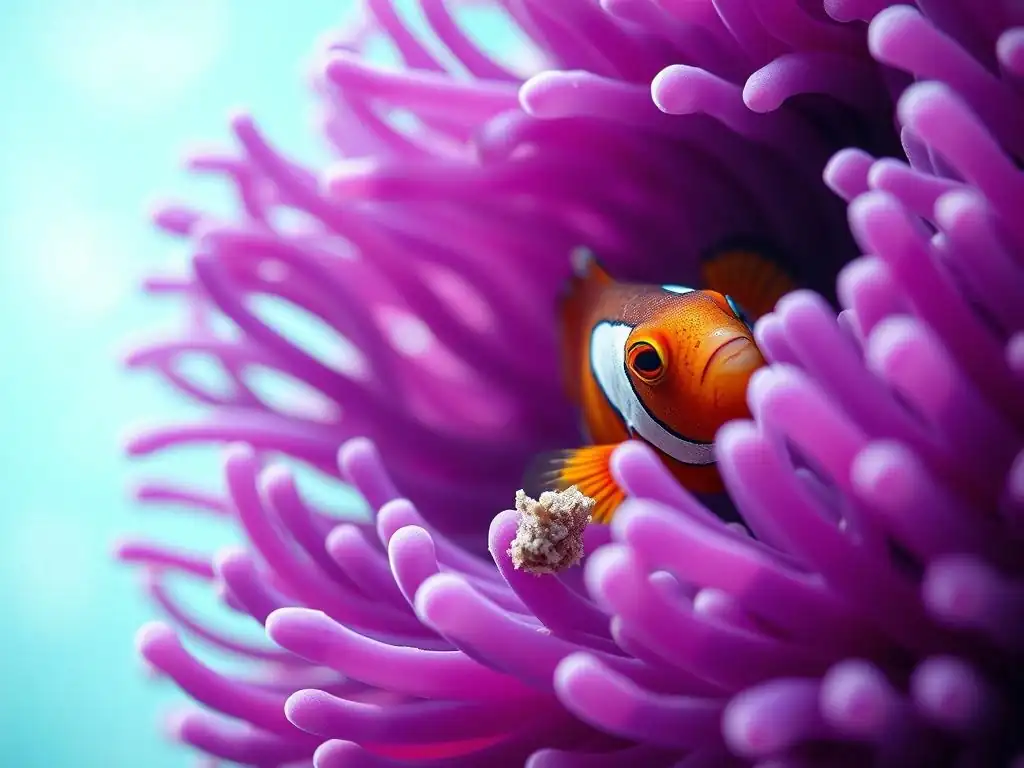
Choosing the correct anemone species is paramount to successful hosting, as a clownfish won't host anemone if it's incompatible. While many clownfish are opportunistic, they exhibit strong preferences. The Bubble Tip Anemone (Entacmaea quadricolor) is one of the most popular and relatively hardy choices, known to host a wide range of clownfish, including Ocellaris, Percula, Clarkii, Sebae, Tomato, and Maroon clownfish. Its distinct "bubbles" at the tentacle tips make it easily recognizable.
Other compatible species include the Sebae Anemone (Heteractis crispa), which hosts Ocellaris, Percula, Clarkii, and Skunk clownfish, and the Long Tentacle Anemone (Macrodactyla doreensis), also a host for Ocellaris, Percula, and Clarkii clownfish. The Magnificent Anemone (Heteractis magnifica) is a stunning host for many species but requires very large, established tanks (100+ gallons) due to its size and light requirements. Researching the specific natural hosts for your clownfish species before purchase significantly increases the likelihood of successful symbiosis.
Matching Anemone Size to Clownfish Size
The size relationship between the clownfish and its host anemone is important for both safety and effective hosting. An anemone should be large enough to offer sufficient protection and space for the clownfish to move comfortably within its tentacles, but not so large that it overwhelms the aquarium or poses a threat to other tank inhabitants. A general guideline is that the anemone's diameter, when fully expanded, should be at least three to four times the length of the clownfish.
For example, a 2-inch Ocellaris clownfish would ideally be paired with a Bubble Tip Anemone that expands to at least 6-8 inches in diameter. If the anemone is too small, the clownfish may not feel adequately protected, or it might stress the anemone by constantly trying to occupy its limited space. Conversely, an excessively large anemone in a small tank can grow to dominate the aquascape, potentially stinging nearby corals or fish, and may not be necessary for a small clownfish.
Optimal Anemone Placement in the Aquarium
Proper placement of the anemone is crucial for its health and to encourage hosting, especially if your clownfish won't host anemone despite other efforts. Anemones need to firmly attach their muscular foot to stable rockwork, not directly on the sand bed, as this can lead to "foot rot" or instability. Provide a crevice or a secure spot within the live rock where the anemone can anchor itself firmly. Once attached, avoid moving it, as this can cause significant stress.
Ensure the chosen location provides the specific lighting and water flow requirements for your anemone species. For instance, most Bubble Tip Anemones prefer moderate to high light and moderate, indirect water flow. Placing it where it receives sufficient light without being blasted by direct flow is key. Also, consider its potential to move; anemones can relocate if unhappy, so ensure there's enough space around its intended spot to prevent it from stinging other corals or sessile invertebrates if it decides to wander.
Managing Competition for the Anemone
Identifying Competing Fish Species
When a clownfish won't host anemone, competition from other tank inhabitants can sometimes be an overlooked factor. While clownfish are territorial over their chosen host, other fish species might attempt to occupy the same rockwork or even try to "host" the anemone themselves, causing stress to both the clownfish and the anemone. This is particularly true in smaller tanks where space is limited.
For example, certain species of gobies or blennies might attempt to claim the same rock crevice where the anemone is attached, leading to territorial disputes. In rare cases, if multiple clownfish pairs are housed in a tank that is too small (e.g., less than 180 gallons), they may compete aggressively for the single host anemone, often resulting in one pair dominating and preventing the other from hosting. Identifying and mitigating these competitive interactions is vital for harmony and successful hosting.
Strategies for Reducing Competition
If competition is preventing your clownfish won't host anemone, several strategies can help alleviate the issue. The most effective approach is to ensure adequate space within the aquarium. For multiple clownfish pairs, a very large tank (e.g., 180 gallons or more) is typically required to allow each pair to establish its own territory and potentially host separate anemones or host corals. Providing multiple hiding spots and diverse rockwork can also help diffuse aggression by offering alternative territories.
If a specific tank mate is consistently harassing the clownfish or attempting to occupy the anemone, rehoming the aggressive fish should be considered. Sometimes, simply rearranging the rockwork can disrupt established territories and reduce aggression. For tank-bred clownfish that may host non-anemone objects, providing alternative host corals like Euphyllia (Hammer, Frogspawn, Torch corals) can also reduce pressure on the anemone, allowing the clownfish to find a suitable substitute host.
Identifying Serious Problems
Recognizing Clownfish Illness
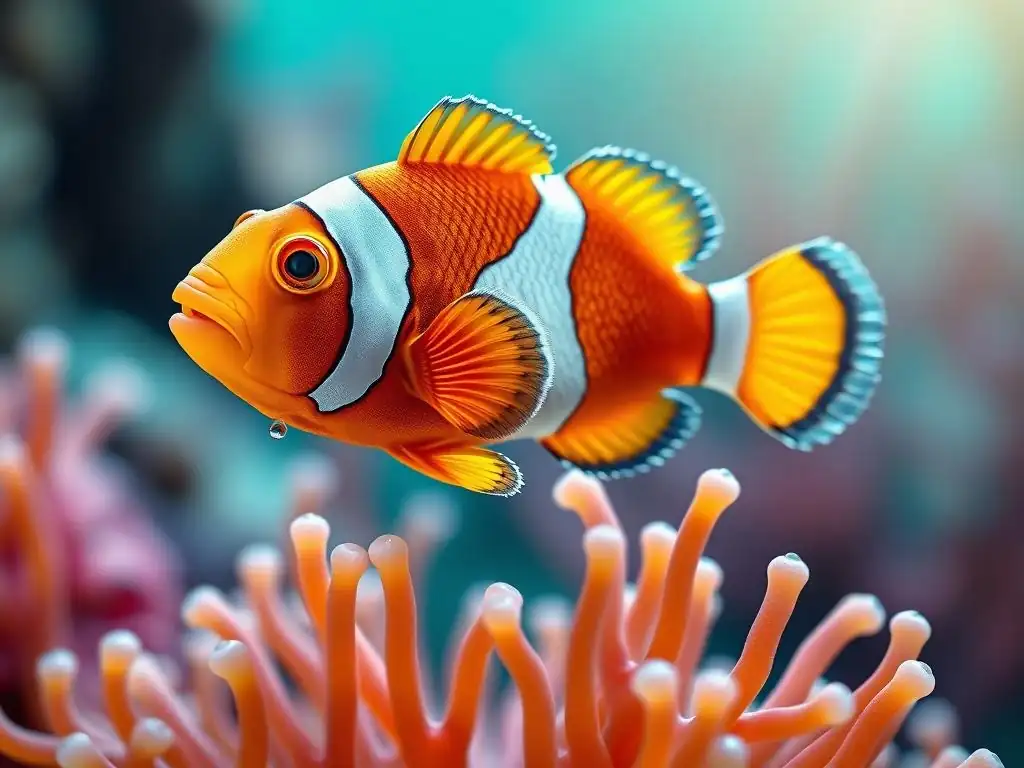
If your clownfish won't host anemone and also exhibits unusual behaviors, it might be suffering from an illness. Recognizing the signs of clownfish illness is crucial for early intervention. Common indicators include loss of appetite, lethargy (spending unusual amounts of time at the bottom or surface), clamped fins (held tightly against the body), or rapid breathing. Physical signs like white spots (Ich), velvet (a dusty coating), fin rot, or abnormal growths on the body are clear indicators of disease.
A sick clownfish will be too stressed or debilitated to engage in natural behaviors like hosting. For example, a clownfish suffering from Brooklynella hostilis, a common parasitic infection, may exhibit excessive slime coat production and rapid breathing, making it completely uninterested in its anemone. Prompt diagnosis and treatment, often involving quarantine and specific medications, are essential to save the fish and prevent the spread of disease to other tank inhabitants.
Recognizing Anemone Distress
An anemone in distress will also deter a clownfish from hosting, and recognizing these signs is critical. A healthy anemone is typically fully inflated and firmly attached to the rockwork. Signs of distress include significant shrinking, a deflated or limp appearance, loss of color (bleaching), or a persistently gaping mouth. If an anemone detaches from its substrate and floats around the tank, it is under severe stress and likely dying.
For instance, a Bubble Tip Anemone that turns from a vibrant green or pink to a pale white, combined with a shrunken appearance, indicates severe bleaching, often due to sudden changes in light, temperature, or water quality. An anemone expelling mesenterial filaments (white stringy material) from its mouth is also a sign of extreme stress. Addressing the underlying cause of distress – usually poor water quality or inadequate environmental conditions – is the first step to potentially saving the anemone and encouraging hosting.
Seeking Expert Advice
If you've diligently tried all troubleshooting steps and your clownfish won't host anemone or either animal shows persistent signs of distress, seeking expert advice is highly recommended. Experienced aquarists, whether at your local fish store, on reputable online forums, or through dedicated aquarium communities, can provide valuable insights and specific recommendations tailored to your situation. They can help diagnose complex issues that might not be immediately obvious.
When seeking advice, be prepared to provide detailed information about your aquarium. This includes tank size, age, full water parameters (salinity, temperature, pH, ammonia, nitrite, nitrate, alkalinity, calcium, magnesium), lighting type and schedule, feeding regimen, and a list of all tank inhabitants. Photos or videos of your clownfish and anemone can also be incredibly helpful for diagnosis. Early consultation can prevent further decline in health for both your clownfish and its potential host.
Preventing Future Issues
Researching Compatibility Before Purchase
The most effective way to prevent a clownfish won't host anemone scenario is thorough research before making any purchases. Do not make impulse buys. Investigate the specific hosting preferences of the clownfish species you intend to buy. For example, while Ocellaris clownfish are well-known to host Bubble Tip Anemones, a Maroon Clownfish might prefer a Sebae or Carpet Anemone. Understanding these natural inclinations significantly increases the likelihood of a successful pairing.
Furthermore, research the care requirements of the chosen anemone species. Anemones are sensitive invertebrates with specific needs regarding lighting, water flow, and water quality. Ensure your aquarium can provide the ideal conditions for the anemone to thrive before bringing it home. A healthy, happy anemone is far more likely to be hosted by a clownfish. This proactive approach saves both frustration and the potential harm to your animals.
Maintaining a Stable and Healthy Aquarium
Consistency in aquarium maintenance is paramount to preventing hosting issues and ensuring the overall well-being of your marine inhabitants. A stable and healthy environment minimizes stress for both clownfish and anemones, encouraging their natural behaviors. This involves adhering to a regular maintenance schedule, including consistent water changes (e.g., 10-20% bi-weekly), routine water parameter testing (salinity, temperature, pH, ammonia, nitrite, nitrate), and proper filtration maintenance.
Ensuring proper nutrition for all tank inhabitants, avoiding overfeeding, and maintaining appropriate stocking levels also contribute to a stable environment. A healthy, balanced ecosystem reduces the likelihood of disease outbreaks and maintains optimal water quality, which are crucial for an anemone to thrive and for a clownfish to feel secure enough to host. When the tank environment is consistently excellent, the likelihood of a clownfish won't host anemone situation occurring due to stress or poor health dramatically decreases.
Regularly Monitoring Behavior
Continuous observation of your clownfish and anemone is a simple yet effective preventative measure. Regularly monitoring their behavior allows you to detect subtle changes that might indicate stress, illness, or an impending problem before it escalates. Pay attention to how the clownfish interacts with the anemone, if at all. Note any changes in the clownfish's swimming patterns, appetite, or physical appearance.
Similarly, observe the anemone's inflation, color, attachment, and feeding response daily. If you notice the anemone shrinking, bleaching, or detaching, it's a clear sign of distress that needs immediate attention. Early detection of issues, whether with the fish or the anemone, allows for timely intervention, often preventing a minor problem from becoming a severe crisis. This consistent vigilance helps ensure that your clownfish won't host anemone for preventable reasons.
Frequently Asked Questions
Why isn't my clownfish hosting its anemone?
Clownfish hosting behavior is not guaranteed. It can take time, sometimes weeks or even months. Some clownfish simply never host anemones.
What types of anemones are best for clownfish to host?
Different clownfish species prefer different anemones. The most popular choices are Heteractis magnifica (Ritteri Anemone), Stichodactyla gigantea (Giant Carpet Anemone), and Entacmaea quadricolor (Bubble Tip Anemone). Research specific compatibility for your clownfish species.
Is there anything I can do to encourage my clownfish to host?
Try placing the anemone in an area with moderate flow and lighting. You can also try gently directing the clownfish towards the anemone with food. Patience is key!
Could poor water quality be affecting my clownfish's behavior?
Yes, poor water quality can stress clownfish and make them less likely to host. Ensure your water parameters are stable and within the recommended range for both clownfish and anemones.
Are there any potential dangers of forcing a clownfish to host an anemone?
Forcing a clownfish to host can stress the fish and potentially damage the anemone. It's best to let the hosting happen naturally. Never physically move the fish into the anemone.
Final Reflection: The Unspoken Language of the Reef
The complexities explored in this article, focusing on why clownfish sometimes refuse to host anemones, extend far beyond the confines of our aquariums. They mirror the unpredictable nature of relationships, the delicate balance of ecosystems, and the often-unseen factors that influence behavior, reminding us that even in controlled environments, nature retains its inherent mysteries.
This seemingly simple issue of clownfish and anemone symbiosis has profoundly influenced my understanding of patience and observation in both aquariums and life. It's a reminder that forcing connections rarely works, and genuine relationships require time, understanding, and a willingness to adapt. The only true wisdom is in knowing you know nothing.
- Socrates. This quote resonates deeply when observing the intricacies of the natural world, particularly when our expectations are challenged.
So, as you consider the reasons why your clownfish might be ignoring its anemone, I invite you to reflect on the broader lessons learned. Consider the subtle cues, the environmental factors, and the individual personalities at play in your own relationships and surroundings. Perhaps, by understanding the unspoken language of the reef, we can better navigate the complexities of our own lives and foster more harmonious connections with the world around us.
Dive Deeper: Unlock a Thriving Anemone-Clownfish Partnership!
Thank you for exploring the fascinating world of anemone-clownfish relationships! We hope you've gained valuable insights into troubleshooting hosting issues. Now, let's put that knowledge into action.
Here's what you can do next:
- Immediately assess your anemone's health: Is it fully inflated, showing vibrant color, and exhibiting a sticky texture? A stressed anemone is less attractive to clownfish. Take corrective measures as needed, such as adjusting lighting or water parameters.
- Share this article with fellow reef keepers! Help them troubleshoot their clownfish and anemone hosting problems.
- Research different anemone species to potentially introduce a more compatible host for your clownfish in the future.
What specific changes will you make to your aquarium today to encourage hosting behavior?