
The "Don't Even Think About It" List: Fish & Inverts to AVOID in Reef Tanks

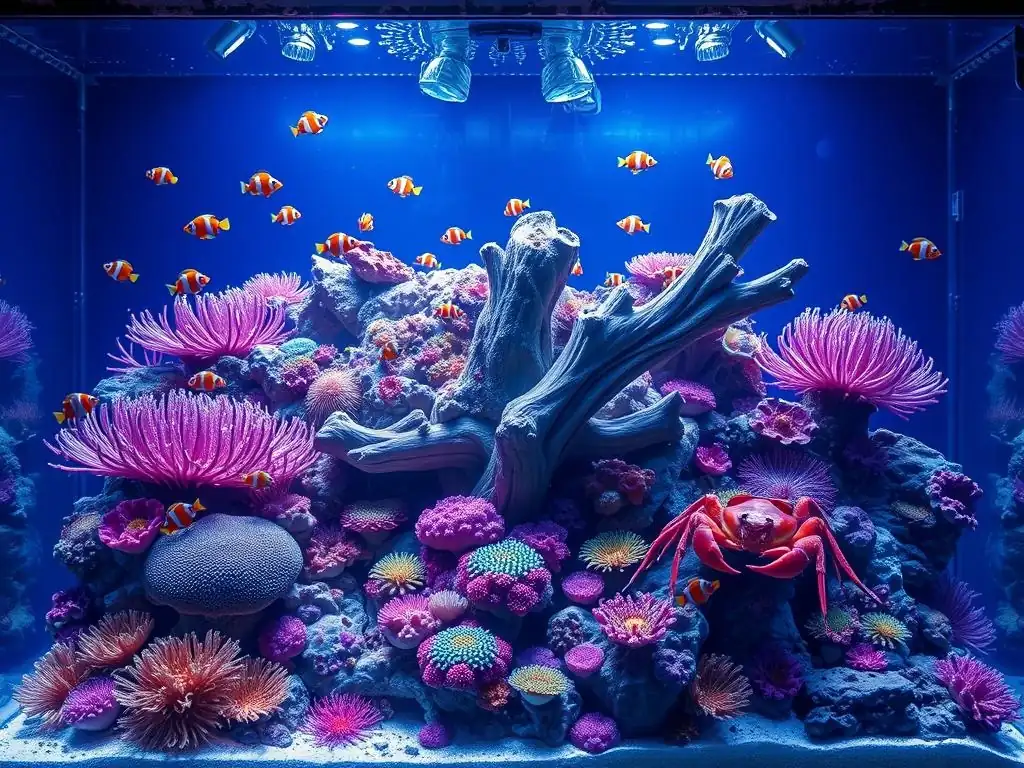
Welcome to Aquarium Mastery, fellow reef enthusiast!
Ever dreamt of a thriving reef, only to watch it crumble under the fin-al blow of a bad tank mate? We all have! That's why we're diving deep into the essential "Don't Even Think About It" list, revealing the reef tank incompatible fish and invertebrates that can wreak havoc on your slice of underwater paradise. Curious to know which seemingly innocent species are actually reef-wrecking rebels? Let's uncover the secrets to a harmonious reef aquarium together!
- Introduction: Protecting Your Reef Ecosystem
- Reef Tank Incompatible Fish: The "No-Go" List
- Invertebrates to Avoid in Reef Aquariums
- Identifying Potential Problems BEFORE Introduction
- Alternatives: Reef-Safe Fish and Invertebrates
- Conclusion: Prioritizing Reef Tank Health and Stability
-
Frequently Asked Questions
- What makes a fish "reef tank incompatible"?
- What are some common examples of fish that are typically considered reef tank incompatible?
- Can I ever introduce a fish generally considered reef tank incompatible if I have a large and established reef?
- Are there any invertebrates that should be avoided in a reef tank setting?
- Besides direct predation, what other behaviors make a fish incompatible with a reef tank?
- Final Reflection: Navigating the Reef Tank Ecosystem
- Transform Your Reef: Uncover Hidden Dangers!
Introduction: Protecting Your Reef Ecosystem
The Delicate Balance of a Reef Aquarium
A reef aquarium is a complex, miniature ecosystem, far more sensitive than a typical freshwater or even a fish-only saltwater tank. It relies on a delicate balance of water chemistry, light, and the symbiotic relationships between corals, invertebrates, and fish. Introducing a single incompatible species can destabilize this intricate system, leading to stressed corals, damaged invertebrates, or even the death of other tank inhabitants. For instance, a sudden spike in nitrates or phosphates from a large, messy eater can harm sensitive SPS corals, which thrive in ultra-low nutrient environments.
Maintaining optimal conditions for corals, such as stable alkalinity (dKH typically 7-12), calcium (400-450 ppm), and magnesium (1250-1350 ppm), requires careful management. The presence of reef tank incompatible fish can directly disrupt these parameters through excessive waste production or by physically damaging the coral polyps, making it harder for corals to uptake essential elements for calcification. The financial and emotional investment in a thriving reef tank, which can easily run into thousands of dollars for equipment and livestock, underscores the critical importance of selecting only truly reef-safe inhabitants.
Aggression, Predation, and Nuisance Behaviors: Key Compatibility Concerns
When considering new additions to a reef tank, the primary concerns revolve around aggression, predation, and nuisance behaviors. Aggression manifests as territorial disputes, fin nipping, or outright bullying, which can stress and weaken other fish, making them susceptible to disease. For example, a dominant Maroon Clownfish Premnas biaculeatus in a smaller tank might constantly harass a more docile Royal Gramma Gramma loreto, leading to the latter's starvation or chronic stress.
Predation is perhaps the most obvious concern, where a new inhabitant views existing tank mates, especially corals or invertebrates, as food. Many fish naturally prey on crustaceans, mollusks, or even coral polyps in the wild. A common mistake is introducing a species like a Copperband Butterflyfish Chelmon rostratus in hopes it will eat Aiptasia, only to find it also develops a taste for expensive LPS corals.
Nuisance behaviors, such as excessive digging that buries corals or creates unstable rockwork, or simply being too large and clumsy, can also cause significant damage. A large Tang, while generally reef-safe, could accidentally knock over frag plugs or small rock structures if not properly secured.
Reef Tank Incompatible Fish: The "No-Go" List
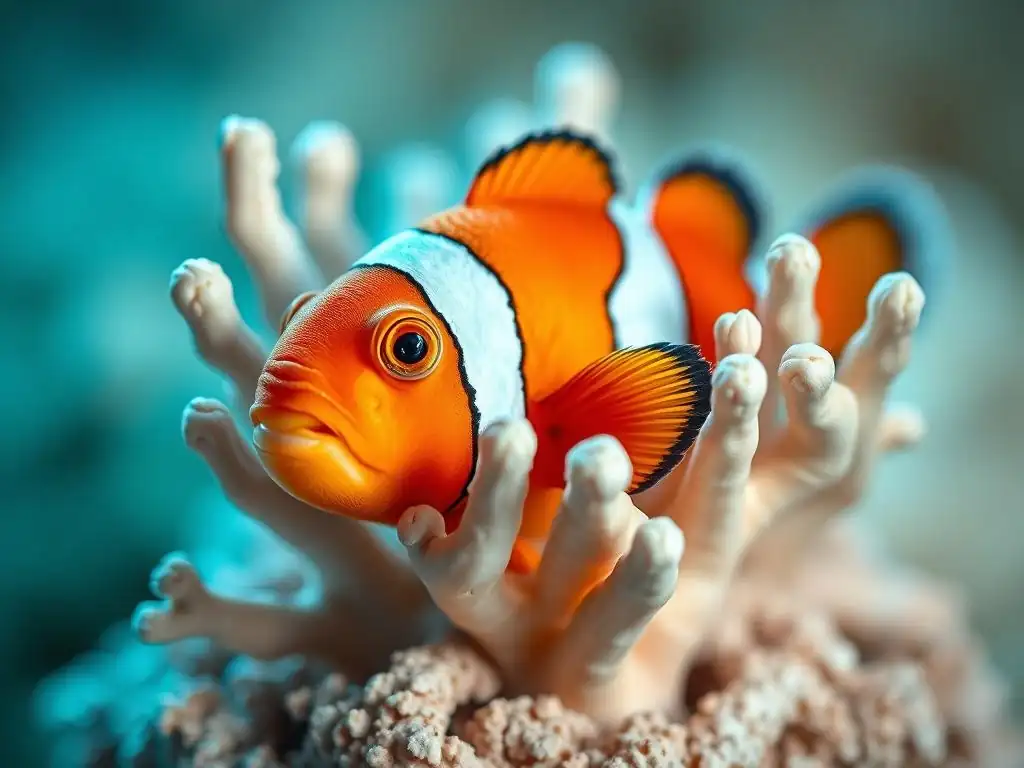
Butterflyfish: Reef Nipper Alert
The Temptation of Butterflyfish: Beauty vs. Destruction
Butterflyfish are undeniably beautiful, with their vibrant colors and graceful swimming patterns, making them a tempting addition to any marine aquarium. However, their natural diet, which often includes coral polyps, sponges, and various invertebrates, makes most species highly problematic for a mixed reef environment.
While some aquarists might report success with certain butterflyfish in very large, mature tanks with abundant food sources, the risk of them developing a taste for valuable corals is exceptionally high, particularly for Large Polyp Stony (LPS) and Small Polyp Stony (SPS) corals. This unpredictability makes them a significant gamble for anyone serious about maintaining a healthy coral collection.
Even species often marketed as "reef-safe with caution," such as the Copperband Butterflyfish Chelmon rostratus, can quickly decimate prized coral colonies. While they are known for consuming Aiptasia anemones, their dietary preferences can expand to include zoanthids, acropora polyps, or other soft corals once the Aiptasia supply diminishes or if they simply decide to sample other fare. The potential for irreversible damage to an established reef, where coral colonies can take years to grow and represent a substantial financial investment, far outweighs the aesthetic appeal of these fish.
Common Butterflyfish Species to Avoid in Reef Tanks
Several specific butterflyfish species are notorious for being reef tank incompatible fish due to their dietary habits. The Raccoon Butterflyfish Chaetodon lunula is a prime example, known to voraciously consume coral polyps, especially those of Montipora and Acropora species. Similarly, the Threadfin Butterflyfish Chaetodon auriga and the Longnose Butterflyfish Forcipiger flavissimus are also high-risk additions; while they primarily feed on small invertebrates and algae in the wild, they frequently nip at and damage a wide range of corals, including soft corals and LPS.
The Ornate Butterflyfish Chaetodon ornatissimus and the Teardrop Butterflyfish Chaetodon unimaculatus are almost exclusively corallivores in their natural habitat, making them entirely unsuitable for any reef tank containing live corals. Even if these fish appear to ignore corals initially, stress, hunger, or a change in diet can trigger their natural instincts, leading to rapid destruction of valuable coral colonies. For a dedicated coral enthusiast, introducing these species is a risk that rarely pays off, often resulting in significant losses.
Angelfish: A Reef Keeper's Dilemma
Large Angelfish: Known Coral Grazers
Large angelfish species, such as the Emperor Angelfish Pomacanthus imperator, Queen Angelfish Holacanthus ciliaris, and French Angelfish Pomacanthus paru, are among the most majestic fish in the marine hobby. However, their beauty often comes at the cost of reef compatibility. In their natural environment, these angelfish graze on sponges, tunicates, algae, and unfortunately, often coral polyps. When confined to a reef aquarium, this natural grazing behavior almost inevitably translates into direct coral predation, making them a significant threat to a mixed reef.
Even in very large tanks (500+ gallons) where they might have ample space, the risk of coral nipping remains high. An Emperor Angelfish, for example, can grow up to 15 inches (38 cm) and is known to pick at both soft and stony corals, often causing irreparable damage to established colonies.
The powerful jaws of these larger angels are perfectly adapted for scraping and biting, which means they can easily strip polyps from coral skeletons or even damage the coral tissue itself. For this reason, large angelfish are generally considered reef tank incompatible fish and are best suited for fish-only-with-live-rock (FOWLR) setups.
Dwarf Angelfish: A Risky Proposition
Dwarf angelfish, belonging to the genus Centropyge, including popular species like the Flame Angelfish Centropyge loriculus, Coral Beauty Angelfish Centropyge bispinosa, and Lemonpeel Angelfish Centropyge flavissimus, are often marketed as "reef-safe with caution." While some individuals may indeed coexist peacefully with corals, a significant percentage of them will develop a taste for coral polyps, especially LPS and SPS corals. This variability makes them a gamble, and the consequences of a "bad" individual can be devastating to a coral collection that has taken years to establish.
Approximately 20-30% of dwarf angelfish are reported to nip at corals, with some species having a higher propensity than others. For instance, the Lemonpeel Angelfish is generally considered more prone to nipping than a Flame Angelfish. The risk is particularly high with fleshy LPS corals like Favias, Acanthastrea, and Euphyllia, as well as delicate SPS polyps.
Given the high cost of many corals, taking a 20% or 30% risk on a fish that could destroy hundreds or even thousands of dollars worth of livestock is simply not a viable option for most serious reef keepers. Therefore, while some may get lucky, dwarf angelfish are often classified as reef tank incompatible fish for those unwilling to take that significant gamble.
Triggerfish: Reef Tank Bullies
Triggerfish Aggression: A Threat to Tank Mates
Triggerfish are renowned for their striking colors and unique body shapes, but they are equally infamous for their aggressive and territorial nature. Species like the Picasso Triggerfish Rhinecanthus aculeatus, Clown Triggerfish Balistoides conspicillum, and Humu Humu Triggerfish Rhinecanthus rectangulus possess powerful jaws and teeth designed for crushing shells, which they will readily use against other tank inhabitants. They are known to nip fins, chase, and even kill other fish, particularly those smaller or less aggressive than themselves.
Their territorial instincts are strong, and they often claim a significant portion of the tank as their own, relentlessly harassing any fish that infringes upon their perceived boundaries. A large Clown Triggerfish, for instance, can grow up to 20 inches (50 cm) and is capable of dominating even much larger tanks, making it nearly impossible to introduce other fish without severe conflict. The constant stress and physical damage inflicted by a triggerfish can lead to compromised immune systems in other fish, increasing susceptibility to disease and ultimately leading to premature death.
Coral Damage from Triggerfish: A Destructive Force
Beyond their aggression towards other fish, triggerfish also pose a significant threat to the physical integrity of a reef aquarium. Their powerful jaws are not only used for defense and aggression but also for their natural feeding habits, which include crushing shells of mollusks and crustaceans. In a reef tank, this translates into them picking at, moving, or outright destroying corals and rockwork. They will often flip over rocks in search of prey items, dislodging corals and potentially causing rock slides.
Many triggerfish species will also nip at corals, either out of curiosity, mistaken identity for food, or simply to "rearrange" the aquascape to their liking. Soft corals, LPS corals, and even clam mantles are particularly vulnerable to their powerful bites. The Blue Jaw Triggerfish Xanthichthys auromarginatus is sometimes considered "reef-safe with caution," but even this species can unexpectedly turn on corals or invertebrates. Given their destructive potential and aggressive tendencies, triggerfish are unequivocally reef tank incompatible fish for any setup aiming to preserve corals and a peaceful community.
Pufferfish: Invertebrate Predators
Pufferfish and Crustaceans: A Recipe for Disaster
Pufferfish, with their unique appearance and curious personalities, are captivating fish. However, their natural diet and powerful beaks make them one of the most problematic choices for a reef aquarium. Species like the Dogface Puffer Arothron nigropunctatus, Porcupine Puffer Diodon holocanthus, and Valentini Puffer Canthigaster valentini primarily feed on hard-shelled invertebrates such as crabs, snails, and shrimp in the wild. This dietary preference means that any ornamental shrimp (e.g., Cleaner Shrimp, Peppermint Shrimp), snails (e.g., Turbo Snails, Nassarius Snails), or small crabs (e.g., Hermit Crabs) introduced into a reef tank will be viewed as food and rapidly consumed.
A single pufferfish can decimate a cleanup crew worth hundreds of dollars in a matter of days or weeks. For example, a medium-sized Dogface Puffer can easily crush the shells of large Turbo snails, which are essential for algae control in a reef tank. The joy of watching a puffer's antics quickly fades when prized shrimp and snails disappear overnight. This makes virtually all true pufferfish species clear examples of reef tank incompatible fish for anyone hoping to maintain a diverse invertebrate population.
Potential for Coral Damage from Pufferfish
While their primary threat is to motile invertebrates, many pufferfish can also cause significant damage to corals. Their curiosity, combined with their powerful beaks, often leads them to nip at coral polyps. Soft corals, especially those with fleshy polyps like Zoanthids, Palythoa, and various mushrooms, are particularly vulnerable. Large Polyp Stony (LPS) corals, such as Euphyllia and Acanthastrea, can also be targeted, leading to tissue damage and potential infection.
Some pufferfish, like the Valentini Puffer, might be considered "reef-safe with caution," but even these smaller species have been known to nip at corals, especially when hungry or if they develop a taste for them. The damage inflicted by a puffer's beak can be severe, potentially leading to the death of entire coral colonies. Given their destructive potential to both corals and the essential cleanup crew, the risk associated with introducing any pufferfish into a mixed reef tank is far too high, firmly placing them on the list of reef tank incompatible fish.
Hawkfish: Perch and Pounce Predators
The Hawkfish Hunting Style: A Threat to Small Inverts
Hawkfish, identifiable by their prominent dorsal fins and tendency to perch on rockwork, are fascinating fish. However, their predatory nature makes them a significant risk for reef tanks populated with small invertebrates. Species like the Longnose Hawkfish Oxycirrhites typus and the Flame Hawkfish Neocirrhites armatus are ambush predators, known for their "perch and pounce" hunting style. Their diet in the wild primarily consists of small crustaceans, copepods, and other tiny motile invertebrates.
In a reef aquarium, this translates directly to a threat to cleaner shrimp, peppermint shrimp, small hermits, and even tiny snails. Many aquarists have reported their ornamental shrimp disappearing shortly after introducing a hawkfish. For example, a Longnose Hawkfish, while often considered one of the "safer" hawkfish for reefs, will still readily consume small shrimp if given the opportunity. The speed and precision of their strikes make escape nearly impossible for their unsuspecting prey.
Hawkfish and Shrimp: A Common Problem
The incompatibility between hawkfish and ornamental shrimp is one of the most frequently reported issues in reef forums. While a hawkfish might initially ignore larger shrimp, it's often a matter of time before its natural predatory instincts take over. Even if a hawkfish is well-fed, the opportunity to hunt a live shrimp is often irresistible. This becomes particularly problematic with essential clean-up crew members like Skunk Cleaner Shrimp Lysmata amboinensis or Peppermint Shrimp Lysmata wurdemanni, which are crucial for maintaining tank hygiene and controlling pests like Aiptasia.
Furthermore, very small fish, especially fry or newly introduced juvenile fish, can also fall victim to hawkfish. While not typically aggressive towards larger fish, their opportunistic nature means anything small enough to fit in their mouth is fair game. This makes them highly problematic for tanks aiming for a diverse population of small, peaceful fish and invertebrates. Therefore, most hawkfish are considered reef tank incompatible fish for tanks with a valuable invertebrate clean-up crew or small, delicate fish.
Large Predatory Fish: A Clear Reef Tank Threat
Groupers, Eels, and Lionfish: Incompatible Choices
When planning a reef aquarium, large predatory fish like groupers, eels, and lionfish should be immediately ruled out. These species are apex predators in their natural habitats, capable of consuming any fish or invertebrate that fits into their surprisingly large mouths. For instance, a Marbled Grouper Epinephelus microdon can grow to several feet in length, and even smaller groupers like the Miniatus Grouper Cephalopholis miniata will quickly decimate a tank's population of smaller fish, crabs, and shrimp.
Similarly, moray eels such as the Snowflake Eel Echidna nebulosa or the Tessalata Eel Gymnothorax favagineus are expert hunters, using their keen sense of smell to track down prey hiding in rockwork. Lionfish, with their dramatic fins and venomous spines, are also highly effective predators. A Volitan Lionfish Pterois volitans can consume fish nearly half its size. The primary goal of a reef tank is to foster a diverse and thriving community of corals and smaller, peaceful fish. Introducing these large predators directly contradicts this goal, leading to an empty tank except for the predator itself.
Maintaining a Peaceful Reef Environment
The presence of large predatory fish fundamentally alters the dynamic of a reef environment, transforming it from a vibrant community into a feeding ground. Not only will they consume other fish and invertebrates, but their sheer size and powerful movements can also physically disrupt the aquascape, knocking over corals or dislodging rockwork. The significant bioload (waste production) of these large fish can also strain filtration systems, leading to elevated nutrient levels that are detrimental to sensitive corals.
For example, a fully grown Lionfish requires a tank of at least 100 gallons, and a large grouper might need 300 gallons or more, primarily for themselves. Their specialized dietary needs, often consisting of live or frozen feeder fish, also add complexity to their care. Ultimately, these large predatory fish are unequivocally reef tank incompatible fish. They belong in species-specific tanks or very large FOWLR setups designed to accommodate their specific needs and predatory nature, not in a delicate coral ecosystem.
Invertebrates to Avoid in Reef Aquariums
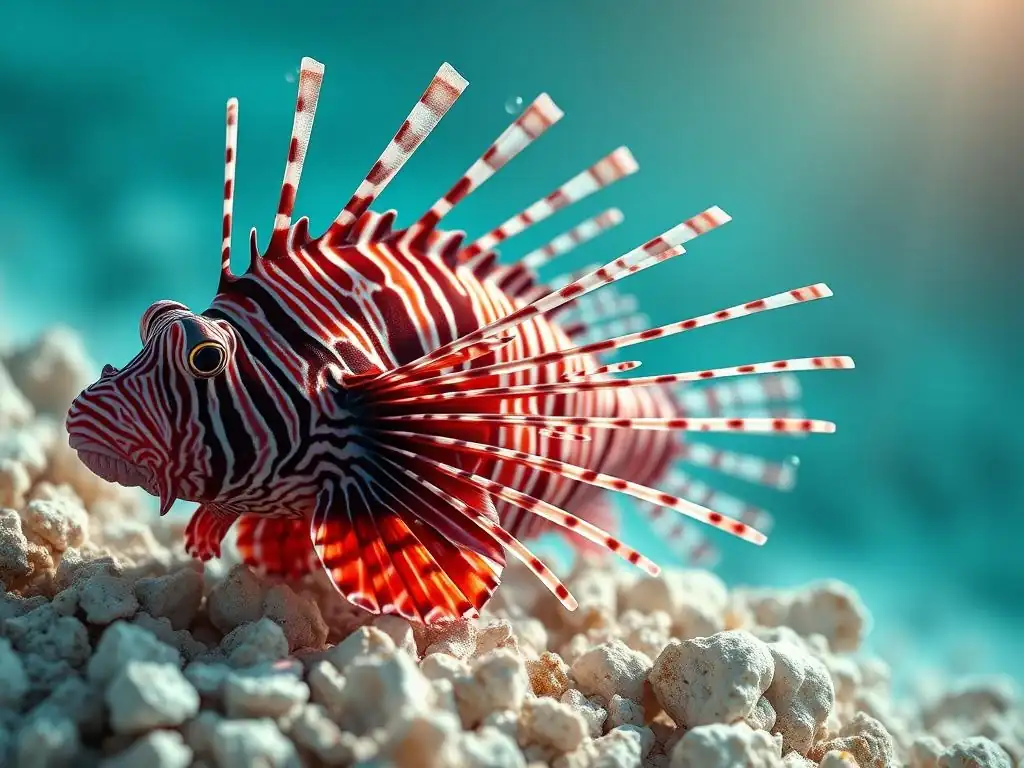
Nudibranchs: Specialized Eaters
Nudibranchs and Coral: A Potentially Deadly Combination
Nudibranchs, often strikingly beautiful, are a diverse group of shell-less marine gastropods. While visually appealing, most nudibranchs are highly specialized eaters, with many species preying exclusively on specific types of corals, sponges, or anemones. Introducing the wrong nudibranch can lead to the rapid destruction of valuable coral colonies. For example, the Phestilla melanobrachia nudibranch is a known predator of Montipora corals. If this nudibranch is introduced into a tank with Montipora, it will systematically consume the coral until nothing is left, then starve itself.
Similarly, other nudibranch species might target zoanthids, palythoa, or even specific SPS and LPS corals. Their cryptic nature often means the damage is done before the perpetrator is even identified. The specialized diet of these nudibranchs means that if their preferred food source is not present, they will simply starve to death, offering no benefit to the tank and potentially causing a nutrient spike from their decay. Therefore, unless you are dealing with a known pest and a highly specific predatory nudibranch, most nudibranchs are considered reef tank incompatible fish (or rather, incompatible invertebrates).
Nudibranchs: The Aiptasia Exception
One notable exception to the general rule of avoiding nudibranchs in reef tanks is the Berghia nudibranch ( Berghia verruciformis). This specific species is a highly effective, natural predator of Aiptasia anemones, a common and often problematic pest in reef aquariums. Berghia nudibranchs feed exclusively on Aiptasia, making them a targeted biological control solution without posing a threat to corals or other invertebrates.
However, it is crucial to understand that the Berghia is a highly specialized case and does not make other nudibranchs reef-safe. Other nudibranchs, often hitchhiking on live rock or corals, can still be devastating to a reef. Always identify any unknown nudibranchs before allowing them into your display tank. The specific, beneficial use of Berghia for Aiptasia control should not be confused with the general rule that most nudibranchs are highly specialized and potentially destructive to a mixed reef environment.
Certain Crabs: Opportunistic Predators
Large Crabs: A Threat to Small Fish and Inverts
While many small hermit crabs and certain decorator crabs are considered reef-safe, many larger or unidentified crab species are opportunistic predators and can pose a significant threat to a reef aquarium. Crabs like the Sally Lightfoot Crab Percnon gibbesi, while often sold as algae eaters, can become predatory as they grow, preying on snails, small fish, and other invertebrates, especially at night when fish are sleeping. Larger true crabs, such as certain species of stone crabs or gorilla crabs (often hitchhikers), are notorious for their destructive potential.
These larger crabs possess powerful claws capable of crushing snail shells, tearing apart small fish, and even dislodging or damaging coral colonies. They can also be highly territorial and aggressive towards other tank inhabitants. The risk is particularly high with unknown hitchhiker crabs that arrive on live rock. Even seemingly benign species can turn predatory if hungry or as they mature, making them highly problematic.
The Importance of Crab Identification
Accurate identification is paramount when it comes to crabs in a reef tank. Many crabs found as hitchhikers on live rock are often undesirable, ranging from nuisance algae eaters that compete for food to outright predators. Unless you can definitively identify a crab species as reef-safe (e.g., Emerald Crab Mithraculus sculptus for bubble algae control, certain small hermit crabs), it is best to remove it. Even commonly accepted "reef-safe" hermits can sometimes harass or kill snails for their shells if suitable empty shells are not readily available.
The destructive potential of an incompatible crab can range from a nuisance that constantly knocks over frag plugs to a silent killer that decimates your cleanup crew and even preys on small, sleeping fish. Therefore, exercising extreme caution and thorough research, or simply avoiding unknown crab species, is essential to prevent these reef tank incompatible fish (or rather, invertebrates) from causing havoc in your carefully cultivated ecosystem.
Sea Stars: Potential Coral and Invert Predators
Certain Starfish Species: A Risk to Reef Health
While some starfish are popular additions, many species are not reef-safe and can pose a significant threat to corals and other invertebrates. The most infamous example is the Chocolate Chip Starfish Protoreaster nodosus, which is a generalist omnivore that will readily consume soft corals, sponges, anemones, clams, and even other sessile invertebrates. Despite their attractive appearance, they are unequivocally reef tank incompatible fish (invertebrates) for any mixed reef setup.
Similarly, some species of Linkia starfish, while often considered reef-safe, can occasionally develop a taste for corals or starve in tanks that do not provide their specific micro-algae or detritus diet. The Crown-of-Thorns Starfish Acanthaster planci, while rarely seen in hobby tanks, is a notorious coral predator capable of decimating large reef tracts in the wild. The general rule is to assume a starfish is not reef-safe unless it is specifically known and proven to be so.
Identifying Reef-Safe Starfish
Fortunately, there are several species of starfish that are generally considered reef-safe, provided their specific needs are met. Brittle Stars and Serpent Stars (various species from the class Ophiuroida) are excellent detritivores and scavengers that typically pose no threat to corals or fish. The Green Brittle Star Ophiarachna incrassata is a popular choice, though larger individuals can sometimes opportunistically prey on very small, sleeping fish if hungry.
Sand Sifting Starfish Archaster typicus are also widely used, as they burrow through the sandbed, consuming detritus and aerating the substrate. However, a single sand sifting starfish can quickly deplete the food source in a typical home aquarium sandbed, leading to starvation if not adequately supplemented. Understanding the specific dietary requirements and behaviors of any starfish is crucial before introduction. Always verify that a starfish's diet aligns with the existing inhabitants and resources of your reef tank to ensure it remains a beneficial, rather than a destructive, addition.
Identifying Potential Problems BEFORE Introduction
Researching Species Behavior: Essential Due Diligence
The single most critical step in preventing the introduction of reef tank incompatible fish and invertebrates is thorough research. Before even considering a purchase, aquarists must invest time in understanding the full adult size, natural diet, temperament, and specific compatibility notes for every potential inhabitant. Relying solely on a local fish store's advice, while often helpful, is insufficient; cross-referencing information from multiple reputable sources, such as comprehensive online databases, scientific articles, and experienced aquarist forums, is essential.
For example, researching "Flame Angelfish reef safe" will quickly reveal that while beautiful, they come with a significant "caution" flag regarding coral nipping. Similarly, a quick search for "Chocolate Chip Starfish reef tank" will immediately highlight its predatory nature towards corals. This due diligence allows aquarists to make informed decisions, prioritizing the long-term health and stability of their reef ecosystem over impulse purchases driven by aesthetics. Understanding a species' natural behaviors, such as whether it's a known corallivore or a nocturnal predator of crustaceans, is key to avoiding costly mistakes.
Quarantining New Arrivals: Observing for Compatibility Issues
Beyond researching, quarantining all new arrivals in a separate quarantine tank (QT) for at least 3-4 weeks offers a crucial opportunity to observe their behavior before introducing them to the main display. A QT allows you to monitor for signs of disease, but equally important, it provides a controlled environment to assess compatibility. During this period, you can observe if the fish exhibits any aggressive tendencies, such as chasing its own reflection or attempting to nip at a piece of rock or an inexpensive coral frag if introduced temporarily.
For instance, if you've purchased a "reef-safe with caution" dwarf angelfish, placing a small, inexpensive frag of a common LPS coral (like a small Favia or Euphyllia frag) in the QT can serve as a test. If the angelfish immediately starts picking at the coral, you've identified a problem before it can devastate your main display. This observation period is invaluable for identifying potential reef tank incompatible fish and ensures that only healthy, compatible specimens are introduced, significantly reducing the risk to your established reef.
Alternatives: Reef-Safe Fish and Invertebrates
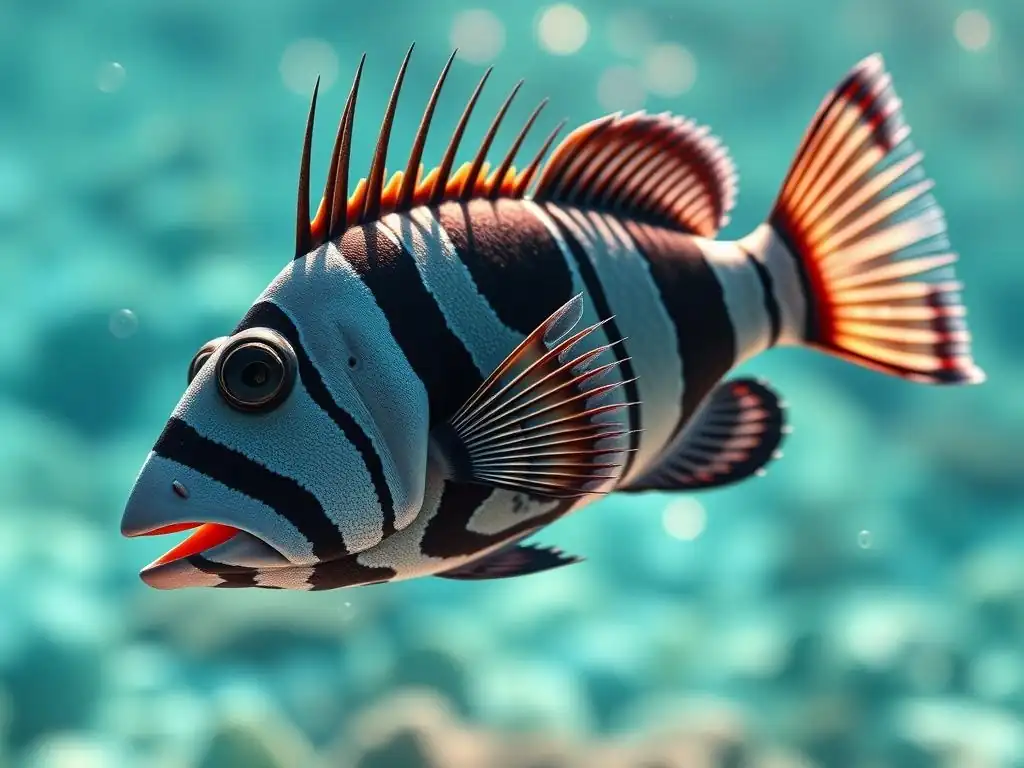
Choosing Compatible Tank Mates: Creating a Harmonious Reef
Building a successful reef tank hinges on selecting fish and invertebrates known for their compatibility with corals and other peaceful tank mates. Instead of gambling on species that are "reef-safe with caution," focus on the vast array of truly reef-safe options. For instance, many species of gobies (e.g., Goby, Clown Goby, Watchman Goby), blennies (e.g., Lawnmower Blenny, Starry Blenny), and clownfish (e.g., Ocellaris Clownfish, Percula Clownfish) are excellent choices. These fish typically have specific diets that don't include coral polyps and exhibit peaceful or symbiotic behaviors.
For invertebrates, consider a robust cleanup crew of snails (e.g., Nassarius snails, Turbo snails, Trochus snails), various hermit crabs (e.g., Dwarf Blue Leg Hermit Crabs, Scarlet Hermit Crabs), and certain shrimp species like Cleaner Shrimp Lysmata amboinensis or Blood Red Fire Shrimp Lysmata debelius. These invertebrates contribute to tank health by consuming algae, detritus, and uneaten food, without posing a threat to corals. The goal is to create a harmonious ecosystem where all inhabitants can thrive without fear of predation or aggression, avoiding the pitfalls of reef tank incompatible fish and invertebrates.
Resources for Selecting Reef-Safe Species
Numerous reputable resources are available to help aquarists select appropriate tank mates for their reef aquariums. Comprehensive online databases, such as those provided by major aquatic livestock retailers or hobbyist forums, often include detailed species profiles outlining compatibility, dietary needs, and adult size. Forums dedicated to reef keeping are invaluable, as they offer real-world experiences and advice from thousands of hobbyists who have firsthand knowledge of what works and what doesn't.
Additionally, consulting with experienced staff at reputable local fish stores (LFS) can provide personalized recommendations based on your specific tank size and existing inhabitants. However, always cross-reference their advice with other sources. Books and magazines dedicated to marine aquaria also offer in-depth information. Utilizing these resources allows aquarists to make informed decisions, ensuring that every new addition contributes positively to the health and beauty of their reef, rather than introducing the problems associated with reef tank incompatible fish.
Conclusion: Prioritizing Reef Tank Health and Stability
Avoiding Incompatible Species: A Foundation for Success
The success and longevity of a reef aquarium are fundamentally tied to the careful selection of its inhabitants. As demonstrated, numerous fish and invertebrate species, while beautiful or intriguing, are simply not compatible with the delicate balance of a coral-dominated ecosystem. From the coral-grazing butterflyfish and angelfish to the predatory triggerfish, pufferfish, and large crabs, the potential for damage to corals, other fish, and the overall stability of the tank is immense. Proactive avoidance of these reef tank incompatible fish and invertebrates is not merely a recommendation but a foundational principle for responsible reef keeping.
Building a thriving reef is a journey that demands patience, research, and a commitment to understanding the intricate needs of marine life. By meticulously researching each potential addition, utilizing quarantine protocols, and opting for species with proven reef compatibility, aquarists can mitigate risks significantly.
This informed approach ensures that every new inhabitant contributes positively to the biological diversity and aesthetic appeal of the reef, rather than jeopardizing the substantial investment of time, effort, and resources. Ultimately, prioritizing reef tank health and stability through judicious stocking choices leads to a flourishing, vibrant, and rewarding marine environment that can be enjoyed for years to come.
Frequently Asked Questions
What makes a fish "reef tank incompatible"?
A fish is considered reef tank incompatible if it displays behaviors that harm corals, invertebrates, or other fish within the reef environment. This can include nipping at corals, consuming invertebrates, or being overly aggressive.
What are some common examples of fish that are typically considered reef tank incompatible?
Some common examples include large angelfish, certain triggerfish, and some butterflyfish species. These fish often consume corals and invertebrates making them unsuitable for a reef environment.
Can I ever introduce a fish generally considered reef tank incompatible if I have a large and established reef?
While a large and established reef tank might offer some buffer, it's still generally not recommended. The risk of damage to corals and inverts remains substantial.
Are there any invertebrates that should be avoided in a reef tank setting?
Yes, some invertebrates, like certain large predatory starfish or aggressive crabs, can prey on smaller reef inhabitants or damage corals, making them unsuitable for a peaceful reef environment.
Besides direct predation, what other behaviors make a fish incompatible with a reef tank?
Other behaviors include excessive digging which can disturb substrate and corals, aggressive territoriality that stresses other inhabitants, and producing excessive waste that negatively impacts water quality.
The information presented throughout this article highlights a crucial reality: responsible reef keeping hinges on informed choices. Understanding which fish and invertebrates are fundamentally incompatible with the delicate ecosystem of a reef tank is not just about avoiding disappointment; it's about upholding ethical standards and ensuring the well-being of all its inhabitants. The "Don't Even Think About It" list serves as a vital resource in this endeavor, empowering aquarists to make decisions that prioritize the health and harmony of their underwater world.
This topic has profoundly shaped the reef keeping hobby, moving it towards a more sustainable and conscientious practice. My own journey in reef keeping has been significantly influenced by understanding these incompatibilities, leading to a deeper appreciation for the intricate balance within these systems. In the end, we will conserve only what we love; we will love only what we understand; and we will understand only what we are taught.
- Baba Dioum. This quote perfectly encapsulates the need for education and awareness in protecting our reef ecosystems, both in the wild and within our own tanks.
Now, consider the power you hold as a reef keeper. Armed with this knowledge, you can create a thriving, ethical, and beautiful underwater world. Let this "Don't Even Think About It" list serve as a constant reminder to research thoroughly, prioritize the needs of your reef inhabitants, and contribute to a future where reef keeping is synonymous with responsible stewardship. Your choices matter; make them count.
Thanks for diving deep into the world of reef tank inhabitants! We hope you found valuable insights into which fish and invertebrates to avoid for a thriving ecosystem. Now, let's put that knowledge into action and safeguard your reef.
Here are some steps you can take right now:
- Review your current tank inhabitants: Ensure none of them are on the "Don't Even Think About It" list and take immediate action if they are.
- Share this list with fellow reef keepers! Help them avoid costly mistakes and maintain a healthy reef environment.
- Research a new, reef-safe inhabitant you can add to your tank to enhance biodiversity.
Ready to share your own "reef-keeping horror stories" to help others learn from your experiences?