
Nano Reef Rockwork: Designing a GobyFriendly Landscape with Hideaways

Welcome to Aquarium Mastery!
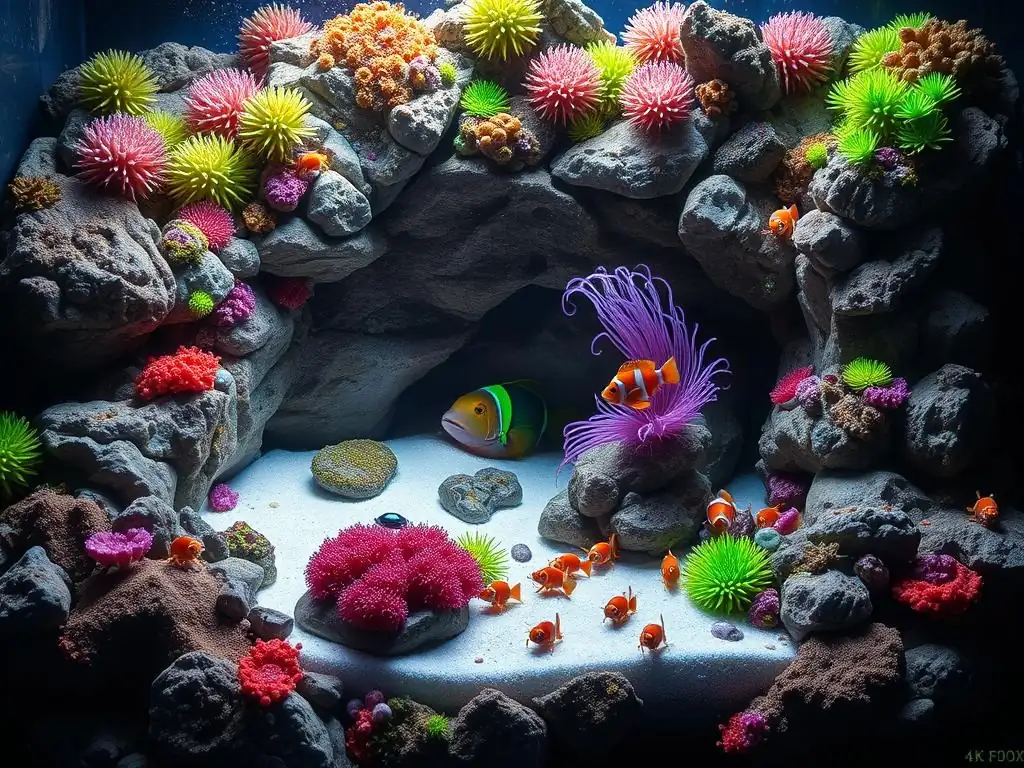
Ever wondered why your nano reef goby hides all the time? We're diving deep into the art of creating a captivating and comfortable rockwork landscape, specially designed for these fascinating little fish. Discover the secrets to building a goby-friendly nano reef that's both stunning and stress-free. Ready to unveil the mysteries of the underwater hideaway? Let's explore!
- Understanding the Needs of Nano Reef Gobies: Hideaways and Habitat
- Planning Your Goby-Friendly Rockwork Layout
- Selecting and Preparing Reef Rock for Your Goby's Home
- Building the Perfect Goby Hideout: Step-by-Step Aquascaping Guide
- Optimizing the Rockwork for Specific Goby Species
- Maintaining Your Goby-Friendly Rockwork
- Troubleshooting Common Rockwork Issues in Nano Reefs
- Enhancing the Goby Habitat: Complementary Elements
-
Frequently Asked Questions
- How important is rockwork design for nano reef gobies?
- What are some specific features I should include in my rockwork to cater to nano reef gobies?
- Can I use any type of rock for my nano reef goby's rockwork?
- How much rockwork is too much or too little for a nano reef aquarium with gobies?
- What are some common mistakes to avoid when designing rockwork for nano reef gobies?
- Final Reflection: Sculpting Sanctuaries for Tiny Titans
- Unleash Your Inner Aquascaper!
Understanding the Needs of Nano Reef Gobies: Hideaways and Habitat
Why Gobies Need Secure Hideaways in a Nano Reef Tank
Gobies, by their very nature, are creatures that thrive on security and defined territories. In their natural reef habitats, these small fish constantly seek refuge from predators such as larger fish or even birds. A well-designed nano reef goby hide provides a crucial sense of safety, reducing stress levels significantly. When a goby feels secure, it is more likely to exhibit natural behaviors, including feeding actively and interacting with its environment, rather than constantly being on high alert.
The absence of adequate hiding spots can lead to chronic stress, which severely compromises a goby's immune system, making it susceptible to diseases like marine ich or bacterial infections. For instance, a stressed goby might refuse food for days, leading to rapid weight loss and overall decline. Providing multiple, secure nano reef goby hides ensures that these fish have a safe retreat when startled or when they simply wish to rest, mimicking the complex structures of natural coral reefs where they would normally reside.
Key Considerations for Goby Habitat Design in Small Reef Aquariums
Designing a goby habitat in a nano reef aquarium, typically ranging from 5 to 30 gallons, requires careful consideration of space utilization. Unlike larger tanks, every inch in a nano tank counts, and the rockwork must serve multiple purposes: providing ample nano reef goby hides, supporting biological filtration, and contributing to overall aesthetic appeal. It is essential to create a balance between open swimming areas and intricate rock structures that offer a network of potential retreats.
When planning, consider the dimensions of your specific tank. For example, a 10-gallon tank (approximately 20 inches long) might benefit more from vertical rock structures to maximize hiding spots without consuming too much horizontal swimming space. Ensure that the rockwork is stable and leaves sufficient clearance from the glass (at least 1-2 inches) for maintenance and cleaning. Proper flow through the rockwork is also critical to prevent detritus buildup and maintain water quality, which directly impacts the health of gobies utilizing these nano reef goby hides.
Choosing the Right Rock for a Goby-Centric Nano Reef
The choice of rock forms the foundation of any nano reef goby hide and directly impacts the tank's long-term stability and health. Porous rocks are highly favored as they offer a vast surface area for beneficial nitrifying bacteria, which are essential for processing waste in a small volume system. Live rock provides an immediate source of these bacteria and microfauna, contributing to rapid cycling and biodiversity. However, dry rock, which is inert, offers greater control over shape and structure, allowing for more precise creation of custom nano reef goby hides.
Regardless of whether you choose live or dry rock, ensure it is reef-safe and free from harmful chemicals or heavy metals. Rocks like Pukani or shelf rock are excellent choices due to their intricate shapes and natural crevices, which can be easily stacked to form complex cave systems and overhangs. These natural features are ideal for providing the secure, multi-entrance nano reef goby hides that these fish instinctively seek, promoting their well-being and natural behaviors.
Planning Your Goby-Friendly Rockwork Layout
Assessing Your Nano Reef Tank Dimensions for Optimal Rock Placement
Understanding the specific dimensions of your nano reef tank is paramount to designing an effective goby-friendly rockscape. For instance, a standard 20-gallon long tank (approximately 30" L x 12" W x 12" H) offers more horizontal space, allowing for sprawling, multi-level rock structures with numerous interconnected nano reef goby hides. Conversely, a 10-gallon cube tank (around 12" x 12" x 12") necessitates a more vertical approach, utilizing height to create tiered ledges and small caves.
The goal is to maximize the usable space for your goby without making the tank feel cramped or restricting water flow. Always leave a few inches of clearance between the rockwork and the tank walls to allow for easy cleaning and to prevent dead spots where detritus can accumulate. Consider the viewing angles; a well-placed central structure with surrounding smaller pieces can offer both aesthetic appeal and functional nano reef goby hides from various perspectives.
Creating a Blueprint: Designing a Functional and Aesthetically Pleasing Rockscape
Before placing any rock in your tank, it is highly recommended to create a blueprint or a rough sketch of your desired aquascape. This planning phase allows you to visualize the structure and ensure it meets both the aesthetic goals and the functional needs of your gobies. Start by considering the primary location for your main nano reef goby hides – perhaps a central cave system or a series of interconnected tunnels at the base of the rockwork.
You can even lay out your dry rock pieces on a towel or newspaper outside the tank, mimicking the tank's footprint, to experiment with different arrangements. This hands-on approach helps identify stable stacking points, potential archways, and secure crevices. The blueprint should aim for a "less is more" approach, using fewer, larger pieces to create stable, natural-looking structures rather than a jumble of small rocks. This approach makes for more robust nano reef goby hides.
Incorporating Natural-Looking Structures: Arches, Caves, and Overhangs for Gobies
To truly mimic a natural reef environment and provide optimal nano reef goby hides, incorporate a variety of natural-looking structures into your rockwork. Arches provide swim-throughs and visual interest, allowing gobies to navigate freely and escape perceived threats. Caves, deep and secure, offer the ultimate private retreat where gobies can rest, spawn, or simply feel safe. Overhangs provide shade and additional hiding spots, mimicking ledges where gobies might perch or hide from direct light.
When creating these structures, prioritize stability. Use reef-safe epoxy or cement to secure pieces that form arches and caves, ensuring they won't collapse under the weight of other rocks or during maintenance. Aim for multiple entrances and exits for any enclosed nano reef goby hide, as this allows the goby to feel less trapped and provides crucial escape routes. A well-designed rockscape with these elements not only looks appealing but significantly enhances the quality of life for your nano reef gobies.
Selecting and Preparing Reef Rock for Your Goby's Home
Types of Reef Rock: Live Rock vs. Dry Rock for Nano Reefs
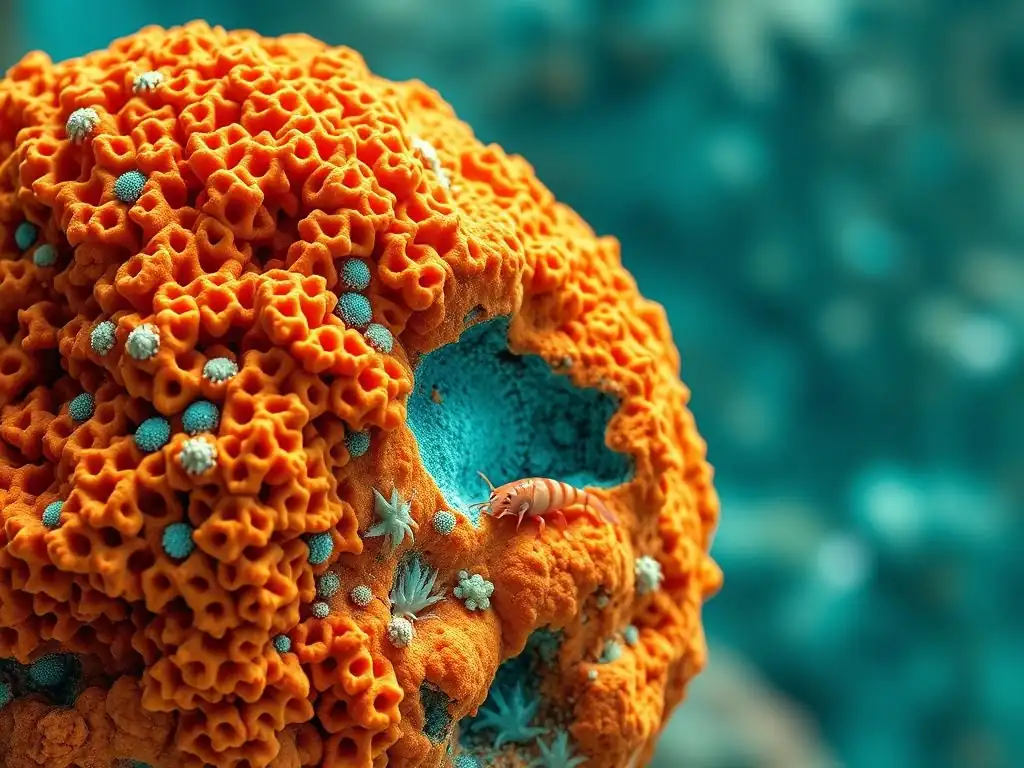
When establishing the foundation of your nano reef goby hides, the choice between live rock and dry rock is a significant decision. Live rock, imported directly from the ocean or aquaculture facilities, is teeming with beneficial bacteria, microfauna, and sometimes even desirable macroalgae. It provides an instant biological filter, accelerating the tank cycling process, often reducing the initial ammonia spike phase from weeks to days. However, live rock can be more expensive, and there's a risk of introducing unwanted pests like Aiptasia anemones or mantis shrimp.
Dry rock, conversely, is inert and devoid of living organisms. It is typically more affordable and offers the advantage of being completely pest-free. Its porous nature still provides an excellent surface for beneficial bacteria to colonize once the tank is established, but it requires a longer cycling period, usually 4-8 weeks, as the bacterial colonies need to grow from scratch. For custom nano reef goby hides where specific shapes and stability are paramount, dry rock often provides greater flexibility in aquascaping and allows for precise construction.
Curing and Preparing Live Rock to Ensure a Healthy Nano Reef Environment
Curing live rock is a critical step to prevent nutrient spikes and ensure a healthy environment for your gobies. This process involves placing the live rock in a separate container (a brute trash can often works well) with heated, circulating saltwater and a powerhead for flow, and keeping it in the dark. During curing, any dying organisms on the rock decay, releasing ammonia and nitrite. This process typically takes 2-4 weeks, or until ammonia and nitrite levels consistently read zero.
Regular water changes (e.g., 25-50% every few days) during the curing process are essential to remove dissolved organic compounds and maintain water quality. Skimming the water during curing can also help remove organic waste. Proper curing ensures that when the rock is introduced to your display tank, it is stable and won't cause detrimental ammonia or nitrite spikes, protecting your delicate gobies and the integrity of their nano reef goby hides.
Safely Aquascaping Dry Rock for a Goby-Friendly Habitat
Aquascaping with dry rock offers creative freedom but requires proper preparation to ensure safety and stability for your gobies. Before placing dry rock in the tank, thoroughly rinse each piece with RODI (Reverse Osmosis De-Ionized) water to remove any dust, debris, or residual chemicals that might be present from its origin. Some aquarists even prefer to soak dry rock for several days, changing the water daily, to leach out any phosphates or other undesirable elements.
Once rinsed, dry rock can be meticulously stacked and secured using reef-safe epoxy, super glue gel, or specialized aquarium cement to create stable, interlocking structures. This allows for the construction of intricate arches, caves, and overhangs that will serve as ideal nano reef goby hides. Ensure that all edges are smooth and there are no sharp points that could injure your gobies. The precision offered by dry rock allows you to design a truly customized and secure environment for your goby.
Building the Perfect Goby Hideout: Step-by-Step Aquascaping Guide
Securing Rocks: Using Reef-Safe Epoxy or Cable Ties
The stability of your rockwork is paramount, especially when creating nano reef goby hides. Unstable structures pose a significant risk of collapse, which can injure or even kill your fish and damage the tank. Reef-safe epoxy putty, typically a two-part compound that hardens underwater, is an excellent tool for bonding individual rock pieces together. For example, a small pea-sized amount can securely join two medium-sized rocks, creating a stable archway or cave entrance.
For larger, heavier pieces or when building tall, intricate spires, plastic cable ties can be used to temporarily or permanently secure rocks. Drill small holes through adjacent rock pieces and thread the cable ties through, cinching them tight. Once the structure is stable, the excess tie can be trimmed. This method ensures that the nano reef goby hides you create are robust and can withstand minor shifts or the activities of burrowing gobies.
Creating Multiple Entrances and Exits for Goby Security
For any effective nano reef goby hide, incorporating multiple entrances and exits is a crucial design principle. Gobies are naturally cautious and having more than one escape route significantly reduces their stress levels. If a perceived threat approaches one entrance, the goby can quickly dart out another, feeling less trapped and more secure. This mimics their natural behavior in the wild, where complex reef structures provide numerous bolt-holes.
When designing caves or tunnels, aim for at least two openings. For instance, a central rock structure could have a main entrance facing the front of the tank and a smaller exit leading to the back or side. This network of interconnected passages enhances the functionality of the nano reef goby hides and encourages the gobies to explore and utilize their entire rockscape, rather than being confined to a single, easily cornered spot.
Maximizing Surface Area for Biological Filtration in Your Nano Reef
In a nano reef environment, where water volume is limited, maximizing the surface area for biological filtration within your rockwork is essential for maintaining pristine water quality. Porous reef rock provides an ideal substrate for the colonization of beneficial nitrifying bacteria, which convert toxic ammonia and nitrite into less harmful nitrate. A well-designed rockscape should feature numerous nooks, crannies, and internal passages that allow water to flow through, delivering oxygen to these bacterial colonies.
When stacking rocks, avoid creating large, solid blocks or "walls" that impede water circulation. Instead, aim for open, airy structures with plenty of internal space. Consider using "shelf" rock or "branch" rock to create elevated platforms and overhangs that not only serve as excellent nano reef goby hides but also increase the overall surface area exposed to water flow. This strategic placement ensures robust biological filtration, contributing significantly to a stable and healthy environment for your goby.
Optimizing the Rockwork for Specific Goby Species
Tailoring Hideaways to Different Goby Sizes and Behaviors
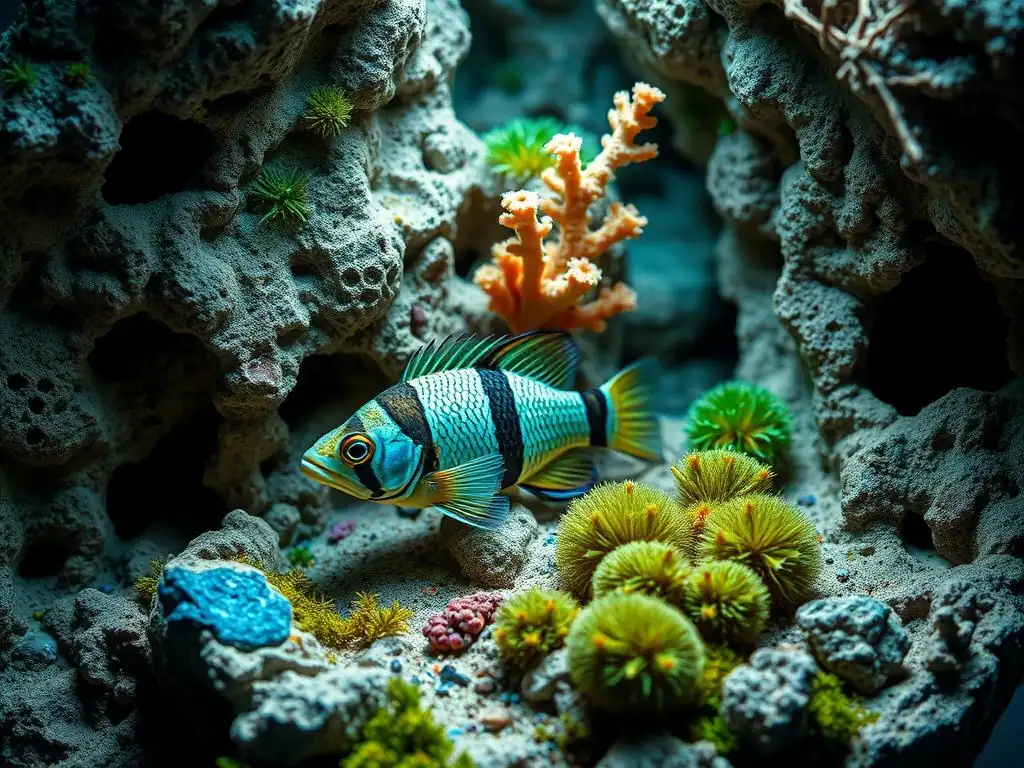
The perfect nano reef goby hide is not a one-size-fits-all solution; it must be tailored to the specific size and natural behaviors of the goby species you intend to keep. Smaller gobies, such as the Trimma species (e.g., Trimma cana, typically under 1 inch), prefer very tight crevices and small, secure holes where they can squeeze in and feel completely safe. These require rockwork with intricate, narrow gaps.
Conversely, larger gobies, like the Diamond Watchman Goby (Valenciennea puellaris), which can reach 6 inches, need more spacious caves and broader tunnels. Burrowing gobies require not only stable overhead rockwork but also a deep, fine sand bed to construct their elaborate homes. Perching gobies, such as the Clown Goby, benefit from elevated, flat surfaces or branching structures where they can comfortably rest and observe their surroundings. Understanding these nuances ensures the rockwork truly supports the goby's well-being.
Creating Territories and Minimizing Aggression Between Gobies
If you plan to house multiple gobies, especially those of the same or similar species, strategic rockwork design is crucial for creating distinct territories and minimizing aggression. Many goby species, even in a nano tank, are territorial and will establish their own personal space, particularly around their chosen nano reef goby hides. Without clear boundaries, conflicts can arise, leading to stress and injury.
Design your rockscape to break up lines of sight. This can be achieved by creating separate, visually isolated areas within the tank using taller rock structures or strategically placed arches. For example, if housing two small gobies, ensure each has its own distinct cave system on opposite sides of the tank, with no direct line of sight between their primary nano reef goby hides. This visual separation helps prevent confrontations and promotes a more peaceful cohabitation.
Clown Goby (Gobiodon okinawae): Rockwork Design for Perching and Observation
The vibrant Clown Goby (Gobiodon okinawae), typically reaching about 1.5 inches, is known for its habit of perching on corals or elevated rockwork. These charming gobies prefer to sit openly, observing their surroundings, but still require immediate access to a secure nano reef goby hide. Their ideal rockwork should include numerous flat ledges, small shelves, and branching structures that mimic the coral branches they inhabit in the wild.
To accommodate their behavior, aquascape with rocks that have plenty of horizontal surfaces at varying heights. Consider incorporating "tree-like" rock structures with multiple small "branches" or overhangs where the gobies can comfortably rest. While they enjoy being visible, ensure that each perching spot is within a very short distance of a small, tight crevice or hole where they can quickly retreat if startled. These accessible nano reef goby hides are vital for their sense of security.
Yellow Watchman Goby (Cryptocentrus cinctus): Rockwork Design for Burrow Support
The Yellow Watchman Goby (Cryptocentrus cinctus), growing up to 4 inches, is a classic burrowing species, often forming a symbiotic relationship with pistol shrimp. Their rockwork needs are fundamentally different from perching gobies, as they require a stable foundation for their elaborate sand burrows. The most critical aspect is ensuring that the rock structures are placed directly on the tank bottom, beneath the sand bed, to prevent collapses.
When aquascaping for a Yellow Watchman Goby, select larger, flat-bottomed rocks that can bear significant weight. Place these rocks directly on the bare glass bottom before adding your sand substrate. This prevents the goby (or its shrimp partner) from undermining the rockwork as they dig their burrows, ensuring the long-term stability of their primary nano reef goby hide. Provide a deep sand bed (at least 2-3 inches) around these rocks to facilitate their digging activities.
Maintaining Your Goby-Friendly Rockwork
Monitoring Water Parameters After Adding New Rockwork
Introducing new rockwork, especially dry rock or newly cured live rock, can significantly impact water parameters in a nano reef. Even seemingly inert dry rock can leach phosphates or cause a minor cycle as beneficial bacteria establish. It is crucial to monitor key parameters such as ammonia, nitrite, and nitrate daily for the first week, then weekly for the next month, to ensure stability. Ammonia and nitrite should remain at zero, while nitrate should be kept as low as possible, ideally below 10 ppm.
Beyond the nitrogen cycle, also regularly check salinity (target 1.025-1.026 specific gravity for reef tanks) and temperature (76-78°F). Fluctuations in these parameters can cause significant stress to gobies, making them more susceptible to disease. Consistent monitoring helps identify potential issues early, allowing for corrective actions like small, targeted water changes to maintain the ideal environment for your goby and its nano reef goby hide.
Cleaning and Maintaining Rockwork without Disrupting Goby Habitats
Maintaining clean rockwork is essential for a healthy nano reef, but it must be done carefully to avoid stressing your gobies or destroying their carefully constructed nano reef goby hides. Avoid aggressive scrubbing, which can dislodge beneficial bacteria and disturb the goby's sense of security. Instead, use a soft-bristled toothbrush or a turkey baster to gently dislodge detritus and any undesirable algae from the rock surfaces during your regular water changes.
Direct the dislodged debris towards your siphon during water changes to remove it from the system. If a goby is actively using a specific hideout, try to clean around it, minimizing disturbance to its immediate environment. Regular, small water changes (e.g., 10-15% weekly) are more beneficial than infrequent, large ones, as they help export nutrients before they can contribute to excessive algae growth on the rockwork.
Preventing Algae Buildup on Nano Reef Rock Structures
Algae buildup on rock structures is a common issue in nano reefs and can quickly detract from the aesthetic appeal and potentially outcompete corals. Preventing it involves addressing the root causes: excess nutrients (nitrates and phosphates) and excessive light. Strategies include careful feeding, ensuring you don't overfeed your gobies or other inhabitants, and using high-quality RODI water for all top-offs and water changes.
Limiting your photoperiod to 8-10 hours a day and ensuring your lighting is appropriate for a nano reef can also significantly reduce algae growth. Introducing a clean-up crew, such as herbivorous snails (e.g., Trochus, Turbo, Nerite snails) or small hermit crabs, can naturally graze on algae. However, ensure these are compatible with your goby species and won't compete for the valuable nano reef goby hides or harass your fish.
Troubleshooting Common Rockwork Issues in Nano Reefs
Dealing with Rockwork Instability and Potential Collapses
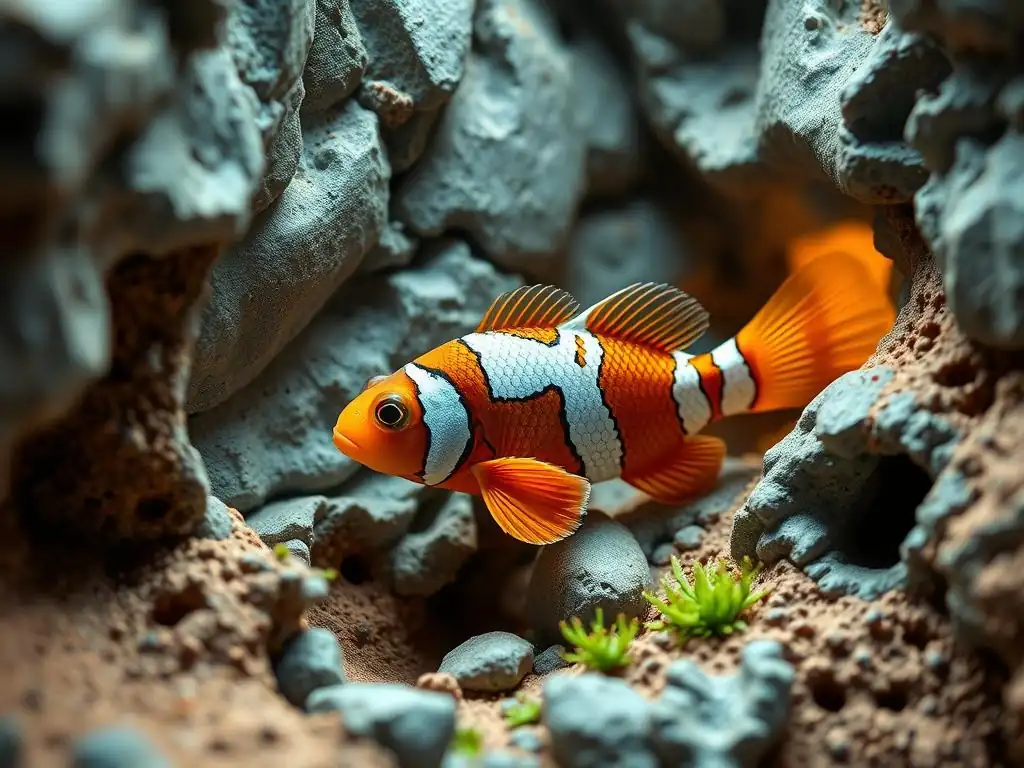
Rockwork instability is a serious concern in any aquarium, particularly in nano reefs where a collapse can quickly lead to injury or death for your gobies and potential tank damage. Common causes include inadequate securing during initial aquascaping, shifting substrate due to burrowing fish, or accidental bumps during maintenance. Signs of instability might include leaning rocks or gaps appearing between previously joined pieces.
If instability is detected, immediate action is required. If possible, gently remove the affected fish to a temporary holding tank to ensure their safety. Carefully re-secure the unstable rocks using reef-safe epoxy or plastic cable ties, ensuring a firm bond. For burrowing gobies, reinforcing the base rocks by placing them directly on the tank bottom before adding sand is crucial to prevent undermining and maintain the integrity of their nano reef goby hides.
Addressing Algae Blooms and Pest Infestations in Rock Crevices
Rock crevices, while perfect nano reef goby hides, can also become breeding grounds for undesirable algae and pests due to their sheltered nature and potential for detritus accumulation. Algae blooms, such as green hair algae, diatoms, or cyanobacteria, often indicate excess nutrients or light. Spot treatment with a toothbrush or siphon can remove visible algae, followed by addressing the underlying cause (e.g., reducing feeding, increasing water changes).
Pest infestations, like Aiptasia anemones or Vermetid snails, can also take hold in these sheltered spots. For Aiptasia, a targeted application of Kalkwasser paste or a commercial Aiptasia remedy can be effective, applied directly to the pest using a syringe. For Vermetid snails, manual removal by scraping them off the rock surface is often the best approach. In severe cases, a small, affected rock piece might need to be temporarily removed for treatment, briefly displacing the goby from its nano reef goby hide.
Adjusting Rockwork to Accommodate Goby Growth and Behavior Changes
As your gobies grow and mature, their needs regarding nano reef goby hides may change. A hideout that was perfectly sized for a juvenile goby might become too small for an adult, leading to stress or difficulty in entering/exiting. Similarly, changes in behavior, such as increased territoriality or the establishment of a breeding pair, might necessitate new or expanded hiding spaces.
Observe your gobies closely for signs of discomfort or stress related to their rockwork. If adjustments are needed, plan them carefully. For minor changes, such as slightly widening an entrance or adding a new small crevice, these can often be done gently in-tank. For more significant alterations, such as rebuilding a large section, it may be less stressful for the goby to be temporarily housed in a separate, secure container while the rockwork is modified. Always prioritize the goby's well-being during any rockwork adjustment.
Enhancing the Goby Habitat: Complementary Elements
Incorporating Substrate for Burrowing Gobies
For goby species known for their burrowing behavior, such as the Yellow Watchman Goby, Diamond Watchman Goby, or Two-Spot Goby (Gobiosoma evelynae), a suitable substrate is not merely decorative but a fundamental component of their habitat and primary nano reef goby hides. A deep sand bed, ideally 2-3 inches, composed of fine-grained aragonite sand (e.g., sugar-fine or live sand), is essential. This allows them to dig and construct stable, intricate burrow systems that mimic their natural homes.
The substrate provides both physical and psychological security for these species. Without an appropriate substrate, burrowing gobies can become highly stressed and may fail to thrive. Ensure that any large rock structures intended to be part of a burrowing goby's nano reef goby hide are placed directly on the tank bottom before the sand is added, preventing them from being undermined and collapsing as the goby digs its network of tunnels.
Adding Soft Corals and Macroalgae for Additional Cover
Beyond the rockwork itself, incorporating certain soft corals and macroalgae can significantly enhance the functionality and aesthetic appeal of your nano reef goby hides. Soft corals like Zoanthids, Palythoa, mushroom corals (Discosoma), or even small colonies of pulsing Xenia can provide additional perching spots, shade, and visual breaks that gobies appreciate. These corals often have folds or crevices that can serve as temporary retreats.
Macroalgae, such as various species of Caulerpa or Chaetomorpha, can also be strategically placed to offer additional cover and a sense of security for your gobies. They contribute to nutrient export and add a natural, lush feel to the aquascape. When selecting corals or macroalgae, ensure they are compatible with your goby species and won't sting or irritate them. Position them thoughtfully to complement the rockwork, creating an even more enriching environment for your gobies.
Selecting Tank Mates That Complement Goby Behavior and Rockwork Design
The success of your goby-centric nano reef also hinges on selecting appropriate tank mates that complement your goby's behavior and the intricate rockwork design. Ideal tank mates are peaceful, non-aggressive, and do not compete for the same food sources or nano reef goby hides. Small, docile fish like Firefish Gobies (Nemateleotris magnifica), small clownfish (e.g., Ocellaris or Percula), or a single Royal Gramma are often good choices.
Avoid larger, predatory fish or highly territorial species that might harass or outcompete your gobies. Similarly, be cautious with other bottom-dwelling fish that might compete directly for the limited rock crevices and sand space. A well-chosen community ensures that your gobies feel secure in their carefully designed nano reef goby hides and can thrive without undue stress from aggressive cohabitants.
Frequently Asked Questions
How important is rockwork design for nano reef gobies?
Rockwork design is crucial as it provides essential hiding places and territories, reducing stress and aggression among gobies. A well-designed landscape mimics their natural environment, promoting natural behaviors.
What are some specific features I should include in my rockwork to cater to nano reef gobies?
Create plenty of small caves and crevices. Use different sizes and shapes of rocks to offer a variety of hiding spots. Ensure some are easily accessible and others are more secluded.
Can I use any type of rock for my nano reef goby's rockwork?
No, you should use aquarium-safe live rock or inert rock. Avoid rocks that leach harmful chemicals or significantly alter your water parameters.
How much rockwork is too much or too little for a nano reef aquarium with gobies?
Aim for roughly 1-2 pounds of rock per gallon of water. Too little rock leaves gobies exposed, while too much reduces swimming space and hinders water circulation.
What are some common mistakes to avoid when designing rockwork for nano reef gobies?
Avoid creating dead spots with poor water flow. Ensure the rockwork is stable to prevent collapses. Don't block off access to the substrate layer for burrowing species.
Final Reflection: Sculpting Sanctuaries for Tiny Titans
The delicate art of nano reef aquascaping, as we've explored, isn't merely about aesthetics; it's about crafting a thriving ecosystem. Creating secure and enriching environments for nano reef gobies is paramount to their well-being and the overall health of the aquarium. This understanding is more relevant than ever as the popularity of nano reefs continues to surge, demanding a deeper appreciation for the specific needs of these miniature marvels.
This journey into designing goby-friendly landscapes has underscored the profound impact aquascaping has on the lives of these tiny creatures. It's a reminder that even in the smallest of spaces, we have the power to create miniature worlds that foster natural behaviors and reduce stress. The best aquarium is a balanced ecosystem, not just a pretty picture.
This quote encapsulates the essence of responsible reef keeping, urging us to prioritize the needs of our inhabitants above all else.
Now, as you consider your own nano reef, I invite you to reflect on the principles we've discussed. Don't just build a rock structure; build a home. A sanctuary. A haven where your gobies can thrive, display their unique personalities, and contribute to the vibrant tapestry of your underwater world. Embrace the challenge of creating a balanced and beautiful ecosystem, and you'll be rewarded with the joy of witnessing the flourishing life within.
Unleash Your Inner Aquascaper!
Thank you for exploring the art of goby-friendly reef rockwork! We hope you've gained the insights to create a captivating and functional nano reef. Ready to bring your vision to life?
- Start sketching! Design a blueprint of your rockscape, focusing on creating multiple caves and ledges to mimic a natural goby habitat.
- Share your rockwork plans! Post a drawing or description of your intended layout in a reefing forum and get feedback from experienced aquascapers.
- Consider adding a unexpected element: Incorporate a small, visually striking piece of non-reef-safe décor (properly sealed, of course!) to create a focal point and further enhance the goby's territory.
What unique rock structure are you most excited to create for your goby haven?