
Why Barbs? Exploring the Allure of These Energetic Freshwater Swimmers

Welcome to Aquarium Mastery!
Ever wondered about adding a burst of color and endless energy to your freshwater aquarium? Barbs might just be the answer! Dive into our comprehensive guide to Barbs freshwater aquarium care and discover why these captivating swimmers are a favorite among aquarists. Get ready to unlock the secrets to a thriving Barb aquarium, from ideal tank conditions to compatible tank mates. Intrigued? Let's explore the fascinating world of Barbs together!
- Understanding the Popularity of Barbs in Freshwater Aquariums
-
Barb Fish Profiles: A Closer Look at Popular Varieties
- Tiger Barbs ( Puntigrus tetrazona): Care and Considerations for a Classic
- Cherry Barbs ( Puntius titteya): Adding a Splash of Color to Your Tank
- Denison Barbs ( Sahyadria denisonii): The Majestic Shoaling Fish
- Rosy Barbs ( Pethia conchonius): Hardy and Adaptable
- Gold Barbs ( Barbodes semifasciolatus): A Shimmering Addition
- Setting Up the Ideal Barb Freshwater Aquarium
- Barb Freshwater Aquarium Care: Essential Guidelines
- Barb Tank Mates: Choosing Compatible Species for a Community Aquarium
- Breeding Barbs in Freshwater Aquariums
- Troubleshooting Common Barb Aquarium Problems
- The Enduring Appeal of Barbs: A Rewarding Freshwater Aquarium Experience
-
Frequently Asked Questions
- ### Why are Barbs a popular choice for freshwater aquariums?
- ### What are the key considerations for Barb freshwater aquarium care?
- ### What types of Barbs are suitable for beginner aquarists?
- ### What are common problems faced when keeping Barbs in a freshwater aquarium?
- ### Where can I find more detailed information on Barb freshwater aquarium care?
- Final Reflection: Embracing the Vibrant Barb
- Unleash the Barb Frenzy!
Understanding the Popularity of Barbs in Freshwater Aquariums
The Energetic Charm: Why Aquarists Love Barb Fish
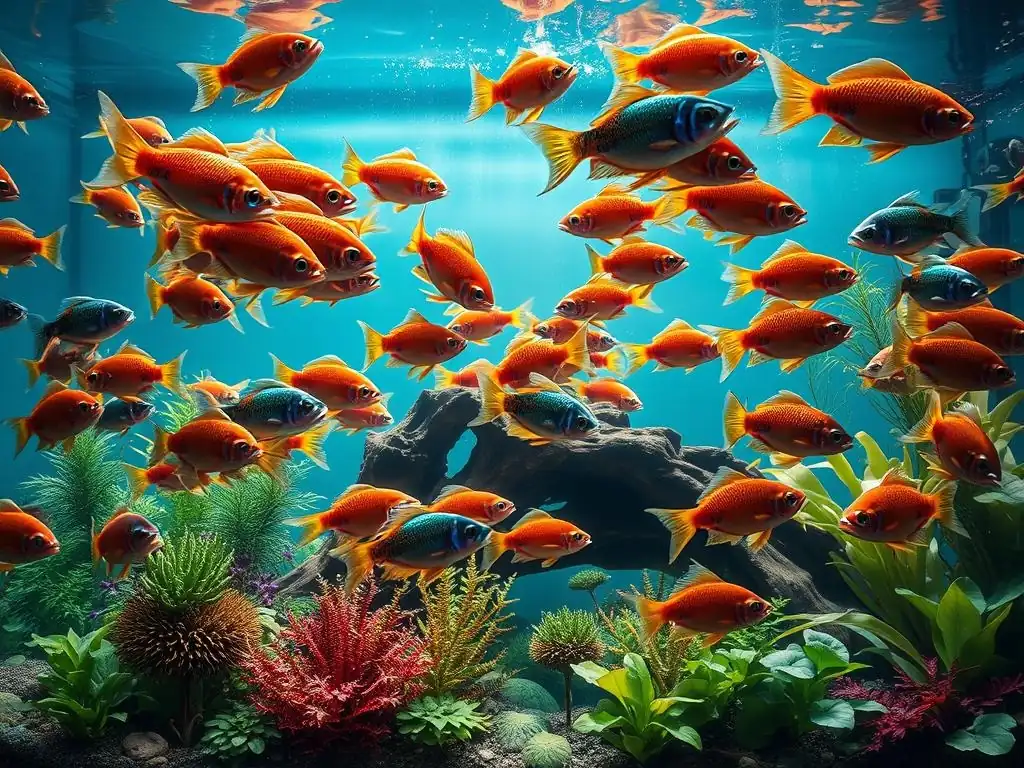
Barbs are celebrated in the freshwater aquarium hobby for their unparalleled energy and vibrant displays. Their constant, lively swimming patterns bring a dynamic quality to any tank, transforming it into a bustling aquatic spectacle. Many species, like the iconic Tiger Barb, are known for their tight schooling behavior, creating mesmerizing synchronized movements that captivate observers and add a sense of natural vitality to the aquatic environment.
Beyond their animated presence, barbs are admired for their striking coloration, ranging from the deep reds of Cherry Barbs to the shimmering golds of Gold Barbs and the intricate patterns of Tiger Barbs. This combination of energetic behavior and visual appeal makes them a popular choice for aquarists seeking to add both movement and beauty to their setups. Their robust nature also contributes to their appeal, making Barbs freshwater aquarium care a rewarding endeavor for hobbyists of varying experience levels.
Beyond Tiger Barbs: Discovering the Diversity of Barb Species
While the Tiger Barb ( Puntigrus tetrazona) often springs to mind when the term "barb" is mentioned, the world of barbs is remarkably diverse, encompassing numerous species across several genera, including Puntius, Pethia, Sahyadria, and Barbodes. This vast array offers a spectrum of sizes, temperaments, and colorations, allowing aquarists to choose species that perfectly fit their tank size and community goals.
For instance, the peaceful Cherry Barb ( Puntius titteya) provides a splash of red without the boisterousness of its Tiger cousin, while the majestic Denison Barb ( Sahyadria denisonii) offers a larger, more elegant schooling presence. Exploring this diversity reveals that Barbs freshwater aquarium care is not a one-size-fits-all approach, but rather an engaging journey into the unique needs and characteristics of each fascinating species.
Barb Fish Profiles: A Closer Look at Popular Varieties
Tiger Barbs ( Puntigrus tetrazona): Care and Considerations for a Classic
Tiger Barbs are perhaps the most recognizable barb species, famed for their bold black stripes on an orange or golden body. Originating from Sumatra and Borneo, these active fish typically reach about 3 inches (7.5 cm) in length. Their energetic nature and schooling instinct mean they thrive in groups of at least 6-8 individuals, which helps to diffuse their notorious fin-nipping tendencies among themselves rather than targeting other tank mates.
When considering Barbs freshwater aquarium care for Tiger Barbs, it's crucial to provide a tank of at least 30 gallons (113 liters) to accommodate their active swimming and schooling behavior. They are omnivores, readily accepting high-quality flakes, pellets, and occasional live or frozen foods like brine shrimp or bloodworms. Maintaining stable water parameters—temperatures between 72-78°F (22-26°C), pH 6.0-7.5, and moderate hardness (5-12 dGH)—is vital for their health and vibrant coloration.
Cherry Barbs ( Puntius titteya): Adding a Splash of Color to Your Tank
Cherry Barbs are a delightful and peaceful alternative to their more boisterous relatives. Native to the clear, shaded streams of Sri Lanka, these smaller barbs typically grow to about 2 inches (5 cm). Males display a stunning, deep cherry-red coloration, especially during breeding or when well-conditioned, while females are a more subdued, brownish-orange. Their calm temperament makes them excellent candidates for community aquariums.
For optimal Barbs freshwater aquarium care of Cherry Barbs, a densely planted tank with subdued lighting is ideal, mimicking their natural habitat. They prefer temperatures between 72-79°F (22-26°C), a pH range of 6.0-7.0, and soft to moderately hard water (5-10 dGH). They are omnivores, thriving on a varied diet of quality flake food supplemented with small live or frozen foods. Keeping them in groups of at least six individuals encourages their natural schooling behavior and enhances their beautiful coloration.
Denison Barbs ( Sahyadria denisonii): The Majestic Shoaling Fish
Denison Barbs, also known as Roseline Sharks or Red-line Torpedo Barbs, are striking fish with an iridescent silver body, a prominent red stripe, and a black stripe running along their flanks. Hailing from the fast-flowing rivers of Southern India, these active shoalers can reach an impressive size of up to 4.5 inches (11.5 cm) in captivity. Their elegant appearance and constant motion make them a captivating centerpiece in larger aquariums.
Due to their active swimming and larger size, Barbs freshwater aquarium care for Denison Barbs requires a spacious tank of at least 55 gallons (208 liters), preferably longer than it is tall, to provide ample horizontal swimming space. They thrive in highly oxygenated water with strong filtration and flow, mimicking their natural riverine environment. Ideal parameters include temperatures of 65-77°F (18-25°C), a pH of 6.5-7.8, and soft to moderately hard water. They are omnivores, requiring a varied diet of high-quality pellets, flakes, and regular supplements of live or frozen foods.
Rosy Barbs ( Pethia conchonius): Hardy and Adaptable
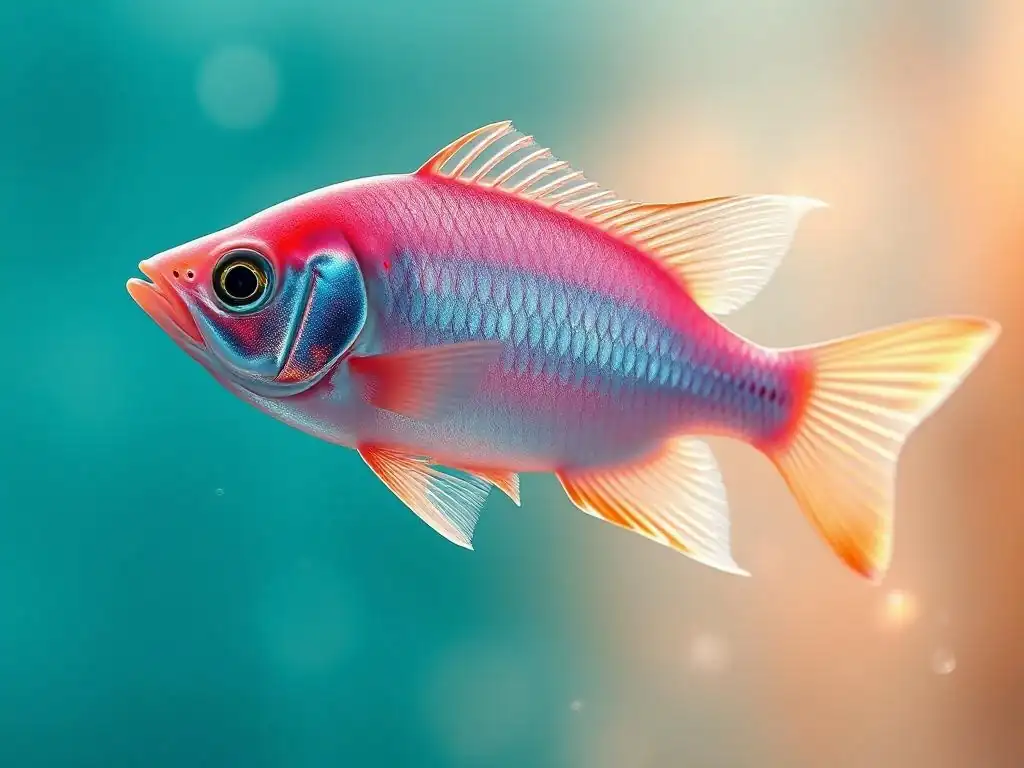
Rosy Barbs are among the most robust and adaptable barb species, making them an excellent choice for beginner aquarists or those with unheated tanks. Native to various parts of South Asia, these fish typically grow to about 3-4 inches (7.5-10 cm), though some varieties can reach up to 6 inches (15 cm). Males exhibit a beautiful rosy-red hue, particularly during breeding, while females are more golden-silver.
Their broad tolerance for water conditions is a hallmark of their Barbs freshwater aquarium care. Rosy Barbs can thrive in temperatures ranging from 64-79°F (18-26°C), a pH of 6.0-8.0, and a wide range of hardness levels. They are peaceful, active schooling fish that do best in groups of at least six. An omnivorous diet consisting of quality flakes, pellets, and occasional live or frozen foods will keep them healthy and vibrant.
Gold Barbs ( Barbodes semifasciolatus): A Shimmering Addition
Gold Barbs are a cultivated variant of the Chinese Barb ( Barbodes semifasciolatus), prized for their brilliant golden-yellow coloration and often subtle black markings. These peaceful and active fish typically reach a size of about 3 inches (7.5 cm). Their shimmering appearance and calm demeanor make them a popular choice for community tanks, where they add a bright splash of color.
In terms of Barbs freshwater aquarium care, Gold Barbs are relatively undemanding. They prefer temperatures between 64-75°F (18-24°C), a pH of 6.0-8.0, and soft to moderately hard water. A well-planted tank with open swimming areas is ideal for them. As omnivores, they readily accept a varied diet of high-quality flakes, small pellets, and occasional treats of live or frozen foods like daphnia or brine shrimp. They are best kept in schools of at least six individuals to promote their natural schooling behavior and reduce any potential shyness.
Setting Up the Ideal Barb Freshwater Aquarium
Tank Size Considerations for Active Barb Schools
The appropriate tank size for barbs is a critical factor in their health and behavior, directly impacting successful Barbs freshwater aquarium care. For smaller species like Cherry Barbs or Gold Barbs, a 20-gallon (75-liter) long tank can comfortably house a school of 6-8 individuals, providing sufficient horizontal swimming space. However, for more active species such as Tiger Barbs, a minimum of a 30-gallon (113-liter) tank is recommended for a school of 8-10, as the larger volume helps to mitigate their tendency towards aggression and fin-nipping by allowing them to establish their hierarchy without undue stress.
Larger, more robust barbs like Rosy Barbs and Denison Barbs require significantly more space. A 55-gallon (208-liter) tank is considered a minimum for a school of Rosy Barbs, while Denison Barbs, due to their size and rapid swimming, thrive in tanks of 75 gallons (284 liters) or larger. Providing ample space is not just about physical room; it also ensures stable water parameters, reduces stress, and allows for natural schooling behaviors, which are all vital components of effective Barbs freshwater aquarium care.
Water Parameters: Maintaining Optimal Conditions for Barb Health
Maintaining precise and stable water parameters is fundamental to successful Barbs freshwater aquarium care. While specific ranges vary slightly by species, most barbs generally thrive in temperatures between 72-78°F (22-26°C). The pH level typically ranges from slightly acidic to neutral, about 6.0-7.5, and water hardness should be soft to moderate, around 5-12 dGH (degrees of General Hardness). It is more important to keep these parameters consistent than to chase exact numbers, as sudden fluctuations are highly stressful for fish.
Regular water testing for ammonia, nitrite, and nitrate levels is indispensable. Ammonia and nitrite should always be at 0 ppm. Nitrate levels should be kept below 20 ppm through consistent partial water changes. For species like Denison Barbs, which originate from fast-flowing, oxygen-rich waters, ensuring excellent aeration and strong water movement is also a crucial aspect of their specific Barbs freshwater aquarium care.
Substrate, Decor, and Plants: Creating a Natural Barb Habitat
Creating a well-structured and natural habitat is paramount for the well-being of barbs, enhancing their comfort and encouraging natural behaviors. A fine gravel or sand substrate is suitable for most barb species, allowing them to forage naturally without damaging their barbels. Smooth rocks and driftwood can be incorporated to provide visual breaks, hiding spots, and areas for exploration. These elements also help to create natural territories and reduce stress, especially in more active or potentially aggressive species like Tiger Barbs.
Live plants are highly recommended for a barb aquarium. Densely planted areas along the back and sides of the tank offer secure hiding places and break up lines of sight, which is particularly beneficial for reducing aggression in schooling species. Hardy plants such as Java Fern ( Microsorum pteropus), Anubias species, Cryptocoryne species, and various types of Vallisneria are excellent choices. Floating plants can also be used to diffuse overhead lighting, creating a more subdued environment that many barbs appreciate. This thoughtful design is a key element of comprehensive Barbs freshwater aquarium care.
Barb Freshwater Aquarium Care: Essential Guidelines
Diet and Feeding: Providing a Balanced Nutrition for Barbs
A balanced and varied diet is crucial for the health, coloration, and vitality of barbs, forming a cornerstone of effective Barbs freshwater aquarium care. Most barb species are omnivores, meaning they require a mix of plant and animal matter. A high-quality flake or small pellet food should serve as the staple of their diet, providing essential vitamins and minerals.
To ensure comprehensive nutrition, supplement their primary diet with live or frozen foods 2-3 times per week. Excellent choices include brine shrimp, bloodworms, daphnia, and mosquito larvae, which offer vital protein and fat content. Vegetable matter, such as blanched zucchini or spirulina flakes, can also be offered periodically. Feed small amounts that barbs can consume within 2-3 minutes, 2-3 times a day, to prevent overfeeding and maintain pristine water quality.
Water Changes and Filtration: Maintaining Water Quality for Barb Health
Maintaining optimal water quality is arguably the most critical aspect of Barbs freshwater aquarium care. Regular partial water changes are essential for removing accumulated nitrates and other dissolved organic compounds that can become toxic. A general guideline is to perform a 25-30% water change weekly, though tanks with higher stocking densities or less efficient filtration may benefit from more frequent or larger changes. Always use a dechlorinator when adding tap water to neutralize harmful chlorine and chloramines.
A robust filtration system is equally important. A good filter should provide mechanical filtration to remove particulate matter, biological filtration to convert harmful ammonia and nitrite into less toxic nitrate, and chemical filtration (e.g., activated carbon) to remove odors and discoloration. Canister filters or hang-on-back filters with adequate flow rates are often recommended for barb tanks, ensuring good water circulation and aeration throughout the aquarium.
Common Barb Diseases and Prevention: Keeping Your Barbs Healthy
Despite their general hardiness, barbs can be susceptible to common freshwater fish diseases, particularly if their Barbs freshwater aquarium care is neglected. Ich (White Spot Disease), characterized by small white spots resembling salt grains on the body and fins, is a frequent ailment, often triggered by stress from poor water quality or sudden temperature fluctuations. Fin Rot, recognized by frayed or deteriorating fins, is typically a bacterial infection linked to suboptimal water conditions or physical injury. Velvet, a parasitic infection, appears as a dusty, yellowish coating.
Prevention is the most effective strategy. This involves maintaining stable and appropriate water parameters, providing a balanced and nutritious diet, avoiding overstocking, and ensuring a stress-free environment with plenty of hiding spots. Quarantining all new fish for at least 2-4 weeks in a separate tank before introducing them to the main aquarium is a crucial preventative measure, as it prevents the introduction and spread of pathogens. Early detection and prompt treatment with appropriate aquarium medications can help ensure a swift recovery.
Barb Tank Mates: Choosing Compatible Species for a Community Aquarium
Ideal Tank Mates for Tiger Barbs: Corydoras Catfish, Loaches, Danios
When selecting tank mates for Tiger Barbs, their reputation for fin-nipping must be carefully considered. Ideal companions are fast-moving, robust fish that are either too quick to be caught or have short, sturdy fins that are less appealing targets. Excellent choices include various species of Corydoras catfish, such as Panda Corys or Bronze Corys, which occupy the bottom layer of the tank and are generally ignored by Tiger Barbs.
Loaches, particularly Kuhli Loaches or various Botia species like the Clown Loach (in very large tanks), also make good companions due to their active nature and tough scales. Other active schooling fish, such as Giant Danios or some larger Rasbora species, can also coexist well, especially if the Tiger Barbs are kept in a sufficiently large school (8-10 or more individuals). This larger school size helps to diffuse their playful aggression among themselves, leading to a more harmonious community as part of comprehensive Barbs freshwater aquarium care.
Ideal Tank Mates for Cherry Barbs: Neon Tetras, Ember Tetras, Guppies
Cherry Barbs are renowned for their peaceful and shy nature, making them excellent additions to a wide variety of community aquariums. Their calm temperament allows them to coexist harmoniously with other small, non-aggressive fish. Ideal tank mates include other popular schooling fish such as Neon Tetras, Ember Tetras, and Rummy Nose Tetras, which share similar size and temperament requirements.
Small rasboras, like Harlequin Rasboras or Chili Rasboras, are also excellent choices. For those interested in livebearers, peaceful species such as Guppies, Platies, and Mollies can also co-exist well with Cherry Barbs, provided the tank is adequately sized and well-planted. The key to successful Barbs freshwater aquarium care in a community setting with Cherry Barbs is to select companions that will not intimidate them or outcompete them for food.
Potential Aggression Issues: Avoiding Unsuitable Tank Mates
Despite the general hardiness of barbs, certain species, particularly Tiger Barbs, have a propensity for aggression, primarily fin-nipping. It is crucial to avoid housing them with slow-moving fish, species with long, flowing fins (such as Angelfish, Bettas, or many Gouramis), or very timid fish. These types of tank mates are highly susceptible to stress, injury, and constant harassment, which can lead to fin rot and other health issues.
Even generally peaceful barbs can exhibit aggression or become stressed if their environment is inadequate. Overcrowding, insufficient schooling numbers (especially for species that thrive in large groups), or a lack of hiding spots can lead to heightened stress levels and uncharacteristic aggression. Understanding the specific temperament and schooling requirements of each barb species is essential for successful Barbs freshwater aquarium care and maintaining a harmonious community tank.
Breeding Barbs in Freshwater Aquariums
Creating the Right Conditions for Barb Spawning
Breeding barbs in a freshwater aquarium can be a rewarding experience, as many species are relatively easy to spawn. Most barbs are egg-scatterers, meaning they lay their eggs freely without parental care. To encourage spawning, it's best to set up a separate breeding tank, typically 5-10 gallons (19-38 liters), equipped with soft, slightly acidic water (pH 6.0-6.5, dGH 4-8) and a temperature around 75-78°F (24-26°C).
The breeding tank should include a spawning mop, a dense clump of fine-leaved plants like Java Moss ( Taxiphyllum barbieri), or a mesh bottom to protect the eggs from being eaten by the parent fish. Conditioning a breeding pair or a small group (e.g., one female to two males) with a high-protein diet of live or frozen foods for 1-2 weeks before introduction to the breeding tank significantly increases the likelihood of spawning, which often occurs in the early morning hours.
Prompt removal of the adult fish after spawning is critical to ensure egg survival, a key step in Barbs freshwater aquarium care for reproduction.
Identifying Barb Eggs and Fry: A Guide to Raising Barb Offspring
Identifying barb eggs and subsequent fry is a crucial stage in the breeding process. Barb eggs are typically small, clear to slightly opaque, and often adhesive, scattered amongst the spawning substrate or plants. They are usually laid in clusters or singly. Depending on the species and water temperature, the eggs will hatch within 24-48 hours, revealing tiny, almost translucent fry.
Initially, the fry will absorb their yolk sac for the first 1-2 days, remaining largely immobile. Once the yolk sac is fully absorbed, they will become free-swimming and begin actively seeking food. Recognizing this transition is vital for timely intervention with appropriate first foods, as the fry are extremely small and vulnerable. Careful observation during this period is an important aspect of Barbs freshwater aquarium care dedicated to successful propagation.
Caring for Barb Fry: Ensuring a High Survival Rate
Caring for barb fry requires diligence and specific attention to their nutritional needs and water quality. Once the fry become free-swimming and their yolk sacs are absorbed, they need extremely small food sources. Infusoria, liquid fry food, or green water are ideal for the first few days. As they grow, typically after 3-5 days, they can be transitioned to newly hatched brine shrimp or microworms, which provide essential protein for rapid growth. Feed small amounts multiple times a day to ensure all fry receive adequate nutrition.
Maintaining pristine water quality in the fry tank is paramount for a high survival rate. Perform small, daily water changes (10-15%) using aged or dechlorinated water to prevent the buildup of nitrates and other pollutants. Gentle aeration, such as from an air stone with a very fine bubble output, and consistent temperature are also critical. Diligent Barbs freshwater aquarium care for fry ensures that a significant number of offspring reach maturity.
Troubleshooting Common Barb Aquarium Problems
Fin Nipping and Aggression: Addressing Behavioral Issues in Barbs
Fin nipping and aggression are common behavioral issues, especially with species like Tiger Barbs, and can be a source of frustration in Barbs freshwater aquarium care. This behavior often stems from an insufficient school size (less than 6-8 individuals), which prevents them from establishing a proper hierarchy and diffusing aggression among themselves. When kept in smaller groups, their energy is often directed towards other tank inhabitants.
The most effective solution is to increase the school size to at least 8-10 individuals, preferably more, to allow them to focus their interactions internally. Ensuring the tank is adequately sized (e.g., 30 gallons or more for Tiger Barbs) and providing plenty of visual breaks and hiding spots with plants and decor can also help reduce stress and territorial disputes. If a specific tank mate is being persistently targeted, rehoming either the victim or the aggressor may be necessary to restore harmony.
Identifying and Treating Barb Diseases: A Practical Guide
Prompt identification and treatment of diseases are crucial for effective Barbs freshwater aquarium care. For Ich (white spots), common symptoms include small white spots, flashing (rubbing against objects), and lethargy. Treatment typically involves gradually raising the tank temperature to 82°F (28°C) over 24 hours and adding aquarium salt (1 tablespoon per 5 gallons) or using an Ich-specific medication. Fin Rot, characterized by frayed or disintegrating fins, is often bacterial; daily partial water changes (e.g., 25% for a 20-gallon tank) and an antibacterial medication are usually effective.
Always diagnose carefully before administering any treatment, as incorrect medication can be harmful. Follow medication instructions precisely regarding dosage and duration. It is highly recommended to treat sick fish in a separate quarantine tank to prevent the spread of disease to healthy fish and to allow for targeted treatment without affecting the main aquarium's biological filter.
Preventing Common Barb Health Problems: Proactive Aquarium Management
Proactive management is the cornerstone of preventing common health problems in barbs and ensuring their long-term well-being. This begins with consistent and meticulous Barbs freshwater aquarium care practices. Regular partial water changes (e.g., 25-30% weekly) are essential for maintaining low nitrate levels (ideally below 20 ppm) and stable water chemistry. A robust filtration system that provides excellent mechanical, biological, and chemical filtration is also vital for processing waste and keeping the water pristine.
Feeding a varied, high-quality diet that meets all their nutritional needs boosts their immune system. Avoiding sudden fluctuations in temperature or pH, which can cause significant stress, is also critical. Perhaps one of the most effective preventative measures is the practice of quarantining all new fish for a minimum of three weeks before introducing them to the main display tank. This prevents the introduction of diseases or parasites that could decimate an established population, ensuring a healthy and thriving barb aquarium.
The Enduring Appeal of Barbs: A Rewarding Freshwater Aquarium Experience
The enduring appeal of barbs in the freshwater aquarium hobby lies in their vibrant colors, energetic schooling behaviors, and remarkable adaptability. From the boisterous charm of the Tiger Barb to the serene elegance of the Cherry Barb and the majestic presence of the Denison Barb, there is a barb species to suit nearly every aquarist's preference and tank setup. Their lively personalities bring an unparalleled dynamism to any aquatic landscape, making them a captivating focal point.
With diligent Barbs freshwater aquarium care, encompassing appropriate tank sizing, stable water parameters, a balanced diet, and compatible tank mates, these resilient fish can thrive for many years. Exploring the diverse world of barbs offers a rewarding journey for both novice and experienced aquarists, promising a vibrant and engaging freshwater aquarium experience.
Frequently Asked Questions
### Why are Barbs a popular choice for freshwater aquariums?
Barbs are popular due to their vibrant colors and active schooling behavior, adding a lot of life to a freshwater aquarium. They are also generally hardy fish that can adapt to a range of water conditions.
### What are the key considerations for Barb freshwater aquarium care?
Key considerations include providing a large enough tank, maintaining good water quality through regular water changes, and ensuring a balanced diet. Some species are nippy, so proper tank mates are crucial.
### What types of Barbs are suitable for beginner aquarists?
Some good beginner-friendly Barbs include Cherry Barbs, Rosy Barbs, and Gold Barbs. These species are relatively hardy and easy to care for, making them ideal for novice aquarists.
### What are common problems faced when keeping Barbs in a freshwater aquarium?
Common issues include aggression if kept in too small a group, fin nipping if housed with incompatible tank mates, and susceptibility to diseases if water quality is poor. Maintaining optimal conditions is crucial.
### Where can I find more detailed information on Barb freshwater aquarium care?
AquariumMastery.com provides detailed guides on Barb species profiles, tank setup, and troubleshooting. You'll find comprehensive information on all aspects of Barb care, from choosing the right species to maintaining a healthy aquarium environment.
Final Reflection: Embracing the Vibrant Barb
The journey into the world of barbs, as explored in this article, highlights more than just optimal freshwater aquarium care. It reveals a deeper appreciation for the dynamism and vitality these energetic swimmers bring to our aquatic spaces, a quality increasingly sought after in our increasingly sterile and digital world. Understanding their needs is not just about maintaining a healthy aquarium; it's about fostering a thriving ecosystem that mirrors the beauty and complexity of nature itself.
The enduring appeal of barbs underscores their significant influence on the freshwater aquarium hobby. Their vibrant colors and playful behavior offer a constant source of fascination and joy, reminding us of the simple pleasures found in observing the natural world. This connection is crucial, especially in a time when we are often disconnected from nature. In every walk with nature one receives far more than he seeks.
- John Muir. This quote perfectly encapsulates the profound impact these seemingly small creatures can have on our well-being.
Now, as you consider the information shared about barb freshwater aquarium care, I invite you to reflect on the broader implications of creating and maintaining a thriving aquatic environment. How can you apply the principles of balance, observation, and care, not only to your aquarium but also to other aspects of your life? Embrace the vibrant energy of the barb, and let it inspire you to cultivate a more balanced and fulfilling existence, both within and beyond the glass walls of your aquarium.
Unleash the Barb Frenzy!
Thanks for diving into the vibrant world of barbs! We hope you've gained a new appreciation for these active and colorful additions to the freshwater aquarium. Now, it's time to take the plunge and bring the energy of barbs into your own aquarium journey.
Here are a few ways to get started:
- Dive Deeper: Research and select the perfect barb species for your aquarium's size and community. Consider their specific needs for schooling, tank mates, and water parameters to ensure a thriving environment. This is the most important action to take!
- Observe the aquatic environments around your local area to discover the natural habitats that may inspire your next aquascaping project.
- Share your newfound barb enthusiasm! Post a picture of your favorite barb species on social media with the hashtag #AquariumMasteryBarbs and join the conversation.
Ready to add a splash of color and activity to your aquarium? What unique barb species are you most excited to learn more about, and why?