
Is My Nano Reef Mature Enough for a Dragonet, Goby, or Sensitive Blenny?

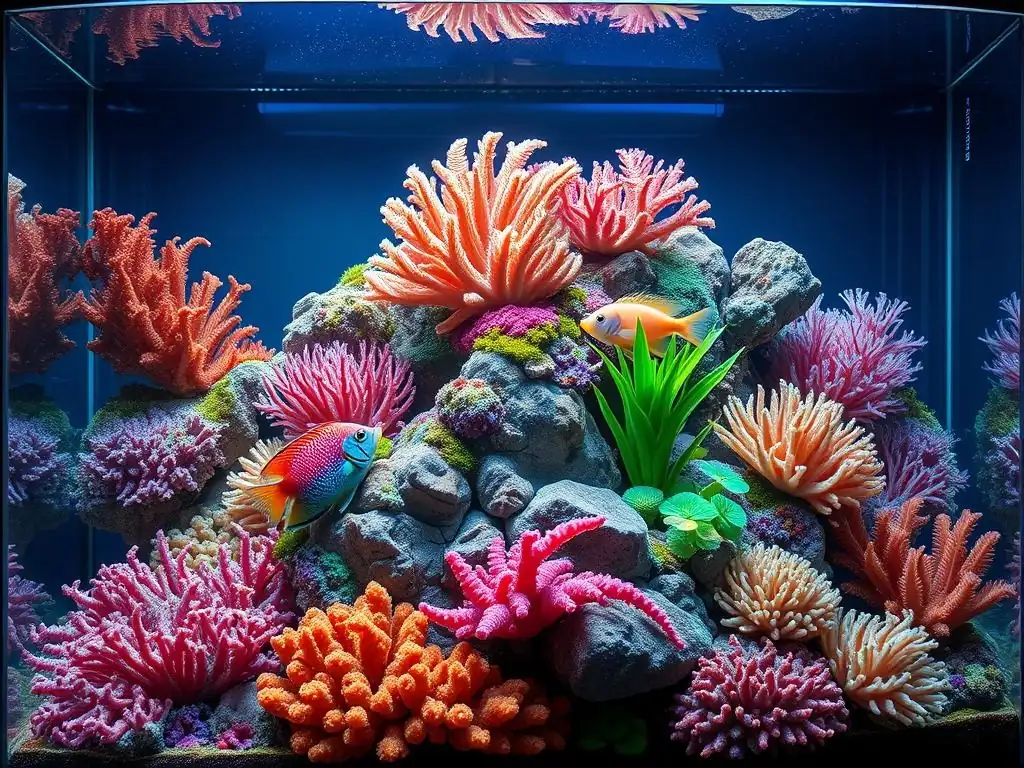
Welcome to Aquarium Mastery!
Ever wondered if your nano reef is truly ready for the delicate dance of dragonets, gobies, or sensitive blennies? Before you introduce these captivating creatures, let's dive deep into the crucial nano reef dragonet compatibility issues that could make or break your ecosystem. Discover the hidden factors that determine success and ensure a thriving environment for your finned friends!
- Is My Nano Reef Mature Enough for Demanding Fish Species?
- Understanding Compatibility Issues in Nano Reefs: A Maturity Guide
- Defining a "Mature" Nano Reef for Sensitive Fish
-
Fish Care in Nano Reefs: Maturity Considerations
- Pod Population Assessment: Ensuring Adequate Food Supply
- Evaluating Algae Growth and Microorganism Diversity
- Tank Size and Rockwork: Creating a Suitable Habitat in a Nano Reef
- Understanding Feeding Habits and Nano Reef Maturity
- Grazing and Algae Control in the Nano Reef Environment
- Avoiding Competition: Choosing Compatible Tank Mates
- Signs Your Nano Reef Isn't Ready: Red Flags to Watch For
- Preparing Your Nano Reef for Demanding Fish Species
- Alternatives in Immature Nano Reefs
- Long-Term Nano Reef Management for Sustained Fish Health
- Conclusion: Making Informed Decisions About Nano Reef Stocking
-
Frequently Asked Questions
- Is my nano reef tank really ready for a Dragonet, Goby, or Blenny?
- What are the key signs that my nano reef is mature enough to support these fish?
- What are the potential consequences of introducing a Dragonet, Goby, or Blenny to an immature nano reef?
- How often should I be feeding the tank and what types of food should I give to grow the microfauna population?
- If I can't see any copepods, does that mean my tank isn't ready?
- Final Reflection: Navigating the Delicate Balance of Nano Reef Ecosystems
- Ignite Your Nano Reef: Nurture the Perfect Habitat!
Is My Nano Reef Mature Enough for Demanding Fish Species?
Understanding Compatibility Issues in Nano Reefs: A Maturity Guide
Why Certain Fish are Popular Nano Reef Choices
Many aquarists are drawn to the vibrant colors and unique behaviors of fish like Mandarinfish (Synchiropus splendidus), various small gobies such as the Yellow Watchman Goby (Cryptocentrus cinctus), and petite blennies like the Tailspot Blenny (Salarias fasciatus) for their nano reef aquariums. These species are often chosen due to their relatively small adult sizes, typically ranging from 1 to 4 inches, which seemingly makes them ideal candidates for tanks under 30 gallons. Their intricate patterns and engaging personalities can make them the focal point of a compact aquatic ecosystem.
Beyond their aesthetic appeal, these fish offer fascinating insights into marine biology, from the Mandarinfish's constant foraging for copepods to the Watchman Goby's symbiotic relationship with pistol shrimp. However, the allure of their small stature often overshadows the complex environmental and dietary requirements they demand. Many hobbyists underestimate the specialized care needed, leading to significant nano reef dragonet compatibility issues and challenges for other sensitive species if the tank is not adequately prepared.
The Unique Demands of Specific Fish Species in Nano Reef Aquariums
Dragonets, particularly the Mandarinfish and Psychedelic Dragonet (Synchiropus picturatus), are perhaps the most demanding due to their almost exclusive diet of live copepods and other microfauna. A typical 10-gallon nano reef, even with established live rock, rarely produces enough natural food to sustain a single dragonet long-term without significant supplemental culturing or a dedicated refugium. For instance, a healthy Mandarinfish can consume hundreds, if not thousands, of copepods daily, depleting a sparse population within weeks.
Gobies and sensitive blennies also present unique challenges. Many gobies, such as the Diamond Watchman Goby, are sand-sifters that require a deep, mature sand bed rich in detritus and infauna for foraging. Blennies, like the Tailspot or Midas Blenny, are often grazers, relying on a diverse biofilm and microalgae covering live rock surfaces.
In a nano reef, the limited surface area and lower overall biodiversity can restrict these natural food sources. This amplified demand in confined spaces often results in nano reef dragonet compatibility issues, as well as problems for other specialized feeders, if the tank's biological maturity is insufficient.
Defining a "Mature" Nano Reef for Sensitive Fish
Establishing a Stable Biological Filter: The Key to Nano Reef Maturity
A truly mature nano reef possesses a fully established and robust biological filter, where beneficial bacteria efficiently convert harmful ammonia and nitrite into less toxic nitrate. This stability isn't achieved merely by a quick "cycle" of a few weeks; it requires consistent zero readings for both ammonia and nitrite over an extended period, typically 3 to 6 months or even longer for a 10-20 gallon system. During this time, the bacterial colonies not only grow in number but also diversify and become resilient enough to handle minor fluctuations in bioload without crashing.
The resilience of a mature filter directly correlates with the survival of sensitive fish. For example, an immature filter might allow a 0.25 ppm ammonia spike after a small increase in feeding or bioload, which can be lethal to delicate species like Mandarinfish. In contrast, a well-established filter in a 15-gallon nano reef, after six months of stable operation, can rapidly process the waste from a small, hardy fish like a single Ocellaris Clownfish without any measurable ammonia or nitrite accumulation, demonstrating its readiness for more sensitive inhabitants and minimizing nano reef dragonet compatibility issues related to water quality.
Assessing Water Parameter Stability in Your Nano Reef
Beyond a stable nitrogen cycle, a mature nano reef exhibits consistent water parameters. This means not just hitting target numbers for salinity (e.g., 1.025), alkalinity (e.g., 8-12 dKH), calcium (e.g., 400-450 ppm), and magnesium (e.g., 1250-1350 ppm), but maintaining them with minimal daily or weekly fluctuations. Regular, accurate testing over several months will reveal patterns of stability. For instance, a nano reef that consistently holds its alkalinity within a 0.5 dKH range (e.g., 8.0-8.5 dKH) over two months, with only minor adjustments, is far more stable than one that swings by 2-3 dKH weekly.
Such stability is crucial for the long-term health of all inhabitants, especially sensitive fish. Rapid shifts in pH, even by 0.2-0.3 units (e.g., from 8.2 to 7.9), or significant drops in salinity can cause severe physiological stress, weakening a fish's immune system and making it susceptible to disease. A mature nano reef environment mitigates these stressors, providing the consistent conditions essential for the delicate balance required by species prone to nano reef dragonet compatibility issues, ensuring they thrive rather than merely survive.
The Role of Microfauna in a Mature Nano Reef Ecosystem
A hallmark of a mature nano reef, particularly for species like dragonets, is a thriving, self-sustaining population of microfauna, including copepods, amphipods, and other tiny crustaceans. These microscopic organisms colonize the live rock, sand bed, and even the glass surfaces, forming the base of the natural food web. A truly mature system will have these populations reproducing at a rate that can keep pace with consumption by a small, dedicated predator.
For example, observing your nano reef at night with a flashlight should reveal dozens, if not hundreds, of copepods scurrying across the glass and rockwork. A 15-gallon nano reef deemed mature enough for a Mandarinfish should ideally have a visible population of at least 10-20 copepods per square inch on the glass after dark. This abundance is critical because a Mandarinfish can consume an estimated 100-200 copepods per hour while grazing. Without such a robust, self-replenishing supply, a dragonet will quickly deplete the available food and starve, making the lack of microfauna a primary nano reef dragonet compatibility issue.
Fish Care in Nano Reefs: Maturity Considerations
Pod Population Assessment: Ensuring Adequate Food Supply
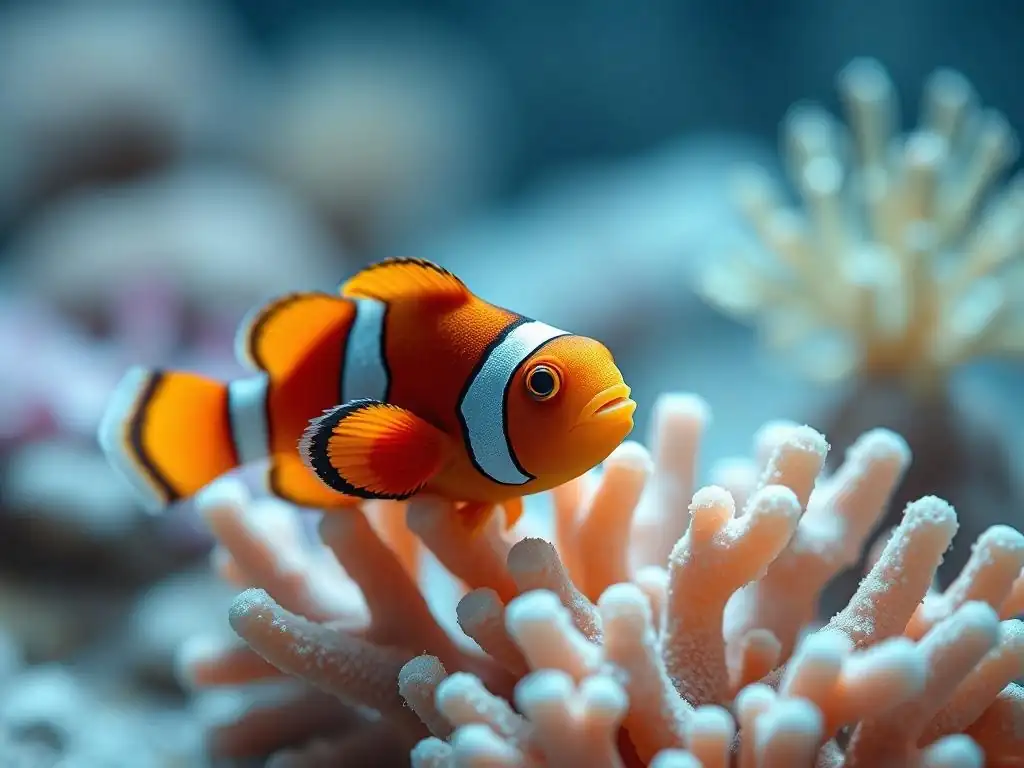
Assessing the copepod population in your nano reef is a non-negotiable step before considering a pod-dependent fish. The simplest method involves observing the tank at least 30 minutes after the main lights have turned off, using a dim flashlight. Scan the live rock and glass surfaces for tiny, scurrying white specks. A truly healthy, self-sustaining population will show visible copepods and amphipods in significant numbers – ideally, you should see dozens, if not hundreds, of these crustaceans actively moving across various surfaces.
If your observations reveal only a handful of pods, or none at all, it's a clear indication that your nano reef cannot support a fish like a dragonet. A Mandarinfish, for instance, requires a constant, abundant supply of live copepods to graze upon throughout the day. Introducing one into a tank with a sparse pod population is akin to putting a grazing animal in an empty field; it will inevitably lead to emaciation and death, typically within 2-4 months, highlighting a severe nano reef dragonet compatibility issue.
Evaluating Algae Growth and Microorganism Diversity
A mature nano reef often exhibits a balanced ecosystem, including a healthy diversity of microalgae, biofilms, and detritus, which serve as essential food sources for many blennies and some gobies. This isn't about having nuisance algae blooms, but rather a thin, healthy film of green or brown algae on the live rock and glass, alongside various beneficial microorganisms. The presence of tiny worms, micro-snails, and other small invertebrates within the sand bed and on rock surfaces also indicates a rich microbial diversity.
For example, a Tailspot Blenny relies on grazing these biofilms and microalgae for a significant portion of its diet. If your live rock is pristine and devoid of any visible algal film, or if the tank is overly "clean" due to aggressive nutrient export, it might not provide sufficient natural grazing opportunities. While some blennies can be trained to accept prepared foods, a tank that naturally supports a diverse microbial community reduces stress and ensures a more complete diet, preventing dietary deficiencies that can arise when considering blennies in a nano reef.
Tank Size and Rockwork: Creating a Suitable Habitat in a Nano Reef
The physical dimensions and internal structure of your nano reef are just as important as its water parameters. While a fish might be "small," its territorial needs and foraging habits dictate the minimum tank size. For instance, a 10-gallon nano reef is generally considered too small for a Mandarinfish, even with a robust refugium, because the sheer volume of live rock needed to support a self-sustaining copepod population for continuous grazing is simply not feasible. A 15-20 gallon tank with ample, intricate live rock is a more realistic minimum.
Live rock is not just for aesthetics; it provides crucial surface area for beneficial bacteria, serves as a primary habitat for microfauna, and offers essential hiding spots and territories for fish. A nano reef with 1.5 to 2 pounds of high-quality live rock per gallon offers ample colonization space for pods and provides the complex structure that gobies and blennies utilize for shelter, perching, and territorial defense. Without sufficient rockwork, these fish can become stressed due to lack of security or territorial disputes, exacerbating nano reef dragonet compatibility issues.
Understanding Feeding Habits and Nano Reef Maturity
The feeding habits of a demanding fish species are paramount when assessing nano reef maturity. While many common reef fish readily accept prepared foods like frozen mysis shrimp or high-quality pellets, species like Mandarinfish are notoriously difficult, if not impossible, to convert to a captive diet. Their survival hinges on a continuous supply of live microfauna. A mature nano reef provides this natural larder, reducing the immediate pressure on the aquarist to force-feed or train the fish.
Consider a Mandarinfish purchased from a local fish store. If the fish is not already accustomed to frozen foods, it will rely entirely on the tank's natural pod population.
If a 15-gallon nano reef, for example, only has a sparse population of a few hundred pods, the Mandarinfish will likely deplete this supply within days, leading to rapid weight loss and starvation, even if the water parameters are perfect. The maturity of the nano reef, in terms of its ability to produce live food, directly determines the success or failure of housing such a specific feeder and prevents severe nano reef dragonet compatibility issues.
Grazing and Algae Control in the Nano Reef Environment
While certain fish, particularly blennies and some gobies, are known for their grazing habits, relying on them for primary algae control in a nano reef can be a misconception. A mature nano reef should have a balanced nutrient export system (e.g., regular water changes, protein skimming, macroalgae in a refugium) that keeps nuisance algae in check. Fish should be considered supplementary grazers, not the sole solution for an underlying nutrient imbalance.
For instance, a Tailspot Blenny will graze on film algae and diatoms, but it will not effectively control a rampant outbreak of hair algae caused by high nitrates (e.g., 20 ppm+) and phosphates (e.g., 0.1 ppm+). If the tank relies solely on the blenny to manage an immature system's algae issues, the blenny may quickly consume the available food and then starve if the underlying problem isn't resolved. A healthy, mature nano reef minimizes these issues, ensuring a consistent, manageable food source for grazers without overwhelming them.
Avoiding Competition: Choosing Compatible Tank Mates
In the confined space of a nano reef, avoiding competition for both food and territory is critical for the well-being of sensitive fish. Introducing multiple species with similar dietary requirements, especially those dependent on microfauna, can quickly lead to resource depletion. For example, pairing a Mandarinfish with a scooter blenny in a 20-gallon nano reef is a recipe for disaster, as both are heavy pod consumers and will directly compete for the limited natural food supply, leading to starvation for one or both.
Similarly, even if fish accept prepared foods, aggressive feeders can outcompete slower or shyer species. A speedy Chromis or Damselfish might consume all the food before a more deliberate eater like a Watchman Goby gets its share. Careful research into the temperament and feeding behavior of all potential tank mates is essential. Overstocking or poor species selection in a nano reef amplifies stress, suppresses immune systems, and is a significant contributor to nano reef dragonet compatibility issues and overall fish mortality.
Signs Your Nano Reef Isn't Ready: Red Flags to Watch For
Ammonia and Nitrite Spikes: Indicators of an Unstable System
Any detectable levels of ammonia or nitrite (e.g., 0.25 ppm or higher) in your nano reef water are absolute red flags indicating an immature, unstable, or compromised biological filter. These compounds are highly toxic to fish, particularly sensitive marine species. Introducing a delicate fish like a dragonet into a system showing these readings is almost guaranteed to result in its stress, illness, or death within days.
Even if your tests show zero ammonia and nitrite, consider how long this stability has been maintained. If your 15-gallon nano reef has only shown consistent zero readings for less than three months, or if a minor disturbance (e.g., a slightly larger feeding, adding a new coral frag) causes a temporary spike, the system is not yet resilient enough. A truly mature nano reef should be able to handle small increases in bioload without any measurable accumulation of these toxic compounds, proving its readiness for sensitive inhabitants and preventing severe nano reef dragonet compatibility issues.
Insufficient Microfauna Population: A Threat to Survival
A critical sign that your nano reef is not ready for pod-dependent fish like dragonets is a visibly sparse or absent microfauna population. As mentioned, observing your tank at night should reveal a vibrant community of copepods and amphipods scurrying across the glass and live rock. If you struggle to spot more than a few dozen pods after an extended observation period, your system's natural food production is insufficient to sustain a specialist feeder.
This deficiency poses a direct and immediate threat to the survival of a Mandarinfish. While it might survive for a few weeks on a dwindling supply, it will slowly starve, becoming emaciated and more susceptible to disease. A Mandarinfish can lose an average of 15% of its body weight within a month if its primary food source is inadequate. This starvation is a leading cause of death for dragonets in captivity and represents a significant nano reef dragonet compatibility issue that cannot be overlooked.
Excessive Algae Blooms: Disrupting the Nano Reef Ecosystem
Persistent and widespread nuisance algae blooms (e.g., pervasive hair algae, cyano bacteria, dinoflagellates) are strong indicators of an underlying nutrient imbalance (high nitrates, phosphates) and an immature or struggling nano reef ecosystem. While some beneficial microalgae are normal, an uncontrolled bloom signifies poor water quality and an inability of the system to process waste effectively.
Introducing sensitive fish into a tank plagued by excessive algae blooms will likely lead to their failure to thrive. Such environments often have fluctuating pH levels, lower dissolved oxygen at night (as algae respire), and can even release toxins, all of which stress delicate species. A fish in a high-nutrient, algae-ridden environment is constantly fighting an uphill battle, making it highly susceptible to disease and preventing it from exhibiting natural behaviors. A clean, balanced tank is a prerequisite for sensitive fish, avoiding the stress that contributes to nano reef dragonet compatibility issues.
Preparing Your Nano Reef for Demanding Fish Species
Boosting Microfauna Populations: Culturing and Introduction Techniques
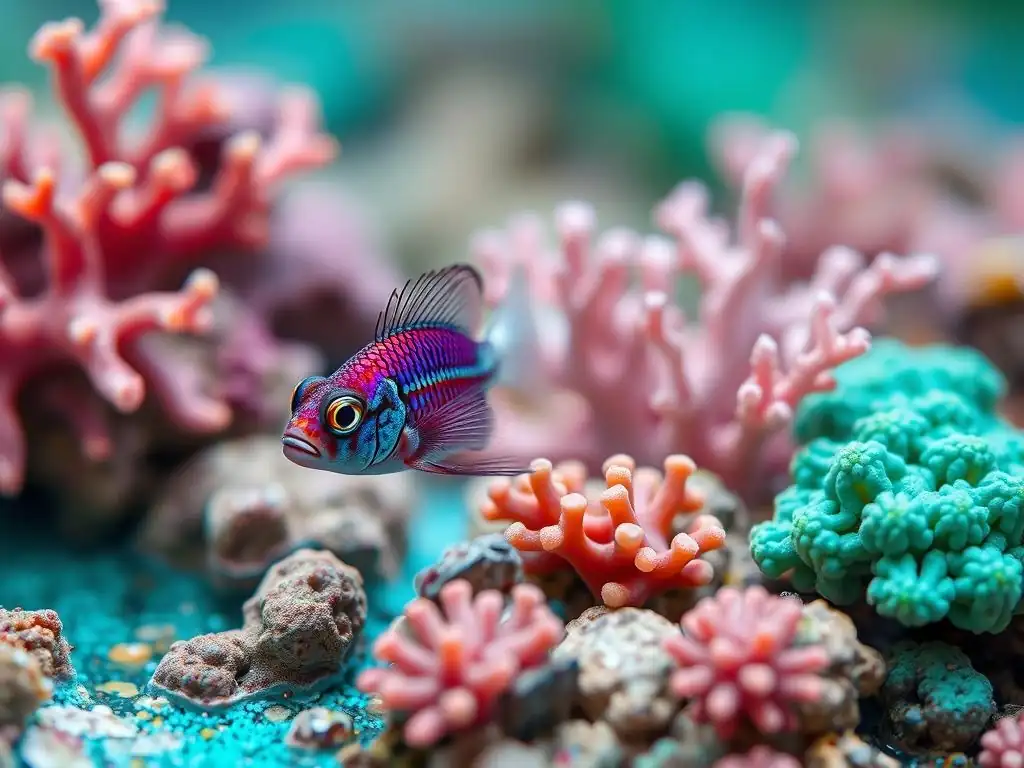
To prepare your nano reef for demanding microfauna feeders, actively boosting copepod populations is essential. This involves regularly introducing live copepod cultures, typically 1 to 2 vials per week for at least a month or two, into your display tank and refugium (if you have one). These introduced pods will help seed and diversify your existing population. For a continuous supply, consider culturing copepods in a separate, dedicated container (e.g., a 1-gallon jar) using phytoplankton as food.
Patience is key, as it takes time for copepod populations to establish and reproduce sufficiently to become self-sustaining within your nano reef. For a 20-gallon tank, it may take 2-3 months of consistent seeding and careful husbandry (e.g., feeding phytoplankton to the tank itself) before the pod population is robust enough to consider adding a Mandarinfish. This proactive approach significantly enhances the long-term success and mitigates common nano reef dragonet compatibility issues.
Introducing a Refugium: Enhancing Microfauna Production
For nano reefs, integrating a refugium is one of the most effective ways to enhance microfauna production and overall system stability. A refugium is a separate chamber, often located in the sump, designed to provide a safe, predator-free environment for macroalgae (like Chaetomorpha) and microfauna to thrive and reproduce without being consumed by display tank inhabitants. Water slowly flows through the refugium, enriching the main display with pods and beneficial organisms.
Even a small 5-gallon refugium plumbed into a 10-15 gallon nano reef can dramatically increase the available food source for pod-dependent fish. The macroalgae within the refugium also aids in nutrient export by absorbing nitrates and phosphates, further contributing to a stable and healthy environment. This dedicated space for microfauna breeding is invaluable for ensuring a continuous food supply for sensitive species, making it a crucial component for successful nano reef dragonet compatibility.
Gradual Acclimation: Minimizing Stress on New Fish
Once your nano reef is truly mature and ready, the introduction of any new fish, especially sensitive species, must be done with extreme care. Gradual acclimation is paramount to minimize osmotic shock and stress. The drip acclimation method, where tank water is slowly dripped into the fish's transport bag over 1 to 2 hours, is highly recommended. This allows the fish to slowly adjust to changes in salinity, temperature, and pH, which can vary significantly between the store and your home tank.
After acclimation, further steps can minimize stress. Dimming the tank lights for the first 24-48 hours after introduction provides a calmer environment for the new fish to explore and find hiding spots. Offering small, frequent feedings (if they accept prepared foods) or ensuring abundant natural food sources immediately after introduction is crucial for the fish to settle in and begin feeding confidently. This careful approach is vital for the immediate well-being and long-term success of sensitive nano reef inhabitants.
Alternatives in Immature Nano Reefs
Hardy Species Suitable for Newer Nano Reefs
For nano reefs that are still maturing or have limited microfauna populations, opting for hardier, less demanding fish species is a responsible choice. Good candidates include small, captive-bred clownfish such as the Ocellaris Clownfish (Amphiprion ocellaris) or Percula Clownfish (Amphiprion percula), which are generally robust, readily accept a variety of prepared foods, and have a relatively low bioload. Other suitable options might include hardy gobies like the Neon Goby (Elacatinus oceanops) or some of the smaller, peaceful damselfish (though caution is advised as some damselfish can be aggressive).
These species are more forgiving of minor fluctuations in water parameters that might occur in a less mature system. For example, a single Ocellaris Clownfish in a 10-gallon nano reef, provided the nitrogen cycle is complete, has a significantly higher chance of thriving than a Mandarinfish. They are less dependent on specific natural food sources and are more adaptable to the confined space, making them excellent choices for hobbyists building experience with nano reefs.
Options for Early-Stage Nano Reefs
During the initial cycling phase and the subsequent few months of maturation (typically the first 3-6 months), the focus should be on establishing a robust biological filter and encouraging microfauna growth, rather than introducing fish. The ideal inhabitants for this early stage are hardy invertebrates. This includes various snails (e.g., Nassarius snails, Trochus snails, Cerith snails) that help with detritus and algae control, and small hermit crabs.
These invertebrates have a lower bioload compared to fish and are generally more tolerant of slight parameter fluctuations that might occur as the system stabilizes. They also contribute to the cleanup crew, aiding in the consumption of detritus and nuisance algae, which helps in the overall maturation process of the nano reef. Introducing these hardy species first allows the ecosystem to develop a strong foundation without the added stress of sensitive fish.
Consider Adding Invertebrates First
A recommended strategy for any new nano reef is an "invertebrates first" approach after the initial nitrogen cycle is complete. This means introducing a small cleanup crew of snails and hermit crabs first, and perhaps a hardy shrimp like a Peppermint Shrimp or Sexy Shrimp. This period, usually 2-3 months post-cycle, allows the beneficial bacterial colonies to fully establish and the microfauna populations to begin to multiply without predation.
This approach provides a buffer period where the system can truly stabilize before the added bioload and specific demands of fish are introduced. For example, in a new 15-gallon nano reef, waiting at least three months after the cycle is complete, and stocking only invertebrates during this time, can significantly improve the chances of success when more demanding fish are eventually considered. It builds a stronger, more resilient foundation, mitigating potential nano reef dragonet compatibility issues down the line.
Long-Term Nano Reef Management for Sustained Fish Health
Regular Water Testing and Maintenance Schedules
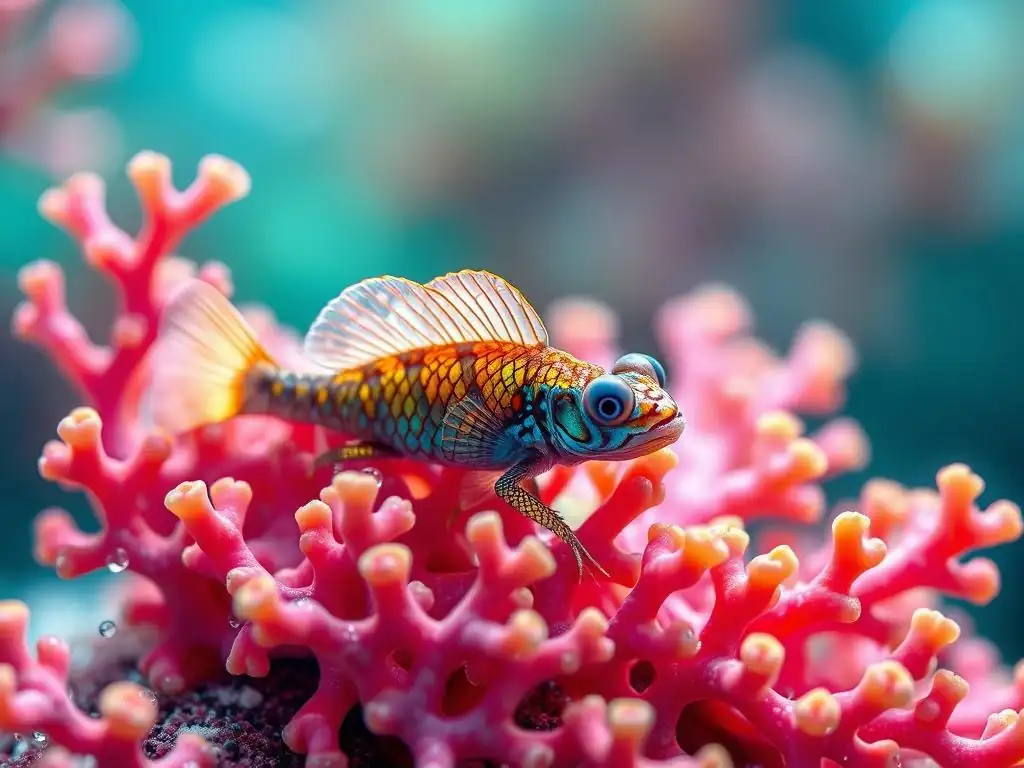
Even after a nano reef is deemed mature, consistent and rigorous water testing and maintenance are paramount for the sustained health of its inhabitants, especially sensitive species. Weekly testing for key parameters like alkalinity, calcium, magnesium, nitrate, and phosphate is crucial, alongside daily salinity checks. Regular water changes, typically 10-20% weekly for a nano reef, are essential for nutrient export, replenishing trace elements, and maintaining overall water quality in a small volume system.
Neglecting these practices, even for a short period, can have rapid and detrimental effects. For instance, skipping water changes in a 10-gallon nano reef for just two weeks can lead to a significant increase in nitrates (e.g., from 5 ppm to 30 ppm) and phosphates (e.g., from 0.03 ppm to 0.15 ppm), stressing fish and promoting nuisance algae blooms. This instability directly impacts the well-being of sensitive fish and can quickly lead to nano reef dragonet compatibility issues, undermining years of careful preparation.
Targeted Feeding Strategies for Inhabitants
Understanding and implementing targeted feeding strategies is vital for the long-term health of all nano reef inhabitants, particularly those with specialized diets. For dragonets, this means ensuring a continuous supply of live copepods, or diligently training them to accept frozen foods like enriched brine shrimp or mysis shrimp, often requiring multiple small feedings throughout the day. Simply dropping food into the tank once a day is rarely sufficient for these constant grazers.
Using a feeding tube to deliver food directly to shy or slow-eating fish can prevent competition from more aggressive tank mates and ensure the intended recipient gets its share. For a Mandarinfish, even in a mature system with a healthy pod population, supplemental spot feeding of frozen mysis or enriched artemia every other day can significantly boost their nutrition, especially if the nano reef is on the smaller side (e.g., 10-15 gallons) and natural pod production might fluctuate.
Monitoring and Adjusting Water Parameters for Optimal Stability
Long-term nano reef management goes beyond just testing; it involves proactively monitoring trends in water parameters and making small, consistent adjustments. If alkalinity consistently drops, for instance, it indicates demand from corals or biological processes, requiring regular dosing of alkalinity supplements. Similarly, if nitrates or phosphates begin to climb despite regular water changes, it might signal the need for a protein skimmer, GFO (granular ferric oxide), or a larger refugium.
Small, consistent adjustments are always preferable to large, infrequent corrections. For example, maintaining a stable alkalinity of 8.5 dKH through daily micro-dosing is far less stressful for inhabitants than allowing it to swing from 7 dKH to 11 dKH with weekly large doses. This proactive and consistent approach to water parameter management is paramount for the sustained health and stress reduction of all nano reef inhabitants, particularly sensitive fish where long-term nano reef dragonet compatibility issues are often linked to subtle but persistent instability.
Conclusion: Making Informed Decisions About Nano Reef Stocking
Prioritizing the Health and Well-being of Your Nano Reef Inhabitants
The decision to introduce demanding fish species like dragonets, sensitive gobies, or blennies into your nano reef should always be driven by the proven maturity and stability of your system, not by immediate desire. The health and well-being of the animal must be the absolute priority. A nano reef that has consistently demonstrated stable water parameters, a robust biological filter, and a thriving microfauna population for several months is the only responsible environment for such delicate inhabitants.
Remember that a thriving, albeit less diverse, community of hardy fish in a stable nano reef is far more rewarding and sustainable than a struggling, overstocked tank with stressed, emaciated, or dying sensitive species. Responsible reef keeping means understanding the specific needs of each fish and honestly assessing whether your confined ecosystem can meet those needs long-term without compromising the animal's welfare.
Responsible Reef Keeping and Species Selection
Responsible reef keeping is founded on thorough research and patience. Before purchasing any fish, particularly for a nano reef, delve deeply into its specific dietary, territorial, and environmental requirements. Understand if it's an obligate microfauna feeder, a grazer, or a generalist. Evaluate whether your nano reef's size, rockwork, and biological maturity can genuinely support the species for its entire lifespan, which can be several years for many marine fish.
Ultimately, the success of housing demanding species like dragonets in a nano reef hinges on diligent husbandry, a deep understanding of the ecosystem, and a commitment to providing an optimal environment. By prioritizing the nano reef's maturity and making informed species selections, you can minimize common nano reef dragonet compatibility issues and ensure a vibrant, healthy, and ethical home for your aquatic companions.
Frequently Asked Questions
Is my nano reef tank really ready for a Dragonet, Goby, or Blenny?
The biggest concern is whether your tank has a sufficiently established and thriving microfauna population. Dragonets, gobies, and blennies rely heavily on copepods and amphipods for their diet. A new tank may not have enough.
What are the key signs that my nano reef is mature enough to support these fish?
Look for visible populations of copepods and amphipods crawling on the glass and rocks. Also, a healthy algae growth and stable water parameters over several months are good indicators of a mature ecosystem.
What are the potential consequences of introducing a Dragonet, Goby, or Blenny to an immature nano reef?
These fish, particularly Dragonets, can quickly starve in an immature tank. Starvation leads to weakness, increased susceptibility to disease, and ultimately, death. Supplementing their diet can be difficult.
How often should I be feeding the tank and what types of food should I give to grow the microfauna population?
Regular feeding with live phyto plankton and copepod cultures is essential to boost the microfauna population. Also, add reef-safe foods that encourage their growth, such as powdered coral foods.
If I can't see any copepods, does that mean my tank isn't ready?
Not necessarily. Copepods can be nocturnal and hide in the substrate and rockwork. Observe closely at night with a flashlight. If you still see none, inoculate your tank with a copepod culture.
The intricate dance of life within a nano reef, as we've explored, is a testament to the power of miniature ecosystems. The question of introducing a dragonet, goby, or sensitive blenny hinges not just on tank size, but on the established maturity and stability of the reef itself. This consideration is paramount, especially now, as the popularity of nano reefs continues to surge, potentially leading to hasty decisions with devastating consequences for these delicate creatures.
The journey of establishing a thriving nano reef is a deeply personal one, filled with both triumphs and setbacks. Understanding the nuances of nutrient cycling, copepod populations, and overall ecosystem health is not merely a scientific exercise, but a moral imperative when considering the well-being of these animals. As the renowned marine biologist Sylvia Earle so eloquently stated: Even if you never have the chance to see or touch the ocean, the ocean touches you with every breath you take, every drop of water you drink, every bite you consume. Everyone, everywhere is inextricably connected to and utterly dependent upon the existence of the sea.
This quote underscores the profound responsibility we bear as stewards of these miniature marine environments.
So, as you gaze upon your own nano reef, ask yourself: have I truly created a sustainable haven? Have I patiently nurtured the foundation necessary to support the specific needs of a dragonet, goby, or sensitive blenny? Let this article serve as a reminder to prioritize the well-being of these animals above all else.
Take the time to observe, to learn, and to ensure that your nano reef is not just a beautiful display, but a thriving ecosystem where every creature can flourish. Only then can you truly appreciate the magic and wonder of the reef, knowing that you have played a part in its delicate and enduring harmony.
Ignite Your Nano Reef: Nurture the Perfect Habitat!
Thanks for diving into the world of nano reef maturity! You've now got the knowledge to assess your tank's readiness for those captivating, yet sensitive, fish. Let's transform that understanding into action and create an thriving, balanced ecosystem.
Here are a few actionable steps you can take right now:
- Re-evaluate your parameters! Conduct a full water test (ammonia, nitrite, nitrate, pH, alkalinity, calcium, and magnesium) and meticulously compare your results against the ideal ranges for your desired fish. Note any discrepancies and adjust accordingly.
- Join an online nano reef forum or local aquarium club. Share your tank parameters and fish wish list and tap into the experience of seasoned reefers.
- Surprise your existing inhabitants. Add a small, carefully chosen piece of live rock to observe the reaction of your current livestock and further boost biological filtration.
What's the very first parameter you'll test tonight, and how will you adjust it if it's out of range? Let's talk solutions in the comments!