
Maroon Clownfish (Premnas biaculeatus): Beauty, Brawn, and Anemone Behavior

Welcome to Aquarium Mastery!
Ever wondered if the fiery Maroon Clownfish is really worth the drama? These beauties certainly pack a punch, but understanding their anemone relationships is key to a thriving saltwater aquarium. Dive into our comprehensive Maroon Clownfish Anemone Compatibility Guide and unlock the secrets to keeping these captivating fish happy and healthy. Are you ready to master the art of pairing? Let's explore!
- Understanding the Maroon Clownfish: An Introduction to Premnas biaculeatus
- Maroon Clownfish Anemone Compatibility Guide: Finding the Perfect Host
- Setting Up a Maroon Clownfish Tank: Creating the Ideal Environment
- Maroon Clownfish Care: Diet, Feeding, and Health
- Maroon Clownfish Behavior and Temperament
- Breeding Maroon Clownfish: A Comprehensive Guide
- Maroon Clownfish: A Rewarding Addition to Your Saltwater Aquarium
-
Frequently Asked Questions
- What anemones are most compatible with Maroon Clownfish ( Premnas biaculeatus )?
- Why are Maroon Clownfish considered more aggressive than other clownfish species?
- How important is it to introduce the anemone before the Maroon Clownfish?
- What size tank is recommended for a Maroon Clownfish and its host anemone?
- What are some signs that a Maroon Clownfish is not accepting an anemone?
- Final Reflection: Symbiosis and Stewardship
- Unleash the Maroon Magic in Your Own Aquarium!
Understanding the Maroon Clownfish: An Introduction to Premnas biaculeatus
Maroon Clownfish Characteristics and Appearance
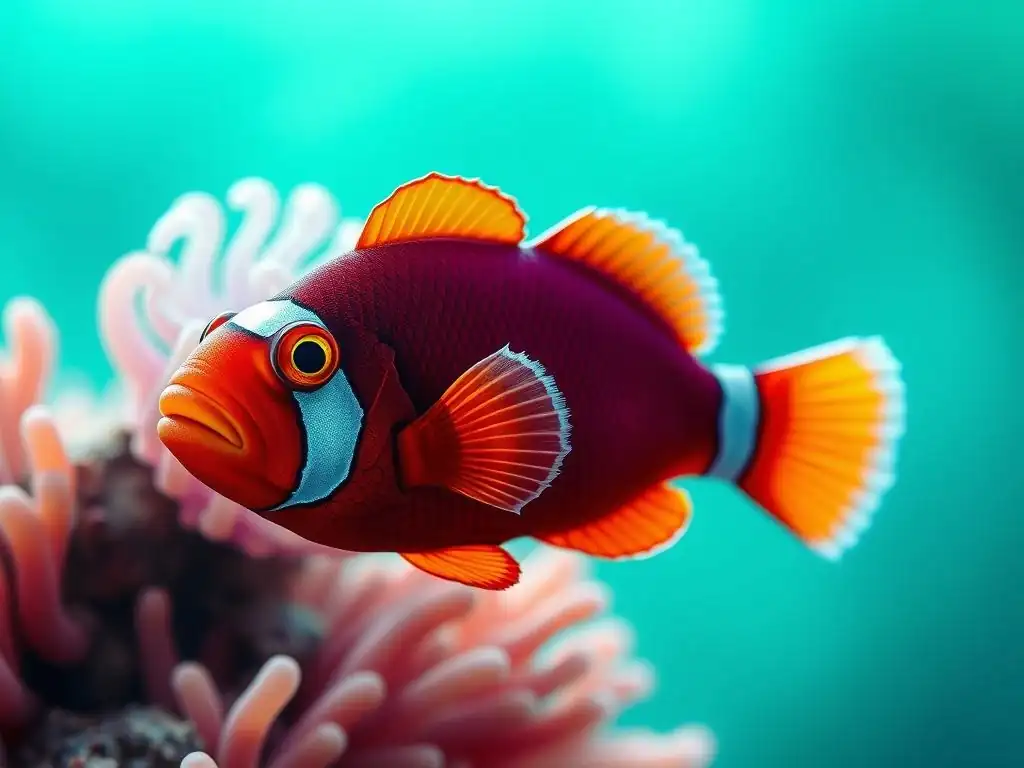
The Maroon Clownfish, scientifically known as Premnas biaculeatus, is one of the most distinctive and visually striking members of the clownfish family. Its most defining characteristic is its deep, rich maroon or reddish-brown body color, which provides a stark contrast to its prominent white or yellow stripes. Typically, these fish display three vertical stripes, though variations with one or two stripes can occur, especially in juvenile specimens. A unique feature is the sharp, prominent spine located on each cheek, which gives them a somewhat 'brawny' or intimidating appearance compared to their more docile clownfish cousins.
Beyond their coloration, Maroon Clownfish possess a robust and stocky body shape, setting them apart from the more slender species like Ocellaris or Percula clownfish. Certain selective breeding efforts have led to popular variants, such as the "Gold Stripe Maroon Clownfish," which boasts vibrant yellow stripes instead of the standard white, often commanding a higher price due to its striking aesthetic. This species' powerful build and distinctive markings make it a captivating focal point in any saltwater aquarium.
Distinguishing Male and Female Maroon Clownfish
Distinguishing between male and female Maroon Clownfish is relatively straightforward, primarily based on size and behavior. Female Maroon Clownfish are significantly larger and more dominant than their male counterparts. A mature female can reach an impressive length of up to 6 inches (approximately 15 cm), while males typically remain much smaller, usually ranging from 2 to 3 inches (5-7.5 cm). This noticeable size dimorphism is a key indicator for aquarists looking to establish a pair.
Behaviorally, the female Maroon Clownfish exhibits a more aggressive and territorial disposition, especially once a pair bond is formed or during breeding periods. The male, being smaller, is generally submissive to the female. When purchasing juvenile Maroon Clownfish, if two are introduced, the larger, more dominant fish will almost invariably mature into the female, while the smaller, submissive one will develop into the male. This natural hierarchy is fundamental to their social structure.
Maroon Clownfish Size and Lifespan in Captivity
Maroon Clownfish exhibit significant growth potential, particularly the females. As mentioned, adult females can attain lengths of up to 6 inches (15 cm), while males typically max out at 2-3 inches (5-7.5 cm). Their growth rate is influenced by factors such as tank size, diet quality, and the stability of water parameters. Providing a spacious environment, such as a 75-gallon (284-liter) tank, allows a pair to reach their full potential size and promotes overall health.
In a well-maintained captive environment, Maroon Clownfish are remarkably long-lived. With proper care, stable water conditions, and a nutritious diet, these fish can thrive for 15-20 years, and in exceptional cases, some individuals have been reported to live for as long as 25 years. This impressive longevity means that a Maroon Clownfish is a long-term commitment for any aquarist, offering years of enjoyment and fascinating observation.
Maroon Clownfish Anemone Compatibility Guide: Finding the Perfect Host
The Importance of Anemones for Maroon Clownfish
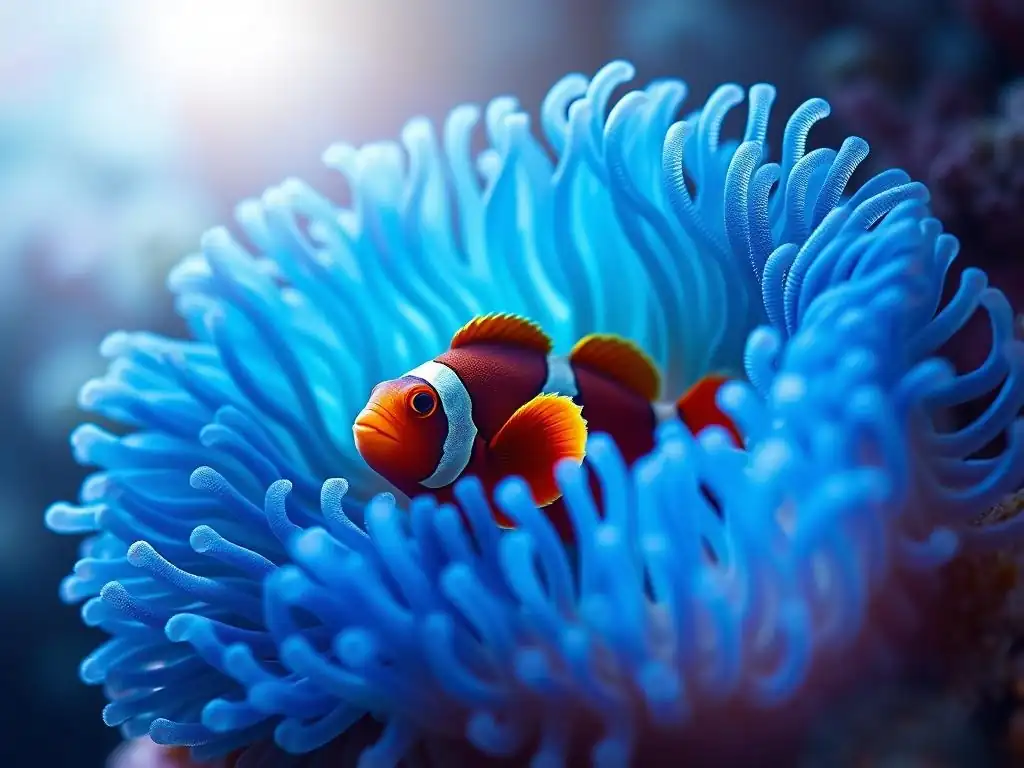
The relationship between a Maroon Clownfish and its host anemone is one of the most iconic and fascinating examples of symbiosis in the marine world. In this mutualistic partnership, the clownfish gains crucial protection from predators, as its specialized slime coat allows it to safely reside within the anemone's stinging tentacles, which deter other fish. In return, the clownfish may clean the anemone, remove parasites, and even deter anemone-eating fish like butterflyfish, while also providing the anemone with food scraps.
While Maroon Clownfish can certainly survive and even thrive without an anemone in a captive environment, providing a suitable host significantly enriches their lives. When hosted, they often display more natural behaviors, appear less stressed, and may even exhibit improved breeding success. A comprehensive Maroon clownfish anemone compatibility guide emphasizes that the presence of an anemone provides a vital sense of security and a natural behavioral outlet, enhancing the overall well-being of the fish.
Recommended Anemones for Maroon Clownfish: A Compatibility Chart
Bubble Tip Anemone ( Entacmaea quadricolor) and Maroon Clownfish
The Bubble Tip Anemone ( Entacmaea quadricolor), often referred to as the BTA, is widely considered the most common and generally recommended host for Maroon Clownfish. Its popularity stems from its relative hardiness compared to other large host anemones, its vibrant coloration (ranging from green and rose to red and brown), and its natural association with Premnas biaculeatus in the wild. BTAs are known for their distinctive bulb-like tips on their tentacles, though these can vary based on lighting and water flow.
Successful long-term care of a BTA requires strong lighting, ideally high-output LEDs or metal halides, to support its photosynthetic needs. Robust water flow is also crucial, along with pristine and stable water parameters. A mature aquarium, typically at least six months old, with consistent water quality is essential for the anemone's health and longevity. A well-cared-for BTA can grow quite large, reaching diameters of 12-18 inches (30-45 cm), necessitating ample space within the aquarium.
Carpet Anemone ( Stichodactyla gigantea) and Maroon Clownfish
Carpet Anemones, including species like Stichodactyla gigantea, S. haddoni, and S. mertensii, are also natural hosts for Maroon Clownfish in their native habitats. These anemones are characterized by their very large size, often spanning several feet in diameter, and their extremely sticky tentacles, which can deliver a potent sting to other tank inhabitants and even human skin. Their impressive size and often vibrant colors make them a stunning addition, but they are considerably more challenging to keep than Bubble Tip Anemones.
Maintaining Carpet Anemones demands extremely high lighting intensity (very high PAR levels) and impeccable, stable water quality. Due to their potential to grow to 2-3 feet (60-90 cm) in diameter, they require a very large, mature aquarium, typically 100 gallons (380 liters) or more, to accommodate their footprint and provide sufficient space for expansion. Aquarists considering a Carpet Anemone as part of their Maroon clownfish anemone compatibility guide strategy must be prepared for their advanced care requirements and potential for severe stings.
Maroon Clownfish and Other Anemone Species: A Detailed Look
While Bubble Tip and Carpet Anemones are the most common and ideal hosts, other anemone species can occasionally host Maroon Clownfish. The Sebae Anemone ( Heteractis crispa) is one such option, though it is generally more delicate and sensitive to water quality fluctuations than the BTA, making it less recommended for novice aquarists. The Long Tentacle Anemone ( Macrodactyla doreensis) is another potential host, but like the Sebae, it demands specific care and pristine conditions. These alternatives, while possible, often come with increased husbandry challenges.
It's also worth noting that some captive-bred Maroon Clownfish, having never encountered a true host anemone, might occasionally attempt to host in non-traditional "anemones" like certain large polyp stony (LPS) corals, such as Frogspawn ( Euphyllia divisa) or Torch Corals ( Euphyllia glabrescens). While the clownfish may appear to "host," this behavior is not ideal. The constant rubbing can damage the coral's delicate tissue, leading to recession or infection, and the clownfish does not receive the full benefits of a true symbiotic relationship. Therefore, for a true Maroon clownfish anemone compatibility guide, focusing on natural, suitable hosts is paramount.
Introducing Maroon Clownfish to Anemones: A Step-by-Step Guide
Introducing a Maroon Clownfish to its host anemone requires patience and observation. The first crucial step is to ensure the anemone is fully established and healthy in the aquarium for at least 4-6 weeks before introducing the clownfish. This allows the anemone to acclimate to its new environment and find a preferred location. Once the anemone is settled, dimming the tank lights slightly during the introduction can help reduce stress for the clownfish.
Place the Maroon Clownfish into the tank near the anemone, but avoid physically forcing it into the anemone's tentacles. The clownfish may initially ignore the anemone, hover around it cautiously, or even gently nip at its tentacles. It can take anywhere from a few hours to several days, or even weeks, for the clownfish to fully accept and host in the anemone.
Provide a stable environment, avoid sudden changes in water parameters, and allow the natural process to unfold. If a wild-caught clownfish has been without an anemone for an extended period, it may have lost its hosting instinct and might never fully host. This practical advice is a key component of any effective Maroon clownfish anemone compatibility guide.
Setting Up a Maroon Clownfish Tank: Creating the Ideal Environment
Tank Size Requirements for Maroon Clownfish
Due to their territorial nature and potential adult size, especially for females, Maroon Clownfish require a suitably sized aquarium. For a single Maroon Clownfish, a minimum tank size of 30 gallons (approximately 114 liters) is recommended. This provides adequate swimming space and helps to mitigate aggression. However, for a pair of Maroon Clownfish, particularly if a host anemone is intended, a 50-gallon (190-liter) tank is considered a more appropriate minimum.
For a breeding pair, or if the aquarist plans to include a large host anemone that can grow significantly, a 75-gallon (284-liter) tank or larger is highly advisable. This increased volume offers greater stability in water parameters, which is crucial for both the fish and the anemone, and provides ample territory to help diffuse the female's inherent aggression. Larger tanks also offer more options for aquascaping and accommodating other compatible tank mates.
Water Parameters for Maroon Clownfish: Maintaining a Healthy Aquarium
Maintaining stable and pristine water parameters is paramount for the health and longevity of Maroon Clownfish and their host anemones. The ideal temperature range for Premnas biaculeatus is 75-82°F (24-28°C). Salinity, or specific gravity, should be kept between 1.020 and 1.025; however, if a host anemone is present, aiming for the upper end of this range (1.023-1.025) is often beneficial for the anemone's health. The pH level should consistently be between 8.1 and 8.4.
Crucially, ammonia and nitrite levels must always be at 0 ppm, as these are highly toxic to marine fish. Nitrate levels should be kept below 20 ppm, ideally below 10 ppm, especially if an anemone is housed, as high nitrates can be detrimental to their well-being. Regular water changes, typically 10-20% weekly or bi-weekly, using high-quality reverse osmosis/deionized (RO/DI) water mixed with a reputable marine salt mix, are essential for maintaining these parameters and preventing the accumulation of undesirable compounds.
Substrate and Decorations for a Maroon Clownfish Tank
For a Maroon Clownfish tank, a substrate of 2-3 inches (5-7.5 cm) of fine sand is suitable. While Maroon Clownfish do not typically burrow extensively, a sand bed allows for natural behaviors and provides a surface for beneficial bacteria to colonize. Live rock is an indispensable component of any saltwater aquarium and is particularly important for Maroon Clownfish. It provides biological filtration, offers numerous hiding spots, and creates a natural-looking environment. A general guideline is to use 1-1.5 pounds of live rock per gallon of tank capacity.
When arranging the live rock, create caves, crevices, and overhangs that the clownfish can explore and retreat into. If a host anemone is part of the setup, ensure there is ample open space around it for its full expansion, preventing it from stinging other corals or tank inhabitants. All rockwork should be stable and securely placed to prevent accidental toppling, which can occur if an anemone moves or the clownfish digs around the base.
Essential Equipment for Maroon Clownfish Care: Filters, Lighting, and Heaters
A robust filtration system is essential for maintaining water quality in a Maroon Clownfish tank. This typically involves a combination of mechanical filtration (e.g., filter socks or sponges to remove particulate matter), chemical filtration (e.g., activated carbon to remove dissolved organics and odors, GFO to remove phosphates), and biological filtration (primarily provided by live rock and a mature sand bed). A protein skimmer is highly recommended for saltwater aquariums, especially those with an anemone, as it efficiently removes organic waste before it breaks down into harmful compounds.
Maintaining a stable temperature is critical, requiring a reliable aquarium heater. It is often advisable to use two smaller heaters rather than one large one for redundancy, ensuring temperature stability even if one fails. As a general rule, approximately 3-5 watts of heating power per gallon of tank volume is a good starting point. Lighting requirements vary significantly based on whether a host anemone is present. For a fish-only tank, moderate LED lighting is sufficient. However, if a host anemone is desired, high-intensity lighting capable of delivering high Photosynthetically Active Radiation (PAR) levels (e.g., powerful LEDs or T5HO fixtures) is absolutely critical for the anemone's health and survival. Finally, powerheads or wavemakers are necessary to provide adequate water movement, which benefits both the clownfish by circulating food and the anemone by bringing nutrients and removing waste. Aim for a total water circulation of 10-20 times the tank volume per hour.
Maroon Clownfish Care: Diet, Feeding, and Health
Maroon Clownfish Diet: What to Feed Your Premnas biaculeatus
Maroon Clownfish are omnivores and thrive on a varied and balanced diet that mimics their natural feeding habits. High-quality marine flakes and pellets, specifically formulated for omnivorous marine fish, should form the staple of their diet. To ensure complete nutrition and vibrant coloration, these dry foods should be supplemented with a variety of frozen foods. Excellent choices include Mysis shrimp, enriched brine shrimp, spirulina-based foods, and finely chopped marine-grade seafood such as krill or pieces of clam.
A diverse diet not only provides all necessary vitamins and minerals but also helps to boost the clownfish's immune system, making them more resilient to disease. Incorporating foods rich in astaxanthin, a natural pigment, can significantly enhance their deep maroon and bright stripe coloration. For optimal health, it is generally recommended to feed small amounts of food multiple times a day rather than one large, infrequent feeding, as this better aligns with their natural foraging behavior.
Feeding Frequency and Techniques for Maroon Clownfish
Maroon Clownfish should be fed 2-3 times per day, offering only the amount of food they can consume within 2-3 minutes. Overfeeding is a common mistake that can rapidly degrade water quality, leading to elevated nitrates and phosphates, which in turn can cause stress and health issues for the fish and any host anemone. Observing their feeding behavior closely will help determine the appropriate portion size, ensuring all food is consumed and none is left to decay.
When a Maroon Clownfish is hosted by an anemone, it is a fascinating sight to observe. The clownfish may carry food particles directly to its anemone, sharing its meal in a display of their symbiotic bond. This behavior is natural and should be encouraged, as it also benefits the anemone. Ensure that during feeding, all tank inhabitants receive adequate food, especially in a community tank where more aggressive feeders might outcompete the clownfish.
Common Maroon Clownfish Diseases and Treatments
Like all marine fish, Maroon Clownfish can be susceptible to various diseases, often triggered by stress, poor water quality, or the introduction of new, unquarantined fish. Vigilant daily observation for any changes in behavior, appetite, or physical appearance is crucial for early detection and successful treatment. Implementing a strict quarantine protocol for all new fish for at least 4 weeks is the most effective preventative measure against introducing pathogens into the main display tank.
Maintaining stable, pristine water parameters and providing a well-balanced diet are fundamental to strengthening their immune system and preventing the onset of disease. Should a disease manifest, prompt and accurate identification is necessary. Treatment often involves isolating the affected fish in a hospital tank to administer medications, thus avoiding harming beneficial bacteria in the main tank's biological filter or sensitive invertebrates like corals and anemones.
Marine Ich (White Spot Disease) in Maroon Clownfish
Marine Ich, caused by the protozoan parasite Cryptocaryon irritans, is one of the most common and devastating diseases in saltwater aquariums, and Maroon Clownfish are susceptible. Symptoms include the appearance of small, white spots resembling salt grains scattered across the fish's body and fins. Affected fish may also exhibit rapid breathing, flashing (rubbing their bodies against rocks or substrate to dislodge parasites), lethargy, and a loss of appetite. This parasite has a complex life cycle and is highly contagious.
Effective treatment options typically involve transferring the infected fish to a hospital tank. Hyposalinity, gradually reducing the salinity to 1.008-1.010 for several weeks, can effectively kill the parasite's free-swimming stage. Copper-based medications, such as copper sulfate or chelated copper, administered in a hospital tank at carefully monitored levels, are also highly effective. The main display tank must remain fallow (fish-free) for a minimum of 6-8 weeks to ensure the parasite's life cycle is broken and the tank becomes parasite-free.
Brooklynellosis in Maroon Clownfish
Brooklynellosis, often referred to as "Clownfish Disease," is a highly virulent and rapidly fatal ciliate parasite ( Brooklynella hostilis) that particularly affects clownfish species, including the Maroon Clownfish. Symptoms progress quickly and include an excessive slime coat that gives the fish a greyish, patchy appearance, rapid and labored breathing, clamped fins, severe lethargy, and sometimes red lesions or frayed fins as the disease advances. Due to its rapid progression, immediate action is critical.
Treatment for Brooklynellosis requires urgency. Formalin dips are often the most effective initial treatment. A common protocol involves dipping the affected fish in a solution of 37% formaldehyde (formalin) at a concentration of approximately 1 ml per gallon for 30-60 minutes, with constant observation of the fish for signs of distress. After the dip, the fish should be transferred to a clean hospital tank. Repeated treatments may be necessary over several days. Ensuring proper aeration during dips is crucial due to formalin's effect on oxygen levels.
Maroon Clownfish Behavior and Temperament
Understanding Maroon Clownfish Aggression: A Territorial Species
Maroon Clownfish are widely recognized as one of the most aggressive and territorial species within the clownfish family. This characteristic becomes particularly pronounced as they mature and establish their territory, especially if they are hosted by an anemone. They will vigorously defend their chosen area, often chasing away or even nipping at other fish that venture too close. This aggression can escalate with age and size, with the dominant female typically being the primary aggressor.
Their territoriality is often directed towards other clownfish species, even those seemingly docile, and can also extend to other general tank inhabitants that infringe upon their space or approach their host anemone. For this reason, it is generally recommended to keep only a single Maroon Clownfish or a single, established breeding pair in an aquarium to prevent severe and potentially fatal conflicts with other clownfish or similarly aggressive species.
Tank Mates for Maroon Clownfish: Choosing Compatible Species
Due to the Maroon Clownfish's aggressive and territorial nature, careful selection of tank mates is paramount to maintaining a peaceful and healthy aquarium. Compatible species are typically those that are robust, fast-swimming, and large enough to not be intimidated or easily bullied. Good choices often include larger Tangs (e.g., Yellow Tang, Blue Tang, Naso Tang), certain larger Angelfish species, and some hardy Damsels (though some damsels can also be aggressive). Gobies, such as the Watchman Goby, can also work if they establish their territory away from the clownfish.
It is crucial to avoid housing Maroon Clownfish with very docile, slow-moving, or small fish species that would be easily stressed or injured by their aggression. Other clownfish species, regardless of type, should generally be avoided unless the tank is exceptionally large (several hundred gallons) and offers multiple distinct territories. Always monitor interactions closely, especially when introducing new fish, and be prepared to separate fish if aggression becomes problematic. A spacious tank helps to dilute potential aggression.
Maroon Clownfish Behavior with Anemones: Symbiotic Relationship
Once a Maroon Clownfish successfully hosts an anemone, their behavior becomes a captivating display of their symbiotic relationship. The clownfish will spend the majority of its time within or in close proximity to the anemone's tentacles, using it as a safe haven and a sleeping spot. They can be observed gently rubbing against the tentacles, darting in and out, and exhibiting a sense of security and contentment that is often not seen in unhosted clownfish.
Beyond seeking protection, the Maroon Clownfish may also bring food particles to its host anemone, demonstrating a direct benefit to the anemone. This constant interaction is not only a hallmark of their natural behavior but also plays a role in the anemone's health, as the clownfish's movements can help circulate water around the anemone. Observing this intricate and mutually beneficial behavior is one of the most rewarding aspects of keeping Maroon Clownfish with a suitable host, making a thorough Maroon clownfish anemone compatibility guide essential for aquarists.
Breeding Maroon Clownfish: A Comprehensive Guide
Setting Up a Breeding Tank for Maroon Clownfish
For aquarists interested in breeding Maroon Clownfish, a dedicated breeding tank is highly recommended. A tank size of 30-50 gallons (114-190 liters) is ideal for a single breeding pair. The tank setup should be minimalistic, often bare-bottom or with a very thin sand bed, to facilitate easy cleaning and fry collection. Providing a suitable spawning surface is crucial; popular choices include terracotta pots, flat pieces of slate, or smooth, clean rocks, which the pair will meticulously clean before laying eggs.
The breeding tank should be equipped with efficient yet gentle filtration, such as a sponge filter or a small hang-on-back filter, to maintain water quality without posing a threat to delicate fry. A reliable heater is necessary to maintain a stable temperature, typically within the upper range of their preferred parameters (around 79-82°F / 26-28°C), which can help stimulate spawning. While a host anemone can encourage natural breeding behavior, some breeders opt to omit it in the breeding tank to simplify egg and fry collection.
Conditioning Maroon Clownfish for Breeding
To encourage Maroon Clownfish to spawn, a period of intensive conditioning is essential. This involves providing the breeding pair with a high-quality, protein-rich diet multiple times a day. A varied menu of frozen foods, such as Mysis shrimp, enriched brine shrimp, and small pieces of krill or other marine proteins, supplemented with high-quality pellets, will provide the necessary nutrients for egg development. Consistent and generous feeding is key to stimulating gonad maturation.
Beyond diet, maintaining pristine water quality through regular, small water changes is crucial. A slightly elevated temperature, as mentioned (79-82°F), can also act as a trigger for spawning activity. As the female becomes gravid (full of eggs), her abdomen will appear noticeably plumper. The pair will also begin exhibiting pre-spawning behaviors, such as meticulously cleaning a chosen spawning site, indicating their readiness to breed.
The Maroon Clownfish Breeding Process: Spawning and Egg Care
Maroon Clownfish typically spawn in the late afternoon or early evening. The breeding process begins with the pair vigorously cleaning the chosen spawning surface, often rubbing their bodies against it. The female will then proceed to lay hundreds, sometimes even thousands, of small, oval-shaped eggs in neat, adhesive rows on the prepared surface. These eggs are usually orange to reddish in color. Immediately after the female lays a batch, the male will follow, fertilizing them. The entire spawning process can last for an hour or more.
Once the eggs are laid and fertilized, both parents will diligently guard and tend to them. They will fan the eggs with their fins to ensure proper aeration and prevent fungal growth, and they will meticulously remove any unfertilized or damaged eggs. The eggs usually hatch in 7-10 days, with the exact duration depending on the water temperature. As the eggs develop, they will gradually darken, and the eyes of the developing fry will become clearly visible a day or two before hatching, which typically occurs at night.
Raising Maroon Clownfish Fry: From Hatching to Juvenile
Maroon Clownfish fry are incredibly small and delicate upon hatching, usually occurring under the cover of darkness. They are planktonic and highly vulnerable, making it necessary to siphon them into a separate rearing tank immediately after hatching. The rearing tank should be dimly lit to prevent the fry from congregating at the surface and to reduce stress. Filtration in the rearing tank should be minimal, such as an air-driven sponge filter, to avoid sucking up the tiny fry.
For their first few days, Maroon Clownfish fry require live, rotifer-sized food. Rotifers ( Brachionus plicatilis) are considered essential for their initial survival due to their small size and nutritional profile. After approximately 5-7 days, as the fry grow slightly, they can be transitioned to newly hatched brine shrimp ( Artemia nauplii), which are slightly larger and more nutritious.
Maintaining pristine water quality in the rearing tank is paramount, necessitating frequent, small water changes and careful feeding to prevent water fouling from uneaten food. As the fry continue to grow, they can be gradually weaned onto finely crushed flake food and micro-pellets.
Maroon Clownfish: A Rewarding Addition to Your Saltwater Aquarium
The Allure of Maroon Clownfish: Why Choose Premnas biaculeatus?
The Maroon Clownfish, Premnas biaculeatus, holds a unique allure for saltwater aquarists, offering a compelling blend of striking beauty, a robust personality, and fascinating natural behaviors. Their deep, vibrant maroon coloration, strikingly contrasted by crisp white or brilliant gold stripes, makes them an immediate focal point in any marine display. The distinctive cheek spine further adds to their unique character, setting them apart from other clownfish species.
Beyond their aesthetic appeal, the opportunity to observe their complex and engaging symbiotic relationship with a host anemone is a primary draw for many hobbyists. Their longevity in captivity, with the potential to live for 15-20 years or even longer, means they can become a cherished, long-term companion, providing years of consistent enjoyment and offering a truly rewarding experience for dedicated aquarists.
Advanced Maroon Clownfish Care Tips for Experienced Aquarists
For experienced aquarists seeking to optimize the health and behavioral displays of their Maroon Clownfish, consider providing an exceptionally large, species-specific aquarium, perhaps 100 gallons (380 liters) or more. This allows for a deeper exploration of their territorial behaviors and provides ample space if housing multiple host anemones of the same species (provided the tank is sufficiently mature and stable to support them). Such a setup can lead to more natural social dynamics and interactions.
Advanced care also involves a meticulous focus on environmental stability. Implementing automated top-off systems to maintain constant salinity, using dosing pumps for alkalinity and calcium (especially critical if housing demanding anemones), and conducting regular ICP-OES water testing can help identify and address even minute trace element deficiencies or excesses. Furthermore, experimenting with a wider variety of live food options can further enhance coloration, vitality, and even breeding success, pushing the boundaries of their captive care.
Troubleshooting Common Maroon Clownfish Problems
One of the most frequently encountered problems with Maroon Clownfish is their inherent aggression towards tank mates. If aggression becomes an issue, assess the tank size and stocking levels. Sometimes, simply rearranging the aquascape can help by breaking up established territories and creating new visual barriers. If aggression persists and poses a threat to other fish, it may be necessary to remove the aggressor or the bullied fish to a separate tank to prevent injury or even death.
Another common concern detailed in a Maroon clownfish anemone compatibility guide is when a Maroon Clownfish fails to host an anemone. First, ensure the anemone itself is healthy, fully established, and has been in the tank for several weeks. Avoid forcing the clownfish into the anemone, as this can cause stress.
Sometimes, dimming the tank lights or placing a small, enticing piece of food near the anemone can encourage interaction. It's important to remember that captive-bred clownfish, especially those never exposed to an anemone, may never develop the hosting instinct. Always ensure pristine water parameters, as poor water quality can stress both the fish and the anemone, hindering the hosting process.
Frequently Asked Questions
What anemones are most compatible with Maroon Clownfish ( Premnas biaculeatus )?
Maroon Clownfish are known for being picky anemone hosts. They often favor the Bubble-Tip Anemone (Entacmaea quadricolor) and the Sebae Anemone (Heteractis crispa), but success can vary.
Why are Maroon Clownfish considered more aggressive than other clownfish species?
Maroon Clownfish, especially females, exhibit territorial aggression more frequently. This can manifest as bullying other tank inhabitants and even biting their keeper's hands.
How important is it to introduce the anemone before the Maroon Clownfish?
Introducing the anemone first gives it time to establish and reduces the likelihood of the clownfish immediately harassing it. This helps the anemone acclimate and improves the chances of a successful pairing.
What size tank is recommended for a Maroon Clownfish and its host anemone?
A minimum of 30 gallons is generally recommended for a single Maroon Clownfish and a suitable anemone. Larger tanks are preferable to provide ample space and minimize aggression.
What are some signs that a Maroon Clownfish is not accepting an anemone?
Signs of rejection include the clownfish avoiding the anemone, showing no interest, or even nipping at it. Stress and lack of color vibrancy in either the clownfish or anemone can also indicate incompatibility.
Final Reflection: Symbiosis and Stewardship
The intricate dance between the maroon clownfish and its anemone host, as explored throughout this guide, is more than just a fascinating biological phenomenon; it's a powerful metaphor for interdependence and resilience in a world increasingly aware of the fragility of our ecosystems. Understanding the nuances of their compatibility, as we've detailed, is not just about successful aquarium keeping, but about fostering a deeper appreciation for the delicate balance that sustains life on our planet.
This symbiotic relationship, mirroring the complex connections within our own communities, has profoundly shaped the way we understand marine ecosystems. Witnessing the fierce protectiveness of the maroon clownfish, and the sheltering embrace of the anemone, reminds us of the inherent value in mutual support and the importance of preserving these natural wonders for future generations. In nature, nothing exists alone.
- Rachel Carson. This quote perfectly encapsulates the essence of the maroon clownfish and anemone relationship, highlighting the interconnectedness that defines the natural world.
Now, armed with this knowledge of maroon clownfish and anemone compatibility, I invite you to reflect on your own role in preserving these delicate ecosystems. Consider the choices you make, both big and small, that impact the health of our oceans. Let the resilience and beauty of this symbiotic partnership inspire you to become a steward of the marine environment, ensuring that future generations can marvel at the wonders of the maroon clownfish and its anemone home.
Unleash the Maroon Magic in Your Own Aquarium!
Thanks for diving into the world of Maroon Clownfish! We hope you now appreciate the unique beauty and fascinating behavior of these anemonefish. Ready to take your knowledge to the next level?
Here are a few ways to make waves:
- Begin Planning Your Maroon Clownfish Biotope Aquarium: Start researching the perfect anemone pairing and tank setup today.
- Share this article with fellow aquarium enthusiasts and ignite their passion for Maroon Clownfish.
- Explore AquariumMastery.com for more in-depth guides on reef keeping and advanced aquarium techniques.
What are you waiting for? What's the first step you'll take towards creating a thriving Maroon Clownfish habitat?