
Mastering Tiger Barb Care: An Essential Guide for Thriving Fish

Welcome to Aquarium Mastery!
Dive into the captivating world of freshwater aquariums and discover the secrets to a thriving aquatic ecosystem. Ever wondered how to unlock the full potential of your Tiger Barbs? Uncover essential Tiger barb care tips in our comprehensive guide and transform your tank into a vibrant, healthy habitat. Ready to master the art of aquarium keeping? Let's begin!
- Introduction to Tiger Barbs: A Vibrant Addition to Your Aquarium
- Essential Tiger Barb Care Tips for Beginners
- Tiger Barb Tank Mates: Compatibility and Community Dynamics
- Tiger Barb Health and Disease Prevention
- Breeding Tiger Barbs: A Step-by-Step Guide
- Troubleshooting Common Tiger Barb Care Issues
- Advanced Tiger Barb Care: Taking Your Aquarium to the Next Level
- Conclusion: Ensuring a Long and Happy Life for Your Tiger Barbs
- Frequently Asked Questions
- Final Reflection: Cultivating Vibrant Aquatic Life
- Ignite Your Tiger Barb Tank: Unleash Their Vibrant Potential!
Introduction to Tiger Barbs: A Vibrant Addition to Your Aquarium
Why Choose Tiger Barbs for Your Freshwater Tank?
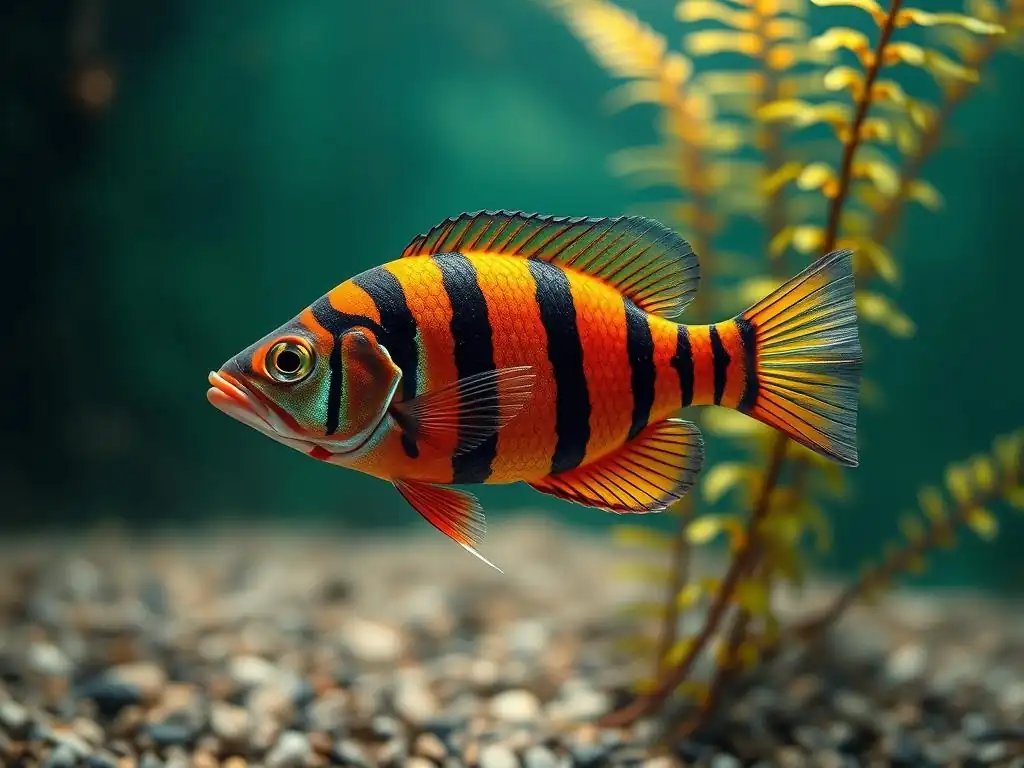
Tiger barbs (Puntigrus tetrazona) are a popular choice among freshwater aquarists due to their striking appearance and lively nature. Their distinctive orange and black striped pattern, often accented with red fins, makes them an immediate focal point in any aquarium. Beyond their aesthetic appeal, these fish are known for their robust health and relatively straightforward Tiger barb care tips, making them an excellent option for aquarists looking for an active and engaging species. They typically grow to an adult size of about 2 to 3 inches (5 to 7.5 cm), fitting well into moderately sized tanks.
Their active swimming patterns and schooling behavior add dynamic movement to the aquarium environment. Unlike some more sedentary species, Tiger barbs are constantly exploring and interacting, providing endless entertainment. Their hardiness, when provided with appropriate Tiger barb care tips regarding water parameters and tank setup, means they are less susceptible to common fish ailments, offering a more resilient pet for both novice and experienced hobbyists.
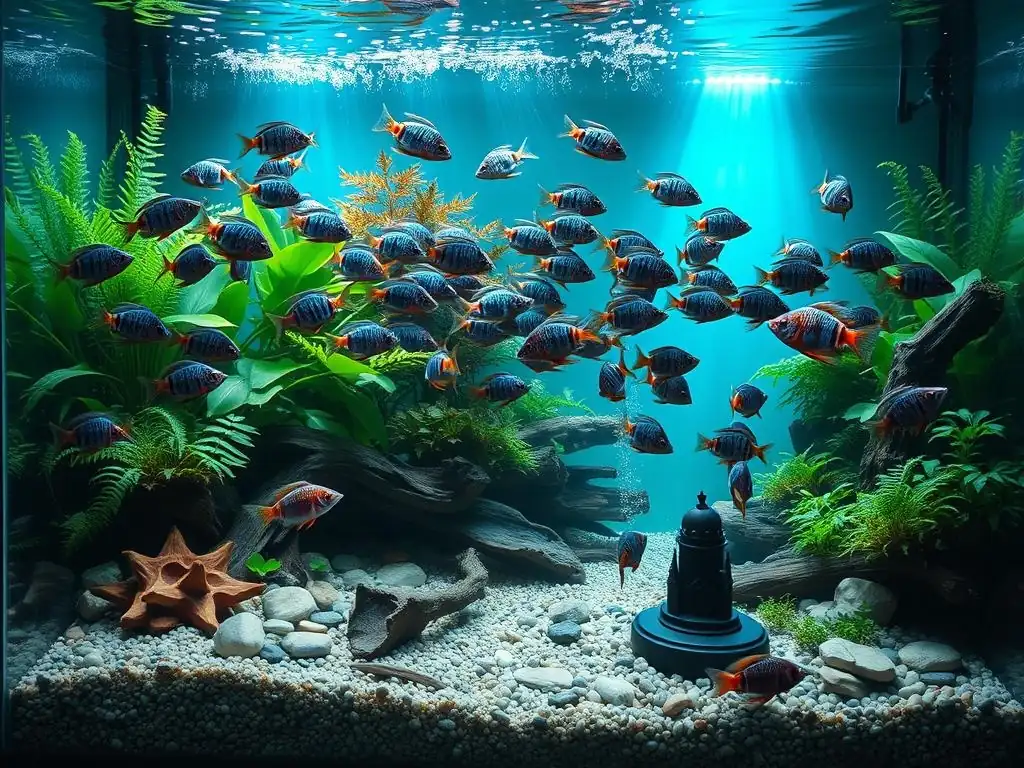
Tiger barbs are renowned for their energetic and sometimes boisterous behavior. They are schooling fish, and it is crucial to keep them in groups of at least six, preferably eight to ten or more, to diffuse their natural tendency for fin-nipping. When kept in insufficient numbers, their aggression can be concentrated on other tank inhabitants, leading to stress and injury. A larger school allows them to establish a pecking order among themselves, keeping their playful aggression largely confined within their own group.
Their semi-aggressive nature means they are not suitable for all community tanks. They are known to nip the long, flowing fins of slower-moving fish like Angelfish, Bettas, and Gouramis. Understanding their social dynamics is a fundamental Tiger barb care tip. Providing them with ample swimming space and a well-structured environment with plenty of hiding spots and visual breaks can further mitigate potential aggression, allowing them to thrive and display their full range of natural behaviors.
Essential Tiger Barb Care Tips for Beginners
Setting Up the Ideal Tiger Barb Tank Environment
Tank Size Recommendations for Tiger Barbs: Ensuring Ample Swimming Space
For a small school of 6-8 Tiger Barbs, a minimum tank size of 20 gallons (approximately 75 liters) is recommended. This provides adequate space for them to swim actively and establish their schooling hierarchy without excessive stress. However, to truly see them flourish and to allow for a larger, more stable school, a 30-gallon (around 115 liters) or even 55-gallon (approximately 210 liters) tank is preferable. Larger tanks also offer more stability in water parameters, which is a key element of effective Tiger barb care tips.
The energetic nature of Tiger Barbs means they require horizontal swimming space more than vertical depth. A longer, wider tank is therefore more beneficial than a tall, narrow one of the same volume. This allows them to dart and chase each other across the tank, mimicking their natural schooling behaviors in the wild and reducing the likelihood of territorial disputes or concentrated aggression.
Water Parameters for Tiger Barbs: Temperature, pH, and Hardness
Maintaining stable and appropriate water parameters is paramount for the health and longevity of Tiger Barbs. The ideal water temperature for these fish ranges from 74°F to 79°F (23°C to 26°C). Fluctuations outside this range can cause stress and weaken their immune system, making them susceptible to diseases. A reliable heater with a thermostat is essential to maintain this consistency, a vital component of any good Tiger barb care tips regimen.
Regarding pH, Tiger Barbs prefer slightly acidic to neutral water, with an ideal range between 6.0 and 7.5. Water hardness (GH) should be kept between 5 and 12 dGH (soft to moderately hard). Regular testing of these parameters using a quality aquarium test kit is crucial to ensure the water remains within the optimal range, as consistent water quality directly impacts their vibrancy and overall well-being.
Substrate and Decoration: Creating a Natural Habitat
While Tiger Barbs are not particularly fussy about substrate, fine gravel or sand is generally suitable. A darker substrate can often help to enhance their vibrant colors, making them appear more striking within the aquarium. The most important aspect of tank decoration for these active fish is providing a balance between open swimming areas and ample hiding spots.
Incorporating driftwood, smooth rocks, and robust live plants (such as Anubias, Java Fern, or Amazon Swords) creates a naturalistic environment. These elements offer visual breaks and territories, which can help diffuse aggression within the school and provide a sense of security for the fish. Ensure all decorations are smooth and free of sharp edges to prevent injury to the fish as they dart around.
Diet and Feeding: Optimizing Tiger Barb Nutrition
What Do Tiger Barbs Eat? A Guide to Proper Food Choices
Tiger Barbs are omnivores, requiring a varied diet to ensure optimal health and vibrant coloration. A high-quality flake food or small pellet designed for omnivorous tropical fish should form the staple of their diet. Look for foods rich in spirulina or other plant matter, as well as protein. This balanced base is fundamental for effective Tiger barb care tips.
Supplementing their staple diet with live or frozen foods is highly beneficial. Options such as brine shrimp, bloodworms, daphnia, and tubifex worms provide essential proteins and fats, mimicking their natural diet and stimulating their predatory instincts. Blanched vegetables like zucchini or shelled peas can also be offered occasionally to provide necessary fiber and vitamins.
Feeding Schedule and Portion Control for Healthy Tiger Barbs
To maintain healthy Tiger Barbs and prevent water quality issues, it is advisable to feed them two to three times per day. Each feeding session should consist of only the amount of food they can consume within two to three minutes. Overfeeding is a common mistake that leads to excess waste, which then decomposes and fouls the water, leading to elevated ammonia and nitrite levels.
Strict portion control is a critical Tiger barb care tip. Undereating is rarely an issue with these enthusiastic eaters, but overfeeding can cause digestive problems, obesity, and significantly degrade water quality, increasing the risk of diseases. Observe your fish during feeding to gauge their appetite and adjust portions accordingly, ensuring all food is consumed and none settles on the substrate.
Maintaining Water Quality: Crucial for Tiger Barb Health
Regular Water Changes: The Key to a Healthy Aquarium
Regular water changes are arguably the most critical aspect of maintaining a healthy Tiger Barb aquarium. A weekly water change of 25-30% of the tank's volume is highly recommended. This practice effectively removes accumulated nitrates, phosphates, and other dissolved organic compounds that can become toxic over time. It also replenishes essential minerals and trace elements that are depleted through biological processes and plant uptake.
When performing water changes, always use a reliable water conditioner to neutralize chlorine and chloramines present in tap water, which are harmful to fish. Matching the temperature of the new water to the tank water is also important to prevent temperature shock, ensuring this vital Tiger barb care tip is executed safely and effectively.
Filtration Systems for Tiger Barb Tanks: Choosing the Right Filter
An efficient filtration system is indispensable for a Tiger Barb tank. Given their active metabolism and the potential for a larger bioload (especially in a community setup), a robust filter that provides excellent mechanical, biological, and chemical filtration is necessary. Hang-on-Back (HOB) filters are popular for their ease of use and effectiveness in smaller to medium tanks, while canister filters offer superior filtration capacity for larger setups.
Biological filtration, provided by beneficial bacteria colonizing filter media, is crucial for converting toxic ammonia and nitrite into less harmful nitrate. Mechanical filtration removes particulate matter, keeping the water clear, and chemical filtration (e.g., activated carbon) removes odors and discoloration. A filter with a flow rate appropriate for the tank size, ensuring good circulation without creating excessive current that stresses the fish, is a vital Tiger barb care tip.
Monitoring Water Chemistry: Testing for Ammonia, Nitrite, and Nitrate
Consistent monitoring of water chemistry is a non-negotiable Tiger barb care tip. Regular testing for ammonia, nitrite, and nitrate levels is essential to ensure the aquarium remains a safe and healthy environment. Ammonia and nitrite should always register at 0 parts per million (ppm), as even small amounts can be highly toxic to fish.
Nitrate, the end product of the nitrogen cycle, should be kept below 20 ppm, ideally closer to 10 ppm, through regular water changes. A liquid-based test kit is more accurate than test strips for these crucial parameters. Establishing a routine of weekly or bi-weekly testing allows aquarists to identify and address potential water quality issues before they adversely affect the health of their Tiger Barbs.
Tiger Barb Tank Mates: Compatibility and Community Dynamics

Best Tank Mates for Tiger Barbs: Peaceful and Active Companions
Choosing appropriate tank mates is a pivotal aspect of successful Tiger barb care tips. Due to their semi-aggressive and fin-nipping tendencies, Tiger Barbs thrive best with other fast-moving, similarly sized, and robust fish that can hold their own. Good companions include other species of Barbs, such as Cherry Barbs or Rosy Barbs, which share similar activity levels and social structures.
Other suitable tank mates include various species of Danios (e.g., Zebra Danios, Giant Danios), larger Tetras like Congo Tetras or Black Skirt Tetras, and certain types of Loaches such as Clown Loaches or Kuhli Loaches. Bottom-dwellers like Corydoras catfish can also be compatible, provided they are not slow-moving or have overly long fins. The key is to select fish that are too fast or too large to be easily nipped, ensuring a harmonious community.
Fish to Avoid with Tiger Barbs: Preventing Aggression and Stress
To prevent aggression and stress in your aquarium, several types of fish should be avoided as tank mates for Tiger Barbs. Any fish with long, flowing fins is a prime target for nipping, leading to stress, fin damage, and susceptibility to disease. This includes popular species like Angelfish, Bettas (Siamese Fighting Fish), Gouramis, and Guppies with elaborate tails.
Additionally, very small or extremely docile fish can be bullied or outcompeted for food by the active and sometimes boisterous Tiger Barbs. Delicate species like Neon Tetras, while often kept in community tanks, may find the constant activity and potential nipping from Tiger Barbs too stressful. Adhering to these compatibility guidelines is a crucial Tiger barb care tip for maintaining a peaceful and thriving community aquarium.
Creating a Balanced Community Tank: Tips for Successful Coexistence
Creating a balanced community tank with Tiger Barbs requires careful planning and observation. One effective strategy is to introduce all fish simultaneously, or to add the Tiger Barbs last, allowing other species to establish their territories first. Crucially, ensure the Tiger Barb school consists of at least 8-10 individuals; a larger school diffuses aggression internally, reducing the likelihood of them bothering other species.
Providing ample space and visual barriers through strategic aquascaping with plants, driftwood, and rocks can also help. These elements break up lines of sight, allowing fish to retreat and establish individual territories, thereby minimizing confrontations. Regularly monitoring fish behavior and being prepared to intervene by removing incompatible individuals or adjusting tank conditions are essential Tiger barb care tips for successful coexistence.
Tiger Barb Health and Disease Prevention
Common Tiger Barb Diseases: Identification and Treatment
Ich (White Spot Disease): Recognizing and Treating the Infection
Ich, or White Spot Disease (Ichthyophthirius multifiliis), is one of the most common parasitic infections in freshwater aquariums, and Tiger Barbs are susceptible, especially when stressed by poor Tiger barb care tips. Symptoms include small, white spots resembling grains of salt scattered over the fish's body and fins. Infected fish may also exhibit flashing (rubbing against tank objects), clamped fins, and lethargy.
Treatment typically involves gradually raising the tank temperature to 82-86°F (28-30°C) over 24-48 hours, as the higher temperature speeds up the parasite's life cycle, making it more vulnerable to medication. Simultaneously, specific Ich medications containing malachite green or formalin can be used, following the manufacturer's instructions. Adding aquarium salt (1 tablespoon per 5 gallons) can also aid in recovery by reducing osmotic stress on the fish.
Fin Rot: Causes, Symptoms, and Effective Remedies
Fin rot is a bacterial infection that often affects Tiger Barbs, particularly when water quality is poor, or they are subjected to fin nipping from tank mates. Symptoms include frayed, ragged, or disintegrating fins, which may appear discolored (red, black, or white at the edges). In severe cases, the entire fin can be eaten away, potentially leading to secondary fungal infections.
The primary remedy for fin rot is improving water quality through daily partial water changes (25-50% for several days) and ensuring the filtration system is functioning optimally. Removing the source of stress, such as aggressive tank mates or overstocking, is also crucial. In more advanced cases, broad-spectrum antibacterial medications designed for aquarium use can be administered, always adhering to the dosage instructions. Maintaining excellent water conditions is a key preventative Tiger barb care tip.
Preventing Diseases: Maintaining Optimal Tank Conditions
Prevention is always better than cure when it comes to fish diseases, and this holds true for Tiger Barbs. The most effective disease prevention strategy lies in consistently providing optimal tank conditions and adhering to all recommended Tiger barb care tips. This includes maintaining stable water parameters (temperature, pH, hardness) within their ideal ranges and performing regular, scheduled water changes to keep nitrate levels low.
A varied and nutritious diet strengthens their immune system, making them more resilient to pathogens. Avoiding overstocking and ensuring compatible tank mates reduces stress, a major contributor to disease susceptibility. Lastly, always quarantine new fish for at least two weeks in a separate tank before introducing them to the main aquarium, preventing the potential introduction of diseases.
Recognizing Signs of a Healthy Tiger Barb
A healthy Tiger Barb exhibits several key indicators that signal its well-being. Their colors should be vibrant and distinct, with clear, sharp stripes and bright red or orange on their fins and snout. They should be active and alert, constantly swimming, exploring, and interacting within their school. Healthy Tiger Barbs will also display a strong appetite, eagerly approaching food during feeding times.
Physically, their fins should be intact, without any fraying, tears, or discoloration. Their bodies should be full and well-rounded, not emaciated or bloated. Their eyes should be clear and bright, and there should be no visible spots, lesions, growths, or fungal patches on their skin or fins. Observing these signs is an important Tiger barb care tip for early detection of potential issues.
Breeding Tiger Barbs: A Step-by-Step Guide
Setting Up a Breeding Tank for Tiger Barbs
To successfully breed Tiger Barbs, a dedicated breeding tank is highly recommended. A 10 to 20-gallon (38-75 liter) tank is typically sufficient. The tank should be bare-bottomed or have a mesh bottom to allow eggs to fall through, preventing the parents from consuming them. Alternatively, a spawning mop made of synthetic yarn or a dense cluster of fine-leaved plants like Java Moss can provide a surface for egg deposition and protection.
The water in the breeding tank should be soft (3-5 dGH) and slightly acidic (pH 6.0-6.5), mimicking their natural spawning conditions. The temperature should be maintained around 78-80°F (25.5-26.5°C). A gentle air stone or a small sponge filter is adequate for filtration, providing aeration without strong currents that could harm delicate eggs or fry.
Conditioning Tiger Barbs for Breeding
Conditioning the parent Tiger Barbs is crucial to encourage spawning. Select a healthy, well-fed pair or a trio (one female and two males) from your main tank. Females ready to spawn will appear plumper due to carrying eggs, while males will often display more intense colors and become more active in their courtship displays.
For one to two weeks prior to introducing them to the breeding tank, feed the chosen fish a high-protein diet consisting of live or frozen foods such as bloodworms, brine shrimp, daphnia, or blackworms. This enriched diet provides the necessary nutrients for egg development and enhances their spawning readiness. Maintaining pristine water conditions in their regular tank during this conditioning period is also a vital Tiger barb care tip.
Spawning and Egg Care: Ensuring Successful Hatching
Once conditioned, introduce the selected Tiger Barbs to the breeding tank, ideally in the evening. Spawning usually occurs in the early morning hours, often at dawn. The male will chase the female, nudging her into the plants or spawning mop, where she will scatter adhesive, non-buoyant eggs. A single female can lay between 100 to 300 eggs.
As soon as spawning is complete, which can take several hours, it is crucial to remove the adult fish from the breeding tank. Tiger Barbs are notorious egg-eaters, and leaving them in the tank will result in the consumption of most, if not all, of the eggs. The eggs will typically hatch within 24 to 36 hours, depending on the water temperature.
Raising Tiger Barb Fry: Providing the Right Environment and Food
Tiger Barb fry are very small and delicate upon hatching. For the first few days, they will absorb their yolk sacs and typically become free-swimming within 3-5 days. At this stage, they require microscopic food. Infusoria, liquid fry food, or green water are excellent initial food sources.
After a few days, as they grow, they can be transitioned to newly hatched brine shrimp nauplii, which are highly nutritious. As they continue to grow, finely crushed high-quality flake food can be introduced. Maintaining excellent water quality in the fry tank through small, frequent water changes (10-15% daily) is paramount, as the fry are highly sensitive to pollutants. Consistent feeding and water quality are essential Tiger barb care tips for successful fry rearing.
Troubleshooting Common Tiger Barb Care Issues
Addressing Aggression in Tiger Barbs: Causes and Solutions
Aggression in Tiger Barbs is a common concern, often stemming from insufficient school size, inadequate tank space, or incompatible tank mates. If a school is too small (fewer than 6-8 individuals), their nipping behavior can be concentrated on specific fish, leading to stress and injury. Lack of sufficient swimming space exacerbates territorial disputes and general stress, contributing to aggression.
The primary solution is to increase the school size to at least 8-10 Tiger Barbs. This larger group diffuses their aggression internally, spreading nips among themselves rather than targeting other species. Providing a larger tank (e.g., 55 gallons for a larger school) and structuring the aquascape with plenty of visual breaks and hiding spots (dense plants, driftwood) also helps. Re-evaluating tank mates and removing any slow-moving or long-finned species is another crucial Tiger barb care tip.
Dealing with Fin Nipping: Identifying the Culprit and Implementing Corrective Measures
Fin nipping, while often attributed to Tiger Barbs, can sometimes be caused by other fish in the tank or even by the Tiger Barbs themselves if their social needs aren't met. If the Tiger Barbs are the culprits, it typically points to an undersized school or an overcrowded tank. They may also nip at their own kind if stressed.
To address fin nipping, first ensure your Tiger Barb school is adequately sized (8+ individuals). If the tank is too small for the number of fish, consider upgrading to a larger aquarium. If other species are being nipped, identify the specific fish being targeted and assess if they are suitable tank mates (e.g., avoid long-finned, slow-moving fish). Providing more hiding spots and visual barriers can also help reduce opportunities for nipping, making this a practical Tiger barb care tip.
Solving Water Quality Problems: Identifying and Resolving Imbalances
Water quality issues are a frequent cause of stress and disease in Tiger Barbs. Symptoms of poor water quality include lethargy, clamped fins, gasping at the surface, loss of appetite, and cloudy or foul-smelling water. The first step in resolving these problems is to test the water immediately for ammonia, nitrite, nitrate, and pH using a reliable liquid test kit.
If ammonia or nitrite are detected, or if nitrates are excessively high (above 40 ppm), perform a significant water change (50-75%) immediately. Identify the source of the problem, which often includes overfeeding, overstocking, insufficient filtration, or infrequent water changes. Adjust feeding habits, ensure your filter is clean and properly sized, and commit to a consistent schedule of partial water changes. Addressing these underlying causes is a fundamental Tiger barb care tip for long-term health.
Advanced Tiger Barb Care: Taking Your Aquarium to the Next Level
Aquascaping for Tiger Barbs: Creating a Visually Stunning Habitat
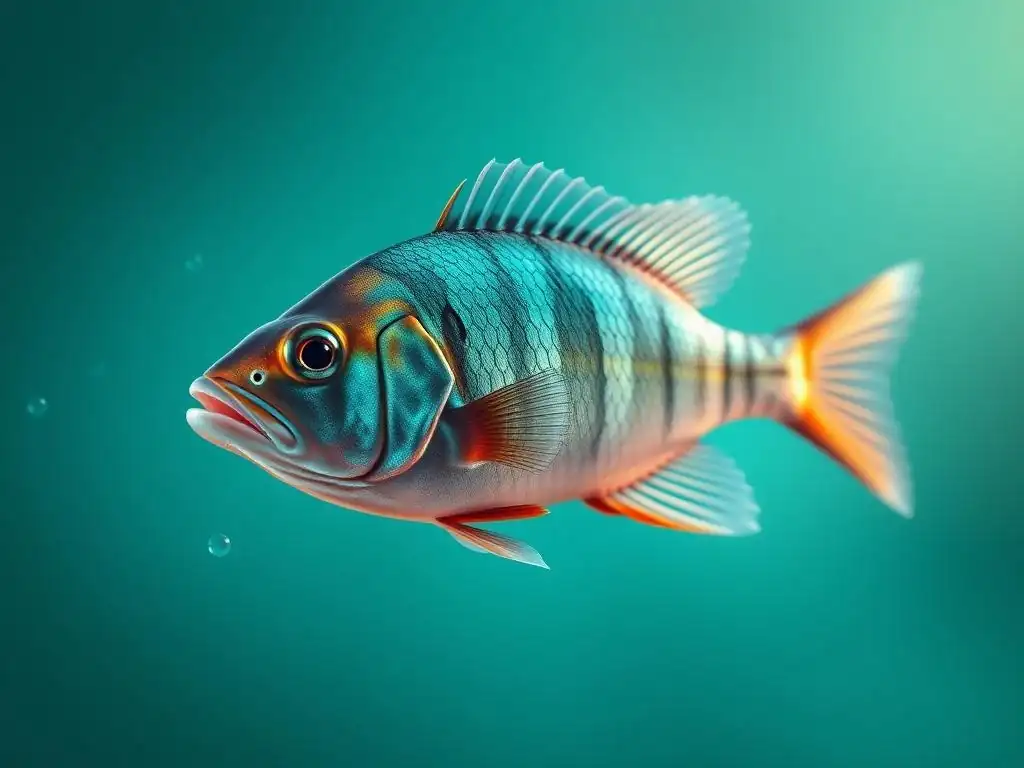
Advanced Tiger barb care tips often involve optimizing the aquascape not just for the fish's well-being but also for aesthetic appeal. When aquascaping for Tiger Barbs, balance open swimming areas with densely planted or decorated zones. These fish are active swimmers and require clear space to dart around, especially when schooling.
However, incorporating driftwood, rocks, and tall plants strategically creates visual barriers and potential hiding spots. This breaks up lines of sight, which can help diffuse aggression within the school and provide a sense of security. A well-designed aquascape enhances the natural beauty of the Tiger Barbs, making their vibrant colors pop against a lush or natural backdrop, and encourages more natural behaviors.
Plant Selection for Tiger Barb Tanks: Choosing Compatible Species
While Tiger Barbs are not typically heavy plant eaters, their active nature means that very delicate or slow-growing plants might be uprooted or damaged. Therefore, when selecting plants for a Tiger Barb tank, prioritize hardy, robust species that can withstand their energetic movements. Good choices include Java Fern (Microsorum pteropus), Anubias species (Anubias barteri, Anubias nana), Amazon Sword plants (Echinodorus amazonicus), and Vallisneria (Vallisneria spiralis).
These plants are not only resilient but also provide excellent cover and contribute to water quality by absorbing nitrates. Floating plants like Frogbit or Dwarf Water Lettuce can also be beneficial, offering shaded areas that Tiger Barbs sometimes appreciate. Ensure plants are well-rooted or attached to decor to prevent them from being dislodged.
Utilizing CO2 Injection for Plant Growth and Water Quality
For aquarists aiming for a heavily planted Tiger Barb tank, utilizing CO2 injection can significantly boost plant growth and overall aquarium health. Carbon dioxide is a vital nutrient for aquatic plants, and supplementing it can lead to more vigorous growth, creating a lush, vibrant aquascape. Healthy, fast-growing plants, in turn, contribute to better water quality by efficiently absorbing nitrates produced by fish waste, acting as a natural filtration aid.
However, CO2 injection requires careful monitoring. Too much CO2 can drastically lower the pH, which can be detrimental to fish. It's crucial to use a reliable CO2 system with a regulator and a drop checker to monitor CO2 levels accurately. While not a basic Tiger barb care tip, for advanced aquarists, it can elevate the entire ecosystem, creating an even more stable and beautiful environment for Tiger Barbs to thrive.
Conclusion: Ensuring a Long and Happy Life for Your Tiger Barbs
Mastering Tiger Barb care involves a commitment to understanding their unique needs and providing a consistent, high-quality environment. From selecting the appropriate tank size and maintaining stable water parameters to offering a varied diet and choosing compatible tank mates, each element plays a crucial role in their well-being. The key Tiger barb care tips revolve around keeping them in large schools, providing ample space, and diligently performing regular water changes and monitoring.
By adhering to these guidelines, aquarists can ensure their Tiger Barbs not only survive but truly thrive, displaying their vibrant colors and energetic personalities. These captivating fish, with their distinctive stripes and active schooling behavior, can bring immense joy and dynamic beauty to any freshwater aquarium, rewarding attentive care with years of healthy, lively presence.
Frequently Asked Questions
What are the ideal water parameters for Tiger Barbs?
Tiger Barbs thrive in slightly acidic to neutral water, with a pH between 6.0 and 7.0. The ideal temperature range is 72-78°F (22-26°C), and water hardness should be between 5-12 dGH. Regular water changes are crucial for maintaining these parameters.
How many Tiger Barbs should I keep together?
Tiger Barbs are social fish and should be kept in groups of at least six or more to prevent fin-nipping and aggression. A larger group allows them to establish a pecking order and reduces stress.
What types of food should I feed my Tiger Barbs?
Tiger Barbs are omnivores and require a varied diet. Offer them high-quality flake food as a staple, supplemented with live or frozen foods like brine shrimp, bloodworms, and daphnia for optimal health and vibrant colors.
What tank size is recommended for a group of Tiger Barbs?
A minimum tank size of 30 gallons is recommended for a group of six Tiger Barbs. A larger tank, like a 55-gallon, is even better as it provides more swimming space and reduces the risk of overcrowding and aggression.
What are some common health problems that affect Tiger Barbs and how can I prevent them?
Common health problems include Ich (white spot disease) and fin rot. Preventing these issues involves maintaining excellent water quality through regular water changes, avoiding overcrowding, and providing a varied and nutritious diet.
Final Reflection: Cultivating Vibrant Aquatic Life
The journey of understanding and providing optimal Tiger Barb Care extends far beyond simply maintaining an aquarium; it's about fostering a thriving ecosystem within our homes. These vibrant fish, with their captivating energy and striking patterns, demand a commitment to responsible husbandry, a commitment that ultimately rewards us with a mesmerizing display of aquatic life. The principles outlined in this guide, from water parameters to social dynamics, are not just suggestions, but essential cornerstones for ensuring the health and happiness of these fascinating creatures.
This exploration into Tiger Barb care has deeply resonated with the broader understanding of responsible pet ownership. It reminds us that every living being, regardless of size or species, deserves our respect and dedication. The greatness of a nation and its moral progress can be judged by the way its animals are treated.
- Mahatma Gandhi. This quote, though often applied to larger animals, holds equal weight when considering the care of our aquatic companions. Their well-being is a direct reflection of our own compassion and commitment to creating a harmonious environment.
Now, as you embark on, or continue, your journey with Tiger Barbs, I encourage you to embrace the principles of mindful care. Observe their behavior, adapt to their needs, and never stop learning. By doing so, you not only provide a fulfilling life for these captivating fish, but also enrich your own life with the beauty and tranquility of a thriving underwater world. Let's all strive to be responsible stewards of the aquatic realm, one Tiger Barb at a time.
Ignite Your Tiger Barb Tank: Unleash Their Vibrant Potential!
Thank you for diving into the world of tiger barb care! We hope this guide has equipped you with the knowledge to create a thriving environment for these captivating fish. Now, let's put that knowledge into action!
- Commit to a weekly water change schedule: Consistency is key for a happy and healthy tiger barb community.
- Explore new enrichment activities for your barbs! Consider adding driftwood or rock structures to their tank to provide hiding places and stimulate their natural curiosity.
- Share your tiger barb success story! What unique strategies have you found that contribute to their wellbeing and vibrant colors?
What's one small change you can implement today to elevate the health and happiness of your tiger barbs?