
Balancing CO2, Light, and Nutrients: The Planted Tank Trinity Explained

Welcome to Aquarium Mastery!
Ever wondered how to achieve that lush, vibrant planted tank you've always dreamed of? It all starts with understanding a delicate dance. This article dives deep into achieving the perfect Planted tank CO2 balance, the key to unlocking incredible plant growth. But CO2 is just one piece of the puzzle. What about light and nutrients? Are you ready to discover how these three elements work together in perfect harmony? Let's explore the Planted Tank Trinity and watch your aquatic plants thrive!
- Understanding the Planted Tank Trinity for Optimal Growth
- CO2 in Planted Aquariums: The Foundation of Plant Growth
- Lighting for Planted Aquariums: Illuminating Plant Life
- Nutrients for Planted Aquariums: Fueling Plant Health
- Achieving Planted Tank CO2 Balance: The Interplay of Light, CO2, and Nutrients
- Troubleshooting Common Planted Tank Problems Related to the Trinity
- Maintaining a Long-Term Balanced Planted Tank Environment
- Advanced Planted Tank Techniques: Beyond the Basics
-
Frequently Asked Questions
- How crucial is CO2 for a thriving planted aquarium?
- What happens if I have too much CO2 in my planted tank?
- What's the relationship between CO2, light, and nutrients in a planted aquarium?
- How can I determine if my planted tank has the correct CO2 levels?
- What are some common methods for adding CO2 to a planted aquarium?
- Final Reflection: Cultivating Aquatic Harmony
- Ignite Your Planted Tank: Start Thriving Today!
Understanding the Planted Tank Trinity for Optimal Growth
What is the Planted Tank Trinity?
The "Planted Tank Trinity" refers to the three fundamental elements that are absolutely critical for lush and healthy aquatic plant growth: carbon dioxide (CO2), light, and nutrients. These three components are intricately linked and must be in a harmonious planted tank CO2 balance for plants to thrive. Think of them as the legs of a stool; if one leg is shorter or missing, the entire structure becomes unstable, leading to stunted growth, nutrient deficiencies, or, most commonly, rampant algae outbreaks.
At its core, the trinity supports the process of photosynthesis, where plants convert light energy into chemical energy. This chemical reaction primarily requires CO2 as a carbon source, light as the energy input, and various macro and micronutrients as building blocks. Without adequate levels of all three, even the most resilient aquatic plants will struggle to photosynthesize efficiently, leading to a compromised ecosystem.
Why is Balancing the Trinity Crucial for a Healthy Planted Aquarium?
Achieving a precise planted tank CO2 balance is paramount because an imbalance in any one element can severely limit plant growth, even if the other two are abundant. For instance, if you provide intense lighting but insufficient CO2, plants cannot utilize the light energy effectively, leading to wasted energy and an excess of light that can fuel opportunistic algae. Similarly, too much CO2 without adequate light can lead to oxygen deprivation for fish, while a lack of essential nutrients will prevent plants from building new tissues, regardless of the light or CO2 levels.
The goal is to provide these elements in appropriate ratios that match the needs of your specific plant species and the overall bioload of your aquarium. A healthy planted tank, characterized by vibrant colors and vigorous growth, is a direct result of meticulous attention to this balance. Studies suggest that stressed plants, often due to imbalances, release organic compounds that can act as a direct food source for various types of algae, turning a beautiful aquascape into an algae farm within days.
CO2 in Planted Aquariums: The Foundation of Plant Growth
The Role of Carbon Dioxide in Aquatic Plant Photosynthesis
Carbon dioxide (CO2) is arguably the most vital nutrient for aquatic plants, serving as the primary carbon source for photosynthesis. In submerged conditions, CO2 availability is significantly lower than in terrestrial environments, making its supplementation crucial for vigorous growth, especially in high-tech planted tanks. Plants absorb dissolved CO2 from the water column, converting it into carbohydrates and oxygen using light energy, a process essential for their cellular structure and energy production.
Without sufficient CO2, plants cannot photosynthesize efficiently, regardless of how much light or other nutrients are available. This limitation often results in stunted growth, pale coloration, and a general lack of vitality. For most planted tanks aiming for robust growth, maintaining dissolved CO2 levels between 20-30 parts per million (ppm) is considered optimal. Below this range, plant growth can slow dramatically, sometimes by as much as 50% or more, even with ample light and fertilizers.
CO2 Injection Methods for Planted Tanks: A Comparison
The method of CO2 injection largely depends on the tank size, budget, and the desired level of control over CO2 levels. Each approach has distinct advantages and disadvantages that influence the overall planted tank CO2 balance.
DIY CO2 Systems: Advantages and Disadvantages
DIY CO2 systems typically involve a simple setup using yeast and sugar fermentation to produce CO2 gas. These systems are often favored by beginners or those with smaller tanks, generally under 20 gallons, due to their low initial cost and ease of assembly. They can provide enough CO2 for low to medium light setups and can be a good entry point for understanding the impact of CO2 on plant growth.
However, DIY systems suffer from inconsistent CO2 output, which fluctuates significantly over their operational lifespan, usually 1-2 weeks before needing a refill. This variability makes it difficult to maintain a stable planted tank CO2 balance, potentially leading to pH swings and stress for both plants and fish. Furthermore, the inability to precisely control the CO2 flow makes them unsuitable for larger tanks or high-tech setups where stable and high CO2 levels are essential.
Pressurized CO2 Systems: Benefits and Drawbacks
Pressurized CO2 systems utilize a refilled CO2 cylinder, a regulator, a solenoid valve, and a diffuser to inject CO2 into the aquarium. These systems offer unparalleled consistency and precise control over CO2 injection rates, making them indispensable for medium to large planted tanks and high-tech aquascapes that demand stable and optimal CO2 levels. The ability to fine-tune the bubble count and turn the CO2 off automatically at night (via a solenoid) ensures a consistent planted tank CO2 balance, which is crucial for preventing algae and promoting vigorous plant growth.
While the initial investment for a pressurized system is significantly higher than DIY alternatives, the long-term benefits in terms of plant health, stability, and ease of maintenance often outweigh the cost. A typical 5lb CO2 cylinder, for instance, can last anywhere from several months to over a year for a 50-gallon tank, depending on the dosage and photoperiod, offering great cost-effectiveness over time. The main drawback, aside from the upfront cost, is the need for careful monitoring to prevent CO2 overdosing, which can be harmful or even fatal to fish.
Monitoring CO2 Levels in Your Planted Tank: Ensuring Proper Dosage
Accurate monitoring of CO2 levels is critical for maintaining a healthy and stable planted tank CO2 balance. Overdosing can harm livestock, while underdosing will limit plant growth and encourage algae.
CO2 Drop Checkers: How to Use and Interpret Results
CO2 drop checkers are indispensable tools for visually monitoring dissolved CO2 levels in your aquarium. These small glass devices contain an indicator solution (usually bromothymol blue) and a known amount of water with a specific KH (carbonate hardness), isolated from the main tank water. As CO2 from the tank water diffuses into the drop checker, it reacts with the indicator solution, changing its color based on the dissolved CO2 concentration.
The color of the solution provides an approximate real-time indication of your CO2 levels: blue indicates insufficient CO2 (below 20 ppm), green signifies optimal levels (around 20-30 ppm), and yellow warns of excessive CO2 (above 30 ppm), which can be dangerous for fish. It's important to allow several hours for the drop checker to stabilize and reflect the true CO2 levels in the tank, ideally placing it opposite to the CO2 diffuser for accurate readings.
Understanding KH and pH Relationship for CO2 Measurement
The relationship between carbonate hardness (KH) and pH is a key factor in understanding dissolved CO2 levels, particularly when using a CO2/KH/pH chart. When CO2 dissolves in water, it forms carbonic acid, which lowers the pH. The KH acts as a buffer, resisting these pH changes. By knowing your tank's KH and pH, you can consult a chart to estimate the CO2 concentration. For example, a tank with a KH of 4 dKH and a pH of 6.8 typically indicates a CO2 level of approximately 30 ppm, which is ideal for most planted tanks.
However, it's crucial to remember that this relationship is only accurate if CO2 is the sole factor influencing pH. Other elements, such as driftwood, certain substrates, or other acids/bases in the water, can also affect pH, making the KH/pH chart less reliable as a standalone CO2 indicator. Therefore, while useful for general guidance, it should be used in conjunction with a CO2 drop checker and close observation of your fish and plants to ensure a safe and effective planted tank CO2 balance.
Lighting for Planted Aquariums: Illuminating Plant Life
The Importance of Light Spectrum and Intensity for Aquatic Plants
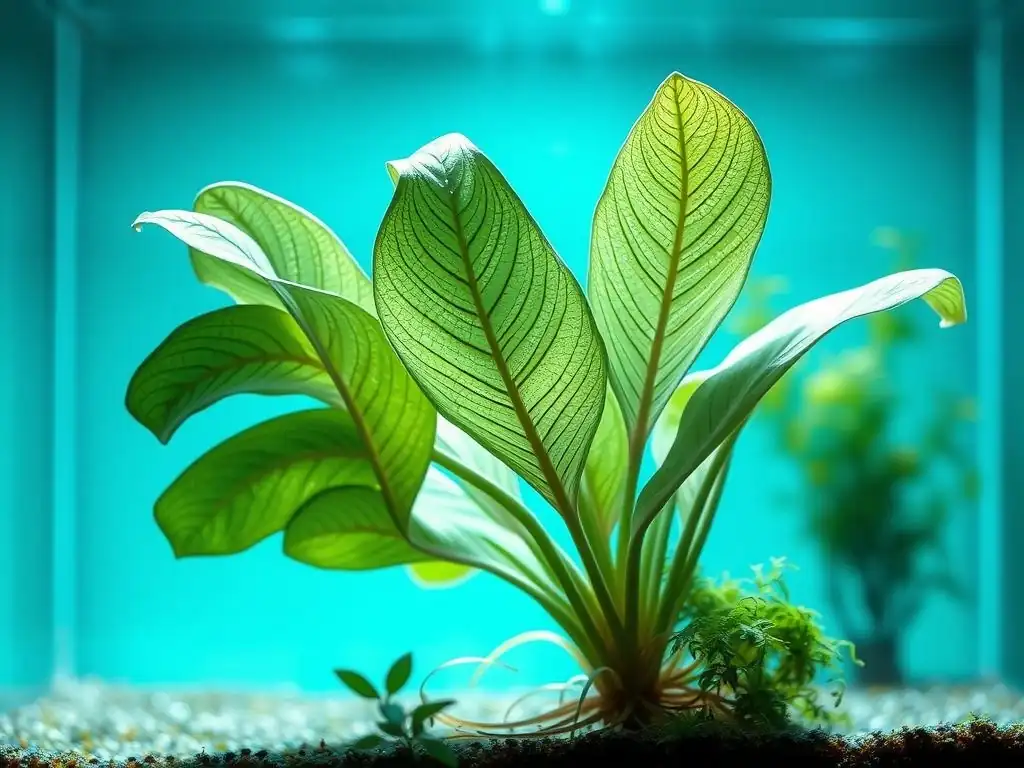
Light is the energy source for photosynthesis, and its spectrum and intensity are critical for robust aquatic plant growth. The spectrum refers to the colors of light emitted, with red and blue wavelengths being most efficiently absorbed by chlorophyll for photosynthesis. Full-spectrum lights, often with a color temperature around 6500K, are generally recommended as they mimic natural daylight and provide the necessary wavelengths for healthy plant development.
Light intensity, often measured in PAR (Photosynthetically Active Radiation), dictates the rate of photosynthesis and, consequently, the demand for CO2 and nutrients. Low-light tanks might require only 15-30 PAR, while high-tech setups with demanding plants can utilize 50-100+ PAR. Providing too little light will stunt growth, but providing too much light without adequate CO2 and nutrients will inevitably lead to rampant algae growth, as the excess energy becomes available to opportunistic algae.
Different Types of Aquarium Lighting for Planted Tanks
The choice of lighting system significantly impacts plant growth and the overall aesthetic of your planted tank. The two most common types are LED and fluorescent lighting.
LED Lighting: Efficiency and Control
LED (Light Emitting Diode) lighting has become the gold standard for planted aquariums due to its numerous advantages. LEDs are incredibly energy-efficient, consuming significantly less power than traditional fluorescent bulbs, which translates to lower electricity bills. They also boast an exceptionally long lifespan, often exceeding 50,000 operating hours, meaning fewer bulb replacements. A key benefit for planted tanks is the high degree of control offered by many LED fixtures, allowing users to customize spectrum, intensity, and even implement daily light cycles with sunrise/sunset effects.
While the initial cost of high-quality LED fixtures can be higher, their efficiency, longevity, and superior control often make them a more cost-effective choice in the long run. Many high-end LED units can provide sufficient PAR for even the most demanding carpeting plants, with some models consuming around 0.5 to 1 watt per liter for a high-light setup, illustrating their remarkable efficiency in delivering powerful illumination.
Fluorescent Lighting: A Cost-Effective Option
Fluorescent lighting, particularly T5 High Output (T5 HO) bulbs, has long been a popular and cost-effective choice for planted aquariums. They provide a broad spectrum of light and good PAR values suitable for a wide range of aquatic plants, from low-light anubias to medium-light stem plants. Their lower initial purchase price makes them accessible for beginners or those on a tighter budget, offering a reliable way to illuminate a planted tank without a significant upfront investment.
However, fluorescent bulbs have a shorter effective lifespan compared to LEDs, typically needing replacement every 6-12 months as their PAR output degrades over time, even if they still appear bright. They also produce more heat, which can slightly raise tank temperatures, and offer less control over spectrum and intensity compared to advanced LED units. Despite these drawbacks, a well-chosen T5 HO setup can still achieve excellent results for a thriving planted tank, especially for medium-sized aquariums.
Light Duration and Photoperiod for Optimal Planted Tank Growth
The photoperiod, or the duration of light exposure each day, is just as crucial as light intensity and spectrum for healthy plant growth and maintaining a balanced ecosystem. For most planted aquariums, an optimal photoperiod ranges from 8 to 10 hours per day. Providing light for too long can stress plants and, more importantly, trigger aggressive algae growth, as algae are highly opportunistic and will capitalize on any excess light or nutrients.
Conversely, a photoperiod that is too short (e.g., less than 6 hours) may not provide enough energy for plants to photosynthesize adequately, leading to stunted growth. Some aquarists successfully employ a "siesta" period, where the lights are on for 4-5 hours, off for 2-3 hours, and then on again for another 4-5 hours.
This break can help reduce algae by disrupting their continuous growth cycle while still allowing plants sufficient time for photosynthesis. For instance, prolonged light exposure beyond 10 hours is a very common trigger for outbreaks of green spot algae, illustrating the importance of strict adherence to an appropriate photoperiod.
Nutrients for Planted Aquariums: Fueling Plant Health
Macro and Micronutrients: Essential Elements for Aquatic Plants
Beyond CO2, aquatic plants require a diverse array of essential nutrients, broadly categorized into macronutrients and micronutrients, to support all metabolic processes and structural development. These elements must be available in the correct proportions to achieve a stable and healthy planted tank CO2 balance.
Macronutrients: Nitrogen (N), Phosphorus (P), and Potassium (K)
Macronutrients are required in relatively large quantities by plants. Nitrogen (N) is vital for leafy growth and the production of chlorophyll, the green pigment essential for photosynthesis. It is primarily absorbed by plants in the form of nitrates (NO3). Phosphorus (P) plays a crucial role in root development, energy transfer within the plant, and the formation of DNA.
Plants typically absorb phosphorus as phosphates (PO4). Potassium (K) is essential for overall plant health, aiding in enzyme activation, photosynthesis, protein synthesis, and disease resistance. It is often absorbed as potassium ions. Maintaining appropriate levels of N, P, and K, such as 10-20 ppm nitrates, 0.5-1.5 ppm phosphates, and 15-30 ppm potassium, is key for robust growth.
Micronutrients: Iron (Fe), Trace Elements, and Their Roles
Micronutrients, while needed in much smaller amounts than macronutrients, are equally indispensable for plant vitality. Iron (Fe) is perhaps the most critical micronutrient for aquatic plants, directly involved in chlorophyll synthesis. A deficiency quickly leads to chlorosis, or yellowing of new growth. Other vital trace elements include Manganese (Mn), Boron (B), Zinc (Zn), Copper (Cu), and Molybdenum (Mo).
These elements act as cofactors for various enzymes, facilitating crucial metabolic processes like cell division, nutrient uptake, and carbohydrate metabolism. For instance, Manganese is important for oxygen evolution during photosynthesis, while Boron aids in cell wall formation and calcium uptake. Ensuring a comprehensive supply of these trace elements, often through specialized liquid fertilizers, is vital for preventing subtle deficiencies that can hinder overall plant health.
Fertilization Methods for Planted Tanks: Providing Essential Nutrients
Providing nutrients to planted aquariums can be achieved through various methods, each suited to different tank setups and plant needs. The choice of method affects how consistently nutrients are available, impacting the overall planted tank CO2 balance.
Liquid Fertilizers: Easy Application and Dosage Control
Liquid fertilizers are a popular and versatile method for supplying essential nutrients directly into the water column. They offer immediate nutrient availability to plants, making them ideal for adjusting nutrient levels precisely based on plant demand and observable deficiencies. Many liquid fertilizers come as all-in-one solutions, providing a balanced blend of macro and micronutrients, while others offer individual components for targeted dosing.
The main advantage of liquid fertilizers is their ease of application and precise dosage control, allowing aquarists to fine-tune nutrient levels to complement their light and CO2 setup. However, they typically require frequent dosing, often daily or several times a week, especially in high-tech tanks with rapid growth. For example, a common dosing regimen for an all-in-one liquid fertilizer might be 5ml per 10 gallons of water weekly, adjusted based on plant density and growth rates.
Substrate Fertilizers: Long-Term Nutrient Release
Substrate fertilizers are designed to provide a slow and steady release of nutrients directly to the plant roots, making them particularly beneficial for heavy root feeders like Swords (Echinodorus species), Cryptocorynes, and Dwarf Sagittaria. These fertilizers come in various forms, including nutrient-rich substrates (e.g., ADA Aqua Soil, Fluval Stratum) or root tabs that are inserted directly into the substrate beneath the plants.
The primary advantage of substrate fertilizers is their long-term nutrient supply, often lasting from several months to a couple of years, significantly reducing the frequency of dosing compared to liquid fertilizers. They create a nutrient-rich zone in the substrate, promoting strong root development and overall plant vigor. However, once added, their nutrient release cannot be easily adjusted, and disturbing the substrate can sometimes release trapped nutrients into the water column, potentially fueling algae blooms. For instance, nutrient-rich aqua soils can provide essential nutrients for 1-2 years, while root tabs typically last 3-6 months.
Recognizing Nutrient Deficiencies in Aquatic Plants: Visual Cues and Solutions
Identifying nutrient deficiencies early is crucial for maintaining plant health and a proper planted tank CO2 balance. Plants often display specific visual cues that signal a lack of essential elements.
Identifying Nitrogen Deficiency Symptoms
Nitrogen deficiency is commonly characterized by a general yellowing or paling of older leaves, particularly the entire leaf blade, as the plant reallocates nitrogen from older growth to new, more vital tissues. Stunted growth and a reduction in overall plant size are also strong indicators. The leaves may appear uniformly pale green or even yellow, lacking the vibrant deep green of healthy foliage.
To address nitrogen deficiency, increase the dosing of nitrogen-containing fertilizers, such as potassium nitrate (KNO3). Aim to maintain nitrate levels in the range of 10-20 ppm, which is generally sufficient for most planted tanks. Consistent monitoring of nitrate levels with a test kit can help prevent this common deficiency.
Identifying Phosphorus Deficiency Symptoms
Plants suffering from phosphorus deficiency often exhibit dark green leaves, which may develop a purplish or reddish tint, especially on the undersides of older leaves. Growth becomes severely stunted, and plants may show poor root development. In some cases, leaves might develop necrotic spots or appear somewhat brittle.
To correct phosphorus deficiency, increase the dosing of phosphate-containing fertilizers, such as monopotassium phosphate (KH2PO4). Maintaining phosphate levels between 0.5-1.5 ppm is usually adequate. Regular testing for phosphates can help ensure your plants have sufficient access to this vital nutrient for energy transfer and root health.
Identifying Potassium Deficiency Symptoms
Potassium deficiency frequently manifests as pinholes or small necrotic (dead) spots on older leaves, often starting at the edges and progressing inwards. The affected leaves may also show yellowing edges, curling, or a general sickly appearance. Stunted growth and weak stems are also common symptoms, as potassium is crucial for maintaining cell turgor and overall plant strength.
To resolve potassium deficiency, increase the dosing of potassium-rich fertilizers, such as potassium sulfate (K2SO4). Target potassium levels in the range of 15-30 ppm. Since potassium is used in relatively large amounts, consistent supplementation is often necessary, particularly in tanks with dense plant growth and high light/CO2 levels, to maintain a robust planted tank CO2 balance.
Achieving Planted Tank CO2 Balance: The Interplay of Light, CO2, and Nutrients
Achieving a harmonious planted tank CO2 balance is the cornerstone of a thriving planted aquarium. These three elements are not independent variables but rather interconnected factors that must be managed in concert to promote vigorous plant growth and deter algae.
The Relationship Between Light Intensity and CO2 Demand
The intensity of light directly dictates the rate of photosynthesis, and consequently, the demand for CO2. In a high-light environment (e.g., 50-100+ PAR), plants photosynthesize at an accelerated rate, rapidly consuming dissolved CO2. If CO2 levels are insufficient to match this high demand, plants will become CO2 limited, leading to stunted growth, pearl-blocking (where plants stop producing oxygen bubbles), and ultimately, stress. This stress makes them more susceptible to algae colonization.
Conversely, in a low-light setup (e.g., 15-30 PAR), plants photosynthesize at a slower rate and thus require less CO2. Providing excessive CO2 in a low-light tank can be wasteful and potentially harmful to fish if dissolved oxygen levels drop too low.
Therefore, scaling your CO2 injection to match your light intensity is paramount. For example, a 40-gallon tank with high-intensity LED lighting (e.g., capable of >70 PAR at the substrate) will necessitate pressurized CO2 injection to maintain 25-30 ppm, whereas the same tank with a basic low-light fluorescent fixture might only require 10-15 ppm CO2, or sometimes even ambient levels.
Adjusting Nutrient Levels Based on CO2 and Light Availability
Just as light intensity influences CO2 demand, the combined effect of light and CO2 levels dictates the rate of plant growth and, subsequently, their nutrient consumption. Faster-growing plants in high-light, high-CO2 environments will deplete nutrients from the water column much more rapidly than slower-growing plants in low-tech setups. This means that nutrient dosing must be adjusted proportionally to maintain a proper planted tank CO2 balance.
In a high-tech tank with strong light and consistent CO2 injection, plants are metabolically active and can quickly strip the water of essential macro and micronutrients. This often necessitates daily or every-other-day dosing of liquid fertilizers, ensuring that plants never experience a nutrient limitation.
In contrast, a low-tech tank with minimal light and no CO2 injection might only require weekly dosing of an all-in-one liquid fertilizer or rely primarily on nutrients from the substrate and fish waste. Failing to increase nutrient provision as light and CO2 are ramped up will lead to deficiencies, stunted growth, and an inevitable algae problem.
Avoiding Algae Blooms by Maintaining a Balanced Planted Tank
Algae are opportunistic organisms that thrive on imbalances in the aquarium ecosystem, particularly when plants are stressed or unable to outcompete them. Maintaining a precise planted tank CO2 balance is the most effective defense against persistent algae blooms.
Understanding the Link Between Imbalance and Algae Growth
The primary link between imbalance and algae growth lies in the competitive advantage. When plants are thriving, they efficiently utilize available light, CO2, and nutrients, leaving little for algae. However, if any element of the trinity is deficient or fluctuates wildly, plants become stressed.
For example, if CO2 levels drop below 15 ppm in a high-light tank, plants struggle to photosynthesize, leaving excess light and nutrients available in the water column. Algae, being less demanding, can then rapidly colonize surfaces, feeding on these leftover resources. Common triggers include inconsistent CO2, sudden changes in light intensity or duration, or severe nutrient deficiencies (e.g., low phosphates leading to green spot algae).
Tips for Preventing Algae Outbreaks in Planted Aquariums
Preventing algae outbreaks hinges on consistency and balance. Firstly, ensure consistent CO2 levels, ideally maintaining 25-30 ppm during the entire photoperiod using a reliable pressurized system and drop checker. Secondly, establish a stable photoperiod, typically 8-10 hours, and avoid sudden increases in light intensity.
Thirdly, practice regular and balanced nutrient dosing, ensuring all macro and micronutrients are available in sufficient, but not excessive, quantities. Regular water changes (e.g., 30-50% weekly for high-tech tanks) help to replenish trace elements and remove accumulated organic waste. Finally, ensure good water circulation to distribute CO2 and nutrients evenly throughout the tank, and consider introducing algae-eating inhabitants like Amano shrimp or Otocinclus catfish as a part of your cleanup crew.
Even with careful planning, planted tank enthusiasts may encounter problems related to the CO2, light, and nutrient balance. Effective troubleshooting requires understanding the visual cues plants provide.
Slow Plant Growth: Identifying the Root Cause
Slow plant growth is a common frustration and often indicates a fundamental imbalance within the trinity. If plants are growing noticeably slower than expected, the first step is to systematically evaluate each component. Check your CO2 drop checker; if it's blue, CO2 is likely the limiting factor. Ensure your CO2 system is delivering a consistent 20-30 ppm. Next, assess your lighting: is the intensity sufficient for your plant species, and is the photoperiod appropriate (8-10 hours)?
A PAR meter can confirm light levels. Finally, consider nutrient deficiencies. For instance, if new growth is small and pale, it could point to a general lack of all macronutrients or specific micronutrients like iron. Testing water parameters for nitrates, phosphates, and potassium can help pinpoint the exact deficiency.
Yellowing Leaves: Diagnosing Nutrient Deficiencies
Yellowing leaves are a classic symptom of nutrient deficiencies, but the location and pattern of yellowing can help diagnose the specific missing element. If older leaves are uniformly yellowing, especially across the entire leaf blade, it often indicates a nitrogen deficiency, as the plant sacrifices older growth to support new development. If new growth is yellowing, particularly between the veins (interveinal chlorosis) while the veins remain green, it strongly suggests an iron deficiency.
Yellowing or browning edges on older leaves, sometimes accompanied by pinholes, are frequently signs of potassium deficiency. By observing these specific patterns, aquarists can apply targeted solutions, such as increasing nitrate dosing for nitrogen deficiency or adding chelated iron for iron deficiency, restoring the planted tank CO2 balance.
Excessive Algae Growth: Addressing Imbalances in the Trinity
Excessive algae growth is almost always a symptom of an underlying imbalance, particularly in the relationship between light, CO2, and nutrients. Different types of algae often point to specific issues. Black beard algae (BBA), for example, is frequently associated with fluctuating or insufficient CO2 levels. If your CO2 drop checker is blue or fluctuates between blue and green throughout the day, inconsistent CO2 is a likely culprit.
Green spot algae (GSA) often indicates low phosphate levels or excessive light intensity/duration. If your phosphate levels are consistently below 0.5 ppm, increasing phosphate dosing can help. Green dust algae (GDA) can signal unstable nutrient levels or too much light. Addressing these specific imbalances by optimizing your CO2 injection, adjusting light intensity and photoperiod, and ensuring consistent nutrient levels is key to regaining control and achieving a pristine planted tank CO2 balance.
Maintaining a Long-Term Balanced Planted Tank Environment
Long-term success in a planted tank hinges on consistent practices that support the delicate planted tank CO2 balance. It's an ongoing process of monitoring, adjusting, and maintaining.
Regular Water Changes: Replenishing Nutrients and Removing Waste
Regular water changes are fundamental to maintaining a stable and healthy planted tank environment. For most high-tech planted aquariums, a weekly water change of 30-50% is recommended. This practice serves multiple vital purposes: it removes accumulated organic waste products (like nitrates from fish waste and decaying plant matter) that can otherwise contribute to algae growth or stress fish.
Equally important, water changes replenish essential trace elements that plants rapidly consume, especially in heavily planted tanks. While liquid fertilizers provide macro and micronutrients, some trace elements might be depleted faster or not fully replaced by routine dosing. Regular replenishment through fresh water helps ensure a comprehensive nutrient profile and contributes significantly to the overall planted tank CO2 balance.
Consistent Monitoring: Keeping Track of CO2, Light, and Nutrient Levels
Consistent monitoring is paramount for proactive management of your planted tank's health. This involves regularly checking CO2 levels using a drop checker (daily observation is ideal), and periodically testing water parameters for key nutrients like nitrates, phosphates, and potassium (weekly or bi-weekly). If you have a PAR meter, occasional light intensity measurements can confirm your lighting is delivering appropriate energy.
Maintaining a log of these parameters, along with observations of plant growth and any signs of algae, can help identify trends and predict potential issues before they become severe. For instance, if you notice your nitrates consistently drop to zero by mid-week, it indicates your plants are consuming more nitrogen, prompting an increase in your nitrogen dosing to maintain the planted tank CO2 balance.
Pruning and Plant Maintenance: Promoting Healthy Growth
Regular pruning and overall plant maintenance are not just aesthetic practices; they are crucial for promoting healthy, vigorous growth and preventing issues within the planted tank ecosystem. Trimming stem plants every 2-3 weeks encourages bushier growth and prevents them from shading out carpeting plants below. Removing old, yellowing, or decaying leaves prevents them from breaking down and contributing to the organic load in the water, which can fuel algae.
Healthy pruning ensures that light and flow can penetrate all areas of the tank, allowing all plants to photosynthesize effectively and receive adequate CO2 and nutrients. It also helps manage plant biomass, preventing overgrowth that could lead to nutrient deficiencies or block light to other plants. For instance, if you allow stem plants to reach the surface and block light, the lower leaves will often melt due to light starvation, adding to the bioload and potentially disrupting the planted tank CO2 balance.
Advanced Planted Tank Techniques: Beyond the Basics
Once the fundamentals of the trinity are mastered, aquarists can explore advanced techniques to push their planted tanks to new levels of growth and aesthetic appeal.
The Estimative Index (EI) Dosing Method
The Estimative Index (EI) is a popular and highly effective dosing method for planted aquariums, particularly high-tech setups with strong lighting and CO2 injection. The philosophy behind EI is to provide a non-limiting excess of all essential macro and micronutrients, ensuring plants never suffer from deficiencies. Instead of precisely measuring nutrient consumption, the method "estimates" the plant's maximum possible uptake and provides more than enough. This typically involves dosing macro-nutrients (Nitrogen, Phosphorus, Potassium) and micro-nutrients (Iron and trace elements) several times a week.
To prevent nutrient build-up, large weekly water changes (typically 50% or more) are performed to reset the water column. The benefits of EI include robust and rapid plant growth, simplified dosing (as precise measurement of individual nutrient consumption is not required), and a significant reduction in nutrient limitation as a variable in troubleshooting.
For example, an EI dosing regimen might involve adding enough nitrates to reach 20 ppm, phosphates to 2 ppm, and potassium to 30 ppm, along with trace elements, on alternating days, with a large weekly reset. This method demands consistent planted tank CO2 balance and high light to drive the rapid growth.
The Dry Start Method (DSM) for Planted Tank Setup
The Dry Start Method (DSM) is an advanced technique for establishing dense carpeting plants in a new planted tank before flooding it with water. In DSM, the substrate is kept moist but not submerged, and plants are grown emersed (out of water) under high humidity and strong lighting for several weeks or months. This method leverages the fact that many aquatic plants grow much faster and more robustly in their emersed form, where CO2 is readily available from the air, and there's no risk of algae.
The benefits of DSM include significantly faster carpet establishment, reduced initial algae problems (as the tank is not flooded), and a more efficient use of CO2 during the growth phase. Once the carpet is dense and established (e.g., Hemianthus callitrichoides 'Cuba' can form a dense carpet in 4-8 weeks with DSM, compared to months submerged), the tank is slowly flooded. This technique essentially front-loads the plant growth, allowing for a more stable and aesthetically pleasing setup once the aquatic phase begins, setting a strong foundation for the subsequent planted tank CO2 balance.
Frequently Asked Questions
How crucial is CO2 for a thriving planted aquarium?
CO2 is absolutely vital for lush plant growth. Without sufficient CO2, plants struggle to photosynthesize effectively, leading to stunted growth and potential algae blooms. Maintaining the correct balance is crucial.
What happens if I have too much CO2 in my planted tank?
Excessive CO2 can be lethal to fish. High CO2 levels displace oxygen, causing fish to suffocate. Careful monitoring and adjustments are necessary.
What's the relationship between CO2, light, and nutrients in a planted aquarium?
These three elements form a symbiotic relationship. Plants need adequate light and nutrients to utilize CO2 effectively for photosynthesis. Imbalances can lead to problems.
How can I determine if my planted tank has the correct CO2 levels?
Observe your plants and fish. Drop checkers are a common visual indicator, changing color based on CO2 concentration. Testing water parameters regularly is also beneficial.
What are some common methods for adding CO2 to a planted aquarium?
Popular methods include pressurized CO2 systems, DIY CO2 generators, and liquid carbon supplements. The best method depends on tank size and plant needs.
Final Reflection: Cultivating Aquatic Harmony
The delicate dance between CO2 injection, adequate lighting, and nutrient availability is not merely a technical exercise for planted tank enthusiasts; it's a microcosm of the larger ecological balances we strive for in our world. Understanding and mastering this "planted tank trinity" allows us to create thriving, self-sustaining ecosystems within our homes, mirroring the complex interdependencies found in nature itself. The principles learned here, about careful observation and responsive adjustment, are surprisingly relevant to addressing broader environmental challenges.
This journey into the world of planted tanks has underscored the profound impact of mindful intervention. Witnessing the vibrant growth and resilience of aquatic plants when these elements are in harmony is a constant reminder of the power of balance. The best time to plant a tree was 20 years ago. The second best time is now.
This ancient proverb resonates deeply with the planted tank hobby, urging us to embrace the ongoing process of learning and refinement, constantly striving for that perfect equilibrium.
Now, as you gaze upon your own planted tank, or perhaps contemplate starting one, consider the lessons learned. Let the pursuit of the "planted tank CO2 balance" be more than just a technical goal. Let it be a reminder to observe, to adapt, and to cultivate harmony in all aspects of your life. Embrace the challenge, nurture the growth, and contribute to a world where balance and beauty thrive.
Ignite Your Planted Tank: Start Thriving Today!
Thank you for diving into the world of planted tanks! Now that you understand the vital trinity of CO2, light, and nutrients, it's time to put that knowledge into action and watch your aquarium flourish. Let's get started!
- Master the Balance: Test your water parameters today! Specifically, measure your CO2 levels, lighting intensity, and nutrient concentrations to identify any imbalances. Use the results to adjust your dosing and lighting schedule accordingly.
- Expand your horizons: Experiment with different plant species. Research their specific needs for CO2, light, and nutrients, and introduce them gradually to observe how they respond in your tank.
- Share the knowledge: Document your journey! Post pictures of your planted tank's progress on social media using #AquariumMasteryTrinity and inspire other aquascapers to optimize their systems.
What specific adjustment to your CO2, light, or nutrients are you planning to make this week based on what you've learned?