
The Ultimate Nano Reef Stocking Guide: Featuring Gobies, Blennies & Dragonets

Welcome to Aquarium Mastery!
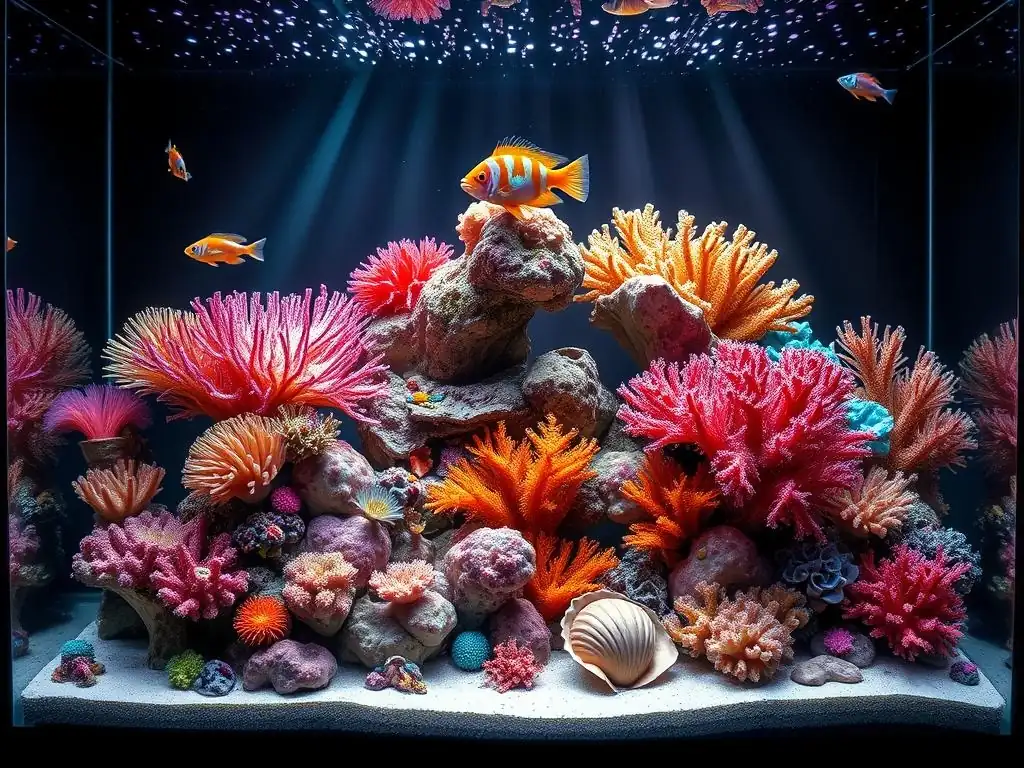
Ever dreamed of a thriving nano reef bursting with vibrant life, but felt overwhelmed by the stocking options? You're not alone! Dive into our Ultimate Nano Reef Stocking Guide, where we unlock the secrets to creating a harmonious ecosystem, featuring captivating gobies, blennies, and dragonets. Discover which of these miniature marvels will truly flourish in your nano environment and learn how to avoid common stocking mistakes. Ready to build your perfect little slice of the ocean? Let's explore!
- Introduction to Nano Reef Stocking
- Nano Reef Stocking Guide: Choosing the Right Fish
- Best Gobies for Nano Reef Aquariums
- Blennies for Nano Reefs: Algae Control and Personality
- Dragonets in Nano Reefs: A Challenging but Rewarding Choice
- Nano Reef Stocking: Avoiding Common Mistakes
- Maintaining a Healthy Nano Reef Stocking Plan
- Conclusion: Creating a Thriving Nano Reef with Gobies, Blennies & Dragonets
-
Frequently Asked Questions
- What is a nano reef tank, and why is it challenging to stock?
- What are some of the best fish choices for a nano reef according to the "Ultimate Nano Reef Stocking Guide"?
- What factors should I consider when choosing fish for my nano reef tank?
- How does water chemistry affect the success of a nano reef tank?
- Where can I find more detailed information on setting up and maintaining a nano reef aquarium?
- Final Reflection: The Delicate Dance of Nano Reef Life
- Dive Deeper: Build Your Dream Nano Reef Now!
Introduction to Nano Reef Stocking
Understanding Nano Reef Ecosystems for Successful Fishkeeping
Nano reef ecosystems, typically defined as saltwater aquariums under 30 gallons, present a unique set of challenges and opportunities for aquarists. Their smaller water volume means that environmental parameters can shift much more rapidly compared to larger systems. This necessitates a keen understanding of the delicate balance required, as any change, such as a slight temperature fluctuation or a minor increase in nitrates, can have a disproportionately significant impact on the inhabitants.
The biological filtration capacity of a nano reef is also inherently limited by its size. While live rock and a mature sand bed provide essential surface area for beneficial bacteria, the overall bioload that can be safely supported is considerably lower. Successfully managing a nano reef stocking plan hinges on maintaining a stable nitrogen cycle and preventing nutrient accumulation, which are more difficult in a confined aquatic environment.
Why Careful Stocking is Crucial for Nano Reef Health
Careful stocking is not merely a recommendation but a critical imperative for the long-term health and stability of any nano reef. Overstocking, even by a single fish, can quickly overwhelm the system's biological filtration, leading to dangerous ammonia and nitrite spikes, and persistently elevated nitrate levels. For instance, a 10-gallon nano reef might only safely support one small fish, and adding a second could lead to chronic water quality issues.
Beyond water chemistry, improper nano reef stocking leads to significant stress for the fish. Limited space often results in aggression, stunted growth, and a compromised immune system, making inhabitants highly susceptible to common marine diseases like Marine Ich ( Cryptocaryon irritans) or Velvet ( Amyloodinium ocellatum). A well-thought-out stocking plan ensures that each inhabitant has adequate space, resources, and a peaceful environment to thrive.
The Appeal of Gobies, Blennies & Dragonets in Nano Reefs
Gobies, blennies, and dragonets are often considered prime candidates for nano reef stocking due to their generally small adult sizes, unique personalities, and fascinating behaviors. Unlike larger reef fish, many species within these families remain compact, typically staying under 4 inches (10 cm), making them suitable for the confined spaces of tanks ranging from 10 to 30 gallons. Their relatively low bioload also minimizes the impact on the delicate water chemistry.
These fish add immense character and activity to a nano reef without overwhelming it. Gobies are known for their sand-sifting habits or symbiotic relationships with pistol shrimp, while blennies charm with their perching antics and algae-grazing efficiency. Dragonets, though challenging, offer unparalleled beauty and a unique challenge for experienced aquarists. Their diverse forms and functions make them ideal focal points in a carefully planned nano reef stocking guide.
Nano Reef Stocking Guide: Choosing the Right Fish
Evaluating Your Nano Reef's Capacity
Evaluating your nano reef's capacity goes beyond simply looking at its gallon rating; it involves understanding its true biological load potential. A 15-gallon nano reef with a mature, heavily aquascaped live rock structure and a deep sand bed will have a significantly higher biological capacity than a newly set up 20-gallon tank with minimal live rock. The "inch per gallon" rule, often cited for freshwater, is largely unsuitable and dangerous for marine, especially nano, systems where water volume is paramount.
The stability of your water parameters, the efficiency of your filtration system (including protein skimmer if applicable), and the maturity of your nitrogen cycle are far more accurate indicators of how many fish your nano reef can safely support. For instance, a 20-gallon nano reef might only be able to safely house one or two very small fish, whereas a larger 30-gallon system could potentially accommodate two or three, depending on species compatibility and adult size.
Key Factors to Consider Before Adding Fish
Tank Size and Dimensions
When considering nano reef stocking, the physical dimensions of your tank are just as important as its volume. A 20-gallon "long" tank, with its greater surface area and swimming length, offers more suitable space for active fish than a 20-gallon "high" tank of the same volume. For example, a Tailspot Blenny, while small, appreciates horizontal swimming space and numerous perching spots, which are better provided by a tank with a larger footprint.
Aquascaping plays a vital role in maximizing usable space and providing territories. Carefully arranged live rock can create caves, crevices, and distinct zones, reducing aggression among inhabitants. In a 10-gallon nano reef, space is extremely limited, often restricting you to a single, very small species like a Clown Goby. Even in a 20-gallon, careful planning is essential to avoid overcrowding.
Water Parameters and Stability
Maintaining stable water parameters is paramount in nano reefs, as their small volume makes them highly susceptible to rapid fluctuations. Consistent monitoring of salinity (1.023-1.026 specific gravity), temperature (75-82°F or 24-28°C), pH (8.0-8.4), alkalinity (8-12 dKH), calcium (400-450 ppm), and magnesium (1250-1350 ppm) is crucial. Even slight deviations can stress fish, compromising their immune systems and making them vulnerable to disease.
Regular, small water changes are far more effective at maintaining stability than infrequent, large ones. A weekly 10-15% water change is often recommended for nano reefs to replenish trace elements and export nitrates and phosphates. This consistent maintenance is a cornerstone of responsible nano reef stocking, ensuring that the aquatic environment remains pristine for its inhabitants.
Existing Inhabitants and Compatibility
Before adding any new fish to your nano reef stocking plan, thoroughly research its compatibility with your existing inhabitants. Aggression and territoriality are amplified in confined spaces, and a new addition can easily disrupt an established pecking order. For instance, introducing a second blenny to a 15-gallon tank already housing one can lead to constant chasing and stress, potentially resulting in the death of one or both fish.
Consider adult size, temperament, and feeding habits. A peaceful Clown Goby might be bullied by a more boisterous Bicolor Blenny if space is insufficient. Similarly, ensure that all fish will have access to food and that no one species will outcompete another. A successful nano reef stocking strategy prioritizes harmony and minimizes stress for all residents.
Best Gobies for Nano Reef Aquariums
Popular Goby Species for Small Reef Tanks
Clown Gobies (Gobiodon spp. ): Care and Compatibility
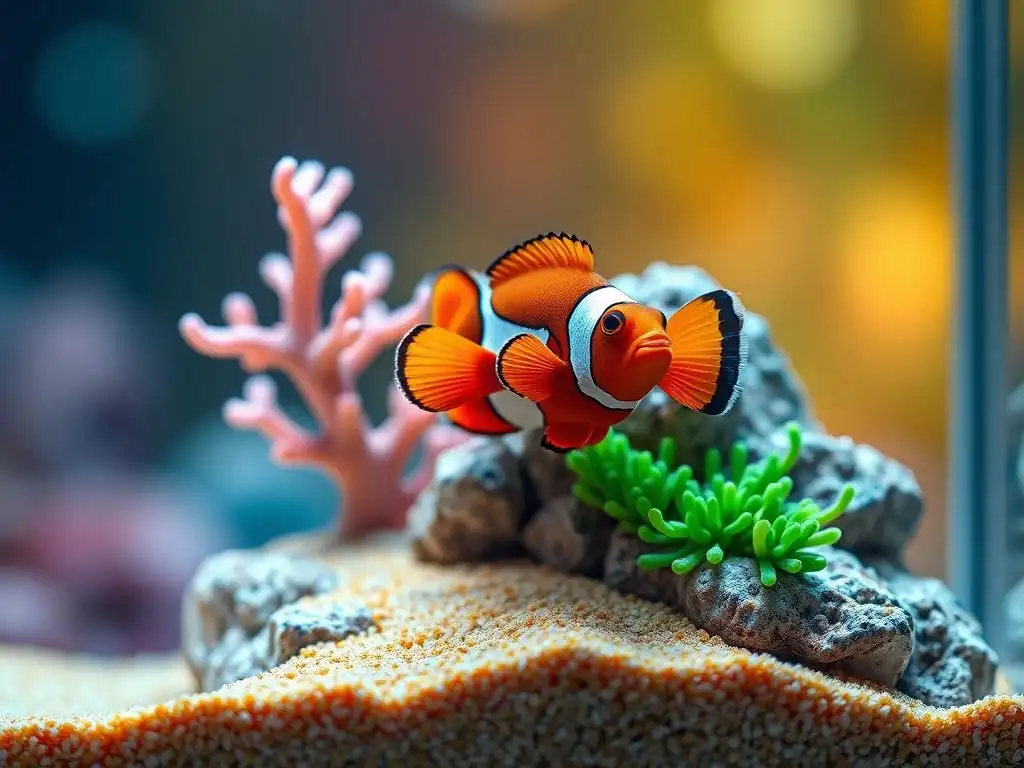
Clown Gobies, such as the Green Clown Goby ( Gobiodon atrangulatus) and Yellow Clown Goby ( Gobiodon okinawae), are excellent choices for nano reef stocking due to their diminutive size, typically reaching only 1.5-2 inches (3-5 cm). These charming fish are known for their habit of perching among coral branches, especially SPS corals like Acropora and Stylophora. They are generally peaceful, though in tanks under 15 gallons, it's best to keep only one unless a bonded pair is acquired.
Their diet consists primarily of small meaty foods, including enriched brine shrimp, mysis shrimp, and finely chopped seafood, often needing to be target-fed if they are shy. Clown Gobies have a very low bioload and are compatible with most peaceful invertebrates and corals. Their vibrant colors and unique perching behavior make them a delightful addition to any well-planned nano reef.
Yellow Watchman Goby (Cryptocentrus cinctus): Husbandry Tips
The Yellow Watchman Goby ( Cryptocentrus cinctus) is a popular and relatively hardy choice for nano reef stocking, suitable for tanks 15 gallons and larger. While they can reach up to 4 inches (10 cm), their relatively inactive nature makes them suitable for smaller footprints. They are famously known for their symbiotic relationship with pistol shrimp (e.g., Alpheus bellulus), where the shrimp digs a burrow and the goby acts as a lookout, providing fascinating behavioral interactions.
These gobies require a sand bed of at least 2-3 inches (5-7 cm) for burrowing, whether alone or with a shrimp partner. Their diet should consist of meaty foods like mysis shrimp, enriched brine shrimp, and small pellets. Ensure a tight-fitting lid, as Yellow Watchman Gobies are known jumpers. Their peaceful temperament and unique partnership make them an engaging centerpiece for a nano reef.
Neon Goby (Elacatinus oceanops): Disease Prevention
The Neon Goby ( Elacatinus oceanops) is a vibrant and active small fish, growing up to 2 inches (5 cm), making it an ideal candidate for nano reef stocking in tanks 10 gallons and larger. These gobies are famous for their "cleaner" behavior, occasionally picking parasites off other fish, though they should not be relied upon as a cure for established infections. Their distinctive electric blue stripe makes them highly visible and attractive.
While they may exhibit cleaning behavior, their primary diet consists of small meaty foods like enriched brine shrimp, cyclops, and finely crushed flakes or pellets. For disease prevention, the most crucial aspect is maintaining pristine water quality, with nitrates ideally below 10 ppm and phosphates near zero. Always quarantine new Neon Gobies for at least 3-4 weeks to prevent the introduction of pathogens into your carefully established nano reef.
Avoiding Problematic Gobies in Nano Reefs
While many gobies are excellent for nano reefs, some species are simply too large or too active for confined spaces. For example, the Diamond Watchman Goby ( Valenciennea puellaris) can grow up to 6 inches (15 cm) and requires a very deep sand bed (at least 4 inches or 10 cm) to sift, which generates a significant amount of detritus and can overwhelm a small system. Similarly, larger prawn gobies or sleeper gobies are generally unsuitable.
Certain gobies may also have very specific, difficult-to-meet dietary requirements or exhibit aggression towards other bottom-dwelling fish in small tanks. Always research the adult size, activity level, and temperament of any goby before considering it for your nano reef stocking plan. Prioritizing the long-term well-being of the fish over immediate appeal is key.
Blennies for Nano Reefs: Algae Control and Personality
Top Blenny Choices for Nano Aquariums
Tailspot Blenny (Ecsenius stigmatura): Feeding Habits
The Tailspot Blenny ( Ecsenius stigmatura) is a small, endearing fish, typically reaching about 2.5 inches (6 cm), making it an excellent choice for nano reef stocking in tanks 10 gallons and larger. Its distinctive black spot at the base of its tail and its inquisitive personality make it a favorite among aquarists. This blenny spends much of its time perching on rocks and observing its surroundings.
While Tailspot Blennies are known to graze on microalgae and diatoms, their diet should be supplemented with high-quality prepared foods. They readily accept spirulina-enriched flakes, pellets, and frozen foods like mysis shrimp or enriched brine shrimp. Ensuring a varied diet is crucial, as they may not find enough natural algae in a pristine nano reef to sustain them long-term.
Bicolor Blenny (Ecsenius bicolor): Tank Mate Considerations
The Bicolor Blenny ( Ecsenius bicolor) is a charismatic and hardy fish, growing up to 4 inches (10 cm), making it suitable for nano reef stocking in tanks 20 gallons and larger. Its striking two-tone coloration and bold personality add a dynamic element to any aquarium. Like other blennies, it enjoys perching on rocks and observing its environment.
While generally peaceful towards most other fish, Bicolor Blennies can be territorial towards other blennies or similarly shaped fish, especially in smaller tanks. It is highly recommended to keep only one Bicolor Blenny per nano reef unless the tank is significantly larger (e.g., 40+ gallons) and offers numerous distinct territories and hiding spots. Careful consideration of existing tank mates is vital for a harmonious nano reef stocking.
Lawnmower Blenny (Salarias fasciatus): Algae Grazing Efficiency
The Lawnmower Blenny ( Salarias fasciatus) is renowned for its exceptional algae-grazing efficiency, making it a tempting choice for nano reef stocking, particularly for tanks struggling with nuisance algae. However, it can reach up to 5 inches (12 cm), pushing the limits for what many consider a nano reef, and is best suited for larger nano systems (20-30 gallons minimum). It diligently consumes diatoms, hair algae, and some forms of cyanobacteria.
Despite its name, a Lawnmower Blenny can easily starve in a "clean" nano reef that lacks a continuous supply of natural algae. Supplementation with marine algae sheets (nori), spirulina flakes, and blenny-specific pellets is absolutely crucial. Before adding this species to your nano reef stocking plan, ensure you can provide a consistent and abundant food source to meet its significant grazing demands.
Blenny Aggression and Territory: What to Watch Out For
Many blenny species, particularly those in the Ecsenius genus, are highly territorial, a trait that becomes more pronounced in the confined spaces of a nano reef. They will establish a specific rock, cave, or crevice as their home and will vigorously defend it against perceived intruders. This can lead to persistent aggression, chasing, and fin nipping, especially towards other bottom-dwelling or similarly shaped fish.
Signs of blenny aggression include flaring fins, rapid darting, and direct physical confrontations. To prevent such issues in your nano reef stocking, avoid keeping multiple blenny species unless the tank is exceptionally large and offers ample distinct territories. Even then, careful observation is required. Understanding these behavioral nuances is key to a peaceful and thriving nano reef.
Dragonets in Nano Reefs: A Challenging but Rewarding Choice
Understanding Dragonet Care Requirements for Nano Reefs
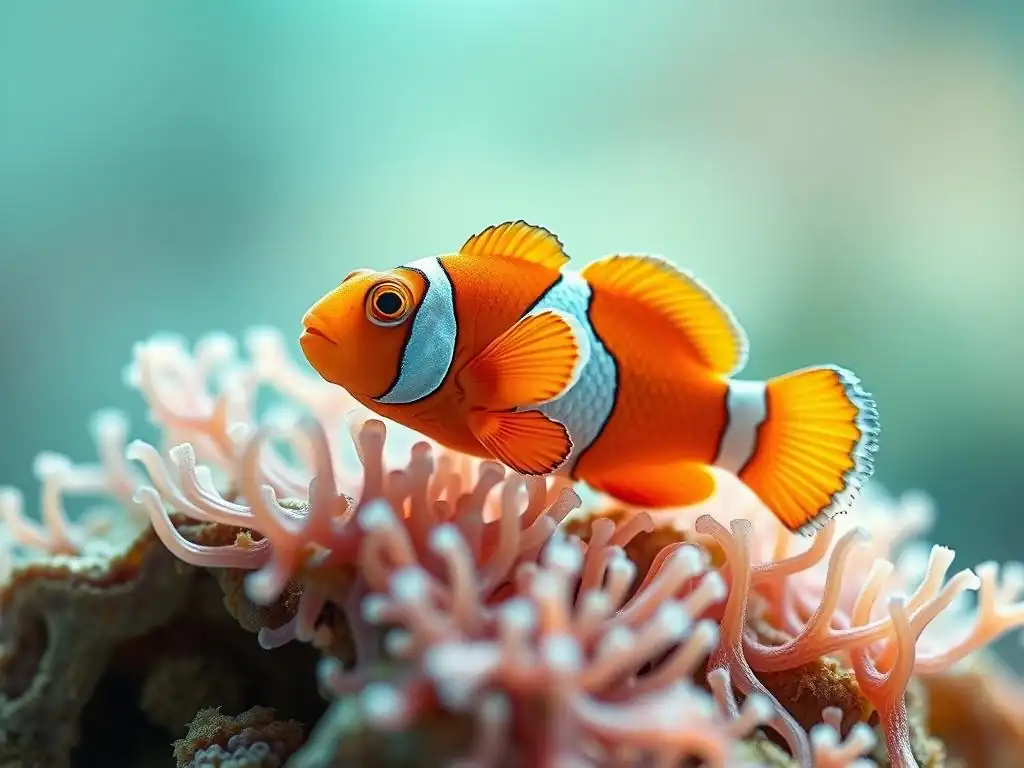
Dragonets, celebrated for their vibrant colors and unique appearance, are among the most challenging fish to keep in a nano reef due to their highly specialized dietary requirements. They are primarily micropredators, relying almost exclusively on a constant supply of live copepods and other microfauna that naturally populate live rock and sand beds. Nano reefs, with their smaller water volumes, often struggle to support the vast, continuous populations of these organisms needed to sustain a dragonet long-term.
The critical need for a mature aquarium, typically at least 6-12 months old, with a thriving ecosystem of microfauna, cannot be overstated for dragonet care. Many successful nano reef stocking plans for dragonets include a dedicated refugium (a separate chamber for cultivating copepods) or require regular supplementation with live copepod cultures from external sources. Without an abundant and continuous food supply, dragonets will slowly starve, even if they appear to be eating other foods.
Suitable Dragonet Species for Experienced Nano Reef Keepers
Ruby Red Dragonet (Synchiropus sycorax): Diet and Acclimation
The Ruby Red Dragonet ( Synchiropus sycorax) is a smaller and arguably more active alternative to the more common Mandarin Dragonet, typically reaching about 2 inches (5 cm). This makes it a slightly more viable, though still challenging, option for larger nano reefs (20+ gallons) that possess a very robust copepod population. Its stunning red and black patterns make it a highly desirable, albeit demanding, addition to a nano reef stocking.
While some Ruby Reds have been known to adapt to frozen foods like enriched mysis shrimp or cyclops, this is not guaranteed, and their primary diet remains live copepods. Acclimation should be slow and precise, ideally using a drip acclimation method for at least an hour to minimize stress. Introducing them to a tank with an existing, abundant copepod population is essential for their initial and ongoing survival.
Mandarin Dragonet (Synchiropus splendidus): Food Source Establishment
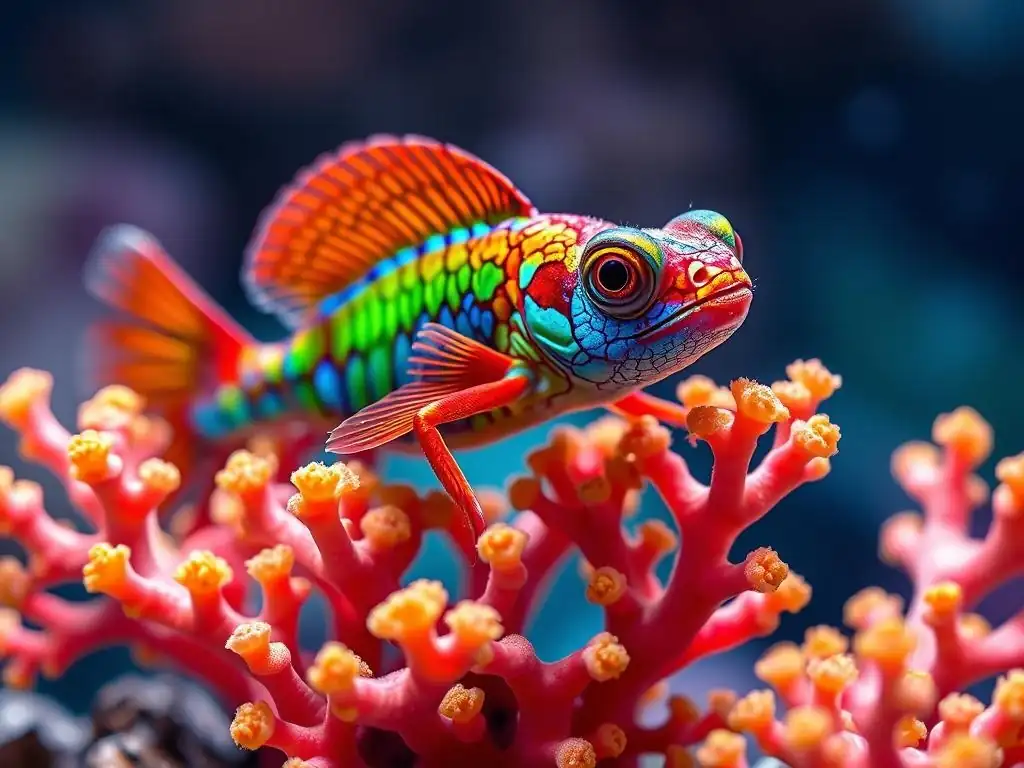
The Mandarin Dragonet ( Synchiropus splendidus) is perhaps the most iconic and sought-after dragonet, prized for its intricate patterns and brilliant coloration. However, it is also one of the most difficult fish to keep, especially in a nano reef. Mandarins can reach 3-4 inches (7-10 cm) and require a very mature, large nano reef (30+ gallons recommended) with an exceptionally dense and continuous supply of live copepods.
Establishing a sufficient food source for a Mandarin Dragonet typically involves a deep sand bed (3-4 inches or 7-10 cm) and a well-established refugium that actively cultures copepods. Many successful aquarists also regularly dose their tanks with live copepod cultures purchased from suppliers. Without this continuous, abundant supply of their natural prey, Mandarins will quickly decline and starve, making them a poor choice for any nano reef stocking unless these specific conditions can be met.
The Importance of a Mature and Established Reef for Dragonets
The success of incorporating dragonets into a nano reef stocking plan hinges entirely on the maturity and stability of the reef ecosystem. A tank needs many months, often a year or more, to develop the complex and thriving microfauna necessary to sustain these specialized feeders. This means ample live rock (typically 1.5 lbs per gallon or more) and a deep sand bed are not just decorative but are crucial habitats for their primary food source.
Even if a dragonet appears to accept frozen foods, its natural diet of live copepods is essential for its long-term health and vibrancy. Without a continuous, self-sustaining population of these tiny crustaceans, the fish will slowly waste away. This makes dragonets one of the most challenging, and often unsuitable, fish for all but the most dedicated and experienced nano reef keepers who have taken the time to establish a truly mature and biodiverse system.
Nano Reef Stocking: Avoiding Common Mistakes
Overstocking Your Nano Reef: The Dangers and Consequences
Overstocking is arguably the most common and detrimental mistake in nano reef stocking. Placing too many fish in a small volume of water rapidly increases the bioload, overwhelming the beneficial bacteria responsible for the nitrogen cycle. This inevitably leads to persistently high nitrate levels (e.g., above 20 ppm), rapid algae growth, and a higher risk of toxic ammonia or nitrite spikes, especially if filtration falters or power is lost.
Beyond water quality issues, crowding causes immense stress for the fish. It leads to stunted growth, where a fish meant to reach 3 inches might only grow to 1.5 inches, and constant aggression as fish compete for limited space and resources. This chronic stress compromises their immune systems, making them highly susceptible to diseases like Marine Ich, which can quickly decimate an entire nano reef stocking.
Incompatible Species: Preventing Aggression and Stress
Mixing incompatible species is another significant pitfall in nano reef stocking, leading to aggression, stress, and potential fatalities. Placing highly territorial fish (e.g., certain blennies) with shy, peaceful species (e.g., small gobies) in a confined space will almost certainly result in the bullying and eventual demise of the more timid fish. Similarly, even small predatory fish should never be mixed with very small, delicate inhabitants.
For instance, introducing a Coral Beauty Angelfish (which can reach 4 inches and exhibits territorial behavior) into a 20-gallon nano reef alongside a small Tailspot Blenny would likely result in chronic stress for the blenny. Always thoroughly research the adult size, temperament, and specific needs of every fish before considering it for your nano reef stocking plan to ensure a harmonious community.
Quarantine Procedures for New Nano Reef Fish
Implementing a strict quarantine procedure for all new fish is non-negotiable for the health of your nano reef stocking. A simple 5-10 gallon bare-bottom tank with a heater, small sponge filter, and PVC pipes for hiding provides a safe environment for new arrivals. This crucial step prevents the introduction of devastating diseases like Marine Ich, Velvet, or Brooklynella, which can wipe out an entire established display tank.
New fish should be observed in the quarantine tank for a minimum of 3-4 weeks. During this period, they can be proactively treated for common parasites (e.g., with copper for ich, or Prazipro for flukes) if necessary. Never add a fish directly from the fish store bag into your display nano reef; this is a primary vector for disease outbreaks and jeopardizes the health of your entire carefully curated nano reef stocking.
Gradual Introduction: Minimizing Disruptions to the Ecosystem
When adding new fish to your nano reef, a gradual introduction is vital, not just for the new inhabitant but for the entire ecosystem. Introduce new fish one at a time, with several weeks or even a month between additions. This allows your biological filter to slowly adjust to the increased bioload and gives existing fish time to acclimate to the presence of a new tank mate.
This phased approach significantly reduces stress on both the new arrival and the established residents. It also provides the aquarist with valuable time to observe compatibility, feeding habits, and overall health, ensuring that the new addition thrives and doesn't negatively impact the carefully balanced environment of your nano reef stocking. Patience in this process is a virtue that pays dividends in long-term tank stability.
Maintaining a Healthy Nano Reef Stocking Plan
Regular Water Testing and Maintenance
In a nano reef, regular water testing and meticulous maintenance are not optional; they are the bedrock of a healthy stocking plan. Due to the small water volume, parameters can shift rapidly, making weekly monitoring of salinity (1.025 specific gravity is ideal), temperature (76-78°F or 24-26°C), alkalinity (8-12 dKH), calcium (400-450 ppm), magnesium (1250-1350 ppm), nitrates (ideally below 10 ppm), and phosphates (ideally below 0.03 ppm) absolutely essential.
Consistent maintenance, including weekly 10-20% water changes, cleaning filter media, and siphoning detritus from the sand bed, is crucial for preventing nutrient buildup and maintaining stable parameters. These routine efforts directly impact the water quality and, consequently, the health and longevity of every fish within your nano reef stocking. Neglecting these tasks can quickly lead to an unhealthy environment.
Providing a Varied and Nutritious Diet
Even with the careful selection of fish for your nano reef stocking, their long-term health depends heavily on a varied and nutritious diet. While gobies, blennies, and dragonets have specific dietary needs, offering a mix of high-quality foods benefits all inhabitants. This should include a combination of premium frozen foods (e.g., mysis shrimp, enriched brine shrimp, rotifers, cyclops), high-quality dry foods (pellets and flakes), and marine algae sheets (nori) for herbivorous species.
It is highly recommended to soak dry foods in vitamin supplements (e.g., Selcon) to enhance their nutritional value and palatability. Feed small amounts multiple times a day rather than one large feeding, especially for small fish with high metabolisms. This approach ensures all fish receive adequate nutrition, prevents overfeeding, and helps maintain excellent water quality, which is paramount for a thriving nano reef stocking.
Observing Fish Behavior for Early Signs of Stress or Disease
Daily observation of your fish is a simple yet powerful tool for maintaining a healthy nano reef stocking. Look for any changes in their normal behavior, such as lethargy, rapid breathing, flashing against rocks, or unusual hiding. Pay attention to changes in appetite (refusal to eat or spitting out food) and physical signs like clamped fins, frayed edges, white spots (ich), cloudy eyes, or unusual redness.
Early detection of stress or disease is critical in nano reefs, as infections can spread through the small water volume with alarming speed. Isolated fish, faded colors, or unusual swimming patterns are all red flags. Prompt action, such as moving the affected fish to a quarantine tank for treatment, can save not only the individual but prevent an entire outbreak that could jeopardize your entire nano reef stocking.
Conclusion: Creating a Thriving Nano Reef with Gobies, Blennies & Dragonets
The Joy of a Well-Stocked and Balanced Nano Reef Aquarium
The journey of creating and maintaining a well-stocked and balanced nano reef aquarium is immensely rewarding. Despite their smaller size, these miniature marine ecosystems offer unparalleled visual appeal and the opportunity to observe fascinating behaviors from fish perfectly suited to their scale. The success achieved through careful planning, diligent research, and consistent maintenance brings a unique sense of accomplishment and mastery over a complex, living system.
A thriving nano reef, even with just one or two carefully chosen fish, demonstrates the aquarist's dedication to animal welfare and environmental stability. The vibrant colors of a Ruby Red Dragonet, the inquisitive antics of a Tailspot Blenny, or the diligent sand-sifting of a Yellow Watchman Goby, all thriving in a pristine environment, provide endless fascination and a peaceful escape. The ultimate nano reef stocking guide emphasizes quality over quantity, leading to a truly captivating display.
Resources for Further Learning about Nano Reef Stocking
For those committed to excelling in nano reef stocking, a wealth of resources exists beyond this guide. Reputable online forums and communities dedicated to nano reefs and marine aquaria are invaluable, offering real-time advice, troubleshooting tips, and species-specific discussions from experienced hobbyists. These platforms provide a dynamic source of information and support for continuous learning.
Additionally, consulting established marine aquarium books and scientific publications offers in-depth knowledge on fish physiology, water chemistry, and disease management. Attending local aquarium club meetings or visiting specialized marine fish stores can also provide expert insights and practical demonstrations. Continuous learning and engagement with the broader aquarium community are cornerstones of responsible and successful nano reef stocking.
Final Thoughts on Responsible Nano Reef Fishkeeping
Responsible nano reef fishkeeping boils down to a few core principles: patience, thorough research, and an unwavering commitment to the well-being of your aquatic inhabitants. A nano reef is a living, breathing ecosystem, and every decision regarding nano reef stocking has a direct and significant impact on its delicate balance. Avoid impulsive purchases and always prioritize the long-term health of your fish over fleeting desires.
Ultimately, the goal is to create a sustainable and beautiful miniature slice of the ocean that thrives for years to come. By adhering to the principles outlined in this ultimate nano reef stocking guide, you can enjoy the unique fulfillment of fostering a healthy, vibrant, and engaging marine environment, showcasing the incredible personalities of gobies, blennies, and dragonets.
Frequently Asked Questions
What is a nano reef tank, and why is it challenging to stock?
A nano reef tank is a small saltwater aquarium, typically under 30 gallons. Stocking is challenging due to the limited space and water volume, making it difficult to maintain stable water parameters.
What are some of the best fish choices for a nano reef according to the "Ultimate Nano Reef Stocking Guide"?
The guide highlights small fish such as gobies, blennies, and dragonets as suitable options. These fish are generally peaceful and adapt well to smaller environments.
What factors should I consider when choosing fish for my nano reef tank?
Consider factors such as adult size, temperament, and compatibility with other inhabitants. Ensuring the fish have the right diet and sufficient hiding places is also crucial.
How does water chemistry affect the success of a nano reef tank?
Maintaining stable water parameters like salinity, pH, and alkalinity is critical in a nano reef. Small fluctuations can have a significant impact on the health of the fish and invertebrates.
Where can I find more detailed information on setting up and maintaining a nano reef aquarium?
AquariumMastery.com provides comprehensive articles on freshwater and saltwater aquariums. You'll find guides on choosing fish, water chemistry, and troubleshooting tank issues.
Final Reflection: The Delicate Dance of Nano Reef Life
The principles outlined in this guide, focusing on compatibility and responsible stocking, are more crucial than ever in today's reefing community. The success of a nano reef hinges not just on the equipment, but on the careful selection and harmonious integration of its inhabitants. Ignoring these considerations can lead to devastating consequences, highlighting the importance of informed decision-making for the well-being of these miniature ecosystems.
This journey into the world of nano reef stocking has profoundly shaped my perspective on the interconnectedness of life, even within the confines of a small tank. Witnessing the delicate balance of a thriving nano reef is a constant reminder of the responsibility we bear as stewards of these miniature oceans. In the end, we will conserve only what we love; we will love only what we understand; and we will understand only what we are taught.
- Baba Dioum. This quote perfectly encapsulates the importance of education and understanding in preserving the beauty and fragility of our reefs, both large and small.
Now, armed with this knowledge, I encourage you to approach your own nano reef journey with intention and empathy. Consider the needs of each creature, research their compatibility, and strive to create a balanced and thriving ecosystem. Let your nano reef be a testament to responsible reef keeping, a miniature masterpiece reflecting the beauty and resilience of the ocean's wonders.
Dive Deeper: Build Your Dream Nano Reef Now!
Thanks for exploring the secrets to a thriving nano reef! We hope this guide has inspired you to create a vibrant underwater world. Now, let's turn that inspiration into action.
- Start Planning! Use our included compatibility chart to select your initial stocking list and research availability at your local fish store or reputable online retailer.
- Share the wisdom! Forward this guide to a fellow reefing enthusiast or post it in your favorite online aquarium forum to spark discussion.
- Go beyond the basics: Consider adding a rare and beneficial microfauna culture to your nano reef to support your livestock with a natural food source.
What fascinating nano reef inhabitant will you choose to feature in your aquarium masterpiece?