
Why Did My Clownfish Pair Stop Breeding? Investigating the Common Causes

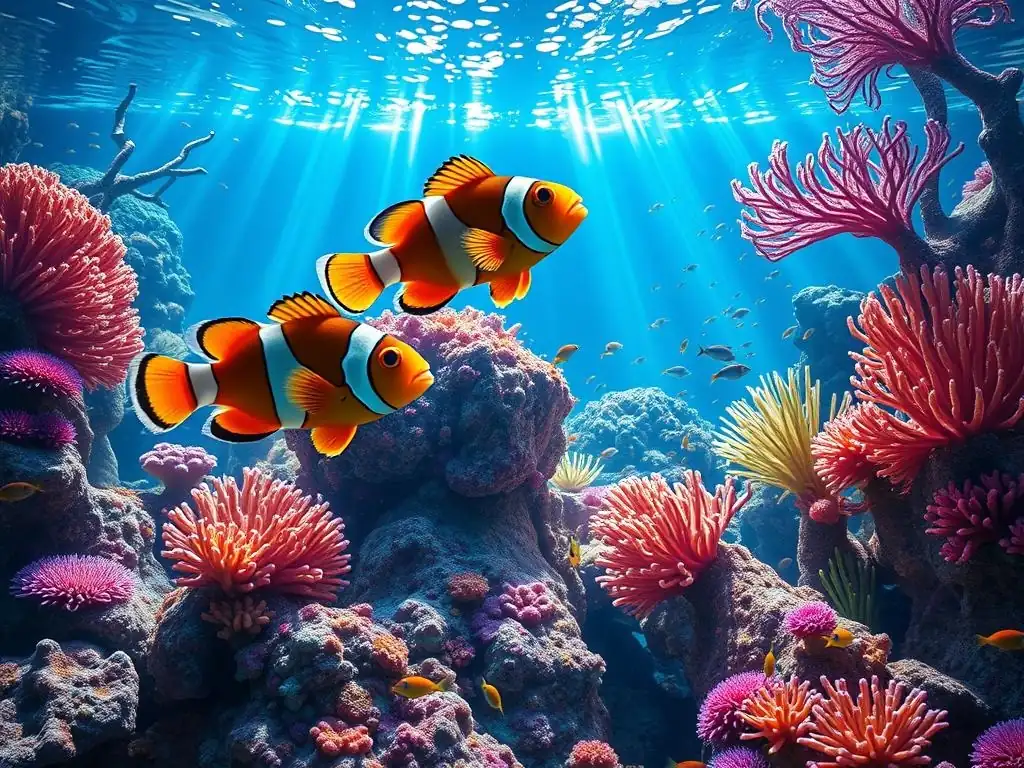
Welcome to Aquarium Mastery, where your underwater dreams become reality!
Ever wondered why your once-productive clownfish pair has suddenly stopped breeding? It's a common frustration for many saltwater enthusiasts, and understanding the clownfish breeding problems causes is key to getting them back on track. Dive into our latest article to uncover the secrets and solutions that will help you restore harmony to your tank and encourage those adorable little swimmers once again! Curious to know what might be affecting your pair? Let's explore!
- Understanding Clownfish Breeding Behavior: A Foundation for Troubleshooting
- Common Clownfish Breeding Problems Causes: A Deep Dive
- Troubleshooting Clownfish Breeding Problems: A Step-by-Step Approach
- Preventing Future Clownfish Breeding Issues: Proactive Measures
- Conclusion: Restoring Your Clownfish Pair's Breeding Success
-
Frequently Asked Questions
- Why did my clownfish pair suddenly stop breeding?
- How does water quality affect clownfish breeding?
- What kind of stressful events can stop clownfish breeding?
- Could disease or parasites be the reason my clownfish aren't breeding?
- How long should I wait before trying to reintroduce a breeding stimulus?
- Final Reflection: The Delicate Dance of Reproduction
- Revive Your Clownfish Romance!
Understanding Clownfish Breeding Behavior: A Foundation for Troubleshooting
The Natural Breeding Cycle of Clownfish: What to Expect
Clownfish, particularly popular species like the Ocellaris (Amphiprion ocellaris) and Percula (Amphiprion percula), exhibit a fascinating and relatively consistent breeding cycle in captivity when conditions are optimal. Once a pair has bonded and matured, they can lay clutches of eggs every 10 to 14 days, though some highly productive pairs may spawn as frequently as every 7 days.
The breeding ritual typically begins with the male meticulously cleaning a chosen spawning site, often a flat rock, a terracotta pot, or the base of their host anemone. This cleaning behavior, involving nipping and rubbing, can last for several days before egg laying commences.
During the actual spawning, the female will make repeated passes over the cleaned site, depositing hundreds of tiny, oval-shaped eggs, typically numbering between 100 to 1,000 depending on the female's size and age. Immediately following the female, the male will pass over the newly laid eggs, fertilizing them. The eggs are initially an orange or reddish color and are guarded diligently by both parents, though the male usually takes on the primary fanning and cleaning duties.
Over the incubation period, which typically lasts 7 to 10 days at a water temperature of 79-82°F (26-28°C), the eggs will gradually change color, becoming darker as the fry develop inside, eventually turning a silvery or dark gray color just before hatching. Hatching usually occurs at night, often just after the lights go out, a natural adaptation to avoid predation.
Establishing a Breeding Pair: Essential Conditions for Success
Establishing a successful clownfish breeding pair hinges on understanding their unique protandrous hermaphroditic nature, where all clownfish are born male and the largest, most dominant individual in a group transitions into a female. To form a pair, it is generally recommended to introduce two clownfish of significantly different sizes into the same tank.
For instance, a 1.5-inch individual and a 2.5-inch individual are likely to form a pair, with the larger becoming female and the smaller remaining male. Attempting to pair two fish of similar size can lead to prolonged aggression as they compete for dominance, potentially resulting in injury or even death, and will certainly hinder any breeding attempts.
Beyond size, a stable, mature aquarium environment is critical for pair formation and subsequent spawning. A dedicated breeding tank of at least 20-30 gallons for a single pair is often recommended to minimize external stressors and allow for precise environmental control. The fish should be well-fed with a varied, nutritious diet for several months to ensure they are in peak physical condition.
It typically takes 6 to 12 months for a newly formed pair to begin spawning consistently, with some pairs taking up to two years to mature and feel comfortable enough to reproduce. Their age also plays a role; clownfish generally reach their prime breeding years between 2 to 8 years old.
Key Indicators of a Healthy, Breeding Clownfish Pair
A healthy, actively breeding clownfish pair exhibits several distinct behaviors and physical characteristics that signal their readiness and success in reproduction. One of the most obvious indicators is the consistent display of pre-spawning behaviors, such as the male meticulously cleaning a chosen egg-laying site, often followed by the pair quivering or "shaking" side-by-side, and circling the area. The female's abdomen may appear noticeably swollen with eggs in the days leading up to spawning, a clear sign of impending egg deposition.
Furthermore, a healthy breeding pair will typically lay clutches of eggs regularly, often every 10-14 days, and these eggs should appear vibrant orange initially, gradually darkening as they develop. The parents, especially the male, will diligently fan and guard the eggs, protecting them from other tank inhabitants. Beyond breeding-specific behaviors, the fish themselves should display vibrant coloration, have clear eyes, and maintain a robust appetite.
They should be active, swim fluidly, and show no signs of stress such as clamped fins, rapid breathing, or excessive hiding. A strong, established pair bond, where they often stay close to each other and their host anemone or coral, is also a positive sign, indicating a comfortable and secure environment conducive to reproduction.
Common Clownfish Breeding Problems Causes: A Deep Dive
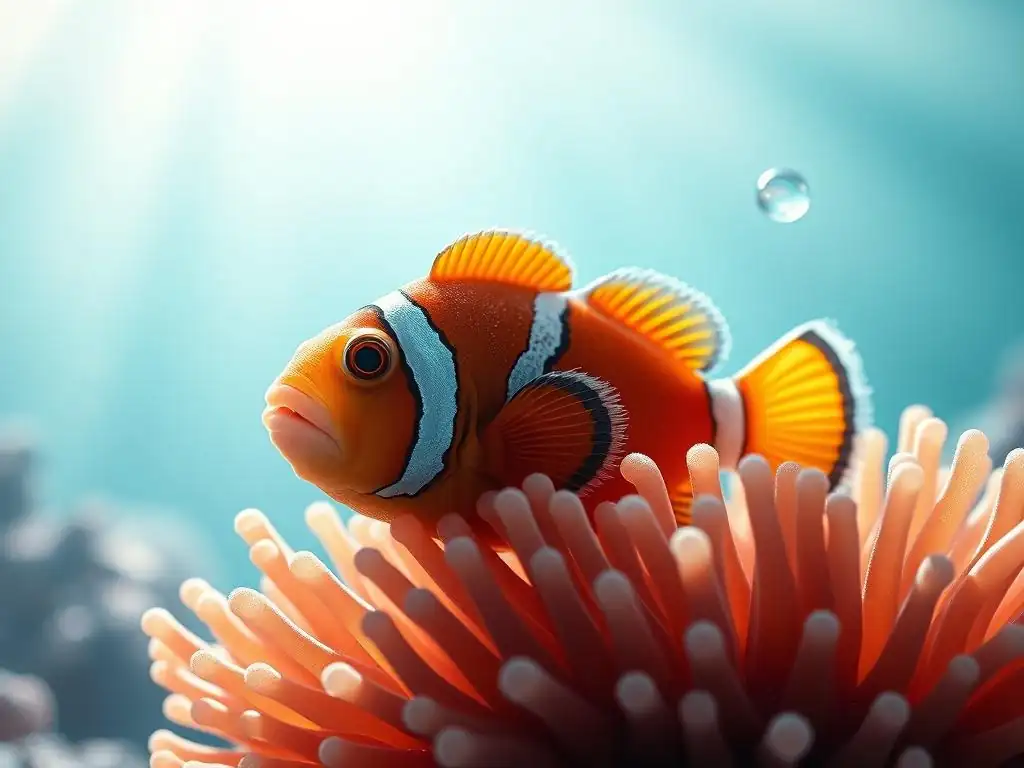
One of the most frustrating experiences for an aquarist is when a previously breeding clownfish pair stops spawning, or a seemingly healthy pair never starts. Investigating the common clownfish breeding problems causes requires a systematic approach, starting with the most fundamental aspects of their environment and care.
Water Quality Issues Impacting Clownfish Breeding
Water quality is the cornerstone of any successful marine aquarium, and its stability is paramount for breeding clownfish. Fluctuations or accumulation of harmful compounds are among the most frequent clownfish breeding problems causes, directly impacting the health of the fish and the viability of their eggs.
Ammonia and Nitrite Spikes: The Silent Killers of Clownfish Eggs
Ammonia (NH3/NH4+) and nitrite (NO2-) are highly toxic compounds that arise from the breakdown of organic waste in an aquarium. Even minute concentrations of these substances can be detrimental. For breeding clownfish, any detectable level of ammonia or nitrite (i.e., above 0 ppm) is a red flag. Ammonia, for instance, can cause severe gill damage, internal organ failure, and systemic stress, diverting the fish's energy away from reproduction.
More critically, clownfish eggs and newly hatched fry are incredibly delicate and far more susceptible to these toxins than adult fish. A sudden ammonia spike to even 0.25 ppm, which might only mildly stress an adult clownfish, can completely halt spawning activity or lead to 100% mortality of developing eggs within hours. Nitrite, while slightly less acutely toxic than ammonia, still impedes oxygen uptake, leading to "brown blood disease" and severe physiological stress, rendering the fish unable to breed effectively. Consistent monitoring and immediate action are crucial to prevent these silent killers from becoming significant clownfish breeding problems causes.
Nitrate Accumulation: Inhibiting Spawning in Clownfish
Nitrate (NO3-) is the final product of the nitrogen cycle and, while less toxic than ammonia and nitrite, its accumulation can still be a significant factor in clownfish breeding problems causes. For a thriving reef tank, nitrate levels are ideally kept below 10-20 ppm. However, for a consistently breeding clownfish pair, many successful breeders aim for levels below 5-10 ppm. High nitrate concentrations, especially those consistently above 20 ppm, act as a chronic stressor on marine fish.
This chronic stress compromises the fish's immune system, making them more susceptible to disease, and diverts metabolic energy away from reproductive processes. Fish living in high-nitrate environments may appear healthy but will often show reduced vigor, duller coloration, and a marked decrease or complete cessation of breeding activity. For example, a tank consistently registering nitrates at 40 ppm or higher will rarely see successful clownfish spawning, as the sub-optimal conditions inhibit the physiological processes necessary for egg production and fertilization. Regular water changes and efficient biological filtration are essential to keep these levels in check.
pH Instability: Disrupting the Breeding Process
The pH level of saltwater aquariums, ideally maintained between 8.0 and 8.4, is critical for the biochemical processes within marine fish. Instability in pH, particularly rapid fluctuations, can be a major clownfish breeding problems cause. Even if the average pH is within the acceptable range, daily swings of 0.2 to 0.4 units (e.g., dropping from 8.3 in the evening to 7.9 by morning) can cause significant physiological stress to clownfish.
These fluctuations impact the fish's osmoregulation, enzyme activity, and general metabolic functions, leading to reduced energy for reproduction. Furthermore, pH directly affects the viability of clownfish eggs and sperm. A pH that is too low or too high can denature proteins essential for fertilization and proper embryonic development, leading to infertile clutches or a high rate of egg mortality. Maintaining stable alkalinity (KH) levels, typically between 8-12 dKH, is crucial as it acts as a buffer, preventing drastic pH shifts and ensuring a more consistent environment for successful breeding.
Maintaining Optimal Water Parameters for Clownfish Breeding
To mitigate water quality as a leading clownfish breeding problems cause, rigorous adherence to optimal parameters is essential.
- Ammonia: 0 ppm
- Nitrite: 0 ppm
- Nitrate: <10 ppm (ideally <5 ppm for consistent breeding)
- pH: 8.0 - 8.4 (stable, minimal daily fluctuation)
- Salinity: 1.024 - 1.026 specific gravity (SG) or 34-35 ppt
- Temperature: 78-82°F (25.5-27.8°C)
- Alkalinity (KH): 8-12 dKH
- Calcium: 400-450 ppm
- Magnesium: 1250-1350 ppm
Regular testing is non-negotiable; daily testing for ammonia, nitrite, and pH during active breeding attempts, and weekly full panel tests otherwise, using reliable test kits (e.g., Salifert, Red Sea, Hanna Checkers). Consistent weekly water changes of 10-20% with high-quality RODI (Reverse Osmosis Deionized) water mixed with a reputable marine salt mix are vital for diluting nitrates and replenishing essential trace elements. Utilizing an automated top-off system with RODI water prevents salinity swings due to evaporation.
Environmental Stressors Affecting Clownfish Reproduction
Beyond water chemistry, the physical environment of the aquarium can exert significant stress on clownfish, making environmental factors prominent clownfish breeding problems causes. A stable and predictable environment is key to encouraging consistent spawning.
Temperature Fluctuations: How Heat and Cold Affect Breeding
Clownfish thrive within a specific temperature range, typically 78-82°F (25.5-27.8°C). While they can tolerate slight variations, significant or rapid temperature fluctuations are a major stressor that can halt breeding activities. A sudden drop of 3-4°F (1.5-2°C) due to a malfunctioning heater or a cold room, or an unexpected spike due to a heatwave, forces the fish to expend energy on osmoregulation and stress response rather than reproduction.
Consistent temperatures are also crucial for egg development. Fluctuating temperatures can lead to improper embryonic development, reduced hatch rates, or even the reabsorption of eggs by the female. For instance, a breeding pair kept at a consistent 80°F (26.7°C) might spawn every 10 days, whereas the same pair experiencing daily temperature swings between 76°F and 82°F (24.4-27.8°C) might stop spawning entirely or produce non-viable clutches. Stable temperature allows their metabolic processes to function optimally, directly supporting reproductive success.
Changes in Salinity: A Breeding Trigger Gone Wrong
Salinity, the measure of salt concentration in the water, is another critical environmental parameter for clownfish. An ideal specific gravity (SG) range of 1.024-1.026 (or 34-35 ppt) mimics their natural oceanic habitat. Just like temperature, rapid or significant changes in salinity can induce osmotic shock, placing immense stress on the fish's osmoregulatory system. For example, a daily fluctuation of 0.002 SG due to inconsistent top-off water or evaporation can be enough to disrupt their internal balance.
This stress can lead to a cessation of breeding as the fish prioritize survival over reproduction. Furthermore, the delicate eggs and newly hatched larvae are highly sensitive to salinity shifts. Inconsistent salinity can impair the development of the eggs or reduce the viability of the sperm, leading to infertile clutches. Maintaining a stable salinity through regular use of a calibrated refractometer and an automated top-off system with RODI water is essential to prevent this often-overlooked clownfish breeding problems cause.
Lighting Issues: Impact on Spawning Behavior
Lighting plays a subtle yet significant role in the reproductive cycle of clownfish. While specific light intensity isn't as critical as for corals, a consistent photoperiod (day/night cycle) is vital for regulating their internal biological clock and spawning cues. Clownfish typically lay their eggs during the morning hours, often within an hour or two of the lights coming on, and the eggs hatch at night, usually an hour or two after the lights go off.
Sudden changes in the lighting schedule, such as irregular on/off times, significantly shorter or longer photoperiods (e.g., less than 10 hours or more than 14 hours), or abrupt changes in light intensity, can disrupt these natural rhythms. This disruption can confuse their breeding cues, leading to a reduction in spawning frequency or a complete halt. While some aquarists experiment with slightly extended photoperiods (e.g., 14 hours) to potentially stimulate spawning, consistency is far more important than intensity or duration once a stable cycle is established.
Maintaining Stable Environmental Conditions: Utilizing Heaters, Chillers, and Consistent Lighting Schedules
To counteract environmental clownfish breeding problems causes, proactive measures are essential.
- Temperature Stability:
- Utilize reliable aquarium heaters (e.g., Eheim Jager, Cobalt Aquatics) sized appropriately for your tank volume.
- Employ a quality thermometer (digital or glass) to verify heater accuracy. Consider a temperature controller for added safety and precision.
- In warmer climates or during heatwaves, consider an aquarium chiller to prevent overheating, especially if tank temperatures consistently exceed 82°F (28°C).
- Salinity Stability:
- Use a high-quality, calibrated refractometer for accurate salinity readings.
- Implement an automatic top-off (ATO) system with RODI water to compensate for evaporation, preventing daily salinity swings.
- Perform regular water changes with pre-mixed saltwater that matches the tank's salinity.
- Lighting Consistency:
- Install an aquarium light timer (e.g., digital, smart plug) to ensure a precise and consistent photoperiod daily (e.g., 10-12 hours on).
- Avoid sudden changes in light intensity or duration once a breeding routine is established.
"Consistency is paramount. Just as a stable home environment supports human well-being, a stable aquatic environment is fundamental for the physiological and psychological comfort of clownfish, directly impacting their reproductive drive and success."
Nutritional Deficiencies and Clownfish Breeding
An often-underestimated clownfish breeding problems cause is inadequate nutrition. Breeding is an energy-intensive process, and a diet lacking essential nutrients can severely impact a pair's fertility and the viability of their eggs.
Inadequate Diet: Lack of Essential Nutrients for Egg Production
A diet solely consisting of basic dry flakes or pellets, even if labeled "marine fish food," may not provide the complete nutritional profile required for sustained breeding. Clownfish, especially breeding females, require high levels of protein (typically 45-55%), lipids (fats, particularly highly unsaturated fatty acids like DHA and EPA), and a comprehensive array of vitamins and minerals to produce viable eggs. A deficiency in these crucial components can lead to several clownfish breeding problems causes, including:
- Reduced Egg Production: The female may lay fewer eggs, less frequently, or stop laying altogether.
- Poor Egg Quality: Eggs may be small, discolored, or infertile.
- Female Reabsorption: The female may reabsorb her eggs if she lacks the energy or nutrients to complete the spawning process.
- Male Infertility: The male's sperm quality and quantity can also be affected by poor nutrition, leading to unfertilized eggs.
For example, a pair fed only a standard flake food might produce 200-300 eggs per clutch, but if their diet is enriched with high-quality frozen and live foods, that same pair could consistently lay 500-800 healthy eggs.
Importance of Live Foods: Rotifers, Copepods, and Brine Shrimp
Incorporating live foods into the diet of breeding clownfish is invaluable. Live foods not only stimulate natural hunting behaviors, reducing stress, but also provide highly bioavailable nutrients that are often superior to processed foods.
- Rotifers (Brachionus plicatilis): While primarily known as a first food for clownfish larvae, enriched adult rotifers can be beneficial for conditioning adult clownfish, providing a digestible source of protein and fatty acids.
- Copepods (e.g., Tisbe, Tigriopus): These tiny crustaceans are an excellent natural food source, rich in essential fatty acids. They can graze on detritus and algae in the tank, providing a continuous, natural food source for the clownfish.
- Brine Shrimp (Artemia salina): While live adult brine shrimp are not highly nutritious on their own, they can be "gut-loaded" or enriched with nutritional supplements (e.g., Selcon, spirulina) for 24 hours prior to feeding. This process makes them an exceptional delivery vehicle for concentrated nutrients, providing a significant boost for breeding pairs. Many successful breeders feed enriched adult brine shrimp or mysis shrimp several times a week.
Supplementing with Vitamins and Minerals: Enhancing Fertility
Even with a varied diet, supplementing with targeted vitamins and minerals can further enhance the fertility and overall health of breeding clownfish. Certain vitamins, particularly Vitamin A (for vision and reproductive health) and Vitamin E (a powerful antioxidant crucial for fertility), play direct roles in egg and sperm development. Essential trace minerals like iodine and selenium are also vital for metabolic processes, including those related to reproduction.
Liquid vitamin supplements designed for marine fish (e.g., Selcon, Vita-Chem, Zoecon) can be soaked into frozen or dry foods for 15-30 minutes before feeding. This ensures the fish receive a concentrated dose of these critical nutrients. This is especially important if consistent access to high-quality live foods is challenging.
- Consider soaking frozen foods (mysis shrimp, brine shrimp) in a liquid vitamin supplement 2-3 times per week.
- Ensure the salt mix used for water changes provides a comprehensive range of trace elements.
- Monitor fish for signs of deficiency (e.g., faded colors, lethargy) which could indicate a nutritional gap contributing to clownfish breeding problems causes.
Food Recommendations for Breeding Clownfish: Mysis Shrimp, High-Quality Flake, and Rotifers
A diverse and high-quality diet is paramount for resolving and preventing nutritional clownfish breeding problems causes.
-
Frozen Mysis Shrimp: Highly recommended due to their high protein and beneficial fatty acid content. Feed 2-3 times a day.
-
High-Quality Marine Flake/Pellet Food: Choose brands with high protein content (over 45%) and spirulina or other algae for plant-based nutrients (e.g., Omega One, New Life Spectrum). Use as a base daily feeding.
-
Frozen Brine Shrimp: Offer enriched brine shrimp (gut-loaded) 2-3 times a week as a treat and nutrient booster.
-
Live Foods: If possible, cultivate or purchase live rotifers and copepods. These can be added to the tank as a continuous food source or offered specifically to the breeding pair.
-
Nori/Marine Algae: While clownfish are primarily carnivores, some may nibble on marine algae, which provides additional vitamins and fiber.
-
Sample Daily Feeding Schedule for a Breeding Pair:
Morning (Lights On): High-quality marine flake/pellet
Mid-day: Frozen Mysis shrimp (soaked in vitamin supplement 2-3x/week)
Evening: Enriched frozen brine shrimp or live copepods/rotifers
Feed small amounts multiple times a day rather than one large meal to ensure all food is consumed and water quality is maintained.
The intricate social dynamics within an aquarium, particularly concerning the clownfish pair itself and other tank inhabitants, can be a significant and often overlooked clownfish breeding problems cause. A harmonious environment is crucial for successful reproduction.
Dominance Issues: Female Aggression Preventing Spawning
Clownfish form a strict linear hierarchy, with the largest individual becoming the dominant female and the second largest becoming the functional male. While some level of "pecking order" is normal, excessive aggression from the female towards the male can severely stress him, leading to a cessation of breeding. This aggression might manifest as constant chasing, nipping at fins, preventing the male from accessing food, or forcing him into hiding.
If the male is constantly stressed, his energy will be diverted from reproductive readiness to survival. He may become too intimidated to participate in the pre-spawning rituals or to fertilize the eggs effectively. For instance, if the male consistently has torn fins or refuses to leave a specific hiding spot, it's a strong indicator of undue female aggression. This imbalance in the pair bond is a common clownfish breeding problems cause, as a truly successful breeding pair requires cooperation and mutual comfort.
Introduction of New Fish: Disrupting the Established Pair
Clownfish, especially breeding pairs, are territorial. The introduction of new tank mates, particularly other clownfish or highly aggressive species, can severely disrupt an established pair's bond and breeding routine. Even seemingly peaceful fish can inadvertently cause stress by competing for food, swimming too close to the breeding site, or simply altering the established social structure of the tank.
The stress from new tank mates can lead to increased aggression within the clownfish pair (often the female taking out her stress on the male), hiding behavior, or a complete halt in spawning. Their focus shifts from reproduction to defending their territory or avoiding perceived threats. For example, adding a tang or another large, active fish to a smaller tank (e.g., 30 gallons) with a breeding clownfish pair can easily cause them to stop breeding due to perceived competition for space and resources.
Tank Size Limitations: Restricting Breeding Territory
While clownfish are not the largest marine fish, tank size can surprisingly be a prominent clownfish breeding problems cause. Although a single clownfish pair can survive in a 20-gallon tank, consistent breeding requires more space. A minimum of 30-40 gallons is often recommended for a dedicated breeding setup, allowing the pair sufficient territory to establish their spawning site and feel secure without being constantly in each other's immediate vicinity or too close to other tank inhabitants.
Overcrowding, even with non-aggressive fish, increases overall stress levels in the tank. When space is limited, the female's aggression towards the male can escalate, or the pair may simply feel too exposed or cramped to engage in the vulnerable act of spawning. A lack of sufficient "personal space" or clearly defined breeding territory can prevent the pair from feeling comfortable enough to reproduce. For instance, a pair housed in a 10-gallon tank, while able to survive, will almost certainly never breed due to the inherent stress of confinement and unstable water parameters in such a small volume.
Strategies for Maintaining a Harmonious Clownfish Pair: Observation, Separate Tanks, and Gradual Reintroduction
Maintaining a harmonious environment is crucial to preventing social dynamics from becoming clownfish breeding problems causes.
- Close Observation: Regularly spend time observing the pair's interactions, especially around feeding times and their preferred spawning site. Look for subtle signs of stress or excessive aggression, such as one fish constantly chasing the other, clamped fins, or refusal to eat.
- Adequate Space and Hiding Spots: Ensure the tank is appropriately sized for a breeding pair and any tank mates. Provide ample hiding spots, caves, and a host anemone or suitable coral (e.g., Euphyllia) where the pair can retreat and feel secure.
- Tank Dividers: If female aggression becomes severe and threatens the male's health, a temporary tank divider can be used to separate them while still allowing visual contact. This can give the male a chance to recover and reduce stress.
- Separate Tanks & Gradual Reintroduction: In extreme cases, separating the fish into different tanks for a period (e.g., a few weeks) might be necessary. Upon reintroduction, rearrange the tank decor to break established territories, or introduce the male first, allowing him to establish himself before the female.
- Careful Tank Mate Selection: Choose tank mates that are peaceful, do not compete directly for food or territory with clownfish, and are not known to be overly active or boisterous. Avoid adding other clownfish or highly aggressive species to a breeding setup.
Disease and Parasites: Impacting Clownfish Fertility
Underlying health issues, whether from internal parasites or bacterial infections, can severely impact a clownfish pair's ability to breed, making them critical clownfish breeding problems causes. A sick or weakened fish will prioritize healing and survival over reproduction.
Internal Parasites: Reducing Egg Viability
Internal parasites, such as nematodes (roundworms) or cestodes (tapeworms), can infest the digestive tract and other organs of clownfish. These parasites compete with the host for essential nutrients, leading to chronic malnutrition, weight loss (wasting), lethargy, and a compromised immune system. An infected fish, even if it appears to be eating, will not be able to allocate sufficient energy and resources towards egg or sperm production.
The presence of internal parasites can lead to several clownfish breeding problems causes, including:
- Reduced Fertility: Malnutrition directly impacts the quality and quantity of eggs and sperm.
- Egg Reabsorption: The female may reabsorb her eggs if her body lacks the necessary resources to develop them fully.
- Weakened Fry: If eggs are laid, the resulting fry may be weak, sickly, or have a high mortality rate due to inherited parasitic loads or poor initial health from the parents.
- For example, a clownfish pair that suddenly stops breeding and shows signs of unexplained weight loss despite a good appetite might be suffering from internal worms.
Bacterial Infections: Affecting Overall Health and Breeding
Bacterial infections, both external (e.g., fin rot, skin lesions) and internal (e.g., systemic infections, septicemia), are often secondary to stress, poor water quality, or pre-existing parasitic infestations. A clownfish suffering from a bacterial infection will typically exhibit symptoms such as lethargy, loss of appetite, clamped fins, ragged fins, cloudy eyes, or visible lesions on the body.
Such infections place immense physiological stress on the fish, diverting all available energy towards fighting the disease. This leaves no energy for reproductive processes. A fish that is actively combating a bacterial infection will not be able to spawn, and even if it did, the eggs would likely be infertile or non-viable due to the poor health of the parents. Maintaining pristine water quality is a primary defense against opportunistic bacterial infections, which can easily become significant clownfish breeding problems causes.
Treatment Options and Prevention Strategies
Addressing disease as a clownfish breeding problems cause requires a proactive and cautious approach.
- Quarantine New Fish: Always quarantine new fish for 4-6 weeks in a separate tank before introducing them to your main display or breeding tank. This prevents the introduction of diseases and parasites.
- Maintain Pristine Water Quality: Consistently optimal water parameters are the best defense against opportunistic bacterial infections, as they reduce stress and strengthen the fish's immune system.
- Balanced Diet: A nutritious diet boosts the immune system, making fish more resilient to disease.
- Appropriate Medications: If a disease is suspected, accurate diagnosis is crucial.
- For internal parasites, broad-spectrum dewormers like metronidazole (e.g., in foods like Seachem Focus or MetroPlex) or praziquantel can be effective, often administered via medicated food.
- For bacterial infections, specific antibiotics (e.g., erythromycin, nitrofurazone) may be used, but always follow veterinary advice or product instructions carefully.
"Administering medications should always be a last resort and based on a confirmed diagnosis, as indiscriminate use can harm beneficial bacteria and stress the fish further."
- Stress Reduction: Minimize environmental stressors (temperature swings, aggression, overcrowding) to keep fish healthy and less susceptible to illness.
Age and Genetic Factors in Clownfish Breeding
While often less common than environmental or nutritional issues, the inherent biological factors of age and genetics can sometimes be the underlying clownfish breeding problems causes. These factors represent the natural limitations on a pair's reproductive potential.
Aging Clownfish: Decreased Fertility Over Time
Clownfish are long-lived, often surviving for 10 to 15 years or even longer in captivity. However, their peak breeding years are typically between 3 and 8 years of age. As clownfish age, their fertility naturally declines, much like in many other animal species. An older female may produce fewer eggs per clutch, spawn less frequently, or lay clutches that have a higher percentage of infertile eggs.
For example, a pair that consistently spawned every 10-14 days in their prime (ages 4-7) might gradually slow down to once a month, then every few months, and eventually stop breeding entirely by the time they reach 10-12 years old, even if all other environmental conditions are perfect. This natural decline in reproductive capacity due to senescence is an unavoidable clownfish breeding problems cause.
Genetic Incompatibility: Unsuccessful Fertilization
In rare instances, a clownfish pair may appear to do everything right—they bond, clean a site, and the female lays eggs, and the male fertilizes them—but the eggs consistently fail to hatch, or only a very small percentage hatch. If all other potential clownfish breeding problems causes (water quality, nutrition, environment, disease) have been thoroughly ruled out, genetic incompatibility between the male and female could be a factor.
This means that despite the physical act of spawning and fertilization, the genetic material from the two fish is not compatible enough to produce viable embryos. This is very difficult to diagnose without advanced genetic testing and is generally considered a last resort explanation. If a pair consistently lays infertile eggs over many cycles, and they are otherwise healthy and in optimal conditions, replacing one or both fish with new, genetically unrelated individuals might be the only solution.
Selecting Healthy Breeding Stock
To minimize age and genetic factors as clownfish breeding problems causes, careful selection of your initial breeding stock is important.
- Choose Young, Healthy Fish: Opt for clownfish that are young (e.g., 1-2 years old), active, brightly colored, and free of any visible signs of disease or physical deformities.
- Reputable Source: Purchase fish from a reputable local fish store or breeder who can provide information on the fish's history and health.
- Observe Parents (if possible): If buying from a local breeder, observing the parent fish can give an indication of their health and breeding consistency.
- Avoid Stunted Fish: Do not select fish that appear significantly smaller than their age suggests, as this can indicate poor health or genetic issues.
- Gradual Pairing: When forming a pair, introduce fish of significantly different sizes to ensure a smooth transition into male and female roles, reducing stress.
Troubleshooting Clownfish Breeding Problems: A Step-by-Step Approach
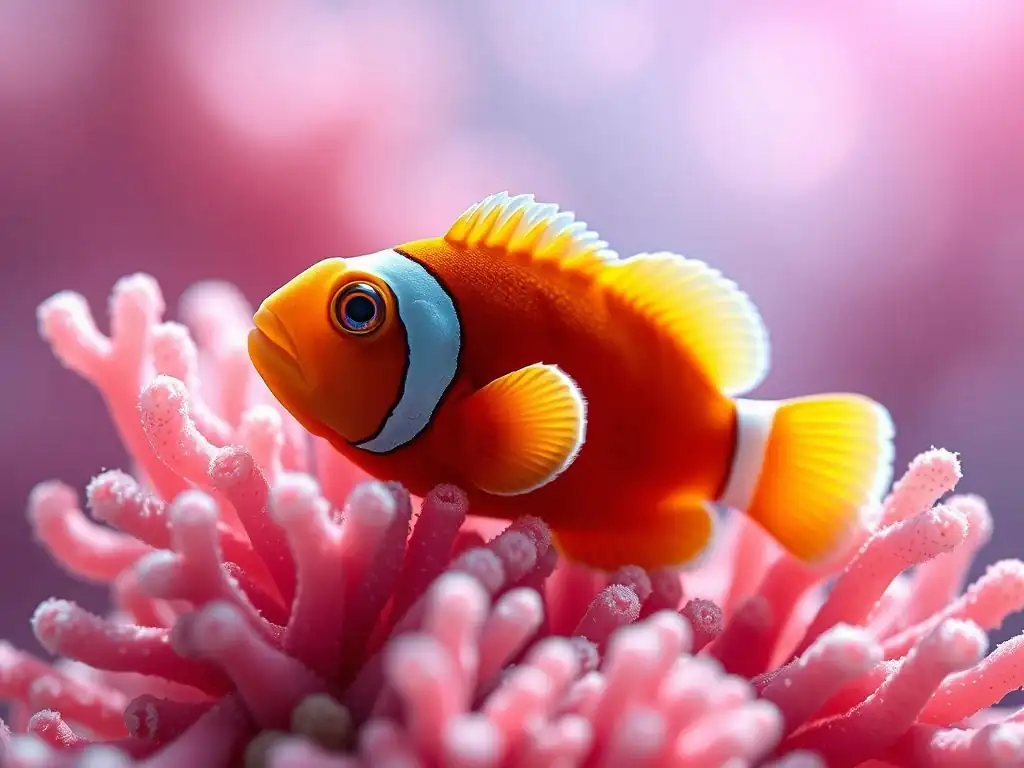
When your clownfish pair stops breeding, a systematic troubleshooting process is essential. Rather than randomly changing parameters, a methodical approach helps identify the specific clownfish breeding problems causes.
Assessing Your Tank's Water Parameters
The first and most critical step in troubleshooting is to conduct a comprehensive assessment of your aquarium's water parameters.
- Full Test Suite: Do not rely on just a few tests. Obtain accurate readings for Ammonia, Nitrite, Nitrate, pH, Salinity (Specific Gravity), Temperature, Alkalinity (dKH), Calcium, and Magnesium.
- Reliable Test Kits: Use high-quality, recently expired test kits (e.g., Salifert, Red Sea, Hanna Checkers) and calibrate refractometers regularly.
- Record Keeping: Maintain a logbook of your daily and weekly water parameters. This allows you to identify trends or sudden shifts that might have occurred unnoticed.
- Compare to Optimal: Compare your current readings against the optimal ranges for breeding clownfish (e.g., Ammonia/Nitrite 0 ppm, Nitrate <10 ppm, pH 8.0-8.4, Salinity 1.024-1.026 SG, Temp 78-82°F, KH 8-12 dKH, Calcium 400-450 ppm, Magnesium 1250-1350 ppm).
- Address Deviations: Immediately address any parameters that are outside the optimal range through water changes, top-off adjustments, or chemical additions as necessary. For instance, if nitrates are high, increase water change frequency. If pH is unstable, check alkalinity.
Evaluating Your Clownfish Pair's Diet and Feeding Habits
Once water parameters are verified, the next step is to scrutinize your clownfish pair's diet and feeding routine, as nutritional deficiencies are common clownfish breeding problems causes.
- Dietary Review: List all foods fed over the past several months. Is it varied? Does it include high-protein frozen foods, live foods, and vitamin supplements?
- Feeding Frequency and Quantity: Are you feeding small amounts multiple times a day, or large infrequent meals? Are both fish getting enough to eat, or is one being outcompeted?
- Appetite and Condition: Observe their appetite. Are they eating enthusiastically? Do they appear plump and healthy, or are they thin or lethargic?
- Introduce Enrichment: If your diet is primarily dry foods, immediately introduce high-quality frozen foods like mysis shrimp, enriched brine shrimp, and consider live copepods or rotifers. Soak frozen foods in a liquid vitamin supplement (e.g., Selcon) 2-3 times a week.
- Observe Digestion: Monitor their waste. Healthy waste indicates proper digestion.
Social dynamics, particularly aggression within the pair or from other tank mates, can be subtle yet impactful clownfish breeding problems causes.
- Dedicated Observation Time: Spend at least 15-30 minutes daily observing your pair's interactions, especially during feeding and around their preferred spawning site.
- Signs of Aggression: Look for chasing, nipping, fin damage on the male, or one fish constantly hiding. Is the female overly dominant?
- Tank Mate Impact: Are other tank mates harassing the clownfish, competing for food, or encroaching on their territory?
- Territory and Hiding Spots: Is there enough space for the pair, and are there adequate hiding spots or a host anemone/coral for them to feel secure?
- Intervention: If severe aggression is noted, consider temporary separation using a tank divider or even moving one fish to a separate tank for a period. Rearranging rockwork can sometimes help redefine territories upon reintroduction.
Consulting with a Veterinarian or Experienced Aquarist
If you have systematically checked and corrected water parameters, diet, and social dynamics, and your clownfish pair still isn't breeding, it's time to seek expert advice.
- Marine Fish Veterinarian: For suspected health issues (internal parasites, bacterial infections) that are not visibly obvious, a marine fish veterinarian can provide a professional diagnosis and recommend appropriate treatment. They can identify underlying health clownfish breeding problems causes that are difficult for the average aquarist to pinpoint.
- Experienced Aquarists/Breeders: Reach out to local aquarium clubs, online forums with reputable members, or experienced breeders in your area. They may have encountered similar issues and can offer practical advice based on their extensive experience. They might spot subtle nuances in your setup or fish behavior that you've overlooked.
- Detailed Information: When consulting, provide as much detail as possible: tank size, inhabitants, full water parameters (with history), feeding regimen, behavioral observations, and any past breeding history. The more information you provide, the better the advice you'll receive.
Preventing Future Clownfish Breeding Issues: Proactive Measures
Preventing clownfish breeding problems causes is far more effective than troubleshooting them. Proactive measures create a stable, healthy environment that consistently supports reproduction.
Regular Water Testing and Maintenance
Consistency is key to preventing water quality from becoming a clownfish breeding problems cause.
- Scheduled Testing: Establish a routine for water testing. For an active breeding setup, daily checks for ammonia, nitrite, and pH are beneficial, with a full panel (nitrate, alkalinity, calcium, magnesium, salinity, temperature) conducted weekly.
- Consistent Water Changes: Perform regular water changes, typically 10-15% of the tank volume weekly, using high-quality RODI water mixed with a reputable marine salt. This dilutes nitrates, replenishes trace elements, and maintains overall water purity.
- Automated Top-Off (ATO): Invest in an ATO system to automatically replenish evaporated water with RODI water. This prevents daily salinity fluctuations, a major stressor.
- Filter Maintenance: Regularly clean mechanical filtration (filter socks, sponges) and maintain biological filtration (live rock, bio-media) to ensure efficient nutrient export and stable nitrogen cycling.
Providing a Balanced and Varied Diet
A comprehensive nutritional program is fundamental for sustained breeding success and prevents dietary clownfish breeding problems causes.
- Diverse Food Sources: Offer a wide variety of high-quality foods, including frozen mysis shrimp, enriched brine shrimp, spirulina-based flakes/pellets, and, if possible, live copepods or rotifers.
- Vitamin Supplementation: Regularly soak frozen foods in liquid vitamin supplements (e.g., Selcon, Vita-Chem) 2-3 times per week to ensure adequate intake of essential vitamins and fatty acids crucial for egg and sperm production.
- Multiple Feedings: Feed small amounts 2-3 times a day to ensure all fish get enough food and to mimic natural grazing behaviors, without overfeeding.
- Monitor Condition: Continuously observe your clownfish's body condition. They should appear plump and active, not thin or lethargic.
Proactive management of social dynamics prevents behavioral issues from becoming clownfish breeding problems causes.
- Continuous Observation: Regularly observe your clownfish pair for any signs of increased aggression, stress, or changes in their bonding behavior. Pay attention to how they interact with other tank mates.
- Adequate Space: Ensure your tank provides ample space for the breeding pair and any other inhabitants. A minimum of 30-40 gallons for a dedicated breeding pair is a good starting point, with more space being beneficial.
- Appropriate Tank Mates: Select tank mates carefully. Avoid adding other clownfish or highly aggressive species that might stress the breeding pair or compete for their territory. Peaceful, reef-safe fish are best.
- Hiding Spots and Host: Provide plenty of rockwork, caves, and a suitable host anemone or coral (e.g., bubble tip anemone, Euphyllia) where the pair can retreat and feel secure. This reduces stress and reinforces their territory.
- Early Intervention: If you notice escalating aggression or severe stress, intervene early. This might involve rearranging decor, adding more hiding spots, or, in severe cases, using a tank divider or temporarily separating the fish to allow them to de-stress.
Maintaining a Stress-Free Environment
Overall environmental stability is paramount for preventing stress-related clownfish breeding problems causes.
- Consistent Parameters: Avoid sudden changes in temperature, salinity, or lighting. Use reliable equipment (heaters, chillers, ATO, light timers) to maintain stable conditions.
- Quiet Environment: Place the tank in a low-traffic area where it won't be subjected to loud noises, sudden movements, or vibrations.
- Quarantine Protocol: Implement a strict quarantine protocol for all new fish, corals, and invertebrates to prevent the introduction of diseases and parasites into your main breeding tank.
- Stable Host: A healthy, established host anemone or host coral provides a sense of security for clownfish, significantly reducing their stress levels and encouraging breeding. Ensure the host is also thriving in your tank conditions.
Conclusion: Restoring Your Clownfish Pair's Breeding Success
Observing your clownfish pair cease their breeding activities can be disheartening, but it is often a clear signal that something in their environment or care needs adjustment. By systematically investigating the common clownfish breeding problems causes—ranging from subtle shifts in water quality and environmental stressors to nutritional deficiencies, social dynamics, and underlying health issues—you gain the knowledge to pinpoint the specific challenges your pair faces.
Restoring your clownfish pair's breeding success requires diligence, patience, and a commitment to providing an optimal, stable, and enriched environment. Remember that each pair is unique, and sometimes minor tweaks can make a significant difference. By proactively maintaining pristine water parameters, offering a varied and nutritious diet, ensuring harmonious social interactions, and minimizing overall stress, you can significantly increase the likelihood of your clownfish pair resuming their fascinating reproductive journey, bringing the joy of new life to your aquarium.
Frequently Asked Questions
Why did my clownfish pair suddenly stop breeding?
Several factors can cause a breeding hiatus, including water quality changes, stressful events, or disease. Identifying and addressing these issues is crucial for resuming breeding.
How does water quality affect clownfish breeding?
Poor water quality, such as elevated nitrates or ammonia, can severely impact clownfish breeding. Maintaining stable and pristine water parameters is vital for successful spawning.
What kind of stressful events can stop clownfish breeding?
Stressful events like tankmate aggression, sudden temperature fluctuations, or major tank disturbances can disrupt breeding cycles. Minimize stress to encourage spawning.
Could disease or parasites be the reason my clownfish aren't breeding?
Yes, internal or external parasites and diseases can weaken clownfish and inhibit their ability to breed. A quarantine and treatment might be necessary.
How long should I wait before trying to reintroduce a breeding stimulus?
After addressing potential issues, allow the pair time to recover. It may take several weeks to months before they resume breeding. Patience is key.
Final Reflection: The Delicate Dance of Reproduction
The challenges outlined in this article, detailing the complexities of clownfish breeding, are not merely academic observations. They represent a microcosm of the broader fragility inherent in all ecosystems, reminding us that even seemingly simple processes are built upon a delicate balance of environmental and biological factors. Understanding these potential pitfalls is crucial, not just for aquarists, but for anyone concerned with the preservation of biodiversity.
This exploration into clownfish breeding problems has underscored the importance of mindful stewardship. It's a humbling reminder that our actions, even within the confines of a home aquarium, can have profound consequences. We are tied to the ocean. And when we go back to the sea, whether it is to sail or to watch - we are going back from whence we came.
- John F. Kennedy. This quote resonates deeply, highlighting our intrinsic connection to the marine world and the responsibility we bear to protect it.
Now, consider the lessons learned. What changes can you implement in your own approach to aquarium keeping, or even in your broader lifestyle, to foster a more sustainable and harmonious relationship with the natural world? Let the struggles of these clownfish inspire you to become a more informed, compassionate, and proactive guardian of our planet's precious resources.
Revive Your Clownfish Romance!
Thanks for diving into the world of clownfish breeding! Now that you're equipped with the knowledge to troubleshoot your pair's lull, it's time to reignite their spark.
Here's how to get started:
- Re-evaluate and adjust your water parameters. This is crucial and should be your first step. Aim for stability and replicate their ideal breeding conditions.
- Share your clownfish breeding journey on your favorite aquarium forum. Connecting with other breeders can offer unique insights and solutions.
- Try introducing a new, exciting rock formation to their tank! Sometimes, a change of scenery can be just what they need.
What specific adjustment will you make this week to bring back the baby clownfish?