
The Impact of Tank Mates on Clownfish Breeding Success: Friend or Foe?

Welcome to Aquarium Mastery!
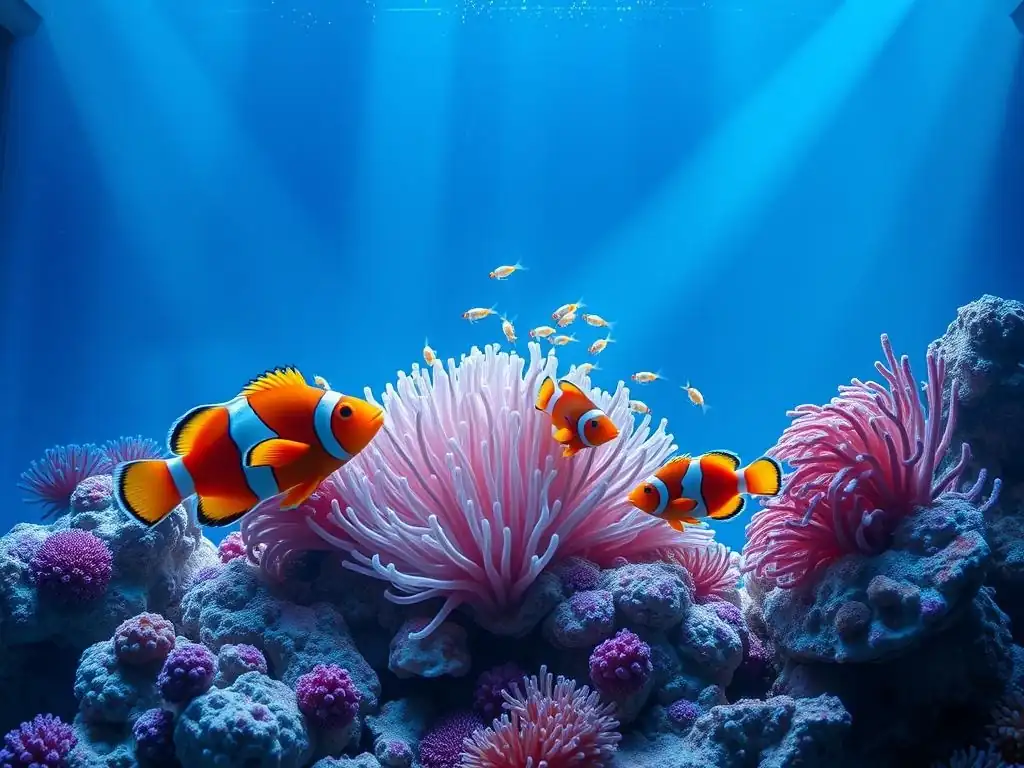
Ever wondered if your dream of breeding clownfish is being sabotaged by the unlikely suspects in your tank? Dive into our comprehensive guide, " The Impact of Tank Mates on Clownfish Breeding Success: Friend or Foe?" Discover which species can help or hinder your efforts, and unlock the secrets to creating the perfect breeding environment. Ready to ensure your clownfish thrive? Let's explore!
- The Impact of Tank Mates on Clownfish Breeding Success
- Understanding Clownfish Breeding Behavior
- The Role of Tank Mates in a Clownfish Breeding Tank
- Identifying Compatible Clownfish Breeding Tank Mates
- Managing Tank Mate Interactions During Clownfish Breeding
- Case Studies: Clownfish Breeding Success with Specific Tank Mates
- Optimizing Your Clownfish Breeding Tank for Success
- Conclusion: Balancing a Thriving Reef Tank with Successful Clownfish Breeding
-
Frequently Asked Questions
- What are the ideal tank parameters for a clownfish breeding tank, considering tank mates?
- Which types of fish are considered "foe" tank mates and should be avoided in a clownfish breeding tank?
- What types of invertebrates can be safely kept as tank mates in a clownfish breeding tank?
- How does the size of the tank influence the success of clownfish breeding with tank mates present?
- What are some signs that tank mates are negatively impacting my clownfish breeding pair?
- Final Reflection: Nurturing Harmony in the Reef
- Ignite Your Clownfish Breeding Journey!
The Impact of Tank Mates on Clownfish Breeding Success
Understanding Clownfish Breeding Behavior
The Ideal Clownfish Breeding Environment
For successful clownfish breeding, establishing an optimal and stable environment is paramount. A dedicated breeding tank, typically ranging from 20 to 40 gallons for a single pair of Ocellaris or Percula clownfish, provides sufficient space without the stress of cohabitation. Key water parameters must be meticulously maintained: temperature ideally between 78-82°F (25.5-27.8°C), salinity at 1.024-1.026 specific gravity, and pH levels consistently between 8.1 and 8.4. Low nitrates, preferably below 10 ppm, are also crucial for the health of both adults and developing eggs.
Beyond stable water chemistry, the physical setup plays a vital role. Clownfish are substrate spawners, preferring a flat, smooth surface for egg deposition. While an anemone (such as a Bubble Tip Anemone, Entacmaea quadricolor, or Sebae Anemone, Heteractis crispa) provides a natural host and a sense of security, it is not strictly necessary for breeding. Many breeders successfully use alternative spawning sites like terracotta pots, smooth rocks, or even PVC pipes. Providing a chosen spawning site, adequate flow for egg fanning, and appropriate lighting conditions (often 10-12 hours daily) further encourages the pair to feel secure enough to reproduce.
Factors Influencing Clownfish Pair Formation
Clownfish exhibit sequential hermaphroditism, meaning all are born male, and the largest individual in a group typically transforms into a female, with the second largest becoming the dominant male. To initiate a breeding pair, it is often recommended to acquire two juvenile clownfish of slightly different sizes or a pre-established pair from a reputable source. Introducing fish of significantly disparate sizes ensures that the dominance hierarchy is quickly established, minimizing aggression and facilitating the pair-bonding process.
Once paired, several factors contribute to their readiness to breed. A high-quality, varied diet rich in protein and essential fatty acids is critical for reproductive health. Frozen foods like mysis shrimp, enriched brine shrimp, and spirulina-fortified flakes should be offered multiple times a day. Furthermore, consistent water quality, minimal environmental stressors, and a stable routine contribute significantly to the pair's comfort and willingness to spawn. Most clownfish species reach sexual maturity between 18 to 24 months of age, provided they are well-fed and housed in an optimal environment.
Recognizing Signs of Spawning in Clownfish
Observing pre-spawning behaviors is key to anticipating a successful clutch. The male clownfish often begins by meticulously cleaning a chosen spawning site, vigorously rubbing his body against the surface to remove algae or debris. This cleaning behavior can intensify in the days leading up to egg laying. The female may also participate in this cleaning process, and both fish will exhibit increased aggression towards any perceived intruders approaching their chosen area.
On the day of spawning, the female's abdomen will appear noticeably distended with eggs. She will then begin to lay hundreds, or even thousands, of tiny orange to reddish-brown eggs in neat rows on the prepared surface, often in a circular or oval pattern. Immediately following the female, the male will pass over the eggs to fertilize them.
Over the next 7-10 days, the male meticulously guards and fans the eggs, providing aeration and removing any unviable eggs. The eggs will gradually darken as they develop, with silver eyes becoming visible just before hatching, typically occurring shortly after lights out.
The Role of Tank Mates in a Clownfish Breeding Tank
Potential Benefits of Certain Tank Mates for Clownfish
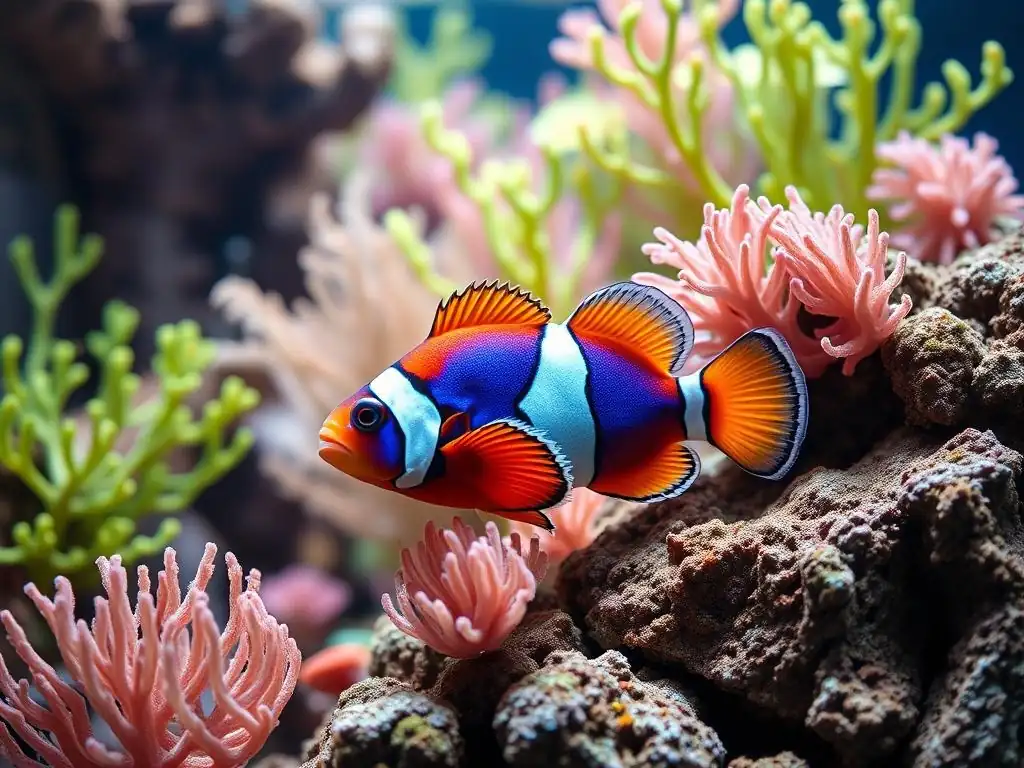
While a dedicated species-only tank is often recommended for optimal clownfish breeding success, certain very specific clownfish breeding tank mates can offer limited, indirect benefits. For instance, a small, highly efficient clean-up crew composed of snails and hermit crabs can help maintain tank hygiene by consuming uneaten food and detritus, thereby contributing to stable water parameters. This indirectly supports the overall health of the breeding pair and the developing eggs by reducing organic waste.
In some larger, established reef systems, very peaceful and non-competitive invertebrates like cleaner shrimp may coexist without directly interfering with the breeding process. These shrimp can offer cleaning services to the clownfish, potentially reducing external parasites and stress. However, it is crucial to understand that direct benefits to the breeding act itself are minimal, and the primary focus for a breeding setup should always prioritize the clownfish pair's well-being and security over community interactions.
Risks Associated with Introducing Tank Mates to a Clownfish Breeding Setup
Introducing additional fish or even certain invertebrates into a clownfish breeding setup carries significant risks that can severely impact breeding success. The most prevalent risk is increased stress on the breeding pair. Competition for food, territory, or even direct aggression from other fish can disrupt the pair's bond, inhibit spawning, or lead to the reabsorption of eggs by the female. A stressed pair is far less likely to reproduce consistently.
Furthermore, predation on eggs and newly hatched fry is a major concern. Many common reef fish, even those considered "reef-safe" in a general community context, will readily consume clownfish eggs or the tiny, vulnerable larvae once they hatch. Even seemingly innocuous invertebrates like certain crabs or larger starfish can pose a threat. Beyond predation, the introduction of new tank mates always carries the risk of disease transmission, potentially compromising the health of the breeding pair and leading to a complete halt in spawning activity.
Identifying Compatible Clownfish Breeding Tank Mates
Invertebrate Tank Mates: A Safe Bet for Clownfish Breeding?
When considering clownfish breeding tank mates, invertebrates are generally a safer choice compared to other fish species, provided they are carefully selected. The key is to choose non-predatory, reef-safe species that will not compete for food or territory with the clownfish pair or pose a threat to their eggs or fry. Most clean-up crew invertebrates fall into this category, offering a beneficial role in tank maintenance without disrupting the delicate breeding process.
However, caution is still advised. While many invertebrates are benign, some larger crabs, certain species of shrimp, or predatory starfish can pose a risk. It's essential to research each species thoroughly before introduction to ensure they are genuinely compatible with a breeding setup. The goal is to create an environment where the clownfish feel secure enough to spawn and raise their young without constant threats or competition.
Cleaner Shrimp and Clownfish Breeding: A Symbiotic Relationship?
Cleaner shrimp species, particularly the Skunk Cleaner Shrimp ( Lysmata amboinensis) and Fire Shrimp ( Lysmata debelius), are often considered among the most compatible invertebrate clownfish breeding tank mates. These shrimp are renowned for their symbiotic cleaning services, removing parasites and dead tissue from fish. Their presence can potentially contribute to a healthier environment for the breeding pair by reducing parasite loads, which in turn minimizes stress.
Anecdotal evidence from breeders suggests that these shrimp generally do not bother clownfish eggs or newly hatched fry. They typically occupy different niches in the tank, focusing on detritus and external parasites rather than the egg clutch. While individual behavior can vary, the vast majority of observations indicate a peaceful co-existence, making them one of the few acceptable additions to a dedicated clownfish breeding setup.
Reef-Safe Invertebrates: Snails and Starfish
Various species of reef-safe snails and starfish can be excellent additions to a clownfish breeding tank, primarily serving as part of the clean-up crew. Herbivorous snails like Nerite Snails ( Neritina natalensis), Turbo Snails ( Turbo fluctuosa), and Nassarius Snails ( Nassarius vibex) are highly effective at controlling algae and consuming detritus from the substrate and rockwork. They are completely harmless to clownfish, their eggs, and their minute fry, making them ideal low-impact clownfish breeding tank mates.
Similarly, certain starfish species, such as Sand Sifting Starfish ( Archaster typicus) or various Brittle Stars, can assist in keeping the sand bed clean by sifting through it for uneaten food and detritus. It is crucial to avoid predatory starfish like the Chocolate Chip Starfish ( Protoreaster nodosus), which can consume other invertebrates and potentially pose a threat. When chosen carefully, these invertebrates contribute to a cleaner, more stable environment, indirectly supporting successful clownfish reproduction.
Fish Tank Mates to Avoid in a Clownfish Breeding Aquarium
For optimal clownfish breeding success, the general rule of thumb is to maintain a species-only tank, meaning only the breeding clownfish pair. Introducing other fish species, even those considered "reef-safe" in a general community tank, can introduce significant stress and competition that negatively impacts breeding. The risks typically outweigh any perceived benefits, making most fish unsuitable as clownfish breeding tank mates.
The primary concerns with other fish species include direct aggression towards the breeding pair, competition for food and territory, and predation on the vulnerable eggs and newly hatched fry. Even seemingly peaceful fish can become opportunistic egg predators. Therefore, a strict policy of avoiding additional fish is highly recommended for any serious clownfish breeding endeavor.
Aggressive Fish Species and Their Impact on Clownfish Breeding
Aggressive fish species are perhaps the most detrimental clownfish breeding tank mates and should be strictly avoided. Fish like many species of Damselfish (e.g., Blue Devil Damselfish, Chrysiptera cyanea), certain Dottybacks (e.g., Orchid Dottyback, Pseudochromis fridmani, can be territorial in smaller tanks), and some Wrasses (e.g., Six-Line Wrasse, Pseudocheilinus hexataenia, known for territoriality) can harass the breeding clownfish. This constant stress can cause the pair to cease spawning altogether, or even lead to physical injury.
Beyond direct aggression, these fish can constantly intrude on the clownfish's chosen spawning site, leading to stress-induced egg reabsorption or abandonment. A single aggressive tank mate can completely derail months of breeding efforts. For instance, a territorial damsel might consistently chase the male clownfish away from the egg clutch, preventing proper fanning and leading to fungal growth and failure.
Fish That Compete for Food with Clownfish
Another category of fish to avoid as clownfish breeding tank mates are those that are highly competitive for food. Fast-eating, active fish such as Tangs (even smaller species like Yellow Tangs, Zebrasoma flavescens, in a smaller tank), some larger Gobies, or even other species of Clownfish (unless in an extremely large, multi-species clownfish setup) can outcompete the breeding pair for nutrition. The female clownfish requires substantial energy and nutrients for egg production, and inadequate feeding due to competition can significantly reduce clutch size or frequency.
This competition for food not only impacts the breeding pair's physical condition but also adds another layer of stress to their environment. For example, a pair of Ocellaris clownfish might struggle to get enough protein-rich foods if housed with a rapidly feeding Royal Gramma ( Gramma loreto) in a moderately sized tank. This nutritional deficiency can lead to smaller, less viable egg clutches, or even prevent the female from developing eggs altogether, hindering overall breeding success.
Managing Tank Mate Interactions During Clownfish Breeding
Observing Tank Mate Behavior During Spawning
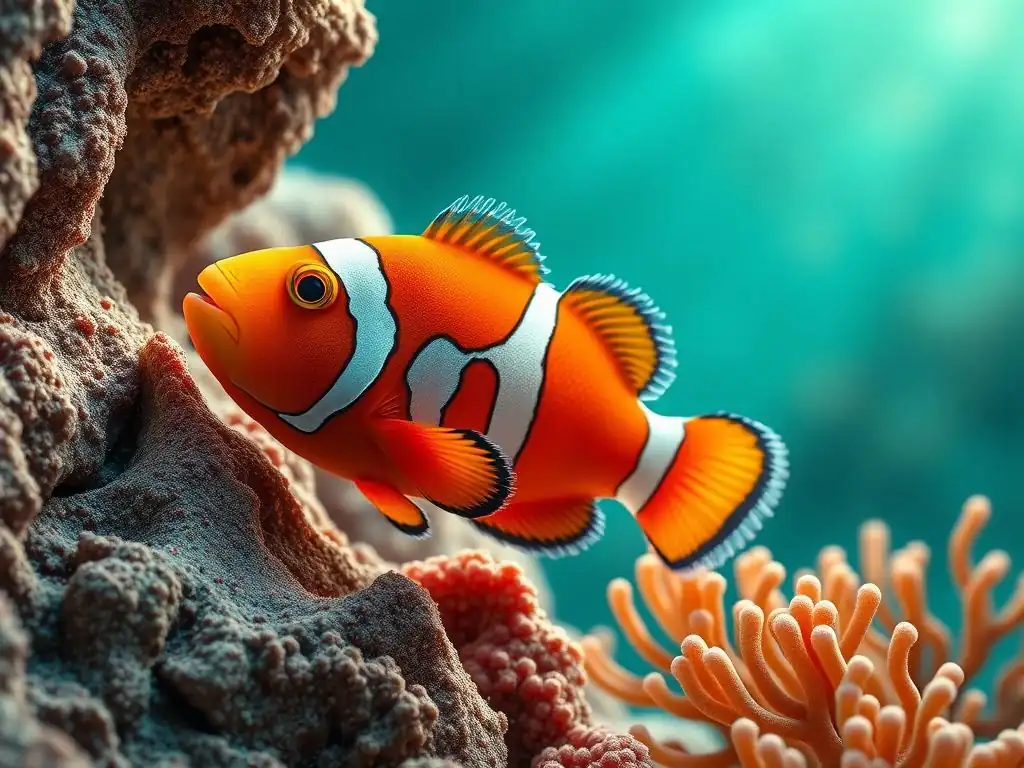
Close and consistent observation of all clownfish breeding tank mates is crucial, especially during the pre-spawning and egg-laying phases. Pay meticulous attention to how non-clownfish inhabitants react to the breeding pair's increased territoriality and the presence of eggs. Look for any signs of undue stress in the clownfish, such as rapid breathing, clamped fins, or excessive hiding, which could indicate harassment from other tank mates.
Specifically, monitor for any nipping, chasing, or curious approaches towards the egg clutch. Even seemingly innocuous invertebrates might occasionally show interest in the eggs, though true predation is less common with selected species. Early detection of problematic behavior allows for timely intervention, potentially saving a clutch of eggs and reducing stress on the breeding pair. For instance, if a shrimp is seen picking at the eggs, it might need temporary removal.
Separating Tank Mates if Necessary: Hospital Tank Setup
If any tank mate exhibits aggression towards the breeding clownfish or shows a persistent interest in consuming the eggs, immediate separation is necessary. Having a pre-established hospital or quarantine tank readily available is invaluable for this purpose. A simple 10-gallon tank with a heater, sponge filter, and some PVC pipes for hiding can serve as a temporary home for the problematic fish or invertebrate.
Relocating the disruptive tank mate allows the clownfish pair to continue their breeding activities without interference, significantly reducing their stress levels. This temporary measure ensures the safety of the eggs and helps maintain the breeding pair's focus on parental care. After the eggs hatch, the relocated fish can potentially be reintroduced, though it's often safer to keep the breeding pair isolated until the next spawning cycle.
Minimizing Stress for Breeding Clownfish
Minimizing stress is paramount for consistent and successful clownfish breeding. Beyond carefully selecting clownfish breeding tank mates or opting for a species-only tank, several environmental factors contribute to a low-stress environment. Providing ample hiding places and territory markers, such as rock structures with caves, ensures the clownfish feel secure and have areas to retreat if needed. If an anemone is not used, a designated spawning surface like a terracotta pot or smooth rock should be firmly established and kept clean.
Maintaining pristine water quality through consistent maintenance, including regular small water changes (e.g., 15-20% weekly), is vital. Consistent lighting cycles and avoiding sudden changes in the tank environment also help. Furthermore, offering a varied, high-quality diet multiple times a day ensures the breeding pair receives sufficient nutrition, especially the female who requires significant energy for egg production. A calm, stable environment directly translates to a more productive and healthy breeding pair.
Case Studies: Clownfish Breeding Success with Specific Tank Mates
Clownfish and Skunk Cleaner Shrimp (Lysmata amboinensis)
A common scenario observed by experienced aquarists involves the successful breeding of Ocellaris Clownfish ( Amphiprion ocellaris) in 30-gallon breeding setups that include one or two Skunk Cleaner Shrimp ( Lysmata amboinensis). In numerous documented cases, the cleaner shrimp coexisted peacefully with the clownfish pair, often sharing the same rockwork or even the base of an anemone. These shrimp were observed to perform their natural cleaning behaviors, occasionally grooming the clownfish, which appeared to reduce any external irritants on the fish.
Crucially, the shrimp showed no interest in the clownfish egg clutches, which were typically laid on a smooth rock directly adjacent to the clownfish's host. The shrimp continued their scavenging activities without disturbing the eggs or the male's fanning behavior. This demonstrates that non-predatory, symbiotic invertebrates can serve as compatible clownfish breeding tank mates, contributing to tank hygiene and overall ecosystem health without posing a threat to reproduction.
Clownfish with Peaceful Reef Inhabitants: Firefish (Nemateleotris magnifica)
In a larger, established 50-gallon reef aquarium, a pair of Percula Clownfish ( Amphiprion percula) successfully bred over several months while cohabiting with a single Firefish ( Nemateleotris magnifica). The Firefish, known for its shy and peaceful temperament, primarily occupied the mid-water column and different rock crevices, maintaining a respectful distance from the clownfish's chosen spawning site near their host anemone. Their diets, while both including prepared foods, did not create significant competition, as the Firefish also primarily consumed small zooplankton.
No aggression or interference with the egg clutches was ever observed from the Firefish. This case study, while an exception to the general rule of species-only breeding tanks, highlights that in sufficiently spacious and well-established systems, very specific, non-aggressive, and non-competitive fish species might be able to coexist. However, such success is highly dependent on ample space, the specific temperaments of the individual fish, and the non-overlapping needs of the chosen clownfish breeding tank mates.
Optimizing Your Clownfish Breeding Tank for Success
Water Quality Considerations for Clownfish and Tank Mates
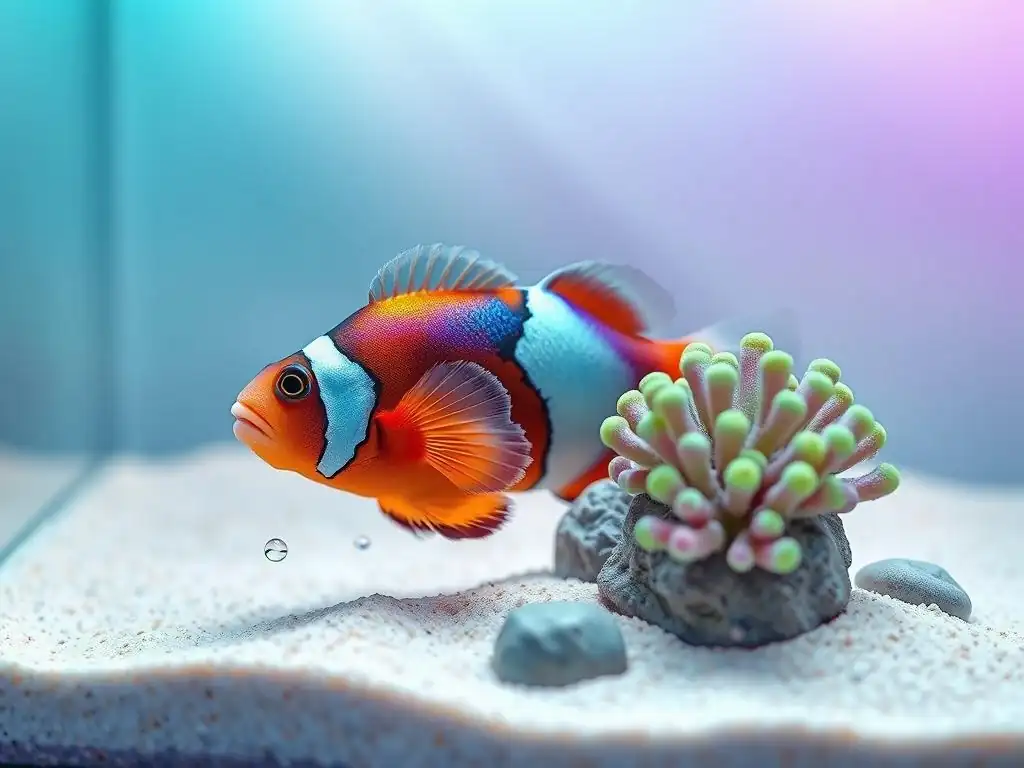
Maintaining impeccable water quality is non-negotiable for successful clownfish breeding, especially when clownfish breeding tank mates are present. Stable parameters are paramount: temperature should consistently be between 78-82°F (25.5-27.8°C), salinity at 1.024-1.026 specific gravity, and pH levels maintained at 8.1-8.4. Alkalinity (8-12 dKH), calcium (400-450 ppm), and magnesium (1250-1350 ppm) also need to be within optimal ranges, as these contribute to overall water stability and the health of any coral or invertebrate tank mates.
Crucially, nitrates should be kept as low as possible, ideally below 10 ppm, as elevated levels can stress the breeding pair and negatively impact egg and larval development. Regular partial water changes, typically 15-20% weekly, using high-quality RODI (Reverse Osmosis Deionized) water mixed with a premium marine salt, are essential to replenish trace elements and dilute waste products. Consistent water quality reduces stress on the breeding pair, promoting more frequent and successful spawns.
Providing Adequate Hiding Places and Territory
Even in a dedicated breeding tank with minimal clownfish breeding tank mates, providing ample hiding places and clearly defined territory is crucial for the breeding pair's security and comfort. This can be achieved through strategic placement of live rock, creating caves, overhangs, and crevices. These structures offer the clownfish a sense of security and areas to retreat, which is particularly important if any other tank mates are present, even if deemed peaceful.
If an anemone is not being used as a host, alternative spawning sites should be provided, such as smooth, flat rocks, terracotta pots, or sections of PVC pipe. These should be placed in a relatively low-flow area where the clownfish can easily clean and guard their eggs. A well-structured environment reduces stress, encourages natural behaviors, and provides a secure location for egg deposition and development.
Feeding Strategies for a Community Clownfish Breeding Tank
When a clownfish breeding tank includes clownfish breeding tank mates, feeding strategies must be carefully considered to ensure the breeding pair receives adequate nutrition. It is recommended to feed the tank multiple times a day (e.g., 2-3 times) with a varied diet of high-quality marine flakes, pellets, and a variety of frozen foods such as mysis shrimp, enriched brine shrimp, and spirulina. The food should be nutrient-dense to support the female's egg production and the male's energy for fanning.
Target feeding the breeding pair can be highly effective, especially if faster-eating tank mates are present. This involves using a turkey baster or similar device to deliver food directly to the clownfish's immediate vicinity, ensuring they consume a sufficient amount before other tank inhabitants can snatch it. This approach minimizes competition and ensures that the breeding pair maintains optimal health and reproductive vigor.
Conclusion: Balancing a Thriving Reef Tank with Successful Clownfish Breeding
Key Takeaways for Choosing Clownfish Breeding Tank Mates
The journey to successful clownfish breeding is most often paved by simplicity. For consistent and high-yield reproduction, a species-specific tank containing only the clownfish pair is overwhelmingly the most recommended approach. This minimizes stress, eliminates competition for food and territory, and removes the risk of egg or fry predation, allowing the clownfish to focus entirely on spawning and parental care.
However, if the inclusion of clownfish breeding tank mates is desired, the selection must be extremely judicious. Prioritize only non-predatory, non-aggressive, and truly reef-safe invertebrates such as cleaner shrimp and herbivorous snails. Aggressive fish, rapid eaters, and any species known to consume eggs or harass other fish are absolute contraindications. Constant observation of tank mate behavior and a readiness to intervene, potentially by relocating a disruptive inhabitant to a hospital tank, are crucial for any attempt at cohabitation during breeding.
Further Research and Resources for Clownfish Breeding
For aquarists committed to mastering the complexities of clownfish breeding, continuous learning and engagement with the broader community are invaluable. Delve into reputable online forums dedicated to marine aquaculture, where experienced breeders share insights and troubleshoot common challenges. Scientific journals focusing on marine biology and aquaculture often provide detailed protocols for larval rearing, rotifer culture, and specific clownfish species breeding, offering advanced knowledge for those aiming for higher success rates.
Consult detailed guides on the specific nutritional requirements for clownfish larvae, the setup of grow-out tanks for juveniles, and the art of culturing live foods like rotifers and copepods. These resources will equip aspiring breeders with the comprehensive understanding needed to navigate the intricate stages beyond initial spawning, ultimately leading to the successful rearing of healthy clownfish fry.
Frequently Asked Questions
What are the ideal tank parameters for a clownfish breeding tank, considering tank mates?
The ideal parameters include a stable temperature (78-82°F), salinity (1.025 SG), and pH (8.1-8.4). Tank mates should be chosen carefully to avoid stressing the breeding pair, which can hinder successful breeding.
Which types of fish are considered "foe" tank mates and should be avoided in a clownfish breeding tank?
Aggressive or predatory fish like triggers, large angelfish, and certain damsels are considered "foe" tank mates. These fish can harass the clownfish pair, eat their eggs, or even injure the breeding pair, thus preventing successful breeding.
What types of invertebrates can be safely kept as tank mates in a clownfish breeding tank?
Generally, peaceful invertebrates like snails, hermit crabs, and cleaner shrimp are safe tank mates. They help maintain tank cleanliness and typically do not pose a threat to breeding clownfish or their fry, provided they are well-fed and do not compete for limited resources.
How does the size of the tank influence the success of clownfish breeding with tank mates present?
A larger tank provides more space, which can reduce aggression and stress between the clownfish pair and their tank mates. Adequate space allows the clownfish to establish a territory and feel secure, promoting successful spawning.
What are some signs that tank mates are negatively impacting my clownfish breeding pair?
Signs of stress include hiding, decreased appetite, aggression towards each other, and a lack of spawning activity. If you observe these behaviors, it may be necessary to remove the offending tank mate to allow the clownfish to breed peacefully.
Final Reflection: Nurturing Harmony in the Reef
The intricate dance of life within a reef aquarium, as we've explored, hinges significantly on the delicate balance of its inhabitants. Understanding the impact of clownfish breeding tank mates is not merely an academic exercise; it's a crucial step towards fostering thriving ecosystems in our homes and contributing to the responsible propagation of these captivating creatures. The choices we make in selecting companions for our clownfish directly influence their well-being and reproductive success, highlighting our role as stewards of these miniature underwater worlds.
The journey of understanding optimal tank mate selection has profoundly shaped our appreciation for the interconnectedness of life. It reminds us that even seemingly small decisions can have significant ripple effects, impacting not only the individual fish but also the potential for future generations. In nature, nothing exists alone.
- Rachel Carson. This quote resonates deeply when considering the complex web of interactions within a reef tank, urging us to approach our aquariums with a holistic and mindful perspective.
As you consider your own reef aquarium, or perhaps dream of one, remember the lessons we've uncovered. Let the knowledge of compatible and incompatible tank mates guide your choices, fostering an environment where clownfish can thrive and breed successfully. Embrace the responsibility of creating a harmonious ecosystem, and you will be rewarded with the joy of witnessing the miracle of life unfold before your very eyes.
Ignite Your Clownfish Breeding Journey!
Thank you for diving deep into the world of clownfish breeding with us! We hope you've uncovered valuable insights into the crucial role tank mates play in your success. Now, let's turn that knowledge into action!
- Start carefully observing your current tank dynamics: Identify potential stressors or beneficial interactions.
- Consider introducing a peaceful and compatible species like a Firefish Goby to encourage a harmonious environment.
- Share your biggest takeaway from this article with a fellow aquarist and discuss strategies for improving clownfish breeding success.
What is the first tank mate adjustment you'll make to optimize your clownfish breeding setup?