
Sebae Anemone (Heteractis crispa): A Challenging Beauty for Your Clownfish's Home

Welcome to Aquarium Mastery!
Ever wondered if you have what it takes to care for one of the ocean's most captivating, yet demanding, creatures? Dive in and discover the secrets to thriving with a Sebae anemone. Our comprehensive Sebae Anemone Care Guide awaits, unlocking the key to providing the perfect home for your clownfish and navigating the challenges of keeping this beautiful species healthy and vibrant. Ready to become a true Aquarium Master? Let's begin!
- Understanding the Sebae Anemone: An Introduction to Heteractis crispa
- Setting Up the Ideal Sebae Anemone Tank Environment
- Sebae Anemone Care Guide: Essential Maintenance and Husbandry
- Clownfish and Sebae Anemone Symbiosis: A Natural Partnership
- Sebae Anemone Propagation and Reproduction
- Purchasing a Sebae Anemone: What to Look for and Where to Buy
- Conclusion: Achieving Success with Sebae Anemones in Your Reef Tank
-
Frequently Asked Questions
- What makes Sebae anemones ( Heteractis crispa) considered challenging for aquarium keepers?
- What type of lighting is essential for the long-term health of a Sebae anemone?
- What water parameters are critical for maintaining a healthy Sebae anemone?
- What are some common signs that a Sebae anemone is stressed or unhealthy?
- Can any clownfish host a Sebae anemone, and are there specific clownfish species that prefer them?
- Final Reflection: Embracing the Delicate Dance of Reef Keeping
- Ignite Your Reef Tank: Start Thriving Today!
Understanding the Sebae Anemone: An Introduction to Heteractis crispa
What is a Sebae Anemone? Identifying Characteristics and Natural Habitat
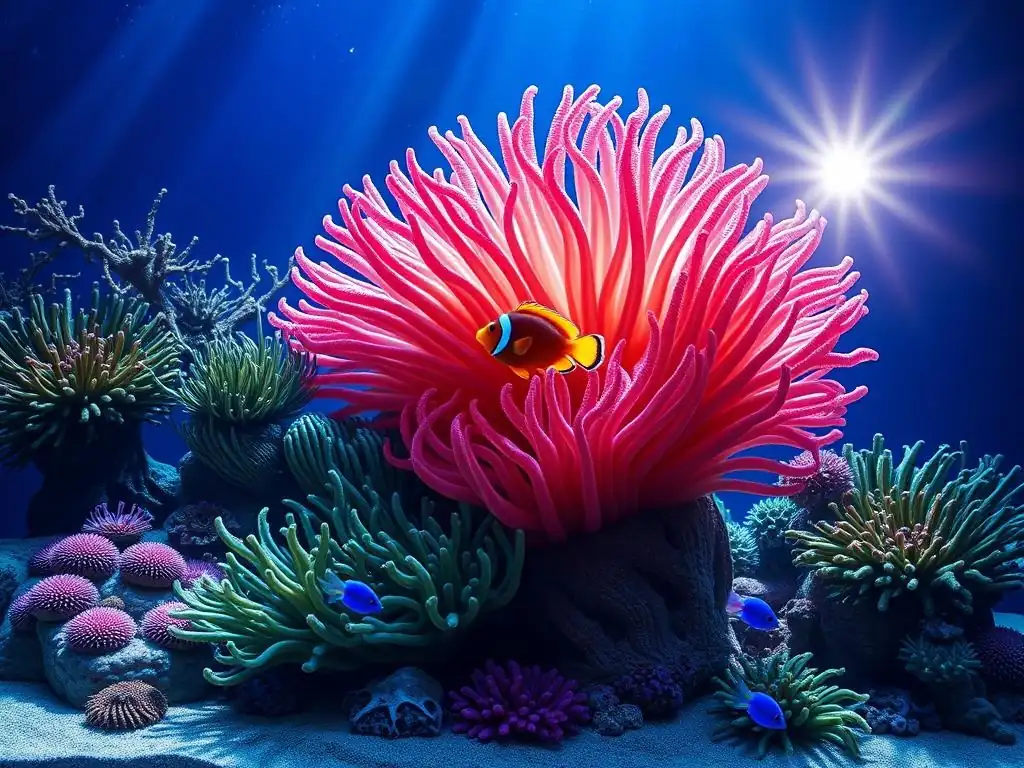
The Sebae Anemone, scientifically known as Heteractis crispa, is a large and striking sea anemone often sought after by advanced aquarists for its vibrant colors and potential to host various clownfish species. Characterized by its long, often tapering tentacles that can be white, cream, brown, or even purplish, and sometimes tipped with a contrasting color, it typically possesses a distinct, often lighter-colored oral disc.
Unlike some other anemones, the Sebae's tentacles usually feel sticky to the touch due to their nematocysts, which are used for defense and prey capture. In its natural Indo-Pacific habitat, from the Red Sea to Fiji and across the Great Barrier Reef, Heteractis crispa is commonly found anchored in sandy or rubble substrates, often near reef edges, at depths ranging from 3 to 20 meters (approximately 10 to 65 feet).
These anemones can grow quite large, with oral discs reaching up to 50 centimeters (nearly 20 inches) in diameter in the wild, though typically smaller in home aquariums, often around 30-40 cm (12-16 inches). Their base, or foot, is usually buried deep within the substrate, providing stability.
The coloration of the Sebae Anemone is largely influenced by the presence of symbiotic zooxanthellae algae within its tissues, which perform photosynthesis and provide the anemone with a significant portion of its nutritional needs. This reliance on light makes proper illumination a critical factor in their long-term health and coloration in a captive environment, forming a core part of any comprehensive Sebae anemone care guide.
Why are Sebae Anemones a Unique Choice for Aquarists?
Sebae Anemones are a unique and often challenging choice for aquarists due to their specific care requirements and their captivating symbiotic relationship with clownfish. While many aquarists are drawn to their aesthetic appeal and the iconic sight of clownfish nestled within their tentacles, it's crucial to understand that Heteractis crispa is not considered a beginner-friendly anemone.
Their sensitivity to water quality fluctuations, need for intense lighting, and preference for specific substrates make them a commitment that requires diligent attention and a stable, mature aquarium system. Successfully keeping a Sebae anemone can be a rewarding experience, showcasing a piece of a natural reef ecosystem.
The primary draw for many hobbyists is their ability to host a variety of clownfish species, including the popular Ocellaris and Percula clownfish, though they naturally host species like Clarkii, Saddleback, and Sebae clownfish. This natural partnership adds dynamic interaction and a focal point to a reef tank. However, their challenging nature means that only about 30-40% of newly introduced Sebae anemones survive beyond the first year in typical home aquariums if not provided with ideal conditions from day one.
This underscores the importance of thorough research and preparation for anyone considering adding this magnificent, yet demanding, creature to their marine setup. A detailed Sebae anemone care guide is essential for prospective owners.
Setting Up the Ideal Sebae Anemone Tank Environment
Tank Size Requirements for Heteractis crispa
Providing adequate space is paramount for the long-term health and stability of a Sebae Anemone. Due to their potential for significant size and their need for a stable environment, a minimum tank size of 75 gallons (approximately 280 liters) is generally recommended for a single Heteractis crispa.
However, a 100-gallon (378-liter) or larger aquarium is even more ideal, especially if you plan to keep multiple fish or other invertebrates. This larger volume helps to dilute waste products, maintain consistent water parameters, and provide ample room for the anemone to expand and move its foot, which it will occasionally do to find a preferred spot.
The dimensions of the tank are also important. A tank with a wide footprint is more beneficial than a tall, narrow one, as it provides more surface area for light penetration and allows the anemone to spread out. Furthermore, a larger tank offers greater thermal stability and chemical buffering capacity, which are critical for the sensitive Sebae Anemone.
Fluctuations in temperature or chemistry can quickly stress these delicate invertebrates, leading to retraction, bleaching, or even death. Investing in a sufficiently sized tank from the outset is a key component of a successful Sebae anemone care guide, preventing many common issues down the line.
Water Parameters for a Healthy Sebae Anemone: Temperature, Salinity, and pH
Maintaining stable and optimal water parameters is the cornerstone of successful Sebae anemone care. The ideal temperature range for Heteractis crispa is between 75-79°F (24-26°C). Consistent temperature is crucial, as sudden drops or spikes can induce stress and bleaching. Salinity should be maintained within a narrow range of 1.024-1.026 specific gravity, or 33-35 parts per thousand (ppt). Fluctuations of more than 0.001 in specific gravity within a 24-hour period can be detrimental. Regular use of a quality refractometer for salinity testing is highly recommended over hydrometers for accuracy.
The pH level in the aquarium should be kept stable between 8.1 and 8.4. Levels outside this range, particularly below 8.0, can inhibit calcification and overall anemone health. Beyond these primary parameters, alkalinity (dKH) should be maintained at 8-12 dKH, calcium at 400-450 ppm, and magnesium at 1250-1350 ppm.
These parameters are vital for the anemone's metabolic processes and overall skeletal integrity. Regular testing, at least once a week for the first few months, and then bi-weekly or monthly once stability is achieved, is non-negotiable for a thriving Sebae anemone. A robust Sebae anemone care guide emphasizes the importance of these chemical balances.
Lighting Needs for Sebae Anemones: Replicating Natural Sunlight
Proper lighting is one of the most critical and often challenging aspects of Sebae anemone care, directly impacting their symbiotic zooxanthellae algae. Heteractis crispa requires intense lighting to thrive, mimicking the bright, shallow reef environments they inhabit in the wild.
While specific wattage or Kelvin ratings can vary, the general requirement is for high-output lighting systems such as Metal Halides, powerful T5 HO (High Output) fluorescents, or strong LED fixtures designed for reef tanks. A Photosynthetically Active Radiation (PAR) level typically ranging from 200-400 µmol·m⁻²·s⁻¹ at the anemone's position is often recommended, though some established anemones can tolerate slightly higher or lower depending on acclimation.
When selecting lighting, consider fixtures that offer a spectrum rich in blue and actinic wavelengths (around 10,000K to 20,000K), as these are most beneficial for zooxanthellae photosynthesis. It's important to acclimate new Sebae anemones to intense lighting gradually to prevent bleaching. Starting with lower intensity or shorter photoperiods (e.g., 6-8 hours) and slowly increasing over several weeks is a common strategy.
Inadequate lighting is a leading cause of Sebae anemone decline in captivity, manifesting as bleaching (loss of color) and a general lack of vigor. Therefore, investing in a high-quality lighting system is a non-negotiable aspect of any comprehensive Sebae anemone care guide.
Water Flow and Filtration for Optimal Sebae Anemone Health
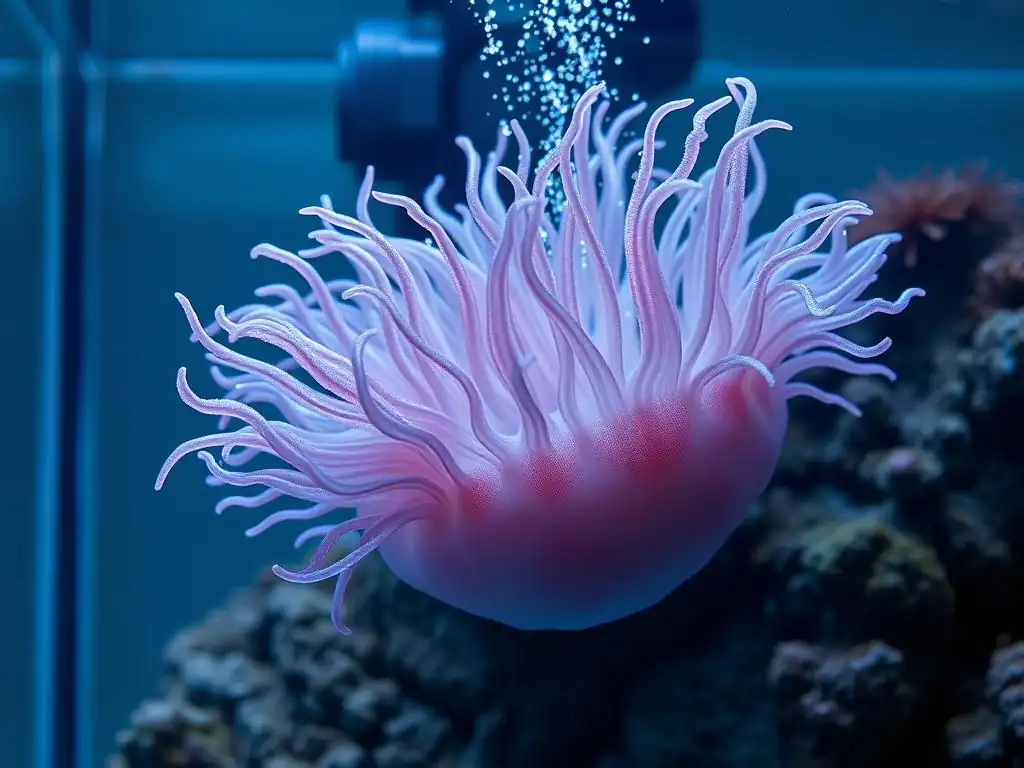
Appropriate water flow is essential for the health of a Sebae Anemone, serving multiple vital functions. It helps to deliver food particles to the anemone's tentacles, removes waste products from its surface, and prevents detritus from settling around its base, which could lead to bacterial infections. Heteractis crispa prefers moderate to strong, but non-direct, turbulent water flow.
Too little flow can lead to waste accumulation and insufficient oxygenation, while direct, laminar flow can cause the anemone to constantly retract or struggle to attach, potentially damaging its foot. Aim for random, chaotic flow patterns that gently sway the tentacles without constantly blasting the oral disc.
Effective filtration is equally critical for maintaining the pristine water quality that Sebae Anemones demand. A robust filtration system, typically involving a large protein skimmer, live rock, and a deep sand bed (if desired), is fundamental. The protein skimmer should be oversized for the tank volume, as it efficiently removes organic waste before it breaks down into nitrates and phosphates, which are detrimental to anemones.
Live rock provides biological filtration and a stable environment for beneficial bacteria. Mechanical filtration (filter socks/pads) should be used and cleaned frequently, at least every few days, to prevent nitrate buildup. Chemical filtration, such as activated carbon and GFO (granular ferric oxide), can also be employed to keep the water clear and free of undesirable compounds, reinforcing the strict water quality standards outlined in any Sebae anemone care guide.
Substrate Considerations for Your Sebae Anemone Tank
The choice of substrate is a crucial consideration for a Sebae Anemone, as Heteractis crispa naturally anchors its foot deep into soft substrates in the wild. Therefore, a deep sand bed is highly recommended for these anemones in a home aquarium. The sand bed should be at least 4-6 inches (10-15 cm) deep, consisting of fine to medium-grain sand (e.g., aragonite sand with a grain size of 0.5-2 mm).
This depth allows the anemone to fully bury its pedal disc, providing the stability and security it needs. Without a proper substrate to anchor into, a Sebae Anemone may wander around the tank, potentially stinging other corals or falling into powerheads, leading to injury or death.
While the primary purpose of the deep sand bed is for the anemone's physical comfort and stability, it also contributes to the overall aquarium ecosystem by fostering beneficial anaerobic bacteria, which aid in denitrification. Ensure the sand is clean and free of sharp edges that could damage the anemone's delicate foot.
If you are starting a new tank specifically for a Sebae anemone, allow the sand bed and the entire system to mature for several months (at least 6-9 months) before introducing the anemone. A mature sand bed provides a stable, established environment that is much more conducive to the long-term success of this challenging species, a key detail often highlighted in a comprehensive Sebae anemone care guide.
Sebae Anemone Care Guide: Essential Maintenance and Husbandry
Feeding Your Sebae Anemone: Diet and Frequency
While Sebae Anemones derive a significant portion of their energy from symbiotic zooxanthellae, supplemental feeding is crucial for their long-term health, growth, and vibrant coloration. In the wild, Heteractis crispa preys on small fish and invertebrates that drift into its tentacles. In the aquarium, a varied diet consisting of meaty foods is recommended. Suitable food items include small pieces of fresh or frozen shrimp (mysis, brine, or krill), finely chopped fish flesh, silversides, or high-quality marine pellets specifically designed for anemones. Ensure the food pieces are appropriately sized to be consumed by the anemone's oral disc without causing regurgitation.
Feeding frequency typically ranges from once or twice a week, depending on the anemone's size, overall health, and the intensity of your lighting. A healthy, well-fed Sebae Anemone will quickly grasp and ingest food. Overfeeding can lead to water quality issues, so offer only what the anemone can consume within a few minutes.
If the anemone rejects food or appears shrunken, it may be a sign of stress or poor water parameters, indicating a need to reassess your Sebae anemone care guide practices. Observe your anemone's response to feeding; a strong feeding response is a good indicator of its overall well-being.
Acclimation Process: Safely Introducing Your Sebae Anemone to the Tank
The acclimation process is a critical step that significantly impacts the survival rate of a newly acquired Sebae Anemone. Due to their sensitivity to changes in water parameters, a slow and gradual acclimation is absolutely essential. The drip acclimation method is highly recommended for Heteractis crispa.
Begin by floating the anemone's bag in your sump or tank for 15-20 minutes to equalize temperature. Then, transfer the anemone and its transport water into a clean bucket or container. Using airline tubing and a control valve, slowly drip water from your display tank into the container at a rate of about 1-2 drops per second.
Continue this drip acclimation for at least 60-90 minutes, or until the volume of water in the container has at least tripled. During this process, carefully monitor the anemone for any signs of stress, such as excessive slime production or deflation. Once acclimation is complete, gently net the anemone, ensuring minimal contact with its delicate foot, and carefully place it in your desired location in the tank.
Avoid squeezing or tearing the foot, as this can cause severe injury. Dimming the tank lights for the first few hours after introduction can also help reduce initial stress. Following this meticulous acclimation process is a cornerstone of any effective Sebae anemone care guide, greatly improving initial success.
Common Sebae Anemone Health Problems and How to Address Them
Sebae Anemones, while beautiful, are susceptible to several health issues, often stemming from suboptimal tank conditions or stress. Recognizing the signs early and understanding how to address them is crucial for their survival. Common problems include bleaching, deflation, tissue necrosis, and detachment.
Bleaching, characterized by the loss of color and a translucent appearance, is usually a sign of inadequate lighting or extreme temperature/salinity fluctuations, leading to the expulsion of symbiotic zooxanthellae. Deflation or persistent shrinking can indicate stress from poor water quality, insufficient feeding, or irritation from tank mates. Tissue necrosis, appearing as rotting or decaying tissue, is often a severe sign of stress, bacterial infection, or physical damage.
Addressing these issues requires immediate action. For bleaching, gradually adjust lighting or stabilize temperature. For deflation, check all water parameters meticulously and ensure regular, appropriate feeding. Tissue necrosis is more challenging; if minor, improved water quality and flow might help, but severe cases are often fatal. Detachment and wandering are often a symptom of the anemone seeking more favorable conditions, indicating issues with lighting, flow, or substrate. Isolating stressed anemones in a "hospital" tank with ideal parameters can sometimes aid recovery. Prevention through consistent, high-quality Sebae anemone care is always the best approach to avoid these common health pitfalls.
Recognizing a Stressed Sebae Anemone: Signs and Symptoms
Identifying a stressed Sebae Anemone early is vital for intervention and recovery. One of the most obvious signs is persistent deflation or retraction, where the anemone remains shrunken and its tentacles are tightly pulled in for extended periods, beyond normal nighttime retraction or feeding response. Another key indicator is a pale or bleached appearance, indicating the loss of zooxanthellae due to light shock, temperature swings, or poor water quality. A healthy Sebae Anemone should exhibit vibrant coloration and plump, extended tentacles during the day.
Furthermore, a stressed Heteractis crispa may attempt to move frequently around the tank, failing to anchor its foot, or may even detach completely and float around. Excessive slime production is another warning sign, as it can indicate irritation or a defense mechanism against adverse conditions. The oral disc may appear gaping or inverted, and the anemone might not exhibit a strong feeding response. Any of these symptoms, especially when combined, should prompt an immediate and thorough review of all tank parameters, lighting, and feeding regimen as outlined in your Sebae anemone care guide.
Treating Common Sebae Anemone Issues
Treating common Sebae Anemone issues primarily revolves around identifying and correcting the underlying environmental stressors. If bleaching is observed, first verify that lighting is appropriate; if too intense, reduce photoperiod or move the anemone to a slightly shaded area, then gradually re-acclimate. If lighting is insufficient, upgrade your system. Simultaneously, meticulously test and stabilize all water parameters—temperature, salinity, pH, alkalinity, calcium, magnesium, and nitrates/phosphates. Erratic fluctuations are often more damaging than slightly off but stable parameters.
For persistent deflation or lack of attachment, ensure adequate, turbulent (not direct) water flow and provide a deep, fine sand bed for anchoring. If the anemone is not feeding, try offering smaller, varied food items or check water quality, as poor water can suppress appetite. In cases of localized tissue necrosis, if it's minor, improved water flow and pristine water conditions can sometimes halt progression.
However, severe necrosis often requires removing the anemone to prevent further water contamination. Regular, proactive maintenance, including consistent water changes and parameter testing, is the most effective "treatment" for preventing most Sebae anemone health problems.
Maintaining Water Quality for Sebae Anemone Health: Water Changes and Testing
Maintaining impeccable water quality is the single most important factor for the long-term health and survival of a Sebae Anemone. Consistent and regular water changes are indispensable for replenishing essential trace elements and removing accumulated nitrates, phosphates, and other pollutants. A typical regimen involves performing a 10-15% water change weekly or a 20-25% water change bi-weekly, using high-quality reverse osmosis/deionized (RO/DI) water mixed with a reputable marine salt mix to the correct salinity. Ensure the new saltwater is temperature-matched to the display tank before adding it to minimize shock.
Beyond water changes, diligent and frequent water testing is non-negotiable. At a minimum, test salinity, temperature, pH, alkalinity, calcium, and magnesium weekly. Nitrate and phosphate levels should also be monitored regularly; ideally, nitrates should be below 10 ppm (preferably closer to 0-5 ppm), and phosphates should be near undetectable (below 0.03 ppm).
Investing in reliable test kits or sending samples to a professional testing service ensures accuracy. Consistent monitoring and proactive adjustments based on these test results are the pillars of an effective Sebae anemone care guide, preventing the build-up of harmful substances that can quickly lead to anemone stress and decline.
Clownfish and Sebae Anemone Symbiosis: A Natural Partnership
Which Clownfish Species Host Well with Sebae Anemones?
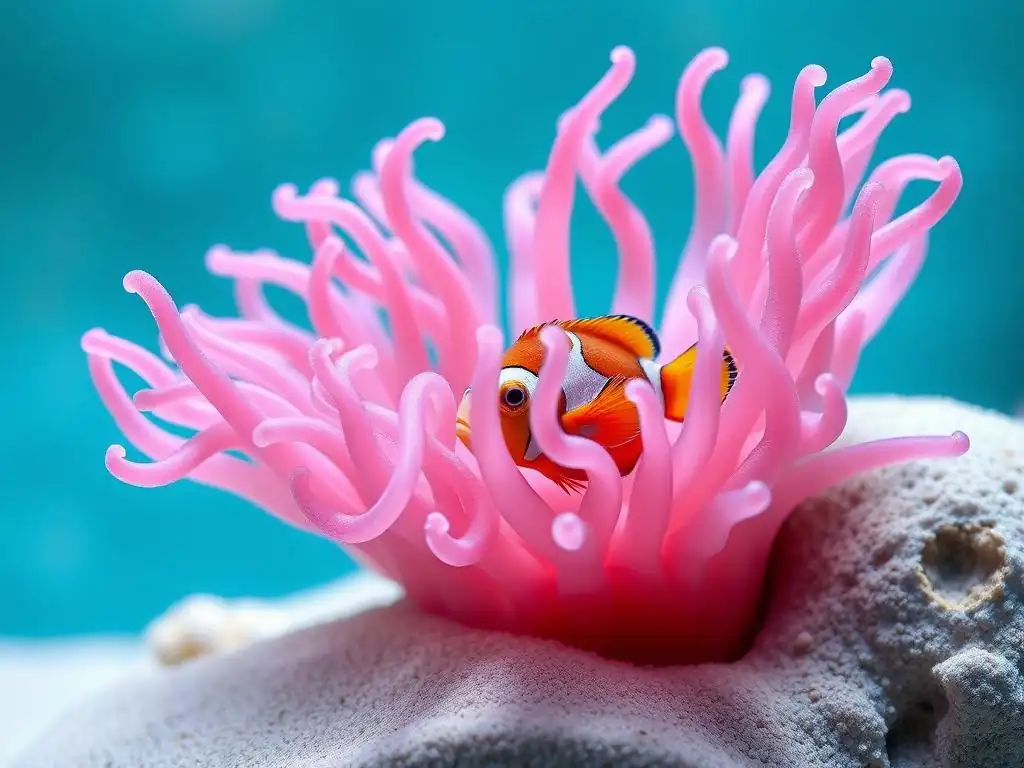
The Sebae Anemone ( Heteractis crispa) is a natural host for several species of clownfish, creating one of the most iconic symbiotic relationships in the marine aquarium. While hobbyists often try to pair Ocellaris ( Amphiprion ocellaris) and Percula ( Amphiprion percula) clownfish with Sebae Anemones, these species are not natural hosts for Heteractis crispa in the wild, though they may eventually host in captivity out of necessity.
The most commonly accepted natural hosts for Sebae Anemones include the Sebae Clownfish ( Amphiprion sebae), Clarkii Clownfish ( Amphiprion clarkii), Saddleback Clownfish ( Amphiprion polymnus), and sometimes the Three-spot Damsel ( Dascyllus trimaculatus) which occasionally hosts in anemones.
It's important to note that even with natural host species, there's no guarantee a clownfish will host with a specific anemone in an aquarium. The pairing often depends on individual personalities, the clownfish's prior experience (if any), and the overall tank environment. Introducing a juvenile clownfish to an established Sebae Anemone can increase the chances of a successful bond. Observing these natural interactions is a primary reason many aquarists undertake the challenging Sebae anemone care guide.
Introducing Clownfish to Your Sebae Anemone: Encouraging a Bond
Introducing clownfish to a Sebae Anemone requires patience and observation, as the bond is not always instantaneous. After ensuring your Sebae Anemone is well-established and healthy (at least 2-3 months in the tank), introduce the clownfish. It's often beneficial to add the clownfish to the tank before the anemone, allowing them to establish their territory, though this isn't a strict rule. When the clownfish are in the tank, they will naturally be drawn to the anemone's presence, often hovering around it.
To encourage the bond, ensure the anemone is positioned in a stable, well-lit area with good flow, as a healthy, thriving anemone is more attractive to clownfish. Some aquarists report success by placing a small, familiar object (like a piece of PVC pipe that the clownfish previously used as a "home") near the anemone to create a sense of security. Avoid forcing the clownfish into the anemone, as this can stress both animals.
It can take days, weeks, or even months for a clownfish to fully host, with the clownfish cautiously rubbing against the tentacles until it becomes comfortable. Patience is key; a strong bond will develop naturally when conditions are right.
Benefits of Clownfish-Anemone Symbiosis in the Aquarium
The symbiotic relationship between clownfish and Sebae Anemones offers several benefits within the aquarium environment, mirroring their natural interactions on the reef. For the clownfish, the primary benefit is protection. The anemone's stinging tentacles, to which the clownfish is immune (due to a protective mucus layer), provide a safe refuge from predators. This allows the clownfish to spend more time in the open, foraging for food without constant fear. In return, the clownfish actively defends the anemone from potential predators like butterflyfish, and may even clean the anemone by removing parasites or detritus from its tentacles.
Furthermore, the clownfish's presence can stimulate the anemone, potentially encouraging better extension and overall health. Some studies suggest that clownfish may also provide nutrients to the anemone through their waste products or by dropping food scraps. This mutualistic relationship adds dynamic behavior and a fascinating natural spectacle to a reef tank, making the effort of Sebae anemone care worthwhile for many hobbyists seeking to replicate a slice of the ocean's intricate ecosystems. The visual appeal of a clownfish nestled within its host anemone is undoubtedly one of the most captivating sights in marine aquaria.
Sebae Anemone Propagation and Reproduction
How Sebae Anemones Reproduce Through Pedal Laceration
Sebae Anemones, like many other sea anemones, can reproduce asexually in captivity, primarily through a process known as pedal laceration. This is a form of fragmentation where small pieces of tissue, called lacerates, break off from the anemone's pedal disc (foot) as it moves or expands. These small tissue fragments, if conditions are favorable, can then regenerate into complete, genetically identical miniature anemones. This process is a natural form of asexual reproduction that allows the anemone to increase its population without the need for a mate.
While pedal laceration can occur spontaneously, it is often a sign of stress or discomfort in Heteractis crispa. Anemones that are frequently moving or attempting to re-anchor themselves may leave behind these lacerates. If you notice small, detached pieces of anemone tissue that begin to develop tentacles, it's an indication of successful pedal laceration. Providing pristine water quality, stable parameters, and a suitable substrate can encourage healthy growth of these new propagules, though intentional propagation of Sebae Anemones through manual fragmentation is generally not recommended for home aquarists due to the high risk of harming the parent anemone.
Caring for Dividing Sebae Anemones
When a Sebae Anemone undergoes pedal laceration and produces new propagules, caring for both the parent anemone and the new clones requires careful attention to maintain optimal conditions. The parent anemone, having essentially "shed" a piece of itself, may appear slightly stressed or retracted for a period. Ensure all water parameters remain pristine, provide consistent, appropriate feeding, and maintain stable lighting and flow. Avoid any further disturbances that could exacerbate stress.
The newly formed lacerates are extremely delicate and vulnerable. They will initially appear as tiny blobs of tissue, gradually developing an oral disc and small tentacles. Provide these miniature anemones with the same high-quality water parameters as the parent. Ensure they are not swept away by strong currents or covered by detritus.
If possible, gently move them to a low-flow area where they can attach and grow without interference. Supplemental feeding of very fine meaty foods, like rotifers or cyclop-eeze, can aid their growth once they develop a clear oral disc and tentacles. Patience is key, as it can take several months for these tiny clones to grow into recognizable, self-sufficient Sebae Anemones, making this a long-term aspect of advanced Sebae anemone care.
Purchasing a Sebae Anemone: What to Look for and Where to Buy
Identifying Healthy Sebae Anemones at the Fish Store
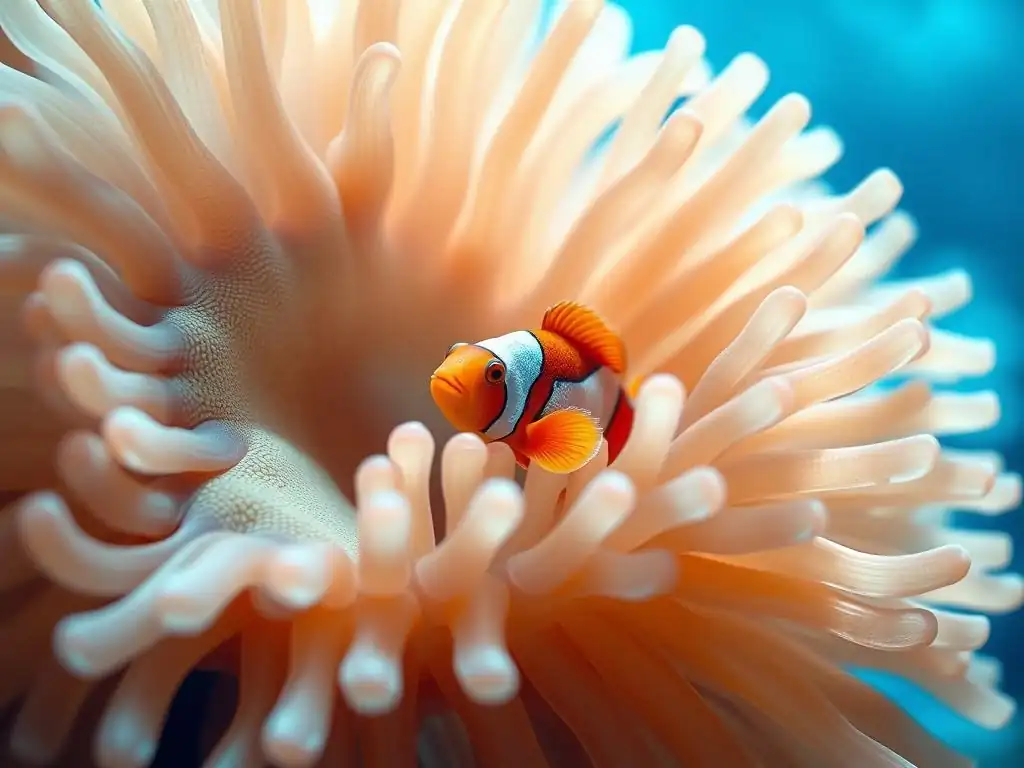
When purchasing a Sebae Anemone, careful inspection is crucial to ensure you are bringing home a healthy specimen, as stressed or damaged anemones have a very low survival rate in captivity. Look for an anemone that is fully inflated and has extended tentacles. The tentacles should appear plump and firm, not deflated, stringy, or shriveled.
The oral disc should be clearly visible, with the mouth tightly closed; a gaping or inverted mouth is a sign of severe stress or illness. Observe its coloration: it should be vibrant and uniform, without any translucent, bleached, or discolored patches, which indicate a loss of symbiotic algae.
Check the foot (pedal disc) if visible; it should appear intact and healthy, free of any tears, lesions, or signs of necrosis. Avoid anemones that are constantly retracting, producing excessive slime, or floating aimlessly in the tank, as these are all strong indicators of poor health or recent stress. Ideally, the anemone should be firmly attached to a rock or the substrate in the dealer's tank.
Inquire about the anemone's feeding response and how long it has been at the store. A Sebae Anemone that has been stable at the store for at least a week or two and is actively feeding has a much better chance of acclimating successfully to your home aquarium, making this due diligence a vital part of any Sebae anemone care guide.
Ethical Considerations When Buying Sebae Anemones
Ethical considerations are increasingly important when purchasing marine invertebrates like the Sebae Anemone. A significant portion of Heteractis crispa available in the aquarium trade are wild-caught, often from delicate reef ecosystems. While some collection practices are sustainable, others can be detrimental to the natural environment. Inquire with your local fish store or online vendor about the sourcing of their anemones. Opting for reputable dealers who practice sustainable collection methods or, ideally, offer aquacultured specimens (though Sebae Anemones are rarely aquacultured on a commercial scale due to their challenging reproduction and slow growth rates) can help support responsible trade.
Furthermore, consider your own capacity for long-term Sebae anemone care. Given their demanding requirements and high mortality rate if not properly cared for, purchasing a Sebae Anemone without a fully mature and stable tank, or without extensive prior research, could be considered unethical. By ensuring you can provide the ideal environment for its survival and thriving, you contribute to the welfare of the animal and reduce the demand for repeatedly harvesting new specimens from the wild. Responsible acquisition is a critical component of being a conscientious aquarist and aligns with the principles of a thorough Sebae anemone care guide.
Conclusion: Achieving Success with Sebae Anemones in Your Reef Tank
Frequently Asked Questions
What makes Sebae anemones ( Heteractis crispa) considered challenging for aquarium keepers?
Sebae anemones are notoriously difficult due to their demanding lighting requirements and sensitivity to water quality fluctuations. They also require a well-established tank.
What type of lighting is essential for the long-term health of a Sebae anemone?
Sebae anemones need intense lighting, typically provided by metal halides or high-output LEDs. Insufficient lighting can lead to bleaching and eventual death.
What water parameters are critical for maintaining a healthy Sebae anemone?
Maintaining stable and pristine water quality is crucial. This includes consistent temperature, salinity, pH, and low levels of nitrates and phosphates.
What are some common signs that a Sebae anemone is stressed or unhealthy?
Signs of stress include bleaching (loss of color), failure to attach to surfaces, and a deflated or shrunken appearance. These indicate immediate attention is needed.
Can any clownfish host a Sebae anemone, and are there specific clownfish species that prefer them?
While many clownfish can host, some species like the Ocellaris (False Percula) and Percula clownfish are known to readily host in Sebae anemones, though success isn't always guaranteed.
Final Reflection: Embracing the Delicate Dance of Reef Keeping
The journey into understanding the Sebae anemone, as we've explored, is more than just mastering a care guide; it's about recognizing the delicate balance within a reef ecosystem and the responsibility we undertake when introducing such a creature into our homes. The challenges presented by Heteractis crispa serve as a microcosm of the broader issues facing our oceans, demanding patience, research, and a commitment to providing optimal conditions for survival.
The allure of the Sebae anemone, particularly its symbiotic relationship with clownfish, continues to captivate aquarists. However, its demanding nature underscores the importance of informed decision-making and ethical practices within the hobby. My own fascination with these creatures has only deepened my respect for the intricate web of life they represent. In the end, we will conserve only what we love; we will love only what we understand; and we will understand only what we are taught.
- Baba Dioum. This quote perfectly encapsulates the need for education and understanding when dealing with such sensitive organisms.
As you consider adding a Sebae anemone to your reef tank, or perhaps simply reflect on the information shared here, I urge you to embrace the spirit of responsible reef keeping. Let this guide be more than just a set of instructions; let it be a catalyst for deeper understanding, a commitment to ethical sourcing, and a dedication to providing the best possible environment for these challenging, yet undeniably beautiful, creatures to thrive. Let's all strive to be stewards of the reef, one anemone at a time.
Ignite Your Reef Tank: Start Thriving Today!
Thank you for diving into the world of Sebae Anemones with us! We hope this article has illuminated the unique challenges and rewards of keeping these stunning creatures. Now, let's translate that knowledge into action and create a thriving ecosystem for your clownfish.
Here's how you can take the next step:
- Consult with an experienced reef aquarist or local fish store expert to confirm if a Sebae Anemone is truly the right fit for your specific aquarium setup and skill level. Don't rush – proper preparation is key!
- Share this article with other reef-keeping enthusiasts to spread awareness about the Sebae Anemone's care requirements and encourage responsible aquarium practices.
- Explore complementary anemone species to discover if another option might be more suitable for your tank.
What specific steps will you take this week to ensure the long-term health and happiness of your aquarium inhabitants?