
Catalina Goby: Cool Water Charmer – A Specialized Nano Choice Explored

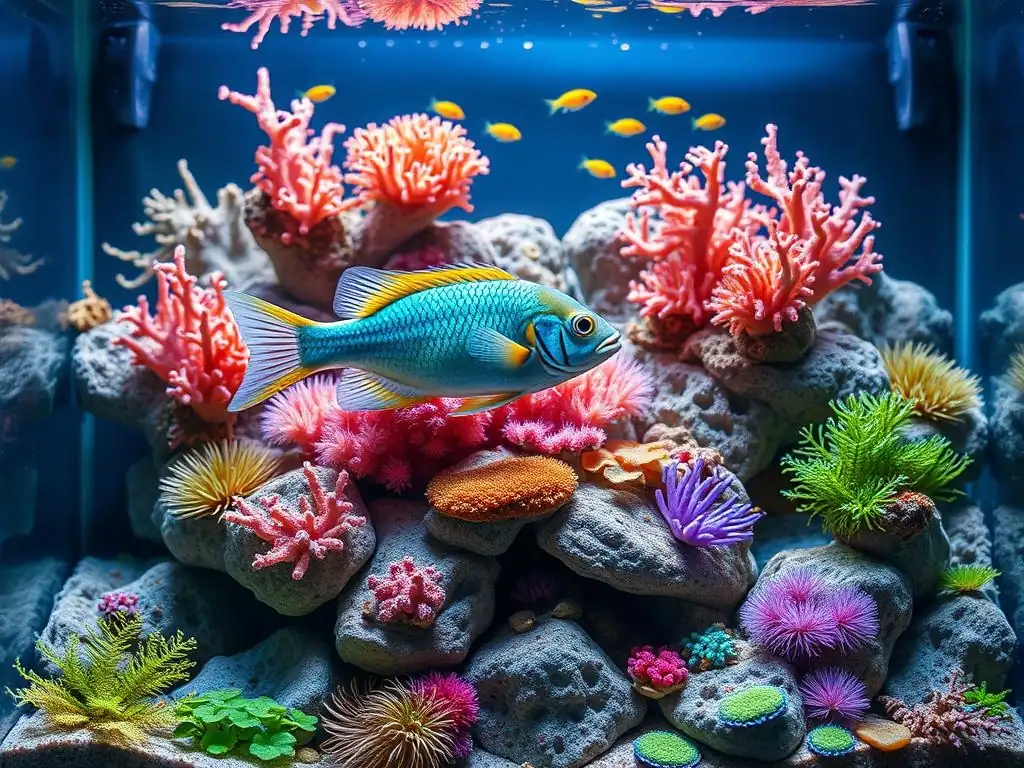
Welcome to Aquarium Mastery!
Intrigued by the vibrant colors and unique personality of the Catalina Goby? Dive in! This Catalina Goby care guide will unravel the secrets to successfully keeping this cool-water beauty thriving in your nano aquarium. Discover everything you need to know about their specific needs, tank mates, and how to create the perfect environment for these charming little gobies. Ready to unlock the secrets of this captivating species? Let's begin!
- Catalina Goby Care Guide: Introduction to the Cool-Water Nano Fish
- Catalina Goby Profile: Species Overview
- Setting Up a Suitable Tank for Catalina Gobies
- Catalina Goby Diet and Feeding
- Catalina Goby Tank Mates: Compatibility and Social Behavior
- Catalina Goby Health and Disease Prevention
- Breeding Catalina Gobies: Challenges and Possibilities
- Purchasing Catalina Gobies: Selecting Healthy Specimens
- Catalina Goby: Pros and Cons of Ownership
- Troubleshooting Common Catalina Goby Problems
- Conclusion: The Catalina Goby – A Rewarding but Demanding Nano Reef Addition
-
Frequently Asked Questions
- What are the most important water parameters to consider when keeping Catalina Gobies?
- What type of aquarium setup is best suited for a Catalina Goby?
- What is the ideal diet for a Catalina Goby?
- What are some common health issues to watch out for with Catalina Gobies?
- Are Catalina Gobies compatible with other fish species in a reef tank?
- Final Reflection: Embracing the Delicate Balance
- Dive Deeper: Transform Your Nano Tank Today!
Catalina Goby Care Guide: Introduction to the Cool-Water Nano Fish
Understanding the Appeal of Catalina Gobies for Nano Reef Tanks
The Catalina Goby ( Lythrypnus dalli) offers a distinctive charm for nano reef enthusiasts, primarily due to its striking coloration and manageable size. Typically reaching a maximum length of 2-3 inches (approximately 5-7.5 cm), these vibrant fish fit perfectly into smaller aquarium setups where larger marine species would quickly become overcrowded. Their active yet graceful swimming patterns and habit of perching on live rock add a captivating dynamic to the miniature ecosystem, providing a focal point for any dedicated aquarist.
Beyond their aesthetic appeal, Catalina Gobies represent a unique challenge and reward for those looking to diversify their marine aquarium experience. Unlike most popular tropical reef inhabitants, these gobies thrive in cooler water temperatures, demanding a specialized setup that sets them apart from conventional reef tanks. This niche requirement appeals to hobbyists seeking to explore temperate marine environments, offering a refreshing departure from the typical warm-water fish profiles and making a comprehensive Catalina Goby care guide essential.
Why Choose a Catalina Goby? Benefits and Considerations
Choosing a Catalina Goby means embracing a fish that combines stunning visual appeal with a relatively peaceful temperament. Their bright red-orange bodies adorned with electric blue vertical bands make them incredibly eye-catching, especially when paired with the right aquascape. They are generally non-aggressive towards tank mates, provided those companions are also peaceful and appropriately sized, and their small stature allows them to thrive in nano tanks as compact as 10-20 gallons (approximately 38-76 liters).
However, the decision to keep a Catalina Goby comes with significant considerations, most notably their specific environmental needs. The primary challenge is their requirement for cool water, ideally ranging between 50-70°F (10-21°C), which often necessitates the investment in a chiller for most home aquariums. This adds to both the initial setup cost and ongoing energy consumption. Furthermore, their typical lifespan in captivity is relatively short, often ranging from 2-3 years, a factor that potential owners should be aware of when planning their aquarium.
Catalina Goby Profile: Species Overview
Scientific Classification and Origin of the Catalina Goby (Lythrypnus dalli)
The Catalina Goby, scientifically known as Lythrypnus dalli, belongs to the family Gobiidae, one of the largest families of fish, encompassing a vast array of small, bottom-dwelling species. Its common name is derived from Catalina Island, off the coast of Southern California, where these fish are frequently observed. This classification places them among a diverse group of fish known for their distinct pelvic fins, which are often fused to form a suction cup-like disc.
Native to the temperate waters of the Eastern Pacific Ocean, the Catalina Goby's natural range extends along the coast from Central California, specifically Point Conception, southwards to Baja California, Mexico. They are commonly found inhabiting rocky reefs, kelp forests, and tide pools, often in depths ranging from just a few feet to about 100 feet (approximately 30 meters). This specific cool-water origin dictates the precise environmental parameters necessary for successful Catalina Goby care in a home aquarium.
Identifying Features: Physical Characteristics of the Catalina Goby
The Catalina Goby is instantly recognizable by its vibrant and distinctive coloration. Its body is predominantly a brilliant red-orange, sharply contrasted by a series of striking electric blue vertical bands. Typically, there are 6 to 7 of these iridescent blue bands running along its sides, making it one of the most visually appealing small marine fish. This vivid patterning serves as a clear identifying marker, distinguishing it from other goby species.
In terms of physical structure, the Catalina Goby possesses a slender, elongated body that tapers towards the tail. It has relatively large, prominent eyes that sit high on its head, indicative of its visual hunting habits. The fins are generally clear, allowing the body's striking colors to stand out even further. As previously mentioned, adults typically reach a modest size of 2-3 inches (5-7.5 cm), making them an ideal candidate for nano and pico reef aquariums, provided their cool-water needs are met.
Natural Habitat: Simulating Their Native Cool-Water Environment
Simulating the Catalina Goby's natural temperate habitat is paramount for its long-term health and well-being in captivity. In the Eastern Pacific, these gobies thrive amidst rocky crevices, under ledges, and within the protective canopy of kelp forests. This environment is characterized by consistent cool temperatures, strong water movement, and an abundance of small invertebrates that form their natural diet. Replicating these conditions is a cornerstone of effective Catalina Goby care.
Their native substrate often consists of coarse sand, rubble, and exposed rockwork, which provides both foraging grounds and essential hiding spots from potential predators. Furthermore, the presence of various macroalgae and sessile invertebrates within these rocky reefs contributes to the biodiversity and stability of their ecosystem. Understanding these elements of their natural world allows aquarists to design an aquarium that not only looks appealing but also genuinely supports the unique needs of this cool-water charmer.
Setting Up a Suitable Tank for Catalina Gobies
Tank Size Requirements: Minimum Gallons for a Happy Goby
For a single Catalina Goby, a minimum tank size of 10 gallons (approximately 38 liters) is generally recommended. This volume provides sufficient space for the fish to establish a territory, explore its surroundings, and maintain stable water parameters. Given their small size and relatively low bioload, a 10-gallon tank can offer an adequate environment, provided all other care requirements, especially temperature, are meticulously managed.
If you plan to keep a pair or a small group of Catalina Gobies, or if you wish to include other compatible cool-water tank mates, a larger aquarium of 20 gallons (approximately 76 liters) or more is highly advisable. This increased volume helps to dilute waste products more effectively, provides greater stability for the precise cool-water conditions they require, and minimizes potential territorial disputes among multiple gobies by offering ample room for individual territories and hiding spots.
Water Parameters: Maintaining Cool and Stable Conditions
Ideal Temperature Range for Catalina Gobies
The most critical environmental parameter for the successful keeping of Catalina Gobies is temperature. Unlike most tropical marine fish, they require significantly cooler water to thrive. The ideal temperature range for Lythrypnus dalli is between 50-70°F (10-21°C). Maintaining temperatures consistently above 72°F (22°C) can cause severe stress, suppress their immune system, lead to rapid deterioration of health, and significantly shorten their already modest lifespan.
To achieve and maintain this specific cool-water range, a chiller is almost always a necessity for Catalina Goby care, especially in warmer climates or heated homes. Relying solely on ambient room temperature or fans is rarely sufficient for consistent stability. It is crucial not only to keep the water cool but also to ensure temperature stability, as rapid fluctuations can be just as detrimental as consistently high temperatures, stressing the fish and making them susceptible to disease.
Salinity, pH, and Ammonia Levels for Optimal Health
Beyond temperature, maintaining standard marine aquarium water parameters within optimal ranges is crucial for the health of Catalina Gobies. Salinity should be kept stable between 1.020 and 1.025 specific gravity, which is typical for most marine setups. The pH level should consistently remain between 8.1 and 8.4, reflecting the alkaline nature of natural seawater. Regular testing of these parameters is essential to ensure consistency.
Furthermore, ammonia and nitrite levels must be undetectable (0 ppm), as even trace amounts can be highly toxic to marine fish. Nitrate levels should be kept as low as possible, ideally below 10-20 ppm, through diligent maintenance. Implementing a robust filtration system, including biological, mechanical, and chemical filtration, coupled with consistent bi-weekly water changes of 10-20% of the tank volume, is fundamental for preventing the accumulation of harmful compounds and ensuring pristine water quality for your Catalina Goby.
Substrate and Aquascaping: Creating a Natural Habitat
Rockwork and Hiding Places for Security
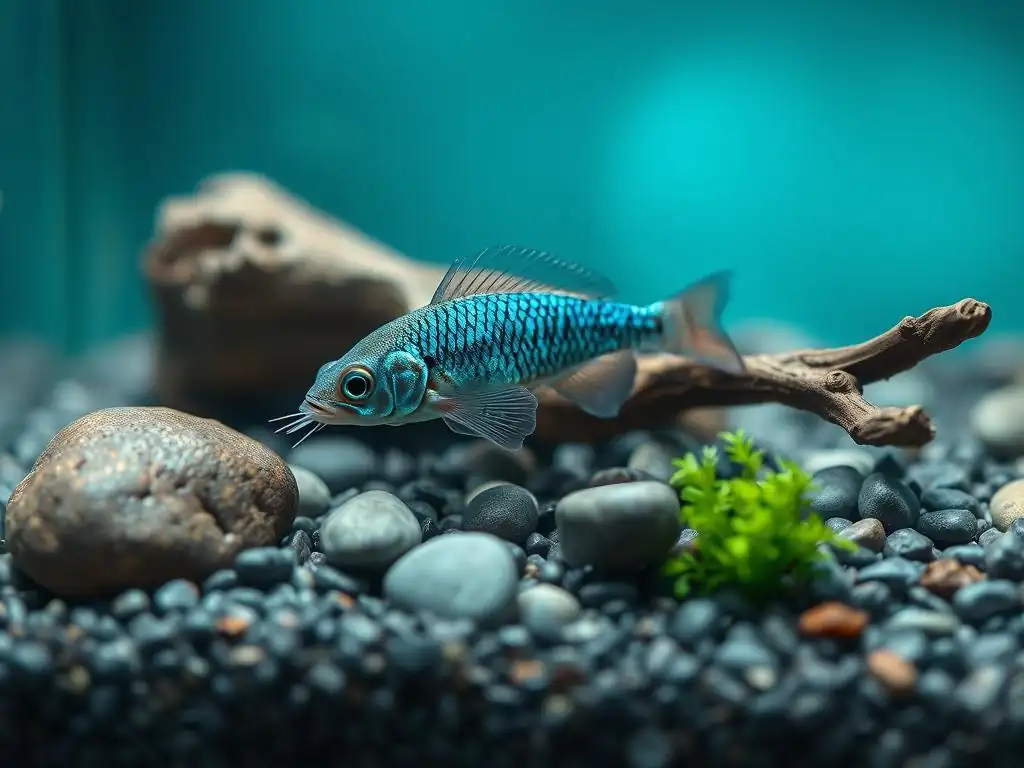
Providing ample rockwork is a fundamental aspect of creating a suitable habitat for Catalina Gobies. These fish are naturally somewhat shy and appreciate numerous crevices, caves, and overhangs where they can retreat when feeling threatened or simply rest. Live rock or high-quality dry rock, arranged to form a stable and intricate structure, will serve as essential hiding spots and perching points, mimicking their natural rocky reef environment.
When aquascaping, consider creating distinct zones or territories within the rockwork, especially if you plan to keep multiple Catalina Gobies. This helps to minimize potential territorial disputes by providing clear boundaries and multiple options for shelter. Ensure that all rock structures are securely stacked to prevent collapses, which could injure or trap your fish. The presence of ample secure hiding spots significantly reduces stress and promotes natural behavior, vital for comprehensive Catalina Goby care.
Suitable Substrate Options for Catalina Gobies
For the substrate, a fine sand bed, such as aragonite sand, is generally suitable for Catalina Gobies. While they are not known for extensive burrowing like some other goby species, they may sift through the sand in search of tiny food particles. A depth of 1-2 inches (2.5-5 cm) is typically adequate, providing a natural appearance and a surface for beneficial bacteria to colonize.
Alternatively, a mix of fine sand with small rubble or crushed coral can also replicate their natural rocky reef environment more closely. This type of substrate provides additional texture and crevices, which can be explored by the gobies. Regardless of the chosen substrate, ensure it is clean and inert, meaning it won't leach undesirable compounds into the water, to maintain the stable water chemistry required for optimal Catalina Goby health.
Catalina Goby Diet and Feeding
What Do Catalina Gobies Eat? Natural Diet and Nutritional Needs
In their natural temperate habitats off the coast of California and Baja California, Catalina Gobies are primarily micro-predators. Their diet consists largely of small benthic and planktonic invertebrates found in the water column and among the rocky crevices of their reef environment. This includes copepods, amphipods, various small crustaceans, and other minute organisms that they actively hunt and consume.
To thrive in a home aquarium, their captive diet must reflect these natural nutritional needs. They require a varied diet rich in protein and essential fatty acids to maintain their vibrant coloration, energy levels, and overall health. Providing a diverse selection of small, meaty foods is crucial for their long-term well-being and is a key component of a successful Catalina Goby care guide.
Recommended Foods for Catalina Gobies in Captivity
Live Foods: Brine Shrimp, Copepods, and More
Live foods are an excellent and often necessary component of the Catalina Goby's diet, especially when first acclimating new specimens or encouraging shy feeders. Live brine shrimp (preferably enriched with nutritional supplements), various species of copepods, and rotifers are highly recommended. These live offerings stimulate the goby's natural hunting instincts and provide a highly palatable and nutritious food source.
Culturing your own live foods, such as copepods, can provide a continuous and sustainable supply, significantly benefiting the gobies' health and activity levels. Alternatively, purchasing live foods from reputable aquatic suppliers on a regular basis ensures a fresh, high-quality supplement to their diet, promoting better feeding responses and overall vitality.
Frozen Foods: Providing a Balanced Diet
Once acclimated and consistently feeding, Catalina Gobies can transition to a diet largely composed of high-quality frozen foods. Excellent choices include frozen mysis shrimp, frozen brine shrimp (also enriched), cyclops, and finely chopped marine-based foods. Specialized frozen formulas designed for small marine fish, often containing krill, spirulina, and other beneficial ingredients, can also be incorporated.
Always thaw frozen foods thoroughly before feeding to prevent digestive issues and ensure they are palatable. Offering a varied rotation of different frozen foods ensures a comprehensive nutritional profile, preventing deficiencies that can arise from feeding a single food type. This diverse approach to nutrition is fundamental for robust Catalina Goby care.
Feeding Frequency and Techniques
Due to their active metabolism and continuous foraging behavior in the wild, Catalina Gobies benefit from being fed small amounts multiple times a day. Ideally, they should be offered food 2-3 times daily. This mimics their natural feeding patterns and ensures they receive adequate nutrition without overwhelming their digestive system or contributing to water quality degradation.
For shy individuals or in tanks with faster, more aggressive feeders, target feeding techniques can be highly effective. Using a pipette or a turkey baster to deliver food directly to the goby's preferred hiding or perching spot ensures that it receives its share, preventing it from being outcompeted. Observing their feeding response will help you adjust the portion sizes and frequency to their specific needs, ensuring optimal health and growth.
Suitable Tank Companions for Catalina Gobies
Invertebrates: Shrimp, Snails, and Crabs
Many peaceful invertebrates make excellent tank companions for Catalina Gobies, provided they can also tolerate the cooler water temperatures. Cleaner shrimp species, such as Peppermint Shrimp ( Lysmata wurdemanni) or Skunk Cleaner Shrimp ( Lysmata amboinensis), are generally safe and can even provide beneficial cleaning services. Various snail species, including Nassarius snails ( Nassarius vibex) for sand bed maintenance or Turbo snails ( Turbo fluctuosa) for algae control, are also highly compatible.
Small, peaceful hermit crabs, such as Dwarf Blue Leg Hermit Crabs ( Clibanarius tricolor), can also coexist harmoniously. However, it is crucial to avoid larger or more aggressive crab species that might pose a threat to the small gobies. Always ensure that any invertebrate chosen is comfortable with the specific cool-water parameters required by the Catalina Goby, as this is a less common requirement for many popular marine invertebrates.
Fish: Peaceful and Cool-Water Tolerant Species
Selecting fish tank mates for Catalina Gobies requires careful consideration of both temperament and temperature tolerance. Ideal companions are peaceful, non-aggressive, and thrive in cooler water. Other small, peaceful goby species can sometimes be housed together, provided the tank is sufficiently large (e.g., 20 gallons or more) with ample rockwork to establish individual territories. Small blennies, such as the Tailspot Blenny ( Ecsenius stigmatura), might be compatible if their specific temperature needs align.
It's also possible to consider certain pipefish or seahorses, though these species have highly specialized care requirements themselves and are not typically recommended for novice aquarists. The key is thorough research into each potential tank mate's specific needs and ensuring they can comfortably share the unique cool-water environment. Overstocking, especially in nano tanks, should be strictly avoided to reduce stress and potential aggression among inhabitants.
Aggression and Territoriality: Minimizing Conflicts
While Catalina Gobies are generally considered peaceful, they can exhibit territorial behavior, particularly towards conspecifics (other Catalina Gobies) or fish with similar body shapes and color patterns. This territoriality is more pronounced in smaller aquariums where space is limited. Providing an abundance of hiding spots and strategically arranged rockwork that creates visual barriers can significantly help to mitigate such conflicts.
If you plan to keep multiple Catalina Gobies, it is advisable to introduce them simultaneously to the tank, if possible, or ensure the tank is generously sized (e.g., 20 gallons or larger) to allow each individual to establish its own territory without constant confrontation. Closely observe their interactions, especially during feeding times, as competition for food can sometimes trigger aggressive displays. Prompt intervention, such as rearranging decor or, in severe cases, separating the fish, may be necessary.
Avoiding Incompatible Tank Mates
To ensure the safety and well-being of your Catalina Gobies, it is crucial to avoid housing them with incompatible tank mates. This includes any large, aggressive, or predatory fish that might view the small gobies as a food source. Examples of such incompatible species include many larger angelfish, triggerfish, lionfish, moray eels, or groupers, which are entirely unsuitable for a Catalina Goby setup.
Furthermore, avoid fast-moving or overly boisterous fish that could outcompete the slower-moving gobies for food or create a stressful environment through constant activity. Most importantly, any fish that requires typical tropical marine temperatures (above 72°F or 22°C) is fundamentally incompatible, regardless of temperament, due to the Catalina Goby's strict cool-water needs. Adhering to these guidelines is a vital part of any responsible Catalina Goby care guide.
Catalina Goby Health and Disease Prevention
Common Diseases Affecting Catalina Gobies
Ich (White Spot Disease)
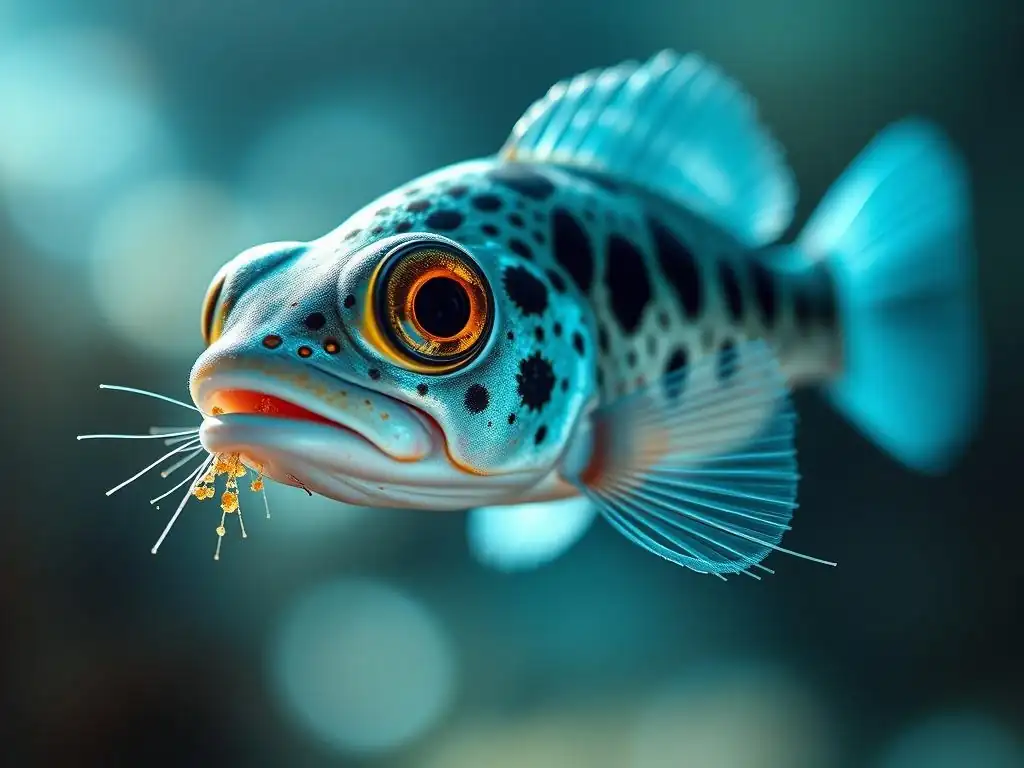
Ich, caused by the marine parasite Cryptocaryon irritans, is one of the most common and devastating diseases in marine aquariums, and Catalina Gobies are susceptible, especially when stressed. The tell-tale sign of Ich is the appearance of small, white spots resembling grains of salt scattered across the fish's body, fins, and gills. Affected fish may also exhibit rapid breathing, scratching against decor, or lethargy.
Prevention is always the best approach for Ich. This involves maintaining stable and pristine water quality, ensuring the correct cool-water temperature range, and diligently quarantining all new arrivals. Treatment typically involves copper-based medications or hyposalinity in a dedicated hospital tank, as these methods can harm invertebrates and beneficial bacteria in the main display. Early detection and prompt action are crucial for successful recovery.
Fin Rot and Other Bacterial Infections
Fin rot is a common bacterial infection characterized by the erosion or fraying of the fins, which may also appear reddened or inflamed. This condition is frequently a secondary infection, often triggered by poor water quality (high nitrates, ammonia), physical injury, or chronic stress that compromises the fish's immune system. Other bacterial infections can manifest as cloudy eyes, body lesions, loss of appetite, or general lethargy.
Maintaining excellent water parameters, performing regular water changes, and providing a stress-free environment with ample hiding places are the most effective preventative measures. If fin rot or other bacterial infections occur, isolating the affected fish in a quarantine tank and treating with appropriate antibiotics, often prescribed by a qualified aquatic veterinarian or experienced marine fish expert, may be necessary. Never medicate the main display tank unless specifically advised.
Recognizing Signs of Illness
Vigilant observation of your Catalina Goby's behavior and physical appearance is paramount for early detection of illness. Healthy gobies are typically active, alert, and exhibit their vibrant coloration. Signs of illness can include changes in swimming patterns, such as listlessness, erratic movements, or constant hovering near the surface or bottom. Increased hiding beyond their normal shy tendencies, rapid or labored breathing, and rubbing or scratching against tank decor are also red flags.
Physical indicators of disease might include faded or dull coloration, the presence of white spots, fuzzy growths, discolored patches, or visible lesions on the body or fins. Clamped fins, a swollen abdomen, or sunken eyes can also signify underlying health issues. Promptly addressing any deviation from normal behavior or appearance is critical for successful intervention and is a key aspect of proactive Catalina Goby care.
Quarantine Procedures for New Arrivals
A mandatory quarantine period for all new Catalina Gobies is arguably the single most important step in preventing the introduction of diseases into your established display tank. New fish should be housed in a separate, fully cycled quarantine tank for at least 4 weeks. This allows for close observation for any signs of illness and provides an opportunity to treat any latent diseases without exposing your main tank inhabitants.
During quarantine, maintain the same pristine water quality and cool-water parameters as your main display. Offer a varied and nutritious diet to help the fish regain strength after the stress of transport. If any signs of disease appear, appropriate treatment can be administered in the quarantine tank, preventing the spread of pathogens to your healthy, established fish and invertebrates. This disciplined approach is a cornerstone of responsible Catalina Goby care.
Maintaining Optimal Water Quality to Prevent Disease
Consistent and optimal water quality is the foundation of disease prevention for Catalina Gobies. This species is particularly sensitive to fluctuations and pollutants. Therefore, maintaining stable cool temperatures (50-70°F), a consistent salinity (1.020-1.025), and undetectable levels of ammonia and nitrite are non-negotiable. Regular testing, ideally weekly, is essential to monitor these crucial parameters.
Beyond stability, actively managing nitrates is important; levels should be kept below 10-20 ppm through routine water changes. Performing 10-20% water changes every two weeks, or 5-10% weekly, helps to dilute nitrates, replenish essential trace elements, and remove accumulated organic pollutants. A robust filtration system, combining mechanical filtration (e.g., filter socks/pads), biological filtration (e.g., live rock, bio-media), and chemical filtration (e.g., activated carbon), is also vital for maintaining the pristine conditions necessary for your Catalina Goby's long-term health.
Breeding Catalina Gobies: Challenges and Possibilities
Creating Breeding Conditions: Temperature and Water Quality
Breeding Catalina Gobies in captivity is considered highly challenging, primarily due to their specific environmental requirements and the subsequent difficulty in rearing the delicate fry. To encourage spawning, aquarists must meticulously maintain the precise cool-water temperatures that mimic their natural breeding season, typically ranging from 60-65°F (15-18°C). Consistent, pristine water quality, with undetectable ammonia and nitrite, and very low nitrates, is also paramount.
A dedicated breeding tank, often separate from the main display, is recommended to provide a controlled environment. This tank should be aquascaped with ample rockwork, crevices, and potential spawning surfaces such as inverted ceramic pots or PVC pipes, which can serve as suitable nesting sites. Strong, yet not turbulent, water flow should also be provided to replicate their natural temperate reef conditions and aid in egg oxygenation.
Identifying Male and Female Catalina Gobies
Sexual dimorphism in Catalina Gobies is subtle, making it challenging to definitively identify males and females outside of spawning periods. Males may sometimes exhibit slightly more vibrant coloration or be marginally larger and more robust than females, particularly when conditioned for breeding. During courtship, the male's dorsal fin might also appear slightly more extended or pointed.
The most reliable method for sexing Catalina Gobies is through observation of their breeding behavior. Males are known to prepare and guard the nesting site and care for the eggs. Keeping a small group, typically 4-6 individuals, in a sufficiently large and well-established breeding setup increases the chances of observing a pair bond and subsequent spawning, allowing for accurate sex identification.
Spawning Behavior and Egg Care
Catalina Gobies are substrate spawners, meaning they lay their adhesive eggs directly onto a hard surface within a sheltered location. The male typically prepares a nesting site, often a small cave, crevice, or under an overhang within the rockwork. He will then court the female, enticing her to deposit her eggs within the prepared nest. The female lays a small clutch of eggs, usually ranging from 50 to 200, which the male then fertilizes.
Following fertilization, the male takes on the primary role of parental care. He diligently guards the eggs, fanning them with his fins to ensure proper oxygenation and removing any unfertilized or fungal eggs to prevent spoilage. The eggs typically hatch within a few days, depending on the water temperature. The dedication of the male in guarding the eggs is a fascinating aspect of their reproductive biology.
Raising Catalina Goby Fry: A Difficult but Rewarding Challenge
Raising Catalina Goby fry is the most formidable challenge in their captive breeding. The newly hatched fry are incredibly small, almost microscopic, and require extremely specific and minute live foods immediately upon hatching. Traditional first foods like newly hatched brine shrimp are often too large for them. Instead, they require rotifers ( Brachionus plicatilis), copepod nauplii, or even paramecium as their initial food source.
A dedicated rearing tank with extremely gentle aeration, precise temperature control, and meticulous water quality management is absolutely essential for any chance of success. The survival rate of the fry is typically very low, even for experienced breeders, due to their delicate nature and exacting dietary requirements. Successfully raising Catalina Goby fry is a significant achievement and a testament to advanced aquarist skills, making it a truly rewarding, albeit demanding, endeavor.
Purchasing Catalina Gobies: Selecting Healthy Specimens
Where to Buy Catalina Gobies: Reputable Sources
When considering adding a Catalina Goby to your aquarium, selecting a reputable source is crucial for acquiring a healthy specimen. Look for specialized marine fish stores that demonstrate excellent husbandry practices, with clean tanks and active, vibrant fish. Online vendors with strong reputations, positive customer reviews, and clear policies on livestock health and shipping are also viable options.
It is advisable to inquire about the fish's origin, how long it has been in their care, and what it has been eating. Reputable suppliers will typically have a good understanding of the specific requirements of cool-water species and will be transparent about their acclimation and quarantine procedures. Avoid purchasing from sources where fish appear stressed, diseased, or are housed in overcrowded or unsanitary conditions, as this significantly increases the risk of bringing home an unhealthy animal.
What to Look for When Buying: Health and Appearance
A healthy Catalina Goby will exhibit several key indicators of good health. Its coloration should be vibrant and intense, with the characteristic red-orange and electric blue bands clearly defined. The eyes should be clear, bright, and free of cloudiness or haziness. Inspect the body carefully for any visible spots (like Ich), lesions, frayed fins, or signs of physical injury.
Observe its behavior in the dealer's tank: a healthy goby will be active and alert, often hovering in the water column, perching on rockwork, or exploring its environment. Avoid fish that are listless, constantly hiding (beyond initial shyness), breathing rapidly, or appear emaciated with sunken bellies. A fish that readily accepts food, if offered, is also a positive sign, indicating it has acclimated well to captivity and is a good candidate for your home aquarium.
Acclimation Process: Safely Introducing Your New Goby to the Tank
The acclimation process is a critical step in safely introducing your new Catalina Goby to its new home and minimizing stress. Due to their sensitivity to water parameter changes, the drip acclimation method is highly recommended. This involves slowly dripping water from your display tank into the bag or container holding the fish over an extended period, typically 60-90 minutes, to gradually equalize temperature, pH, and salinity.
Before beginning acclimation, dim the lights in your main tank to reduce stress for the new arrival. Once acclimation is complete, gently net the goby from the acclimation container and introduce it to your display tank, discarding the transport water (never add it to your main system). Ensure there are immediate hiding places available for the goby to retreat to, allowing it to settle in without undue stress from existing tank inhabitants. This careful approach is fundamental to long-term Catalina Goby care.
Catalina Goby: Pros and Cons of Ownership
Advantages of Keeping Catalina Gobies
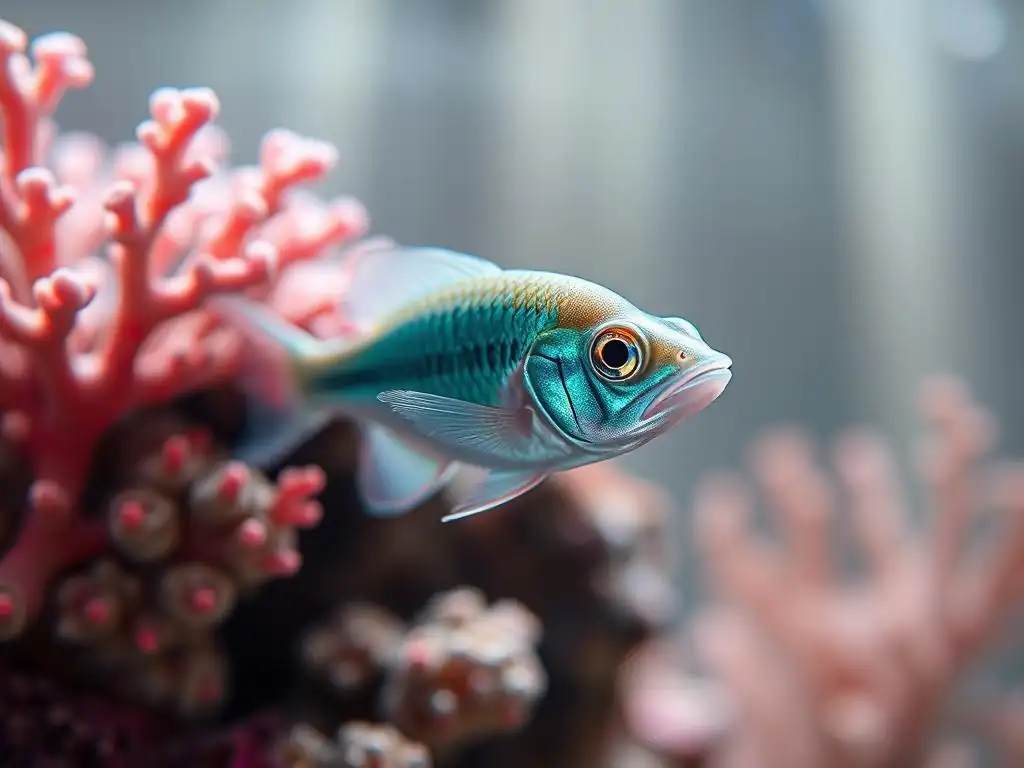
The Catalina Goby offers several compelling advantages for the dedicated marine aquarist. Foremost among these is their stunning and unique coloration, featuring a brilliant red-orange body contrasted by vivid electric blue bands. This striking appearance makes them an undeniable focal point and a visually captivating addition to any nano reef aquarium, standing out from more commonly kept tropical species.
Furthermore, their small size, typically maxing out at 2-3 inches, makes them perfectly suited for nano and even pico reef tanks, allowing hobbyists with limited space to enjoy a vibrant marine fish. They are generally peaceful towards most tank mates, provided those companions are also non-aggressive and capable of thriving in cooler water. Their active yet graceful swimming and inquisitive nature add a dynamic and engaging element to the aquarium, making them a rewarding species for those prepared for their specific needs.
Potential Challenges and Considerations
Despite their appeal, keeping Catalina Gobies comes with significant challenges that potential owners must thoroughly consider. The most substantial hurdle is their strict requirement for cool water temperatures, ideally between 50-70°F (10-21°C). This often necessitates a substantial investment in a chiller, which adds considerable upfront cost and ongoing energy consumption to the aquarium setup. Maintaining this precise temperature range consistently can be demanding.
Another consideration is their somewhat shy nature, especially when first introduced, which may require patience and target feeding to ensure they receive adequate nutrition. While generally peaceful, they can be territorial with conspecifics in smaller tanks. Lastly, their relatively short lifespan in captivity, typically around 2-3 years, means they are not a long-term commitment in the same way some other marine fish might be, which is an important factor in planning your Catalina Goby care strategy.
Troubleshooting Common Catalina Goby Problems
Refusal to Eat: Identifying Causes and Solutions
Refusal to eat is a common problem encountered with newly introduced or stressed Catalina Gobies. Several factors can contribute to this. Stress from incorrect water parameters (especially temperature outside their ideal 50-70°F range), poor water quality (high ammonia/nitrite), or the presence of aggressive tank mates can all cause a goby to stop feeding. Shyness or competition from faster tank mates may also prevent them from getting enough food.
To address this, first meticulously check all water parameters, ensuring they are within optimal ranges and stable. Verify that the temperature is consistently cool and correct. Offer a variety of highly palatable live foods, such as enriched brine shrimp or copepods, which often entice shy or stressed fish to eat. Target feeding with a pipette can ensure the goby receives food without competition. Providing more hiding places or reducing tank mate aggression can also significantly reduce stress and encourage feeding, making this a critical aspect of Catalina Goby care.
Hiding Constantly: Determining Underlying Stressors
While Catalina Gobies are naturally somewhat shy and appreciate hiding places, constant and excessive hiding beyond initial acclimation is often a sign of underlying stress. This behavior can be triggered by several factors. Aggressive or overly boisterous tank mates might be intimidating the goby, causing it to seek constant refuge. Insufficient hiding spots or lack of secure rockwork can also make them feel exposed and vulnerable.
To alleviate constant hiding, first ensure your aquascape provides ample secure caves, crevices, and visual breaks within the rockwork where the goby can retreat and feel safe. Re-evaluate your tank mate compatibility; if there are aggressive species, consider removing them. Verify that all water parameters, particularly temperature, are stable and within their ideal range, as fluctuating or incorrect conditions can cause chronic stress. Dimming aquarium lights for a few hours daily can also help reduce perceived threats and encourage the goby to venture out.
Aggression Towards Tank Mates: Strategies for Mitigation
Although generally considered peaceful, Catalina Gobies can occasionally exhibit aggression, especially towards conspecifics (other Catalina Gobies) or fish with similar body shapes and colors. This behavior is usually territorial and is exacerbated in tanks that are too small or lack sufficient individual territories and hiding spots. Competition for limited resources, such as food or preferred perching sites, can also trigger aggressive displays.
To mitigate aggression, consider if your tank size is adequate for the number of gobies or other fish housed; increasing tank volume can dilute territorial disputes. Rearrange the aquascape to create new territories, break sightlines, and provide multiple distinct hiding places. If keeping multiple Catalina Gobies, introducing them simultaneously or ensuring they are well-fed can reduce competition. If aggression persists and causes harm, it may be necessary to remove the aggressor or the targeted fish to a separate tank to ensure the well-being of all inhabitants.
Conclusion: The Catalina Goby – A Rewarding but Demanding Nano Reef Addition
Is the Catalina Goby Right for Your Aquarium?
The Catalina Goby is an undeniably beautiful and charismatic fish, offering a unique splash of vibrant color and active personality to a nano reef aquarium. It represents an excellent choice for dedicated aquarists who are specifically drawn to the challenge and reward of keeping temperate marine species. If you possess the willingness and resources to invest in a chiller and are committed to meticulously maintaining precise, cool water parameters, then this specialized nano fish can be an incredibly enriching addition to your aquatic hobby.
However, it is crucial to recognize that the Catalina Goby is not a fish for every aquarium or every aquarist. Its specific environmental demands, particularly the cool-water requirement, set it apart from the majority of tropical marine inhabitants and necessitate a higher level of commitment and specialized equipment. For those prepared to meet these unique needs, the vibrant presence and intriguing behavior of the Catalina Goby will undoubtedly make the effort worthwhile, culminating in a truly successful Catalina Goby care guide experience.
Further Resources for Catalina Goby Care
For aquarists embarking on the journey of keeping Catalina Gobies, continuous learning and community engagement are invaluable. Beyond this comprehensive Catalina Goby care guide, seeking out additional resources can provide ongoing support and deeper insights. Engaging with reputable online marine aquarium forums, where experienced hobbyists share their knowledge and troubleshoot common issues, can offer practical advice and real-world solutions.
Consulting scientific publications on temperate marine fish species and their natural habitats can provide a more profound understanding of their biological needs. Joining local marine aquarium clubs or societies can also connect you with fellow enthusiasts who may have direct experience with Catalina Gobies, fostering a supportive environment for sharing best practices and overcoming challenges. This collaborative approach ensures you remain well-informed and equipped to provide the best possible care for this captivating cool-water charmer.
Frequently Asked Questions
What are the most important water parameters to consider when keeping Catalina Gobies?
Catalina Gobies thrive in cooler water temperatures, ideally between 60-70°F. Maintaining stable salinity levels and pristine water quality is also crucial for their health and survival.
What type of aquarium setup is best suited for a Catalina Goby?
A nano aquarium, typically 10 gallons or larger, is recommended. Provide plenty of live rock for hiding and grazing, and ensure strong water circulation.
What is the ideal diet for a Catalina Goby?
Catalina Gobies are primarily carnivorous. Offer a varied diet of small live or frozen foods, such as brine shrimp, mysis shrimp, and copepods.
What are some common health issues to watch out for with Catalina Gobies?
Catalina Gobies are susceptible to ich and other parasitic infections. Maintaining optimal water quality and providing a stress-free environment are essential for preventing disease.
Are Catalina Gobies compatible with other fish species in a reef tank?
They are generally peaceful, but avoid housing them with aggressive or predatory fish that may bully or outcompete them for food. Careful tankmate selection is key to their wellbeing.
Final Reflection: Embracing the Delicate Balance
The preceding exploration of the Catalina Goby, a jewel of the reef aquarium world, underscores the importance of responsible reefkeeping in a changing climate. Understanding the specific needs of specialized species like the Catalina Goby is not merely a matter of hobbyist success; it’s a crucial step towards promoting sustainable practices and appreciating the fragility of marine ecosystems.
This journey into the intricacies of Catalina Goby care has profoundly highlighted the delicate interconnectedness within our aquariums and the wider ocean. The commitment to providing optimal conditions for these cool-water charmers reflects a deeper respect for biodiversity and a willingness to learn and adapt. In the end, we will conserve only what we love; we will love only what we understand; and we will understand only what we are taught.
- Baba Dioum's words resonate deeply, reminding us that education and understanding are the cornerstones of conservation.
Now, as you consider adding a Catalina Goby to your nano reef, or simply reflect on the information presented, I invite you to embrace the role of a conscientious aquarist. Let this "Catalina Goby care guide" be more than just instructions; let it be a catalyst for deeper understanding, a commitment to responsible sourcing, and a dedication to creating thriving ecosystems, both within your tank and beyond. The future of our reefs depends on it.
Dive Deeper: Transform Your Nano Tank Today!
Thanks for exploring the captivating world of Catalina Gobies! Hopefully, you now have a solid understanding of whether these cool-water charmers are the right fit for your nano aquarium. Ready to take the plunge and bring this unique species into your home?
Here’s how you can make it happen:
- Plan Your Perfect Nano Reef: Design a species-specific reef environment tailored to the Catalina Goby’s needs. Consider specialized equipment and appropriate tank mates.
- Explore Local Reefing Groups: Share your experiences and learn from seasoned aquarists. Your success will depend on a strong community.
- Document Your Journey: Start a blog or video series detailing your experiences with Catalina Gobies. Teach others what you've learned!
What’s the first element you’ll focus on when designing your Catalina Goby paradise?