
Invertebrate Predators: Identifying and Removing Threats to Your Crew

Welcome to Aquarium Mastery!
Are pesky snails and other unwanted guests threatening the delicate balance of your invertebrate community? Dive in to learn more about identifying and safely removing these common threats, ensuring your healthy shrimp and other prized inhabitants thrive! Let's unlock the secrets to a vibrant and harmonious invertebrate aquarium, starting with effective snail removal and predator control.
- Invertebrate Predators: Protecting Your Saltwater Clean-Up Crew
- Understanding Risks to Your Saltwater Invertebrate Clean-Up Crew
- Identifying Invertebrate Predators in Your Saltwater Aquarium
- Protecting Your Saltwater Invertebrate Clean-Up Crew
- Safe and Effective Methods for Predator Control
- Maintaining a Balanced Ecosystem for a Healthy Clean-Up Crew
- Preventing Future Outbreaks of Invertebrate Predators
- When to Seek Professional Help for Predator Control
-
Frequently Asked Questions
- How can I identify potential invertebrate predators in my aquarium?
- What are some common invertebrate predators that target shrimp and snails?
- What preventative measures can I take to protect my shrimp and snail population?
- How can I safely remove an invertebrate predator from my aquarium?
- If I suspect a predator is present, how do I prevent further harm to my shrimp and snails?
- Final Reflection: Protecting the Delicate Balance
- Unleash Your Aquarium's Potential!
Invertebrate Predators: Protecting Your Saltwater Clean-Up Crew
Understanding Risks to Your Saltwater Invertebrate Clean-Up Crew
Why a Healthy Clean-Up Crew is Crucial for Your Aquarium
A robust and healthy clean-up crew (CUC) is the cornerstone of a thriving saltwater aquarium ecosystem. Comprising various snails, hermit crabs, shrimp, and other invertebrates, these organisms tirelessly work to consume detritus, uneaten food, and nuisance algae, playing a vital role in nutrient cycling. Their continuous grazing helps prevent the buildup of nitrates and phosphates, which can otherwise lead to unsightly algae blooms and negatively impact water quality, ultimately stressing fish and corals.
Furthermore, a well-maintained clean-up crew contributes significantly to the overall stability and aesthetic appeal of the tank. For instance, various snail species like turbo snails can consume significant amounts of film algae, while Nassarius snails burrow through the sand bed, preventing anaerobic pockets and aiding in detritus breakdown. Maintaining healthy shrimp populations, such as peppermint shrimp, can also assist in controlling Aiptasia anemones, demonstrating their multifaceted benefits beyond simple waste removal.
Common Threats to Snails and Shrimp in Saltwater Tanks
While clean-up crews are essential, they are also vulnerable to a range of threats within the aquarium environment. Predatory invertebrates are among the most significant dangers, often introduced as unnoticed hitchhikers on live rock or corals. These hidden threats can decimate populations of valuable snails and shrimp, disrupting the delicate balance of the aquarium and leading to an increase in undesirable algae.
Beyond direct predation, other factors can compromise the clean-up crew's health and effectiveness. Poor water quality, characterized by unstable parameters or elevated ammonia/nitrite levels, can stress and ultimately kill these sensitive invertebrates. Additionally, a lack of sufficient food sources in very clean tanks can lead to starvation, while certain fish species, even those considered "reef safe," may opportunistically prey on smaller snails or shrimp. Understanding these threats is crucial for effective snail removal and ensuring the longevity of your healthy shrimp.
Identifying Invertebrate Predators in Your Saltwater Aquarium
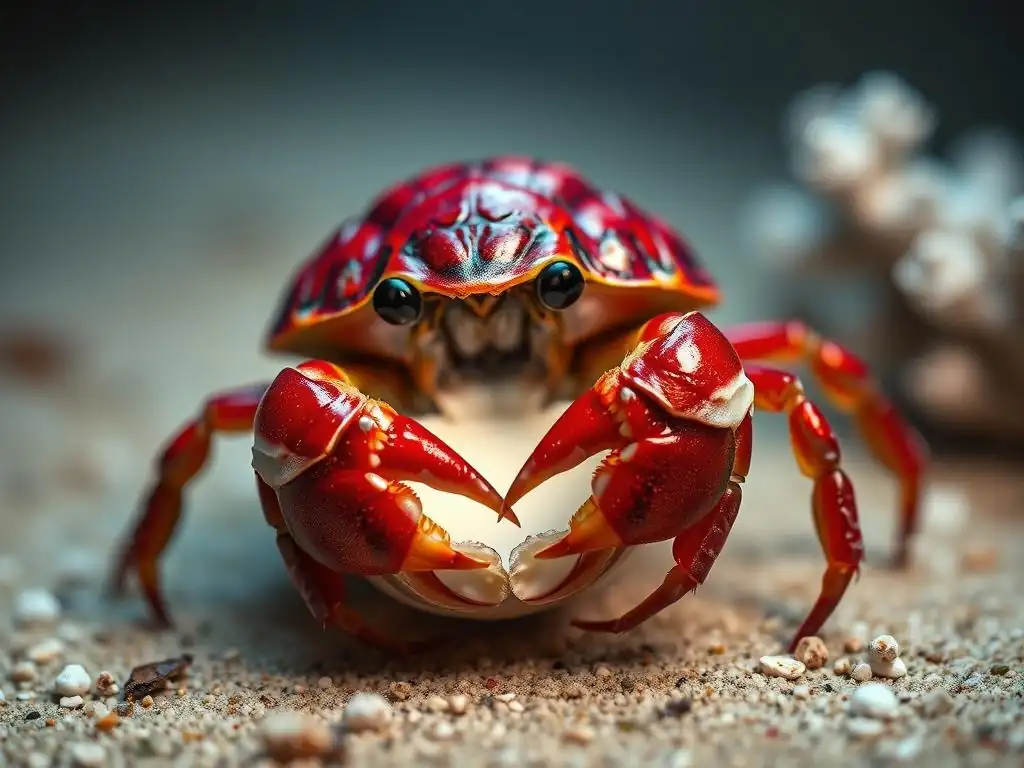
Recognizing Predatory Crabs: A Visual Guide
Identifying predatory crabs in your aquarium often requires careful observation, as many are nocturnal or adept at hiding. Unlike beneficial crabs, which typically have smaller, more symmetrical claws and exhibit scavenging behavior, predatory species often possess disproportionately large or powerful claws designed for crushing snail shells or ambushing shrimp. Their bodies might appear more robust or spiny, and their movements can be more deliberate and aggressive, especially towards other invertebrates.
Common indicators of a predatory crab include unexplained disappearances of snails or shrimp, particularly smaller individuals, or finding empty snail shells with a clean break around the operculum. Observing your tank at night with a red light can reveal these elusive hunters as they emerge from their hiding spots to forage. Look for crabs actively pursuing or holding onto other invertebrates, rather than simply scavenging detritus.
Identifying Emerald Crabs (Mithrax sculptus) and Gorilla Crabs
Emerald Crabs ( Mithrax sculptus) are frequently introduced into aquariums as algae eaters, particularly for bubble algae. While often beneficial, they can become opportunistic predators, especially as they mature or if their primary food source of algae is scarce. They are typically bright green, with flattened bodies and hairy legs, and their claws are relatively broad. Look for signs of them clipping at corals or, more concerningly, attempting to pry open snail shells, particularly at night.
Gorilla Crabs, encompassing various species primarily from the Xanthidae family, are almost universally predatory and highly undesirable in a reef tank. These crabs are characterized by their dark coloration (often black, brown, or mottled), robust bodies, and exceptionally strong, often hairy, claws. They are notorious for crushing snail shells and ambushing shrimp, and their aggressive nature makes them a significant threat to a healthy clean-up crew. Their presence necessitates immediate snail removal and intervention to protect your healthy shrimp.
Spotting Predatory Snails: What to Look For
Predatory snails in a saltwater aquarium can be more challenging to identify than crabs, as they often blend seamlessly with the environment or are very small. Unlike herbivorous snails that typically have a broad, flat foot for grazing and a more rounded shell, predatory snails often exhibit elongated siphons used for detecting prey and specialized mouthparts (proboscis) for drilling into shells or engulfing smaller invertebrates. Their movement might appear more purposeful when approaching potential prey.
Signs of predatory snails include finding empty snail shells with a perfectly circular hole drilled into them, which is characteristic of species like Conus snails or certain whelks. You might also notice a rapid decline in specific small snail species or even clams. Regular inspection of new live rock and corals is crucial, as many predatory snail eggs or juveniles are microscopic and can easily hitchhike into your system, leading to unexpected snail removal challenges.
Whelks: A Common Predator of Small Invertebrates
Whelks represent a broad category of predatory marine snails, and several species can pose a threat to aquarium inhabitants. While some Nassarius species are beneficial scavengers, other true whelks, like those from the family Buccinidae, are active predators. They typically have a prominent siphon and a sturdy, often spiral, shell. These snails will actively hunt and consume other smaller snails and sometimes even clams or small crustaceans. Their method often involves engulfing prey or using their radula to rasp away at soft tissues.
Another notable predatory snail group is the Pyramidellid snails, such as those from the genera Pyramidella or Odhneria. These are tiny, often white or translucent snails, typically only a few millimeters in size. They are external parasites that feed on the bodily fluids of clams, other snails (including desirable species like Trochus and Turbo snails), and sometimes even zoanthids.
Their presence is often only revealed by observing their victims becoming listless or failing to thrive, or by spotting the tiny, cone-shaped shells directly on their hosts. Effective snail removal of these parasites requires diligent inspection and sometimes removal of infected hosts.
Bristleworms: Friend or Foe? Understanding the Threat Level
Bristleworms (Polychaetes) are common inhabitants of saltwater aquariums and are generally beneficial. They act as detritivores, scavenging on uneaten food, decaying organic matter, and detritus, thereby contributing significantly to the clean-up process and nutrient cycling within the substrate and live rock. Their presence often indicates a healthy, mature biological filter, and they play a crucial role in maintaining a clean and balanced ecosystem, much like a microscopic clean-up crew.
However, the reputation of bristleworms is often tarnished by the existence of a few problematic species. The vast majority of bristleworms found in home aquariums, often reaching lengths of 2 to 6 inches, are harmless scavengers and should not be a cause for concern. They are an integral part of the natural breakdown process and typically do not prey on healthy fish, corals, or other invertebrates unless those organisms are already dead or severely compromised.
Differentiating Beneficial Bristleworms from Harmful Fireworms (Eurythoe complanata)
Differentiating between beneficial bristleworms and truly harmful species, like the Fireworm ( Hermodice carunculata or Eurythoe complanata depending on region and specific species), is crucial. Common beneficial bristleworms are typically pale (whitish, pinkish, or light brown), segmented, and covered in fine, white bristles along their sides. They are often seen emerging from live rock crevices to scavenge, retreating quickly when disturbed. While their bristles can cause skin irritation if handled, they pose no threat to a healthy aquarium.
Fireworms, on the other hand, are distinctly more robust and often exhibit vibrant colors, such as red or orange gills running along their backs, contrasting with prominent white bristle tufts. They can grow significantly larger, sometimes exceeding 12 inches in length. Unlike their harmless counterparts, Fireworms are active predators known to prey on corals, anemones, other invertebrates (including snails and shrimp), and even small fish. Their bristles deliver a painful sting, hence their name. If identified, these predatory worms require immediate snail removal and careful extraction to protect your healthy shrimp and other tank inhabitants.
Protecting Your Saltwater Invertebrate Clean-Up Crew
Quarantine New Additions: Prevent Introducing Predators
The most effective strategy for protecting your clean-up crew from predatory invertebrates is to prevent their introduction in the first place. Implementing a strict quarantine protocol for all new live rock, sand, corals, and even new invertebrates themselves is paramount. This involves placing new additions in a separate, dedicated quarantine tank for a period of several weeks (typically 2-4 weeks) before introducing them to your main display. During this time, you can observe for any signs of hitchhikers, such as small crabs, parasitic snails, or problematic worms, that might emerge from the rockwork or coral frags.
For live rock, a "dry rock" approach, where inert rock is cured and cycled, greatly reduces the risk of introducing unwanted organisms compared to wild-collected live rock. If using cured live rock, consider placing it in a separate container with saltwater for a few weeks to allow any hidden predators to emerge and be removed.
For coral frags, a thorough coral dip (using a commercially available product) can dislodge pests like predatory flatworms or nudibranchs, but it may not always remove larger, more resilient hitchhikers like crabs or predatory snails, making quarantine even more essential for maintaining healthy shrimp and effective snail removal.
Careful Observation: Monitoring Your Tank for Unusual Activity
Regular and careful observation of your aquarium is a critical, ongoing defense against invertebrate predators. Make it a routine to inspect your tank daily, looking for any unusual activity or signs of distress among your clean-up crew members. Pay close attention to the behavior of your snails and shrimp: are snails disappearing overnight, or are you finding empty shells with suspicious holes or breaks? Are your shrimp acting skittish or showing signs of injury?
Performing nighttime inspections with a dim flashlight (preferably red light, which doesn't disturb nocturnal creatures as much) can be particularly revealing, as many predatory invertebrates are most active after the main tank lights are off. Look into crevices, under rocks, and in the sand bed for any unexpected movement or lurking figures. Documenting these observations can help identify patterns and confirm the presence of a predator, allowing for timely intervention and targeted snail removal to protect your healthy shrimp.
Safe and Effective Methods for Predator Control
Manual Removal: The First Line of Defense
Once a predatory invertebrate is identified, manual removal is often the most direct and effective first line of defense. This method is particularly suitable for larger, more visible predators such as crabs or large fireworms. Using long-handled tweezers, tongs, or even specialized grabbers, you can carefully reach into the tank and physically extract the unwanted organism. For crabs, this often involves patiently waiting until they are in an accessible position, perhaps lured by a small piece of food.
When manually removing bristleworms or fireworms, it is crucial to wear protective gloves to avoid painful stings from their bristles. For snails, simply picking them off the glass or rockwork is usually sufficient. While manual removal might require patience and persistence, especially with elusive creatures, it is a non-invasive approach that avoids the use of chemicals and directly targets the problem, making it a preferred method for immediate snail removal and protecting healthy shrimp.
Trapping Predatory Crabs and Snails: A Step-by-Step Guide
For more elusive or numerous predators, trapping offers a highly effective and non-disruptive method of removal. Traps are particularly useful for nocturnal crabs that hide during the day or for larger populations of predatory snails that are difficult to pick by hand. The principle involves luring the target invertebrate into a confined space with bait, from which it cannot easily escape. This method minimizes stress on other tank inhabitants and avoids disturbing the aquascape.
Successful trapping relies on strategic placement and appropriate bait. Place traps in areas where predator activity has been observed, typically near their hiding spots or where clean-up crew members have disappeared. Check the traps frequently, ideally several times a night or first thing in the morning, to remove captured predators promptly. Consistency in trapping over several nights may be necessary to significantly reduce the population of unwanted invaders, ensuring effective snail removal and safeguarding your healthy shrimp.
Building a Simple Bottle Trap for Your Aquarium
A highly effective and inexpensive trap for predatory crabs and larger snails can be constructed from a simple plastic bottle. Start with a clean, empty plastic water or soda bottle (e.g., 1-liter size). Cut the top third of the bottle off, then invert this cut section and place it inside the bottom portion, creating a funnel-like entry. Secure the inverted top with aquarium-safe glue or by making small cuts and interlocking the edges.
Bait the trap with a small piece of appealing food, such as a frozen shrimp, a sliver of clam, or a sinking pellet. Place the trap on the substrate, ideally near live rock where crabs are known to hide, just before the lights go out. Crabs and snails, attracted by the scent, will enter through the funnel but will find it difficult to exit. Check the trap first thing in the morning to remove any captured predators. This method is particularly effective for targeted snail removal and catching elusive crabs.
Luring and Catching Predatory Snails
For smaller predatory snails, or those that don't readily enter larger traps, a simpler luring technique can be employed. Place a small, shallow dish or container (e.g., a small glass ramekin or a plastic lid) on the sand bed. Bait the dish with a highly attractive food source, such as a small piece of clam, a dead snail, or a bit of meaty frozen food. The strong scent will draw predatory snails to the bait.
Leave the baited dish in the tank overnight. In the morning, use a net or a pair of tongs to carefully lift the dish, along with any snails that have gathered to feed. This method is particularly effective for species that are slow-moving or that aggregate around food sources. Repeat this process nightly until the number of predatory snails significantly decreases, aiding in comprehensive snail removal efforts.
Natural Predators: Introducing Safe Tank Mates (Use with Caution)
The concept of introducing natural predators for pest control, also known as biological control, can be appealing. However, this approach must be undertaken with extreme caution in a mixed reef aquarium. Many "natural predators" are not highly specialized and may pose a risk to desirable invertebrates, fish, or corals once their primary pest food source is depleted. Thorough research into the specific dietary needs and behaviors of any potential biological control agent is absolutely critical before introduction.
Always prioritize direct removal methods like manual extraction or trapping. If considering a biological solution, ensure the tank is of adequate size, that the new addition will not pose a threat to your existing healthy shrimp or other clean-up crew members, and that you have a plan for its long-term care or rehoming once the pest problem is resolved. Missteps here can lead to new, unintended predation issues within your carefully curated ecosystem.
Harlequin Shrimp (Hymenocera picta) for Asterina Starfish Control
One of the most well-known and specific examples of a natural predator used in reef aquariums is the Harlequin Shrimp ( Hymenocera picta). These strikingly colored shrimp are obligate feeders on starfish, with a particular preference for Asterina starfish. Asterina starfish, while not direct predators of snails or shrimp, can reproduce rapidly and become an aesthetic nuisance, covering live rock and even some corals.
Introducing one or a pair of Harlequin Shrimp can be incredibly effective at controlling Asterina starfish populations. They will actively seek out and consume these small starfish, often flipping them over and eating them from the underside. However, it is crucial to understand their specialized diet: once all Asterina starfish are consumed, Harlequin Shrimp will starve unless provided with alternative starfish, such as small chocolate chip starfish (fed sparingly). They will not typically eat other types of invertebrates, but their specific dietary needs mean they are not a solution for general snail removal or other predatory invertebrates.
Maintaining a Balanced Ecosystem for a Healthy Clean-Up Crew
Proper Tank Parameters: Ensuring a Safe Environment
Maintaining stable and optimal water parameters is fundamental to the health and resilience of your clean-up crew, making them less susceptible to stress and disease, and more capable of fending off opportunistic predators. Key parameters include salinity (specific gravity 1.023-1.026), temperature (75-80°F or 24-27°C), pH (8.1-8.4), alkalinity (7-12 dKH), calcium (400-450 ppm), and magnesium (1250-1350 ppm). Consistent monitoring and adjustments are vital.
Fluctuations in these parameters can weaken invertebrates, making them vulnerable to illness and unable to effectively perform their duties. For instance, sudden drops in salinity can be lethal to many snails and shrimp, while prolonged exposure to high nitrates can suppress their immune systems. A stable environment ensures that your healthy shrimp and snails are robust enough to withstand minor challenges and recover from any predatory encounters.
Adequate Hiding Places: Providing Refuge for Vulnerable Invertebrates
A well-aquascaped tank with ample hiding places is crucial for the survival of your clean-up crew, especially the smaller and more vulnerable members. Live rock structures, crevices, caves, and even dense patches of macroalgae provide essential refuges where snails, hermit crabs, and shrimp can retreat from predatory fish, aggressive tank mates, or even the occasional opportunistic crab.
Strategic placement of live rock creates complex environments that mimic natural reef habitats, offering numerous nooks and crannies for invertebrates to explore and hide. This reduces stress, as they feel secure, and increases their chances of survival against potential threats. Providing these safe havens is a passive yet highly effective way to protect your healthy shrimp and ensure the longevity of your snail populations.
Regular Monitoring and Maintenance: Preventing Future Predation Issues
Consistent and diligent tank maintenance, combined with vigilant monitoring, is the cornerstone of preventing future predation outbreaks and maintaining a thriving clean-up crew. This includes performing regular water changes (e.g., 10-20% bi-weekly), cleaning filter media, siphoning detritus from the sand bed, and routinely testing water parameters. These practices ensure optimal water quality, which directly impacts the health and resilience of your invertebrates.
Beyond routine cleaning, continuous observation of your tank's inhabitants and environment is paramount. Look for any new, unexplained organisms, changes in the behavior of your clean-up crew, or signs of damage to corals or other invertebrates. Early detection of potential threats allows for swift intervention, preventing minor issues from escalating into major infestations and protecting your healthy shrimp and facilitating efficient snail removal.
Preventing Future Outbreaks of Invertebrate Predators
Inspecting Live Rock and Coral Frags Before Introduction
The most critical step in preventing future outbreaks of invertebrate predators is a rigorous inspection protocol for all new additions to your aquarium. Every piece of live rock, coral frag, or even new invertebrate should be meticulously examined before it enters your main display tank. For live rock, scrutinize every crevice and hole for hidden crabs, predatory snails, or undesirable worms. Consider "cooking" live rock in a separate container for several weeks, allowing hidden organisms to emerge and be removed.
Coral frags are notorious for harboring pests. Always dip new coral frags in a commercially available coral dip solution, following the manufacturer's instructions. This process often causes flatworms, nudibranchs, and other small hitchhikers to detach, allowing for their removal. Even after dipping, a period of quarantine in a separate tank for a few weeks is highly recommended to ensure no resilient pests remain. This proactive approach significantly reduces the risk of introducing new threats, thereby safeguarding your healthy shrimp and minimizing future snail removal challenges.
Implementing a Regular Tank Maintenance Schedule
A well-structured and consistently followed tank maintenance schedule is essential for creating an environment that discourages opportunistic predators and supports a robust clean-up crew. This includes routine water changes, which dilute accumulated nutrients and replenish essential trace elements, ensuring stable water chemistry. Regular cleaning of filtration equipment, such as protein skimmers and filter socks, prevents the buildup of detritus that could otherwise fuel nuisance organisms.
Furthermore, consistent siphoning of the sand bed helps remove uneaten food and waste, reducing potential food sources for undesirable scavengers that might otherwise proliferate. A clean, stable environment directly contributes to the health and vitality of your clean-up crew, making them more resilient to any potential threats and less likely to be overwhelmed by opportunistic invaders.
Maintaining a Healthy Biological Filtration System
A robust and efficient biological filtration system is the backbone of any healthy saltwater aquarium, and it indirectly plays a crucial role in preventing predator outbreaks by supporting a thriving ecosystem. Live rock, a well-established sand bed, and appropriate bio-media provide the vast surface area necessary for beneficial bacteria to colonize and process harmful ammonia and nitrite into less toxic nitrate.
Excellent water quality, ensured by a healthy biological filter, reduces stress on all tank inhabitants, including your clean-up crew. Healthy, unstressed snails and shrimp are more active, more resistant to disease, and better able to evade or deter potential predators. By maintaining pristine water conditions, you create an environment where your clean-up crew can flourish, effectively carrying out their roles in algae control and detritus removal, and helping to keep your tank balanced and free from unwanted invaders.
When to Seek Professional Help for Predator Control
Recognizing Signs of a Major Infestation
While diligent observation and proactive measures are usually sufficient, there are instances where a predator problem can escalate beyond the capacity of standard hobbyist intervention. Signs of a major infestation include a rapid and significant decline in your clean-up crew population, with multiple snails or shrimp disappearing weekly despite your best efforts. If you consistently find numerous empty shells with signs of predation, or if you observe multiple predatory crabs or snails openly active during the day, it indicates a severe problem.
Another indicator is if your manual removal or trapping efforts yield little to no reduction in the predator population, or if the problem quickly re-emerges. A major infestation can also lead to a noticeable increase in nuisance algae, as your clean-up crew can no longer keep it in check, or even stress and damage to corals and fish. At this point, the sheer volume of predators may overwhelm your ability to control them effectively.
Consulting with an Aquarium Specialist
When faced with a major infestation that proves intractable through conventional methods, it is wise to consult with an experienced aquarium specialist or a professional aquarium maintenance service. These experts possess a deeper understanding of marine biology and often have access to specialized identification tools, more aggressive trapping techniques, or even temporary holding facilities for your tank inhabitants if a complete system breakdown and deep clean become necessary.
A specialist can offer precise identification of elusive or rare predatory species, recommend targeted solutions, or advise on more advanced strategies for snail removal and protecting your healthy shrimp. They can also assess the overall health of your ecosystem and identify any underlying issues contributing to the problem. Their expertise can save you significant time, money, and frustration, ultimately preserving the health and stability of your valuable reef aquarium.
Frequently Asked Questions
How can I identify potential invertebrate predators in my aquarium?
Look for aggressive behaviors such as nipping at shrimp, or preying on snails. Observing your tank regularly will help you spot any unusual activity that might indicate a predator is present.
What are some common invertebrate predators that target shrimp and snails?
Common culprits include certain types of crab species, larger predatory snails like Assassin Snails (if snail population control isn't the goal), and some aggressive shrimp species themselves.
What preventative measures can I take to protect my shrimp and snail population?
Before introducing new invertebrates, research their temperament and compatibility with your existing tank inhabitants. Quarantine new arrivals in a separate tank to observe their behavior.
How can I safely remove an invertebrate predator from my aquarium?
The most humane method is manual removal using a net or trap. Avoid using chemical treatments, as they can harm the entire aquarium ecosystem and affect water quality.
If I suspect a predator is present, how do I prevent further harm to my shrimp and snails?
Immediately isolate the suspected predator in a separate container or tank. Closely monitor your remaining shrimp and snails for any signs of injury or stress, and address any underlying water quality issues.
Final Reflection: Protecting the Delicate Balance
The insights shared throughout this article, focusing on identifying and mitigating invertebrate predators, are more crucial than ever in maintaining thriving aquatic ecosystems. The health of our shrimp and snail populations, often overlooked, is a direct reflection of the overall well-being of our aquariums and, by extension, our understanding of ecological balance. Ignoring these subtle threats can lead to cascading effects, disrupting the delicate harmony we strive to create.
This exploration into invertebrate predators has profoundly impacted my own perspective on aquarium keeping, highlighting the importance of proactive observation and responsible intervention. It's not just about removing pests; it's about understanding the intricate web of life within our tanks and fostering a sustainable environment. In nature, there are no rewards or punishments; there are consequences.
– Robert Green Ingersoll. This quote perfectly encapsulates the responsibility we bear as custodians of these miniature ecosystems.
Now, I invite you to reflect on your own practices. Armed with the knowledge of potential threats and effective removal strategies, consider how you can actively contribute to the health and longevity of your shrimp and snail populations. Let's move beyond simply maintaining aquariums and strive to cultivate thriving, balanced ecosystems, one invertebrate predator at a time.
Unleash Your Aquarium's Potential!
Thanks for diving into the fascinating world of invertebrate predators and learning how to protect your aquarium crew! Now it's time to put that knowledge into action and create a thriving aquatic ecosystem.
Here's how you can take the next step:
- Immediately inspect your aquarium for common invertebrate predators. Carefully examine your rocks, substrate, and coral for signs of bristle worms, predatory snails, or mantis shrimp. Early detection is key!
- Share this newfound knowledge! Tell two other aquarium enthusiasts one surprising fact you learned about invertebrate predators.
- Consider setting up a small observation tank to quarantine new additions and monitor for unwanted guests before introducing them to your main display tank.
What steps will you take today to ensure your aquarium remains a safe haven for your precious invertebrates?