
The Curious Case of the Blenny That Spits Sand: Behavior Explained


Welcome to Aquarium Mastery!
Ever witnessed a blenny spitting sand and wondered what's going on? It's more common (and fascinating!) than you think! Dive into our latest article to unravel the mystery behind this curious behavior and gain deeper insights into the world of these captivating saltwater fish. Get ready to explore the reasons behind this quirky habit and learn how it impacts their environment and well-being. Let's get started!
- The Midas Blenny's Sand-Sifting Behavior: An In-Depth Look
- Understanding the Midas Blenny's Sand-Sifting Behavior
- Blenny Species Known for Similar Behaviors: A Comparison
- The Aquarium Environment and Midas Blenny Sand Sifting
- Midas Blenny Diet and Its Connection to Sand Ingestion
- Identifying Potential Problems: When Sand Sifting Warrants Concern
- Managing Midas Blenny Sand-Sifting Behavior in a Reef Tank
- Preventing Excessive Sand Sifting: Long-Term Solutions
- Midas Blenny Health and Wellbeing: Ensuring a Thriving Fish
- Frequently Asked Questions
- Final Reflection: Unearthing Nature's Tiny Wonders
- Dive Deeper: Unearth the Secrets of Your Own Aquarium!
The Midas Blenny's Sand-Sifting Behavior: An In-Depth Look
Understanding the Midas Blenny's Sand-Sifting Behavior
Why Does a Midas Blenny Sift Sand? Exploring the Reasons
Midas Blennies (Ecsenius midas), while primarily known as planktivores, often exhibit sand-sifting behaviors in a home aquarium. This action is largely driven by their natural instinct to forage for food. Within the substrate, particularly a well-established sand bed, they can discover various micro-invertebrates such as copepods and amphipods, along with detritus that settles between the grains. This opportunistic feeding supplements their main diet of zooplankton, making the act of a blenny spitting sand a normal part of their feeding routine.
Beyond foraging, Midas Blennies may also sift sand as a form of environmental exploration or to establish a comfortable resting spot. Although they are not true burrowers like some other blenny or goby species, they might occasionally mouth sand to clear a small area or simply out of curiosity. This behavior, where a Midas Blenny takes a mouthful of sand and expels it through its gills or mouth, is an intrinsic part of how they interact with their immediate environment, showcasing their adaptability to different food sources and habitats.
Sand Sifting: Normal Behavior or a Sign of Stress in Midas Blennies?
For a Midas Blenny, moderate and occasional sand sifting is generally considered a normal and healthy behavior. It indicates that the fish is actively exploring its environment and engaging in natural foraging activities. If the blenny exhibits this behavior sporadically throughout the day, without accompanying signs of distress, it's typically nothing to be concerned about. This natural blenny spitting sand behavior is an indicator of a curious and engaged fish.
However, if the sand sifting becomes excessive, frantic, or is accompanied by other unusual symptoms, it could indeed be a sign of stress or an underlying issue. For instance, if a Midas Blenny is constantly sifting sand, rubbing against the substrate, or displaying rapid breathing, clamped fins, or loss of appetite, these are red flags. Such exaggerated blenny spitting sand behavior might indicate poor water quality, the presence of external parasites, or even aggression from tank mates, warranting immediate investigation and potential intervention.
Blenny Species Known for Similar Behaviors: A Comparison
The Engineer Goby vs. the Midas Blenny: A Sand-Moving Perspective
The Engineer Goby (Pholidichthys leucotaenia), despite its common name, is actually a type of blenny, but its sand-moving capabilities far exceed that of the Midas Blenny. Engineer Gobies are renowned for their extensive excavation work, constructing elaborate and intricate burrow systems within the sand bed, often moving several pounds of substrate over time. A pair of adult Engineer Gobies in a 100-gallon tank can completely reconfigure the aquascape by digging tunnels that extend deep beneath rockwork, demonstrating a highly specialized and impactful form of blenny spitting sand behavior.
In stark contrast, the Midas Blenny's blenny spitting sand behavior is much less impactful on the overall aquascape. While they will take mouthfuls of sand, their primary goal is typically foraging, not large-scale construction. They might create small depressions or clear tiny patches, but they lack the powerful digging capabilities and the instinct to build complex tunnel networks seen in Engineer Gobies. The Midas Blenny's interaction with the sand is more about individual exploration and feeding rather than architectural engineering.
Lawnmower Blenny and Sand Displacement: A Detailed Analysis
The Lawnmower Blenny (Salarias fasciatus) is primarily an herbivore, famous for its diligent grazing on nuisance algae that grows on rocks and glass. While their main focus is not on sand sifting, they do contribute to sand displacement indirectly. As they "mow" algae from rockwork and the base of the aquarium, they often stir up the adjacent sand, or they might take mouthfuls of sand incidentally while attempting to graze on algae that has settled on the substrate. This type of blenny spitting sand behavior is typically a byproduct of their primary feeding strategy.
Compared to the Midas Blenny, the Lawnmower Blenny's engagement with sand is often less direct in terms of active sifting for food within the substrate itself. The Midas Blenny is more likely to deliberately take in sand to sift through it for microfauna. However, both species can be observed with sand in their mouths, but the Lawnmower Blenny's action is usually tied to algae consumption, whereas the Midas Blenny's blenny spitting sand behavior is more indicative of searching for hidden invertebrates or detritus.
Canary Blenny: An Occasional Sand-Sifter
The Canary Blenny (Meiacanthus oualaniensis), a close relative of the Midas Blenny, shares similar feeding habits, primarily consuming zooplankton in the water column. However, like the Midas Blenny, they are opportunistic feeders and may occasionally engage in sand sifting. This behavior is usually observed when they are searching for detritus or very small benthic organisms that might have settled on or within the top layer of the sand bed. Their blenny spitting sand behavior is generally infrequent and less pronounced compared to dedicated sand-sifting species.
The extent of sand sifting in Canary Blennies can also be influenced by the availability of their primary food source. If planktonic foods are scarce, they might spend more time exploring the substrate. While they won't re-engineer a sand bed, the occasional mouthful of sand and subsequent expulsion is a natural part of their exploratory feeding. Observing this blenny spitting sand behavior in a Canary Blenny is typically a sign of a healthy, active fish engaging with its environment, similar to their Midas counterparts.
The Aquarium Environment and Midas Blenny Sand Sifting
Substrate Type and Its Influence on Midas Blenny Behavior
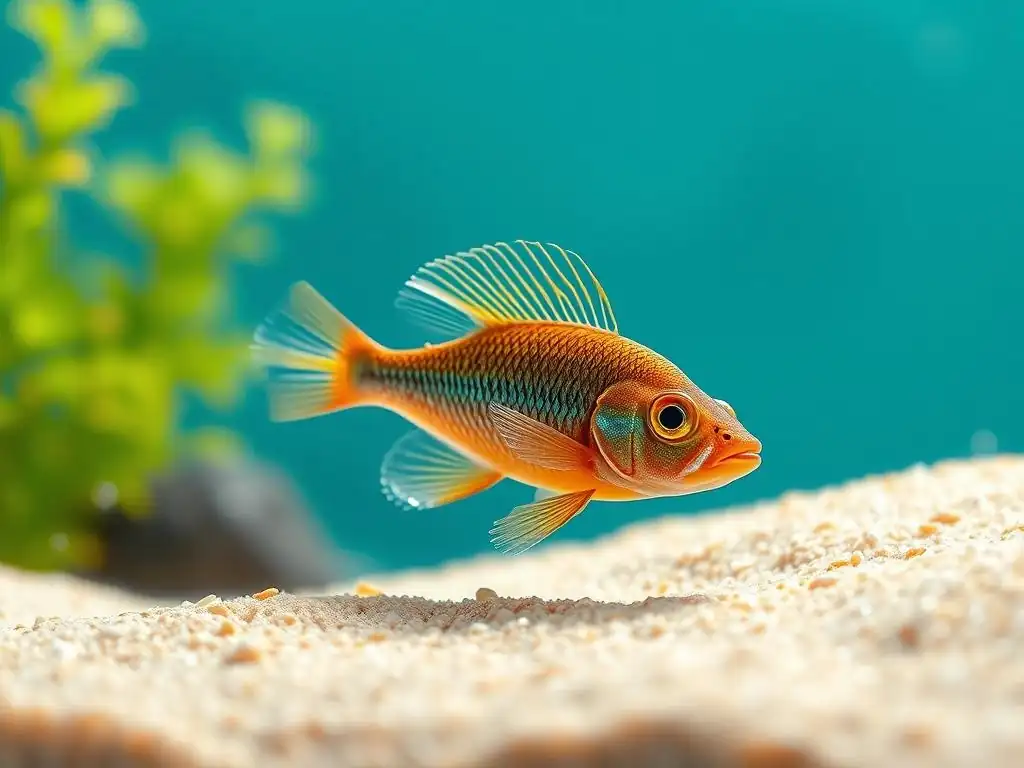
The type of substrate in a reef tank significantly influences a Midas Blenny's sand-sifting behavior. Midas Blennies, like many bottom-dwelling fish, prefer fine to medium-grain sand, typically with a particle size ranging from 0.5 mm to 2 mm. This granular size is ideal because it allows them to easily take mouthfuls of sand, sift through it for food particles, and expel the clean sand without causing irritation to their gills or mouth. A substrate like CaribSea Special Grade Reef Sand or Fiji Pink is often recommended due to its smooth, uniform grains.
Conversely, coarse gravel or crushed coral can deter or even harm a Midas Blenny if it attempts to sift. Sharp edges or large particles can cause abrasions to their delicate mouths and gills, leading to stress or injury. In tanks with unsuitable substrates, Midas Blennies may exhibit reduced or no blenny spitting sand behavior, potentially missing out on a natural foraging opportunity. A deep sand bed (DSB) of 3-4 inches can also encourage more natural sifting and provide a richer environment for microfauna, enhancing their natural instincts.
Water Quality and Its Impact on Sand Sifting
Optimal water quality is paramount for the health and natural behavior of any marine fish, including the Midas Blenny. Stable parameters such as specific gravity (1.023-1.026), pH (8.1-8.4), alkalinity (8-12 dKH), and low nitrates (below 20 ppm) are crucial. When water quality deteriorates, for example, with elevated ammonia or nitrite levels, fish become stressed, and their behavior can change dramatically. An increase in frantic or excessive blenny spitting sand behavior might be a direct response to poor water conditions, as the fish attempts to alleviate discomfort or escape perceived irritants.
Regular water testing and consistent water changes (e.g., 10-20% weekly) are essential to maintain a pristine environment. A sudden onset of unusual sand sifting, particularly if accompanied by other signs of distress like rapid gill movement or listlessness, should prompt an immediate check of all water parameters. Addressing water quality issues promptly can often resolve stress-induced abnormal blenny spitting sand behavior and restore the fish's overall well-being.
Tank Size and the Midas Blenny's Need to Forage
The size of the aquarium plays a significant role in providing an appropriate environment for a Midas Blenny, directly influencing its foraging and sand-sifting activities. While Midas Blennies are relatively small, typically reaching about 5 inches, a minimum tank size of 30 gallons is often recommended, with 50 gallons or more being ideal. A larger tank offers more open swimming space and, critically, a more expansive sand bed for the blenny to explore and forage. This increased area provides a richer habitat for the microfauna that constitutes part of their natural diet.
In a smaller tank, limited space can lead to a quicker depletion of natural food sources within the sand, potentially causing the blenny to become restless or exhibit repetitive blenny spitting sand behavior out of boredom or a persistent search for food. A more spacious environment, with ample live rock and a generous sand bed, supports a thriving ecosystem with diverse micro-invertebrates. This allows the Midas Blenny to engage in natural foraging behaviors at a healthy, non-excessive pace, contributing to its overall well-being and reducing stress.
Midas Blenny Diet and Its Connection to Sand Ingestion
Are Midas Blennies Accidentally Eating Sand While Grazing?
While Midas Blennies are primarily planktivores, meaning they feed on organisms suspended in the water column, they are also opportunistic foragers. They will often pick at detritus, small pods, and micro-algae that settle on the sand bed or rockwork. During these grazing sessions, it is common for a Midas Blenny to accidentally ingest small amounts of sand along with their intended food source. This accidental ingestion is usually harmless, as their digestive system is designed to handle minor amounts of inert material, which is then expelled as part of their blenny spitting sand behavior.
However, if a Midas Blenny appears to be deliberately consuming large quantities of sand without expelling it, or if it seems to be struggling to pass it, this could indicate a problem. Such behavior might suggest a severe nutritional deficiency, where the fish is attempting to extract nutrients from the substrate, or it could be a sign of an internal issue. Monitoring their feeding habits and observing the consistency of their waste can help differentiate between incidental ingestion and problematic consumption related to their blenny spitting sand behavior.
The Role of Algae in the Midas Blenny's Sand-Sifting
Although Midas Blennies are not predominantly herbivorous like some other blenny species, they will occasionally graze on soft, filamentous algae that grows on the substrate. If algae accumulates on the sand bed, the blenny might sift through the sand or take mouthfuls of it in an attempt to access and consume the algae. This can lead to increased blenny spitting sand behavior as they separate the algal strands from the sand grains. This behavior is more common in tanks with higher nutrient levels that encourage sand-based algae growth.
Managing algae growth through proper nutrient control (e.g., adequate filtration, regular water changes, appropriate feeding) can indirectly reduce the Midas Blenny's need to graze on the sand. By providing a clean substrate, the blenny's blenny spitting sand behavior will likely revert to primarily foraging for microfauna rather than scraping for algae, ensuring healthier feeding habits and a cleaner tank environment.
Supplementing the Midas Blenny's Diet to Reduce Sand Ingestion
A well-balanced and varied diet is crucial for Midas Blennies to thrive and can help minimize excessive sand ingestion driven by hunger or nutritional deficiencies. Since they are planktivores, their diet should primarily consist of high-quality frozen foods such as enriched brine shrimp, mysis shrimp, cyclop-eeze, and finely chopped marine foods. Offering small portions several times a day ensures they receive adequate nutrition and reduces their reliance on opportunistic foraging from the sand bed.
Consider supplementing their diet with marine pellets or flakes specifically designed for carnivorous or omnivorous marine fish. Ensure the food particles are small enough for their mouths. For example, a Midas Blenny typically has a mouth gape of around 0.5-1 cm, so food pieces should be appropriately sized. A Midas Blenny that is consistently well-fed and nutritionally satisfied is less likely to frantically sift sand out of hunger, contributing to a more natural and healthy pattern of blenny spitting sand behavior.
Identifying Potential Problems: When Sand Sifting Warrants Concern
Signs of Illness: Differentiating Normal Behavior from Health Issues
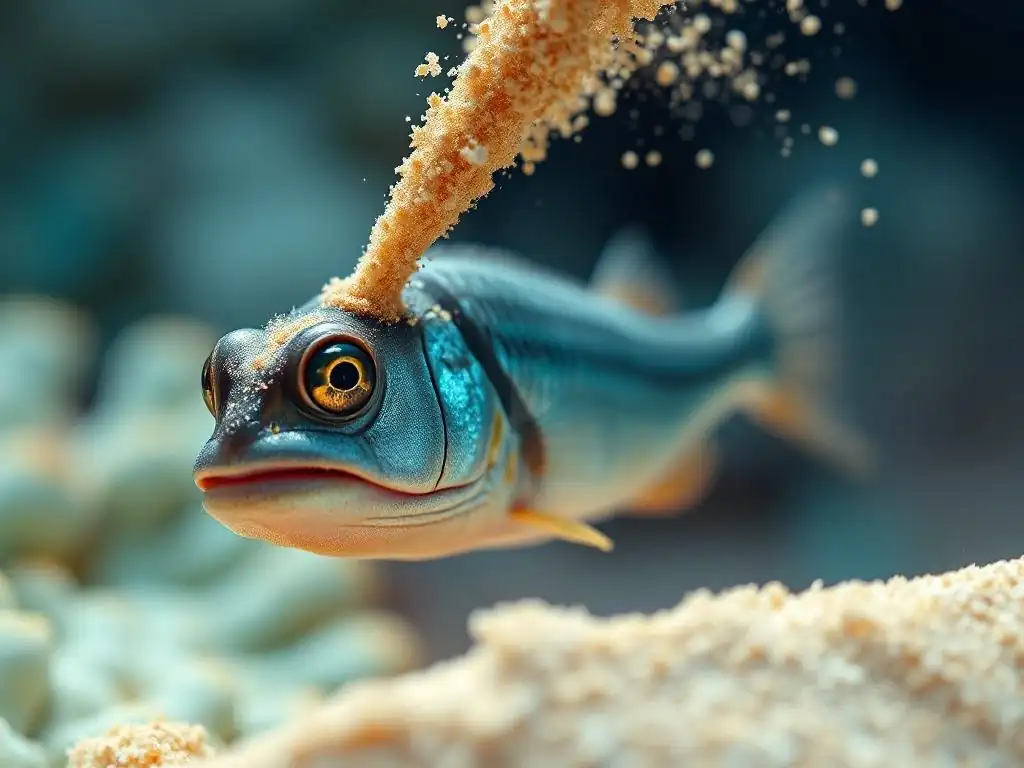
While some blenny spitting sand behavior is natural, distinguishing between normal activity and signs of illness is crucial for your Midas Blenny's health. Normal sifting is usually sporadic and calm, part of their routine exploration. However, if the blenny's sand sifting becomes incessant, frantic, or appears labored, it warrants closer inspection. Look for accompanying symptoms such as lethargy, where the fish is unusually still or unresponsive, or clamped fins, where the fins are held tightly against the body.
Other critical indicators of illness that, when combined with abnormal blenny spitting sand behavior, suggest a health problem include rapid or labored breathing, a noticeable loss of appetite, or any changes in coloration, such as fading or unusual spots. For example, if your Midas Blenny suddenly starts sifting sand constantly and also develops white spots (Ich) or a cloudy film (Velvet), the excessive sifting is likely a symptom of irritation from parasites rather than normal foraging. A healthy Midas Blenny is active, alert, and curious, whereas a sick one will often show multiple signs of distress.
Parasites and Infections: Ruling Out Medical Reasons for Excessive Sand Sifting
External parasites are a common cause of irritation that can lead fish to exhibit unusual behaviors, including excessive sand sifting or rubbing against the substrate. Marine Ich (Cryptocaryon irritans) and Marine Velvet (Amyloodinium ocellatum) are two prevalent parasites that cause intense itching, prompting fish to "flash" or rub themselves against surfaces, including the sand, in an attempt to dislodge the irritants. If your Midas Blenny's blenny spitting sand behavior is accompanied by visible white spots (Ich) or a dusty, golden film (Velvet), parasitic infestation is highly probable.
Internal infections, though less directly linked to sand sifting, can cause general discomfort and lead to a fish acting abnormally. While a Midas Blenny might not specifically sift sand due to an internal bacterial infection, a fish that is generally unwell might exhibit a range of unusual behaviors as a symptom of its distress. Observing for other signs like bloating, stringy white feces, or a lack of energy, in conjunction with changes in their blenny spitting sand behavior, can help rule out underlying medical conditions and guide appropriate treatment.
Addressing Aggression: Is the Midas Blenny Being Bullied?
Aggression from tank mates can be a significant source of stress for a Midas Blenny, leading to various abnormal behaviors, including excessive or unusual sand sifting. If a Midas Blenny is constantly being chased, nipped at, or harassed by more dominant tank mates, it will experience chronic stress. This stress can manifest as frantic blenny spitting sand behavior, as the fish may be trying to find a hiding spot, displace its anxiety, or simply be too stressed to engage in normal activities.
Observe the interactions between your Midas Blenny and other fish in the tank. Is there a particular fish that seems to be targeting it? Do you notice any fin nipping or physical damage? Midas Blennies are generally peaceful but can be timid if housed with overly aggressive species such as certain damselfish, large dottybacks, or territorial wrasses. Providing ample hiding places and ensuring compatible tank mates can significantly reduce stress, allowing the Midas Blenny's blenny spitting sand behavior to return to a natural, healthy pattern.
Managing Midas Blenny Sand-Sifting Behavior in a Reef Tank
Choosing the Right Substrate for Midas Blennies
Selecting the appropriate substrate is fundamental for encouraging natural and healthy blenny spitting sand behavior in a Midas Blenny. Fine to medium-grain aragonite sand, with a particle size typically between 0.5mm and 2mm, is highly recommended. This type of sand is smooth, easy for the blenny to manipulate, and less likely to cause irritation to its delicate mouth and gills. Brands like CaribSea Special Grade Reef Sand or Nature's Ocean Bio-Activ Live Aragonite are popular choices among aquarists due to their ideal grain size and composition.
A sand bed depth of at least 2-3 inches allows the Midas Blenny sufficient material for natural foraging and minor burrowing, which is part of their instinctive behavior. Avoiding coarse substrates like crushed coral or large gravel is crucial, as these can be abrasive and deter the blenny from sifting, potentially leading to a lack of natural foraging opportunities and increased stress. The right substrate facilitates a comfortable and stimulating environment for the Midas Blenny's natural blenny spitting sand behavior.
Maintaining Optimal Water Quality for a Healthy Midas Blenny
Maintaining pristine water quality is paramount for the overall health and well-being of a Midas Blenny, directly impacting its behavior, including sand sifting. Consistent water parameters, such as a specific gravity between 1.024-1.026, pH levels of 8.1-8.4, and undetectable levels of ammonia and nitrite, are vital. Nitrates should be kept below 20 ppm, ideally much lower for a reef environment. Regular water changes, typically 10-20% weekly or bi-weekly depending on bioload, are essential for diluting pollutants and replenishing trace elements.
Beyond water changes, effective filtration is key. A robust protein skimmer helps remove organic waste before it breaks down, and ample live rock provides biological filtration. Stable water parameters reduce stress, which in turn helps ensure that any blenny spitting sand behavior observed is a natural foraging activity rather than a sign of discomfort or distress. Monitoring parameters with reliable test kits and addressing any deviations promptly will contribute significantly to a healthy environment for your Midas Blenny.
Providing Adequate Hiding Places and Territories
Midas Blennies are naturally shy and appreciate having plenty of hiding places within the aquarium. Providing ample live rock with crevices, caves, and overhangs allows them to retreat when feeling threatened or simply to rest. This sense of security is crucial for reducing stress and promoting natural behaviors. For instance, a Midas Blenny might spend time in its chosen crevice, occasionally emerging to survey its territory or engage in blenny spitting sand behavior for foraging.
Creating distinct territories within the tank, especially if housing multiple bottom-dwelling species, can also minimize aggression and stress. Live rock structures can be arranged to form visual barriers and individual "home bases" for different fish. A secure and well-structured environment encourages the Midas Blenny to feel safe, which allows it to express its natural behaviors, including its characteristic blenny spitting sand behavior, without undue anxiety or fear.
Preventing Excessive Sand Sifting: Long-Term Solutions
Controlling Algae Growth to Minimize Sand Ingestion
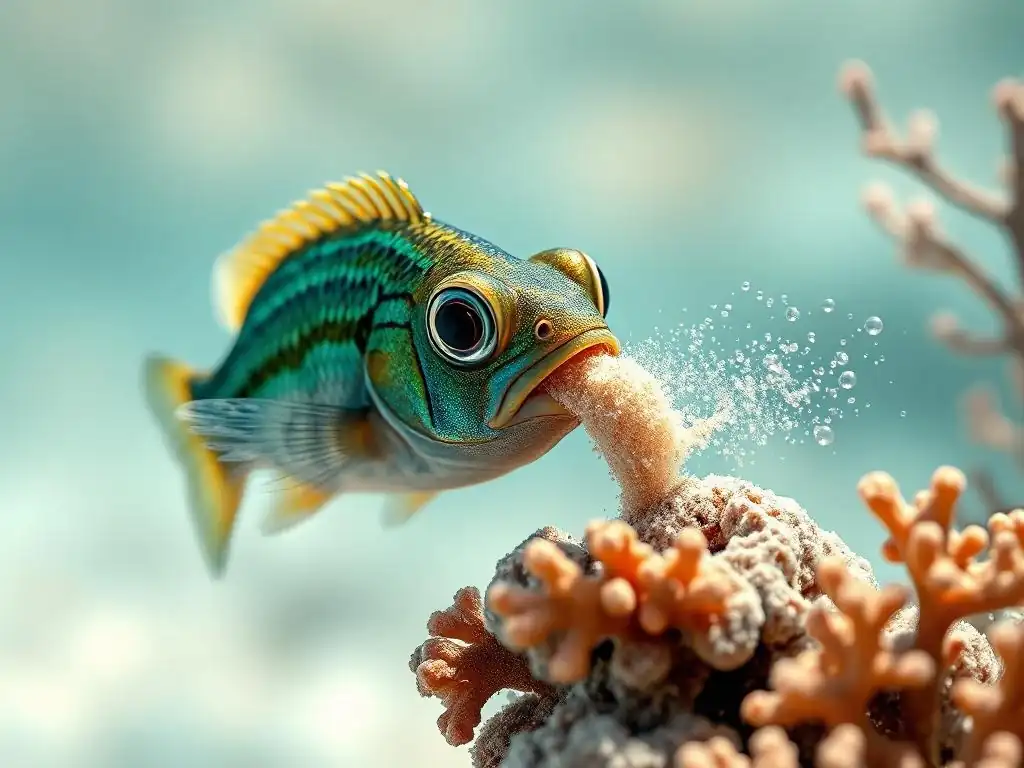
Controlling algae growth in the aquarium is a proactive long-term solution that can help minimize excessive sand ingestion by Midas Blennies. While Midas Blennies are not primary herbivores, they will opportunistically graze on soft algae that grows on the substrate. If the sand bed is consistently covered in algae, the blenny might increase its blenny spitting sand behavior as it attempts to sift through the sand to consume the algae. This can lead to more frequent and potentially problematic sand ingestion.
To manage algae, focus on nutrient control: avoid overfeeding, perform regular water changes, and ensure efficient nutrient export through protein skimming and potentially the use of phosphate removers (e.g., GFO). Introducing an appropriate clean-up crew, such as Nassarius snails (which burrow in the sand and consume detritus) or certain hermit crabs, can also help keep the sand bed clean, reducing the Midas Blenny's need to graze directly from the substrate and thus minimizing algae-driven blenny spitting sand behavior.
Introducing Compatible Tank Mates to Reduce Stress
The selection of tank mates is crucial for a Midas Blenny's long-term well-being and can significantly influence its behavior, including sand sifting. Midas Blennies are generally peaceful but can become stressed if housed with overly aggressive or boisterous fish. Stress from incompatible tank mates can lead to abnormal behaviors, such as excessive hiding, reluctance to eat, or frantic, stress-induced blenny spitting sand behavior.
When choosing tank mates, opt for species that are equally peaceful and do not compete for the same niche or territory. Good companions include smaller, peaceful gobies (like Watchman Gobies), certain wrasses (such as possum wrasses), and non-aggressive cardinalfish. Avoid large, predatory fish, or highly territorial species that might harass the blenny. A harmonious community reduces overall stress levels, allowing the Midas Blenny to exhibit its natural behaviors, including its characteristic blenny spitting sand behavior, in a calm and healthy manner.
Regularly Monitoring the Midas Blenny's Health and Behavior
Consistent and diligent monitoring of your Midas Blenny's health and behavior is a key long-term solution for preventing excessive sand sifting and addressing any issues proactively. Daily observation allows you to quickly identify any changes from their normal routine. Pay attention to their feeding habits, swimming patterns, coloration, and the frequency and intensity of their blenny spitting sand behavior. For example, if your Midas Blenny normally sifts sand for a few minutes after feeding but suddenly starts doing it for hours on end, this warrants investigation.
Keeping a detailed log of water parameters, feeding schedules, and any observed behavioral changes can provide valuable insights. This documentation helps identify trends and correlate behaviors with environmental factors. Early detection of deviations from normal blenny spitting sand behavior or other signs of stress allows for prompt intervention, such as adjusting water parameters, modifying the diet, or re-evaluating tank mates, preventing minor issues from escalating into significant health problems for your Midas Blenny.
Midas Blenny Health and Wellbeing: Ensuring a Thriving Fish
Observing the Midas Blenny for Signs of Stress
Ensuring the health and wellbeing of your Midas Blenny begins with keen observation for any signs of stress. A stressed Midas Blenny may exhibit a range of symptoms, including faded or dulled coloration, rapid and labored gill movement, or excessive hiding. For instance, if your typically vibrant yellow Midas Blenny appears pale and is constantly tucked away in rockwork, it's a clear indicator of distress. These physical signs often accompany behavioral changes, such as an increase in unusual blenny spitting sand behavior.
Other behavioral cues include a reluctance to eat, erratic swimming patterns, or unusual aggression towards other tank inhabitants. A Midas Blenny that is constantly rubbing against the substrate or rocks, often referred to as "flashing," in addition to excessive sand sifting, might be attempting to dislodge external parasites. Recognizing these stress indicators early is crucial, as they are often precursors to more serious health issues and provide valuable clues as to why your blenny spitting sand behavior might be abnormal.
Addressing the Root Cause of Excessive Sand Sifting
When excessive blenny spitting sand behavior is observed, the most effective approach is to systematically identify and address the root cause rather than just treating symptoms. Begin by thoroughly checking all water parameters: ammonia, nitrite, nitrate, pH, and specific gravity. Poor water quality is a common stressor that can lead to a variety of abnormal behaviors. If parameters are off, perform a water change and investigate the cause of the imbalance (e.g., overfeeding, insufficient filtration).
Next, evaluate the Midas Blenny's diet and feeding schedule. Is it receiving enough high-quality, varied food? Nutritional deficiencies can lead to frantic foraging. Finally, assess the tank environment and tank mates. Is there adequate space and hiding places? Are there any aggressive fish bullying the blenny? Correcting issues such as an inadequate diet, aggressive tank mates, or a lack of suitable hiding spots will typically resolve stress-induced blenny spitting sand behavior and restore the Midas Blenny to a healthy and thriving state.
Frequently Asked Questions
Why is my Blenny spitting sand?
Blenny spitting sand is usually a sign of natural foraging behavior. They sift through the substrate looking for food particles and expel the indigestible sand. It's a normal part of their feeding process.
Is Blenny sand-spitting harmful to the aquarium?
Generally, no. Blenny sand-spitting isn't harmful and can even help to aerate the substrate. However, excessive spitting could indicate an overpopulation or a lack of alternative food sources.
What kind of Blenny is most likely to spit sand?
Most Blennies exhibiting this behavior are those that are naturally inclined to sift through the substrate. This includes Blennies like the Lawnmower Blenny and similar grazing species.
Should I be worried if my Blenny suddenly starts spitting sand more than usual?
A sudden increase could indicate a change in their environment or diet. Check your water parameters to ensure they are stable and offer a variety of foods. The aquarium's ecosystem might need adjusting.
How can I reduce the amount of sand-spitting if it bothers me?
Offer your Blenny a varied diet to ensure they are getting enough food. You can also try using a larger substrate size that is harder for them to pick up.
Final Reflection: Unearthing Nature's Tiny Wonders
The exploration of the blenny's peculiar sand-spitting behavior, as we've seen, is not just a scientific curiosity; it's a microcosm of the intricate and often overlooked beauty of the natural world. Understanding these seemingly insignificant actions unlocks a deeper appreciation for the complex ecosystems that sustain us all, reminding us that even the smallest creatures play a vital role.
The blenny's sand-spitting, a behavior driven by survival and adaptation, serves as a potent reminder of the constant evolution and ingenuity present in nature. It challenges us to look beyond the obvious and appreciate the subtle nuances of the world around us. In nature, nothing is created, nothing is destroyed, everything is transformed.
- Antoine Lavoisier. This quote encapsulates the blenny's story, where a simple act of spitting sand becomes a testament to the transformative power of adaptation.
So, let us carry this newfound appreciation for the blenny and its sand-spitting behavior into our daily lives. Let us be more observant, more curious, and more respectful of the delicate balance of nature. Dare to look closer, ask more questions, and find wonder in the unexpected. The world is full of blennies spitting sand, metaphorically speaking – hidden marvels waiting to be discovered.
Dive Deeper: Unearth the Secrets of Your Own Aquarium!
Thanks for exploring the fascinating world of the blenny with us! We hope you’ve gained a new appreciation for these quirky, sand-spitting fish. Now, it's time to translate that knowledge into action.
Here are some ways to continue your journey of aquarium mastery:
- Transform your aquarium: Observe your fish even closer for unique behaviors and adapt the setup to their needs.
- Share this article with a friend so they can learn the secrets of the blenny too.
- Contribute to our community! Share your own funny stories of fish behaviors in the comments below.
What surprising fish behavior have you witnessed in your aquarium lately?