
Filtration Powerhouse: Choosing the Best Filter for a Crowded Cichlid Tank

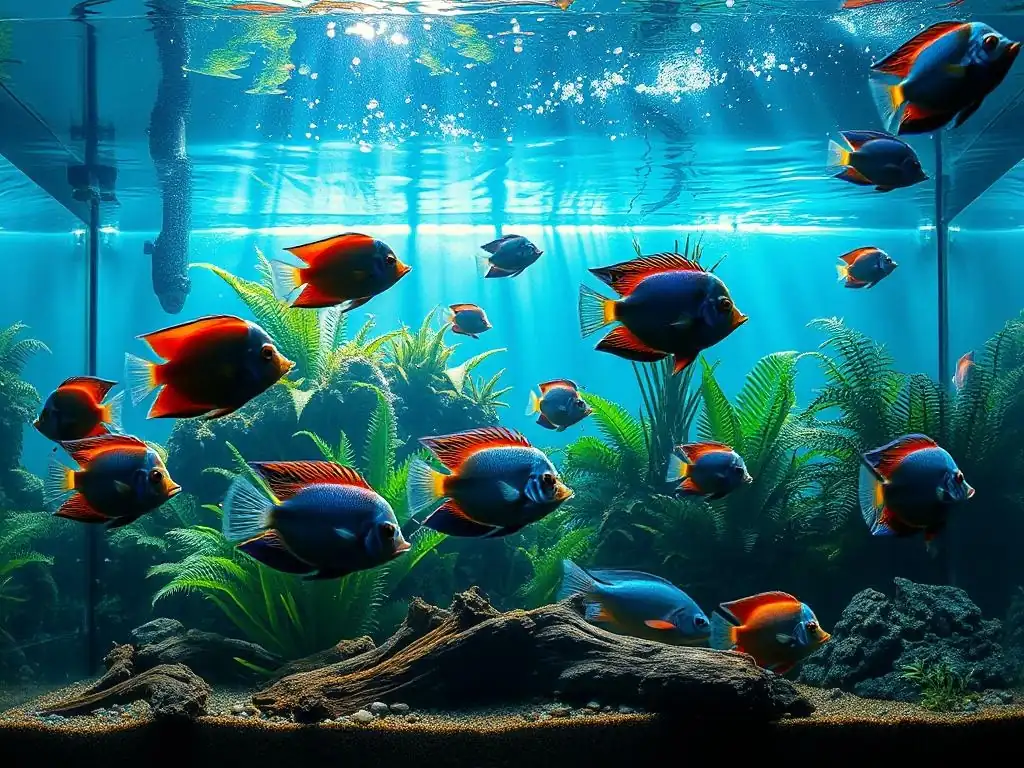
Welcome to Aquarium Mastery!
Ever wondered how to keep your crowded Cichlid tank crystal clear and thriving? Get ready to dive deep into the world of Cichlid tank filter options! Discover the secrets to choosing the perfect filtration powerhouse to handle the unique challenges of these vibrant, messy fish. Intrigued? Let's explore the best ways to maintain pristine water quality and happy, healthy Cichlids. Your journey to aquarium mastery begins now!
- Filtration Powerhouse: Choosing the Best Filter for a Crowded African Cichlid Tank
- Understanding the Filtration Needs of a Crowded African Cichlid Tank
- Exploring African Cichlid Tank Filter Options: A Comprehensive Guide
- Comparing African Cichlid Tank Filter Options: Pros and Cons
- Optimizing Your African Cichlid Tank Filter for Maximum Efficiency
- Achieving Crystal Clear Water: Beyond Basic African Cichlid Tank Filtration
- Conclusion: Selecting the Ideal Filtration System for Your Crowded African Cichlid Tank
-
Frequently Asked Questions
- What are the key considerations when choosing a filter for a Cichlid tank?
- What types of filters are generally recommended for Cichlid tanks?
- How important is biological filtration in a Cichlid tank filter?
- How often should I clean my Cichlid tank filter?
- Can I use a hang-on-back (HOB) filter for a Cichlid tank?
- Final Reflection: Clarity Beyond the Glass
- Unleash Crystal-Clear Waters: Take Control of Your Cichlid Tank Today!
Filtration Powerhouse: Choosing the Best Filter for a Crowded African Cichlid Tank
Understanding the Filtration Needs of a Crowded African Cichlid Tank
The Unique Challenges of High-Density African Cichlid Aquariums
African cichlids, particularly species from the Rift Valley lakes like Mbuna, are known for their territorial aggression. To mitigate this behavior and reduce the stress on individual fish, aquarists often employ a strategy of deliberate overstocking. While this can diffuse aggression among the inhabitants, it simultaneously escalates the bioload within the aquarium to extreme levels. For instance, a 55-gallon tank might house 15-20 adult Mbunas, far exceeding the typical "one inch of fish per gallon" rule, placing immense demands on any chosen cichlid tank filter options.
This high stocking density results in a significantly increased amount of fish waste and uneaten food. African cichlids, with their active metabolism and often high-protein diets, produce substantial waste products. Furthermore, many species are avid substrate sifters and diggers, constantly stirring up detritus and suspended particulates. These combined factors create an environment where water quality can rapidly deteriorate, making a robust and efficient African cichlid tank filter not just beneficial, but absolutely essential for the inhabitants' survival.
Why Adequate Filtration is Crucial for African Cichlid Health
The core reason for robust filtration in any aquarium, especially a densely populated African cichlid tank, is the management of the nitrogen cycle. Fish waste and decaying organic matter release ammonia (NH3), a highly toxic compound. Beneficial bacteria then convert ammonia into nitrite (NO2), which is also highly toxic, and subsequently into less toxic nitrate (NO3). Without sufficient biological filtration, ammonia and nitrite levels can quickly spike, leading to severe stress, gill damage, and ultimately death for the fish.
Prolonged exposure to even low levels of ammonia or nitrite, or high levels of nitrate, compromises the immune system of African cichlids, making them highly susceptible to various diseases. A prime example is Malawi Bloat, a common and often fatal condition in African cichlids, frequently linked to poor water quality and dietary issues. Therefore, the right filter for cichlid tank setups acts as the primary defense mechanism against these waterborne toxins, ensuring a stable and healthy environment that mimics their natural rift lake conditions.
The Role of Biological, Mechanical, and Chemical Filtration in African Cichlid Tanks
Biological filtration is arguably the most critical component for a crowded African cichlid tank. It relies on beneficial bacteria (Nitrosomonas and Nitrobacter) colonizing porous media within the filter to convert harmful ammonia and nitrite into less toxic nitrate. Given the high bioload of cichlid tanks, the chosen cichlid tank filter options must provide an exceptionally large surface area for these bacterial colonies to thrive, often requiring specialized biological media that far surpasses the capacity of standard filter inserts.
Mechanical filtration serves to physically remove particulate matter such as uneaten food, fish waste, and plant debris from the water column. This not only keeps the water crystal clear but also prevents these organic materials from breaking down and contributing to the ammonia load. Lastly, chemical filtration, while not always continuously necessary, plays a crucial role in addressing specific water quality issues. Media like activated carbon can remove odors and discoloration, while specialized resins can target nitrates, phosphates, or other dissolved organic compounds, complementing the mechanical and biological processes of the best filter for cichlids.
Exploring African Cichlid Tank Filter Options: A Comprehensive Guide
Canister Filters: High-Performance Filtration for African Cichlid Tanks
Canister Filter Benefits for Overstocked African Cichlid Setups
Canister filters are renowned for their enclosed, pressurized design, which allows for very high flow rates and substantial media volumes. This makes them one of the most effective cichlid tank filter options for handling the immense bioload of densely populated African cichlid aquariums. Their multi-stage design typically allows aquarists to customize the media types, housing large quantities of mechanical, biological, and chemical media in separate baskets or trays, tailored precisely to the needs of a cichlid setup.
Beyond their filtration power, canister filters offer significant aesthetic and practical advantages. They are typically placed externally, often hidden within the aquarium stand, keeping the tank display uncluttered. Their sealed nature also contributes to very quiet operation, a desirable feature for any home aquarium. Their efficiency in removing fine particulates and providing robust biological filtration is paramount for maintaining stable water parameters and crystal-clear water, essential for the health and vibrant coloration of African cichlids.
Choosing the Right Canister Filter Size for Your African Cichlid Tank
When selecting a canister filter for an African cichlid tank, it's crucial to significantly oversize the filter beyond the manufacturer's stated tank rating. Due to the high bioload, a good rule of thumb is to choose a filter rated for at least 2-3 times your actual tank volume. For example, a 75-gallon cichlid tank would greatly benefit from a canister filter rated for 150-225 gallons. The flow rate, measured in Gallons Per Hour (GPH), is a key metric; aim for a filter that can turn over the entire tank volume 5-10 times per hour.
Equally important is the filter's media volume capacity. A larger canister means more internal space dedicated to filter media, particularly biological media like ceramic rings or bio-balls. This expanded capacity is critical for housing the massive colonies of nitrifying bacteria required to process the high levels of ammonia and nitrite generated by a crowded African cichlid population. Ensuring ample media volume guarantees that your chosen cichlid tank filter options can effectively manage waste and maintain stable water chemistry.
Fluval FX6, Oase Biomaster Thermo: Canister Filter Models for African Cichlid Aquariums
The Fluval FX6 is widely regarded as a powerhouse among cichlid tank filter options for large African cichlid setups. It boasts an impressive flow rate of up to 925 GPH and a massive media capacity, with approximately 5.9 liters of media volume. This makes it suitable for tanks up to 400 gallons, performing exceptionally well on heavily stocked cichlid tanks in the 125-gallon to 200-gallon range. Its multi-stage filtration, self-priming system, and smart pump technology for optimal performance make it a top choice for serious cichlid enthusiasts.
Another excellent series of canister filters suitable for African cichlid aquariums is the Oase Biomaster Thermo line. What sets these filters apart is their integrated heater, which eliminates the need for an in-tank heater, reducing clutter and improving aesthetics. For instance, the Oase Biomaster Thermo 600 is rated for tanks up to 160 gallons and features an easy-to-remove pre-filter module for simplified mechanical cleaning. Both the Fluval FX6 and Oase Biomaster Thermo models represent robust and efficient African cichlid tank filter solutions for demanding environments.
Sump Filters: Maximizing Filtration Capacity for Large African Cichlid Tanks
Advantages of Using a Sump for African Cichlid Tank Filtration
Sump filters, often considered the gold standard for large or heavily stocked aquariums, offer unparalleled volume for filter media. This translates directly to superior biological filtration capacity, which is a massive advantage for managing the high bioload of African cichlid tanks. Beyond filtration, sumps significantly increase the total water volume of the entire system (tank + sump), which inherently helps dilute nitrates and contributes to greater water parameter stability, acting as a crucial buffer against fluctuations.
The open design of a sump provides incredible flexibility and ease of access. Aquarists can easily add or remove filter media, integrate additional equipment like heaters, protein skimmers (though primarily for saltwater, it highlights the versatility), or auto top-off systems without disturbing the main display tank. This modularity allows for highly customized and optimized filtration, making sumps one of the most versatile and powerful cichlid tank filter options available for complex African cichlid setups.
Designing an Effective Sump System for African Cichlid Tanks
An effective sump system typically involves an overflow box on the main display tank that drains water down into the sump, which is usually placed in the aquarium stand. The sump itself is divided into multiple chambers by baffles. A common design includes a first chamber for mechanical filtration (often housing filter socks), followed by one or more chambers dedicated to biological media, and finally a return pump chamber that sends the filtered water back to the main tank. For optimal performance, the sump should ideally be sized to hold at least 20-30% of the main tank's volume.
The return pump's flow rate is critical; it should be powerful enough to turn over the main tank's volume 5-10 times per hour, similar to canister filter recommendations. Proper plumbing with durable PVC piping and secure bulkheads is essential to ensure reliability and prevent leaks in a sump system. While the initial setup of a sump system can be more complex and may require drilling the tank, the long-term benefits in terms of superior filtration and ease of maintenance for a large, crowded African cichlid tank filter system are substantial.
Baffles, Filter Socks, and Bio-Balls: Sump Setup and Media Considerations for African Cichlid Aquariums
Baffles within a sump serve to direct water flow through different media chambers, ensuring that water passes efficiently through each stage of filtration and preventing media from mixing. Filter socks, typically 100-micron or 200-micron mesh, are exceptionally effective mechanical filtration for removing fine particulate matter before it can clog subsequent biological media. For a heavily stocked African cichlid tank, these socks may require cleaning or replacement as frequently as every 2-3 days due to the high waste load.
For biological filtration, sumps can accommodate vast quantities of media. Popular choices include bio-balls, ceramic rings, lava rock, or highly porous synthetic media like MarinePure blocks. These provide immense surface area for nitrifying bacteria; for example, a 20-gallon sump could easily hold several hundred bio-balls, offering surface area equivalent to hundreds of square feet. Chemical media, such as activated carbon or specialized resins, can be placed in media bags within a dedicated chamber, ensuring comprehensive and adaptable cichlid tank filter performance.
Hang-On Back (HOB) Filters: A Practical Solution for Smaller African Cichlid Tanks
HOB Filter Limitations in Heavily Stocked African Cichlid Aquariums
While convenient and affordable, standard Hang-On Back (HOB) filters typically have limitations that make them less suitable as the sole cichlid tank filter option for heavily stocked African cichlid tanks, especially those exceeding 40-50 gallons. Their media volume is often significantly smaller compared to canisters or sumps, limiting their capacity for biological filtration, which is paramount for high bioloads. Additionally, their flow rates, while decent for smaller tanks, may not provide sufficient turnover for larger, crowded cichlid environments.
Many basic HOB filters rely on pre-packaged cartridges containing activated carbon and filter floss. While convenient, these cartridges often need frequent replacement. If not changed regularly, the trapped detritus can break down, releasing nitrates, and the carbon becomes exhausted. This design isn't ideal for the sustained, robust biological filtration needed for African cichlids, often necessitating modifications or supplementation to adequately manage the waste generated by these fish.
Selecting a Powerful HOB Filter for African Cichlid Waste Management
For smaller African cichlid tanks (e.g., 20-40 gallons), selecting a powerful HOB filter can be a practical solution. Look for models with larger media baskets or those designed for higher flow rates, often rated for at least twice the actual tank volume. The AquaClear series (e.g., AquaClear 70 or AquaClear 110) are popular choices because they allow for customizable media placement, enabling aquarists to prioritize biological media over pre-packaged cartridges, making them more effective cichlid tank filter options.
Another strong contender in the HOB category is the Seachem Tidal series (e.g., Tidal 75 or Tidal 110). These filters feature exceptionally large media baskets for their size, providing ample space for biological filtration. They also incorporate useful features like a self-priming pump, a surface skimmer for removing surface film, and a maintenance alert system. These features enhance overall water quality and aeration, making them a more robust filter for cichlid tank setups where a canister or sump might be impractical.
Adding Bio-Media, Pre-Filters: HOB Filter Modifications for Enhanced African Cichlid Tank Filtration
To significantly boost the effectiveness of a HOB filter for an African cichlid tank, modifications are often necessary. A common strategy is to replace the standard activated carbon cartridges with high-quality biological media such as ceramic rings, bio-balls, or porous sponges. For example, an AquaClear 110 can be effectively loaded with a coarse sponge at the bottom, followed by a layer of ceramic rings or Seachem Matrix, and topped with fine filter floss for mechanical polishing.
Another simple yet highly effective modification is to add a pre-filter sponge over the intake tube of the HOB filter. This inexpensive addition serves multiple purposes: it captures larger debris before it enters the main filter, extending the life of internal media; it provides additional surface area for beneficial bacteria, boosting overall biological filtration; and it prevents smaller fish or fry from being sucked into the intake. These modifications transform a basic HOB into a far more capable African cichlid tank filter.
Sponge Filters: A Simple and Effective Biological Filtration Option
How Sponge Filters Benefit African Cichlid Fry and Breeding Tanks
Sponge filters are an excellent, often overlooked, filtration option, particularly beneficial for African cichlid fry tanks and breeding setups. Their primary advantage is the gentle water movement they create, which prevents delicate fry from being sucked into powerful filter intakes. Beyond safety, their large surface area provides superb biological filtration, crucial for the sensitive fry that are highly susceptible to even trace amounts of ammonia and nitrite.
In a typical 10-20 gallon breeding tank for dwarf African cichlids, a single medium-sized sponge filter can provide sufficient primary filtration. For example, a Hydrosponge V, rated for up to 60 gallons, would offer ample biological filtration for a 20-gallon fry tank without any risk of injury to the tiny fish. Additionally, the sponge itself can serve as a grazing surface for infusoria, a natural and essential food source for newly hatched fry, making them ideal cichlid tank filter options for propagation.
Using Sponge Filters as a Secondary Filtration Source in African Cichlid Tanks
While generally not sufficient as the sole cichlid tank filter for heavily stocked adult African cichlid tanks due to their limited mechanical filtration and flow, sponge filters excel as supplementary filtration. They add significant biological capacity to the system, acting as a "backup" or additional colony of nitrifying bacteria. This extra biological buffer is invaluable during power outages, main filter maintenance, or unexpected ammonia spikes, helping to maintain overall water stability.
In a 75-gallon African cichlid tank primarily filtered by a large canister or sump, adding one or two large sponge filters (e.g., rated for 40-60 gallons each) can boost the total biological filtration by 20-30%. This additional capacity helps process waste more efficiently, particularly during peak feeding times or if the main filter's performance dips due to clogging. This simple addition is a cost-effective way to enhance the robustness of your African cichlid tank filter system.
Air Pump Size, Sponge Pore Size: Sponge Filter Placement and Maintenance for African Cichlid Aquariums
Proper air pump sizing is crucial for optimal sponge filter performance. A general guideline is to select an air pump capable of producing 0.5-1 liter per minute of air per gallon of water. For instance, a 40-gallon tank utilizing two medium sponge filters might require a dual-outlet air pump capable of 3-5 liters per minute. Sponge pore size also varies; coarser sponges (e.g., 20-30 PPI - pores per inch) offer better flow and are less prone to clogging, while finer sponges (e.g., 40-50 PPI) provide more mechanical filtration but may require more frequent cleaning.
Sponge filters are typically placed discreetly in a corner or against the back wall of the aquarium. Maintenance is straightforward: during routine water changes, gently squeeze the sponge in a bucket of old tank water to remove trapped debris without destroying the beneficial bacterial colonies. This should be done roughly every 1-2 weeks for a crowded tank. Crucially, avoid using chlorinated tap water for cleaning, as it will kill the vital bacteria. This simple maintenance ensures the sponge filter remains an effective cichlid tank filter component.
Comparing African Cichlid Tank Filter Options: Pros and Cons
Canister Filters vs. Sump Filters: Which is Best for Your African Cichlid Tank?
Canister filters offer a self-contained, pressurized filtration solution with high flow rates and substantial media volume, making them highly effective cichlid tank filter options for tanks up to 150-200 gallons. They are generally easier to install than sumps and require less dedicated space, typically fitting neatly within an aquarium stand. For example, a 125-gallon African cichlid tank could be effectively filtered by a single high-capacity canister filter like a Fluval FX6 or two smaller, powerful canisters.
Sump filters, while requiring a more complex initial setup (often involving tank drilling and custom plumbing), provide unparalleled media volume and flexibility. This makes them the superior choice for very large African cichlid tanks (150+ gallons) or those with extremely high bioloads. Sumps also increase the total system water volume, contributing to greater stability. A 180-gallon African cichlid tank, for instance, would significantly benefit from a 40-gallon sump, offering superior long-term water quality and easier access for filter media maintenance.
HOB Filters vs. Sponge Filters: Suitability for Different African Cichlid Tank Sizes
Hang-On Back (HOB) filters are best suited for smaller to medium African cichlid tanks, typically up to 50-75 gallons (potentially with two powerful units) where space or budget constraints might make a canister or sump impractical. They provide a good balance of mechanical and some biological filtration. For example, a 30-gallon African cichlid tank could be adequately filtered by a powerful HOB like an AquaClear 70, provided it is optimized with appropriate biological media.
Sponge filters, on the other hand, are primarily biological filters, offering limited mechanical filtration and flow. They are ideal for fry tanks, quarantine tanks, or as cost-effective supplementary filtration in larger setups. While a pair of large sponge filters might sustain a lightly stocked 20-gallon tank, they are generally insufficient as the sole cichlid tank filter for crowded adult African cichlid displays where heavy waste production demands more comprehensive filtration.
Evaluating Filter Media: Optimizing Filtration for African Cichlid Water Quality
The selection and arrangement of filter media are as crucial as the choice of the filter itself. For African cichlids, biological media (e.g., ceramic rings, bio-balls, Seachem Matrix, lava rock) should occupy the largest proportion of any cichlid tank filter setup, often comprising 50-70% of the available media space. This ensures a robust population of nitrifying bacteria capable of processing the substantial ammonia and nitrite produced by a high bioload.
Mechanical media (e.g., filter floss, coarse sponges) should be easily accessible for frequent cleaning or replacement. This prevents detritus buildup and reduces the organic load that would otherwise break down into ammonia. Chemical media (e.g., activated carbon for clarity, Purigen for dissolved organics, specialized resins for nitrates/phosphates) should be used selectively to address specific water quality issues, acting as a targeted enhancement rather than a replacement for effective biological filtration within your chosen African cichlid tank filter.
Optimizing Your African Cichlid Tank Filter for Maximum Efficiency
Choosing the Right Filter Media for African Cichlid Waste Removal
Biological Media: Cultivating Beneficial Bacteria for African Cichlid Tanks
The primary function of biological media in any cichlid tank filter is to provide an expansive surface area for the colonization of nitrifying bacteria. Highly porous materials such as ceramic rings (e.g., Fluval BioMax, Eheim Substrat Pro), bio-balls, and advanced synthetic media like Seachem Matrix or MarinePure are excellent choices. For instance, just one liter of Seachem Matrix can boast an internal surface area of over 700 square meters, offering an immense habitat for bacteria crucial for efficient ammonia and nitrite conversion.
For a 75-gallon African cichlid tank, aiming for 2-3 liters of high-quality biological media distributed across your chosen filtration system (be it a canister, sump, or multiple HOBs) is a strong starting point. This ensures a stable and sufficiently large bacterial colony capable of processing the substantial waste produced by a crowded cichlid population, thereby maintaining critical water parameters such as ammonia and nitrite at undetectable levels (0 ppm).
Mechanical Media: Removing Particulate Matter from African Cichlid Water
Mechanical filtration serves as the first line of defense in your African cichlid tank filter, physically removing visible waste particles. Coarse sponges (e.g., 20-30 PPI) and fine filter floss are highly effective at trapping uneaten food, fish waste, and suspended debris. Placing these media in the initial stages of your filtration system—such as a pre-filter sponge on an intake, or filter socks in a sump—prevents larger detritus from clogging subsequent biological media and helps maintain crystal-clear water.
Regular cleaning or replacement of mechanical media is paramount, especially in a heavily stocked African cichlid tank. Fine filter floss, due to its efficiency in trapping small particles, may need rinsing or replacing weekly, while coarser sponges might last 2-4 weeks between rinses. Neglecting this step allows trapped detritus to decompose, releasing nitrates and phosphates back into the water and significantly reducing the overall efficiency of your best filter for cichlids.
Chemical Media: Addressing Specific Water Quality Issues in African Cichlid Aquariums
Chemical media are specialized tools used to address specific water quality concerns and are typically not intended for continuous primary filtration. Activated carbon is widely used for removing odors, water discoloration, and certain organic pollutants, and generally needs replacement monthly or as its effectiveness wanes. For example, a 50-gram bag of high-quality activated carbon can effectively clarify a 50-gallon tank for several weeks.
Products like Seachem Purigen are exceptionally effective at removing dissolved organic waste, nitrites, and nitrates, often leading to remarkably clear water. Nitrate-specific resins can be invaluable for African cichlid tanks where nitrate levels tend to accumulate rapidly due to high bioload, helping to maintain levels below 20 ppm between water changes. These chemical media serve as excellent supplementary enhancements to your core cichlid tank filter options.
Maintaining Your African Cichlid Tank Filter: Ensuring Long-Term Performance
Regular Filter Cleaning and Maintenance Schedules
For a crowded African cichlid tank, a rigorous filter maintenance schedule is absolutely non-negotiable to ensure the long-term performance of your African cichlid tank filter. Mechanical media, such as sponges, filter floss, and filter socks, should be rinsed or replaced weekly to bi-weekly, depending on the bioload and how quickly they become soiled. Biological media, however, should be handled with extreme care; it should only be gently rinsed in old tank water (never tap water) when flow significantly diminishes, typically every 2-4 months, to preserve the vital bacterial colonies.
Canister filters generally require cleaning every 4-8 weeks, where the media baskets are removed and rinsed. Sump systems allow for more frequent and easier changes of mechanical media (e.g., filter socks every few days) with less frequent disturbance of the biological media. Neglecting routine maintenance leads to reduced flow, increased nitrate levels, and a higher risk of filter crashes, severely compromising the effectiveness of your filter for cichlid tank.
Monitoring Water Parameters to Assess Filter Effectiveness
Regular water testing is an indispensable practice to confirm that your cichlid tank filter system is performing optimally. Crucial parameters to monitor include ammonia, nitrite (which should always be 0 ppm), and nitrate (aim for below 20 ppm, ideally 5-10 ppm). Additionally, carbonate hardness (KH) is important for African cichlids, typically aiming for 180-300 ppm (10-17 dKH), as it buffers pH, and efficient biological filtration consumes alkalinity, which can lead to pH crashes if not monitored.
If ammonia or nitrite are detectable in your water tests, it is a clear indicator of an insufficient biological filter or a disruption in the nitrogen cycle. Persistently high nitrate levels suggest either the filter is overwhelmed by the bioload, or water changes are insufficient. Adjustments to feeding, stocking levels, or the filter media and maintenance schedule should be made promptly based on these readings to ensure your chosen cichlid tank filter options are adequately managing the aquarium's waste.
Reduced Flow, Clogged Media, and Cloudy Water: Troubleshooting Common African Cichlid Tank Filter Problems
Reduced flow from your African cichlid tank filter is often the first and most common sign of a problem, typically indicating clogged mechanical media or a dirty impeller within the pump. This issue can usually be resolved by simply cleaning or replacing the filter sponges/floss or by meticulously cleaning the impeller and its housing. For instance, if your Fluval FX6's flow rate noticeably drops from its usual 900 GPH to significantly less, a thorough cleaning is likely overdue.
Cloudy water, particularly a milky or hazy appearance, often signifies a bacterial bloom, which frequently occurs due to an ammonia or nitrite spike, indicating that the biological filter is struggling. A green cloud, conversely, points to a free-floating algae bloom. Addressing the root cause—such as overfeeding, insufficient filtration, or inadequate water changes—and ensuring your cichlid tank filter is clean, properly sized, and functioning effectively is key to resolving these common water clarity issues and maintaining a healthy environment.
Achieving Crystal Clear Water: Beyond Basic African Cichlid Tank Filtration
The Importance of Regular Water Changes for African Cichlid Health
Even with the most advanced and powerful cichlid tank filter, regular water changes are an indispensable component of African cichlid care. Filtration systems, while highly effective at managing the nitrogen cycle, do not remove everything. Water changes are crucial for diluting and removing accumulated nitrates, phosphates, and other dissolved organic compounds that filtration alone cannot fully eliminate. For a crowded African cichlid tank, weekly water changes of 25-50% are typically recommended to keep nitrate levels consistently low (ideally below 20 ppm).
Consistent water changes also play a vital role in replenishing essential minerals and trace elements that are consumed by the fish and any aquatic plants. Furthermore, they help maintain stable pH and alkalinity (KH), which is critically important for African cichlids, as their natural habitat features very stable, high pH and high hardness. Neglecting water changes, even with a powerful African cichlid tank filter, can lead to "Old Tank Syndrome," where pH drops and water parameters become dangerously unstable, stressing the fish.
UV Sterilizers for Controlling Algae and Pathogens in African Cichlid Aquariums
UV sterilizers utilize ultraviolet light to effectively kill free-floating algae, bacteria, viruses, and parasites that pass through their chamber. While not a primary cichlid tank filter component for mechanical or biological filtration, they are an excellent supplemental tool for maintaining crystal clear water by eliminating green water algae, and significantly reducing the risk of disease outbreaks in crowded African cichlid tanks. For example, a 55-gallon tank might benefit from a 9-watt UV sterilizer integrated into its filtration loop.
UV sterilizers function by exposing the water to a specific wavelength of UV light that damages the DNA of microorganisms, rendering them unable to reproduce. Their effectiveness depends on factors such as flow rate and UV wattage. It is important to note that UV sterilizers do not remove solid waste or provide biological filtration, so they must always be used in conjunction with a robust mechanical and biological African cichlid tank filter system. They are particularly beneficial during initial tank setup or when new fish are introduced to help prevent the spread of pathogens.
Conclusion: Selecting the Ideal Filtration System for Your Crowded African Cichlid Tank
Key Considerations for African Cichlid Tank Filter Selection
When selecting from the myriad of cichlid tank filter options, prioritizing biological filtration capacity above all else is paramount for a crowded African cichlid tank. For aquariums over 75 gallons, sumps or large canister filters (or a combination of both) are typically the most effective and reliable solutions for managing the heavy bioload. It is crucial to carefully consider your tank's exact volume, its anticipated stocking density, and your budget for both the initial investment and ongoing maintenance costs.
Furthermore, factors such as ease of maintenance and noise levels should influence your decision. While sumps offer superior performance and flexibility, they demand more plumbing expertise and dedicated space. Canister filters are generally quieter and more compact, making them a popular choice for many. Hang-On Back (HOB) filters and sponge filters are best suited for smaller tanks or as supplementary units. Ultimately, the best filter for cichlids is one that can consistently maintain pristine water quality for your specific African cichlid setup.
Building a Healthy and Thriving African Cichlid Aquarium Through Effective Filtration
A well-chosen and diligently maintained cichlid tank filter system forms the bedrock of a successful and thriving African cichlid aquarium. It directly impacts the health, vibrant coloration, and longevity of your fish by preventing the accumulation of toxic ammonia and nitrite, and effectively controlling nitrate levels. Investing in a robust filtration system significantly reduces stress on your fish and minimizes the incidence of common cichlid ailments, allowing them to display their natural behaviors and beauty.
Beyond the filter itself, the practice of regular water changes, responsible feeding habits, and vigilant water parameter monitoring complete the picture of optimal cichlid care. By integrating these essential husbandry practices with powerful and appropriate cichlid tank filter options, aquarists can create a stable, clean, and dynamic environment, ensuring a healthy and vibrant display for their magnificent African cichlids for years to come.
Frequently Asked Questions
What are the key considerations when choosing a filter for a Cichlid tank?
Cichlids are messy fish and need high filtration capacity. Consider biological, mechanical, and chemical filtration to maintain water quality.
What types of filters are generally recommended for Cichlid tanks?
Canister filters are often preferred due to their large capacity and ability to handle heavy bioloads. Sump filters are another excellent option for larger tanks.
How important is biological filtration in a Cichlid tank filter?
Extremely important! Biological filtration is essential for converting harmful ammonia and nitrites into less toxic nitrates, crucial in a densely populated Cichlid tank.
How often should I clean my Cichlid tank filter?
Cleaning frequency depends on the filter type and fish load. Generally, clean mechanical filtration media every 1-2 weeks and biological media only when necessary to avoid disrupting beneficial bacteria.
Can I use a hang-on-back (HOB) filter for a Cichlid tank?
HOB filters can be used for smaller Cichlid tanks with light bioloads, but may not be sufficient for larger, more crowded tanks. Ensure it's rated for a higher gallon capacity than your tank.
Final Reflection: Clarity Beyond the Glass
The journey through the world of cichlid tank filtration, as we've explored, is far more than just a technical exercise; it's about creating a thriving ecosystem. The health and vibrancy of a crowded cichlid tank hinges directly on the effectiveness of its filtration system, and understanding the nuances of each filter option is paramount to success. This isn't just about clear water; it's about providing a stable and healthy environment for these fascinating creatures to flourish.
The impact of choosing the right filter extends beyond the immediate aesthetics of the tank. It shapes the very lives of the cichlids within, influencing their behavior, breeding success, and overall well-being. The dedication to understanding these complexities reflects a deeper commitment to responsible fishkeeping. The best aquarium is not just a pretty picture, but a balanced ecosystem where life thrives.
This quote encapsulates the essence of our exploration, reminding us that our choices have profound consequences for the creatures in our care.
Now, consider the lessons learned. Think about the specific needs of your cichlids, the size of your tank, and the long-term commitment you're making. Don't just settle for the easiest or cheapest option. Instead, embrace the challenge of creating the optimal environment. Let this knowledge empower you to make informed decisions, ensuring that your cichlid tank is not just a display, but a thriving testament to the power of informed and compassionate aquascaping.
Unleash Crystal-Clear Waters: Take Control of Your Cichlid Tank Today!
Thank you for diving deep into the world of cichlid filtration! We hope this article has empowered you with the knowledge to maintain a thriving and healthy aquarium. Now, let's put that knowledge into action and create the pristine environment your cichlids deserve.
Here are a few steps you can take right now to improve your cichlid tank's filtration:
- Prioritize water clarity: Schedule a tank maintenance day this week and start by cleaning or replacing your current filter media. Observe the difference!
- Explore beyond the standard: Research and consider adding a unique filtration method, such as a refugium or even a DIY sponge filter to supplement your existing system. You'd be surprised by the results!
- Share your success (or struggles!): Join our community forum at Aquarium Mastery and share your experiences with different filtration methods. Let's learn from each other!
What specific filtration challenge are you facing in your cichlid tank right now, and what's one thing you're willing to try this week to tackle it?