
How Often Should You Fertilize Your Planted Aquarium? A Dosing Schedule

Welcome to Aquarium Mastery!
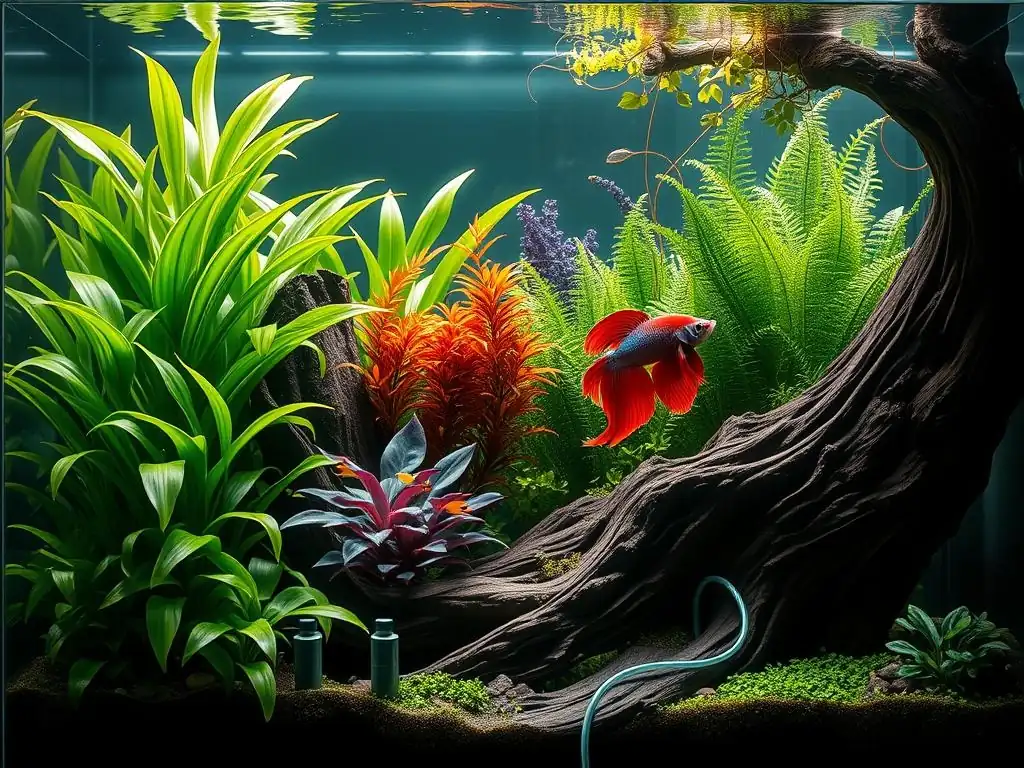
Ever wondered if you're really giving your planted aquarium the nutrients it needs to thrive? That vibrant green you're dreaming of might be closer than you think. Dive in to discover the secrets of a successful planted aquarium fertilization dosing schedule and unlock the full potential of your aquatic plants. Get ready to transform your tank into a lush underwater paradise!
- Understanding Planted Aquarium Fertilization: The Key to Lush Growth
- Planted Aquarium Fertilizers: Types and Composition
- Establishing Your Planted Aquarium Fertilization Dosing Schedule
- Planted Aquarium Fertilization Schedules: Examples and Recommendations
- Monitoring and Adjusting Your Fertilization Schedule
- Troubleshooting Common Fertilization Issues in Planted Aquariums
- Advanced Planted Aquarium Fertilization Techniques
- Optimizing Your Planted Aquarium Fertilization for Success
- Planted Aquarium Fertilization Dosing Schedule: Final Thoughts and Best Practices
-
Frequently Asked Questions
- How often should I fertilize my planted aquarium?
- What is a good starting point for a planted aquarium fertilization dosing schedule?
- How do I know if I'm over-fertilizing my planted aquarium?
- What are the key nutrients that planted aquarium fertilizers typically provide?
- Can I use tap water to fertilize my planted aquarium?
- Final Reflection: Cultivating Balance in the Aquatic World
- Ignite Your Aquarium's Growth!
Understanding Planted Aquarium Fertilization: The Key to Lush Growth
Why Fertilization is Crucial for Thriving Aquatic Plants
Fertilization is an indispensable practice for achieving lush, vibrant growth in a planted aquarium. Unlike natural aquatic environments where a constant influx of decaying organic matter and geological processes replenish nutrients, a closed aquarium system often becomes nutrient-deficient very quickly.
Fish waste and tap water alone rarely provide the full spectrum of macro and micro nutrients that aquatic plants require for robust photosynthesis, cellular development, and overall vitality. For instance, plants need nitrogen (N) for protein synthesis, phosphorus (P) for energy transfer, and potassium (K) for enzyme activation and water regulation, often in quantities far exceeding what typical fish food or trace elements in tap water can supply.
Without a consistent and balanced supply of essential nutrients, aquatic plants cannot perform their vital functions optimally. This deficiency can lead to stunted growth, discoloration, and increased susceptibility to algae, as weakened plants struggle to compete for resources. A well-planned planted aquarium fertilization dosing schedule ensures that plants receive all necessary elements in the correct proportions, promoting strong root development, vibrant leaf coloration, and vigorous growth that outcompetes nuisance algae for available light and nutrients. This proactive approach is fundamental to cultivating a thriving aquatic ecosystem that is both aesthetically pleasing and biologically stable.
The Impact of Inadequate Nutrients on Planted Aquariums
Inadequate nutrient availability in a planted aquarium manifests in various visual cues, signaling distress in your aquatic flora. One common symptom is chlorosis, where leaves turn pale green or yellow due to insufficient chlorophyll production, often linked to deficiencies in iron (Fe) or nitrogen (N). For example, a severe iron deficiency might cause the newest leaves of stem plants like Rotala to emerge almost white or translucent, while older leaves of plants such as Anubias might show general yellowing from a nitrogen deficit.
Beyond discoloration, nutrient deficiencies can lead to stunted growth, distorted leaf shapes, and even tissue necrosis (death). A lack of potassium (K) often results in pinholes or melting edges on older leaves of plants like Cryptocorynes, while phosphorus (P) deficiency can cause overall stunted growth and a darker, almost purple coloration in some species.
These issues not only detract from the aesthetic appeal of your planted tank but also compromise the plants' ability to photosynthesize effectively, making them less competitive against algae. Implementing a precise planted aquarium fertilization dosing schedule is therefore critical to prevent these issues and maintain healthy plant populations.
Planted Aquarium Fertilizers: Types and Composition
Macro Nutrients (NPK): Nitrogen, Phosphorus, and Potassium
Macro nutrients, often referred to by their elemental symbols NPK (Nitrogen, Phosphorus, and Potassium), are required by aquatic plants in relatively large quantities for fundamental growth processes. Nitrogen, typically supplied as nitrate (NO₃⁻), is crucial for protein and nucleic acid synthesis, driving overall plant growth and leaf development. A healthy planted aquarium often maintains nitrate levels between 5-20 ppm (parts per million) to ensure sufficient nitrogen without promoting excessive algae.
Phosphorus, usually dosed as phosphate (PO₄³⁻), is vital for energy transfer (ATP), DNA formation, and root development. Recommended phosphate levels for a thriving planted tank generally range from 0.5-2 ppm. Potassium (K⁺) plays a critical role in enzyme activation, stomatal regulation (gas exchange), and nutrient transport within the plant. While less commonly tested by hobbyists, maintaining potassium levels around 10-30 ppm is often beneficial, especially in heavily planted setups. These three elements form the backbone of any comprehensive planted aquarium fertilization dosing schedule, ensuring the primary building blocks for plant life are readily available.
Micro Nutrients: Trace Elements Essential for Plant Health
Micro nutrients, also known as trace elements, are essential for plant health but are required in much smaller quantities compared to macro nutrients. Despite their minute requirements, these elements are critical cofactors in various enzymatic reactions and metabolic processes. Key trace elements include Iron (Fe), Manganese (Mn), Boron (B), Zinc (Zn), Copper (Cu), and Molybdenum (Mo). Iron, for instance, is indispensable for chlorophyll production, the green pigment responsible for photosynthesis, and its deficiency is often seen as yellowing of new growth.
Manganese is involved in photosynthesis and the formation of amino acids, while Boron is crucial for cell wall formation and nutrient transport. Zinc is important for enzyme activity and growth regulation, and Copper plays a role in respiration and photosynthesis. Molybdenum is necessary for nitrogen metabolism.
These elements are typically supplied in a chelated form in liquid fertilizers to ensure they remain bioavailable in the water column and are not immediately oxidized or precipitated. A balanced planted aquarium fertilization dosing schedule must include a reliable source of these trace elements to prevent specific deficiency symptoms and support overall plant vigor.
Liquid vs. Dry Fertilizers: Which is Best for Your Aquarium?
When it comes to a planted aquarium fertilization dosing schedule, hobbyists primarily choose between liquid and dry fertilizers, each offering distinct advantages. Liquid fertilizers are pre-mixed solutions, often containing a balanced blend of macro and micro nutrients, or sometimes specialized for specific nutrient groups (e.g., iron supplements). They are incredibly convenient to use, requiring only a measured dose directly into the aquarium water, making them ideal for beginners or those seeking simplicity. However, their pre-formulated nature can sometimes limit customizability, and they tend to be more expensive per dose compared to dry salts.
Dry fertilizers, typically sold as individual powdered salts (e.g., potassium nitrate, mono potassium phosphate, chelated iron), offer unparalleled cost-effectiveness and customization. Hobbyists can mix their own stock solutions, precisely tailoring the nutrient ratios to their aquarium's specific needs, which is particularly beneficial for advanced aquarists or those following specific methods like the Estimative Index (EI).
While requiring initial setup and careful measurement, dry fertilizers provide ultimate control over your planted aquarium fertilization dosing schedule, allowing for fine-tuning based on plant response and water test results. The choice often depends on a balance between convenience, cost, and the desire for precise control over nutrient levels.
Establishing Your Planted Aquarium Fertilization Dosing Schedule
Assessing Your Aquarium's Needs: Light, CO2, and Plant Mass
Establishing an effective planted aquarium fertilization dosing schedule begins with a thorough assessment of your aquarium's unique characteristics, primarily focusing on light intensity, CO2 injection, and the density of your plant mass. These three factors are the primary drivers of plant growth and, consequently, nutrient consumption. A high-light aquarium, for example, with intense LED or fluorescent lighting, will stimulate rapid plant growth, leading to a significantly higher demand for all macro and micro nutrients compared to a low-light setup.
Similarly, the presence and concentration of injected CO2 are critical. In a CO2-enriched environment, plants can photosynthesize at a much higher rate, exponentially increasing their metabolic activity and nutrient uptake. A tank with 30 ppm CO2 will consume fertilizers far more rapidly than one relying solely on atmospheric CO2 diffusion.
Finally, the sheer volume of plant biomass directly correlates with nutrient demand; a heavily planted aquarium, brimming with fast-growing stem plants, will deplete nutrients much faster than a sparsely planted tank with slow-growing species like Anubias. Accurately evaluating these parameters is the foundational step in designing a sustainable and effective planted aquarium fertilization dosing schedule.
Choosing the Right Fertilization Method: EI, Estimative Index, and PPS-Pro
Two prominent fertilization methods guide the planted aquarium fertilization dosing schedule: the Estimative Index (EI) and the Perpetual Preservation System (PPS-Pro). The Estimative Index (EI) method operates on the principle of providing non-limiting amounts of nutrients. This involves dosing all macro and micro nutrients in excess of what plants can consume, ensuring that nutrient availability is never a limiting factor for growth. To prevent nutrient buildup and reset the system, EI typically mandates large, weekly water changes, often 50% or more. This method is highly effective for high-tech, CO2-injected tanks with intense lighting, promoting rapid and robust plant growth.
In contrast, the PPS-Pro (Perpetual Preservation System) method focuses on daily or every-other-day dosing of precise, calculated amounts of nutrients, aiming to provide just enough to meet plant demands without significant excess. This approach generally requires smaller, less frequent water changes, often 20-30% weekly or bi-weekly, as nutrients are consumed rather than building up to high levels.
PPS-Pro is often favored by hobbyists seeking a more conservative dosing approach or those with lower-tech setups. Both methods offer proven frameworks for a planted aquarium fertilization dosing schedule, but their suitability depends on the specific aquarium setup and the aquarist's preference for maintenance and monitoring.
Calculating Your Initial Fertilizer Doses: A Step-by-Step Guide
Calculating your initial fertilizer doses for a planted aquarium fertilization dosing schedule can seem daunting, but it follows a logical step-by-step process. First, determine your aquarium's net water volume, accounting for substrate, rocks, and decor. Many online calculators are available that simplify this. Next, select your chosen fertilization method (e.g., EI or PPS-Pro) which dictates the target nutrient concentrations. For example, the EI method often targets nitrate (NO₃) at 20 ppm, phosphate (PO₄) at 2 ppm, and potassium (K) at 20-30 ppm, along with a comprehensive trace mix.
Once you have your target concentrations and net volume, use an online planted tank fertilizer calculator (readily available on hobby forums and websites) that converts dry salt weights or liquid product volumes into the amount needed to reach your desired concentration in your specific tank size. For dry salts, you'll typically dissolve a calculated amount (e.g., 20 grams of potassium nitrate) into a stock solution (e.g., 500 ml of water) and then dose a specific volume of this stock solution (e.g., 10 ml) into your tank.
For liquid fertilizers, simply follow the product's recommended dosage per gallon, adjusting based on your plant mass and growth. This initial calculation provides a baseline for your planted aquarium fertilization dosing schedule, which you will then refine through observation and water testing.
Planted Aquarium Fertilization Schedules: Examples and Recommendations
Low-Tech Planted Aquarium Fertilization Schedule
A low-tech planted aquarium, characterized by moderate to low lighting and the absence of CO2 injection, has significantly lower nutrient demands compared to its high-tech counterparts. Plants in these setups grow at a slower pace, meaning they consume nutrients at a reduced rate. A typical planted aquarium fertilization dosing schedule for a low-tech tank might involve dosing a comprehensive liquid fertilizer, often containing both macro and micro nutrients, just once or twice a week.
For example, a common recommendation is to add 1-2 pumps (or the equivalent of 5-10 ml per 10 gallons) of a general all-in-one liquid fertilizer every other day, or 2-3 times a week after a water change. Some hobbyists find success with even less frequent dosing, perhaps 1-2 times per week. The key is to observe plant health closely; if signs of deficiency appear (e.g., yellowing leaves, stunted growth), you may need to slightly increase frequency or dosage.
Conversely, if algae begins to appear, it might be a sign of over-dosing, or more commonly, too much light for the available CO2/nutrients. Regular weekly water changes of 20-30% remain important to replenish trace elements and remove accumulated organics.
High-Tech Planted Aquarium Fertilization Schedule (CO2 Injected)
For a high-tech planted aquarium with intense lighting and CO2 injection, the plants' metabolic rates are significantly elevated, leading to a much higher and more consistent demand for nutrients. The planted aquarium fertilization dosing schedule for such a setup is typically more rigorous and frequent. The Estimative Index (EI) method is a popular choice, advocating for dosing nutrients to non-limiting levels.
A common EI dosing schedule involves adding macro nutrients (Nitrogen, Phosphorus, Potassium) three times a week, and micro nutrients (trace elements including Iron) three times a week on alternate days. For instance, you might dose macros on Monday, Wednesday, and Friday, and micros on Tuesday, Thursday, and Saturday. Sunday is typically reserved for a large 50% weekly water change, which serves to reset nutrient levels, remove accumulated organic waste, and prevent nutrient lockout. This aggressive but effective planted aquarium fertilization dosing schedule ensures that fast-growing plants always have ample nutrients, promoting dense, healthy growth and outcompeting algae.
Dosing Schedule for Heavily Planted Aquariums
Heavily planted aquariums, regardless of whether they are high-tech or low-tech, inherently have a higher biomass and thus a greater overall demand for nutrients. While the base planted aquarium fertilization dosing schedule might follow EI for high-tech or a less frequent schedule for low-tech, a dense canopy of plants will consume nutrients at an accelerated rate. For instance, a 50-gallon tank packed with fast-growing stem plants like Rotala or Ludwigia will deplete nitrates and phosphates much faster than a similar-sized tank with only a few Anubias and Java Ferns.
In such cases, it's often necessary to slightly increase the dosage or frequency within your chosen method. For an EI tank, this might mean increasing the concentration of your stock solutions or adding an extra "maintenance" dose of a specific nutrient if deficiency signs appear quickly after a water change. For a low-tech, heavily planted tank, you might shift from twice-weekly dosing to every other day.
The key is vigilant observation: monitor plant growth, leaf coloration, and the absence of algae. If plants appear to be thriving and algae is minimal, your planted aquarium fertilization dosing schedule is likely optimized for your heavy plant load.
Monitoring and Adjusting Your Fertilization Schedule
Recognizing Nutrient Deficiencies in Aquatic Plants
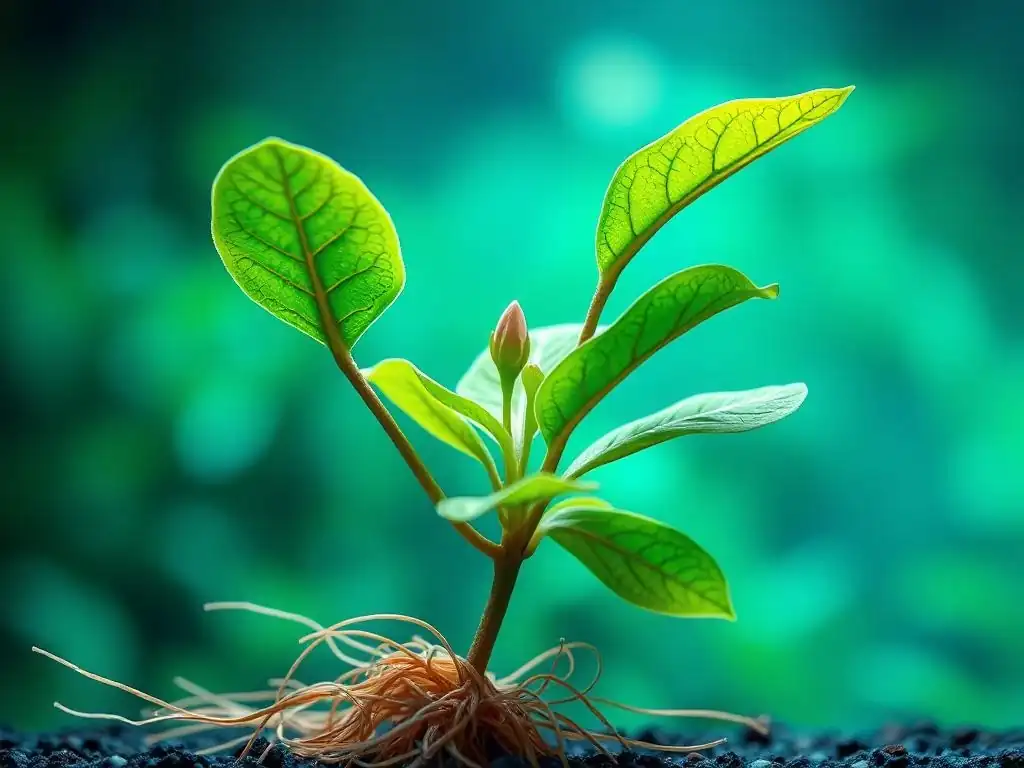
Recognizing nutrient deficiencies is a critical skill for effectively managing your planted aquarium fertilization dosing schedule. Aquatic plants exhibit specific symptoms that often point to a lack of particular elements. For instance, yellowing or fading of new growth (apical meristem and young leaves) often indicates an iron (Fe) deficiency, while pale new leaves that appear translucent can also suggest a lack of sulfur (S). In contrast, yellowing or necrosis of older leaves typically points to mobile nutrient deficiencies, such as nitrogen (N) or phosphorus (P), which plants can translocate from older to newer growth.
Potassium (K) deficiency commonly manifests as pinholes, yellowing, or melting edges on older leaves. Stunted growth overall, or unusually dark green leaves, can be a sign of phosphorus deficiency. Calcium (Ca) and Magnesium (Mg) deficiencies might cause distorted new growth or interveinal chlorosis (yellowing between veins) on older leaves, respectively. By observing these detailed visual cues, aquarists can pinpoint specific nutrient shortfalls and make targeted adjustments to their planted aquarium fertilization dosing schedule, rather than blindly increasing all fertilizer components.
Testing Your Water Parameters: The Importance of Regular Testing
Regular water parameter testing is an invaluable tool for validating and fine-tuning your planted aquarium fertilization dosing schedule. While visual observation of plants is paramount, objective data from test kits provides crucial insights into nutrient availability and potential imbalances. Key parameters to monitor include nitrates (NO₃⁻), phosphates (PO₄³⁻), and sometimes potassium (K⁺) if a test kit is available. Regularly testing nitrates, for example, allows you to determine if your nitrogen dosing is sufficient, too high, or too low. If nitrates consistently drop to zero shortly after dosing, you may need to increase your nitrogen input.
Beyond macronutrients, monitoring general hardness (GH) and carbonate hardness (KH) can provide context for overall water chemistry and the availability of essential elements like calcium and magnesium. For CO2-injected tanks, monitoring pH in conjunction with KH helps estimate CO2 levels, as CO2 impacts nutrient uptake. Testing allows you to see the direct impact of your planted aquarium fertilization dosing schedule and make data-driven adjustments, preventing both deficiencies and harmful excesses that could lead to algae outbreaks or plant stress.
Adjusting Doses Based on Plant Growth and Algae Levels
The ultimate goal of any planted aquarium fertilization dosing schedule is to foster robust plant growth while minimizing nuisance algae. Therefore, regular observation of your plants and the presence of algae are the primary indicators for adjusting your fertilizer doses. If your plants are exhibiting strong, vibrant growth with healthy coloration, and algae is either absent or easily managed, your current dosing schedule is likely well-balanced. In this ideal scenario, maintain your current regimen.
However, if you notice signs of nutrient deficiency (as described previously), it's time to increase the dose of the suspected nutrient or your comprehensive fertilizer. Start with small increments, perhaps a 10-20% increase, and observe for a week or two. Conversely, if you experience an increase in algae, especially green spot algae or green dust algae, it could indicate an imbalance or excess of nutrients, or more often, insufficient CO2 or too much light.
In such cases, consider reducing your overall fertilizer dose, particularly phosphates and nitrates, by 10-20%, performing larger water changes, and critically, re-evaluating your CO2 levels and lighting duration/intensity. Iterative adjustments based on these visual cues are central to optimizing your planted aquarium fertilization dosing schedule.
Troubleshooting Common Fertilization Issues in Planted Aquariums
Algae Blooms: Identifying the Cause and Implementing Solutions
Algae blooms are one of the most common and frustrating issues in planted aquariums, often mistakenly attributed solely to "too many nutrients." While excess nutrients can certainly contribute, algae blooms are more frequently a symptom of an imbalance within the tank's ecosystem, particularly between light, CO2, and nutrient availability. For instance, if you have high light and plenty of nutrients but insufficient CO2, plants cannot effectively utilize the available resources, leaving them for algae. Common types like green spot algae often indicate low phosphate or CO2, while green hair algae can suggest low nitrates or general nutrient imbalance.
Solutions involve a multi-pronged approach to your planted aquarium fertilization dosing schedule and overall tank management. First, ensure stable and adequate CO2 levels (if applicable), targeting 25-30 ppm. Next, evaluate your lighting duration and intensity; often, reducing light to 8-10 hours or dimming it slightly can help. Then, address nutrient levels: if a specific nutrient is too high, reduce its dosing.
If nutrients are too low, preventing plants from thriving, consider increasing them to allow plants to outcompete algae. Performing large (50% or more) water changes can rapidly reduce excess nutrients, and manual removal of algae is always a good immediate step. Patience and systematic adjustments are key to resolving algae issues.
Nutrient Imbalances: Correcting Deficiencies and Excesses
Nutrient imbalances are a frequent challenge in managing a planted aquarium fertilization dosing schedule, leading to either deficiencies that stunt plant growth or excesses that fuel algae. Correcting deficiencies involves identifying the specific missing nutrient through visual cues (as discussed) and then increasing its supply. For example, if new growth is pale, suggesting iron deficiency, you would increase your iron supplement or adjust your trace mix.
If older leaves show pinholes, indicating potassium deficiency, you'd add more potassium. These adjustments should be gradual, typically increasing the dose by 10-20% at a time, and observing the plant's response over a week or two.
Conversely, nutrient excesses, while less common than imbalances, can occur. High nitrate levels (e.g., consistently above 30 ppm) or phosphate levels (e.g., above 3 ppm) can sometimes contribute to certain types of algae, although often the root cause is an underlying CO2 or light issue. If you suspect an excess, the primary solution is to perform larger and/or more frequent water changes, which effectively dilute the nutrient concentrations.
Reducing the dose of the specific nutrient or overall fertilizer in your planted aquarium fertilization dosing schedule is also a sensible step. The goal is always to achieve a balanced environment where plants thrive without providing an undue advantage to algae.
The Role of Water Changes in Maintaining Nutrient Levels
Water changes play a fundamental and often underestimated role in maintaining optimal nutrient levels and overall water quality within a planted aquarium fertilization dosing schedule. Beyond simply removing fish waste and accumulated organic detritus, regular water changes serve several critical functions related to fertilization. Firstly, they reset nutrient concentrations, which is especially vital in methods like the Estimative Index (EI) where nutrients are dosed to non-limiting levels. A large weekly water change (e.g., 50%) prevents the buildup of any single nutrient to potentially harmful levels and removes any trace elements that might become problematic if accumulated.
Secondly, water changes replenish essential trace elements that might be consumed quickly or removed by filtration media. While most planted aquarium fertilization dosing schedules include these, fresh tap water, even if it contains minimal nutrients, contributes to overall water stability.
Thirdly, and crucially, water changes dilute undesirable substances that can accumulate over time, such as certain organic acids, humic substances, or even chelated compounds that become less effective. By regularly performing water changes, you ensure a clean slate for your next fertilizer dose, preventing nutrient lockout or other chemical interactions that could hinder plant growth, thereby directly supporting the effectiveness of your comprehensive planted aquarium fertilization dosing schedule.
Advanced Planted Aquarium Fertilization Techniques
Using Root Tabs for Nutrient Uptake
Root tabs are a highly effective and targeted method for delivering essential nutrients directly to the root systems of specific aquatic plants, especially those that are heavy root feeders. Plants such as Cryptocorynes, Amazon Swords (Echinodorus), and Vallisneria derive a significant portion of their nutrient intake from the substrate rather than the water column. Root tabs, which are typically small, slow-release capsules or pellets, are inserted directly into the substrate near the base of these plants.
These tabs are usually packed with macro nutrients like iron, potassium, and phosphorus, along with various trace elements, designed to slowly leach into the substrate over several months (typically 2-4 months, depending on the brand). This localized delivery bypasses the water column, preventing potential nutrient spikes that could fuel algae growth and ensuring that the nutrients are directly accessible to the plant's roots.
Incorporating root tabs into your planted aquarium fertilization dosing schedule is an excellent way to provide long-term, sustained nutrition for your root-feeding plants, complementing liquid dosing for water column feeders and promoting robust, healthy growth from the ground up.
Target Dosing for Specific Plant Species
Target dosing, or spot dosing, is an advanced technique within a planted aquarium fertilization dosing schedule that involves providing specific nutrients to individual plants or localized areas based on their unique needs or observed deficiencies. While a general dosing schedule provides a baseline for the entire tank, some plants are heavier feeders of particular nutrients, or they might exhibit a specific deficiency even when the overall tank levels appear adequate. For example, a red plant might need extra iron to maintain its coloration, or a specific stem plant might show signs of potassium deficiency despite regular dosing.
This technique typically involves using a syringe or dropper to apply a concentrated solution of a single nutrient (e.g., liquid iron, potassium solution) directly near the roots or leaves of the affected plant. This precise application minimizes the impact on the rest of the tank's nutrient balance and reduces the risk of overall nutrient spikes that could contribute to algae. Target dosing requires a keen eye for plant health and an understanding of specific nutrient deficiency symptoms, allowing for highly customized and responsive adjustments to your planted aquarium fertilization dosing schedule.
Understanding the Relationship Between Fertilization and CO2
The relationship between fertilization and CO2 in a planted aquarium is synergistic and profoundly impactful on plant growth. CO2 (carbon dioxide) is the primary carbon source for photosynthesis, the process by which plants convert light energy into chemical energy for growth. In a high-tech planted aquarium, CO2 injection elevates carbon availability, allowing plants to photosynthesize at much higher rates. This increased photosynthetic activity, in turn, dramatically increases their demand for all other essential nutrients from your planted aquarium fertilization dosing schedule.
If CO2 levels are insufficient, even if your tank is brimming with fertilizers and light, plants cannot effectively utilize these resources. They become "carbon limited," leading to stunted growth, poor coloration, and a reduced ability to outcompete algae.
Conversely, if CO2 is optimized, plants become highly efficient at nutrient uptake, leading to explosive growth and a dense, healthy canopy. Therefore, achieving stable and optimal CO2 levels (typically 25-30 ppm) is often considered the most critical factor for success in a high-tech planted tank; without it, even the most meticulous planted aquarium fertilization dosing schedule will yield suboptimal results, and algae is more likely to proliferate.
Optimizing Your Planted Aquarium Fertilization for Success
Choosing the Right Substrate for Nutrient Availability
The substrate choice plays a pivotal role in the long-term success of your planted aquarium fertilization dosing schedule, particularly for root-feeding plants. Substrates can be broadly categorized into inert and active types. Inert substrates, such as sand or gravel, provide a physical anchor for plants but offer minimal to no inherent nutrient content. In tanks with inert substrates, the majority of nutrients must be supplied through the water column via liquid fertilizers, or directly to the roots through root tabs. This necessitates a more vigilant planted aquarium fertilization dosing schedule for water column nutrients.
Active substrates, often referred to as aqua soils (e.g., ADA Aqua Soil, Fluval Stratum), are specifically designed for planted aquariums. They are rich in organic materials and essential nutrients, providing a nutrient-dense environment for roots from day one. These substrates also possess a high cation exchange capacity (CEC), meaning they can absorb and release nutrients from the water column, acting as a buffer system.
While active substrates initially release a burst of nutrients, reducing the need for heavy water column dosing in the early stages, their nutrient reserves deplete over time, typically within 1-2 years. At this point, they transition to primarily acting as a high-CEC medium, still benefiting from the consistent application of a comprehensive planted aquarium fertilization dosing schedule.
The Importance of Balanced Lighting for Plant Growth
Balanced lighting is a cornerstone of successful planted aquarium management and directly influences the effectiveness of your planted aquarium fertilization dosing schedule. Light is the energy source for photosynthesis; too little light will result in slow growth, pale plants, and an inability to utilize available nutrients. Conversely, too much light, especially without adequate CO2 and nutrients, can overwhelm plants, leading to stress, melting, and severe algae outbreaks. It's not just about intensity but also duration and spectral quality. Most planted tanks benefit from 8-10 hours of consistent lighting per day.
The intensity of your lighting dictates the potential growth rate of your plants and, consequently, their demand for CO2 and nutrients. High-intensity lighting (e.g., 50+ PAR at the substrate) necessitates a robust CO2 injection system and a comprehensive, frequent planted aquarium fertilization dosing schedule to prevent nutrient deficiencies. Moderate lighting (e.g., 20-40 PAR) requires less CO2 and a less aggressive dosing regimen. Achieving the right balance between light intensity, CO2 levels, and your planted aquarium fertilization dosing schedule is crucial for vibrant plant health and minimizing the opportunity for nuisance algae to take hold.
Creating a Healthy Ecosystem for Optimal Plant Health
Optimizing your planted aquarium fertilization dosing schedule is just one component of creating a truly thriving aquatic ecosystem. For optimal plant health, all environmental factors must work in harmony. This includes efficient filtration to maintain crystal-clear water and remove organic waste, ensuring good water flow to distribute nutrients evenly to all plants, and maintaining stable water parameters such as temperature and pH. A diverse and healthy population of beneficial bacteria in the filter and substrate is also essential for nutrient cycling, converting fish waste into plant-usable forms like nitrates.
Furthermore, the introduction of a suitable fish load contributes to the ecosystem by providing a natural source of nutrients (via waste) and CO2 (via respiration), while also helping with algae control in some cases. However, it's a delicate balance; too many fish can lead to excessive waste and nutrient buildup.
Ultimately, a successful planted aquarium is a carefully balanced interplay of light, CO2, nutrients (via your planted aquarium fertilization dosing schedule), water parameters, and biological filtration. When all these elements are aligned, plants flourish, algae is kept at bay, and the aquarium becomes a stable, beautiful, and self-sustaining miniature world.
Planted Aquarium Fertilization Dosing Schedule: Final Thoughts and Best Practices
Developing and maintaining an effective planted aquarium fertilization dosing schedule is a dynamic process that combines scientific principles with keen observation. There is no one-size-fits-all solution; the ideal schedule is highly dependent on your specific tank's parameters: light intensity, CO2 availability, plant mass, and even the type of substrate. The journey from initial setup to a flourishing planted tank involves continuous learning and adjustment.
Key best practices include starting with a conservative dosing approach and gradually increasing based on plant response, rather than over-dosing from the outset. Regular water testing, particularly for nitrates and phosphates, provides objective data to complement your visual assessment of plant health. Most importantly, consistency is paramount; irregular dosing can lead to nutrient fluctuations that stress plants and encourage algae.
Embrace patience, observe your aquatic plants closely for signs of deficiency or excess, and be prepared to fine-tune your planted aquarium fertilization dosing schedule as your plants grow and your ecosystem matures. A consistent, well-thought-out fertilization plan is the bedrock of a vibrant and successful planted aquarium.
Frequently Asked Questions
How often should I fertilize my planted aquarium?
The ideal fertilization frequency depends on factors like plant density and lighting intensity. A general starting point is once or twice per week, adjusting based on plant growth and nutrient deficiencies.
What is a good starting point for a planted aquarium fertilization dosing schedule?
Begin with the manufacturer's recommended dosage for your chosen fertilizer. Monitor your plants closely for signs of deficiencies or algae blooms. Adjust the dosage accordingly.
How do I know if I'm over-fertilizing my planted aquarium?
Over-fertilization can lead to algae blooms and potentially harm your fish. Signs include excessive algae growth on the glass, plants, and decorations, and cloudy water.
What are the key nutrients that planted aquarium fertilizers typically provide?
Planted aquarium fertilizers often contain macronutrients like nitrogen, phosphorus, and potassium (NPK), as well as micronutrients such as iron, manganese, and zinc. These are essential for healthy plant growth.
Can I use tap water to fertilize my planted aquarium?
While tap water contains some nutrients, it's usually not sufficient for a thriving planted aquarium. Using a dedicated fertilizer is often necessary to provide the proper balance of nutrients that plants need.
Final Reflection: Cultivating Balance in the Aquatic World
The intricacies of maintaining a thriving planted aquarium, as we've explored, are deeply intertwined with the precise application of nutrients. The quest for the perfect planted aquarium fertilization dosing schedule isn't merely about following a formula; it's about understanding the delicate ecosystem we're creating and responding to its ever-changing needs. It's about recognizing that balance, not excess, is the key to unlocking vibrant growth and preventing unwanted algae blooms.
This journey into the world of aquatic fertilization has underscored the profound impact we have on these miniature ecosystems. It's a reminder that even seemingly small actions, like adjusting a dosing schedule, can ripple outwards, affecting the health and beauty of our underwater landscapes. The best fertilizer is the gardener's shadow.
This old saying, though often applied to terrestrial gardening, resonates deeply within the context of planted aquariums. It highlights the importance of observation, intuition, and a constant willingness to adapt our approach based on what our plants are telling us.
Ultimately, the principles of responsible fertilization extend beyond the glass walls of our aquariums. They teach us about the interconnectedness of life, the importance of mindful stewardship, and the power of observation. So, as you embark on, or continue, your journey with planted aquariums, I encourage you to embrace the challenge of finding your own perfect balance. Let the lessons learned here inspire you to cultivate not only a thriving aquatic world, but also a deeper appreciation for the delicate ecosystems that surround us all.
Ignite Your Aquarium's Growth!
Thank you for diving into the world of planted aquariums! Now that you're equipped with a deeper understanding of fertilization, it's time to take action and create a thriving underwater ecosystem.
Here are a few steps you can take to supercharge your aquatic garden:
- Implement a consistent fertilization schedule tailored to your specific plants and aquarium. Start with a conservative approach and adjust based on your plants' response.
- Share your fertilization schedule and progress with other aquarium enthusiasts in online forums or local aquarium clubs to learn and exchange tips.
- Try experimenting with a less common nutrient supplement, like adding a trace amount of iron for vibrant red plants, and document the results in a planted aquarium journal.
What's one small adjustment you can make to your fertilization routine this week to see a noticeable difference in your plants' health and vibrancy?