
Why Is My Cardinalfish Hiding? Troubleshooting Common Behaviors and Stressors

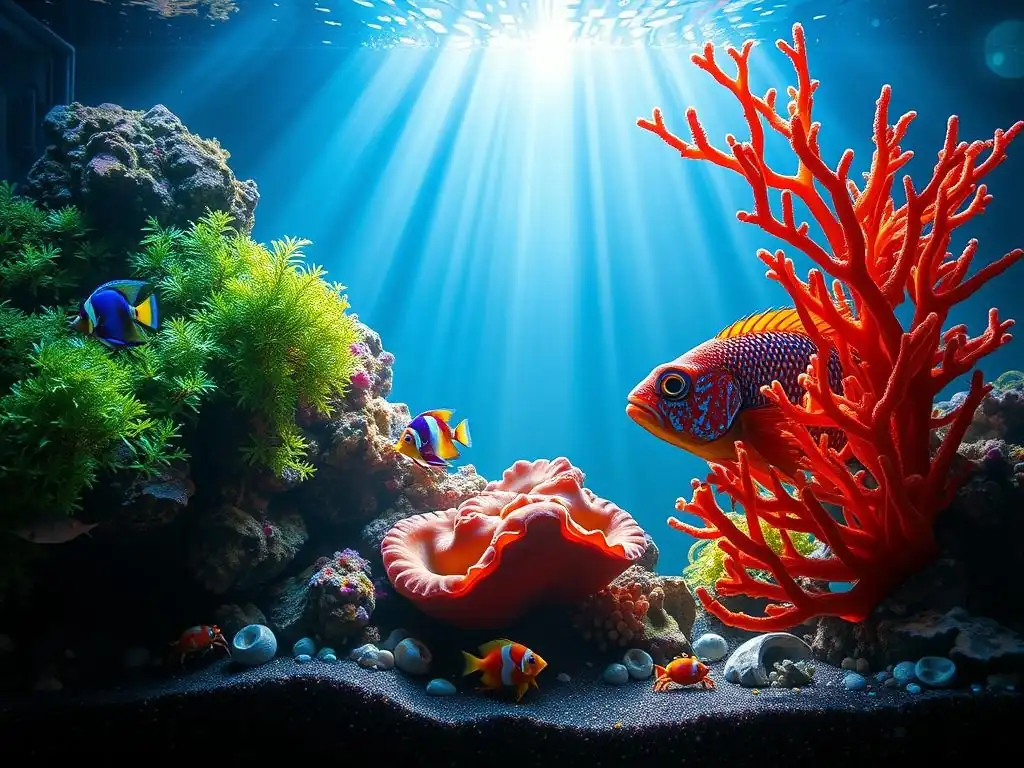
Welcome to Aquarium Mastery! Ever wondered why your normally vibrant Cardinalfish is suddenly playing hide-and-seek? You're not alone! Dive into our comprehensive guide on Cardinalfish hiding reasons and stress, where we unravel the mysteries behind this common behavior and equip you with the knowledge to create a happier, healthier aquarium for your finned friends. Prepare to unlock the secrets to their well-being and transform your saltwater tank into a thriving ecosystem!
- Understanding Cardinalfish Behavior in the Aquarium
- Identifying Potential Cardinalfish Hiding Reasons
- Troubleshooting Cardinalfish Hiding: A Step-by-Step Approach
- Preventing Cardinalfish Hiding: Long-Term Care Tips
- Cardinalfish Hiding: When to Seek Professional Help
-
Frequently Asked Questions
- Why is my Cardinalfish suddenly hiding more than usual?
- What are some common stressors that might cause my Cardinalfish to hide?
- How can I improve the water quality to reduce stress on my Cardinalfish?
- Could the presence of other fish be causing my Cardinalfish to hide?
- What if my Cardinalfish is hiding and not eating?
- Final Reflection: Unveiling the Secrets of the Reef
- Unveil a Thriving Cardinalfish Habitat!
Understanding Cardinalfish Behavior in the Aquarium
Cardinalfish species, such as the Banggai Cardinalfish ( Pterapogon kauderni) and the Pajama Cardinalfish ( Sphaeramia nematoptera), originate primarily from the Indo-Pacific region, including the Red Sea and parts of the Caribbean. In their natural environment, these captivating fish are typically found in sheltered areas of coral reefs, rocky crevices, under ledges, and within the branches of specific corals like Pocillopora or sea anemones. Their nocturnal nature means they are more active at night, foraging for small invertebrates, while seeking cover during daylight hours to avoid predators.
Their social structure varies by species; Banggai Cardinalfish often form monogamous pairs or small, stable groups, whereas Pajama Cardinalfish are known to aggregate in larger, loose schools. Regardless of their specific social habits, a common thread among cardinalfish is their inherent need for security and shelter. This preference for hidden retreats is a survival instinct, making them generally peaceful inhabitants in a well-structured aquarium, provided their environmental needs are met. Understanding this natural inclination is crucial when evaluating Cardinalfish hiding reasons stress.
Normal Hiding Behavior vs. Cause for Concern: Knowing the Difference
It is normal for cardinalfish to exhibit some degree of hiding behavior. For instance, nocturnal species will naturally seek shelter during the brighter daytime hours, only emerging more actively as the lights dim. Newly introduced cardinalfish may also hide extensively for the first few days or even weeks as they acclimate to their new surroundings and establish their territory. This temporary reclusiveness is typically a sign of adjustment, not necessarily a Cardinalfish hiding reasons stress indicator, and usually resolves as they become comfortable.
However, constant, excessive hiding, especially during feeding times or when the tank is quiet, can be a clear signal of underlying problems. If your cardinalfish remain perpetually hidden, refuse to come out for food, exhibit clamped fins, rapid breathing, or noticeable color loss while hiding, these are strong indications that their hiding is due to significant Cardinalfish hiding reasons stress or illness. Differentiating between normal acclimation or nocturnal resting and persistent, concerning reclusiveness is the first step in effective troubleshooting.
Identifying Potential Cardinalfish Hiding Reasons
Cardinalfish Hiding Due to Water Quality Issues
Ammonia and Nitrite Spikes: Silent Killers of Cardinalfish
Ammonia (NH3) and nitrite (NO2-) are highly toxic compounds that can accumulate in an aquarium, particularly in new setups or those with inadequate filtration or overstocking. Ammonia is produced from fish waste and uneaten food, while nitrite is formed during the breakdown of ammonia by beneficial bacteria. Even at very low concentrations, such as 0.25 ppm, these substances can cause severe physiological damage to cardinalfish, leading to significant Cardinalfish hiding reasons stress.
Symptoms of ammonia and nitrite poisoning often include rapid gilling (labored breathing), lethargy, clamped fins, a loss of appetite, and an overwhelming urge to hide. The fish may appear disoriented or even gasp at the surface. These conditions compromise gill function, making it difficult for the fish to absorb oxygen, and can quickly become fatal if not addressed immediately with substantial water changes and the use of ammonia-detoxifying agents.
Unstable pH Levels and Cardinalfish Stress
For most marine cardinalfish, the ideal pH range in a saltwater aquarium is between 8.1 and 8.4. While a specific pH number within this range is important, stability is often even more critical. Rapid fluctuations in pH, even by as little as 0.2-0.3 units over a short period, can cause significant osmotic shock and metabolic Cardinalfish hiding reasons stress. Such instability can occur due to insufficient buffering capacity in the water, over-dosing of certain additives, or a lack of regular water changes.
When pH levels are unstable or consistently outside the optimal range, cardinalfish may exhibit signs of discomfort, including erratic swimming, loss of vibrant coloration, refusal to eat, and increased Cardinalfish hiding reasons stress leading to persistent hiding. Prolonged exposure to incorrect pH can weaken their immune system, making them more susceptible to diseases. Monitoring pH daily during initial setup and weekly thereafter is crucial to maintaining a healthy environment.
Importance of Regular Water Changes for Cardinalfish Health
Regular water changes are paramount to maintaining pristine water quality and preventing Cardinalfish hiding reasons stress. They serve multiple vital functions: diluting accumulated nitrates (the end product of the nitrogen cycle), replenishing essential trace elements that fish and corals consume, and removing dissolved organic pollutants that can contribute to poor water quality. For a typical reef tank with cardinalfish, a 10-20% water change weekly or bi-weekly is often recommended, depending on bio-load and filtration efficiency.
By consistently performing water changes, aquarists can prevent the gradual buildup of harmful substances that lead to chronic Cardinalfish hiding reasons stress. This proactive approach ensures a stable and healthy environment, minimizing the likelihood of elevated ammonia, nitrite, or nitrate levels, and maintaining consistent pH and salinity. A stable environment significantly reduces the need for cardinalfish to hide due to poor water conditions.
Bullying Tank Mates and Cardinalfish Hiding
One of the most common Cardinalfish hiding reasons stress is harassment from aggressive or incompatible tank mates. While cardinalfish are generally peaceful, their docile nature makes them vulnerable to more boisterous or territorial species. Aggressive fish such as certain damsels, larger angelfish, or triggerfish may chase, nip at fins, or prevent cardinalfish from accessing food or preferred hiding spots. This constant intimidation creates a state of chronic anxiety for the cardinalfish.
Symptoms of bullying extend beyond just hiding; affected cardinalfish may exhibit torn fins, faded colors, and a reluctance to emerge even for feeding. They might spend all their time squeezed into the tightest, most inaccessible corners of the tank. Observing tank dynamics, particularly during feeding times when competition for food can escalate aggression, is crucial for identifying the perpetrator and mitigating this significant source of Cardinalfish hiding reasons stress.
Inadequate Tank Size and Cardinalfish Stress
The physical dimensions of an aquarium play a critical role in the well-being of its inhabitants. An undersized tank, for example, housing a school of five Pajama Cardinalfish in a 20-gallon tank when they ideally require 30 gallons or more for a small group, can lead to severe overcrowding. This lack of adequate space contributes to several problems: rapid deterioration of water quality due to higher waste loads, insufficient territory for individual fish, and limited escape routes from potential aggression.
In a confined environment, cardinalfish may experience heightened Cardinalfish hiding reasons stress due to constant perceived threats and a lack of personal space. Overcrowding can also exacerbate aggression among the cardinalfish themselves if they cannot establish their own small territories, leading to some individuals being perpetually bullied and forced into hiding. Providing a tank that meets or exceeds the minimum size recommendations for the chosen species and number of fish is essential for their long-term health.
Lack of Hiding Places: Providing Security for Cardinalfish
Cardinalfish, by nature, seek security and shelter within their environment. In their natural reef habitats, they are adept at darting into crevices, under ledges, or within branching corals at the first sign of danger. If an aquarium lacks sufficient rockwork, caves, or other visual barriers, cardinalfish will feel exposed and vulnerable. A sparse or open aquascape design directly contributes to Cardinalfish hiding reasons stress.
Without adequate hiding places, cardinalfish have no safe retreats from perceived threats, whether from other tank inhabitants, sudden movements outside the tank, or even intense lighting. This constant state of vigilance can lead to chronic Cardinalfish hiding reasons stress, manifesting as persistent hiding in the few available spots, or worse, swimming frantically and erratically as they search for non-existent cover. A well-designed aquascape with multiple secure hiding spots is fundamental for their well-being.
Cardinalfish Diseases and Hiding Behavior
Parasitic Infections Causing Cardinalfish to Hide
Parasitic infections are a common cause of illness in aquarium fish, and cardinalfish are no exception. External parasites like Marine Ich ( Cryptocaryon irritans) or Marine Velvet ( Amyloodinium ocellatum) manifest with symptoms such as white spots or a dusty appearance on the body and fins, rapid breathing, and scratching against decor or substrate. These irritants cause immense Cardinalfish hiding reasons stress as the fish attempts to alleviate the discomfort and escape the perceived threat.
Internal parasites can also afflict cardinalfish, leading to symptoms like lethargy, emaciation despite eating, and often, a strong urge to hide. Fish suffering from parasitic infestations become weakened, lose their appetite, and their immune systems are compromised, making them more susceptible to secondary bacterial infections. Prompt identification and treatment are crucial to prevent widespread infection and reduce the severe Cardinalfish hiding reasons stress.
Bacterial Infections and Lethargy in Cardinalfish
Bacterial infections, both external and internal, can profoundly impact the health of cardinalfish and are significant Cardinalfish hiding reasons stress factors. External bacterial infections might present as fin rot, cloudy eyes, or fuzzy patches (often secondary to injury or parasitic infection). Internal bacterial infections are often more challenging to diagnose but can cause symptoms such as bloating, lethargy, clamped fins, redness around the gills or vent, and a complete loss of appetite.
When a cardinalfish is suffering from a bacterial infection, it will often become lethargic and seek solitude, hiding persistently to conserve energy and avoid interaction. Their immune system is actively fighting the pathogen, leading to overall weakness. The Cardinalfish hiding reasons stress associated with systemic illness can be severe, and without appropriate antibiotic treatment, these infections can rapidly progress, leading to organ failure and death.
Troubleshooting Cardinalfish Hiding: A Step-by-Step Approach
Step 1: Test Your Water Parameters
Using Aquarium Test Kits Accurately
The first and most critical step in troubleshooting why your cardinalfish is hiding is to thoroughly test your aquarium's water parameters. Rely on high-quality liquid test kits, such as the API Saltwater Master Test Kit, as they provide more precise and reliable readings than test strips. Accurately test for ammonia (NH3/NH4+), nitrite (NO2-), nitrate (NO3-), pH, salinity (specific gravity), and temperature. These parameters are foundational to marine fish health and are common Cardinalfish hiding reasons stress factors.
To ensure accuracy, always follow the test kit instructions meticulously: rinse vials with tank water, add the exact number of drops, shake for the specified duration, and wait the recommended time before comparing results to the color chart. It is also beneficial to record your results consistently, noting the date and time of each test. This meticulous approach allows you to track trends and identify any sudden or gradual changes that could be contributing to Cardinalfish hiding reasons stress.
Interpreting Water Test Results for Cardinalfish Health
Once you have your test results, interpreting them correctly is key. For cardinalfish in a saltwater aquarium, aim for the following ideal ranges:
- Ammonia: 0 ppm (parts per million)
- Nitrite: 0 ppm
- Nitrate: below 20 ppm (ideally below 10 ppm for a healthy reef environment)
- pH: 8.1 - 8.4
- Salinity (Specific Gravity): 1.023 - 1.026
- Temperature: 75-79°F (24-26°C)
Any deviation from these ranges, particularly the presence of ammonia or nitrite, or significant fluctuations in pH or temperature, indicates a problem. For example, if ammonia or nitrite is detected, perform an immediate 20-30% water change and consider using a detoxifying agent. High nitrates suggest a need for larger or more frequent water changes, or improved biological filtration. Understanding these thresholds is essential for identifying and rectifying water quality issues that cause Cardinalfish hiding reasons stress.
Step 2: Observe Your Cardinalfish and Tank Mates
Identifying Aggressive Behavior in the Aquarium
Beyond water parameters, careful observation of your cardinalfish and their tank mates is paramount. Spend time watching the aquarium, especially during feeding periods, which often highlight social dynamics. Look for overt signs of aggression: chasing, nipping at fins, body slamming, or preventing your cardinalfish from accessing food or specific areas of the tank. Even subtle intimidation, like a dominant fish always occupying the prime hiding spots, can induce chronic Cardinalfish hiding reasons stress.
Note which specific fish, if any, are exhibiting aggressive tendencies. Are they constantly harassing a particular cardinalfish, or are multiple cardinalfish being targeted? Observe if the aggression subsides or intensifies at different times of the day or after tank maintenance. This detailed behavioral analysis helps confirm if bullying is a primary Cardinalfish hiding reasons stress factor, allowing you to formulate a targeted intervention.
Recognizing Signs of Cardinalfish Disease
While hiding can be a sign of stress, it can also be an early indicator of disease. Closely inspect your cardinalfish for any physical symptoms beyond just reclusiveness. Look for white spots (Ich), a fuzzy appearance, discolored patches, lesions, or ulcers on their body or fins. Check their fins for fraying, tearing, or clamping against their body. Observe their respiration: rapid, labored breathing or gasping at the surface can indicate gill issues or poor water quality.
Pay attention to their appetite and overall demeanor. Are they refusing food? Are they swimming erratically, darting, or rubbing against objects? Is their body shape normal, or do they appear bloated or emaciated? Even subtle changes in color, such as a dulling of their vibrant hues, can signify illness. Recognizing these combined physical and behavioral cues is vital for distinguishing between general Cardinalfish hiding reasons stress and a specific health condition requiring treatment.
Step 3: Provide Adequate Hiding Places
Rockwork and Coral Placement for Cardinalfish Security
Given their natural inclination for shelter, providing ample and appropriate hiding places is crucial for alleviating Cardinalfish hiding reasons stress. Design your aquascape with an emphasis on creating numerous caves, crevices, and overhangs using stable live rock structures. Arrange the rockwork to offer multiple entry and exit points, allowing cardinalfish to escape quickly if threatened. Ensure there are enough secure spots for every cardinalfish in a school, preventing competition for preferred retreats.
Consider the species of cardinalfish you keep; Banggai Cardinalfish might prefer tighter crevices, while Pajama Cardinalfish appreciate more open, yet secure, schooling areas within the rockwork. Incorporate branching corals or large polyp stony (LPS) corals that provide natural nooks and crannies. This thoughtful arrangement allows cardinalfish to feel safe and secure, significantly reducing their Cardinalfish hiding reasons stress by providing essential sanctuary.
Artificial Caves and Decorations for Cardinalfish
While natural rockwork is ideal, supplementing with aquarium-safe artificial caves and decorations can further enhance the sense of security for your cardinalfish. Ceramic caves, PVC pipe sections (properly cleaned and disguised within the aquascape), or even large, dense artificial coral structures can provide additional refuge. Ensure any artificial decor is inert, free of sharp edges, and heavy enough not to be easily dislodged.
These supplementary hiding spots offer more options for retreat, especially in tanks where live rock is limited or where specific areas need more cover. By increasing the number and variety of safe zones, you empower your cardinalfish to choose their preferred hiding spots and reduce competition, thereby actively mitigating Cardinalfish hiding reasons stress related to perceived vulnerability.
Step 4: Adjust Tank Mates if Necessary
Removing or Rehoming Aggressive Fish
If observation confirms that aggressive tank mates are the primary Cardinalfish hiding reasons stress factor, decisive action is required. The most effective solution is often to remove the aggressive fish from the aquarium. This can be challenging but might involve using a fish trap, enticing the fish into a net, or, in extreme cases, carefully dismantling some rockwork to catch the culprit. Once caught, the aggressive fish should be rehomed to a more suitable tank where its temperament is compatible with its tank mates, or returned to a local fish store.
Rehoming an aggressive fish immediately alleviates the chronic Cardinalfish hiding reasons stress on your cardinalfish, allowing them to emerge from hiding, feed normally, and exhibit their natural behaviors. This step is often the most impactful in restoring peace and well-being to a troubled aquarium environment and is crucial for the long-term health of your cardinalfish.
Introducing Compatible Tank Mates for Cardinalfish
To prevent future instances of Cardinalfish hiding reasons stress due to incompatibility, always research thoroughly before adding new fish to your aquarium. Choose peaceful, smaller species that occupy different niches in the tank and are known to coexist harmoniously with cardinalfish. Excellent choices include various gobies (e.g., watchman gobies, clown gobies), blennies (e.g., tailspot blennies, starry blennies), and certain smaller, peaceful wrasses. Avoid fish known for aggression, fin-nipping, or those that grow too large.
When introducing new tank mates, do so gradually. Acclimate them slowly to the tank's water parameters. Consider adding new fish after lights out to reduce initial stress and aggression from established inhabitants. A well-thought-out stocking plan, prioritizing compatible and peaceful species, is key to maintaining a calm and thriving environment where your cardinalfish feel secure and do not need to hide due to social pressure.
Preventing Cardinalfish Hiding: Long-Term Care Tips
Maintaining Optimal Water Quality for Cardinalfish
Choosing the Right Filtration System
Effective filtration is the backbone of a healthy saltwater aquarium and crucial for preventing Cardinalfish hiding reasons stress related to poor water quality. For marine setups, a robust filtration system often includes mechanical, biological, and chemical components. A sump system, typically used with larger tanks, provides excellent mechanical filtration (filter socks, sponges), extensive biological filtration (live rock, bio-media), and allows for chemical filtration (activated carbon, GFO) and protein skimming.
Protein skimmers are highly recommended for saltwater aquariums as they efficiently remove dissolved organic compounds before they break down into harmful nitrates. For smaller tanks, a well-maintained hang-on-back (HOB) filter or canister filter can suffice, provided it offers adequate biological and mechanical filtration. Regularly cleaning or replacing filter media, as recommended by the manufacturer, is vital to prevent the accumulation of detritus and maintain the filtration system's efficiency, thereby ensuring stable water parameters.
Implementing a Regular Water Change Schedule
As discussed, regular water changes are indispensable for the long-term health of cardinalfish and for minimizing Cardinalfish hiding reasons stress. A consistent schedule, such as a 10-15% water change weekly or a 20-25% water change bi-weekly, helps dilute nitrates, replenish essential trace elements, and remove accumulated pollutants. Always use properly mixed saltwater, ensuring the new water matches the tank's temperature and salinity as closely as possible to avoid shocking the fish.
Consistency is key; adhering to a routine schedule prevents the gradual degradation of water quality that can subtly but significantly increase Cardinalfish hiding reasons stress over time. By proactively maintaining pristine water conditions, you create a stable and healthy environment where cardinalfish are less likely to hide due to environmental discomfort or toxin buildup, promoting their natural behaviors and vibrant health.
Minimizing Stressors in the Aquarium Environment
Gradual Acclimation of New Cardinalfish
Proper acclimation of new cardinalfish is perhaps one of the most critical steps in preventing immediate and long-term Cardinalfish hiding reasons stress. Abrupt changes in water parameters (temperature, pH, salinity) can cause severe shock, leading to illness or even death. The drip acclimation method is highly recommended: float the sealed bag in your sump or tank for 15-20 minutes to equalize temperature, then slowly drip tank water into the bag over 30-60 minutes until the volume has doubled.
This slow introduction allows the cardinalfish to gradually adjust to your aquarium's specific water chemistry, minimizing the physiological shock. After acclimation, gently net the fish and introduce it to the display tank, discarding the water from the bag. This careful process significantly reduces the initial Cardinalfish hiding reasons stress and helps the new fish integrate more smoothly into its new home, preventing immediate hiding behaviors.
Avoiding Sudden Changes in Lighting or Temperature
Consistency in the aquarium environment is paramount to minimizing Cardinalfish hiding reasons stress. Maintain a stable lighting schedule, typically 8-10 hours of light per day, using a timer to ensure regularity. Avoid sudden, drastic changes in light intensity or duration, as this can disorient and stress fish. If you are adjusting light intensity, do so gradually over several days.
Similarly, temperature stability is crucial. Use a reliable aquarium heater with a thermostat and a separate thermometer to monitor the water temperature continuously. Avoid fluctuations greater than 2-3°F (1-1.5°C) within a 24-hour period. Sudden temperature shifts can weaken the immune system and cause significant Cardinalfish hiding reasons stress, making fish more susceptible to disease and more prone to hiding.
Ensuring a Balanced Diet for Cardinalfish
Providing a Variety of High-Quality Foods
A balanced and nutritious diet is fundamental for the overall health and resilience of cardinalfish, helping to prevent Cardinalfish hiding reasons stress by bolstering their immune system. Cardinalfish are primarily carnivores, and their diet should reflect this. Offer a variety of high-quality frozen foods such as mysis shrimp, brine shrimp (enriched), finely chopped seafood, and copepods. Supplement with premium marine-specific pellets or flakes designed for carnivorous fish.
Feeding a diverse range of foods ensures that your cardinalfish receive all necessary vitamins, minerals, and essential fatty acids. This comprehensive nutrition promotes vibrant coloration, robust growth, and a strong immune response, making them more resilient to environmental stressors and less likely to fall ill. A well-fed fish is a happy fish, less prone to the Cardinalfish hiding reasons stress that accompanies poor health.
Avoiding Overfeeding and Water Pollution
While providing a balanced diet is important, overfeeding can quickly lead to significant water quality issues, which in turn cause Cardinalfish hiding reasons stress. Uneaten food rapidly decomposes, releasing ammonia and phosphates into the water column. This can lead to undesirable algae blooms, elevated nitrate levels, and, in severe cases, dangerous ammonia and nitrite spikes.
To avoid overfeeding, offer small amounts of food multiple times a day rather than one large meal. Only feed what your cardinalfish can consume within 1-2 minutes. Observe their feeding behavior closely to gauge the appropriate portion size. Removing any uneaten food promptly with a siphon can also help maintain water quality. Responsible feeding practices are a simple yet highly effective way to prevent major Cardinalfish hiding reasons stress factors related to water pollution.
Cardinalfish Hiding: When to Seek Professional Help
Recognizing Signs of Severe Illness in Cardinalfish
While many Cardinalfish hiding reasons stress issues can be resolved with careful observation and tank adjustments, there are instances where the situation warrants professional veterinary intervention. Recognize signs of severe illness: rapid and unexplained deterioration in health, widespread physical lesions, persistent laboured breathing unresponsive to water changes, complete refusal to eat for several days, or the spread of symptoms to multiple fish in the aquarium.
These symptoms often indicate a systemic infection, severe parasitic infestation, or an environmental issue beyond the scope of typical hobbyist remedies. If your cardinalfish exhibits these critical signs, their hiding is likely a symptom of profound distress and a life-threatening condition that requires immediate expert diagnosis and treatment.
Finding a Qualified Aquatic Veterinarian
If you suspect severe illness, seeking a qualified aquatic veterinarian is the next crucial step. While not as common as traditional pet vets, a growing number of veterinarians specialize in aquatic animal health. You can often find resources or referrals through local fish stores, university veterinary departments, or professional organizations like the American Association of Fish Veterinarians (AAFV) in the United States, or similar bodies in other countries.
An aquatic veterinarian possesses specialized knowledge in fish physiology, diseases, and treatments that most general vets do not. They can perform diagnostic tests such as skin scrapes, gill biopsies, or even necropsies to accurately identify the pathogen or underlying cause of the Cardinalfish hiding reasons stress and illness, providing targeted and effective treatment plans.
Preparing for a Veterinary Consultation
To make the most of a veterinary consultation, prepare thoroughly. Document everything you've observed: when the cardinalfish started hiding, other accompanying symptoms (e.g., clamped fins, lesions, rapid breathing), changes in appetite, and the duration of these issues. Provide detailed information about your aquarium setup: tank size, filtration, tank mates, recent additions, and especially your water parameters (ammonia, nitrite, nitrate, pH, salinity, temperature) with specific numbers and the dates they were taken.
Be ready to provide a water sample from your aquarium for analysis, and if possible, safely transport the affected cardinalfish in a clean, temperature-stable container with tank water. Comprehensive information allows the veterinarian to quickly narrow down potential causes, whether it's a specific disease, chronic environmental Cardinalfish hiding reasons stress, or a combination of factors, leading to a more accurate diagnosis and effective treatment strategy.
Frequently Asked Questions
Why is my Cardinalfish suddenly hiding more than usual?
Sudden hiding in Cardinalfish is often a sign of stress or illness. Check your water parameters and observe for any other behavioral changes like loss of appetite.
What are some common stressors that might cause my Cardinalfish to hide?
Common stressors include poor water quality, aggressive tank mates, and sudden changes in the aquarium environment like temperature fluctuations.
How can I improve the water quality to reduce stress on my Cardinalfish?
Regular water changes are essential. Also, ensure your filtration system is functioning correctly and test your water regularly for ammonia, nitrite, and nitrate levels.
Could the presence of other fish be causing my Cardinalfish to hide?
Yes, aggressive or boisterous tank mates can certainly stress Cardinalfish. Consider if any new additions or existing fish are bullying the Cardinalfish.
What if my Cardinalfish is hiding and not eating?
This is a serious sign. It could indicate a severe illness or extreme stress. Quarantine the fish and closely observe it for other symptoms before considering treatment.
Final Reflection: Unveiling the Secrets of the Reef
The exploration of cardinalfish behavior, particularly their tendency to hide, isn't merely about aquarium maintenance; it's about understanding the delicate balance of a miniature ecosystem we've brought into our homes. The reasons behind a cardinalfish's reclusive nature, as we've seen, are often indicators of broader issues within the tank, reflecting the interconnectedness of all living things within that environment. Ignoring these signs is akin to ignoring a cry for help from a world we are responsible for.
This journey into the hidden lives of cardinalfish has underscored the importance of empathy and observation in our interactions with the natural world. Understanding their needs, from water quality to social dynamics, allows us to become better stewards of these fragile creatures. In the end, we will conserve only what we love; we will love only what we understand; and we will understand only what we are taught.
- Baba Dioum. This quote perfectly encapsulates the responsibility we bear as aquarists: to learn, to understand, and ultimately, to protect.
Now, armed with this knowledge, I invite you to reflect on your own role in creating a thriving aquatic environment. Are you truly seeing your cardinalfish, or are you merely looking at them? Take the time to observe, to adjust, and to nurture. By doing so, you not only improve the lives of your fish, but you also deepen your connection to the wonders of the underwater world and become a more conscientious guardian of its future.
Unveil a Thriving Cardinalfish Habitat!
Thank you for diving deep into the world of cardinalfish and understanding their unique needs. Now that you're equipped with the knowledge to identify potential stressors, let's transform your aquarium into a paradise where your cardinalfish can truly flourish.
Here's how to take the next step:
- Commit to meticulously observing your cardinalfish for the next week, noting any subtle changes in behavior, eating habits, or appearance.
- Share your findings and any questions you have on the Aquarium Mastery community forum to connect with experienced aquarists and get personalized advice.
- As a fun experiment, try introducing a new, cardinalfish-friendly hiding spot, like a small cave or overhang, and see how your fish react.
What specific changes will you make to your aquarium environment this week to reduce stress and encourage your cardinalfish to come out of hiding?