
Clownfish Without Anemones: Understanding Their Behavior, Needs, and Alternatives

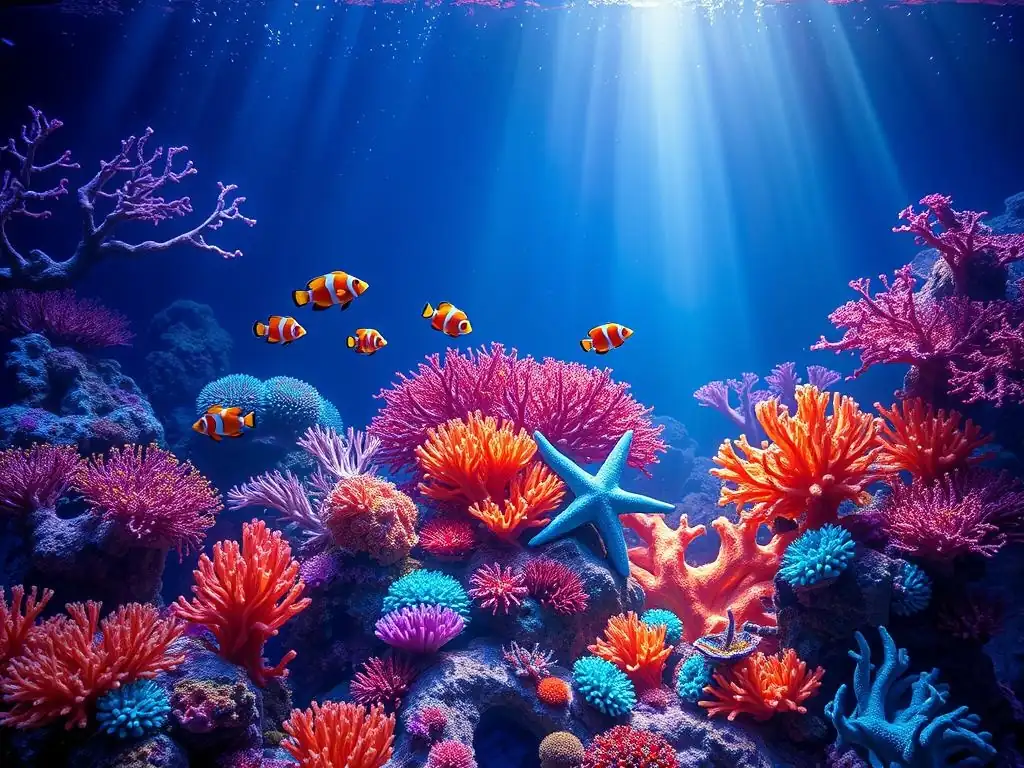
Welcome to Aquarium Mastery! Ever wondered if you can successfully keep Clownfish without an anemone? These vibrant fish are iconic, but their natural partnership isn't always necessary in a home aquarium. Discover the secrets to providing a thriving environment for your Clownfish, even without their symbiotic friend. Intrigued? Dive in and unlock the full story of their behavior, needs, and suitable alternatives within our Saltwater Fish guide!
- Introduction: Life Without the Anemone - Clownfish in Captivity
- Understanding Clownfish Behavior in Anemone-Free Tanks
- Optimizing Tank Conditions for Clownfish Without Anemones
- Feeding Clownfish in Anemone-Free Environments: Nutritional Needs
- Suitable Tank Mates for Clownfish in Anemone-Free Setups
- Alternatives to Anemones: Providing Security and Enrichment
- Maintaining Clownfish Health Without Anemones
- Breeding Clownfish Without Anemones: Challenges and Successes
- Clownfish Without Anemone Care: A Summary of Best Practices
-
Frequently Asked Questions
- How can I successfully keep Clownfish without an anemone?
- What are the potential behavioral issues if Clownfish are kept without anemones?
- What are some suitable alternatives to anemones for Clownfish hosting?
- How important is water quality when keeping Clownfish without anemones?
- Do all Clownfish species adapt equally well to life without anemones?
- Final Reflection: Finding Harmony Beyond the Anemone
- Dive Deeper: Transform Your Clownfish Care Today!
Introduction: Life Without the Anemone - Clownfish in Captivity
The Natural Symbiosis: Clownfish and Anemones in the Wild
In their natural habitat, clownfish, such as the popular Ocellaris Clownfish ( Amphiprion ocellaris) and Percula Clownfish ( Amphiprion percula), form a fascinating and mutually beneficial symbiotic relationship with certain species of sea anemones. Clownfish possess a unique mucus coating that prevents them from being stung by the anemone's nematocysts, allowing them to shelter within its tentacles. This provides them with crucial protection from predators like triggerfish and moray eels, as well as a safe location for laying their eggs.
In return, the anemone benefits from the clownfish's presence. Clownfish are known to clean the anemone's tentacles, remove parasites, and even aerate the water around it. Some studies suggest that clownfish may also actively defend their host anemone from potential predators, such as butterflyfish, that might try to feed on the anemone's tentacles. This intricate partnership is fundamental to the survival and reproduction of many clownfish species in the wild, with research indicating that over 10 species are obligate symbionts.
Why Keep Clownfish Without Anemones in Aquariums? Ethical and Practical Considerations
Keeping clownfish without an anemone is a common and often preferred practice for many aquarists. Practically, maintaining sea anemones in a home aquarium can be quite challenging, as they demand very specific and stable water parameters, intense lighting (often requiring specialized LED or T5HO fixtures), and precise water flow. Anemones can also move around the tank, potentially stinging and harming other corals or invertebrates, making them a significant commitment and a potential risk to a mixed reef tank.
Ethically, the widespread availability of captive-bred clownfish has significantly reduced the demand for wild-caught specimens, promoting more sustainable aquarium practices. Captive-bred clownfish, having never encountered a host anemone, often do not exhibit the natural hosting behavior even when a suitable anemone is provided. Therefore, focusing on "Clownfish without anemone care" allows aquarists to provide a suitable and thriving environment for these popular fish without the complexities, high costs, or ethical concerns associated with acquiring and maintaining a live host anemone.
Understanding Clownfish Behavior in Anemone-Free Tanks
Clownfish exhibit a fascinating social hierarchy, particularly when kept in pairs or groups. They are protandrous hermaphrodites, meaning all are born male, and the largest individual in a group transitions into a female. In an aquarium setting, a dominant female and a smaller, breeding male typically form a bonded pair. Without the defined territory provided by an anemone, this hierarchy can sometimes lead to increased aggression, especially if space is limited or if new clownfish are introduced.
For instance, in a 20-gallon aquarium, a pair of Ocellaris Clownfish will often establish clear dominance. Introducing a third clownfish to such a setup, particularly if it's smaller, frequently results in severe bullying, fin nipping, or even death of the subordinate fish, as there is no natural refuge or "safe zone" provided by a host. To mitigate aggression in "Clownfish without anemone care" setups, it is generally recommended to keep only a single clownfish or a bonded pair.
Identifying Stress in Clownfish: Signs and Symptoms of Anemone Deprivation
While "anemone deprivation" isn't a direct cause of stress, clownfish can exhibit signs of stress if their environmental needs are not met, particularly the need for security and territory. Common stress indicators include rapid gilling (respiration rates exceeding 60 breaths per minute), faded or dull coloration, clamped fins held close to the body, excessive hiding, or erratic, darting movements around the tank. A healthy clownfish should be vibrant, active, and curious about its surroundings.
For example, a clownfish constantly rubbing against the tank glass or darting into a corner might be seeking a sense of security that a host anemone would typically provide. Chronic stress, often stemming from poor water quality, unsuitable tank mates, or a lack of adequate hiding spots, significantly weakens the fish's immune system. This makes them more susceptible to common marine diseases like Ich ( Cryptocaryon irritans) or bacterial infections, highlighting the importance of attentive "Clownfish without anemone care".
Clownfish Swimming Patterns and Habitat Use When Anemones Are Not Present
In their natural environment, clownfish typically remain within a few feet of their host anemone, rarely venturing far into open water. In an anemone-free aquarium, their swimming patterns and habitat use adapt to the available environment. Many clownfish will select a specific piece of live rock, a particular coral (such as a torch or hammer coral), or even a powerhead as a "surrogate host," spending the majority of their time in its vicinity, mimicking their natural protective behavior.
Other captive-bred clownfish, particularly those that have never been exposed to an anemone, may exhibit more expansive swimming patterns, exploring the entire tank more freely. However, they will still gravitate towards areas with lower water flow or complex rockwork, where they can find perceived security and hiding spots. Providing varied aquascaping with multiple caves, overhangs, and structures encourages natural exploration and provides ample opportunities for the clownfish to establish a "home base," which is a key aspect of successful "Clownfish without anemone care."
Optimizing Tank Conditions for Clownfish Without Anemones
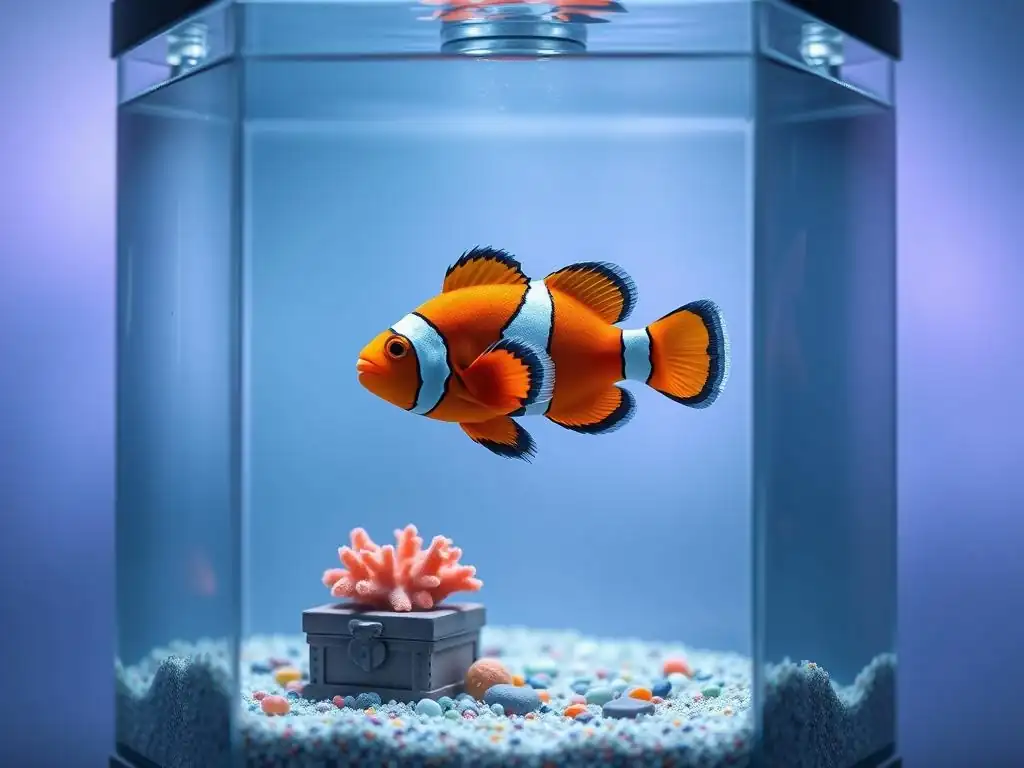
Tank Size and Aquascaping: Creating a Suitable Environment for Anemone-Free Clownfish
For a single clownfish or a bonded pair, a minimum tank size of 20 gallons (approximately 75 liters) is generally recommended. While some aquarists may keep them in smaller nano tanks, a 20-gallon or larger system provides greater water volume, which contributes to more stable water parameters and reduces the impact of biological load. A larger tank also offers more space for the clownfish to establish territory and reduces potential aggression, especially if other tank mates are present.
The aquascaping in a "Clownfish without anemone care" setup should focus on providing plenty of live rock with numerous caves, overhangs, and crevices. These structures serve as essential hiding spots and perceived territories for the clownfish. Tall rock formations or even appropriately sized PVC pipes integrated into the aquascape can act as surrogate hosts, offering the clownfish a sense of security. Incorporating line-of-sight breaks within the rockwork is crucial to minimize aggression between a pair of clownfish or with other tank mates, ensuring each fish has its own perceived safe space.
Water Parameters and Maintenance for Healthy Clownfish
Maintaining stable and pristine water parameters is paramount for the long-term health of clownfish. The specific gravity (salinity) should be consistently kept between 1.023 and 1.026. The water temperature should remain stable within the range of 74-78°F (23-26°C), and the pH level should be maintained between 8.1 and 8.4. Ammonia and nitrite levels must always be undetectable (0 ppm), and nitrate levels should be kept as low as possible, ideally below 10-20 ppm, to prevent stress and disease.
Regular maintenance is crucial for sustaining these ideal conditions. Weekly or bi-weekly water changes, typically 10-20% of the tank volume, are essential to replenish trace elements and remove accumulated nitrates and other undesirable compounds. The frequency depends on the tank's bioload and filtration. Using high-quality RO/DI (Reverse Osmosis/Deionized) water for mixing saltwater is highly recommended to prevent the introduction of harmful contaminants. Consistent cleaning of mechanical filtration media, such as filter socks and protein skimmer cups, also contributes significantly to excellent water quality for "Clownfish without anemone care."
Choosing the Right Substrate and Decorations for Clownfish Comfort
When setting up an aquarium for "Clownfish without anemone care," the choice of substrate plays a role in overall tank health and aesthetics. A sand bed, typically 1-3 inches deep, provides a natural appearance and supports beneficial denitrifying bacteria. Fine aragonite sand is often preferred due to its buffering capacity, which helps maintain stable pH levels. While clownfish do not typically burrow extensively, they may occasionally dig small depressions, especially if preparing to spawn. It's important to ensure the substrate material is smooth and free of sharp edges to prevent injury.
Beyond live rock, various inert decorations can enhance the environment and provide additional comfort for clownfish. Smooth, non-toxic ceramic rockwork, PVC pipes cut and arranged to resemble caves, or even large, smooth seashells can serve as additional hiding spots or potential surrogate hosting sites. The primary goal is to create a diverse and enriching environment that offers multiple options for security and exploration. Ensuring all decorations are aquarium-safe and will not leach harmful substances into the water is paramount for the long-term health of your clownfish.
Feeding Clownfish in Anemone-Free Environments: Nutritional Needs
Diet and Nutrition: Ensuring Clownfish Receive Essential Nutrients
Clownfish are omnivores and thrive on a varied and balanced diet for optimal health and vibrant coloration. High-quality marine flakes or pellets specifically formulated for marine omnivores should form the staple of their diet. This should be supplemented with a variety of frozen foods such as Mysis shrimp, enriched brine shrimp, spirulina, and finely chopped seafood like krill or squid. Studies on captive clownfish nutrition highlight that a diet rich in carotenoids, such as astaxanthin found in krill and spirulina, significantly enhances their natural orange and red pigments.
Relying on a single type of food, particularly nutritionally poor options like unenriched brine shrimp, can lead to deficiencies over time. Varying the diet ensures that clownfish receive a full spectrum of essential vitamins, minerals, proteins, and fatty acids necessary for robust growth and a strong immune system. For "Clownfish without anemone care," a strong immune system is particularly vital, as they rely entirely on their environment and diet to resist disease.
Feeding Frequency and Techniques for Clownfish Without Anemones
Adult clownfish generally benefit from being fed 1-2 times per day. Younger or more active clownfish may require 2-3 smaller feedings daily. The most important technique is to feed only what the fish can consume entirely within 2-3 minutes. This prevents uneaten food from decaying in the tank, which can rapidly degrade water quality and contribute to nutrient spikes. Overfeeding is a very common mistake in aquarium keeping and is particularly detrimental in "Clownfish without anemone care" setups.
Food should be dispersed in the water column where the clownfish can easily access it. Using a feeding ring can help contain flakes or pellets, preventing them from scattering into overflows or hard-to-reach areas. Observing the clownfish's feeding response is crucial; a healthy clownfish should eagerly come to the surface or feeding area. Any hesitation or refusal to eat can be an early indicator of stress, poor water quality, or an underlying health issue.
Preventing Overfeeding and Maintaining Water Quality
Preventing overfeeding is a cornerstone of maintaining excellent water quality in any marine aquarium, and it's especially critical for "Clownfish without anemone care." Uneaten food quickly decomposes, releasing ammonia, nitrite, and nitrate into the water, all of which are toxic to marine fish. Excess nutrients also fuel nuisance algae growth, making the tank unsightly and potentially harming corals. A simple guideline is to feed small portions and observe that all food is consumed promptly.
Beyond careful feeding, robust filtration and consistent maintenance are essential for water quality. A well-sized protein skimmer is highly effective at removing organic waste before it breaks down, significantly reducing the bioload. Regular water changes (as mentioned previously), along with proper mechanical and biological filtration, help to keep nutrient levels in check. Consistent removal of detritus from the substrate and rockwork also prevents the accumulation of decaying organic matter, ensuring a healthy and stable environment for your clownfish.
Suitable Tank Mates for Clownfish in Anemone-Free Setups
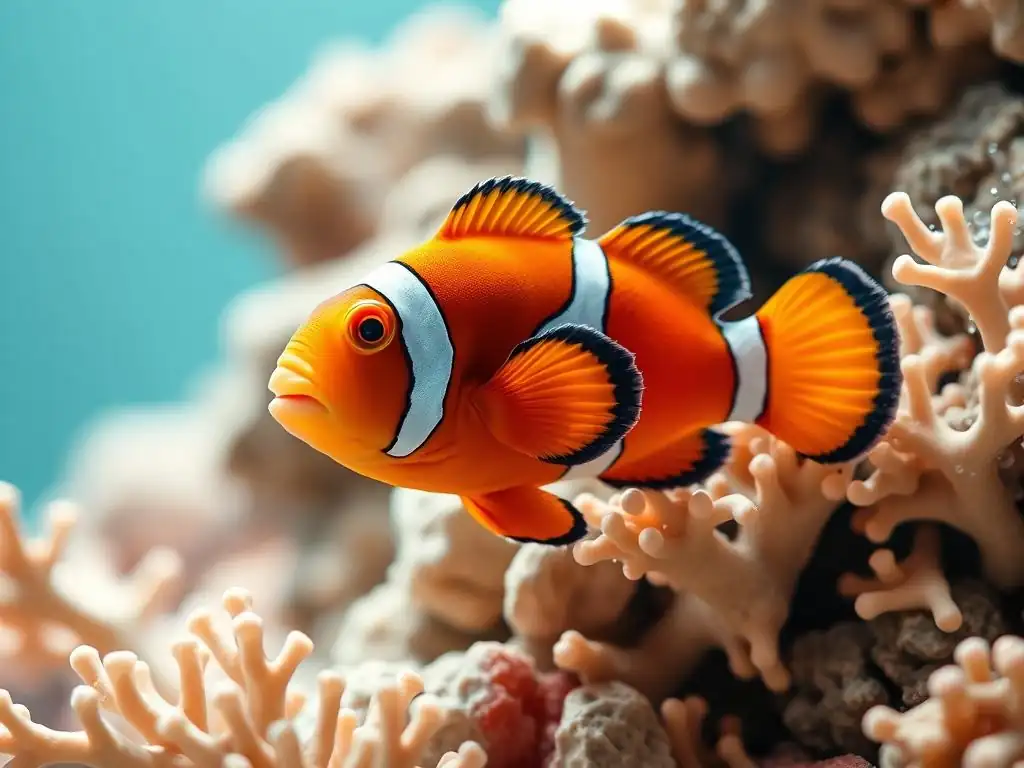
Compatible Fish Species: Avoiding Aggression and Competition
When selecting tank mates for "Clownfish without anemone care," the primary goal is to choose peaceful, non-aggressive species that will not compete directly for territory or food. Good choices often include small, docile fish that occupy different swimming levels of the aquarium. Examples of compatible species include various gobies (e.g., Watchman Goby, Diamond Watchman Goby, Yellow Watchman Goby), blennies (e.g., Lawnmower Blenny, Starry Blenny), firefish, and some peaceful wrasses (e.g., Six-Line Wrasse, Possum Wrasse). Avoid notoriously aggressive fish like many damselfish (other than clownfish themselves), large triggers, or predatory lionfish.
It's also crucial to match the size and temperament of potential tank mates to your clownfish. For instance, a Royal Gramma Basslet, typically reaching about 3 inches, makes an excellent companion for a pair of Ocellaris Clownfish, as both are generally peaceful and inhabit different areas of the tank. Introducing all fish at the same time or introducing less aggressive, smaller fish before the clownfish can help reduce territorial disputes and promote a harmonious community.
Invertebrates and Corals: Choosing Safe and Beneficial Tank Mates
Many invertebrates are excellent and beneficial tank mates for clownfish. A variety of snails (e.g., Nassarius, Trochus, Turbo snails) and hermit crabs form an essential part of the clean-up crew, helping to consume uneaten food and algae. Peppermint shrimp can be useful for controlling nuisance Aiptasia anemones, while cleaner shrimp (e.g., Skunk Cleaner Shrimp, Blood Red Fire Shrimp) often provide a symbiotic cleaning service to the fish. Avoid large, predatory crabs or mantis shrimp, which can pose a threat to fish.
For aquarists interested in a reef tank, most soft corals and LPS (Large Polyp Stony) corals are compatible with clownfish. Examples include Frogspawn ( Euphyllia divisa), Hammer ( Euphyllia ancora), Torch ( Euphyllia glabrescens), Duncan ( Duncanopsammia axifuga), and various types of zoanthids, palythoa, and mushroom corals. While clownfish may occasionally "host" in these corals, it is typically harmless to the coral. SPS (Small Polyp Stony) corals like Acropora are also compatible but require more advanced care regarding lighting and water flow. Always ensure chosen corals do not sting or irritate the clownfish.
Avoiding Common Mistakes When Selecting Tank Mates for Clownfish
One of the most common mistakes in selecting tank mates for "Clownfish without anemone care" is overstocking the aquarium. An overcrowded tank inevitably leads to increased aggression, poor water quality due to excessive bioload, and chronic stress for all inhabitants. While the "inch of fish per gallon" rule is a rough guide, it's far more important to consider the adult size, activity level, and territorial needs of each species. For example, a 30-gallon tank might comfortably house a pair of clownfish and a small goby, but adding more fish would likely strain the system and lead to conflicts.
Another significant mistake is introducing incompatible species. Even seemingly small fish like certain types of dottybacks can be highly territorial and aggressive, constantly harassing clownfish. Thoroughly researching each potential tank mate's temperament, adult size, and specific care requirements before purchase is absolutely critical. This proactive approach ensures a peaceful, healthy, and thriving community in your "Clownfish without anemone care" setup.
Alternatives to Anemones: Providing Security and Enrichment
Soft Corals as Substitute Hosts: Options and Considerations
Many aquarists observe their clownfish adopting certain soft corals as "surrogate hosts," mimicking the natural anemone symbiosis. While not a true biological symbiosis, this behavior provides the clownfish with a sense of security and a designated "home." Popular choices for substitute hosts include various species of Euphyllia corals like Frogspawn, Hammer, and Torch corals, as well as Duncan corals ( Duncanopsammia axifuga) and even large polyp mushroom corals. These corals have large, flowing polyps that clownfish seem to enjoy rubbing against and sheltering within.
While generally harmless to the corals, it's important to monitor the interaction. Some corals might retract their polyps or show signs of irritation if the clownfish is overly vigorous in its "hosting" behavior. Ensure that any coral chosen as a substitute host is well-established and healthy before a clownfish begins to interact with it. Providing a variety of potential host corals can allow the clownfish to choose its preferred "home," enhancing its comfort and overall well-being in a "Clownfish without anemone care" setup.
Artificial Anemones and Rockwork: Creating Safe Havens for Clownfish
For aquarists who prefer not to keep live corals or are concerned about potential irritation to corals, artificial anemones are another option. Several manufacturers produce artificial anemones designed to visually and tactilely mimic their live counterparts. While these substitutes do not offer any biological benefits to the clownfish or the tank ecosystem, some clownfish do accept them as a host, providing a visual focal point and a physical structure for the fish to interact with. They offer a low-maintenance alternative for providing a sense of security.
Beyond specific substitute hosts, the strategic placement of live rock and other inert structures is crucial for creating safe havens. Complex rockwork with numerous caves, overhangs, and crevices provides essential hiding spots and perceived territories. Many clownfish, even without a specific host, will repeatedly return to a particular cave or section of rockwork, treating it as their home base. PVC pipes, cut to size and camouflaged within the aquascape, can also serve as effective, low-cost hiding spots, demonstrating the versatility of "Clownfish without anemone care" in providing security.
Understanding the Limitations of Anemone Substitutes
It is crucial for aquarists to understand that no substitute, whether a coral, artificial anemone, or rockwork, can fully replicate the complex biological symbiosis between a clownfish and a true host anemone. The specialized immunity of the clownfish to the anemone's sting and the reciprocal benefits the anemone receives (like cleaning and aeration) are unique to this natural partnership. Substitutes primarily offer a sense of security, a physical presence, and a designated "home" for the clownfish.
Furthermore, clownfish hosted in substitutes may exhibit slightly different behaviors than those in true anemones. They might not "nest" as deeply within the substitute or exhibit the same level of territorial defense around it. While providing a substitute is highly beneficial for the clownfish's psychological well-being and reduces stress, aquarists should manage their expectations regarding the extent of the "hosting" behavior. Effective "Clownfish without anemone care" focuses on providing general security and enrichment rather than a perfect replication of the wild symbiosis.
Maintaining Clownfish Health Without Anemones
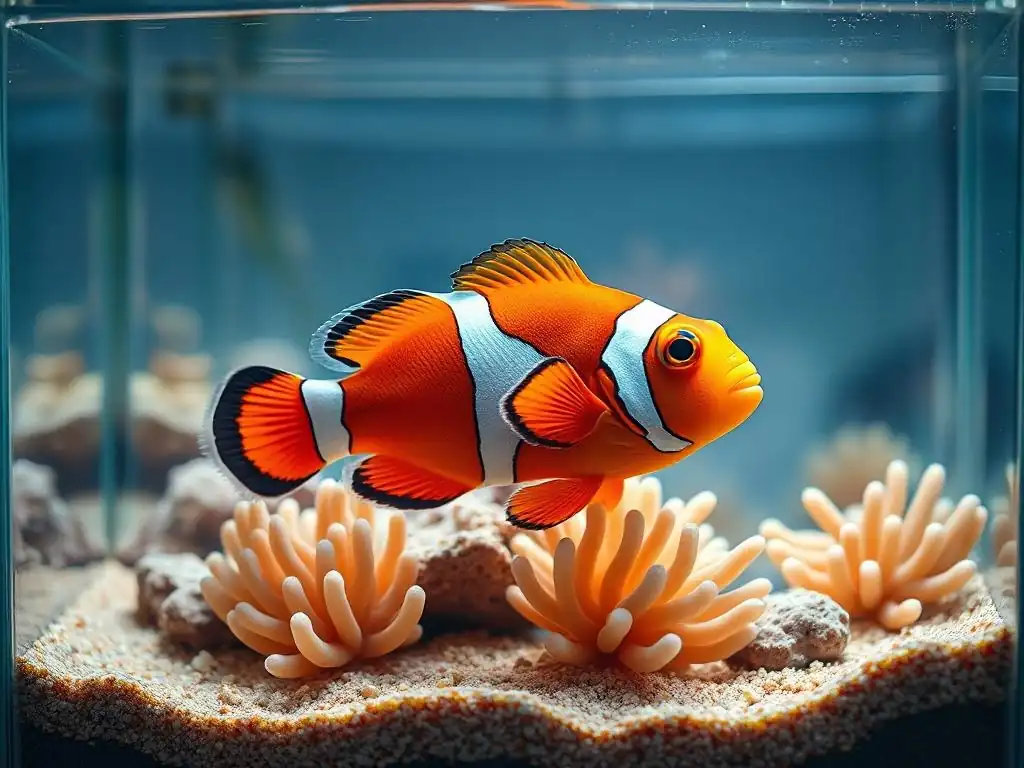
Common Clownfish Diseases and Prevention
Clownfish, like all aquarium inhabitants, are susceptible to various diseases, especially if they are stressed or kept in suboptimal conditions. Common ailments include marine Ich ( Cryptocaryon irritans), which manifests as small white spots resembling salt grains on the body and fins, and Marine Velvet ( Amyloodinium ocellatum), appearing as a dusty, golden film. Bacterial infections, often causing fin rot or cloudy eyes, can also occur. The best prevention strategy for "Clownfish without anemone care" is maintaining a stable, high-quality environment.
Proactive measures are key to disease prevention. This includes consistently stable water parameters (temperature, salinity, pH, zero ammonia/nitrite, low nitrate), a nutritious and varied diet, and avoiding overstocking the aquarium. For clownfish specifically, ensuring adequate hiding spots and compatible tank mates reduces chronic stress, which is a major precursor to disease. Implementing a strict quarantine procedure for all new fish before introducing them to the main display tank is paramount to prevent the introduction of pathogens.
Quarantine Procedures for New Clownfish Arrivals
Quarantining all new fish for a period of at least 4-6 weeks in a separate, dedicated tank is arguably the single most important step in preventing disease outbreaks in your main display aquarium. This quarantine period allows aquarists to observe new clownfish for any signs of illness, provides an opportunity for prophylactic treatments if necessary, and significantly minimizes the risk of introducing parasites (like Ich or Velvet) or bacterial infections to an established system. A quarantine tank (QT) can be a simple 10-20 gallon aquarium equipped with a heater, air stone, and PVC pipes for hiding.
The QT should be set up with water from the main display tank or freshly mixed saltwater. It is best to avoid substrate in the QT, as it can trap parasites and medication. Daily observation of the new clownfish for symptoms such as spots, rapid breathing, clamped fins, or refusal to eat is crucial.
If any signs of disease appear, treatment can be administered in the QT without harming the beneficial bacteria in the main tank's biological filter or sensitive invertebrates. This diligent practice drastically improves the long-term success of "Clownfish without anemone care" and the health of your entire aquarium.
Addressing Health Issues Specific to Anemone-Free Environments
While no health issues are exclusively "anemone-free," clownfish in these setups can be more prone to stress-related conditions if their needs for security and a stable environment are not adequately met. Chronic stress can manifest as a weakened immune system, making them more susceptible to opportunistic infections that might otherwise be resisted. For example, a clownfish that is constantly harassed by an aggressive tank mate or lacks a safe retreat may develop fin rot or a systemic bacterial infection due to a compromised immune response.
Therefore, close attention to subtle behavioral changes is vital for "Clownfish without anemone care." A clownfish that suddenly becomes reclusive, stops eating, or exhibits unusual swimming patterns for more than 24 hours might be experiencing stress or the early stages of an illness. Prompt intervention, which could involve addressing water quality issues, removing an aggressive tank mate, or adding more hiding spots, can often resolve these issues before they escalate into full-blown diseases. A proactive and observant approach is key to ensuring the long-term health and well-being of clownfish without their natural hosts.
Breeding Clownfish Without Anemones: Challenges and Successes
Creating a Breeding Environment: Ideal Conditions for Anemone-Free Breeding
Clownfish are relatively easy to breed in captivity, and surprisingly, the presence of an anemone is not strictly necessary for spawning. While in the wild they lay eggs on a surface protected by their host, in an aquarium, they will readily use a smooth, flat surface provided by the aquarist. Common spawning surfaces include terracotta pots, flat pieces of slate or rock, or even the glass bottom of the tank.
Providing a slightly angled or vertical surface is often preferred by the breeding pair. A dedicated breeding tank, typically 20-40 gallons, with stable and pristine water parameters, is crucial for success.
Optimal water parameters for breeding clownfish are similar to general care but often maintained at the higher end of the range: stable salinity (around 1.025), a slightly elevated temperature (78-80°F or 25.5-26.5°C), and absolutely zero ammonia and nitrite with very low nitrates. A high-quality, varied diet rich in protein and essential fatty acids (e.g., spirulina-enriched brine shrimp, Mysis shrimp, and high-quality pellets) is critical for conditioning the breeding pair and promoting consistent egg production. Studies indicate that a diet rich in highly unsaturated fatty acids (HUFA) significantly improves egg viability.
Caring for Clownfish Eggs and Fry in the Absence of Anemones
Once the female clownfish lays her eggs (which typically number between 100-1000, depending on her size and maturity), the male takes on the primary role of guarding and fanning them. He diligently aerates the eggs and removes any infertile or fungal-infected ones to ensure proper development. Eggs typically hatch within 7-10 days, with the exact duration dependent on water temperature.
During this period, minimizing disturbance to the breeding tank is recommended. For increased fry survival in "Clownfish without anemone care" breeding, many breeders opt to remove the spawning surface with the eggs to a separate hatching tank just before they are due to hatch.
Clownfish fry are planktonic, meaning they are tiny and drift in the water column. They typically hatch shortly after dusk. For successful fry collection, it's essential to have a separate, darkened rearing tank prepared. At hatching time, a small light source, such as a flashlight, can be used to attract the newly hatched fry, which can then be gently siphoned into the rearing tank. This careful handling is crucial, as the fry are extremely delicate during their first hours of life.
Raising Healthy Clownfish Fry: Nutrition and Water Quality
Raising clownfish fry is the most challenging aspect of breeding "Clownfish without anemone care." The newly hatched fry are minuscule and require microscopic live food for their initial nutrition. Rotifers ( Brachionus plicatilis) are the primary food source for the first 5-7 days. These rotifers must be enriched with live phytoplankton to provide the essential fatty acids and nutrients necessary for the fry's rapid growth and development. After about a week, the fry are typically large enough to transition to larger live foods, such as newly hatched brine shrimp nauplii.
Maintaining pristine water quality in the fry rearing tank is paramount, as the delicate fry are highly sensitive to even minute fluctuations. Small, frequent water changes (e.g., 10% daily) are often necessary to remove waste and replenish trace elements. Gentle aeration is crucial, but strong water currents can easily overwhelm and harm the fragile fry. As the fry grow, they can be gradually transitioned to finely crushed marine flakes and then to larger prepared foods. Successfully raising clownfish fry without an anemone demonstrates an advanced level of "Clownfish without anemone care" expertise.
Clownfish Without Anemone Care: A Summary of Best Practices
Key Considerations for Successful Anemone-Free Clownfish Keeping
The foundation of successful "Clownfish without anemone care" lies in providing a stable, mature, and well-maintained aquarium environment. This includes consistently maintaining optimal water parameters: stable temperature (74-78°F), salinity (1.023-1.026), pH (8.1-8.4), and undetectable levels of ammonia and nitrite, with nitrates kept below 20 ppm. A minimum tank size of 20 gallons for a single clownfish or a pair is recommended to ensure stability and reduce stress. Robust filtration, including mechanical, biological, and chemical media, is essential.
Crucially, even without a natural host, it is vital to provide ample security and enrichment for clownfish. This means aquascaping with plenty of live rock that offers caves, crevices, and overhangs for hiding and establishing territory. Incorporating potential surrogate hosts, such as certain soft corals (e.g., Euphyllia species) or even artificial anemones, can significantly enhance their sense of security. A varied and high-quality diet, fed 1-2 times daily, supports their immune system, growth, and vibrant coloration.
Long-Term Health and Well-being of Clownfish
Ensuring the long-term health and well-being of clownfish in an anemone-free environment requires a proactive and vigilant approach. This includes consistent monitoring for any signs of stress or disease, such as changes in behavior, coloration, or appetite. Implementing strict quarantine procedures for all new fish before introducing them to the main display tank is a non-negotiable practice to prevent the introduction of pathogens. Regular water testing (e.g., weekly) and consistent maintenance routines (e.g., bi-weekly 10-20% water changes) are essential to prevent the buildup of toxins and replenish necessary elements.
Understanding typical clownfish behavior allows aquarists to quickly identify deviations that may signal a problem. A healthy clownfish is active, curious, and eager to eat. Any prolonged lethargy, clamped fins, or refusal to eat should prompt an immediate investigation into water parameters, potential aggression from tank mates, or the onset of illness. With proper "Clownfish without anemone care," these resilient fish can live for 10-15 years, or even longer, in an optimal aquarium environment, thriving and bringing joy to their keepers.
The Future of Clownfish Keeping: Ethical and Sustainable Practices
The increasing availability and success of captive-bred clownfish represent a significant step forward in marine conservation. By choosing captive-bred specimens, aquarists directly contribute to reducing the pressure on wild clownfish populations and their host anemones. Captive-bred clownfish are often hardier, more accustomed to aquarium life, and less prone to disease, making them an excellent choice for "Clownfish without anemone care" setups. This ethical decision supports sustainable aquaculture practices within the hobby.
Educating both new and experienced aquarists about proper "Clownfish without anemone care" practices is vital for the future of responsible aquarium keeping. This includes emphasizing the benefits of captive breeding, the importance of selecting compatible tank mates, and the critical role of a stable and enriching environment. By promoting these best practices, the aquarium community can ensure the continued health and well-being of these iconic marine fish, allowing them to thrive in home aquariums whether they host an anemone or not.
Frequently Asked Questions
How can I successfully keep Clownfish without an anemone?
You can provide alternative "host" substitutes, like soft corals or specific rock formations, to mimic the anemone's protective environment. Ensure the tank is well-established and offers plenty of hiding places.
What are the potential behavioral issues if Clownfish are kept without anemones?
Clownfish might exhibit increased aggression or erratic swimming patterns due to the lack of a natural host. Careful observation and tank mate selection are crucial to mitigate these issues.
What are some suitable alternatives to anemones for Clownfish hosting?
Some soft corals like Xenia or Sinularia, or even strategically placed branching rocks, can serve as "pseudo-anemones". These provide a sense of security and territory for the Clownfish.
How important is water quality when keeping Clownfish without anemones?
Maintaining pristine water quality is even more critical when not using anemones, as the fish are potentially more susceptible to stress. Regular water changes and parameter monitoring are essential.
Do all Clownfish species adapt equally well to life without anemones?
Not all species adapt equally. Ocellaris Clownfish (the "common" Clownfish) tend to adjust better than some of the more specialized species. Research the specific needs of your chosen Clownfish species.
Final Reflection: Finding Harmony Beyond the Anemone
The exploration of Clownfish without anemone care reveals a crucial aspect of responsible pet ownership and a deeper understanding of symbiotic relationships in nature. This isn't just about keeping fish alive; it's about acknowledging their inherent needs and adapting our care to ensure their well-being, even when traditional environments aren't feasible. The insights gained here are particularly relevant today, as we strive for more ethical and sustainable practices in the aquarium hobby.
The adaptability of clownfish, even in the absence of their natural anemone partners, underscores the resilience of life and the importance of providing enriching alternative environments. Witnessing this adaptability has reinforced my belief in the power of observation and continuous learning in animal care. The key to understanding any creature lies in observing its behavior and responding to its needs with empathy and knowledge.
This understanding extends beyond the aquarium, reminding us of the interconnectedness of all living things and the responsibility we bear to protect their habitats.
Now, consider the implications of what you've learned. How can you apply this knowledge to not only improve the lives of clownfish in captivity but also to advocate for responsible sourcing and sustainable practices within the aquarium trade? Let this understanding inspire you to become a more informed and compassionate aquarist, ensuring that the beauty of the ocean is preserved, both in our homes and in the wild.
Dive Deeper: Transform Your Clownfish Care Today!
Thanks for exploring the fascinating world of clownfish with us! We hope this article shed light on their needs and provided valuable insights into their behavior, especially when anemones aren't an option. Now, let's put that knowledge into action!
Here are a few ways to continue your journey:
- Start mapping out your tank redesign now! Consider suitable anemone alternatives like coral or carefully arranged rockwork to create a secure haven for your clownfish.
- Share this article with fellow aquarium enthusiasts to spread awareness about responsible clownfish care and enrichment.
- Explore our other articles on symbiotic relationships and reef tank ecosystems to become an even more knowledgeable aquarist.
What specific anemone alternative are you considering for your clownfish, and what challenges are you anticipating in setting it up?