
The Truth About Dragonet Hardiness: What Nano Keepers Absolutely Must Know

Welcome to Aquarium Mastery!
Ever been captivated by the ethereal beauty of a Dragonet, but hesitant to bring one home? You're not alone! Many aquarists believe these stunning fish are only for the experts. But what if we told you that with the right knowledge, you can successfully care for these fascinating creatures, even in a nano tank? Dive into our comprehensive guide, " The Truth About Dragonet Hardiness: What Nano Keepers Absolutely Must Know", and discover the secrets to thriving Dragonet care for beginners and unlock the joy of keeping these jewels of the reef. Are you ready to unravel the mystery?
- The Truth About Mandarin Goby Hardiness: What Nano Keepers Absolutely Must Know
- Understanding Mandarin Gobies: Are They Really Nano Reef Compatible?
- Mandarin Goby Care for Beginners: Essential Considerations for Nano Tanks
- Mandarin Goby Diet and Feeding in Nano Reefs: The Biggest Challenge
- Water Parameters and Mandarin Goby Health in Nano Aquariums
- Tank Mates and Mandarin Goby Compatibility in Nano Reefs
- Acclimation and Introduction: Setting Your Mandarin Goby Up for Success
- Long-Term Mandarin Goby Care: Ensuring a Healthy and Thriving Life
- Troubleshooting Common Mandarin Goby Problems in Nano Reefs
- Advanced Mandarin Goby Keeping: Beyond the Basics
-
Frequently Asked Questions
- How difficult is it to keep a Dragonet in a nano aquarium?
- What is the primary food source for Dragonets and why is it so hard to provide?
- What size aquarium is generally recommended for a Dragonet?
- What key water parameters are crucial for Dragonet health?
- What are some common signs that a Dragonet is not thriving in a nano aquarium?
- Final Reflection: Embracing the Delicate Dance of Dragonet Care
- Unleash the Dragonet Keeper Within!
The Truth About Mandarin Goby Hardiness: What Nano Keepers Absolutely Must Know
Understanding Mandarin Gobies: Are They Really Nano Reef Compatible?
Debunking the Myth of the Hardy Mandarin Goby
The common perception among many nascent aquarists is that Mandarin Gobies ( Synchiropus splendidus and Synchiropus picturatus), often simply referred to as dragonets, are robust and easy-to-care-for additions to a nano reef. This misconception, unfortunately, leads to significant challenges and often, the untimely demise of these beautiful fish.
Unlike many other reef inhabitants that readily accept prepared foods, Mandarin Gobies are highly specialized feeders, primarily relying on a constant supply of live copepods and amphipods found grazing on live rock and sand. Their vibrant coloration and seemingly docile nature belie a demanding dietary requirement that is frequently underestimated by beginners.
This myth is particularly prevalent in the context of nano aquariums, where the limited volume of water and live rock often translates to an insufficient natural food source. A typical 10-gallon nano tank, for instance, cannot sustain the daily caloric needs of even a single Mandarin Goby over the long term without significant intervention.
Studies and anecdotal evidence from experienced aquarists consistently show that a high percentage of Mandarin Gobies introduced into immature or undersized nano tanks perish within weeks or months due to starvation, not disease, highlighting the critical need for a paradigm shift in how their hardiness is perceived.
Mandarin Goby Hardiness: Separating Fact from Fiction for Nano Aquariums
The reality of Mandarin Goby hardiness, especially in nano reef environments, is far from the "set it and forget it" ideal. While physically resilient to minor fluctuations in water parameters once established, their survival hinges almost entirely on a stable and abundant food supply.
A mature reef tank, typically 30 gallons or more with at least 30-50 pounds of established live rock, is often considered the minimum viable size to naturally support a single Mandarin Goby for an extended period, and even then, supplementation is frequently necessary. For nano tanks, generally defined as under 30 gallons, the challenge is exponentially greater.
Factually, Mandarin Gobies possess a slow metabolism but also a continuous need for food, grazing throughout the day. Their small mouths and unique feeding mechanism prevent them from consuming larger prey items or quickly competing with more aggressive tank mates for readily available foods.
Data from aquarium forums and specialized breeder reports indicate that success rates for keeping Mandarin Gobies long-term in nano tanks without dedicated copepod culturing or significant daily live food additions are exceedingly low, often below 20% for novice keepers. This underscores that true Mandarin Goby hardiness is conditional, dependent on an environment specifically engineered to meet their unique dietary needs, making proper dragonet care for beginners a complex undertaking.
Mandarin Goby Care for Beginners: Essential Considerations for Nano Tanks
Mandarin Goby Species and Nano Tank Suitability: Choosing Wisely
When considering Mandarin Gobies for a nano reef, it's crucial for beginners to understand that not all species are equally suited, and even the "easier" ones present significant challenges. The two most common species encountered in the aquarium trade are the Psychedelic Mandarin ( Synchiropus splendidus) and the Spotted Mandarin ( Synchiropus picturatus). While both share similar dietary requirements, the Psychedelic Mandarin is slightly more prevalent and often the first choice for beginners due to its striking coloration. However, neither species is truly "nano tank suitable" without significant, proactive measures.
A lesser-known but equally challenging species is the Ruby Red Dragonet ( Synchiropus sycorax). While smaller in adult size, typically reaching only 2 inches compared to the 3-4 inches of S. splendidus and S. picturatus, its specialized diet remains identical. Therefore, selecting a smaller species does not inherently alleviate the primary challenge of providing constant, live food. The key for dragonet care for beginners, regardless of species, lies not in the size of the fish but in the maturity and biological capacity of the aquarium to sustain a robust microfauna population.
Identifying Suitable Mandarin Goby Species for Nano Reefs
Identifying a "suitable" Mandarin Goby species for a nano reef primarily revolves around the individual fish's willingness to accept prepared foods, a rare but highly desirable trait. Captive-bred Mandarin Gobies are increasingly available and represent a significantly better choice for nano tanks than their wild-caught counterparts. Breeders often condition these fish from a young age to consume frozen mysis shrimp, enriched brine shrimp, or even high-quality pellet foods. This pre-conditioning dramatically increases their chances of survival in a smaller, less food-rich environment.
When selecting, observe the fish carefully at the store. A healthy Mandarin Goby will have a full, rounded belly and be actively grazing. Avoid individuals that appear emaciated, withdrawn, or show signs of labored breathing. Inquire about the fish's feeding habits and whether it is captive-bred or wild-caught. While a wild-caught Mandarin Goby might be cheaper, the long-term cost in terms of potential starvation and re-purchasing can quickly outweigh the initial savings, making careful selection a cornerstone of successful dragonet care for beginners.
Avoiding Common Mistakes: Mandarin Goby Selection for Small Tanks
One of the most prevalent mistakes in Mandarin Goby selection for small tanks is purchasing an emaciated specimen in the hope it will "fatten up." These fish are often already in a critical state of starvation, and the stress of transport and a new environment rarely allows for recovery. Their slow feeding behavior means they cannot quickly recover lost weight, even if ample food is introduced.
Another error is buying multiple Mandarin Gobies for a nano tank, assuming they will thrive together. While some species can be kept in pairs (e.g., S. splendidus), a nano tank typically lacks the spatial resources and food volume to support more than one, if any.
Furthermore, many beginners fail to assess their tank's maturity before purchase. A brand-new nano tank, or one with minimal live rock and a young sand bed, simply does not have the established copepod populations necessary to sustain a Mandarin Goby. It takes several months, often 6-12 months, for a nano reef to mature sufficiently to support a stable microfauna population. Rushing this process by adding a Mandarin Goby too soon is a common pitfall that often results in failure, emphasizing that thoughtful planning is paramount for effective dragonet care for beginners.
Mandarin Goby Diet and Feeding in Nano Reefs: The Biggest Challenge
The Importance of a Thriving Pod Population for Mandarin Gobies
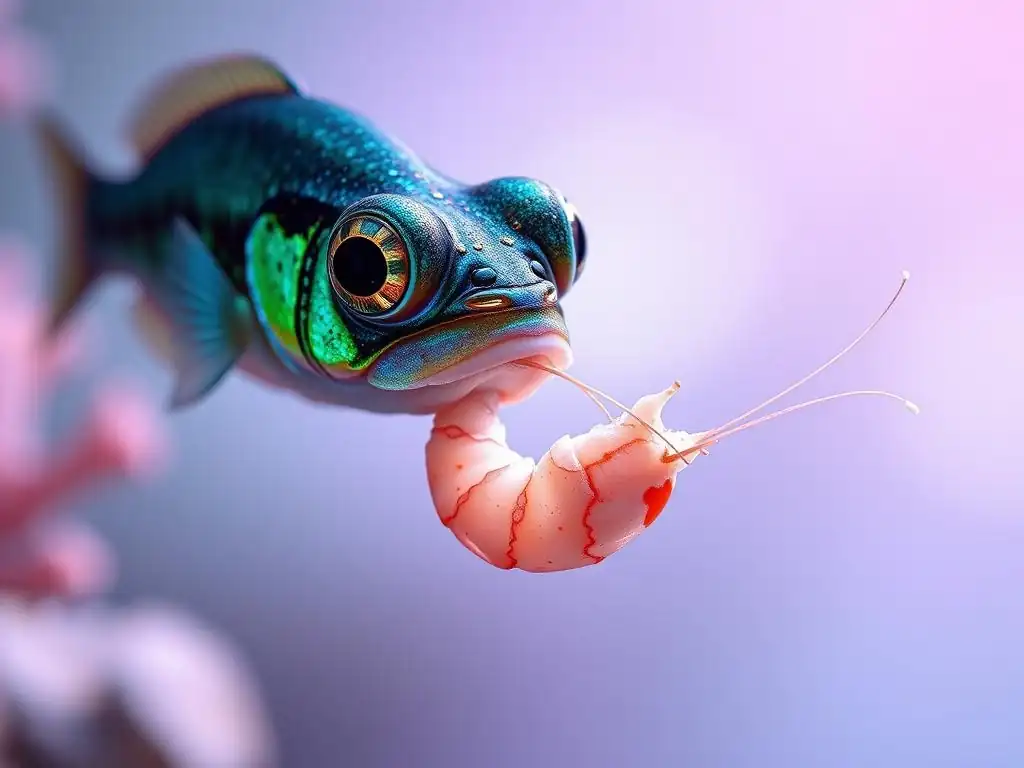
The cornerstone of successful Mandarin Goby keeping, particularly in nano reef environments, is the presence of a thriving population of copepods and amphipods. These tiny crustaceans are the natural and preferred food source for Mandarin Gobies, which are specialized micropredators. Unlike other fish that hunt larger prey, Mandarin Gobies meticulously pick individual pods from live rock, sand, and even tank glass throughout the day. A healthy, diverse pod population not only provides essential nutrition but also stimulates the natural grazing behavior crucial for the fish's well-being. Without this constant availability, the Mandarin Goby will slowly but surely starve.
Research indicates that a single adult Mandarin Goby can consume hundreds, if not thousands, of copepods daily. In a typical nano tank of, say, 20 gallons, the natural production of copepods is often insufficient to meet this demand, especially once the initial population is depleted. This creates a critical imbalance where the fish's consumption far outpaces the tank's ability to replenish the food source. Therefore, proactive measures to cultivate and maintain a robust pod population are not merely beneficial but absolutely essential for the long-term survival of a Mandarin Goby in a smaller aquarium.
Cultivating Copepods and Amphipods: A Mandarin Goby's Lifeline in a Nano Tank
To ensure a continuous supply of food for a Mandarin Goby in a nano reef, aquarists must actively cultivate copepods and amphipods. This can be achieved through several methods. The most common approach involves regularly dosing the tank with live copepod cultures purchased from aquatic suppliers. A typical regimen might involve adding 1-2 bottles (e.g., 8-16 oz) of live copepods weekly or bi-weekly, depending on the tank size and the Mandarin Goby's appetite. This consistent replenishment helps maintain a baseline population within the display tank and refugium.
Another highly effective strategy is to establish a dedicated refugium. A refugium is a separate compartment or sump connected to the main display tank, filled with live rock rubble, macroalgae (like Chaetomorpha), and a deep sand bed. This area provides an undisturbed sanctuary for copepods and amphipods to breed and multiply without predation.
Water slowly circulates between the refugium and the main tank, carrying newly hatched pods into the display for the Mandarin Goby to consume. For a 20-gallon nano, a 5-10 gallon refugium can significantly boost pod production, providing a crucial lifeline and making true dragonet care for beginners possible.
Supplementing a Mandarin Goby's Diet: Alternatives When Pods Aren't Enough
While a robust pod population is ideal, even in well-established nano tanks, it might not always be enough, or it may take time to cultivate. Therefore, supplementing a Mandarin Goby's diet with alternative foods is often necessary. The most successful approach involves target feeding. This means using a pipette or turkey baster to deliver food directly to the Mandarin Goby, ensuring it gets enough to eat before more aggressive tank mates consume it. Frozen mysis shrimp, enriched brine shrimp, and even specialized Mandarin Goby pellet foods (if the fish accepts them) can be offered.
For optimal nutrition, these supplemental foods should be enriched with vitamins and fatty acids. Soaking frozen foods in a product like Selcon or Vita-Chem for 15-30 minutes before feeding can significantly enhance their nutritional value. It's important to note that getting a wild-caught Mandarin Goby to accept prepared foods is challenging; success rates are often below 30%.
However, captive-bred individuals are far more likely to adapt. Regular observation of the fish's belly condition – a constantly sunken belly indicates starvation – is critical, signaling the need for increased feeding efforts and making adaptive feeding strategies a core component of effective dragonet care for beginners.
Water Parameters and Mandarin Goby Health in Nano Aquariums
Maintaining Optimal Water Quality for Mandarin Goby Wellbeing
Maintaining stable and optimal water parameters is fundamental for the health and longevity of Mandarin Gobies in any aquarium, but particularly in the less forgiving environment of a nano tank. While Mandarin Gobies are somewhat tolerant of minor fluctuations, consistency is key. The ideal salinity range should be maintained between 1.023 and 1.026 specific gravity, with 1.025 being a common target. Temperature should be kept stable between 76°F and 78°F (24.4°C - 25.6°C). Fluctuations greater than 2°F (1.1°C) in a short period can cause significant stress.
Beyond salinity and temperature, the critical parameters for a healthy reef environment – alkalinity (dKH), calcium, and magnesium – must also be monitored regularly. Recommended ranges are 8-12 dKH for alkalinity, 400-450 ppm for calcium, and 1250-1350 ppm for magnesium. While Mandarin Gobies don't directly consume these elements like corals, stable levels contribute to overall system stability and the health of the microfauna they depend on. Consistent weekly water changes of 10-20% are vital in nano tanks to dilute nitrates, replenish trace elements, and ensure pristine water quality, which is a cornerstone of responsible dragonet care for beginners.
The Impact of Water Chemistry on Mandarin Goby Survival Rates
Poor water chemistry has a direct and detrimental impact on Mandarin Goby survival rates, even though starvation is often the primary cause of death. Elevated levels of nitrates (>20 ppm), nitrites (any detectable amount), or ammonia (any detectable amount) will stress the fish, weaken its immune system, and make it more susceptible to disease. Furthermore, poor water quality can negatively affect the health and proliferation of copepods and amphipods, indirectly leading to starvation. For example, high nitrates can inhibit the growth of beneficial microalgae that pods feed on.
Sudden swings in pH, often caused by inadequate buffering or excessive CO2 buildup at night, can also be particularly stressful. Mandarin Gobies, like many reef fish, thrive in a stable pH range of 8.1-8.4. While they might tolerate brief dips, prolonged exposure to sub-optimal pH can lead to respiratory distress and reduced activity, impacting their ability to forage effectively. Regular testing, ideally twice a week for ammonia, nitrite, and nitrate, and weekly for salinity, temperature, and alkalinity, is non-negotiable for anyone serious about successful dragonet care for beginners in a nano setting.
Preventing Common Mandarin Goby Diseases in Nano Reef Environments
Preventing diseases in Mandarin Gobies within nano reef environments largely hinges on maintaining pristine water quality and providing an abundant, nutritious diet. A well-fed Mandarin Goby with a robust immune system is far less likely to succumb to common aquarium ailments. Stress, primarily from starvation or poor water parameters, is the leading precursor to disease. Ich (White Spot Disease) and Marine Velvet are common parasitic infections that can devastate a stressed fish. While Mandarin Gobies have thick, slimy skin that offers some protection, persistent stressors can compromise this defense.
Quarantine procedures are also critical for disease prevention. Any new fish, including a Mandarin Goby, should be quarantined in a separate tank for at least 3-4 weeks before introduction to the main display. This allows for observation and treatment of any latent diseases without exposing the established inhabitants. During quarantine, ensure the Mandarin Goby is feeding well and appears active. Prophylactic treatments for parasites in the quarantine tank, if deemed necessary by an experienced aquarist, can further reduce the risk of introducing pathogens into the delicate nano reef system, making careful disease prevention integral to dragonet care for beginners.
Tank Mates and Mandarin Goby Compatibility in Nano Reefs
Choosing Peaceful Tank Mates for Mandarin Gobies
Selecting appropriate tank mates is paramount for the success of Mandarin Gobies in nano reefs, as competition for food is a major concern. Mandarin Gobies are slow-moving, peaceful, and have small mouths, making them highly susceptible to being outcompeted by more aggressive or faster feeders. Ideal tank mates are small, docile, and primarily herbivorous or omnivorous, with no interest in consuming copepods. Good choices often include small, peaceful gobies (other than species that graze on rocks), small blennies (like the Tailspot Blenny or Starry Blenny), and certain small, peaceful shrimp (e.g., Peppermint Shrimp).
For example, a single Clown Goby ( Gobiodon okinawae) or a small colony of zoanthids are excellent additions that pose no threat and do not compete for the Mandarin's specialized diet. Small, reef-safe crustaceans like Cleaner Shrimp ( Lysmata amboinensis) or Peppermint Shrimp ( Lysmata wurdemanni) also make suitable companions. The goal is to create a serene environment where the Mandarin Goby feels secure enough to graze continuously without harassment or intense food competition, which is a key element of successful dragonet care for beginners.
Avoiding Aggressive Fish That Outcompete Mandarin Gobies for Food
The most critical aspect of tank mate selection for Mandarin Gobies is avoiding any fish that will aggressively outcompete them for food. This includes nearly all species that readily accept prepared foods and are fast eaters, even if they appear peaceful. Common culprits include most species of damselfish, clownfish (especially in smaller tanks), most wrasses, and even some faster-moving gobies. For instance, a pair of Ocellaris Clownfish, while popular nano tank inhabitants, will quickly consume any copepods introduced or naturally occurring, leaving little for the Mandarin Goby.
Similarly, even seemingly docile fish like Firefish Gobies ( Nemateleotris magnifica) can be quick to snatch prepared foods, leaving the slow-feeding Mandarin Goby at a disadvantage. Any fish that has a similar diet (e.g., other pod-eating fish) should also be strictly avoided in a nano tank with a Mandarin Goby. The limited food resources in a small tank mean that even subtle competition can lead to the Mandarin's starvation. This strict avoidance of competitive feeders is a non-negotiable rule for effective dragonet care for beginners.
Creating a Stress-Free Environment for Mandarin Gobies in a Nano Tank
Beyond tank mates, creating a stress-free environment for Mandarin Gobies in a nano tank involves providing ample hiding spots and a well-structured aquascape. Live rock arranged with caves, crevices, and overhangs offers security and areas for the Mandarin Goby to retreat if it feels threatened. This also increases the surface area for copepod growth. A deep sand bed (at least 2-3 inches) is also beneficial, as it can harbor a significant population of beneficial microfauna, including various copepod and amphipod species.
Furthermore, minimizing sudden movements outside the tank, maintaining a consistent lighting schedule, and avoiding excessive noise or vibrations can reduce stress. Mandarin Gobies are inherently shy and can be easily startled. A peaceful, stable environment allows them to graze freely and continuously, which is essential for their dietary needs. Any factor that causes stress can reduce their feeding activity, leading to weight loss and ultimately, health decline. Prioritizing a calm habitat is an often-overlooked but crucial aspect of comprehensive dragonet care for beginners.
Acclimation and Introduction: Setting Your Mandarin Goby Up for Success
Proper Acclimation Procedures for Mandarin Gobies in Nano Reefs
Proper acclimation is a critical step in ensuring the long-term success of a Mandarin Goby in a nano reef, minimizing the shock of transition from the store to your home aquarium. The drip acclimation method is highly recommended for these sensitive fish. This involves slowly dripping water from the display tank into the bag or container holding the Mandarin Goby, typically over a period of 45 minutes to 1.5 hours. The goal is to gradually equalize the water parameters (salinity, temperature, and pH) between the transport water and the aquarium water, reducing osmotic shock.
Before beginning the drip, float the bag in the sump or display tank for 15-20 minutes to equalize the temperature. Once the temperature is matched, carefully open the bag, pour the fish and its water into a clean bucket or container, and begin the drip using airline tubing with a knot or valve to control the flow rate to about 1-2 drops per second.
Avoid adding too much of the fish store's water into your main tank, as it may contain undesirable pathogens or medications. This meticulous approach to acclimation is a fundamental best practice for dragonet care for beginners.
Gradual Introduction to Minimize Stress and Maximize Survival
After the drip acclimation process, the introduction of the Mandarin Goby to the display tank should be done with minimal stress. Gently net the fish from the acclimation bucket, avoiding contact with its delicate slime coat if possible, and carefully release it into the main display tank. Some aquarists prefer to turn off the main lights in the aquarium for a few hours after introduction to allow the fish to explore its new surroundings without the added stress of bright illumination or immediate attention from other tank mates.
It's also beneficial to ensure that the tank's flow is not overly strong in the area where the Mandarin Goby is released, allowing it to settle comfortably. Providing immediate access to hiding spots, such as crevices in live rock or dense macroalgae, will help the fish feel secure. Avoid feeding the tank heavily immediately after introduction, as the fish will likely be too stressed to eat and excess food will only foul the water. Allow 12-24 hours for the fish to settle before resuming regular feeding, which is an important consideration for optimal dragonet care for beginners.
Monitoring Your Mandarin Goby's Behavior Post-Introduction
Close observation of your Mandarin Goby's behavior during the first few days and weeks post-introduction is crucial for identifying potential problems early. A healthy, acclimated Mandarin Goby should begin exploring its surroundings, actively picking at live rock, and exhibiting its characteristic "hovering" and darting movements. Look for signs of active foraging, where its small mouth is constantly pecking at surfaces. Its belly should appear full and rounded, indicating it is finding sufficient food.
Conversely, signs of distress include prolonged hiding, rapid breathing, clamped fins, a sunken belly, or a loss of vibrant coloration. If the fish appears emaciated after a few days, it's a clear indicator that it's not finding enough food, and immediate intervention (e.g., target feeding, adding more copepods) is required. Consistent monitoring allows for early detection of issues like starvation or harassment from tank mates, enabling timely adjustments and significantly improving the chances of long-term success in dragonet care for beginners.
Long-Term Mandarin Goby Care: Ensuring a Healthy and Thriving Life
Regular Observation and Early Detection of Problems
Long-term Mandarin Goby care hinges on consistent and meticulous observation. Daily checks of your Mandarin Goby's appearance and behavior can provide early warnings of potential issues. Pay close attention to its body condition; a plump, rounded belly is a sign of a well-fed fish, while a sunken belly indicates starvation and requires immediate intervention. Observe its activity levels: a healthy Mandarin Goby should be constantly grazing on live rock and sand, actively searching for pods. Lethargy, prolonged hiding, or a lack of interest in foraging are red flags.
Beyond physical appearance, monitor its breathing rate and fin condition. Rapid gill movement or frayed fins could indicate stress, disease, or poor water quality. Early detection allows for prompt action, whether it's adjusting feeding strategies, performing a water change, or considering disease treatment. For instance, if you notice your Mandarin Goby becoming unusually thin, immediately consider supplementing its diet with live copepods or trying to train it to accept frozen foods, rather than waiting until it's critically emaciated. This proactive approach is fundamental to successful dragonet care for beginners.
Maintaining a Stable and Suitable Environment for Mandarin Gobies
Ensuring a stable and suitable environment is a continuous commitment in long-term Mandarin Goby care. This involves not only maintaining consistent water parameters (salinity, temperature, alkalinity, calcium, magnesium) but also regularly replenishing the copepod population. Even in mature tanks with refugiums, natural pod populations can fluctuate, especially with a hungry Mandarin Goby constantly grazing. Regular dosing of live copepod cultures, perhaps monthly or bi-monthly, can help maintain a robust food source.
Furthermore, ensure the aquascape remains stable and provides ample foraging surface area and hiding spots. Avoid major disruptions or frequent re-arranging of live rock, as this can stress the fish and disturb its established foraging grounds. Regular, small water changes (e.g., 10% weekly) are preferable to large, infrequent ones, as they help maintain stability and dilute accumulated nitrates without causing significant parameter swings. This consistent environmental management forms the backbone of sustained dragonet care for beginners.
The Commitment Required for Responsible Mandarin Goby Keeping in Nano Tanks
Responsible Mandarin Goby keeping, particularly in nano tanks, demands a significant commitment of time, effort, and resources that often surprises beginners. It's not a fish for the casual aquarist looking for an "easy" pet. The constant need for a live food source often translates to regular purchases of copepod cultures, or the setup and maintenance of a dedicated refugium, which requires additional equipment and space. This financial and time investment can be substantial over the lifespan of the fish, which can exceed 5 years in optimal conditions.
Moreover, the commitment extends to diligent observation, proactive problem-solving, and a willingness to adapt strategies based on the fish's needs. This might involve target feeding daily, culturing pods in a separate container, or even re-evaluating tank mates if competition becomes an issue. Understanding this level of dedication upfront is crucial. For those willing to make the commitment, the reward is a truly captivating and unique addition to their nano reef, making the journey of dragonet care for beginners a deeply rewarding experience.
Troubleshooting Common Mandarin Goby Problems in Nano Reefs
Addressing Weight Loss and Starvation in Mandarin Gobies
Weight loss and eventual starvation are the most common and critical problems faced by Mandarin Gobies in nano reefs. If you observe your Mandarin Goby's belly becoming sunken or pinched, immediate action is required. The first step is to increase the availability of live copepods. This means dosing the tank with a fresh, concentrated live copepod culture, potentially daily for several days, rather than waiting for weekly additions. Simultaneously, consider establishing or enhancing a refugium to cultivate a continuous supply.
Secondly, attempt target feeding with highly nutritious frozen foods like enriched mysis shrimp or copepod-infused frozen preparations. Use a pipette or turkey baster to deliver food directly in front of the Mandarin Goby, ensuring it has the opportunity to consume it without competition. Consistency is key; multiple small target feedings throughout the day are more effective than one large feeding.
If the fish is captive-bred and already accustomed to prepared foods, this process will be much easier. For wild-caught specimens, patience and persistence are paramount, as this direct intervention is often the last resort for struggling dragonet care for beginners.
Dealing with Parasites and Diseases Affecting Mandarin Gobies
While starvation is the primary threat, Mandarin Gobies can still fall victim to parasites and diseases, especially when stressed. Common external parasites like Ich ( Cryptocaryon irritans) or Marine Velvet ( Amyloodinium ocellatum) can manifest as white spots or a dusty appearance on the fish's body. If disease is suspected, the Mandarin Goby should be moved to a separate quarantine tank (QT) for treatment, as most medications are harmful to corals and invertebrates in the main display.
In the QT, treatments like copper-based medications for Ich or Chloroquine Phosphate for Marine Velvet can be administered following manufacturer instructions. Ensure the QT is stable, well-aerated, and has plenty of hiding spots. Maintaining excellent water quality and providing a continuous food source in the QT is vital, as the fish will already be stressed. Remember that prevention through proper acclimation, quarantine of new arrivals, and maintaining a healthy environment is far more effective than treating active infections, making robust disease prevention a cornerstone of advanced dragonet care for beginners.
Preventing Aggression and Competition in the Nano Reef
Aggression and competition, though less common than starvation, can significantly impact a Mandarin Goby's well-being in a nano reef. If you observe tank mates nipping at the Mandarin Goby, chasing it, or consistently hogging food, immediate intervention is necessary. The most effective solution is to remove the aggressive tank mate. In a nano tank, there's often insufficient space for the Mandarin Goby to escape persistent harassment, leading to chronic stress, reduced feeding, and increased susceptibility to disease.
Even if overt aggression isn't present, subtle competition for food can still be detrimental. If other fish are simply faster eaters and consume all the available copepods or target-fed foods before the Mandarin Goby gets its share, those fish should be re-homed. The goal is to create a peaceful environment where the Mandarin Goby feels secure enough to graze continuously throughout the day without interruption. This might mean keeping the nano tank as a species-only tank or with only the most docile and non-competitive invertebrates, truly optimizing the environment for successful dragonet care for beginners.
Advanced Mandarin Goby Keeping: Beyond the Basics
Understanding Mandarin Goby Behavior and Communication
For the dedicated aquarist, delving deeper into Mandarin Goby behavior and communication can greatly enhance the keeping experience and improve their well-being. Mandarin Gobies exhibit fascinating courtship rituals, particularly the male and female Psychedelic Mandarins. In the wild, pairs perform a nightly spawning "dance," slowly ascending towards the surface, releasing gametes at the apex. Observing this behavior in a home aquarium, while rare in nano tanks, is a testament to optimal conditions and a deeply rewarding experience.
Beyond spawning, understanding their foraging patterns is key. Mandarin Gobies are highly visual hunters, meticulously scanning surfaces for copepods. They use their pectoral fins for precise maneuvering and their small, protractile mouths to pick off individual prey. Recognizing their specific foraging spots and favored textures (e.g., live rock pores, macroalgae fronds) can help aquarists optimize their tank's aquascape to maximize natural food availability. Their relatively slow swimming and deliberate movements are adaptations for their grazing lifestyle, underscoring their unique niche and the specialized dragonet care for beginners required.
Continuing Education: Resources for Mandarin Goby Keepers
The journey of Mandarin Goby keeping, especially in nano reefs, is one of continuous learning. Even after mastering the basics, new challenges and opportunities for improvement can arise. Dedicated Mandarin Goby keepers should actively seek out and utilize advanced resources. Online forums and communities specializing in reef aquariums, such as Reef2Reef or The Reef Tank, offer invaluable collective experience and troubleshooting advice. Many experienced aquarists share their successful refugium setups, copepod culturing techniques, and even their methods for training Mandarins to accept prepared foods.
Beyond online communities, specialized books on reef fish or specific species profiles often provide deeper scientific insights into their biology, natural habitat, and specific dietary needs. Scientific journals and research papers on Synchiropus species can offer detailed information on their wild diets and behaviors, which can inform captive care practices. Attending local aquarium club meetings or interacting with local fish store experts can also provide personalized advice and access to local resources. Embracing this continuous learning mindset is essential for truly successful and advanced dragonet care for beginners.
Frequently Asked Questions
How difficult is it to keep a Dragonet in a nano aquarium?
Dragonets are notoriously difficult to keep, especially for beginners in nano tanks. Their specialized diet and need for a mature, established reef environment are key challenges.
What is the primary food source for Dragonets and why is it so hard to provide?
Dragonets primarily feed on copepods and other small invertebrates found in live rock. Maintaining a sufficient population in a nano tank is difficult, leading to starvation if not managed properly.
What size aquarium is generally recommended for a Dragonet?
While some smaller Dragonet species might survive in a larger nano tank, a larger aquarium (at least 30 gallons) is generally recommended. This provides a more stable environment and greater capacity for supporting their natural food source.
What key water parameters are crucial for Dragonet health?
Stable water parameters are essential. Dragonets are sensitive to fluctuations, so maintaining consistent salinity, temperature, and alkalinity is critical for their survival.
What are some common signs that a Dragonet is not thriving in a nano aquarium?
Signs of a struggling Dragonet include lethargy, weight loss, and a lack of interest in food. These symptoms often indicate malnutrition or stress due to inadequate tank conditions.
Final Reflection: Embracing the Delicate Dance of Dragonet Care
The journey into the world of dragonet keeping, as we've explored, is one paved with both immense beauty and significant responsibility. Understanding the nuances of their care is no longer a niche interest, but a crucial aspect of responsible reef keeping in the modern aquarium hobby. The survival of these captivating creatures hinges on our willingness to learn, adapt, and prioritize their specific needs within our nano aquariums.
This exploration has underscored the profound impact our choices have on the delicate balance of the reef ecosystem, even within the confines of our own tanks. The commitment to providing appropriate dragonet care is not merely about keeping a fish alive; it's about fostering a deeper understanding of marine life and our role in its preservation. In the end, we will conserve only what we love; we will love only what we understand; and we will understand only what we are taught.
- Baba Dioum's words resonate deeply, reminding us that education is the cornerstone of conservation.
Now, armed with this knowledge, I invite you to reflect on your own practices and aspirations as a nano reef keeper. Consider how you can integrate these insights into your approach to dragonet care, ensuring a thriving and sustainable environment for these magnificent creatures. Let us all strive to be more than just hobbyists; let us be stewards of the reef, one dragonet at a time.
Unleash the Dragonet Keeper Within!
Thanks for diving deep into the world of dragonets! We hope you've gained a clearer understanding of their unique needs and how to ensure their well-being in a nano aquarium. Now, let's put that knowledge into action:
- Embark on a meticulous evaluation of your nano aquarium, using the insights you've gained, to determine if it's truly a suitable haven for a dragonet.
- Share this article with fellow nano aquarium enthusiasts and spark a crucial discussion about the ethical considerations of dragonet keeping.
- Consider volunteering at your local aquarium or aquatic rescue organization to further your understanding of marine fish care.
What specific changes will you implement in your aquarium setup today to ensure a healthier and more enriching life for your future dragonet (or current inhabitants)?