
Syntripsa matannensis (White Claw Sulawesi Crab): A Rare Freshwater Gem Profile

Welcome to Aquarium Mastery!
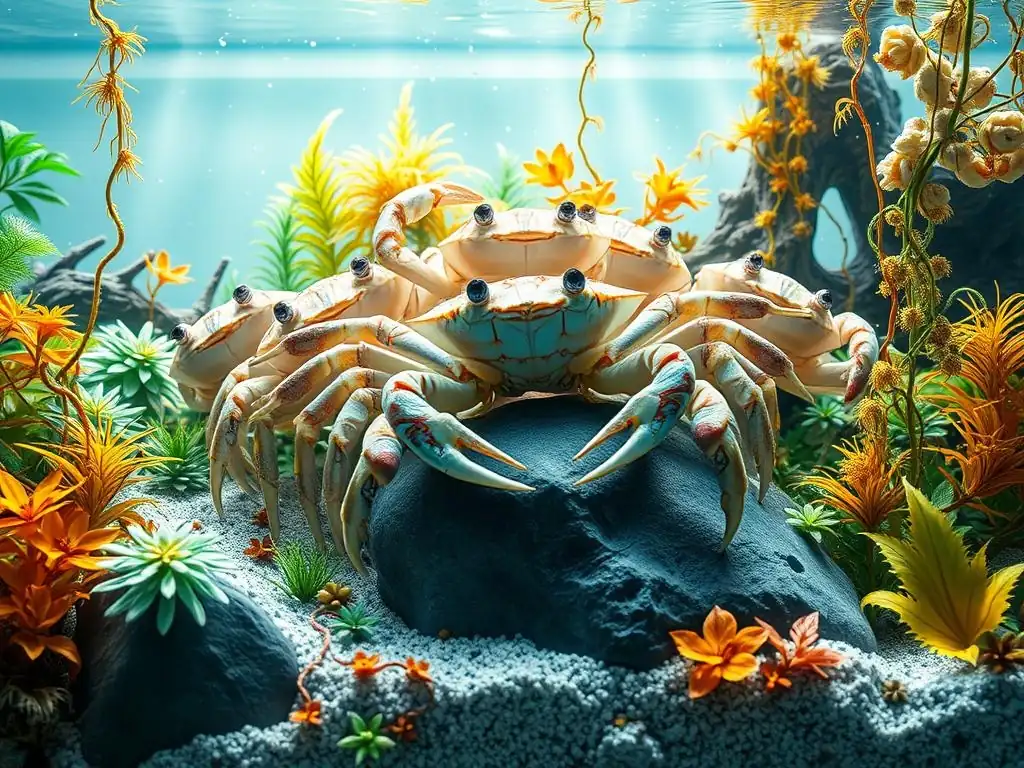
Ever wondered about the elusive and captivating creatures that can bring unparalleled beauty and ecological balance to your freshwater aquarium? Dive in with us as we unravel the mysteries of the Syntripsa matannensis, better known as the White Claw Sulawesi Crab. Intrigued? Keep reading to discover everything you need to know about White Claw Sulawesi Crab care and see if this rare gem is the perfect addition to your aquatic world!
- Introduction to the White Claw Sulawesi Crab (Syntripsa matannensis)
- White Claw Sulawesi Crab Care: Essential Guide for Aquarists
- Breeding White Claw Sulawesi Crabs: Challenges and Opportunities
- White Claw Sulawesi Crab vs. Other Freshwater Crabs: A Comparison
- Where to Buy White Claw Sulawesi Crabs: Finding Reputable Sources
- Common Problems and Solutions in White Claw Sulawesi Crab Keeping
- The Future of White Claw Sulawesi Crab Keeping
- Conclusion: Appreciating the Beauty and Uniqueness of Syntripsa matannensis
-
Frequently Asked Questions
- What is a White Claw Sulawesi Crab and why is it considered a rare gem?
- What are the key requirements for White Claw Sulawesi Crab care in a home aquarium?
- What should I feed my White Claw Sulawesi Crab?
- What are some common health problems to watch out for in White Claw Sulawesi Crabs?
- Can I keep White Claw Sulawesi Crabs with other aquarium inhabitants?
- Final Reflection: Preserving the Pristine Home of the White Claw
- Unleash Your Inner Aquarist: Dive Deeper into the Sulawesi Crab World!
Introduction to the White Claw Sulawesi Crab (Syntripsa matannensis)
Discovering the Unique Appeal of Syntripsa matannensis
The Syntripsa matannensis, more commonly known as the White Claw Sulawesi Crab, captivates aquarists with its striking appearance and intriguing behavior. Originating exclusively from the ancient Lake Matano in Sulawesi, Indonesia, this species boasts a dark, often black or deep brown, carapace that beautifully contrasts with its distinctive bright white claws. Typically reaching a modest carapace width of 1 to 2 inches (approximately 2.5 to 5 cm), its compact size makes it an appealing, yet challenging, inhabitant for specialized freshwater aquariums.
What truly sets the White Claw Sulawesi Crab apart is not just its aesthetic, but its unique ecological niche and the specific care requirements it demands. Unlike many other freshwater crabs, Syntripsa matannensis is fully aquatic, thriving in the highly oxygenated, stable, and alkaline waters characteristic of its natural habitat. This specificity makes successful White Claw Sulawesi Crab care a rewarding endeavor for experienced aquarists seeking a truly unique and visually appealing invertebrate for their tank.
Conservation Status and Rarity of the White Claw Sulawesi Crab
The White Claw Sulawesi Crab's conservation status is a significant concern within the aquatic community. Due to its extremely limited natural range, being endemic solely to Lake Matano, the species is highly vulnerable to habitat degradation, pollution, and potential overcollection for the aquarium trade. While precise IUCN Red List data for Syntripsa matannensis can be "Data Deficient" or "Vulnerable," the consensus among experts is that its population is fragile and requires careful management.
This inherent rarity directly impacts its availability in the aquarium hobby, making it a highly sought-after but infrequently encountered species. Responsible White Claw Sulawesi Crab care extends beyond just tank maintenance; it encompasses supporting ethical sourcing practices and, ideally, contributing to captive breeding efforts to alleviate pressure on wild populations. Aquarists who successfully keep this species play a vital role in its potential future preservation.
White Claw Sulawesi Crab Care: Essential Guide for Aquarists
Optimal Tank Setup for White Claw Sulawesi Crabs
Tank Size Recommendations for Sulawesi Crabs
While the White Claw Sulawesi Crab is relatively small, providing adequate space is crucial for successful White Claw Sulawesi Crab care, especially if housing multiple individuals. For a single crab, a minimum tank size of 10 gallons (approximately 38 liters) can suffice, offering enough territory and water volume for stability. However, a 20-gallon long aquarium (approximately 76 liters, often measuring 24x12x16 inches) is highly recommended for a pair or a small group of 3-4 crabs.
The emphasis for these crabs should be on horizontal swimming and foraging space rather than vertical height. Larger tanks also offer greater water volume, which inherently leads to more stable water parameters, reducing stress on these sensitive invertebrates. Ample space helps to mitigate potential territorial disputes, although aggression is generally low within their own species when conditions are optimal.
Substrate and Decor for a Sulawesi Crab Habitat
Replicating the natural environment of Lake Matano is key to optimal White Claw Sulawesi Crab care. The substrate should consist of fine sand or very smooth, fine gravel, allowing the crabs to burrow and forage without risking injury to their delicate undersides. A substrate depth of at least 2-3 inches (5-7.5 cm) is beneficial to accommodate their natural digging behaviors and provide secure anchoring for decor.
Essential decor includes an abundance of hiding spots, which are paramount for their security and well-being. Smooth rocks, driftwood, ceramic caves, or even PVC pipes cut into various lengths can provide excellent retreats. Ensure all decor is stable and cannot topple, potentially trapping or injuring the crabs. While they are fully aquatic, some aquarists provide areas where the crabs can climb close to the water surface, though direct land access is not required.
Water Parameters: Maintaining Ideal Conditions for Syntripsa matannensis
Maintaining precise and stable water parameters is arguably the most critical aspect of White Claw Sulawesi Crab care. These crabs originate from Lake Matano, which is characterized by its unique, highly alkaline, and hard water. The ideal temperature range is warm, typically between 78-84°F (25.5-29°C). The pH level should be consistently high, ranging from 7.8 to 8.5.
Furthermore, the water must be hard, with a General Hardness (GH) of 10-20 dGH and a Carbonate Hardness (KH) of 8-15 dKH. Ammonia and nitrite levels must remain at 0 ppm, and nitrates should be kept below 10-20 ppm through regular water changes. Utilizing robust filtration, such as a well-cycled sponge filter or a hang-on-back filter with gentle flow, combined with weekly 20-25% water changes using properly conditioned water, is essential to mimic their pristine natural environment and prevent stress-related issues.
Feeding Your White Claw Sulawesi Crab: Diet and Nutrition
What Do White Claw Sulawesi Crabs Eat?
White Claw Sulawesi Crabs are opportunistic omnivores and scavengers, requiring a varied and balanced diet for optimal health. Their primary diet should consist of high-quality sinking pellets formulated for crabs or shrimp, as these provide essential nutrients. Algae wafers are also readily accepted and contribute to their plant-based dietary needs.
To ensure comprehensive nutrition, supplement their diet with blanched vegetables such as spinach, zucchini, or deshelled peas. They also benefit from small, occasional servings of protein-rich foods like frozen bloodworms, brine shrimp, or finely chopped earthworms. Offering a diverse diet helps ensure they receive all necessary vitamins and minerals, crucial for successful White Claw Sulawesi Crab care.
Supplementing Their Diet for Optimal Health
Beyond their regular diet, specific supplementation is vital for the health of White Claw Sulawesi Crabs, particularly concerning their exoskeleton. Calcium is absolutely critical for successful molting and the development of a strong, healthy shell. Without sufficient calcium, crabs can experience failed molts, soft shell syndrome, or deformities.
To provide adequate calcium, consider adding a piece of cuttlebone to the tank, which will slowly dissolve and release calcium into the water. Alternatively, calcium-rich foods like leafy greens can be offered, or a liquid calcium supplement specifically designed for invertebrates can be used according to product instructions. Occasional use of a high-quality invertebrate vitamin supplement can further boost their immune system and overall vitality.
Understanding White Claw Sulawesi Crab Behavior
Social Interactions and Tank Mates
White Claw Sulawesi Crabs are generally peaceful and shy, especially towards their own kind, provided they have ample space and hiding spots within the aquarium. Keeping them in a small group of 3-5 individuals in a sufficiently sized tank (e.g., 20 gallons or more) can encourage more natural behaviors and reduce individual stress. While not highly social in the traditional sense, they do not typically exhibit aggressive territoriality towards conspecifics as long as resources are plentiful.
When considering tank mates, extreme caution is advised. Due to their specific water parameter requirements and delicate nature, a species-specific tank is often the best approach for optimal White Claw Sulawesi Crab care. If tank mates are desired, opt for very small, peaceful, and fast-moving fish that primarily inhabit the upper water column, such as Chili Rasboras (Boraras brigittae) or Celestial Pearl Danios (Danio margaritatus). Avoid any bottom-dwelling fish, aggressive species, or other crabs/crayfish, as they will compete for food or potentially harm the crabs.
Identifying and Addressing Common Health Issues in Sulawesi Crabs
The most common health issues observed in White Claw Sulawesi Crabs are related to molting problems. Signs include a crab struggling to fully shed its old exoskeleton, developing a soft or deformed new shell, or becoming lethargic immediately after molting. These issues are almost always indicative of underlying problems with water quality, insufficient calcium, or nutritional deficiencies.
Other signs of distress or potential illness include prolonged inactivity, loss of appetite, discoloration, or unusual growths on the shell or limbs. The best approach to White Claw Sulawesi Crab care is preventative: consistently maintain pristine water conditions, provide a calcium-rich and varied diet, and ensure stable parameters. If a crab appears ill, isolating it in a hospital tank with perfect conditions may help, but treatments with medications should be approached with extreme caution, as crabs are highly sensitive to many common aquarium chemicals.
Breeding White Claw Sulawesi Crabs: Challenges and Opportunities
Creating Breeding Conditions for Syntripsa matannensis
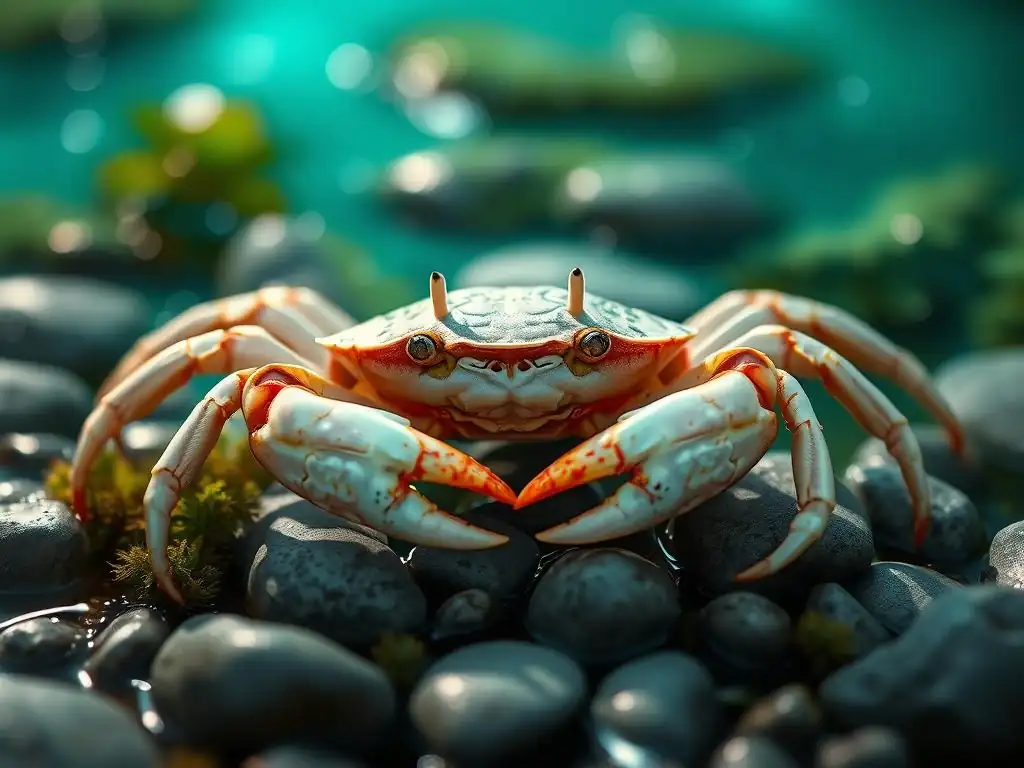
Breeding White Claw Sulawesi Crabs in captivity is a significant challenge, largely due to the complexity of their larval stages and the precise environmental conditions required. To encourage breeding, aquarists must meticulously replicate the stable, pristine, and highly specific water parameters of Lake Matano: a consistent temperature of 80-82°F (26.5-28°C), high pH (7.8-8.5), and hard water (GH 10-20 dGH, KH 8-15 dKH).
A dedicated breeding tank with abundant hiding spots, a fine sand substrate for potential burrowing, and extremely gentle filtration (e.g., air-driven sponge filter) is recommended. A consistent, high-quality diet rich in calcium and protein is also crucial to ensure the females are healthy enough to produce viable eggs. While successful breeding is rare, these conditions maximize the chances of observing mating behavior and egg development.
Identifying Male and Female White Claw Sulawesi Crabs
Distinguishing between male and female White Claw Sulawesi Crabs is primarily achieved by examining the shape of their pleon, often referred to as the "tail flap," which is tucked under their abdomen. Males typically possess a narrower, more triangular, or pointed pleon. This shape is less adapted for carrying eggs.
In contrast, female White Claw Sulawesi Crabs have a much broader, more rounded, or U-shaped pleon. This wider shape provides a protected brood pouch for carrying and fanning their eggs until they hatch. While some crab species may exhibit differences in claw size between sexes, this is not a reliably definitive characteristic for Syntripsa matannensis.
Raising White Claw Sulawesi Crab Fry: A Detailed Guide
Raising White Claw Sulawesi Crab fry is exceptionally difficult, representing one of the greatest hurdles in captive breeding. Unlike some freshwater crabs that hatch as miniature versions of the adults (direct development), Syntripsa matannensis is believed to have multiple, highly sensitive larval stages (zoea) that are planktonic. These microscopic larvae are extremely vulnerable to water parameter fluctuations and require specific, minute food sources.
A separate rearing tank with meticulously controlled water quality, mimicking the adult parameters, is essential. Filtration must be incredibly gentle to avoid sucking up the delicate larvae; an air-driven sponge filter is often the only suitable option. The fry require microscopic foods, such as specialized phytoplankton cultures or liquid invertebrate foods, which are difficult to cultivate and maintain. High mortality rates are common, making successful propagation a rare and significant achievement in White Claw Sulawesi Crab care.
White Claw Sulawesi Crab vs. Other Freshwater Crabs: A Comparison
Size and Appearance Differences
The White Claw Sulawesi Crab (Syntripsa matannensis) is distinguished by its relatively modest size, typically reaching a carapace width of 1 to 2 inches (2.5-5 cm), and its striking coloration: a dark, often black or deep brown body sharply contrasted by bright, prominent white claws. This unique aesthetic makes it easily identifiable among freshwater crabs.
In comparison, other popular freshwater crabs exhibit significant size and appearance variations. For instance, the Thai Micro Crab (Limnopilos naiyanetri) is considerably smaller, usually less than 0.5 inches (1.2 cm), and is largely translucent. Red Claw Crabs (Perisesarma bidens) are larger, growing up to 4 inches (10 cm), with a reddish-brown body and distinctively bright red claws. Fiddler Crabs (Uca spp.) are also larger, up to 2 inches (5 cm) carapace, with males possessing one disproportionately large claw.
Temperament and Compatibility
The White Claw Sulawesi Crab is known for its generally peaceful and shy temperament. They prefer to hide and are not typically aggressive towards their own species if sufficient space and hiding spots are provided. This makes them suitable for species-specific tanks or with very carefully selected, small, fast-moving fish that inhabit the upper water column. Their docile nature is a key aspect of successful White Claw Sulawesi Crab care.
In stark contrast, many other popular freshwater crabs, such as Red Claw Crabs and Fiddler Crabs, are significantly more aggressive and territorial. Red Claw Crabs are notorious for preying on smaller fish and invertebrates, while Fiddler Crabs can be highly territorial towards conspecifics and other bottom-dwellers. Even smaller species like Panther Crabs (Parathelphusa pantherina) can be surprisingly aggressive. This difference in temperament is a critical factor when considering tank mates and overall aquarium setup.
Care Requirements Compared
The White Claw Sulawesi Crab demands extremely specific and stable water parameters, reflecting its unique origin in Lake Matano. It requires consistently warm temperatures (78-84°F / 25.5-29°C), high pH (7.8-8.5), and hard water (GH 10-20 dGH, KH 8-15 dKH), and is entirely aquatic, needing no land area. This stringent requirement is a hallmark of dedicated White Claw Sulawesi Crab care.
Many other freshwater crabs have vastly different care needs. For example, Red Claw Crabs and Fiddler Crabs are semi-terrestrial and require both land and brackish water sections in their tanks. Thai Micro Crabs, while fully aquatic, prefer softer, more acidic water (pH 6.5-7.5). Panther Crabs are also fully aquatic but can tolerate a wider range of freshwater parameters than the delicate Sulawesi species. This highlights the specialized environment necessary for Syntripsa matannensis.
Where to Buy White Claw Sulawesi Crabs: Finding Reputable Sources
Ensuring Healthy and Ethically Sourced Specimens
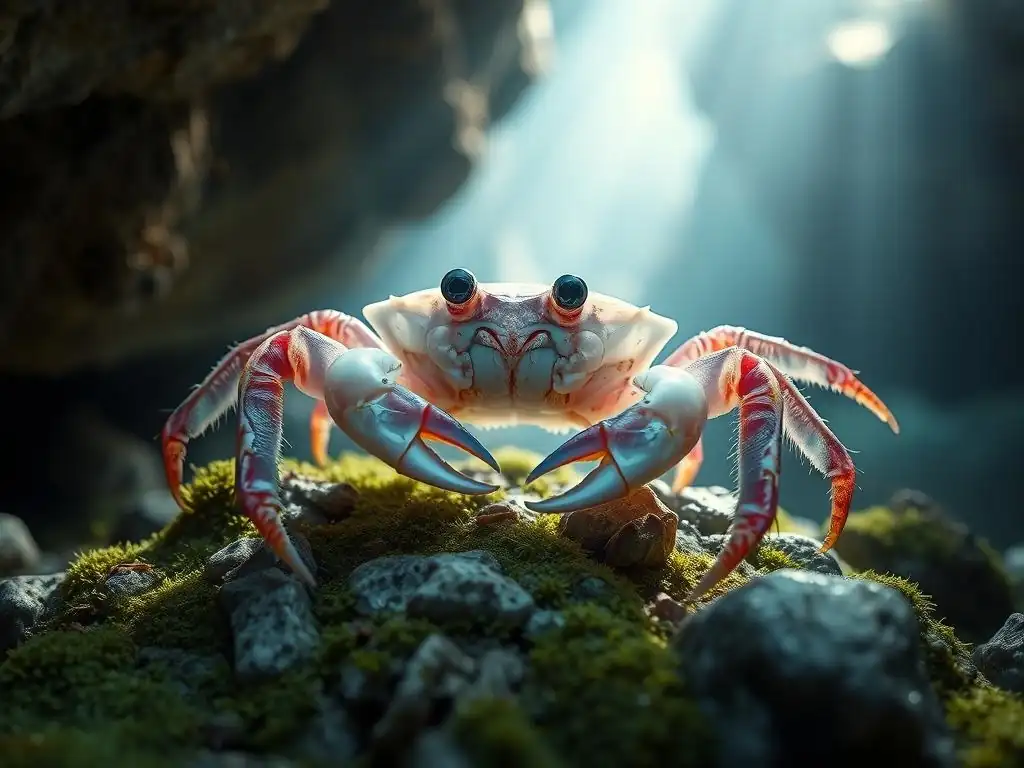
Given the rarity and specific care requirements of White Claw Sulawesi Crabs, finding healthy and ethically sourced specimens is paramount. It is highly recommended to seek out specialized online invertebrate dealers or reputable local fish stores that have a proven track record with exotic freshwater species. Avoid purchasing from general pet stores that may not understand their unique needs or sourcing origins.
When evaluating a source, inquire about the crabs' origin. While captive-bred White Claw Sulawesi Crabs are extremely rare, ethical wild-caught sources should prioritize sustainability. Look for active, alert crabs that exhibit full coloration, have all their limbs intact, and show no signs of external parasites or fungal infections. A reputable dealer will also be transparent about their quarantine procedures and current water parameters.
Quarantine Procedures for New Arrivals
Implementing a strict quarantine procedure for all new White Claw Sulawesi Crab arrivals is an indispensable part of responsible White Claw Sulawesi Crab care. A dedicated quarantine tank, separate from your main display aquarium, should be set up with identical water parameters to the main tank and run for a minimum of 2 to 4 weeks. This isolation period prevents the potential introduction of diseases, parasites, or harmful bacteria into your established ecosystem.
During quarantine, observe the crabs closely for any signs of illness, lethargy, unusual behavior, or molting difficulties. Provide a high-quality diet and maintain pristine water conditions. A slow drip acclimation method is highly recommended when introducing new crabs to the quarantine tank to minimize stress from parameter changes. Only after the quarantine period, and if the crabs appear perfectly healthy, should they be introduced to the main aquarium.
Common Problems and Solutions in White Claw Sulawesi Crab Keeping
Shell Problems and Molting Issues
Shell problems and molting difficulties are among the most common issues encountered in White Claw Sulawesi Crab care. These manifest as a crab struggling to shed its old shell, a new shell that is soft or deformed, or general lethargy and weakness during or after molting. The primary culprits are often insufficient calcium in the diet, unstable or incorrect water parameters (especially low GH/KH), or elevated nitrate levels stressing the crab.
To address these issues, ensure a consistent supply of calcium through diet supplementation (e.g., cuttlebone, calcium-rich foods). Meticulously monitor and maintain stable water parameters, particularly GH and KH, within the ideal ranges (10-20 dGH, 8-15 dKH). Regular, small water changes are crucial to keep nitrates low and provide fresh minerals. A pristine environment significantly reduces molting stress and promotes healthy shell development.
Algae Control in Sulawesi Crab Tanks
While White Claw Sulawesi Crabs may occasionally graze on certain types of soft algae, they are not effective algae eaters in the way that some snails or shrimp are. Therefore, excessive algae growth can still be a common problem in their tanks, particularly with high lighting or nutrient imbalances. Brown diatom algae, green spot algae, or hair algae can quickly become unsightly and consume vital nutrients.
Effective algae control in White Claw Sulawesi Crab tanks relies on preventative measures. Limit the duration of your aquarium lighting to 8-10 hours daily. Avoid overfeeding, as uneaten food breaks down into nutrients that fuel algae growth. Perform regular water changes (e.g., 20-25% weekly) to export nitrates and phosphates. Manual removal of algae during routine tank maintenance is also a highly effective solution.
Preventing and Treating Diseases
The best strategy for preventing diseases in White Claw Sulawesi Crabs is through exemplary preventative White Claw Sulawesi Crab care. This involves maintaining consistently pristine water quality, providing a balanced and nutritious diet rich in calcium, and ensuring stable environmental conditions to minimize stress. Crabs kept in optimal conditions are far less susceptible to infections.
Should a crab exhibit signs of illness, such as unusual lethargy, discoloration, loss of appetite, or visible lesions, immediate isolation in a dedicated hospital tank is recommended. Improve the water parameters in the hospital tank to ideal levels. Treatment with medications is extremely challenging, as crabs are highly sensitive to many common aquarium remedies, particularly those containing copper or strong dyes. If medication is deemed absolutely necessary, select invertebrate-safe broad-spectrum treatments and use them with extreme caution and reduced dosages.
The Future of White Claw Sulawesi Crab Keeping
Sustainable Practices and Conservation Efforts
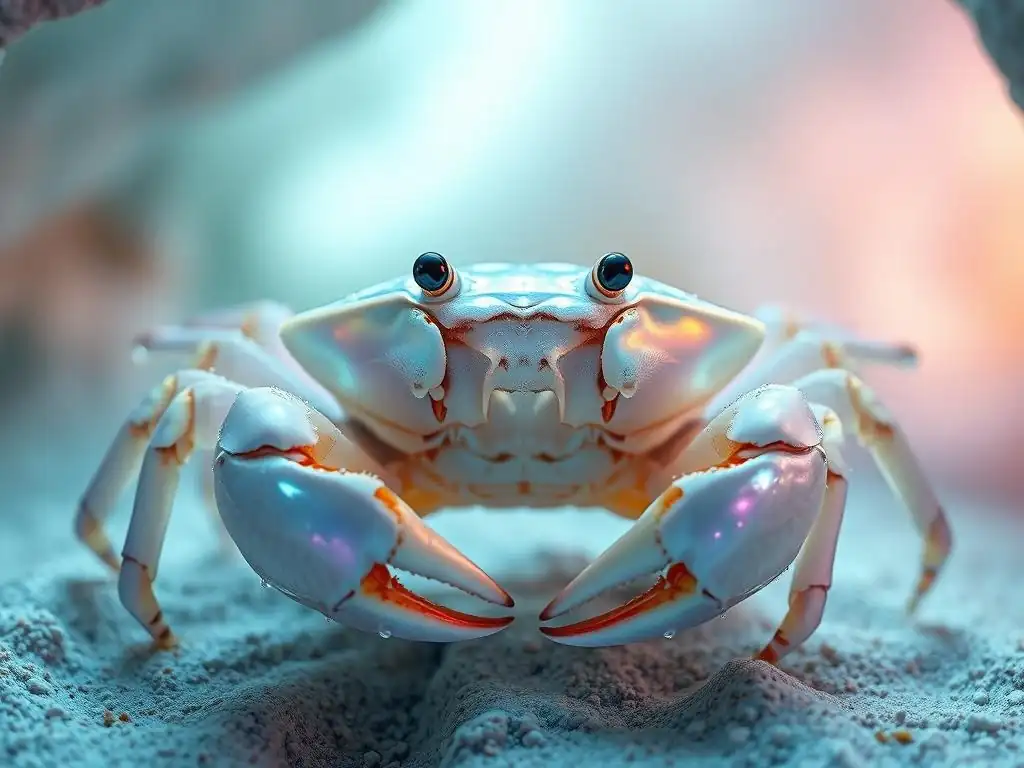
The long-term viability of White Claw Sulawesi Crab keeping within the hobby is inextricably linked to sustainable practices and dedicated conservation efforts. Given their endemic status and vulnerability in Lake Matano, promoting and supporting captive breeding initiatives is crucial to reduce reliance on wild-caught specimens. Successful captive breeding programs offer a more ethical and sustainable supply, lessening the pressure on the fragile natural population.
Aquarists and suppliers should actively prioritize ethically sourced crabs and contribute to, or at least be aware of, conservation projects focused on preserving Lake Matano's unique ecosystem. By advocating for responsible White Claw Sulawesi Crab care and supporting these efforts, the hobby can play a significant role in ensuring the survival of this exquisite species both in its natural habitat and in aquariums worldwide.
Continued Research and Discoveries
Despite their presence in the aquarium trade, much about the intricate biology and specific life cycle of Syntripsa matannensis remains unknown. Continued scientific research into their natural behaviors, precise dietary requirements across different life stages, and, crucially, their reproductive cycles is vital. Unlocking the secrets to their larval development, in particular, could revolutionize captive breeding success.
Collaboration between dedicated aquarists, academic researchers, and conservation organizations can lead to groundbreaking discoveries. Sharing observations and data from successful White Claw Sulawesi Crab care in home aquariums can provide invaluable insights that complement field research. These ongoing efforts will not only enhance our understanding of this unique species but also improve future husbandry practices and conservation strategies.
Conclusion: Appreciating the Beauty and Uniqueness of Syntripsa matannensis
The White Claw Sulawesi Crab (Syntripsa matannensis) stands as a true freshwater gem, captivating aquarists with its striking appearance and the unique challenge it presents. Its endemic nature to Lake Matano underscores its rarity and the profound importance of responsible White Claw Sulawesi Crab care. While demanding precise water parameters and meticulous attention to detail, the reward of witnessing this beautiful and intriguing invertebrate thrive in a home aquarium is immense.
Successfully keeping Syntripsa matannensis is a testament to an aquarist's dedication and skill, contributing not only to personal enjoyment but also to the broader understanding and potential conservation of a vulnerable species. As we continue to learn more about these fascinating creatures, the commitment to providing optimal White Claw Sulawesi Crab care ensures that this rare freshwater jewel can continue to enchant enthusiasts for years to come.
Frequently Asked Questions
What is a White Claw Sulawesi Crab and why is it considered a rare gem?
The Syntripsa matannensis, or White Claw Sulawesi Crab, is a freshwater crab species native to Lake Matano in Sulawesi, Indonesia. It's considered a rare gem due to its unique appearance and limited distribution.
What are the key requirements for White Claw Sulawesi Crab care in a home aquarium?
Successful White Claw Sulawesi Crab care requires a stable freshwater environment with specific parameters. They need clean, well-oxygenated water and a tank setup that mimics their natural habitat, including rocks and hiding places.
What should I feed my White Claw Sulawesi Crab?
These crabs are omnivores and thrive on a varied diet. Offer them high-quality sinking pellets, algae wafers, and occasional treats like frozen bloodworms or brine shrimp.
What are some common health problems to watch out for in White Claw Sulawesi Crabs?
Common issues include shell problems due to poor water quality or mineral deficiencies. Also watch out for parasites and injuries resulting from aggression from tankmates or inadequate hiding spots.
Can I keep White Claw Sulawesi Crabs with other aquarium inhabitants?
Careful consideration is needed when choosing tankmates. Avoid aggressive or predatory fish. Small, peaceful fish and shrimp that won't compete for food are often the best choices, although individual crab temperaments can vary.
Final Reflection: Preserving the Pristine Home of the White Claw
The delicate balance of freshwater ecosystems is under constant threat, and understanding the specific needs of species like the Syntripsa matannensis, or White Claw Sulawesi Crab, is more crucial than ever. This article has highlighted the intricacies of caring for this rare gem, but its true significance lies in recognizing the broader implications for conservation and responsible aquascaping.
The allure of the White Claw Sulawesi Crab extends beyond its aesthetic appeal; it represents a microcosm of the fragile environment it inhabits. My hope is that this exploration has fostered a deeper appreciation for the interconnectedness of life and the responsibility we bear to protect these unique ecosystems. As the renowned conservationist Baba Dioum wisely stated: In the end, we will conserve only what we love; we will love only what we understand; and we will understand only what we are taught.
Now, I invite you to reflect on your own role in preserving the beauty and biodiversity of our planet. Whether you are an experienced aquarist or simply a nature enthusiast, consider how you can contribute to the conservation of species like the White Claw Sulawesi Crab. Let us all strive to be informed, responsible stewards of the natural world, ensuring that future generations can marvel at the wonders of these freshwater gems.
Unleash Your Inner Aquarist: Dive Deeper into the Sulawesi Crab World!
Thank you for exploring the fascinating world of Syntripsa matannensis with us. We hope this article sparked your curiosity and provided valuable insights into this rare freshwater gem. Now, it's time to take action and further your understanding!
Here are a few ways you can continue your journey:
- Start planning your own Sulawesi crab habitat! Consider the unique water parameters and tank setup requirements outlined in the article to create a thriving environment.
- Share this article with fellow aquarium enthusiasts and start a conversation about the conservation of these amazing creatures. Let's spread the word!
- Explore less common invertebrates to enhance your aquarium's biodiversity, opening up a new dimension to your underwater world.
What unique aquascaping ideas do you have for creating an ideal habitat for Syntripsa matannensis, or what unconventional invertebrates would you like to include in your next setup?