
Longfin Cardinalfish Secrets: Elegance and Simplicity in Your Aquarium

Welcome to Aquarium Mastery!
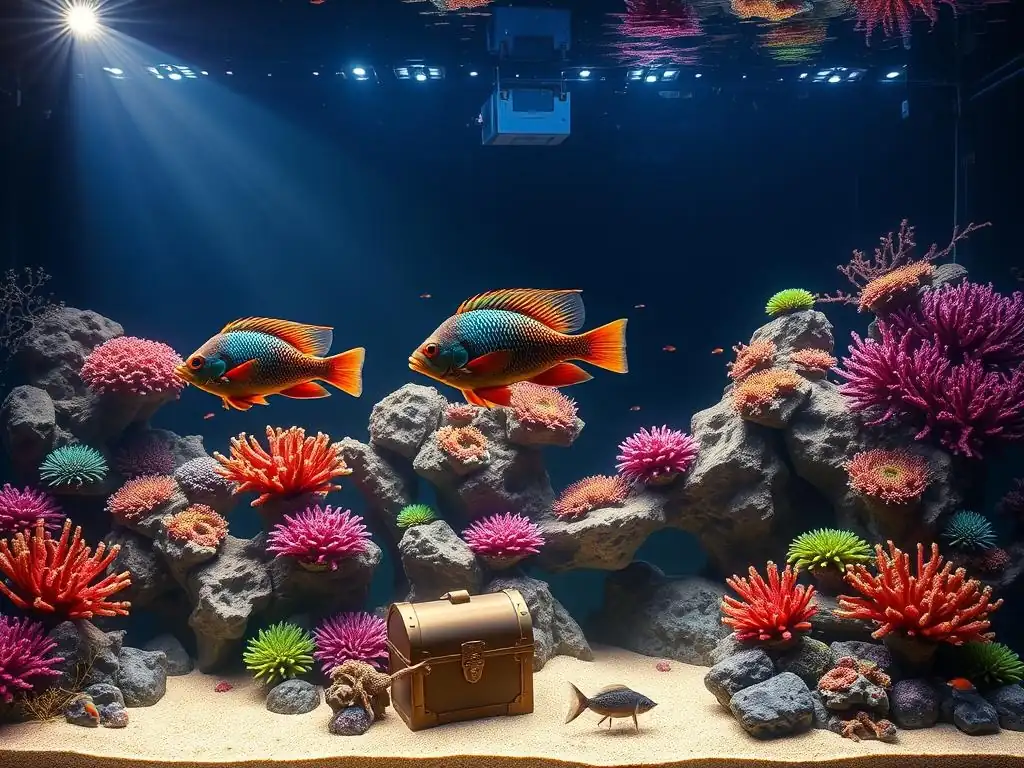
Dive into the captivating world of saltwater aquariums! Ever been mesmerized by the graceful dance of a Longfin Cardinalfish? Uncover the secrets to creating a thriving environment for these elegant beauties. This article reveals everything you need to know about Longfin Cardinalfish aquarium care, from tank setup to ensuring their health and happiness. Curious to learn how to keep these stunning fish flourishing in your own slice of the ocean? Let's explore!
- Banggai Cardinalfish Secrets: A Reef-Safe Jewel for Your Aquarium
- Introduction to the Banggai Cardinalfish: A Captivating and Relatively Easy-to-Keep Species
- Banggai Cardinalfish Aquarium Care: Essential Guidelines for Success
- Setting Up Your Banggai Cardinalfish Aquarium: A Step-by-Step Guide
- Banggai Cardinalfish Diet and Feeding: Ensuring Optimal Health and Vibrant Colors
- Banggai Cardinalfish Tank Mates: Compatibility and Community Tank Dynamics
- Banggai Cardinalfish Behavior and Social Needs: Understanding Their Unique Habits
- Banggai Cardinalfish Health and Disease Prevention: Maintaining a Healthy Aquarium
- Banggai Cardinalfish Breeding in Captivity: A Rewarding but Challenging Endeavor
- Troubleshooting Common Banggai Cardinalfish Problems: Solutions and Advice
- Banggai Cardinalfish: A Summary of Key Care Requirements
-
Frequently Asked Questions
- What are the key considerations when setting up an aquarium for Longfin Cardinalfish?
- What are the ideal water parameters for a Longfin Cardinalfish aquarium?
- What type of food do Longfin Cardinalfish prefer, and how often should I feed them?
- Are Longfin Cardinalfish reef safe, and what tank mates are compatible with them?
- What are some common health issues that affect Longfin Cardinalfish, and how can I prevent them?
- Final Reflection: Embracing the Serenity of Simplicity
- Dive Deeper: Cultivate Your Longfin Cardinalfish Haven!
Banggai Cardinalfish Secrets: A Reef-Safe Jewel for Your Aquarium
Introduction to the Banggai Cardinalfish: A Captivating and Relatively Easy-to-Keep Species
Why Choose a Banggai Cardinalfish for Your Saltwater Tank?
The Banggai Cardinalfish, Pterapogon kauderni, stands out as an exceptionally popular choice for saltwater aquarists, particularly those venturing into reef tanks. Its striking appearance, characterized by a silver body adorned with bold black stripes and large, expressive eyes, makes it an instant focal point.
Beyond aesthetics, these fish are generally peaceful and exhibit fascinating behaviors, such as pair bonding and male mouthbrooding, which can be observed even in a home aquarium setting. Their adaptability to captive environments, coupled with their relatively small adult size, makes them suitable for a range of tank dimensions, appealing to both novice and experienced hobbyists seeking a distinctive and engaging inhabitant.
Furthermore, a significant appeal of the Banggai Cardinalfish lies in its reef-safe nature. Unlike some other marine species that may nip at corals or invertebrates, Pterapogon kauderni poses little to no threat to the delicate ecosystem of a reef aquarium. This compatibility allows them to coexist harmoniously with various corals, anemones, and other invertebrates, enhancing the biodiversity and visual appeal of the tank. Their popularity has also spurred successful captive breeding programs, reducing reliance on wild-caught specimens and contributing to the sustainability of the hobby, a crucial consideration for environmentally conscious aquarists.
Understanding the Appeal: Unique Appearance and Relatively Peaceful Nature
The unique appearance of the Banggai Cardinalfish is undoubtedly one of its strongest draw cards. Its elongated dorsal and anal fins, along with a deeply forked caudal fin, contribute to its elegant silhouette, often leading some to refer to them as a type of "Longfin Cardinalfish."
The distinct vertical black bands on a shimmering silver body, punctuated by bright white spots, create a high-contrast display that truly pops in a well-lit reef tank. This visual appeal is consistent from juvenile to adult stages, with adults typically reaching about 3 inches (7.5 cm) in length, making them a manageable size for many home aquariums.
Beyond their visual allure, the Banggai Cardinalfish's temperament is generally peaceful, a highly desirable trait for community saltwater tanks. While they can exhibit territoriality towards conspecifics or very similar-looking fish, especially in smaller tanks, they typically coexist well with a wide array of other non-aggressive marine species. This peaceful disposition allows them to be integrated into diverse setups, from fish-only-with-live-rock (FOWLR) systems to thriving reef ecosystems. Understanding their social dynamics, such as their tendency to form pairs or small groups, is key to successful Banggai Cardinalfish aquarium care, ensuring a harmonious environment for these captivating creatures.
Banggai Cardinalfish Aquarium Care: Essential Guidelines for Success
Optimal Tank Size for Banggai Cardinalfish: Providing Adequate Space and Shelter
Providing an appropriately sized aquarium is fundamental for the long-term health and well-being of Banggai Cardinalfish. While a single Banggai Cardinalfish can potentially be housed in a tank as small as 20 gallons (approximately 75 liters), a minimum of 30 gallons (around 115 liters) is highly recommended for a pair.
If the goal is to keep a small group, which can sometimes be attempted with caution, a tank of 50 gallons (about 190 liters) or more would be necessary to mitigate potential territorial disputes and provide ample swimming space and shelter. Overcrowding can lead to increased stress, aggression, and susceptibility to disease, compromising the overall success of Banggai Cardinalfish aquarium care.
The tank's footprint is often more critical than its total volume for these fish, as they appreciate horizontal swimming space and distinct territories. Incorporating plenty of live rock, PVC pipes, or other decorative elements that create caves, crevices, and hiding spots is crucial. These structures serve as essential refuges, allowing individual fish or pairs to establish their own territories and retreat when feeling threatened. A well-aquascaped environment not only enhances the aesthetic appeal but also significantly contributes to the psychological comfort and physical health of Pterapogon kauderni, reducing stress levels and promoting natural behaviors.
Water Parameters: Maintaining Stable Conditions for Pterapogon kauderni
Maintaining stable and appropriate water parameters is paramount for the health of Banggai Cardinalfish, as they are sensitive to sudden fluctuations. The ideal specific gravity should range between 1.020 and 1.025, closely mimicking natural reef conditions. Temperature should be kept stable within 74-82°F (23-28°C), with an optimal range around 76-78°F (24-26°C), easily maintained with a reliable aquarium heater. pH levels should consistently fall between 8.1 and 8.4, which is typical for healthy saltwater systems. Regular testing using accurate kits is indispensable to monitor these parameters and make timely adjustments.
Beyond these primary parameters, attention to water quality components like ammonia, nitrite, and nitrate is critical for successful Banggai Cardinalfish aquarium care. Ammonia and nitrite should always be undetectable (0 ppm), as even trace amounts are highly toxic. Nitrate levels should be kept as low as possible, ideally below 10-20 ppm, through consistent water changes and efficient filtration.
For tanks housing corals alongside Banggai Cardinalfish, maintaining stable alkalinity (8-12 dKH), calcium (400-450 ppm), and magnesium (1250-1350 ppm) is also important, as these contribute to overall water stability which indirectly benefits the fish. Regular partial water changes, typically 10-20% weekly or bi-weekly, are essential for replenishing trace elements and diluting accumulated pollutants.
Setting Up Your Banggai Cardinalfish Aquarium: A Step-by-Step Guide
Choosing the Right Substrate and Aquascaping for Banggai Cardinalfish
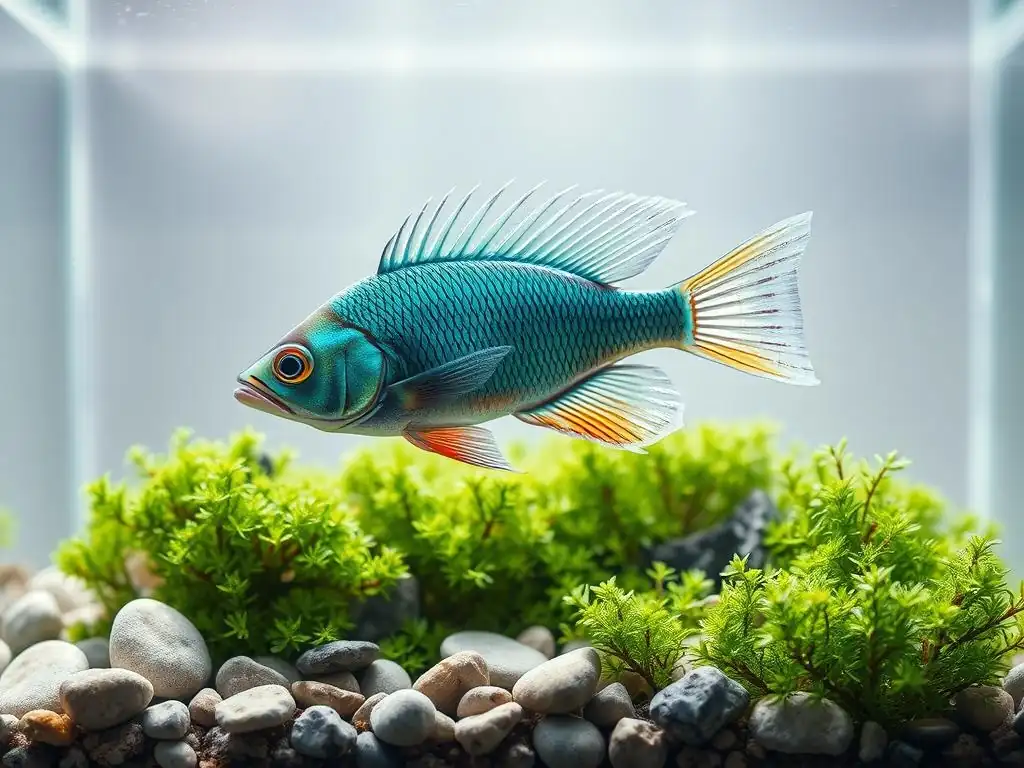
When setting up an aquarium for Banggai Cardinalfish, the choice of substrate and the overall aquascaping play a significant role in their comfort and well-being. A fine to medium-grain sand substrate is generally preferred, as it is gentle on their delicate fins and allows for easy cleaning. While they are not bottom-dwellers that sift sand, a suitable substrate contributes to the overall aesthetic and can support beneficial bacteria. Aim for a sand bed depth of 1-2 inches (2.5-5 cm), providing a clean and stable base for rockwork.
The aquascaping should focus on creating a complex environment with numerous hiding spots and visual barriers. Live rock is highly recommended, not only for its biological filtration benefits but also for its ability to form natural caves, overhangs, and crevices that Banggai Cardinalfish will readily utilize for shelter and security. Arrange the rockwork to create distinct territories if keeping multiple individuals, reducing potential aggression.
Think about vertical structures and areas with lower flow, as these fish appreciate calmer spots to hover. PVC pipes or ceramic caves can also be discreetly incorporated to supplement natural hiding places, especially if the tank is less densely aquascaped with live rock.
Essential Equipment: Filtration, Lighting, and Flow for a Healthy Habitat
Proper equipment is crucial for maintaining the pristine water quality that Banggai Cardinalfish require. For filtration, a robust biological filter, typically provided by live rock and a protein skimmer, is paramount. A protein skimmer effectively removes organic waste before it breaks down into harmful ammonia and nitrite, significantly contributing to the stability of water parameters.
Mechanical filtration, such as filter socks or sponges, can be used to remove particulate matter but must be cleaned or replaced regularly to prevent nitrate buildup. Chemical filtration, like activated carbon or GFO (granular ferric oxide), can also be employed to remove dissolved organics and phosphates, ensuring crystal clear water.
Lighting requirements for Banggai Cardinalfish are moderate; they do not need intense lighting unless the tank also houses demanding corals. Standard LED or fluorescent lighting that mimics natural daylight cycles is sufficient. Aim for a photoperiod of 8-10 hours daily. Regarding water flow, Banggai Cardinalfish prefer relatively calm areas within the aquarium.
While some flow is necessary to prevent dead spots and ensure gas exchange, strong, turbulent currents can stress them. Position powerheads or wavemakers to create gentle, indirect flow, ensuring there are plenty of sheltered spots where the cardinalfish can rest without being constantly buffeted. A flow rate of 5-10 times the tank volume per hour is generally adequate, but adjust based on observation of the fish's comfort.
Acclimation Process: Gradually Introducing Your Cardinalfish to Its New Home
The acclimation process is a critical step in ensuring the successful introduction of Banggai Cardinalfish to their new aquarium. A slow, drip acclimation method is highly recommended over simply floating the bag and dumping the fish. This method minimizes stress by gradually equalizing the temperature and, more importantly, the water chemistry (pH, salinity) between the shipping bag and the aquarium water. Begin by floating the sealed bag in the sump or tank for 15-20 minutes to equalize temperature.
After temperature equalization, open the bag and use an airline tubing with a knot to create a slow drip from the main tank into the bag. The drip rate should be very slow, perhaps 2-3 drips per second. Allow the volume of water in the bag to double or triple over a period of 45-60 minutes, or even longer (up to 2 hours), depending on the estimated difference in water parameters.
Once acclimated, gently net the fish and transfer it to the aquarium, discarding the water from the bag to avoid introducing potential pathogens or pollutants into your established system. Dimming the tank lights during and immediately after introduction can also help reduce initial stress for the newly arrived Banggai Cardinalfish.
Banggai Cardinalfish Diet and Feeding: Ensuring Optimal Health and Vibrant Colors
What Do Banggai Cardinalfish Eat? A Varied Diet for Optimal Nutrition
Banggai Cardinalfish are primarily carnivorous, and in their natural habitat, they feed on small crustaceans and zooplankton. To ensure optimal health, vibrant coloration, and strong immunity in a home aquarium, a varied and high-quality diet is essential. They are not typically picky eaters once acclimated, readily accepting a range of frozen, live, and some dry foods. Relying on a single type of food can lead to nutritional deficiencies, so offering a diverse menu is key to comprehensive Banggai Cardinalfish aquarium care.
A staple diet should include a mix of enriched frozen foods such as Mysis shrimp, brine shrimp (especially enriched varieties), and copepods. These provide essential proteins, fatty acids, and vitamins. Supplementing with small pieces of chopped seafood, like clam or krill, can also be beneficial.
While they may accept high-quality marine flakes or small pellets, these should not be the sole food source. Live foods, such as newly hatched brine shrimp or copepods, can be offered occasionally, especially to encourage feeding in shy individuals or conditioning breeding pairs. Always ensure that food items are appropriately sized for their relatively small mouths to prevent choking or difficulty in consumption.
Feeding Frequency and Techniques: Avoiding Overfeeding and Maintaining Water Quality
The frequency of feeding Banggai Cardinalfish is an important aspect of their care, balancing their nutritional needs with the imperative to maintain pristine water quality. Generally, feeding them small amounts 2-3 times per day is ideal. This approach mimics their natural grazing behavior and ensures they receive consistent nutrition without overwhelming the filtration system. Overfeeding is a common mistake in aquarium keeping and can quickly lead to elevated nitrate levels, algae blooms, and compromised water quality, which directly impacts the health of Pterapogon kauderni.
When feeding, observe your fish to ensure that all food is consumed within a few minutes. Any uneaten food should be promptly siphoned out of the tank to prevent decomposition. Using a target feeder or a turkey baster can help direct food to specific areas, especially if you have other faster-feeding tank mates.
Some aquarists find that turning off powerheads during feeding time helps keep the food from being dispersed too quickly, allowing the cardinalfish more time to consume it. Monitoring their body condition – a plump, active fish indicates proper feeding, while a sunken belly or lethargy suggests underfeeding – will help fine-tune your feeding regimen for optimal Banggai Cardinalfish aquarium care.
Recommended Foods: Frozen Mysis Shrimp, High-Quality Flake Food, and Live Copepods
For Banggai Cardinalfish, a carefully selected diet ensures their robust health and vivid appearance. Frozen Mysis shrimp are arguably the single most important food item. They are highly palatable, rich in protein, and contain essential fatty acids. Many aquarists report that Mysis shrimp are readily accepted even by newly introduced or finicky cardinalfish, making them an excellent staple. Look for brands that offer "enriched" Mysis, which means they have been fortified with vitamins.
Complementing Mysis, high-quality marine flake or small pellet foods formulated for carnivorous marine fish can be offered. While not a primary food source, they can provide a convenient way to deliver a broad spectrum of vitamins and minerals. Choose products with low ash content and high protein, avoiding excessive fillers. Lastly, live copepods are an exceptional food source, particularly beneficial for conditioning breeding pairs or enticing reluctant eaters.
Copepods provide natural hunting stimulation and are packed with nutrition. They can be cultured at home or purchased from reputable suppliers. Occasionally, small amounts of other frozen items like enriched brine shrimp, cyclops, or even finely chopped clam or shrimp can add further variety and ensure a comprehensive diet for thriving Banggai Cardinalfish.
Banggai Cardinalfish Tank Mates: Compatibility and Community Tank Dynamics
Ideal Tank Companions: Peaceful Fish that Won't Compete for Resources
Choosing appropriate tank mates is crucial for the peaceful coexistence and long-term well-being of Banggai Cardinalfish. Ideal companions are peaceful, non-aggressive species that do not compete directly for food or territory. Small gobies, such as various species of shrimp gobies (e.g., Yellow Watchman Goby, Diamond Watchman Goby) or Clown Gobies, are excellent choices as they occupy different niches within the tank and are generally non-threatening. Similarly, small, docile blennies like the Tailspot Blenny or Two-Spot Blenny can make good tank mates.
Other suitable companions include certain species of clownfish, particularly those that are captive-bred and less aggressive, and some small, peaceful damselfish (though caution is advised as some damselfish can become territorial with age). Small, non-aggressive wrasses, such as Six-Line Wrasse or Possum Wrasse, can also coexist well, provided the tank is sufficiently large and offers ample hiding spots. The key is to select fish that are similar in temperament and size, ensuring that the Banggai Cardinalfish, with its relatively shy nature, is not intimidated or outcompeted for food.
Fish to Avoid: Aggressive Species and Fin-Nippers
When planning your community tank, it is equally important to identify and avoid fish species that pose a threat to the peaceful Banggai Cardinalfish. Any overtly aggressive or highly territorial fish should be excluded. This includes larger damselfish species (e.g., Blue Devil Damselfish, Three-Stripe Damselfish), which can become extremely pugnacious as they mature, harassing and stressing the more docile cardinalfish. Similarly, large angelfish or triggerfish are generally unsuitable due to their potential for aggression and predatory behavior.
Fin-nipping species are another category to avoid. Although Banggai Cardinalfish have relatively short fins compared to some other species, their long, flowing dorsal and anal fins can be tempting targets for notorious fin-nippers like certain types of pufferfish, specific wrasse species (especially those known for nipping), or even some larger tangs if the tank is too small. Even seemingly peaceful fish can turn aggressive if overcrowded or stressed. Always research the specific temperament and adult size of any potential tank mate before introducing it to an aquarium housing Banggai Cardinalfish to ensure a safe and stress-free environment.
Invertebrate Compatibility: Reef-Safe Options for a Thriving Ecosystem
One of the most appealing aspects of Banggai Cardinalfish for aquarists is their excellent compatibility with a wide range of invertebrates, making them ideal inhabitants for a thriving reef ecosystem. They are considered fully reef-safe, meaning they will not typically bother or consume corals, anemones, or most clean-up crew members. This allows hobbyists to create a vibrant and diverse display without concern for their cardinalfish damaging delicate invertebrates.
Suitable invertebrate tank mates include various types of shrimp, such as the popular Peppermint Shrimp, Cleaner Shrimp, and Blood Red Fire Shrimp, all of which provide valuable cleaning services or simply add visual interest. Snails (e.g., Nassarius snails, Turbo snails) and hermit crabs (e.g., Blue Leg Hermit Crabs, Scarlet Hermit Crabs) are excellent additions to the clean-up crew, helping to control algae and detritus.
Even more delicate invertebrates like feather dusters, various species of clams, and most types of starfish (e.g., Linkia starfish, Brittle starfish) can coexist peacefully with Banggai Cardinalfish. When adding any new invertebrate, always research its specific needs and ensure it is compatible with the established tank parameters and other inhabitants.
Banggai Cardinalfish exhibit a fascinating social structure, primarily characterized by their strong tendency to form monogamous pairs. In the wild, these pairs are often found sheltering among long-spined sea urchins or branching corals. In a home aquarium, introducing a male and female pair, or a small group from which a pair can form, is often the most successful approach for Banggai Cardinalfish aquarium care.
Once a pair has bonded, they will typically remain together, often swimming in close proximity and sharing a preferred hiding spot. This pair bond is a key aspect of their reproductive behavior, as the male is a mouthbrooder.
While pair bonding is common, introducing multiple Banggai Cardinalfish can sometimes lead to aggression, especially in smaller tanks (under 50 gallons) or if the ratio of males to females is imbalanced. Males can become territorial towards other males, and established pairs may harass new introductions.
If attempting to keep a group, it's best to introduce all individuals simultaneously, ideally as juveniles, in a larger tank with ample hiding places to diffuse aggression. Observe their interactions closely; persistent fin nipping or one fish constantly chasing another are signs of significant stress and may necessitate separating individuals to prevent injury or even death.
Observing Your Cardinalfish: Recognizing Signs of Stress or Disease
Regular observation of your Banggai Cardinalfish is crucial for early detection of stress or disease, allowing for timely intervention and improved outcomes. A healthy Banggai Cardinalfish will exhibit vibrant coloration, clear eyes, and active but calm swimming behavior. They will typically respond to feeding time with enthusiasm and show interest in their surroundings. Their fins should be fully extended and free of tears or fraying. Any deviation from these normal behaviors or appearances warrants closer inspection.
Signs of stress or illness can include faded or dull coloration, clamped fins (held close to the body), rapid breathing (gilling), scratching against rocks or substrate (flashing), or a loss of appetite. Unusual swimming patterns, such as darting erratically, listlessness, or remaining constantly hidden, are also red flags.
White spots resembling salt grains (Ich), cloudy eyes, or visible lesions are clear indicators of parasitic or bacterial infections. Promptly identifying these symptoms and investigating potential causes, such as poor water quality, aggression from tank mates, or a specific pathogen, is vital for effective Banggai Cardinalfish aquarium care and maintaining a healthy fish.
Providing Shelter: Creating a Secure and Comfortable Environment
Providing ample and appropriate shelter is paramount for the psychological and physical well-being of Banggai Cardinalfish. In their natural habitat, they are known to seek refuge among the spines of sea urchins, within the branches of corals like Pocillopora, or in the crevices of rocky reefs. Replicating this sense of security in the aquarium is critical. Without adequate hiding spots, these relatively shy fish can become stressed, leading to suppressed immune systems and increased susceptibility to disease.
Live rock is the primary means of creating a secure environment. Aquascape the rockwork to form numerous caves, overhangs, and tunnels that the cardinalfish can retreat into. Aim for several distinct hiding places, especially if keeping more than one fish, to allow each individual or pair to establish its own territory.
Large, branching corals (even artificial ones if not a true reef tank) can also provide excellent cover. Some aquarists even include small, clean PVC pipes or ceramic caves, discreetly placed within the rockwork, to offer additional secure retreats. The presence of readily available shelter empowers the Banggai Cardinalfish to feel safe, reducing stress and encouraging more natural behaviors, including their characteristic hovering and pair bonding.
Banggai Cardinalfish Health and Disease Prevention: Maintaining a Healthy Aquarium
Common Diseases Affecting Banggai Cardinalfish: Identification and Treatment
Banggai Cardinalfish, while relatively hardy once acclimated, are susceptible to common marine aquarium diseases, particularly if stressed or introduced into an unstable environment. Marine Ich (Cryptocaryon irritans) is perhaps the most prevalent parasitic infection, appearing as small white spots resembling salt grains on the fish's body and fins. Affected fish may also exhibit rapid gilling, flashing (rubbing against surfaces), and labored breathing. Treatment often involves transferring the fish to a quarantine tank for copper-based medications or hyposalinity, as these treatments are generally not reef-safe.
Another common issue is Velvet (Amyloodinium ocellatum), a highly contagious dinoflagellate infection that presents as a dusty, golden or brownish coating on the fish's skin, often accompanied by respiratory distress. Velvet progresses rapidly and is more deadly than Ich. Formalin or copper treatments in a quarantine tank are typically used.
Bacterial infections, such as fin rot or body ulcers, can manifest as reddened areas, frayed fins, or open sores, often secondary to stress or poor water quality. These usually require broad-spectrum antibiotics, ideally administered in a hospital tank. Maintaining pristine water quality and avoiding stress are the best preventative measures for Banggai Cardinalfish aquarium care.
Quarantine Procedures: Protecting Your Main Tank from Disease
Implementing a strict quarantine procedure for all new Banggai Cardinalfish, and indeed all new marine livestock, is arguably the most effective strategy for disease prevention in your main display tank. A dedicated quarantine tank (QT) of at least 10-20 gallons (38-75 liters) should be set up with basic filtration (sponge filter), a heater, and some PVC pipes for shelter. This tank does not need elaborate lighting or substrate, as its primary purpose is observation and treatment.
New cardinalfish should spend a minimum of 2-4 weeks in the QT. During this period, observe them closely for any signs of disease. Many aquarists opt to proactively treat with a broad-spectrum anti-parasitic medication (like a copper-based treatment) and/or an antibiotic, even if no symptoms are visible, to eliminate potential latent infections. This process ensures that only healthy, disease-free fish are introduced to your established display tank, safeguarding your existing inhabitants and preventing devastating outbreaks. Proper Banggai Cardinalfish aquarium care includes this critical preventative step, significantly reducing the risk of introducing pathogens.
Maintaining Water Quality: The Foundation of Disease Prevention
Consistently high water quality is the single most important factor in preventing disease and ensuring the long-term health of Banggai Cardinalfish. Poor water parameters, even if not immediately lethal, create chronic stress that suppresses the fish's immune system, making them highly susceptible to opportunistic pathogens. Regularly testing for ammonia, nitrite, nitrate, pH, and salinity is non-negotiable. Ammonia and nitrite should always be zero, and nitrates kept below 20 ppm.
Routine partial water changes (10-20% weekly or bi-weekly) are essential for diluting accumulated pollutants and replenishing vital trace elements. Using high-quality source water, such as RO/DI (Reverse Osmosis/Deionized) water, is critical to avoid introducing unwanted chemicals or silicates. Adequate filtration, including biological, mechanical, and chemical components, ensures efficient waste removal. Proper feeding practices, avoiding overfeeding, and prompt removal of uneaten food also contribute significantly to maintaining pristine water conditions. A stable, clean, and well-maintained environment is the cornerstone of effective Banggai Cardinalfish aquarium care and the best defense against disease.
Banggai Cardinalfish Breeding in Captivity: A Rewarding but Challenging Endeavor
Setting Up a Breeding Tank: Providing the Right Conditions for Success
Breeding Banggai Cardinalfish in captivity can be a highly rewarding experience, though it requires specific conditions and dedication. A dedicated breeding tank is highly recommended, separate from the main display tank, to provide an undisturbed environment and protect the fry. A tank size of 20-30 gallons (75-115 liters) is generally sufficient for a single breeding pair. The tank should be sparsely decorated with a few pieces of live rock or PVC pipes that offer a secure hiding spot for the pair, especially the male during mouthbrooding.
Water parameters in the breeding tank should be kept pristine and stable, mirroring the optimal conditions for adults: specific gravity 1.023-1.025, temperature 78-80°F (25.5-26.5°C), and pH 8.1-8.4. Gentle filtration, such as a sponge filter or small hang-on-back filter with minimal flow, is crucial to avoid disturbing the fragile fry once they are released. Strong currents can be detrimental to the delicate fry. A mature biological filter is essential, so the tank should be fully cycled before introducing the breeding pair. Providing a consistent and high-quality diet to the adult pair will also help condition them for spawning.
Identifying Male and Female Banggai Cardinalfish: Observing Physical Differences
Distinguishing between male and female Banggai Cardinalfish can be subtle but is crucial for successful breeding. While both sexes share the same striking coloration and patterns, there are a few key physical differences to observe, especially in mature individuals. The most reliable indicator is the shape of the second dorsal fin. In males, the second dorsal fin is typically longer, more pointed, and often has a slightly concave indentation at its base, giving it a more "notched" appearance. In females, this fin is generally shorter, more rounded, and lacks the pronounced notch.
Another less reliable but sometimes helpful indicator is the size of the mouth and jawline. Males, being mouthbrooders, tend to have a slightly larger, more robust jaw and a fuller appearance around the mouth area, especially when brooding eggs. Females may appear slightly plumper overall, particularly when gravid with eggs. Observing these characteristics, especially the dorsal fin shape, over time in a group of young cardinalfish can help identify a compatible pair for your Banggai Cardinalfish breeding project, leading to greater success in their reproduction.
Caring for Fry: Providing a Specialized Diet and Environment
Caring for Banggai Cardinalfish fry is the most challenging aspect of their captive breeding, primarily due to their need for specific, live food. After the male mouthbroods the eggs for approximately 20-30 days (temperature dependent), he will release fully formed, miniature versions of the adults, typically ranging from 0.2 to 0.4 inches (5-10 mm) in length. At this stage, they are too large for infusoria but too small for newly hatched brine shrimp.
The critical first food for Banggai Cardinalfish fry is live copepods, specifically small species like Tisbe or Apocyclops. These copepods are the perfect size and provide the necessary nutrition for the fry's initial growth burst. Hobbyists often maintain a continuous culture of copepods to ensure a consistent supply. As the fry grow, typically within a week or two, they can be transitioned to newly hatched brine shrimp (Artemia nauplii).
It is essential to feed the fry multiple times a day, at least 4-6 times, to support their rapid growth. Maintaining pristine water quality through small, frequent water changes and gentle filtration is also paramount, as fry are highly sensitive to pollutants. A well-executed fry care regimen is the cornerstone of successful Banggai Cardinalfish breeding.
Troubleshooting Common Banggai Cardinalfish Problems: Solutions and Advice
Refusal to Eat: Addressing Feeding Issues
Refusal to eat is a common and concerning problem for Banggai Cardinalfish, often indicating stress, disease, or improper acclimation. If a newly introduced cardinalfish is not eating, it could be due to the stress of moving, unfamiliar surroundings, or inappropriate tank mates. Begin by ensuring the water parameters are stable and optimal, as fluctuations can quickly deter feeding. Offer a variety of highly palatable foods, such as live or frozen Mysis shrimp, which are often irresistible to them. Turning off powerheads during feeding can help food remain accessible.
If an established cardinalfish stops eating, investigate potential causes such as aggression from other tank mates, signs of disease (e.g., Ich, Velvet, internal parasites), or declining water quality. Isolate the affected fish in a quarantine or hospital tank if disease is suspected, allowing for targeted treatment without affecting the main display. Offering live foods like copepods or blackworms can sometimes stimulate a reluctant eater. If all else fails, consult with an experienced marine aquarist or veterinarian, as prolonged refusal to eat can quickly lead to emaciation and death, highlighting the importance of attentive Banggai Cardinalfish aquarium care.
Aggression Between Individuals: Managing Territorial Disputes
While Banggai Cardinalfish are generally peaceful, aggression can arise, particularly between conspecifics or similar-looking fish, especially in smaller tanks or when attempting to keep groups. Aggression often manifests as chasing, fin nipping, or one fish constantly hiding. If you observe aggression within a pair or group, the first step is to assess the tank size and aquascaping. Insufficient space or a lack of adequate hiding spots can exacerbate territorial disputes.
Increase the complexity of the rockwork to create more visual barriers and distinct territories. Adding more hiding spots (caves, overhangs) can allow submissive individuals to escape harassment. If aggression persists and one fish is clearly being bullied, it may be necessary to remove the aggressor or the victim to a separate tank. Sometimes, rearranging the rockwork can "reset" territories, providing a temporary solution. Introducing all Banggai Cardinalfish simultaneously as juveniles in a larger tank (50+ gallons) can sometimes help establish a more stable hierarchy, but pair bonding is still the most reliable way to avoid severe intra-species aggression.
Ich Outbreaks: Identifying and Treating Parasitic Infections
Ich, caused by the parasite Cryptocaryon irritans, is one of the most common and feared diseases in marine aquariums, and Banggai Cardinalfish are susceptible. It presents as small, white spots (like salt grains) on the fish's body and fins, often accompanied by flashing (rubbing against tank decorations), rapid breathing, and lethargy. Early identification is key to successful treatment. The life cycle of Ich involves stages on the fish, in the substrate, and free-swimming in the water, making it challenging to eradicate.
Treatment typically involves transferring the infected Banggai Cardinalfish to a dedicated hospital or quarantine tank, as many effective Ich medications are toxic to invertebrates and corals in the main display. Common treatments include copper-based medications (e.g., Copper Power, Cupramine) or hyposalinity (gradually reducing specific gravity to 1.008-1.010). The main display tank should be left fallow (without fish) for at least 6-8 weeks to allow the free-swimming Ich parasites to die off without a host. Prevention through strict quarantine of all new fish is the most effective way to avoid Ich outbreaks, safeguarding your Banggai Cardinalfish aquarium care efforts.
Banggai Cardinalfish: A Summary of Key Care Requirements
Quick Reference Guide: Essential Parameters for Banggai Cardinalfish Success
To ensure the thriving health and longevity of your Banggai Cardinalfish, adhering to a few key parameters and practices is essential. This quick reference guide encapsulates the core requirements for optimal Banggai Cardinalfish aquarium care:
- Tank Size: Minimum 20 gallons (75 liters) for a single, 30 gallons (115 liters) for a pair, 50+ gallons (190+ liters) for a small group.
- Specific Gravity: 1.020-1.025.
- Temperature: 74-82°F (23-28°C), optimal 76-78°F (24-26°C).
- pH: 8.1-8.4.
- Ammonia & Nitrite: 0 ppm.
- Nitrate: <20 ppm.
- Filtration: Robust biological (live rock, protein skimmer), mechanical, and optional chemical filtration.
- Water Flow: Gentle to moderate, with plenty of sheltered areas.
- Aquascaping: Abundant live rock with caves, crevices, and hiding spots.
- Diet: Carnivorous. Varied diet of frozen Mysis shrimp, enriched brine shrimp, copepods, and high-quality marine flakes/pellets. Feed 2-3 times daily in small amounts.
- Tank Mates: Peaceful, non-aggressive fish and reef-safe invertebrates. Avoid aggressive species and fin-nippers.
- Social Needs: Best kept as a bonded pair. Groups can be attempted in larger tanks with caution.
- Quarantine: Mandatory 2-4 week quarantine for all new fish.
Resources for Further Learning: Expanding Your Knowledge of Pterapogon kauderni
For aquarists dedicated to mastering Banggai Cardinalfish aquarium care, continuous learning and research are invaluable. Beyond this comprehensive guide, numerous resources can provide deeper insights into the specific nuances of Pterapogon kauderni and general marine aquarium husbandry. Online forums and communities, such as Reef2Reef, Nano-Reef.com, or local aquarium clubs, are excellent platforms for asking questions, sharing experiences, and learning from seasoned hobbyists. These communities often have dedicated sections for specific species or breeding projects where you can find detailed discussions and troubleshooting advice.
Reputable marine aquarium books and scientific journals offer in-depth information on fish physiology, disease pathology, and breeding techniques. Websites of established marine fish breeders and public aquariums often publish care sheets and articles that provide expert perspectives and proven methodologies. Additionally, visiting local fish stores that specialize in saltwater fish can provide opportunities to speak with knowledgeable staff and observe Banggai Cardinalfish in person. Engaging with these diverse resources will not only enhance your understanding of Pterapogon kauderni but also contribute to your overall success as a marine aquarist.
Frequently Asked Questions
What are the key considerations when setting up an aquarium for Longfin Cardinalfish?
When setting up a tank for Longfin Cardinalfish, prioritize a stable environment with excellent water quality. A well-established tank with plenty of hiding places is crucial for their well-being.
What are the ideal water parameters for a Longfin Cardinalfish aquarium?
Longfin Cardinalfish thrive in water with a temperature range of 72-78°F (22-26°C), a specific gravity of 1.023-1.025, and a pH level of 8.1-8.4. Maintaining stable water chemistry is paramount.
What type of food do Longfin Cardinalfish prefer, and how often should I feed them?
Longfin Cardinalfish are carnivores and enjoy a varied diet of small meaty foods like mysis shrimp, brine shrimp, and high-quality flake food. Feed them small portions 2-3 times a day.
Are Longfin Cardinalfish reef safe, and what tank mates are compatible with them?
Yes, Longfin Cardinalfish are generally reef safe, posing no threat to corals or invertebrates. They are peaceful fish that get along well with other peaceful community fish.
What are some common health issues that affect Longfin Cardinalfish, and how can I prevent them?
Longfin Cardinalfish are susceptible to diseases like ich (white spot disease) and bacterial infections, often triggered by stress or poor water quality. Quarantine new arrivals and maintain pristine water conditions to prevent outbreaks.
Final Reflection: Embracing the Serenity of Simplicity
The journey into understanding Longfin Cardinalfish aquarium care reveals more than just the technicalities of maintaining a thriving aquatic environment; it unveils a profound appreciation for the elegance and simplicity that these creatures embody. Their quiet grace serves as a powerful reminder that beauty often resides in the understated, and that a carefully curated ecosystem can bring immense joy and tranquility to our lives.
The subtle charm of the Longfin Cardinalfish has undeniably influenced the way many aquarists approach their hobby, shifting the focus from complex, high-maintenance setups to more natural and balanced environments. This shift reflects a broader societal yearning for simplicity and connection with nature, a desire to find peace and beauty in the everyday. In a world of constant noise and complexity, the quiet elegance of the Longfin Cardinalfish offers a sanctuary for the soul.
As you consider the lessons learned about Longfin Cardinalfish aquarium care, I invite you to reflect on how you can apply these principles of simplicity and balance to other aspects of your life. Can you find ways to cultivate more mindful moments, to appreciate the beauty in the mundane, and to create a more harmonious environment for yourself and those around you? The serenity of a well-maintained aquarium, mirroring the tranquility of the Longfin Cardinalfish, can be a powerful source of inspiration for a more peaceful and fulfilling existence.
Dive Deeper: Cultivate Your Longfin Cardinalfish Haven!
Thank you for exploring the captivating world of Longfin Cardinalfish with us! We hope you've gained valuable insights into these elegant creatures and their simple yet rewarding care. Ready to translate knowledge into action?
Here’s how you can take the next step:
- Commit to Research: Begin by delving into the specific needs of Longfin Cardinalfish to ensure your aquarium environment is perfectly tailored for their well-being. Prioritize understanding water parameters, ideal tank mates, and appropriate feeding strategies to create a thriving habitat.
- Share Your Discovery: Spread the joy! Share this article with fellow aquarium enthusiasts who might also appreciate the beauty and simplicity of Longfin Cardinalfish.
- Document Your Journey: Start an aquarium journal or blog detailing your experience with Longfin Cardinalfish. Tracking their behavior, growth, and any challenges you encounter will provide valuable insights and inspire others.
What unique touch will you add to your Longfin Cardinalfish aquarium to make it truly their paradise?