
How Many Snails Do You Really Need? Calculating Your CleanUp Crew

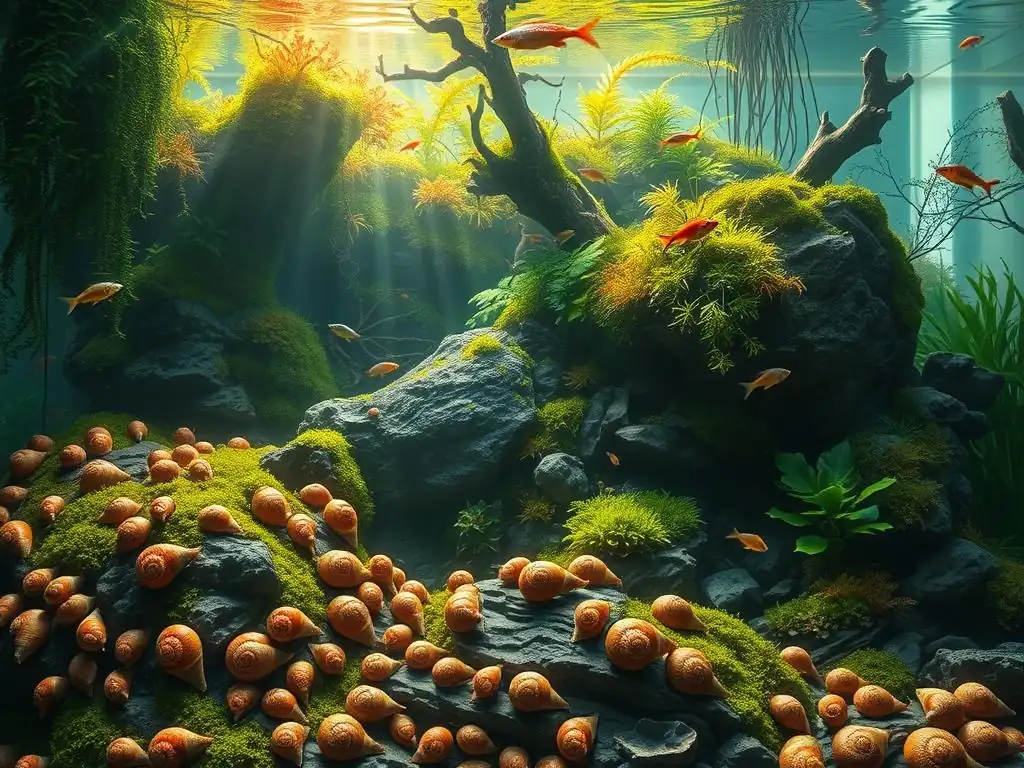
Welcome to Aquarium Mastery, where your aquatic dreams come to life!
Ever wondered if you're providing the perfect ecosystem for your finned friends? Beyond the shimmering scales and swaying plants, lies a hidden world of balance. Dive in and discover the secrets to a thriving freshwater haven, starting with a crucial question: how many snails do you really need? Let's unlock the secrets to a balanced aquarium, and explore the surprisingly complex world of freshwater aquarium snail needs!
- Calculating Your Clean-Up Crew: A Guide to Freshwater Aquarium Snails
- Understanding Snail Needs for a Balanced Freshwater Aquarium Ecosystem
- Factors Influencing Freshwater Aquarium Snail Needs
- Calculating Your Ideal Freshwater Snail Population
- Avoiding Common Problems with Freshwater Aquarium Snails
- Troubleshooting Common Snail-Related Issues
- Maintaining a Healthy Snail Population for a Thriving Aquarium
- Conclusion: Achieving a Balanced Freshwater Aquarium Ecosystem with the Right Snail Clean-Up Crew
-
Frequently Asked Questions
- How do I determine the right number of snails for my freshwater aquarium?
- What types of snails are best for a freshwater aquarium cleanup crew?
- Can I overstock my freshwater aquarium with snails?
- What are the signs that I need more snails in my freshwater aquarium?
- What are some potential problems associated with keeping snails in a freshwater aquarium?
- Final Reflection: The Silent Symphony of Balance
- Dive Deeper: Chart Your Snail-Filled Seas!
Calculating Your Clean-Up Crew: A Guide to Freshwater Aquarium Snails
Understanding Snail Needs for a Balanced Freshwater Aquarium Ecosystem
The Role of Snails in a Freshwater Aquarium Clean-Up Crew
Freshwater snails are invaluable members of an aquarium's clean-up crew, performing essential tasks that contribute to a healthier and more stable ecosystem. Their primary roles involve consuming uneaten fish food, decaying plant matter, and various types of algae, including unsightly diatoms and green spot algae that often cling to glass and decorations. By acting as natural scavengers, they significantly reduce the accumulation of organic waste, minimizing the need for manual cleaning and improving overall water quality.
Beyond their direct cleaning functions, certain snail species also contribute to the physical health of the aquarium environment. For instance, Malaysian Trumpet Snails (MTS) are renowned for burrowing into the substrate, effectively aerating it and preventing the formation of anaerobic pockets, which can release harmful gases like hydrogen sulfide. This natural bioturbation, combined with their ability to break down detritus into more manageable forms for beneficial bacteria, underscores their crucial role in maintaining a balanced and thriving freshwater aquarium.
Why Calculate Snail Population? Avoiding Overstocking and Understocking
Accurately calculating your freshwater aquarium snail needs is paramount to prevent common pitfalls associated with both overstocking and understocking. An excessive snail population can lead to several problems: they contribute significantly to the tank's bio-load, producing their own waste and potentially overwhelming the filtration system, which may result in elevated ammonia and nitrite levels. Furthermore, if their primary food sources (algae and detritus) become scarce, overstocked snails might begin to graze on live plants, or even compete with fish for oxygen, especially in densely populated tanks.
Conversely, an insufficient number of snails means that algae and detritus will accumulate unchecked, leading to an unsightly tank and compromised water quality. An understocked clean-up crew fails to adequately process the organic waste produced by fish and decaying plant matter, allowing nitrates and phosphates to build up. This nutrient excess often fuels nuisance algae blooms, making the tank appear dirty and potentially stressing fish due to poor water parameters. Therefore, understanding and meeting your freshwater aquarium snail needs is critical for environmental stability.
Factors Influencing Freshwater Aquarium Snail Needs
Aquarium Size and Volume: Snails per Gallon Calculation
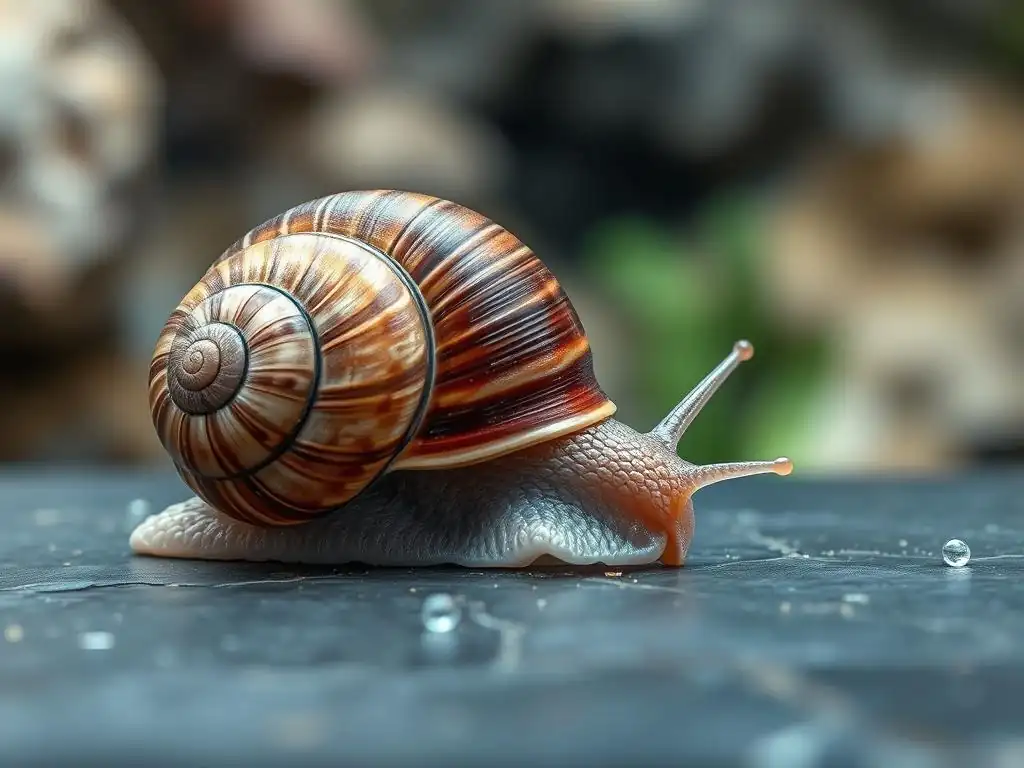
The actual water volume of your aquarium is the foundational factor in determining your freshwater aquarium snail needs. A larger tank offers more surface area for algae growth and a greater volume for waste dilution, naturally requiring a different number of snails compared to a smaller setup. While general "snails per gallon" guidelines exist, they serve as a starting point rather than a rigid rule, as other variables will significantly influence the final count.
For a general estimate, consider that a 10-gallon tank's freshwater aquarium snail needs will be vastly different from a 75-gallon system. For small, dedicated algae-eaters like Nerite snails, a common recommendation for light algae control might be 1 Nerite snail per 5-10 gallons, while for heavier algae issues, this could increase to 1 per 2-3 gallons. For larger species such as Mystery Snails, which have a greater bio-load, a general guideline might be 1 snail per 5-10 gallons, always keeping in mind their adult size and waste production.
Bio-Load: Assessing Waste Production in Your Freshwater Tank
The bio-load of your freshwater tank refers to the total amount of organic waste produced by its inhabitants and processes, including fish waste, uneaten food, and decaying plant matter. A heavily stocked aquarium with large, messy fish (e.g., Goldfish, Cichlids) will inherently generate a significantly higher volume of waste compared to a sparsely populated tank with small nano fish like Endler's Livebearers. This directly impacts the workload required from your clean-up crew, influencing your specific freshwater aquarium snail needs.
To assess your tank's bio-load, observe the amount of uneaten food after feeding sessions (ideally, all food should be consumed within 2-3 minutes), the frequency of visible fish waste accumulation, and the rate at which algae grows on surfaces. Tanks with higher feeding frequencies or larger fish will produce more waste, necessitating a more robust snail population or more frequent manual cleaning. For example, a 20-gallon tank housing 5 small guppies has a much lower bio-load than a 20-gallon tank with 2 adult Angelfish, and thus requires a different approach to its freshwater aquarium snail needs.
Types of Snails and Their Cleaning Specializations
Algae-Eating Snails: Nerite, Mystery, and Ramshorn Snails
Nerite Snails (e.g., Zebra Nerite, Horned Nerite) are highly regarded for their exceptional algae-eating capabilities. They are particularly effective at consuming various types of algae, including stubborn green spot algae, diatoms (brown algae), and green film algae, without reproducing excessively in freshwater environments. This inability to rapidly multiply in freshwater makes them an excellent choice for aquarists concerned about snail population explosions. A single Nerite snail can often keep a 10-gallon tank relatively free of common green algae.
Mystery Snails (Pomacea bridgesii) and Ramshorn Snails are also popular choices for algae control, though with different characteristics. Mystery Snails are good general scavengers, consuming algae, detritus, and uneaten food, but they can grow quite large (up to 2 inches) and consequently have a higher bio-load.
Ramshorn Snails are prolific breeders and excel at consuming soft algae and detritus, making them great for smaller tanks or as part of a diverse clean-up crew, though their rapid reproduction often requires population management. For instance, a 5-gallon nano tank might benefit from 2-3 Ramshorn snails for daily cleanup, while a 20-gallon tank might use 1-2 Mystery Snails.
Detritus-Eating Snails: Malaysian Trumpet Snails (MTS) and Their Benefits
Malaysian Trumpet Snails (MTS) possess a unique and highly beneficial role in the freshwater aquarium clean-up crew: they are dedicated detritus eaters and substrate aerators. These nocturnal snails burrow deep into the substrate, consuming decaying organic matter that settles beneath the surface. This constant burrowing activity effectively aerates the substrate, preventing the formation of anaerobic pockets (dead zones) which can release harmful gases like hydrogen sulfide, a common cause of foul odors and toxicity.
Their specific benefits extend to nutrient cycling and plant health. By breaking down detritus into smaller particles, MTS make nutrients more readily available for plant roots, contributing to a healthier planted aquarium. While they are known for their prolific breeding, their population is often self-regulating, expanding when food is abundant and declining when resources are scarce. For example, in a 30-gallon planted tank, an initial population of 10-20 MTS can significantly improve substrate health and reduce hidden detritus within a few weeks, demonstrating their specific freshwater aquarium snail needs contribution.
Planted Aquariums vs. Bare-Bottom Tanks: Adjusting Snail Numbers
The type of aquarium setup—whether heavily planted or bare-bottom—significantly influences your freshwater aquarium snail needs. Planted aquariums typically present more decaying plant matter (from leaf shedding) and offer increased surface area for algae growth on plant leaves and decor. However, healthy, fast-growing plants also absorb a substantial amount of nutrients, which can help to outcompete algae, potentially reducing the need for a large number of algae-eating snails. Detritus-eating snails like Malaysian Trumpet Snails are particularly beneficial in planted tanks for their substrate aeration and detritus consumption.
Conversely, bare-bottom tanks lack substrate for burrowing snails like MTS and rely more heavily on surface-dwelling snails for managing algae and uneaten food. In these setups, accumulated detritus is more visible and often requires more frequent manual siphoning. Therefore, adjusting your snail numbers is crucial: a 20-gallon heavily planted tank might benefit from 5-10 MTS for substrate health and 1-2 Nerites for general algae, while a 20-gallon bare-bottom tank with fish might need 2-3 Nerites and 1-2 Mystery Snails to handle surface detritus and algae, demonstrating the diverse freshwater aquarium snail needs across different setups.
Calculating Your Ideal Freshwater Snail Population
A Step-by-Step Guide to Determining Snail Needs
Step 1: Measure Your Aquarium's Actual Water Volume
It is crucial to understand that the advertised size of an aquarium (e.g., "20-gallon tank") often refers to its nominal capacity, not its actual usable water volume. Substrate, decorations, filtration equipment, and displacement from rocks or driftwood can significantly reduce the true amount of water in your tank. To get an accurate measurement, use the formula: Length (inches) x Width (inches) x Height (inches) / 231 = Actual Gallons. For instance, a "20-gallon long" tank with an average of 2 inches of substrate and some decorations might only hold 18 gallons of actual water.
This precise measurement is fundamental for accurately assessing your freshwater aquarium snail needs. Overestimating your water volume could lead to understocking snails, resulting in insufficient waste processing and an accumulation of detritus and algae. Conversely, underestimating it might lead to overstocking, increasing the bio-load beyond your filtration's capacity. Using the actual water volume ensures that any subsequent calculations for snail density are based on precise data, leading to a more balanced and efficient clean-up crew.
Step 2: Identify Primary Waste Sources (Food, Fish Waste, Plant Decay)
A critical step in determining your freshwater aquarium snail needs is to observe and identify the primary sources of waste in your specific tank setup. Pay close attention to how much food your fish consume within 2-3 minutes of feeding; any uneaten portions contribute directly to the bio-load. Note the frequency and quantity of visible fish waste and whether your live plants are shedding leaves regularly. A tank housing large, messy eaters like Goldfish or Oscars will generate significantly more waste than one populated by small schooling fish such as Neon Tetras.
Understanding these waste sources directly informs your freshwater aquarium snail needs. If you consistently find uneaten flakes or pellets settling on the substrate, or if your tank glass is frequently coated in algae, your current clean-up crew might be insufficient, or you may be overfeeding. Conversely, if your tank remains pristine with minimal visible waste, your current snail population might be perfectly balanced, or you might even be able to reduce their numbers. This ongoing observation is key to a dynamic approach to tank management.
Step 3: Choose the Right Snail Species for Your Needs
Once you've identified your primary waste sources, you can strategically choose the snail species that best address those specific freshwater aquarium snail needs. If your main concern is persistent algae growth on glass and decorations, Nerite snails are often the top recommendation due to their voracious appetite for various algae types and their inability to overpopulate in freshwater. If detritus accumulation in the substrate and the prevention of anaerobic pockets are priorities, then Malaysian Trumpet Snails (MTS) are the ideal choice due to their burrowing habits.
For a comprehensive clean-up crew, a combination of species can be highly effective. For example, a 40-gallon community tank might benefit from 2-3 Nerite snails for glass and decor cleaning, complemented by 1-2 Mystery Snails for general scavenging of uneaten food, and a starting colony of 10-15 Malaysian Trumpet Snails to maintain substrate health. When selecting species, always consider their adult size, reproductive rate, and compatibility with your existing fish and other invertebrates to ensure a harmonious environment.
Step 4: Start Small and Monitor Algae/Detritus Levels
When introducing snails to your freshwater aquarium, it is always prudent to begin with a conservative number and gradually adjust. Start with approximately half of your calculated ideal population based on your tank's volume and bio-load. After the initial introduction, observe your tank closely for 2-4 weeks, monitoring the rate of algae growth on the glass and decorations, as well as the accumulation of detritus on the substrate. This allows your clean-up crew to establish themselves and for you to gauge their effectiveness.
If, after this initial period, algae continues to be a persistent problem or detritus rapidly accumulates, you can gradually add more snails, one or two at a time, until a desirable balance is achieved. Conversely, if you notice snails appearing lethargic, constantly climbing to the water surface (potentially indicating low oxygen or starvation), or reproducing excessively (for species like Ramshorns), it may signal an overpopulation or insufficient food. This iterative approach of starting small and closely monitoring is crucial for fine-tuning your freshwater aquarium snail needs.
General Guidelines: Snail Stocking Recommendations
Recommended Snail Density for Different Aquarium Sizes
While precise numbers vary based on bio-load and specific needs, general guidelines can help you establish a starting point for your freshwater aquarium snail needs. For a 10-gallon tank with a moderate fish load, you might begin with 1-2 Nerite snails or 1 Mystery Snail to manage algae and general detritus. A 20-gallon tank could typically accommodate 2-3 Nerite snails or 2 Mystery Snails. For larger setups, such as a 50-gallon tank, 4-6 Nerite snails or 3-4 Mystery Snails would be a reasonable initial stocking.
For detritus-eating Malaysian Trumpet Snails (MTS), which primarily work within the substrate, a starting colony of 5-10 MTS per 10 gallons is often recommended. Their population will naturally self-regulate based on the availability of food sources within the substrate. For example, a 30-gallon planted tank could significantly benefit from an initial introduction of 15-30 MTS to establish a robust substrate clean-up crew. These figures serve as general benchmarks for addressing typical freshwater aquarium snail needs.
Adjusting Snail Numbers Based on Algae Growth and Detritus Accumulation
Continuous observation is key to maintaining a balanced ecosystem, and your freshwater aquarium snail needs may change over time. If you notice that green spot algae quickly covers your aquarium glass within a week of cleaning, it's a strong indicator that you need more algae-eating snails. Similarly, if uneaten food consistently sits on the substrate for extended periods after feeding, or if you observe significant detritus build-up, more detritus-eating snails or general scavengers are likely required to handle the waste efficiently.
Conversely, if your snails appear lethargic, consistently climb above the waterline, or if you find an increasing number of empty shells, it could indicate an overpopulation leading to starvation or inadequate water conditions for the current bio-load. This continuous assessment allows you to fine-tune your snail population. For instance, if you have 3 Nerites in a 20-gallon tank and still see persistent algae, adding one more Nerite could resolve the issue, demonstrating the dynamic adjustment required for freshwater aquarium snail needs.
Avoiding Common Problems with Freshwater Aquarium Snails
Overpopulation and Snail Breeding Control
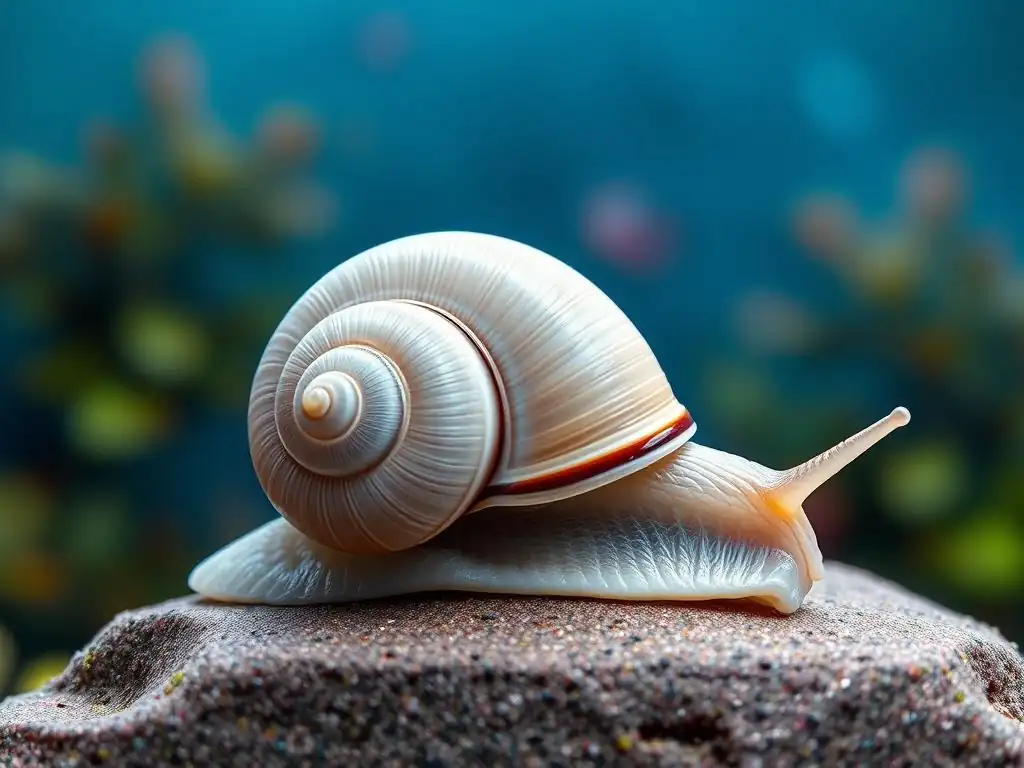
One of the most common issues associated with freshwater snails, particularly species like Ramshorn, Bladder, and Malaysian Trumpet Snails, is uncontrolled breeding. Overpopulation is frequently a symptom of overfeeding the fish, as excess food provides an abundant resource that fuels rapid snail reproduction. This leads to an increased overall bio-load in the tank, potentially overwhelming the filtration system and contributing to poor water quality.
Beyond the aesthetic concerns, an excessive snail population can have detrimental effects on the aquarium's ecosystem. Too many snails can compete with fish for oxygen, especially during nighttime hours when plants also consume oxygen. They also contribute significantly to nitrate levels through their waste, and in extreme cases, can even lead to ammonia or nitrite spikes if the filtration is not robust enough to handle the increased bio-load. For example, a 10-gallon tank with hundreds of Ramshorn snails can quickly experience water quality issues, directly impacting the broader freshwater aquarium snail needs and overall tank health.
Controlling Snail Populations: Assassin Snails and Other Methods
For natural and effective snail population control, Assassin Snails (Clea helena) are an excellent biological solution. These predatory snails primarily feed on other freshwater snails, such as Ramshorns, Bladders, and even small Malaysian Trumpet Snails, effectively reducing their numbers without harming fish or plants. A common stocking ratio is 1 Assassin Snail per 10-20 gallons, or 2-3 for a more persistent snail problem. They are also attractive and contribute minimally to the tank's bio-load themselves.
Other methods for controlling snail populations primarily focus on addressing the root cause: food availability. Reducing the amount of food fed to your fish is paramount; only offer what can be consumed within 2-3 minutes. Snail traps, such as placing a blanched lettuce leaf or a slice of zucchini in the tank overnight, can effectively gather large numbers of snails for easy removal the next morning. While some fish species like Clown Loaches are known snail eaters, they require specific tank conditions and grow very large, making them unsuitable for most home aquariums.
Manual Snail Removal Techniques
Manual snail removal is a straightforward and effective method for managing snail populations, particularly for larger species or when dealing with a manageable number of pest snails. The simplest technique involves hand-picking visible snails directly from the aquarium glass, decorations, and plants during routine tank maintenance. Regular scraping of the glass can also remove snail egg clutches, preventing future generations from hatching.
For larger infestations of smaller snails, such as Ramshorns or Bladder snails, a blanched vegetable trap is highly effective. Simply blanch a lettuce leaf, spinach leaf, or a slice of zucchini, let it cool, and place it in the aquarium before lights out. Snails are attracted to the decaying vegetable matter and will congregate on it overnight. The next morning, you can easily remove the vegetable along with dozens, or even hundreds, of snails. This method is a gentle, chemical-free way to reduce populations and manage your freshwater aquarium snail needs.
Snail Health and Water Parameters: Ensuring Snail Survival
Maintaining stable and appropriate water parameters is crucial for the long-term health and survival of your freshwater snails. Snails, particularly those with hard shells, require sufficient calcium and magnesium in the water for proper shell growth and integrity. Low pH levels or very soft water can lead to shell erosion, pitting, and weakening, making snails vulnerable to disease and shortening their lifespan. Ideal pH for most freshwater snails ranges from 7.0 to 8.0, with moderate to hard water (General Hardness, GH, between 8-18 dGH).
Another critical factor is the presence of copper. Many common fish medications contain copper, which is highly toxic to all invertebrates, including snails. Even trace amounts, as low as 0.2 ppm, can be lethal to a wide range of snails. Always carefully check the ingredients list of any medication before use and look for "invert-safe" warnings. If treatment with copper-containing medication is necessary, snails should be temporarily moved to a separate, untreated quarantine tank to ensure their survival.
Understanding Snail-Safe Medications and Treatments
When treating fish diseases in a community tank containing snails, choosing snail-safe medications is paramount to avoid mass casualties. Many common treatments for parasitic infections (e.g., Ich) or bacterial diseases contain ingredients like copper sulfate, malachite green, or certain dyes that are highly toxic to all invertebrates. Always read product labels carefully and prioritize medications explicitly labeled as "invert-safe" or "reef-safe."
If no snail-safe alternative is available, the safest course of action is to temporarily move your snails to a separate, established quarantine tank with appropriate water parameters before administering the treatment in the main display tank. After treatment, perform several large water changes and use activated carbon in your filter for a few days to remove residual medication before reintroducing snails. This proactive approach ensures that your freshwater aquarium snail needs for a safe environment are met during times of fish illness.
Maintaining Proper Water Hardness for Snail Shell Health
Water hardness, specifically General Hardness (GH) and Carbonate Hardness (KH), directly impacts the health and integrity of freshwater snail shells. Calcium carbonate (CaCO3) is the primary building block for snail shells, and adequate levels of calcium and magnesium in the water are essential for their formation and maintenance. In soft water environments, snails struggle to absorb sufficient minerals, leading to thin, pitted, or eroded shells, making them susceptible to injury and disease.
If your tap water is naturally soft (e.g., GH below 8 dGH), you may need to supplement your aquarium water with calcium. This can be achieved by adding crushed coral or aragonite to your substrate or filter, placing a cuttlebone in the tank, or using liquid calcium supplements specifically designed for aquariums. Regularly testing your GH and KH levels (aiming for GH 8-18 dGH and KH 4-12 dKH for most common snails) ensures that your snails have the necessary building blocks for strong, healthy shells, directly supporting their long-term freshwater aquarium snail needs.
Algae Blooms Despite Snails: Identifying the Root Cause
Even with a dedicated clean-up crew of snails, persistent algae blooms can occur, indicating a deeper underlying issue within the aquarium ecosystem. Snails are excellent at consuming existing algae, but they are not a solution for the root causes of algae proliferation. Algae blooms are typically a symptom of an imbalance in nutrients (primarily nitrates and phosphates) and light. Common culprits include overfeeding, insufficient water changes, prolonged lighting periods, or excessive nutrient input from decaying organic matter.
To identify the root cause, begin by testing your water parameters for nitrates and phosphates. Reduce feeding amounts to ensure all food is consumed within 2-3 minutes. Limit your aquarium's light cycle to 8-10 hours per day. Increase the frequency or volume of your water changes (e.g., 25-30% weekly instead of bi-weekly) to export excess nutrients. Consider adding fast-growing live plants, which compete with algae for available nutrients. Addressing these fundamental imbalances, rather than solely relying on snails, is crucial for resolving algae issues and meeting your freshwater aquarium snail needs long-term.
Snails Dying Off: Investigating Water Quality and Potential Toxins
A sudden die-off of snails in your freshwater aquarium is a serious warning sign and demands immediate investigation into water quality and potential toxins. Begin by performing comprehensive water tests for ammonia, nitrite, and nitrate. Ammonia and nitrite levels should always be zero. Elevated nitrate levels (above 20-40 ppm) can stress snails, while sudden spikes in pH or temperature can also be detrimental.
Beyond basic water parameters, consider the possibility of toxins. Copper, as previously mentioned, is highly lethal to snails, even in minute concentrations (e.g., 0.2 ppm). Be vigilant about any household sprays (e.g., air fresheners, insecticides) used near the tank, as airborne chemicals can settle into the water. Ensure that any tap water used for changes is properly dechlorinated, as chloramines in municipal water supplies can release ammonia upon breakdown, which is toxic to snails. Any unexplained snail deaths warrant immediate attention to protect your remaining inhabitants and understand your freshwater aquarium snail needs.
Snails Not Eating: Examining Food Sources and Competition
If your freshwater snails appear inactive, are not grazing, or show signs of lethargy, it could indicate a lack of adequate food sources, excessive competition, or underlying water quality issues. In very clean tanks with minimal algae or detritus, specialized algae-eating snails like Nerites can indeed starve. Intense competition from other snails or even fish can also prevent them from accessing sufficient food.
To address this, first re-evaluate your water parameters to rule out any hidden toxins or imbalances. If the tank is exceptionally clean, consider supplementing their diet with algae wafers, blanched vegetables such as zucchini or spinach, or calcium-rich foods like cuttlebone. Observe feeding times to see if faster-moving fish or other snails are outcompeting them for food. Sometimes, an individual snail might simply be at the end of its natural lifespan ( 1-3 years for many common species), but widespread inactivity suggests a systemic issue with meeting your freshwater aquarium snail needs.
Maintaining a Healthy Snail Population for a Thriving Aquarium
Regular Monitoring and Adjustments to Snail Numbers
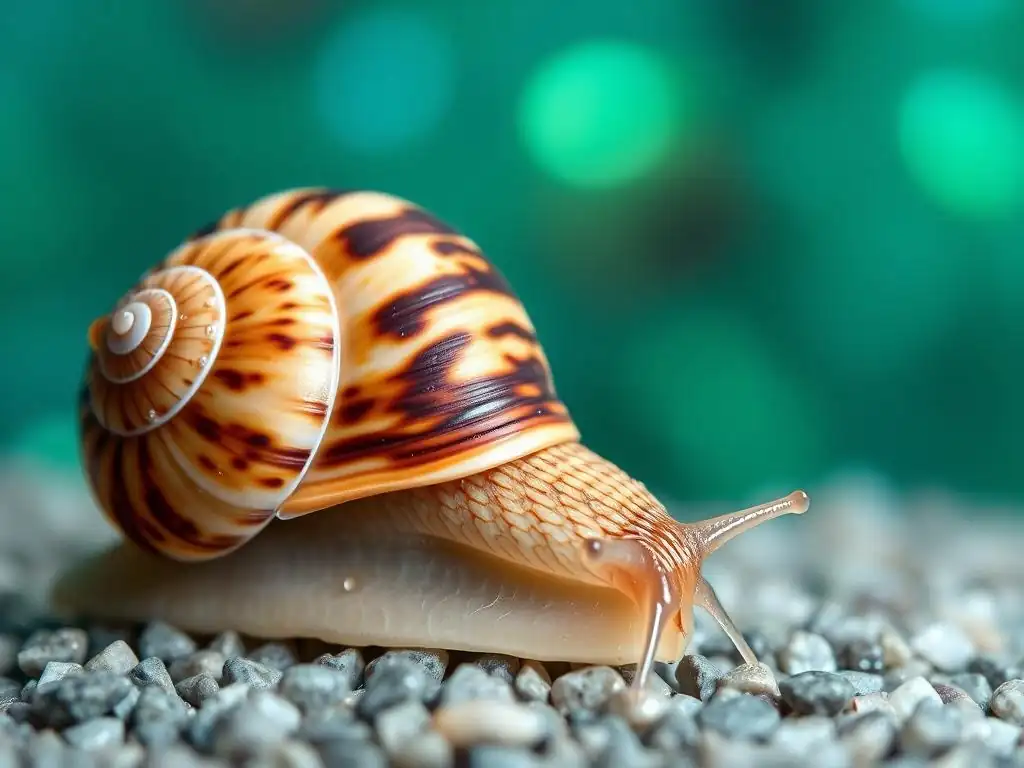
Maintaining a healthy and effective snail population requires ongoing vigilance and a willingness to make adjustments. Aquarium ecosystems are dynamic, and factors like fish bio-load, plant growth, and feeding habits can change over time, directly influencing your freshwater aquarium snail needs. Regularly observe your snails' activity levels, shell health, and overall population numbers. Are they actively grazing on surfaces? Are new snails appearing (for breeding species)? Are there any empty shells indicating deaths?
This continuous assessment allows you to proactively manage your snail clean-up crew. If you notice an increase in algae or detritus accumulation, it might be time to add more snails or re-evaluate your feeding regimen. Conversely, if snail numbers explode (for species like Ramshorns or Bladders), you should implement control measures such as reducing food, adding Assassin Snails, or performing manual removals. Proactive management based on observation is key to preventing major issues and ensuring your tank's long-term health.
The Importance of Water Changes and Substrate Vacuuming
While freshwater snails are excellent at consuming organic waste, they are a supplement to, not a replacement for, regular aquarium maintenance practices. Routine water changes are essential for removing nitrates, phosphates, and other dissolved organic compounds that snails cannot process. Performing regular water changes (e.g., 25% weekly or bi-weekly) helps to maintain stable water parameters, reduce the overall nutrient load, and alleviate the burden on your biological filtration and clean-up crew.
Similarly, periodic substrate vacuuming remains a crucial task, even with active detritus-eating snails like Malaysian Trumpet Snails. While MTS process some waste within the substrate, larger particles of uneaten food and fish waste can still accumulate. Vacuuming the substrate removes this mulm before it can decompose and release harmful compounds, or contribute to excessive snail breeding. A balanced approach that combines the natural cleaning abilities of snails with consistent manual maintenance ensures the most effective management of your freshwater aquarium snail needs and overall tank health.
Supplementing Snail Diets When Necessary
In certain aquarium setups, particularly those with minimal algae growth or very efficient mechanical filtration, freshwater snails may not find sufficient natural food sources to thrive. This is especially true for specialized algae eaters like Nerite snails in pristine tanks. Symptoms of undernourishment can include inactivity, a retracted body, or a lack of shell growth. In such cases, supplementing their diet becomes a necessary part of meeting their freshwater aquarium snail needs.
Appropriate supplements include commercially available algae wafers, blanched vegetables (such as spinach, zucchini, or lettuce), and calcium-rich foods like cuttlebone, which also aids in shell health. For example, a small algae wafer offered every few days can adequately sustain a small group of Nerites in a clean 20-gallon tank. Ensuring that your snails receive adequate nutrition is vital for their health, activity levels, and their ability to effectively perform their duties as part of your clean-up crew.
Conclusion: Achieving a Balanced Freshwater Aquarium Ecosystem with the Right Snail Clean-Up Crew
Frequently Asked Questions
How do I determine the right number of snails for my freshwater aquarium?
The ideal number depends on tank size, algae production, and the snail species. A general rule is 1 snail per 5-10 gallons of water, but observe your tank and adjust accordingly.
What types of snails are best for a freshwater aquarium cleanup crew?
Popular choices include Nerite, Mystery, and Ramshorn snails. Nerites are excellent algae eaters, while Mystery snails consume detritus and leftover food. Choose based on your tank's needs.
Can I overstock my freshwater aquarium with snails?
Yes, overstocking can lead to problems like increased waste, poor water quality, and potential snail death. Start with a small number and monitor your water parameters.
What are the signs that I need more snails in my freshwater aquarium?
Increased algae growth, leftover food accumulating, and a generally dirty-looking tank are indicators. Also, check for high nitrate levels, a sign of organic waste buildup.
What are some potential problems associated with keeping snails in a freshwater aquarium?
Snails can sometimes reproduce rapidly, leading to overpopulation. Some species may also eat live plants. Research your chosen species to avoid these issues.
Final Reflection: The Silent Symphony of Balance
The insights shared in this article highlight the crucial role of snails in maintaining a thriving freshwater aquarium ecosystem, demonstrating that understanding the delicate balance of nature is paramount to successful aquascaping. The number of snails isn't just a matter of aesthetics; it's a calculated equation that directly impacts the health and stability of your underwater world.
This exploration into the world of freshwater aquarium snails underscores how seemingly small creatures can have a profound impact on the overall health of an ecosystem. My own experience with a poorly balanced tank taught me the invaluable lesson of patience and observation, emphasizing the importance of understanding the needs of each inhabitant. The best way to observe a fish is to become a fish.
- Jacques Cousteau. This quote reminds us that true understanding comes from empathy and a willingness to see the world from another's perspective, a principle equally applicable to the miniature ecosystems we create in our homes.
Now, armed with this knowledge, I invite you to reflect on your own aquarium practices. Are you truly considering the needs of your cleanup crew, or are you simply adding snails as an afterthought? Let this article be a catalyst for more mindful aquascaping, encouraging you to create a balanced and harmonious environment where all creatures, great and small, can thrive. Embrace the silent symphony of balance, and watch your aquarium flourish.
Dive Deeper: Chart Your Snail-Filled Seas!
Thanks for exploring the wonderful world of aquarium cleanup crews! We hope you’ve gained a clearer understanding of how to balance your snail population for a thriving ecosystem. Now, let’s turn knowledge into action and ensure your aquarium is sparkling.
- Calculate your perfect snail-to-gallon ratio! Revisit the guidelines and precisely determine the optimal number of each snail species for your tank size and bioload.
- Explore the unique snacking preferences of other cleanup crew members, like shrimp and crabs, to create a balanced and diversified team for your aquarium.
- Share your cleanup crew success story (or struggles!) in the comments below, inspiring others to create pristine aquatic environments.
What unexpected algae-eating hero has surprised you the most in your aquarium?