
Are Your Snails Dying? Troubleshooting Common Snail Problems

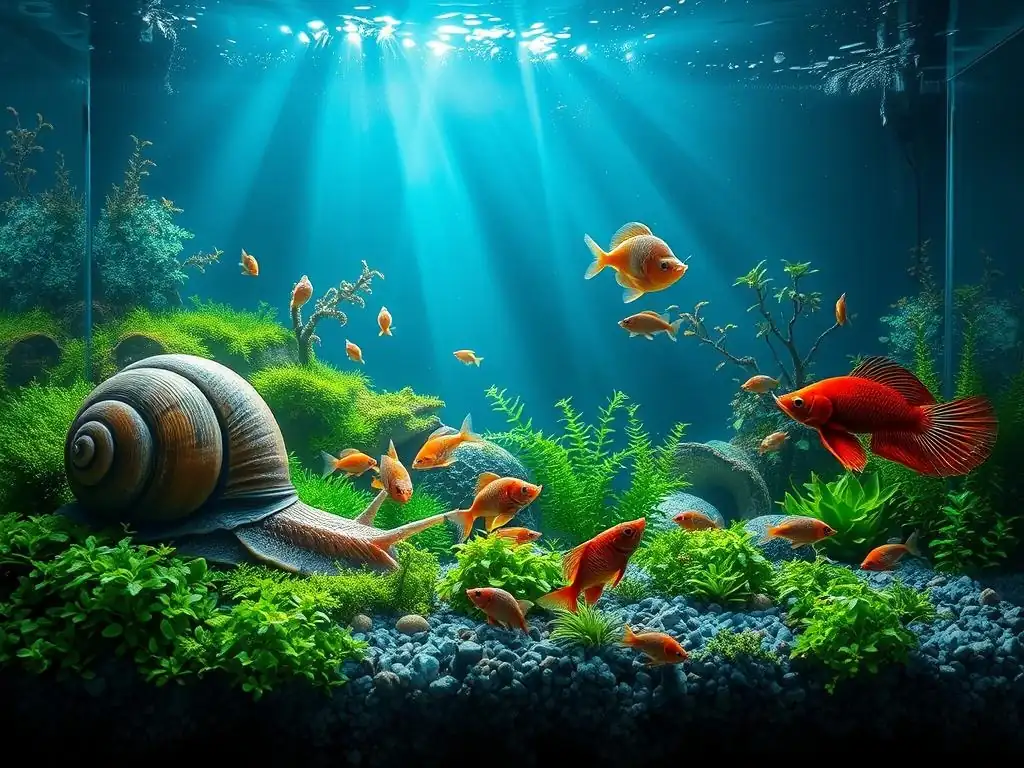
Welcome to Aquarium Mastery, where we dive deep into the captivating world of aquariums!
Are you facing a mystery in your freshwater tank? Perhaps you're noticing some unusual behavior, or worse, dealing with dying snails? Don't worry, you're not alone! In this article, we'll tackle common snail problems in freshwater aquariums, offering practical solutions and expert insights to keep your shelled friends thriving. Curious to learn more and restore harmony to your underwater ecosystem? Let's get started!
- Identifying Snail Problems in Your Freshwater Aquarium
- Diagnosing the Root Cause of Snail Mortality
- Solutions and Prevention for Snail Problems in Freshwater Aquariums
- Specific Snail Species and Their Common Problems
- When to Consider Removing a Dying Snail from Your Aquarium
-
Frequently Asked Questions
- What are some common reasons why snails die in a freshwater aquarium?
- How can I improve water quality to help my snails thrive?
- What kind of food should I provide for my snails in a freshwater aquarium?
- How do I know if my freshwater aquarium has enough calcium for my snails?
- What are some signs that my snails are experiencing a problem in my freshwater aquarium?
- Final Reflection: The Resilient Ecosystem Within
- Uncover the Secrets to Thriving Snails!
Identifying Snail Problems in Your Freshwater Aquarium
Recognizing Early Warning Signs of Snail Distress
Observing subtle changes in a snail's behavior is often the first indicator of impending health issues. A healthy freshwater snail is typically active, constantly grazing on surfaces, climbing tank decor, and extending its foot for movement. Early signs of distress include prolonged inactivity, where a snail remains motionless for 24-48 hours, often staying in one spot on the substrate or clinging to the glass without moving. They might also retract deeply into their shell for extended periods, or fail to respond to gentle prodding, which healthy snails usually react to by moving or retracting slightly.
Beyond inactivity, physical signs can emerge. Watch for unusual shell discoloration, erosion, or pitting, especially around the apex (the oldest part of the shell). A healthy snail's shell should appear smooth and vibrant, consistent with its species. Changes in the snail's slime coat, such as excessive sliminess or a dull, dry appearance, can also signal stress or illness. These physical manifestations often precede more severe symptoms and indicate that the snail's environment or health is compromised, prompting investigation into potential snail problems freshwater aquarium conditions might be causing.
Common Symptoms of Sick or Dying Freshwater Snails
As a snail's condition deteriorates, more definitive symptoms become apparent. One critical sign is the loss of adhesion, where the snail is unable to cling to surfaces and falls to the tank bottom. They may lie upside down and be unable to right themselves, a clear indication of severe weakness. This often precedes death by only a few hours to a day, as the snail expends its last energy trying to reorient itself without success.
The most unmistakable sign of a deceased snail is a strong, foul odor. A dead snail's body will quickly begin to decompose, releasing a distinct and unpleasant smell into the aquarium water. If you suspect a snail has died, gently remove it from the tank and perform a "smell test." If it emits a strong, rotten odor, it is certainly deceased. This decomposition can rapidly pollute the tank, making prompt removal essential to prevent further snail problems freshwater aquarium inhabitants might face.
Diagnosing the Root Cause of Snail Mortality
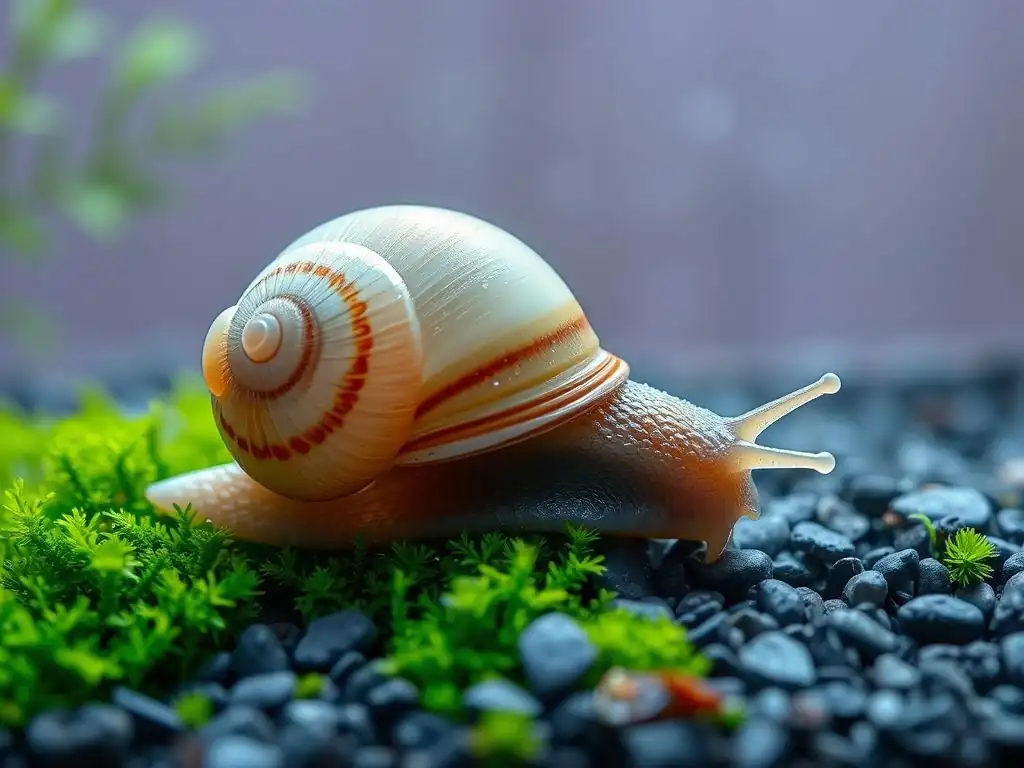
Poor Water Quality and Its Impact on Snails
Ammonia and Nitrite Poisoning in Snail Tanks
Ammonia (NH3/NH4+) and nitrite (NO2-) are highly toxic compounds that can rapidly accumulate in an aquarium, especially in new tanks that haven't fully cycled, or in established tanks with overfeeding or inadequate filtration. Snails, with their permeable shells and delicate gill structures, are particularly susceptible to these toxins.
Concentrations as low as 0.25 ppm ammonia or 0.5 ppm nitrite can cause significant stress, leading to lethargy, loss of appetite, and eventually irreversible organ damage and suffocation. For instance, a small 5-gallon tank with just a few fish and overfed daily can see ammonia levels spike to 1-2 ppm within days, posing an immediate threat to any snails present.
These compounds interfere with the snail's ability to absorb oxygen and process waste, effectively poisoning them from the inside out. Even if a snail doesn't die immediately, prolonged exposure to elevated ammonia or nitrite levels weakens its immune system, making it more vulnerable to other diseases and stressors. This susceptibility makes monitoring and maintaining zero ammonia and nitrite levels paramount for preventing common snail problems freshwater aquarium environments present. Regular testing with a reliable liquid test kit is crucial to catch these dangerous spikes before they become fatal.
Unstable pH Levels and Snail Health
The pH level of aquarium water plays a vital role in snail health, particularly for shell integrity. Most freshwater snails thrive in a slightly alkaline to neutral pH range, typically between 7.0 and 8.0. Fluctuations outside this optimal range, especially prolonged periods of acidity (pH below 6.5), can severely impact snails.
Acidic water directly dissolves the calcium carbonate that makes up their shells, leading to "shell erosion" or "pitting," where the shell becomes thin, brittle, and develops visible holes or rough patches. For example, a tank consistently maintained at pH 6.0 can show noticeable shell damage on snails within a few weeks.
Rapid pH swings, defined as changes exceeding 0.2-0.3 pH units within a 24-hour period, are even more detrimental than consistently low or high pH. These sudden shifts cause immense physiological stress to snails, compromising their metabolic functions and immune response. Such instability can occur due to improper water changes (e.g., using tap water with a significantly different pH without proper buffering), or inadequate carbonate hardness (KH), which acts as a pH buffer. Maintaining stable pH and sufficient KH (ideally above 4 dKH or 70 ppm) is therefore essential to prevent pH-related snail problems freshwater aquarium inhabitants often face.
Inadequate Diet and Snail Nutrition
Nutritional Deficiencies Affecting Snail Growth and Survival
One of the most common, yet often overlooked, causes of snail problems freshwater aquarium owners encounter is an inadequate diet, leading to specific nutritional deficiencies. Calcium is perhaps the most critical nutrient for snails, as it is the primary building block for their shells. Without sufficient calcium, either in the water or through their diet, snail shells become soft, brittle, pitted, or develop white, chalky patches.
This vulnerability makes them susceptible to injury and bacterial infections. For instance, a Mystery Snail in water with a general hardness (GH) below 4 dGH (70 ppm) and no dietary calcium supplementation will invariably show signs of shell deterioration within a few months.
Beyond calcium, snails also require a balanced intake of proteins, vitamins, and trace elements for overall health, growth, and reproduction. While many snails are excellent scavengers and detritivores, relying solely on leftover fish food or tank algae might not provide a complete nutritional profile. A diet deficient in these essential components can lead to stunted growth, reduced activity, lethargy, and a shortened lifespan. For example, a Nerite Snail, primarily an algaevore, will suffer if the tank is too clean and it's not supplemented with spirulina or algae wafers, eventually starving due to lack of essential nutrients.
Choosing the Right Food for Your Freshwater Snails
To ensure your snails receive adequate nutrition and prevent common snail problems freshwater aquarium inhabitants face, a varied and appropriate diet is crucial. While many snails will graze on natural algae and biofilm in the tank, this is often insufficient, especially in well-maintained or sparsely algae-covered aquariums. Supplement their diet with high-quality sinking algae wafers or pellets designed for omnivorous bottom feeders. These products are often fortified with essential vitamins and minerals, including calcium. For example, a medium-sized Mystery Snail might benefit from half an algae wafer daily.
Furthermore, blanched vegetables offer excellent nutritional value. Offer small pieces of blanched zucchini, cucumber, spinach, or romaine lettuce a few times a week. Blanching softens the vegetables, making them easier for snails to consume. Always ensure vegetables are organic and thoroughly rinsed to avoid introducing pesticides. For carnivorous or omnivorous snails like Assassin Snails (if you have them and their prey is scarce), supplement with protein-rich foods such as sinking shrimp pellets or frozen bloodworms. Overfeeding should be avoided, as uneaten food will decompose and degrade water quality, creating further snail problems freshwater aquarium conditions may exacerbate.
Parasites and Diseases Affecting Freshwater Snails
Recognizing and Treating Common Snail Parasites
Freshwater snails, like any aquarium inhabitant, can fall victim to various parasites, contributing significantly to snail problems freshwater aquarium owners might observe. Trematodes, commonly known as flukes, are among the more prevalent internal parasites. These can manifest as small, worm-like organisms emerging from the snail's body or visible in their waste.
Snails infected with trematodes may exhibit lethargy, reduced appetite, and a gradual decline in health. Leeches are another external parasite that can attach to snails, feeding on their hemolymph (snail "blood"), leading to weakness and anemia. You might observe small, segmented worms clinging to the snail's foot or shell.
Treating snail parasites can be challenging due to the sensitivity of snails to many common antiparasitic medications. For external parasites like leeches, manual removal with tweezers can be effective if the infestation is minor. However, for internal parasites or widespread external infestations, a medication specifically labeled as invertebrate-safe is necessary. Praziquantel-based treatments are sometimes used for trematodes, but precise dosing is critical to avoid harming the snails. Always research thoroughly and consider consulting an aquatic veterinarian before administering any medication to a snail-infested tank, as misapplication can lead to further snail problems freshwater aquarium ecosystems struggle to recover from.
Bacterial and Fungal Infections in Aquarium Snails
Bacterial and fungal infections are often secondary issues, meaning they typically occur when a snail is already stressed, injured, or living in poor water conditions. Bacterial infections can appear as discolored patches, lesions, or swelling on the snail's foot, mantle, or even within the shell. For instance, a snail with a compromised shell due to calcium deficiency might develop a bacterial infection at the site of the damage. Fungal infections, on the other hand, often present as fuzzy, cotton-like growths on the snail's body or shell, particularly in areas of injury or decay.
Preventing these infections primarily revolves around maintaining pristine water quality and a stable environment, which strengthens the snail's natural immune response. Regular water changes and avoiding overfeeding are crucial. If an infection is suspected, isolating the affected snail in a quarantine tank is advisable to prevent spread.
Broad-spectrum antibiotics or antifungal treatments may be necessary, but it is imperative to select products that are explicitly labeled as safe for invertebrates. Some hobbyists report success with mild methylene blue baths for external fungal infections, or specific low-dose antibiotics for bacterial issues, always under strict observation to ensure the treatment doesn't cause more snail problems freshwater aquarium inhabitants can't tolerate.
Copper Toxicity and Other Chemical Imbalances
Understanding Copper's Harmful Effects on Snails
Copper is highly toxic to snails, even at incredibly low concentrations, making it a frequent cause of sudden and widespread snail problems freshwater aquarium keepers sometimes face unknowingly. Snails, being invertebrates, have a copper-based hemocyanin in their blood for oxygen transport, which makes them uniquely susceptible to external copper.
Levels as low as 0.1 ppm (parts per million) can be lethal to many snail species within hours or days, causing irreversible neurological damage, organ failure, and the inability to move or retract. A common scenario is when a fish in the tank is treated with a copper-based medication for Ich, leading to a mass die-off of snails shortly after.
The insidious nature of copper toxicity lies in its common presence in various aquarium products. Beyond fish medications, some plant fertilizers, algaecides, and even water conditioners can contain trace amounts of copper. Old household plumbing can also leach copper into tap water. Once copper enters the aquarium, it binds to surfaces and substrate, making it difficult to remove completely, even with water changes. This persistence means that even after the initial source is removed, residual copper can continue to harm snails, necessitating careful monitoring and proactive prevention.
Avoiding Copper-Based Medications in Snail Tanks
Given the extreme sensitivity of snails to copper, avoiding copper-based medications and products is paramount for preventing snail problems freshwater aquarium inhabitants might encounter. Before introducing any new product into your aquarium, whether it's a medication, fertilizer, or water additive, meticulously read the ingredient list and warning labels. Look for "copper sulfate," "chelated copper," or any indication that the product is "not safe for invertebrates" or "contains copper." If such warnings are present, do not use the product in a tank containing snails.
If fish in a snail-populated tank require treatment for conditions like Ich, explore invertebrate-safe alternatives. For instance, increasing the tank temperature gradually to 86°F (30°C) for several days is an effective, copper-free method for treating Ich in fish, and poses no threat to snails. Similarly, certain herbal remedies or medications containing active ingredients like malachite green (used cautiously and often at reduced doses) may be safer alternatives. Always prioritize snail-safe treatments or consider treating affected fish in a separate hospital tank to protect your snail population.
Incompatible Tank Mates and Snail Predation
Fish and Invertebrates That Prey on Snails
One often-overlooked cause of snail problems freshwater aquarium owners encounter is the presence of incompatible tank mates that view snails as a food source. Certain fish species are notorious snail predators. For example, loaches, particularly Clown Loaches (Chromobotia macracanthus) and Yoyo Loaches (Botia almorhae), are highly effective at eradicating snail populations due to their natural diet. Similarly, various pufferfish species, such as Dwarf Puffers (Carinotetraodon travancoricus), specialize in eating snails, using their beaks to crush shells. Even some larger cichlids or gouramis might occasionally nip at snails, causing stress or injury.
Beyond fish, certain invertebrates can also pose a threat. The most prominent example is the Assassin Snail (Clea helena), which, despite being a snail itself, is a carnivorous predator specifically introduced to control pest snail populations. While effective for unwanted snails, Assassin Snails will also prey on desirable snail species like Mystery Snails or Nerite Snails, especially if other food sources are scarce. Therefore, understanding the predatory nature of potential tank mates is crucial to prevent snail mortality due to predation.
Creating a Safe Environment for Your Snails
To prevent snail problems freshwater aquarium inhabitants face due to predation, careful selection of tank mates is essential. Before introducing any new fish or invertebrate, thoroughly research its dietary habits and compatibility with snails. Opt for peaceful, herbivorous, or omnivorous fish that are known to be snail-safe. For instance, most community fish like tetras, rasboras, and peaceful livebearers generally coexist well with snails. Avoid species known for their snail-eating tendencies if you wish to maintain a thriving snail population.
Additionally, providing ample hiding spots within the aquarium can offer snails refuge from potential predators and reduce stress. Dense plant cover, driftwood, rock caves, and ceramic decor provide nooks and crannies where snails can retreat. This not only protects them from direct predation but also helps them feel more secure, contributing to their overall health and reducing the likelihood of stress-induced illnesses. A well-designed aquascape can significantly enhance the safety and well-being of your snails.
Solutions and Prevention for Snail Problems in Freshwater Aquariums
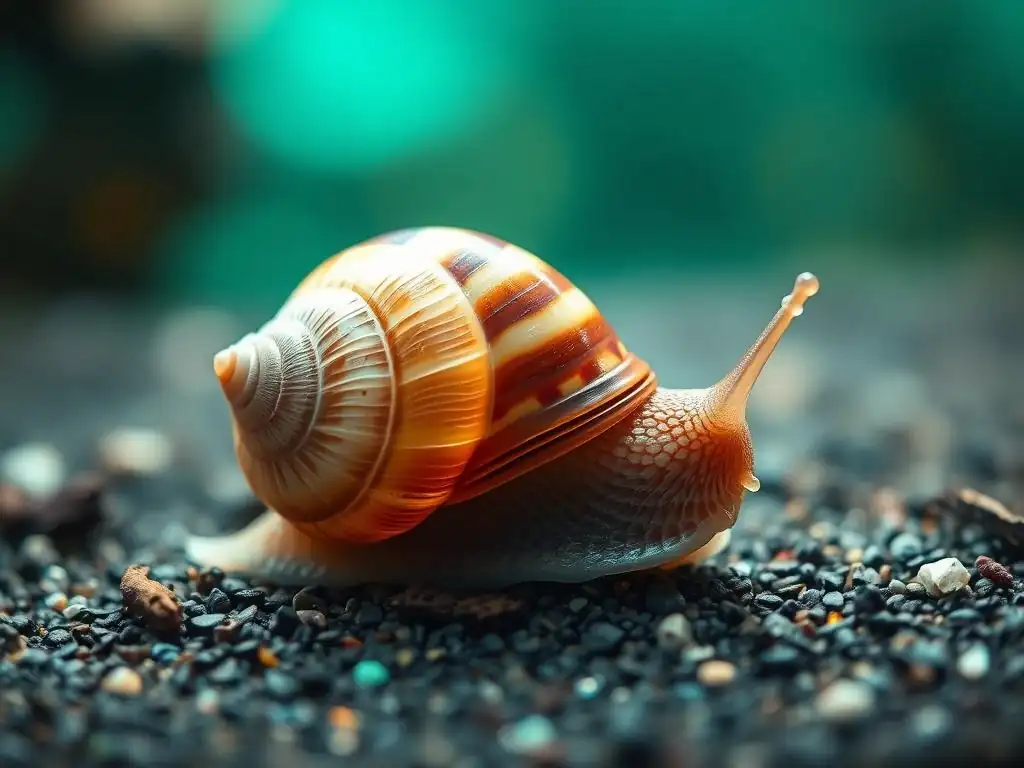
Improving Water Quality for Snail Health
Regular Water Changes and Aquarium Maintenance
Consistent water quality is the cornerstone of preventing snail problems freshwater aquarium inhabitants experience. Regular water changes are paramount for diluting accumulated toxins like nitrates, replenishing essential minerals (like calcium and magnesium), and maintaining stable parameters. For most freshwater aquariums, performing weekly or bi-weekly water changes of 25-30% of the tank volume is recommended. For example, in a 20-gallon tank, this equates to removing and replacing 5-6 gallons of water. Always use a dechlorinator for tap water and ensure the new water is temperature-matched to avoid shocking your snails and fish.
Beyond water changes, comprehensive aquarium maintenance is vital. Regularly vacuuming the substrate removes uneaten food, fish waste, and decaying plant matter, all of which contribute to ammonia and nitrate buildup. Cleaning filter media (mechanical media like sponges or floss) should be done periodically by rinsing it in old tank water during a water change, preserving beneficial bacteria. This holistic approach to maintenance ensures a clean, stable environment, significantly reducing the risk of water quality-related snail problems freshwater aquarium systems are prone to.
Using Filtration to Maintain Optimal Water Parameters
An efficient and appropriately sized filtration system is indispensable for maintaining optimal water parameters and preventing snail problems freshwater aquarium conditions might otherwise cause. A robust filter should incorporate mechanical, chemical, and biological filtration. Mechanical filtration (e.g., filter floss, sponges) physically removes particulate matter like uneaten food and debris. Chemical filtration (e.g., activated carbon) removes dissolved organic compounds, odors, and some toxins.
Most critically, biological filtration provides a vast surface area for beneficial bacteria to colonize. These bacteria are responsible for the nitrogen cycle, converting highly toxic ammonia into less toxic nitrite, and then into relatively harmless nitrate. Ensure your filter is rated for at least 2-3 times your tank's volume to provide sufficient turnover and processing capacity. Regular, gentle cleaning of biological media (again, in old tank water) prevents blockages without killing the beneficial bacterial colony, ensuring continuous and efficient purification of the water for your snails.
Providing a Balanced Diet for Your Snails
Supplementing with Algae Wafers and Vegetables
While freshwater snails are often seen as scavengers that subsist on tank algae and detritus, a truly balanced diet is crucial for their long-term health and to prevent nutritional deficiencies. High-quality sinking algae wafers or pellets specifically formulated for bottom feeders and invertebrates should be a staple. These products are typically rich in spirulina, essential vitamins, and often fortified with calcium, providing consistent nutrition that natural tank algae alone might not offer, especially in cleaner tanks. For instance, feeding a small algae wafer every other day can significantly boost the health of several snails.
To provide dietary variety and ensure all necessary nutrients are met, supplement their diet with blanched vegetables a few times a week. Zucchini slices, cucumber, spinach leaves, or romaine lettuce are excellent choices. Blanching (briefly boiling) softens the tough fibers, making them easier for snails to consume. Always ensure vegetables are organic and thoroughly rinsed to remove any pesticide residues. Offer only small amounts that can be consumed within a few hours to prevent uneaten food from decaying and impacting water quality, which can lead to further snail problems freshwater aquarium environments are susceptible to.
Ensuring Sufficient Calcium Intake for Snail Shell Growth
Calcium is undeniably the most vital nutrient for freshwater snails, directly impacting the strength and health of their shells. Insufficient calcium can lead to thin, brittle, pitted, or eroded shells, making snails vulnerable to injury and disease, a common issue among snail problems freshwater aquarium hobbyists report. Beyond calcium-fortified foods, it's often necessary to supplement calcium directly into the water, especially if your tap water is naturally soft (low GH).
Several methods can be employed to increase calcium availability. Small pieces of cuttlebone (often found in pet stores for birds), blanched to make them sink, can be placed directly in the tank for snails to rasp on. Liquid calcium supplements designed for aquariums are another option, allowing for precise dosing.
Alternatively, adding crushed coral or aragonite to the filter or as a small portion of the substrate can slowly dissolve and release calcium and carbonate hardness (KH) into the water. Aim for a general hardness (GH) of at least 6-8 dGH (100-140 ppm) for most freshwater snails to ensure robust shell development and overall vitality.
Treating Snail Diseases and Parasites
Quarantine and Treatment Protocols for Sick Snails
When you observe signs of illness or parasites in your freshwater snails, prompt action is crucial to prevent the spread of disease and increase the chances of recovery. Immediately isolate any sick snails in a separate quarantine tank. This dedicated tank, even a simple 1-gallon container with an air stone and a heater (if needed), allows for targeted treatment without affecting the main display tank's water parameters or potentially harming other inhabitants. A quarantine period of 2-4 weeks is generally recommended for new snails, but also applies to sick ones.
Once isolated, the specific treatment protocol will depend on the diagnosed issue. For instance, if internal parasites like trematodes are suspected, a praziquantel-based medication might be considered, but dosages must be very carefully calculated for snails, as they are sensitive.
For external bacterial or fungal infections, a mild salt bath (using aquarium salt, not table salt, at a concentration of about 1-2 teaspoons per gallon for short dips) can sometimes help, or specific invertebrate-safe medications. Always research thoroughly and ensure any chosen treatment is safe for snails, as many common fish medications are toxic to them, exacerbating existing snail problems freshwater aquarium keepers are trying to solve.
Safe Medications for Treating Snail Infections
The extreme sensitivity of freshwater snails to many common aquarium medications is a significant challenge when treating infections. The most critical rule is to absolutely avoid any medication containing copper or copper derivatives, as even trace amounts can be lethal to snails. This includes many popular treatments for Ich (white spot disease) and external parasites in fish. Always check the ingredient list and product warnings meticulously before use.
When a snail infection, whether bacterial or fungal, requires medication, look for products explicitly labeled as "invert-safe" or "shrimp and snail safe." Some broad-spectrum antibiotics, such as those containing erythromycin or metronidazole, can sometimes be used cautiously at reduced dosages for bacterial infections, but their use should be a last resort and under careful observation.
For external fungal issues, gentle baths with methylene blue or hydrogen peroxide (highly diluted) can sometimes be effective, but require precise measurement and careful application to avoid further stress or harm. Prioritizing excellent water quality and a balanced diet remains the best "preventative medicine" against snail problems freshwater aquarium inhabitants might face, reducing the need for chemical interventions.
Preventing Future Snail Problems
Quarantine New Snails Before Introduction
One of the most effective strategies to prevent future snail problems freshwater aquarium owners can implement is to rigorously quarantine all new snails before introducing them to the main display tank. A dedicated quarantine tank, even a small 1-3 gallon setup with a heater and air stone, should be used for this purpose. New snails should remain in quarantine for a minimum of 2 to 4 weeks. This period allows you to closely observe them for any signs of disease, parasites, or external hitchhikers (like leeches or planaria) that might otherwise contaminate your established aquarium.
During quarantine, you can treat any issues that arise without risking the health of your existing tank inhabitants. This also allows the new snails to acclimate gradually to your specific water parameters, reducing stress that can lead to illness. For example, if a new Mystery Snail shows signs of shell pitting during quarantine, you can address the calcium deficiency or pH issues without affecting your main tank's delicate balance. This proactive step significantly reduces the risk of introducing pathogens or stressors that could trigger widespread snail problems freshwater aquarium ecosystems struggle to recover from.
Regularly Monitoring Water Parameters and Snail Behavior
Consistent and diligent monitoring of both water parameters and snail behavior is fundamental to preventing future snail problems freshwater aquarium inhabitants might encounter. Weekly water testing for ammonia, nitrite, nitrate, pH, general hardness (GH), and carbonate hardness (KH) is crucial. Maintaining these parameters within the optimal ranges for your specific snail species (e.g., zero ammonia/nitrite, nitrates below 20 ppm, pH 7.0-8.0, GH 6-8 dGH) provides a stable and healthy environment, which is the best defense against most snail ailments.
Beyond chemical testing, daily visual observation of your snails' behavior is equally important. Look for signs of active grazing, climbing, and full extension of their foot. Note any deviations from normal activity, such as prolonged inactivity, loss of appetite, inability to right themselves, or unusual shell appearance. Early detection of behavioral changes can signal underlying issues with water quality, diet, or the presence of disease, allowing for prompt intervention before minor snail problems freshwater aquarium conditions worsen into severe health crises.
Specific Snail Species and Their Common Problems
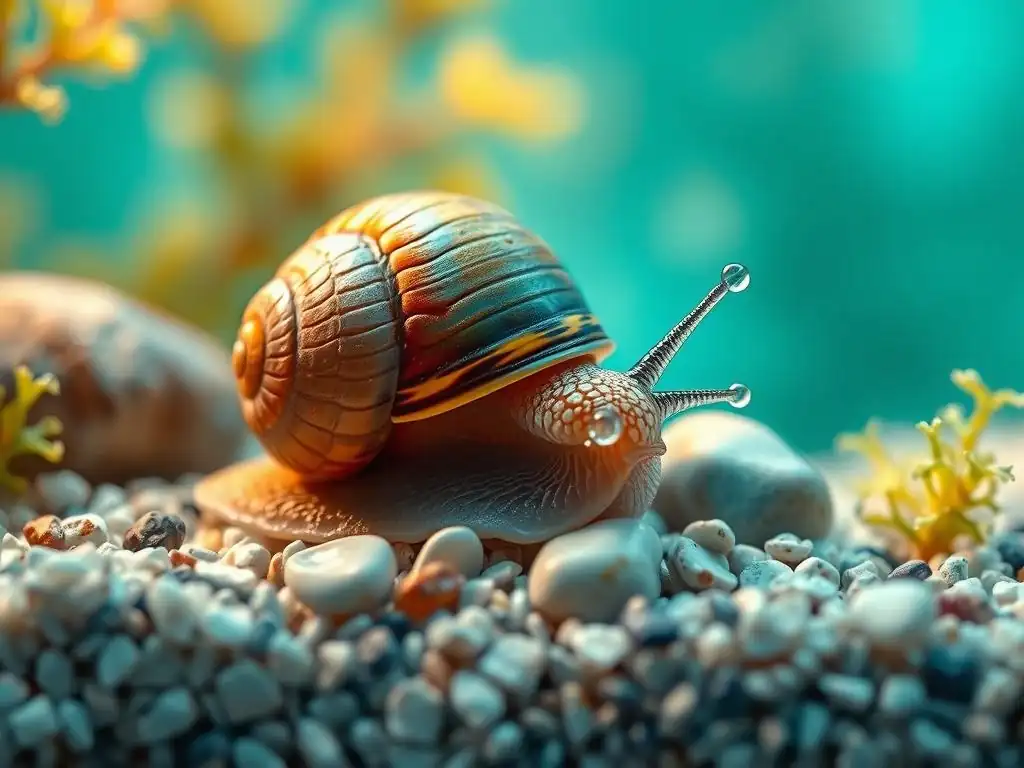
Mystery Snails: Troubleshooting Common Issues
Mystery Snails (Pomacea diffusa), popular for their vibrant colors and active nature, are unfortunately prone to specific snail problems freshwater aquarium keepers frequently report, primarily related to shell health. Due to their rapid growth and relatively large shell size, they have a high demand for calcium. In soft or acidic water (pH below 7.0 or GH below 7 dGH), their shells can become thin, brittle, or develop severe pitting and erosion, especially around the apex.
This makes them vulnerable to injury and secondary bacterial infections. Ensuring a consistent supply of calcium through diet (e.g., calcium-fortified algae wafers) and water (e.g., cuttlebone, crushed coral) is paramount.
Another common issue is prolonged inactivity or refusal to eat, which often indicates poor water quality or nutritional deficiencies. Mystery Snails are active scavengers; if they remain retracted or lie motionless for extended periods (e.g., over 24 hours), it's a strong signal to check ammonia, nitrite, and nitrate levels, as well as pH. They also require a varied diet beyond just tank algae; if sufficient food isn't available, they can starve. Offering blanched zucchini, spinach, or dedicated snail foods can quickly address dietary-related lethargy.
Nerite Snails: Addressing Algae Control Challenges
Nerite Snails (Neritina spp.) are highly valued for their exceptional algae-eating capabilities, making them a popular choice for controlling various types of algae. However, this strict algaevorous diet can lead to specific snail problems freshwater aquarium owners face if not managed correctly.
While they excel at consuming diatoms (brown algae) and soft green algae, they are generally ineffective against stubborn types like hair algae or black beard algae. If the tank is too clean and lacks sufficient natural algae growth, Nerite Snails can slowly starve, becoming lethargic and eventually dying, often without visible signs of distress until it's too late.
To prevent starvation, it is crucial to supplement their diet if natural algae are scarce. High-quality spirulina flakes or algae wafers should be offered regularly, especially if you observe them spending extended periods motionless on surfaces that are typically covered in algae. Nerite snails are also sensitive to water quality, particularly elevated nitrate levels (above 20 ppm) and rapid pH fluctuations, which can cause stress and reduce their activity. Maintaining stable, pristine water conditions is key to ensuring their long-term health and preventing these common snail problems freshwater aquarium environments can pose to these specialized grazers.
Ramshorn Snails: Managing Population Explosions and Health Concerns
Ramshorn Snails (Planorbella spp.) are incredibly hardy and resilient, but their most common "problem" in freshwater aquariums is their prolific breeding rate. Being hermaphroditic, a single snail can lay clutches of eggs, and a small initial group can quickly multiply into hundreds if conditions are favorable, particularly if overfeeding occurs. This rapid population explosion can lead to an unsightly number of snails and contribute to increased bioload, potentially causing water quality issues if not managed. This is a classic example of snail problems freshwater aquarium owners often find themselves grappling with.
While generally robust, sudden mass die-offs of Ramshorn Snails can indicate severe underlying issues. These hardy snails are often the "canaries in the coal mine" for significant water quality problems, such as a sudden ammonia or nitrite spike, or the accidental introduction of copper into the tank. Their deaths should prompt immediate and thorough water testing. Controlling their population typically involves reducing feeding (as excess food fuels their reproduction), manual removal, or, if absolutely necessary and compatible with other tank inhabitants, introducing snail-eating fish like Assassin Snails or certain loaches.
Assassin Snails: Ensuring Adequate Food Supply and Avoiding Starvation
Assassin Snails (Clea helena) are unique among freshwater snails as they are carnivorous, primarily preying on other snails. They are often introduced into aquariums specifically to control pest snail populations like Ramshorns or Pond Snails. However, this carnivorous diet presents its own set of challenges, as a common cause of snail problems freshwater aquarium owners experience with Assassin Snails is starvation once their primary food source (other snails) has been depleted.
If there are no other snails left in the tank for Assassin Snails to prey upon, it is crucial to supplement their diet to prevent them from starving. They will not typically graze on algae wafers or blanched vegetables. Instead, offer high-protein sinking pellets, frozen bloodworms, brine shrimp, or chopped earthworms a few times a week.
Observe their behavior; if they are constantly sifting through the substrate without finding prey or appear lethargic, it's a clear sign they are not getting enough to eat. Providing a consistent and appropriate protein source is vital for their survival and prevents this specific type of snail problem freshwater aquarium keepers might overlook.
When to Consider Removing a Dying Snail from Your Aquarium
Preventing Ammonia Spikes from Decomposing Snails
The decomposition of a dying or deceased snail can rapidly and significantly degrade water quality, posing a serious threat to other inhabitants in your freshwater aquarium. A dead snail's body contains a large amount of organic matter which, as it breaks down, releases ammonia (NH3) directly into the water. In smaller tanks, or those with inadequate filtration, a single decomposing snail, especially a larger species like a Mystery Snail, can cause a dangerous ammonia spike. For example, a deceased large Mystery Snail in a 10-gallon tank can elevate ammonia levels from 0 ppm to 1-2 ppm within 24-48 hours.
This sudden increase in ammonia is highly toxic to fish and other invertebrates, leading to gill damage, stress, and potentially mass mortality. Therefore, it is crucial to remove any snail that appears to be dying or is confirmed deceased as quickly as possible. Regularly checking your snails for signs of distress, and promptly removing any unresponsive or foul-smelling individuals, is a key step in preventing widespread snail problems freshwater aquarium ecosystems are susceptible to.
Proper Disposal Methods for Deceased Snails
Once you have identified a deceased snail, ensuring its proper and humane disposal is important. To confirm a snail is truly dead, gently prod it with a net or stick; if there is no movement or retraction after several minutes, and a distinct foul odor is present (the most reliable indicator), it is highly likely the snail has passed. Do not attempt to reintroduce a snail that has been removed for a "smell test" back into the tank, as the odor indicates decomposition and contamination.
Under no circumstances should dead snails be flushed down the toilet or released into local waterways. This practice can introduce non-native species or pathogens into sensitive ecosystems, potentially causing ecological harm. The most appropriate and environmentally responsible method of disposal is to place the deceased snail in a sealed plastic bag and dispose of it in your household trash. Alternatively, for those who prefer, burying the snail in a garden away from any natural water sources is also a suitable option.
Frequently Asked Questions
What are some common reasons why snails die in a freshwater aquarium?
Many factors can lead to snail death, including poor water quality, inadequate food, and lack of essential minerals like calcium.
How can I improve water quality to help my snails thrive?
Regular water changes are critical. Also, ensure your aquarium is properly cycled to reduce harmful ammonia and nitrite levels. Check your parameters frequently.
What kind of food should I provide for my snails in a freshwater aquarium?
Snails often eat algae, but also need supplemental food. Offer algae wafers, blanched vegetables (like zucchini), and calcium-rich foods to prevent shell deterioration.
How do I know if my freshwater aquarium has enough calcium for my snails?
Test your water for calcium and carbonate hardness (KH). Low levels can cause shell problems. Supplement with calcium additives if necessary.
What are some signs that my snails are experiencing a problem in my freshwater aquarium?
Look for signs like lethargy, shell degradation, or unusual floating behavior. These can indicate illness or poor water conditions.
Final Reflection: The Resilient Ecosystem Within
The delicate balance of a freshwater aquarium, often taken for granted, is a microcosm of the larger world. Understanding and addressing snail problems is not just about keeping a pet alive; it's about fostering a healthy and thriving ecosystem. The challenges we face in maintaining this miniature world mirror the challenges we face in preserving our planet, demanding attention, knowledge, and a commitment to responsible stewardship.
This journey into troubleshooting snail problems has underscored the interconnectedness of life within an aquarium. It's a reminder that even the smallest creatures play a vital role, and their well-being reflects the overall health of the environment. The greatness of a nation and its moral progress can be judged by the way its animals are treated.
- Mahatma Gandhi. This quote, though often applied to larger animals, resonates deeply here, highlighting the ethical responsibility we have towards all living beings, regardless of size.
Now, armed with this knowledge, consider the impact you can have. Don't just be an observer in your aquarium's ecosystem; be an active participant in its well-being. Take the lessons learned here – the importance of water quality, balanced feeding, and careful observation – and apply them not only to your snails but to your approach to the world around you. Strive to create a thriving environment, both within your glass walls and beyond.
Uncover the Secrets to Thriving Snails!
Thanks for diving into the world of snail care! Hopefully, you've gained some valuable insights to help your shelled friends flourish. Now, let's put that knowledge into action.
Here are a few things you can do right now:
- Immediately test your water parameters! Knowing the pH, ammonia, nitrite, and nitrate levels is crucial for identifying potential problems and ensuring your snails' health.
- Share this article with other aquarium enthusiasts! Helping others avoid common snail care mistakes benefits the whole community.
- Document your snail care journey: Start a small journal where you can record water parameters and snail behaviour.
What's one specific change you'll make to your aquarium today based on what you've learned?