
Sexing Clownfish: Unveiling the Secrets of Protandrous Hermaphroditism for Breeding

Welcome to Aquarium Mastery!
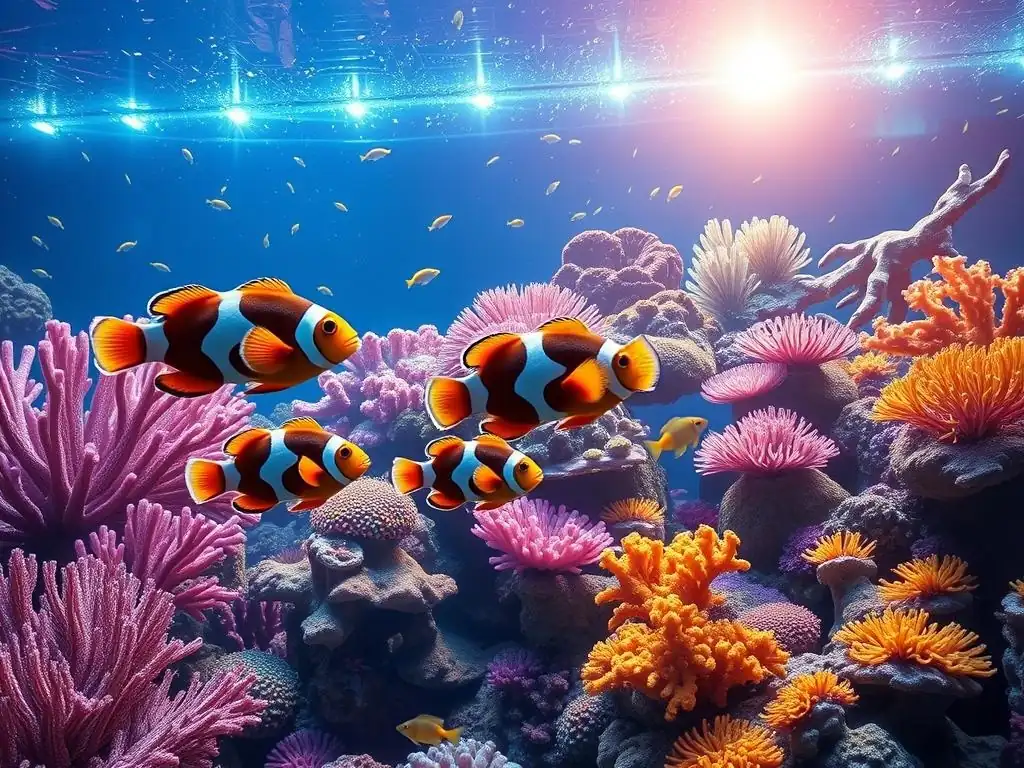
Ever wondered about the fascinating lives hidden beneath the waves in your saltwater aquarium? Dive deep with us into the captivating world of clownfish! Unravel the mysteries of their unique life cycle and learn how to distinguish male from female with our comprehensive Clownfish Sexing & Breeding Guide. Are you ready to unlock the secrets to successful clownfish breeding? Let's explore the wonders of protandrous hermaphroditism together!
- Clownfish Breeding Guide: From Pair Selection to Raising Fry
- Understanding Clownfish Biology for Breeding
- Selecting a Breeding Pair: Compatibility and Health
- Setting Up the Breeding Tank: Environment and Equipment
- Triggering Spawning: Water Quality and Diet
- Egg Care and Hatching: Maximizing Survival
- Raising Clownfish Fry: Nutrition and Environment
- Addressing Common Breeding Challenges
- Clownfish Breeding: Advanced Techniques
- Clownfish Breeding: Resources and Continued Learning
- Frequently Asked Questions
- Final Reflection: Embracing the Fluidity of Nature
- Unlock Your Clownfish Breeding Journey!
Clownfish Breeding Guide: From Pair Selection to Raising Fry
Understanding Clownfish Biology for Breeding
Protandrous Hermaphroditism: The Basics
Clownfish, members of the Amphiprioninae subfamily, exhibit a fascinating biological trait known as protandrous hermaphroditism. This means that all clownfish are born as undifferentiated males, possessing both male and female reproductive organs, though only the male organs are functional initially. Their sex is not fixed at birth but can change later in life, specifically from male to female, a process triggered by social cues within their group. This unique characteristic is fundamental to understanding their pairing and breeding behaviors.
For instance, in a typical wild or captive group of Ocellaris clownfish ( Amphiprion ocellaris), the largest and most dominant individual will mature into a functional female. The second largest individual will develop into a functional male, and any smaller, subordinate individuals will remain immature males.
The female can grow significantly larger than her male counterpart, often reaching lengths of up to 4 inches (10 cm), while the male typically remains around 2.5 to 3 inches (6-8 cm). This size disparity is a key indicator of their established sexes and a crucial aspect for any successful clownfish sexing breeding guide.
The social structure of clownfish is highly hierarchical and dictates their sex change dynamics. In any given group, there is a strict pecking order, with the largest individual asserting dominance. This dominant individual suppresses the sexual maturation of all other group members. If the dominant female is removed or dies, the largest remaining male will undergo a sex change, transforming into a female. This transition can take several weeks to a few months, depending on the species, the individual's age and size, and environmental conditions.
Once the former male has successfully transitioned into a female, the next largest individual in the group will then mature into a functional male, taking on the role of the breeding male. This dynamic ensures that a breeding pair is always present to perpetuate the species, even if the primary female is lost. Understanding this fluid social structure and the mechanisms of sex change is paramount for aquarists aiming to establish a compatible breeding pair, as simply adding two random clownfish together often leads to aggression rather than a successful clownfish sexing breeding guide outcome.
Why Understanding Sex is Crucial for Breeding Success
Understanding the protandrous hermaphroditism and social hierarchy of clownfish is not merely academic; it is absolutely crucial for any successful clownfish breeding endeavor. Without this knowledge, hobbyists frequently attempt to pair two young clownfish of similar size, assuming they will naturally form a breeding pair. However, this often results in two males fighting for dominance, or one eventually transitioning to a female while the other remains male, but only after potentially prolonged aggression and stress. A truly effective clownfish sexing breeding guide emphasizes starting with appropriate individuals.
A successful breeding pair almost invariably consists of a larger, dominant female and a smaller, submissive male. The size difference is the most reliable visual indicator of their established sexes and roles. Attempting to breed two females (which would be two large, dominant fish) will result in extreme aggression and likely harm. Similarly, two males of similar size might never establish a clear hierarchy, leading to chronic stress or even death. Therefore, an informed approach to clownfish sexing and pair selection, based on their natural biology, is the cornerstone of a productive breeding program.
Selecting a Breeding Pair: Compatibility and Health
Observing Behavior for Pair Bonding
Selecting a compatible breeding pair is a critical first step in any clownfish sexing breeding guide. While the size difference is a primary indicator of sex, observing their behavior is equally important for confirming pair bonding. When introducing two potential partners, look for signs of peaceful coexistence and interaction, rather than constant aggression. A healthy pair will often swim together, investigate their territory side-by-side, and even engage in gentle nipping or "dancing" movements, particularly around a chosen nesting site or host anemone.
Initial interactions might involve some chasing or fin-nipping, which is normal as they establish their hierarchy. However, sustained, aggressive behavior where one fish is constantly harassing or inflicting visible damage on the other is a clear sign of incompatibility. In such cases, separating the fish is necessary to prevent injury or death. A truly bonded pair, especially one that has been together for several months, will exhibit a strong affiliation, rarely straying far from each other, and often sleeping side-by-side. This behavioral compatibility is just as vital as their biological suitability.
Assessing Health and Identifying Potential Issues
Before attempting to breed clownfish, a thorough assessment of their health is paramount. Healthy fish are more likely to pair successfully, spawn, and produce viable offspring. Look for active swimming, clear eyes, intact fins without fraying or nips, and a vibrant, unblemished coloration appropriate for their species. Their bodies should be full and rounded, not pinched or emaciated, which can indicate internal parasites or malnutrition. Respiration should be calm and steady, not rapid or labored.
Any signs of disease, such as white spots (ich), velvet, cloudy eyes, fin rot, or unusual growths, should be addressed immediately. A fish exhibiting these symptoms should be isolated and treated before being considered for a breeding program. Furthermore, ensure both potential breeders are well-fed and robust.
A diet rich in high-quality protein and essential fatty acids, such as spirulina-enriched brine shrimp, mysis shrimp, and various marine pellets, is crucial for conditioning them for spawning. Ignoring these health checks can lead to failed breeding attempts and the potential spread of disease to future fry, undermining the entire clownfish sexing breeding guide effort.
Quarantine Procedures Before Introduction
Implementing strict quarantine procedures for any new clownfish, especially those intended for a breeding program, is non-negotiable. A dedicated quarantine tank, separate from the main display or breeding system, should be set up for a minimum of four to six weeks. During this period, the fish should be closely observed for any signs of disease or parasites. Even if the fish appears healthy upon arrival, many pathogens have incubation periods that can last several weeks before symptoms become apparent.
The quarantine tank allows for observation, pre-emptive treatment if necessary, and acclimation to new water parameters without risking the health of existing tank inhabitants. For example, a common practice is to treat new fish with a broad-spectrum anti-parasitic medication and an antibiotic, even if no symptoms are present, as a preventative measure.
This proactive approach significantly reduces the risk of introducing diseases like marine ich ( Cryptocaryon irritans) or velvet ( Amyloodinium ocellatum) into your established breeding system, which could decimate a spawning pair or, worse, infect fragile clownfish fry. A robust quarantine protocol is a fundamental pillar of any responsible clownfish sexing breeding guide.
Setting Up the Breeding Tank: Environment and Equipment
Tank Size and Filtration Requirements
For a successful clownfish breeding setup, the tank size and filtration system are critical. While a pair of Ocellaris clownfish can live in a relatively small tank, a dedicated breeding setup typically requires a minimum of 20 to 30 gallons (approximately 75-115 liters). This size provides ample space for the pair to establish territory, for eggs to be laid, and for the overall water volume to remain stable. Larger tanks, such as 40 gallons (150 liters), offer even greater stability and reduce the impact of waste products.
Filtration should be robust but gentle. A hang-on-back (HOB) filter with good mechanical and biological filtration is often sufficient for smaller breeding tanks. Alternatively, a small sump system can provide excellent biological filtration and allow for the placement of a protein skimmer, which is highly recommended. For instance, a protein skimmer rated for 50-75 gallons on a 30-gallon breeding tank will efficiently remove organic waste, maintaining pristine water quality crucial for egg development and fry survival. Avoid excessive water flow that could disturb eggs or newly hatched fry.
Substrate and Aquascaping Considerations
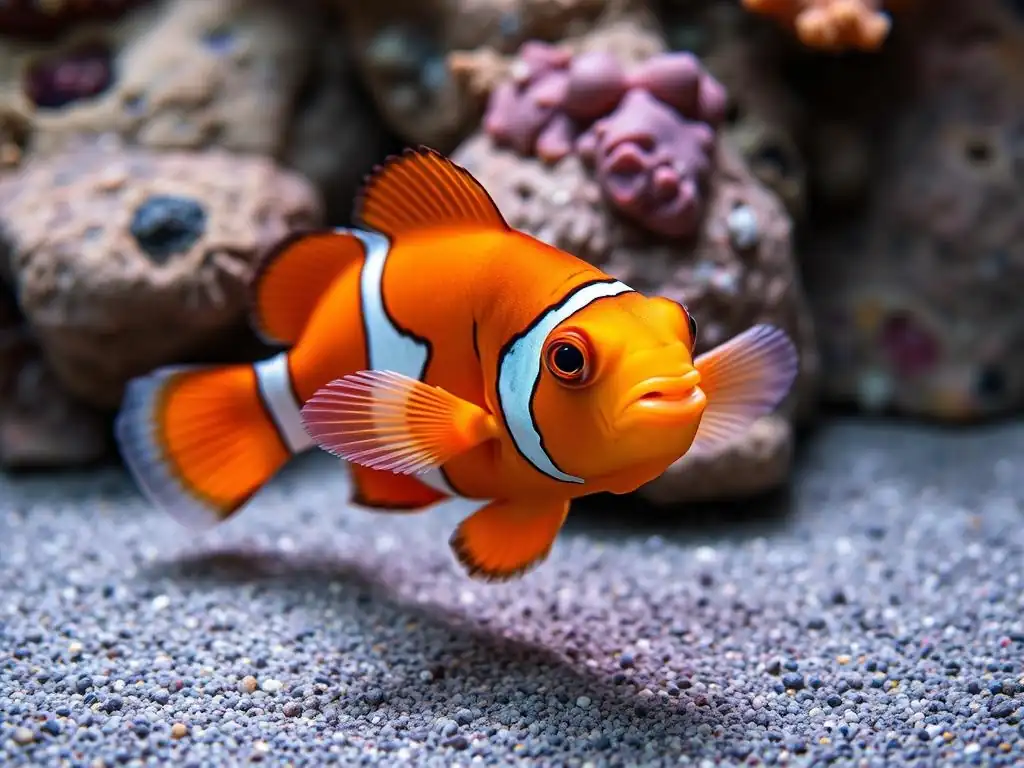
The choice of substrate and aquascaping elements directly impacts where clownfish will choose to lay their eggs. Clownfish are substrate spawners, meaning they lay their eggs on a flat, hard surface. In a breeding tank, this can be a flat piece of slate, a ceramic tile, a terracotta pot, or even the glass bottom itself. Many breeders prefer a bare bottom tank or a very thin layer of fine sand (less than 1 inch or 2.5 cm) to facilitate cleaning and prevent detritus accumulation, which can harbor harmful bacteria.
When aquascaping, prioritize functionality over aesthetics. Provide a suitable spawning surface that is easily accessible to the clownfish and, crucially, to the aquarist for observation and potential egg removal. A small, flat rock placed in a prominent location is often ideal.
While clownfish are famously associated with anemones, an anemone is not strictly necessary for breeding in captivity. In fact, some breeders prefer to breed without an anemone to avoid the risk of the anemone moving and harming the eggs or the pair, simplifying the clownfish sexing breeding guide process. If an anemone is used, ensure it is firmly anchored and stable.
Essential Equipment: Heaters, Lighting, and Circulation
Beyond the tank and filtration, several pieces of essential equipment contribute to a stable and conducive breeding environment. A reliable heater, appropriately sized for the tank volume, is necessary to maintain a consistent water temperature, typically between 78-82°F (25.5-27.8°C). Temperature fluctuations can stress the fish and hinder spawning. Using two smaller heaters instead of one large one can provide a safeguard against heater failure, ensuring stability.
Lighting should be adequate for observation and to establish a natural day/night cycle, but intense lighting is not required for breeding. Standard LED or fluorescent lights are usually sufficient. A 10-12 hour photoperiod is generally recommended. Circulation within the tank should be gentle but effective, providing enough flow to prevent dead spots without creating strong currents that could dislodge eggs or stress the pair. A small powerhead with adjustable flow or a simple air stone can provide adequate circulation. These environmental controls are fundamental for a comprehensive clownfish sexing breeding guide.
Triggering Spawning: Water Quality and Diet
Maintaining Optimal Water Parameters
Consistent and optimal water parameters are paramount for triggering clownfish spawning. Stable salinity levels, typically between 1.023 and 1.026 specific gravity, are crucial. Temperature should be maintained within the optimal range of 78-82°F (25.5-27.8°C), as slight increases within this range can sometimes act as a spawning trigger. Regular water changes, typically 10-20% weekly, are essential to keep nitrates low (ideally below 10 ppm) and replenish trace elements.
Alkalinity (dKH), calcium, and magnesium levels should also be monitored and maintained within reef-safe parameters (e.g., dKH 8-12, Calcium 400-450 ppm, Magnesium 1250-1350 ppm). While not as critical as for corals, stable parameters contribute to overall fish health and egg development. For instance, a sudden drop in pH or a spike in ammonia can halt spawning activity or lead to unviable eggs. Consistent water quality creates a stress-free environment, signaling to the clownfish that conditions are favorable for reproduction, a key aspect of any effective clownfish sexing breeding guide.
Nutritional Requirements for Breeding Condition
A high-quality, varied diet is indispensable for conditioning clownfish for breeding. A pair that is well-fed and nutritionally robust is far more likely to spawn regularly and produce healthy, viable eggs. Their diet should consist of a diverse array of protein-rich foods, including frozen mysis shrimp, enriched brine shrimp, finely chopped seafood (such as clams, scallops, or fish flesh), and high-quality marine pellets or flakes.
Many breeders also incorporate vitamin supplements, such as Selcon or other marine fish vitamins, soaked into their frozen foods a few times a week. Feeding small amounts multiple times a day (3-5 times) is often more effective than one large feeding, as it mimics their natural foraging behavior and ensures a steady supply of nutrients. For example, increasing the frequency and quantity of protein-rich foods for several weeks leading up to an anticipated spawn can significantly improve egg production and fertility. This focus on nutrition is a cornerstone of any successful clownfish sexing breeding guide.
Environmental Triggers for Spawning
While optimal water quality and diet are foundational, certain environmental cues can help trigger spawning in conditioned clownfish. A slight increase in water temperature by 1-2°F (0.5-1°C) within their preferred range (e.g., from 78°F to 80°F) can sometimes stimulate breeding activity. Mimicking natural lunar cycles by adjusting lighting intensity or duration, though not always necessary, has been reported to encourage spawning in some species.
Perhaps the most significant environmental trigger, especially for Ocellaris and Percula clownfish, is the presence of a suitable spawning surface. If they haven't chosen one, providing various options like flat rocks, terracotta pots, or even a section of PVC pipe can encourage them.
Some breeders also report that changes in water flow or the introduction of a new, healthy host anemone (if used) can sometimes spur a reluctant pair to spawn. Consistent observation of the pair's behavior will help identify if they are "gravid" (full of eggs) and ready to spawn, indicating the success of your clownfish sexing breeding guide efforts.
Egg Care and Hatching: Maximizing Survival
Identifying and Protecting Clownfish Eggs
Once a clownfish pair begins spawning, identifying and protecting their eggs becomes the next critical phase. Clownfish eggs are typically orange to reddish-orange, oval-shaped, and laid in a neat, often circular, cluster on a chosen flat surface. A typical clutch can range from 100 to over 1,000 eggs, depending on the female's size, age, and species. The male clownfish will diligently guard and tend to the eggs, fanning them with his fins to provide oxygenation and removing any unfertilized or diseased eggs.
During this period, it's crucial to minimize disturbances to the breeding tank. Avoid sudden movements, loud noises, or unnecessary tank maintenance that could stress the parents and cause them to neglect or even consume the eggs. Observe the male's fanning behavior; it's a strong indicator of healthy parental care. As the eggs develop, their color will gradually darken, and tiny silver eyes will become visible within each egg a day or two before hatching. This visual progression is a vital part of the clownfish sexing breeding guide for monitoring egg viability.
Incubation Techniques: Artificial vs. Parental Care
There are two primary methods for incubating clownfish eggs: leaving them with the parents (parental care) or removing them for artificial incubation. Parental care is the most natural method, where the male continues to guard and fan the eggs until they hatch, usually 7-10 days after spawning, depending on water temperature. This method often results in excellent hatch rates, but the newly hatched fry are then released into the main tank, where they are highly susceptible to predation by other tank inhabitants or being drawn into filtration.
For higher fry survival rates, many breeders opt for artificial incubation. This involves carefully removing the egg clutch from the breeding tank, typically on the day before hatching, and placing it in a dedicated larval rearing tank. The egg clutch can be gently scraped off its surface or, if laid on a removable tile, the tile itself can be transferred.
In the larval tank, the eggs need gentle aeration (e.g., from an air stone) to mimic the male's fanning and prevent fungal growth. This controlled environment significantly increases the chances of successful hatching and is a key step in any detailed clownfish sexing breeding guide.
Preventing Fungal Infections in Eggs
Fungal infections are a common threat to developing clownfish eggs, particularly in artificial incubation setups. Unfertilized eggs or those that die during development are highly susceptible to fungal growth, which can then spread rapidly to healthy eggs, reducing the overall hatch rate. These infected eggs typically turn opaque white. The male clownfish in a parental care setup will diligently remove these, but in an artificial setup, the aquarist must take preventative measures.
Maintaining pristine water quality in the larval rearing tank is the first line of defense. The water should be filtered and maintained at optimal parameters. Gentle water flow or aeration around the eggs is critical to prevent stagnation and ensure oxygen delivery.
Some breeders also use a very mild fungicidal treatment or a small amount of methylene blue in the incubation water, though this should be done cautiously as it can stain equipment. Regularly inspecting the clutch and carefully siphoning out any dead or infected eggs can also prevent the spread of fungus, ensuring a higher yield from your clownfish sexing breeding guide efforts.
Raising Clownfish Fry: Nutrition and Environment
First Foods: Rotifers, Copepods, and Artemia
The first few days after hatching are the most critical for clownfish fry, as they require specific, live foods due to their small mouthparts and undeveloped digestive systems. Rotifers ( Brachionus plicatilis) are the universally accepted first food for most clownfish species, typically fed for the first 5-7 days post-hatch. These microscopic organisms are small enough for the fry to consume and provide essential nutrition. A typical feeding regimen involves maintaining a density of 10-15 rotifers per milliliter in the larval rearing tank.
As the fry grow, usually around day 5-7, they can be transitioned to larger live foods like newly hatched brine shrimp nauplii ( Artemia nauplii). These are larger and more nutritious than rotifers, providing a vital bridge to prepared foods. Some advanced breeders also incorporate copepods, such as Tisbe or Apocyclops, which offer superior nutritional profiles and are a natural food source for marine larvae. Ensuring a continuous supply of these live foods, often requiring dedicated cultures, is paramount for successful fry rearing and a detailed clownfish sexing breeding guide.
Maintaining Water Quality for Fry Development
Maintaining pristine water quality in the larval rearing tank is even more critical than in an adult tank, given the extreme sensitivity of clownfish fry. Their small size means they are highly susceptible to even minute fluctuations in parameters or the buildup of waste products. Daily, small water changes (10-20%) are often necessary, using aged, pre-mixed saltwater that matches the temperature and salinity of the rearing tank exactly.
Ammonia and nitrite levels must remain at zero parts per million (ppm) at all times, and nitrates should be kept as low as possible, ideally below 5 ppm. A gentle air stone provides essential oxygenation and circulation without creating strong currents that could harm the delicate fry.
For example, a common practice is to use a "blackout" period for a few hours each day to reduce algal growth and allow the fry to rest. Consistent monitoring with accurate test kits and immediate corrective action are non-negotiable for high fry survival rates, making it a key component of any comprehensive clownfish sexing breeding guide.
Gradual Weaning onto Prepared Foods
As clownfish fry grow, typically starting around 10-14 days post-hatch, they become large enough to begin accepting prepared foods. This process, known as weaning, is crucial for reducing reliance on live food cultures and preparing them for a standard aquarium diet. The transition should be gradual, introducing finely powdered dry foods specifically designed for marine fry, such as micro-pellets or crumbled flakes, alongside their live food diet.
Initially, the prepared food can be offered alongside brine shrimp. Over several days to a week, the proportion of prepared food can be slowly increased while the live food is gradually reduced. For instance, you might start with 80% brine shrimp and 20% dry food, then shift to 50/50, and eventually to 20/80.
By three to four weeks old, most clownfish fry should be largely weaned onto prepared foods, though occasional live food treats are always beneficial. Successful weaning is a significant milestone in the clownfish sexing breeding guide, indicating the fry are on their way to becoming robust juveniles.
Addressing Common Breeding Challenges
Incompatible Pairs: Signs and Solutions
One of the most common challenges in clownfish breeding is an incompatible pair. Despite efforts in clownfish sexing and selection, some pairs simply do not bond or exhibit persistent aggression. Signs of incompatibility include constant chasing, nipping at fins or body, one fish hiding continuously, or visible injuries such as torn fins or scale loss. If aggression persists for more than a few days after introduction, it's a strong indicator of a poor match.
Solutions involve immediate separation to prevent serious harm. You can try reintroducing them after a period of separation (e.g., a few weeks) with a tank divider, allowing them to see each other without physical contact, then removing the divider. However, if aggression resumes, it's often best to rehome one of the fish and try pairing the remaining clownfish with a new, appropriately sized partner. Sometimes, the size difference might not be pronounced enough, and one fish refuses to submit. A successful clownfish sexing breeding guide acknowledges that not all initial pairings will work out.
Low Hatch Rates: Identifying Potential Causes
Experiencing low hatch rates after a clownfish spawns can be disheartening, but identifying the underlying causes is key to improvement. One common reason is unfertilized eggs, often indicated by eggs that remain clear or turn white and fuzzy shortly after spawning, unlike fertilized eggs which darken as they develop. This can be due to an immature male, a male that is not strong enough, or a non-compatible pair where the male isn't properly fertilizing the eggs.
Other causes include poor water quality during incubation, such as high nitrates or low oxygen levels, which can suffocate the developing embryos. Fungal infections, as previously discussed, can also decimate a clutch. Environmental disturbances, like strong currents or sudden temperature swings, can stress the parents into neglecting or even consuming the eggs. Reviewing your water parameters, feeding regimen, and parental behavior against a comprehensive clownfish sexing breeding guide can help pinpoint the issue. For example, if eggs are turning white, checking male maturity and water parameters is the first step.
Disease Prevention and Treatment in Fry
Clownfish fry are incredibly delicate and highly susceptible to diseases. Prevention is always the best approach, as treating diseases in such small, fragile organisms is extremely challenging. Maintaining impeccable water quality in the larval rearing tank is the single most important preventative measure. Regular, small water changes with aged, pristine saltwater will minimize bacterial buildup and stress.
Ensuring the live foods (rotifers, brine shrimp) are gut-loaded with nutritious enrichment products and free of pathogens is also vital, as contaminated food can introduce disease. Overfeeding should be avoided as it quickly fouls the water. If disease symptoms like rapid breathing, cloudy eyes, or unusual swimming appear, it's often too late for effective treatment without significant losses. Some breeders use prophylactic treatments like very low doses of antibiotics or anti-parasitics, but this carries risks. The best clownfish sexing breeding guide emphasizes a sterile, stable environment as the ultimate defense against fry diseases.
Clownfish Breeding: Advanced Techniques
Selective Breeding for Color and Patterns
For the dedicated aquarist, clownfish breeding extends beyond simply producing offspring; it offers the opportunity for selective breeding to enhance desirable traits like unique color mutations and intricate patterns. This involves carefully selecting parent fish that exhibit the desired characteristics, such as vibrant orange, extreme white banding, or specific black markings seen in "Black Ice" or "Snowflake" clownfish varieties. By breeding these specific phenotypes together, breeders aim to increase the probability of their offspring inheriting and expressing these traits.
For example, to produce "Picasso" clownfish, which have irregular and splotchy white patterns, breeders would select two parent fish that both exhibit strong Picasso patterns. Over successive generations, by culling offspring that do not meet the desired standards and breeding only those that do, the consistency and quality of the specific pattern can be significantly improved. This long-term commitment to genetic selection is a fascinating aspect of advanced clownfish sexing breeding guide practices, requiring meticulous record-keeping of lineage and traits.
Implementing a Culling Strategy for Healthy Offspring
While the term "culling" might sound harsh, it is a common and often necessary practice in professional and advanced breeding operations to ensure the health, vitality, and genetic quality of the offspring. Culling involves removing fry or juveniles that exhibit deformities, significant growth discrepancies, or signs of genetic weakness. This practice helps to prevent the proliferation of undesirable traits and ensures that resources (food, tank space) are concentrated on the healthiest and most robust individuals.
For example, if a batch of fry consistently shows spinal deformities or underdeveloped fins, removing these individuals prevents them from passing on those genetic predispositions. It also ensures that the remaining healthy fry have less competition for food and space, leading to faster growth and stronger development. A well-implemented culling strategy, while difficult for some hobbyists, is a critical component for maintaining the integrity of a breeding line and is often detailed in advanced clownfish sexing breeding guide resources.
Optimizing Anemone Use for Enhanced Breeding
While anemones are not strictly necessary for clownfish to spawn in captivity, optimizing their use can sometimes enhance breeding success and natural behavior. A healthy, well-established host anemone, such as a Bubble Tip Anemone ( Entacmaea quadricolor) or a Carpet Anemone ( Stichodactyla haddoni), can provide a sense of security and a natural spawning surface for the clownfish. This can reduce stress on the breeding pair, potentially leading to more frequent or larger spawns.
However, using an anemone in a breeding tank requires careful consideration. Anemones can move, potentially stinging eggs or even the parent fish if they become trapped. They also require pristine water quality and specific lighting, which can complicate the breeding tank setup.
For instance, ensuring the anemone is well-fed and securely anchored in a location where it won't disturb the eggs is crucial. Some breeders opt to use artificial host substitutes, like terracotta pots or PVC pipe sections, as a stable, predictable spawning site that eliminates the risks associated with live anemones, while still providing a sense of territory for the pair, an alternative discussed in a comprehensive clownfish sexing breeding guide.
Clownfish Breeding: Resources and Continued Learning
Importance of Record Keeping and Observation
Meticulous record-keeping and diligent observation are invaluable tools for any aspiring or experienced clownfish breeder. Maintaining detailed logs of spawning dates, clutch sizes, hatch rates, and fry survival rates provides crucial data for analyzing trends, identifying problems, and refining breeding techniques. For example, noting changes in water parameters before a successful spawn versus an unsuccessful one can help pinpoint optimal conditions.
Beyond numerical data, detailed observations of parental behavior, fry development, and responses to different feeding regimens offer qualitative insights. Are the parents fanning diligently? Are the fry actively feeding? Do they exhibit any unusual swimming patterns? These observations help a breeder understand their specific pair's nuances and adapt their approach accordingly. A dedicated breeding journal or spreadsheet is an indispensable resource, transforming trial and error into a systematic learning process, central to any effective clownfish sexing breeding guide.
Recommended Resources for Further Research
The world of clownfish breeding is vast and constantly evolving, with new techniques and insights emerging regularly. For those looking to deepen their knowledge, several resources are highly recommended. Online forums and communities dedicated to marine aquaculture, such as Reef2Reef or Marine Breeders Initiative (MBI), offer a wealth of shared experiences, troubleshooting advice, and direct interaction with other breeders. These platforms often contain detailed threads on specific challenges like clownfish sexing breeding guide nuances or fry rearing.
Specialized books on marine fish breeding, such as "Clownfish: A Guide to the Captive Care, Breeding & Natural History" by Joyce D. Wilkerson, provide comprehensive theoretical and practical information. Scientific journals and university extension publications on aquaculture also offer cutting-edge research, though they may be more technical. Attending local aquarium club meetings or online webinars can also provide valuable insights and networking opportunities with experienced aquarists.
The Ongoing Journey of Clownfish Breeding
Clownfish breeding is not a destination but an ongoing journey of learning, experimentation, and dedication. Each spawn offers new insights, and every batch of fry presents unique challenges and triumphs. Even after successfully raising multiple batches, there's always more to learn about optimizing conditions, improving genetics, or refining feeding protocols. The satisfaction comes not just from producing new fish, but from mastering the intricate biology and environmental controls required.
The commitment to continuous improvement, coupled with a passion for these fascinating marine creatures, is what truly defines a successful clownfish breeder. From understanding the subtleties of clownfish sexing breeding guide principles to nurturing tiny fry, each step builds expertise. The rewards are immense, contributing to the hobby by reducing reliance on wild-caught specimens and pushing the boundaries of marine aquaculture.
Frequently Asked Questions
How can I determine the sex of my clownfish?
Clownfish are protandrous hermaphrodites, meaning they are born male and can change to female. Size is the primary indicator; the largest fish in a group is almost always female.
What does protandrous hermaphroditism mean in the context of clownfish?
It means all clownfish are born male, and the dominant male can transition into a female if the existing female dies or is removed. This ensures a breeding hierarchy within the anemone.
What are the key factors for successfully breeding clownfish in a home aquarium?
Maintaining excellent water quality is crucial, along with providing a suitable host anemone or surrogate. Consistent feeding and a stable environment will also encourage breeding.
How often do clownfish typically lay eggs?
Clownfish can lay eggs every few weeks, usually after a courtship ritual. The female will deposit eggs on a flat surface, and the male will fertilize and protect them.
What should I do if my clownfish are fighting?
Fighting typically occurs when establishing dominance. Ensure the tank is large enough and has enough hiding places. Monitor closely, and separate fish if aggression becomes excessive.
Final Reflection: Embracing the Fluidity of Nature
The journey into understanding the sexing and breeding of clownfish, as we've explored, isn't just about mastering aquaculture techniques; it's about recognizing the remarkable adaptability and inherent complexity of life itself. The protandrous hermaphroditism of these vibrant creatures serves as a potent reminder that nature often defies rigid categorization, offering a profound lesson in embracing fluidity and challenging our preconceived notions.
This fascinating biological phenomenon has not only revolutionized clownfish breeding practices but also subtly shifted our perspective on gender and identity in the natural world. Witnessing such a dramatic transformation firsthand, even through research, underscores the interconnectedness of all living things and the constant evolution that shapes our planet. The only constant in life is change.
- Heraclitus. This simple truth resonates deeply when considering the clownfish, a living testament to the power of adaptation and the beauty of biological diversity.
Now, as you close this guide, consider how the lessons learned from the clownfish can inform your own approach to challenges and opportunities. Embrace the unexpected, celebrate the unique, and remember that even within seemingly fixed systems, there exists the potential for profound transformation. Let the clownfish's journey inspire you to cultivate a deeper appreciation for the intricate tapestry of life and to approach the world with curiosity, empathy, and a willingness to adapt.
Unlock Your Clownfish Breeding Journey!
Thanks for diving deep into the fascinating world of clownfish! We hope you've found this guide insightful and are ready to put your knowledge to the test. Now, it's time to take action and bring your clownfish breeding dreams to life.
Here are a few things you can do next:
- Start Observing! Closely monitor your clownfish pair for subtle behavioral cues and physical changes that indicate dominance shifts and potential for breeding. Take detailed notes!
- Share this knowledge with fellow aquarists. You may be able to join or create a breeding co-op.
- Consider setting up a dedicated breeding tank, equipped with the essentials for clownfish reproduction, to give your pair the best possible chance of success.
What unique observations have you made about your clownfish's behavior that might hint at their sex or breeding potential?