
ThreeBand Anemonefish (Amphiprion tricinctus): Marshall Islands Marvel & Hosting Secrets

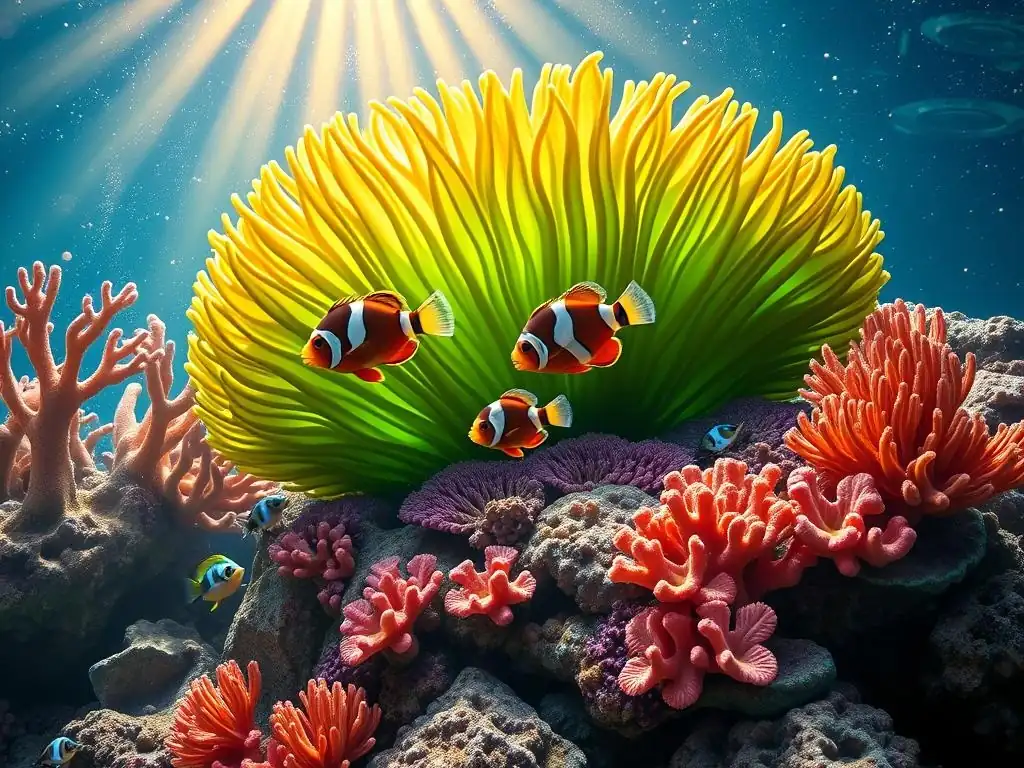
Welcome to Aquarium Mastery, where your underwater dreams come to life!
Ever wondered about the secrets to keeping the captivating Three-Band Anemonefish happy and thriving in your saltwater aquarium? Dive in, and discover everything you need to know about Amphiprion tricinctus, from their unique Marshall Islands origins to their fascinating relationship with host anemones. Get ready to unlock the mysteries of their care and create a slice of reef paradise in your own home!
- Understanding the Threeband Anemonefish: An Introduction to Amphiprion tricinctus
- Threeband Anemonefish Care: Essential Guide for Aquarists
- Anemone Symbiosis: The Secret to Threeband Anemonefish Happiness
- Threeband Anemonefish Breeding: A Comprehensive Guide
- Common Health Issues and Prevention for Threeband Anemonefish
- Where to Buy Threeband Anemonefish: Selecting Healthy Specimens
- The Allure of the Threeband Anemonefish: Why Choose Amphiprion tricinctus?
-
Frequently Asked Questions
- How difficult is it to care for Three Band Anemonefish (Amphiprion tricinctus)?
- What size aquarium is recommended for Three Band Anemonefish?
- What type of anemone is best for Three Band Anemonefish?
- What should I feed my Three Band Anemonefish?
- Are Three Band Anemonefish aggressive towards other fish?
- Final Reflection: Embracing the Symphony of Symbiosis
- Uncover the Secrets of the ThreeBand Anemonefish!
Understanding the Threeband Anemonefish: An Introduction to Amphiprion tricinctus
Origin and Distribution: The Marshall Islands' Native Clownfish
The Threeband Anemonefish, Amphiprion tricinctus, holds a unique place among clownfish species due to its highly restricted and specific natural distribution. This captivating marine fish is endemic to the Marshall Islands, an island nation composed of 29 atolls and five islands in the Pacific Ocean. Unlike many widely distributed clownfish, A. tricinctus is found almost exclusively within the coral reefs and lagoons surrounding these islands, making it a true regional marvel. Its presence is concentrated around the diverse coral ecosystems that characterize this archipelago, thriving in the sheltered waters and vibrant reef structures that offer both food and protection.
Within the Marshall Islands, the Threeband Anemonefish typically inhabits depths ranging from approximately 3 to 25 meters (about 10 to 80 feet). They are commonly observed in the outer reef slopes and sheltered lagoons where their host anemones flourish. This specific habitat preference underscores the importance of replicating similar conditions when considering Three band anemonefish care in a home aquarium. Their natural environment is characterized by stable water parameters, abundant coral growth, and a rich biodiversity that supports their symbiotic relationships and overall well-being.
Identifying Features: Distinguishing the Threeband Anemonefish
The Threeband Anemonefish is readily identified by its striking coloration and distinct banding pattern, which sets it apart from other Amphiprion species. Its body is primarily a deep, rich brown or black, often with an orange or yellow tint on the face, fins, and belly, particularly in younger specimens. The most prominent feature, and the origin of its common name, is the presence of three vertical white or bluish-white bands that traverse its body.
The first band is located behind the eye, the second bisects the mid-body, and the third is positioned at the base of the caudal (tail) fin. These bands are typically outlined in black, enhancing their visibility and contrast against the darker body.
While some other clownfish species, such as Amphiprion clarkii (Clark's Anemonefish), can also display three bands, the Threeband Anemonefish's specific coloration and the precise morphology of its bands are key distinguishing factors. For instance, A. clarkii often exhibits a more yellowish or orange body and broader bands, whereas A. tricinctus maintains a darker overall body hue.
Furthermore, variations in the intensity of the orange on the snout and fins can occur, with some individuals displaying more vibrant hues. Understanding these unique markings is crucial for proper identification and effective Three band anemonefish care, as misidentification can lead to incorrect husbandry practices.
Three Band Anemonefish Size and Lifespan: What to Expect
The Threeband Anemonefish is considered a medium-sized clownfish, typically reaching an adult length of approximately 7 to 9 centimeters (about 2.8 to 3.5 inches) in a home aquarium setting. In their natural habitat, some individuals may grow slightly larger, up to 10-11 centimeters (around 4-4.3 inches), especially dominant females.
Their relatively compact size makes them suitable for a range of aquarium setups, although proper Three band anemonefish care dictates providing ample space for swimming and hosting. Growth rates can vary depending on diet, water quality, and tank size, with consistent, high-quality nutrition being a key factor in achieving optimal development.
With proper Three band anemonefish care, including stable water parameters, a balanced diet, and a stress-free environment, these resilient fish can enjoy a remarkably long lifespan in captivity. It is not uncommon for Amphiprion tricinctus to live for 8 to 12 years in a well-maintained reef aquarium, and some dedicated aquarists have reported individuals living for 15 years or even longer.
In the wild, their lifespan can be influenced by predation and environmental factors, but their symbiotic relationship with host anemones significantly contributes to their longevity. Providing a suitable host anemone, therefore, is not just about mimicking their natural behavior but also about potentially extending their healthy life in an aquarium.
Threeband Anemonefish Care: Essential Guide for Aquarists
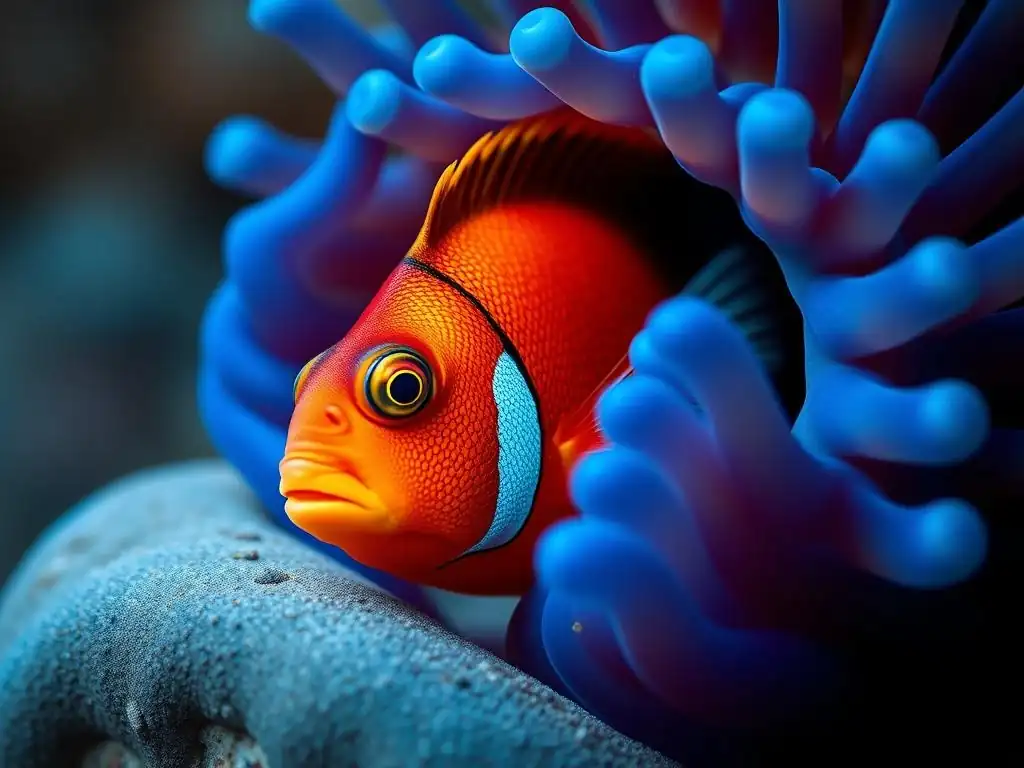
Tank Setup for Threeband Anemonefish: Creating the Ideal Environment
Tank Size Requirements for Amphiprion tricinctus
Providing an appropriately sized aquarium is fundamental to successful Three band anemonefish care. For a single Threeband Anemonefish or a pair, a minimum tank size of 20 gallons (approximately 75 liters) is generally recommended. While they are not excessively active swimmers, this volume provides sufficient space for them to establish a territory, especially if a host anemone is present. A larger tank, such as 30 gallons (115 liters) or more, is always preferable as it offers greater stability in water parameters and allows for potential tank mates.
When planning for a pair of Threeband Anemonefish, the 20-gallon minimum is still applicable, but a 30-gallon tank is ideal to reduce potential aggression, particularly during breeding periods. If the intention is to house them with other compatible fish, then a tank of 50 gallons (190 liters) or larger would be more appropriate to ensure adequate swimming space and territorial boundaries for all inhabitants. Adequate space contributes significantly to reducing stress, which is a critical aspect of long-term Three band anemonefish care.
Water Parameters: Maintaining Optimal Water Quality
Maintaining stable and pristine water parameters is paramount for the health and longevity of Amphiprion tricinctus. The ideal specific gravity (salinity) should range between 1.023 and 1.026, mimicking their natural oceanic environment. Temperature should be kept consistent, ideally between 74°F and 82°F (23°C to 28°C), with minimal fluctuations throughout the day. A stable pH level between 8.1 and 8.4 is also crucial, as significant pH swings can cause considerable stress.
Beyond these primary parameters, effective Three band anemonefish care involves regular monitoring of ammonia, nitrite, and nitrate levels. Ammonia and nitrite should always be undetectable (0 ppm), as even trace amounts are highly toxic. Nitrates should be kept as low as possible, ideally below 20 ppm, through regular water changes and efficient filtration. Calcium (380-450 ppm), alkalinity (8-12 dKH), and magnesium (1250-1350 ppm) levels are also important, especially if a host anemone is present, as these parameters support the health of corals and invertebrates.
Substrate and Aquascaping: Replicating the Natural Habitat
The choice of substrate and the overall aquascaping play a significant role in creating a comfortable and natural environment for the Threeband Anemonefish. A sand bed, ranging from fine to medium grain, is suitable, as clownfish often interact with the substrate, especially if they are hosting a carpet anemone that burrows into it. Live sand can also contribute to biological filtration and the overall health of the system. A depth of 2-4 inches (5-10 cm) is generally sufficient.
Aquascaping should focus on providing ample rockwork with caves, crevices, and overhangs. These structures offer hiding spots and a sense of security, which is vital for the fish's well-being. Live rock is highly recommended as it provides essential biological filtration and contributes to a stable marine ecosystem.
If a host anemone is to be introduced, ensure there is sufficient open space on the rockwork or sand bed for the anemone to attach and expand without being disturbed by powerheads or other inhabitants. Thoughtful aquascaping is a key component of comprehensive Three band anemonefish care, mimicking the complex reef structures they inhabit in the wild.
Diet and Feeding: Nutritional Needs of the Threeband Clownfish
Recommended Foods for Healthy Growth and Coloration
A varied and nutritious diet is essential for the vibrant health and coloration of the Threeband Anemonefish. Their omnivorous nature in the wild means they consume a mix of zooplankton, algal matter, and small invertebrates. In the aquarium, this translates to a diet rich in high-quality marine flakes and pellets specifically formulated for omnivorous marine fish. Look for foods that list spirulina or other algae as primary ingredients, alongside marine proteins.
Supplementing their dry food with frozen options is crucial for optimal Three band anemonefish care. Excellent choices include enriched frozen mysis shrimp, brine shrimp (especially enriched varieties), finely chopped krill, and various marine preparations containing spirulina and other vitamins. Small pieces of chopped seafood, such as clam or scallop, can also be offered occasionally as a treat. The variety ensures they receive a full spectrum of vitamins, minerals, and essential fatty acids necessary for robust immunity and vivid colors.
Feeding Schedule and Techniques
Consistency in feeding is important for the Threeband Anemonefish. It is recommended to feed them two to three times a day in small portions rather than one large meal. This mimics their natural foraging behavior and helps prevent overfeeding, which can lead to poor water quality. Offer only what they can consume within 2-3 minutes to avoid uneaten food decaying in the tank.
When feeding, observe their behavior. Threeband Anemonefish are generally eager eaters, but if they are hesitant, it might indicate a water quality issue or stress. For optimal Three band anemonefish care, ensure the food disperses well in the water column but is still accessible to the fish. If they are hosting an anemone, they may bring food directly to it, a fascinating aspect of their symbiotic relationship. Using a feeding stick or turkey baster can help deliver food precisely, especially if other tank mates are aggressive eaters.
Threeband Anemonefish Tank Mates: Compatibility Considerations
Suitable Tank Mates for a Peaceful Community
Choosing appropriate tank mates is a critical aspect of Three band anemonefish care to ensure a peaceful and thriving community aquarium. Threeband Anemonefish are generally semi-aggressive, especially when paired or hosting an anemone, but they are typically compatible with a wide range of docile to moderately aggressive marine fish. Ideal tank mates include various gobies (e.g., watchman gobies, diamond gobies), blennies (e.g., Midas blenny, lawnmower blenny), cardinalfish (e.g., Banggai cardinalfish), and certain species of dottybacks (e.g., Orchid Dottyback).
Other suitable companions can include smaller tangs (e.g., Yellow Tang in larger tanks), peaceful wrasses, and some non-aggressive damselfish species. It is crucial to introduce new tank mates carefully and observe interactions closely. Ensure all potential tank mates are of similar size or smaller than the clownfish, and avoid species that are known fin-nippers or overly territorial. Providing ample hiding spots and distinct territories can also help minimize disputes among inhabitants.
Incompatible Species to Avoid
To maintain a harmonious environment and ensure the best Three band anemonefish care, several types of fish should be avoided as tank mates. Highly aggressive or predatory species are a definite no-go, as they will stress or even prey upon the Threeband Anemonefish. This includes larger predatory groupers, lionfish, and triggerfish, which view smaller fish as food. Similarly, very aggressive damselfish, such as the Dominos or Yellowtail Damsels, can harass clownfish incessantly.
Also, avoid housing Amphiprion tricinctus with other species of clownfish unless the tank is very large (100+ gallons) and proper territories can be established, as inter-species clownfish aggression is common and often fatal. While some aquarists attempt to keep multiple clownfish species, it is generally not recommended for the average home aquarium. Lastly, be wary of very large angelfish or large wrasses that might compete for food or space, especially if the tank is on the smaller side. Careful selection of tank mates is paramount for successful long-term Three band anemonefish care.
Anemone Symbiosis: The Secret to Threeband Anemonefish Happiness
Choosing the Right Anemone Host for Your Threeband Clownfish
Compatible Anemone Species for Amphiprion tricinctus
The Threeband Anemonefish, like other clownfish, forms a fascinating symbiotic relationship with certain species of sea anemones. While they can survive without a host anemone in an aquarium, providing one significantly enhances their well-being, natural behavior, and overall Three band anemonefish care experience. The most commonly accepted host anemones for Amphiprion tricinctus include the Bubble Tip Anemone ( Entacmaea quadricolor), the Sebae Anemone ( Heteractis crispa), and the Magnificent Anemone ( Heteractis magnifica).
Among these, the Bubble Tip Anemone is often the most popular choice for aquarists due to its relatively hardiness and availability. Sebae Anemones are also excellent hosts but require more stable and pristine water conditions. Magnificent Anemones are stunning but demand very specific high-intensity lighting and strong water flow.
While A. tricinctus may occasionally host in other anemone species, these three are historically the most reliable and provide the best chance for a successful symbiotic bond. Researching the specific care requirements of the chosen anemone is as important as understanding Three band anemonefish care itself, as anemones have complex needs for lighting, flow, and water chemistry.
Introducing the Anemone to the Tank: A Step-by-Step Guide
Introducing a host anemone to an established aquarium requires patience and careful planning to ensure both the anemone and the Threeband Anemonefish thrive. First, ensure your tank is mature, at least six months old, with stable water parameters and robust filtration. Anemones are highly sensitive to fluctuating conditions. Acclimate the anemone slowly using a drip acclimation method over at least 60-90 minutes to minimize shock from changes in salinity and temperature.
Once acclimated, place the anemone in a low-flow area on the substrate or a rock, allowing it to choose its preferred location. Anemones will often move until they find a spot with optimal lighting and flow. Avoid forcing its attachment. Once the anemone has settled, introduce the Threeband Anemonefish. The clownfish may immediately host, or it may take several days, weeks, or even months to establish the relationship. Some never host, which is also normal. Ensure proper Three band anemonefish care continues during this period, keeping stress levels low for both organisms.
Observing the Symbiotic Relationship: What to Expect
The symbiotic relationship between the Threeband Anemonefish and its host anemone is a fascinating display of marine biology. Initially, the clownfish may approach the anemone cautiously, perhaps nipping at its tentacles or performing a "dance" where it gently brushes against them. This behavior helps the clownfish develop immunity to the anemone's stinging nematocysts. Over time, the clownfish will become more comfortable, eventually residing within the anemone's tentacles, using them for protection from predators and as a secure resting place.
You will observe the Threeband Anemonefish darting in and out of the tentacles, often bringing food scraps to the anemone, which in turn provides a safe haven and potentially food from its own captures. The clownfish also helps keep the anemone clean and free of parasites. This mutualistic relationship is a highlight for many aquarists and a testament to effective Three band anemonefish care. The sight of your Amphiprion tricinctus nestled comfortably within its host is one of the most rewarding aspects of keeping these remarkable fish.
Benefits of Anemone Hosting for Threeband Anemonefish
The benefits of anemone hosting for the Threeband Anemonefish are profound and contribute significantly to their overall well-being and longevity in an aquarium. Primarily, the anemone provides a secure sanctuary from potential predators and aggressive tank mates. In the wild, this protection is critical for survival. In a home aquarium, while predators might be absent, the anemone still offers a safe retreat from perceived threats, reducing stress levels and promoting a sense of security for the clownfish. This reduced stress directly translates into better health and a more vibrant appearance for the fish.
Beyond protection, the symbiotic relationship offers other advantages. The Threeband Anemonefish often brings food scraps back to the anemone, which benefits the anemone's nutrition. In return, the clownfish may gain access to food particles captured by the anemone or consume detritus from its tentacles. Moreover, the constant interaction with the anemone's tentacles helps keep the clownfish's slime coat healthy and may even stimulate natural behaviors like breeding. For aquarists, observing this intricate natural bond is one of the most captivating aspects of Three band anemonefish care, making the effort to provide a host anemone truly worthwhile.
Potential Challenges of Anemone Keeping
While the benefits of host anemones for Threeband Anemonefish are clear, keeping anemones themselves presents several significant challenges that require careful consideration and advanced Three band anemonefish care practices. Anemones are highly sensitive invertebrates with very specific environmental demands. They require mature tanks with extremely stable water parameters, including precise salinity, temperature, pH, and undetectable levels of ammonia and nitrite. Fluctuations in these parameters can quickly lead to stress, decline, and even death for the anemone.
Furthermore, anemones have high lighting requirements, often needing strong LED or T5 lighting setups to thrive, as they rely heavily on symbiotic algae (zooxanthellae) for nutrition. They also need moderate to strong, but not direct, water flow to bring them food and carry away waste. Anemones can move within the tank, potentially stinging other corals or invertebrates, or even getting sucked into powerheads.
Their waste production can also contribute to nutrient buildup, necessitating robust filtration and regular water changes. Due to these complexities, it is often recommended that only experienced aquarists attempt to keep host anemones, ensuring that the demanding needs of both the anemone and the Threeband Anemonefish are met.
Threeband Anemonefish Breeding: A Comprehensive Guide
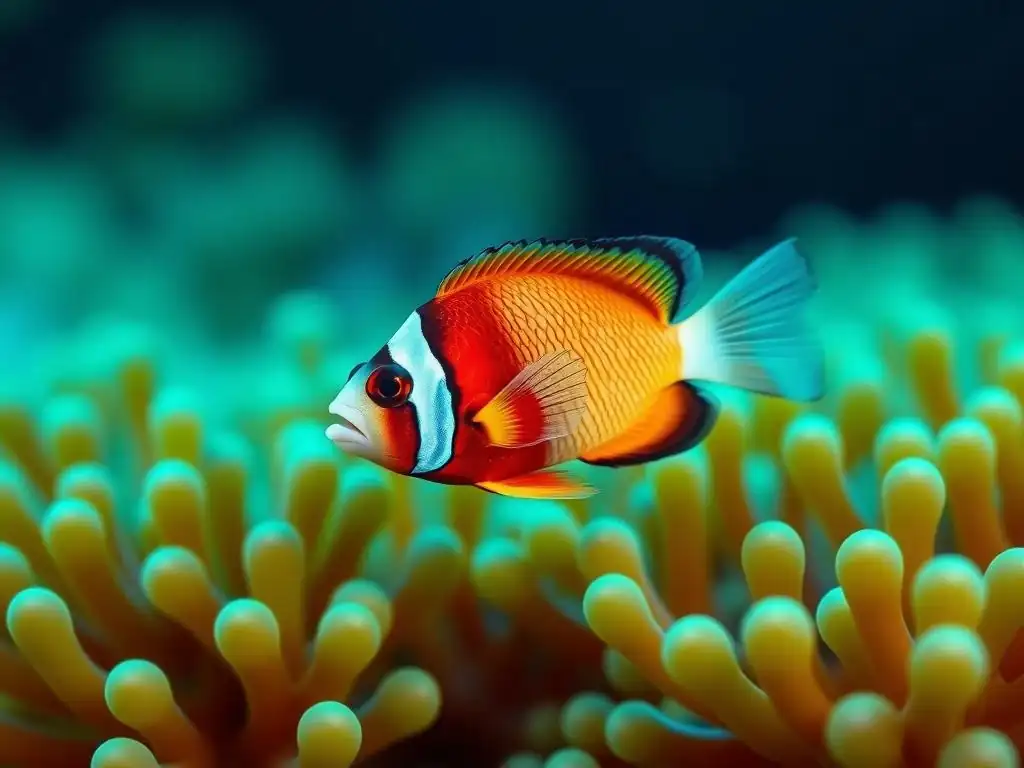
Creating a Breeding Environment: Simulating Natural Conditions
Breeding Threeband Anemonefish in a home aquarium can be a highly rewarding endeavor, though it requires specific conditions to simulate their natural breeding environment. The first crucial step in Three band anemonefish care for breeding is establishing a compatible pair. Clownfish are protandrous hermaphrodites, meaning they are born male and the largest, most dominant individual in a group will transform into a female. A bonded pair will typically consist of a larger female and a smaller male. A dedicated breeding tank, ideally 20-30 gallons, is recommended to prevent aggression from other tank mates and allow for controlled environmental conditions.
The breeding tank should include a suitable host anemone (such as a Bubble Tip Anemone) or, alternatively, a clay pot, PVC pipe, or flat rock for the eggs to be laid on. These structures provide a protected spawning site. Water parameters should be pristine and stable, mirroring the ideal conditions for general Three band anemonefish care: specific gravity 1.024-1.025, temperature 78-82°F (25.5-28°C), and pH 8.1-8.3. Good water flow around the spawning site and consistent feeding of high-quality, varied foods are also vital to condition the pair for spawning.
Identifying Male and Female Threeband Anemonefish
Identifying the male and female Threeband Anemonefish within a pair is relatively straightforward due to their protandrous hermaphroditism and the resulting size difference. In a bonded pair, the female will always be noticeably larger and more dominant than the male. This size disparity can be quite significant, with the female potentially being 1.5 to 2 times the size of her male counterpart. The female will typically be the more aggressive and territorial of the two, especially when defending their chosen host or spawning site.
The male, conversely, will be smaller and more submissive. When observing their behavior, the male often "dances" or quivers around the female, a courtship behavior. If you start with a group of juvenile Threeband Anemonefish, the largest will develop into the female, and the next largest will become the male, with the remaining fish staying male or being expelled from the group. Understanding this size and behavioral difference is key to establishing a successful breeding pair and a fundamental aspect of advanced Three band anemonefish care for reproduction.
Spawning and Egg Care: The Breeding Process Explained
Once a Threeband Anemonefish pair is conditioned and comfortable in their breeding environment, spawning can occur regularly, typically every 10-14 days. The male will meticulously clean the chosen spawning surface, which is usually a flat rock, a clay pot, or the base of their host anemone. The female will then lay hundreds of small, oval-shaped orange or reddish eggs in a tight cluster, and the male will follow closely behind, fertilizing them. A typical clutch can range from 200 to 1,000 eggs, depending on the female's size and health.
After spawning, both parents, but primarily the male, will diligently care for the eggs. The male will fan the eggs with his fins to ensure good water circulation and prevent fungal growth. He will also mouth the eggs, removing any infertile or diseased ones. The eggs usually hatch within 7-10 days, depending on the water temperature. As hatching approaches, the eggs will turn a silvery-gray color as the fry develop. Providing optimal water quality and a peaceful environment during this period is crucial for successful egg development, demonstrating a high level of dedicated Three band anemonefish care.
Raising Threeband Anemonefish Fry: From Hatching to Juvenile
Raising Threeband Anemonefish fry is the most challenging aspect of their breeding process and requires specialized equipment and significant dedication. The fry hatch at night, typically 7-10 days after spawning, as tiny, almost transparent larvae. They are planktonic and will immediately swim towards the light. It is crucial to remove the parents from the breeding tank or move the eggs to a separate larval rearing tank just before hatching to prevent the parents from consuming the fry.
The newly hatched fry require live food, specifically rotifers, for their first few days. Rotifers are microscopic organisms rich in essential fatty acids. After about 4-7 days, as the fry grow, their diet can be transitioned to newly hatched brine shrimp nauplii.
Maintaining pristine water quality in the larval rearing tank is paramount, requiring frequent small water changes and careful siphoning of uneaten food and waste. As the fry develop, typically after 2-3 weeks, they will undergo metamorphosis, developing their characteristic bands and becoming miniature versions of the adults. At this stage, they can be slowly weaned onto finely crushed flake food or small pellets, marking a critical transition in their Three band anemonefish care journey from fragile larvae to resilient juveniles.
Common Health Issues and Prevention for Threeband Anemonefish
Recognizing Signs of Illness in Your Threeband Clownfish
Early detection of illness is crucial for effective Three band anemonefish care and successful treatment. Healthy Threeband Anemonefish typically exhibit vibrant coloration, active swimming (often around their host or chosen territory), a strong appetite, and clear eyes. Any deviation from these normal behaviors should prompt closer inspection. Signs of illness can include faded or dull coloration, clamped fins (fins held close to the body), rapid or labored breathing, scratching against rocks or substrate ("flashing"), and abnormal swimming patterns such as darting or lethargy.
Other indicators of poor health might include visible spots, lesions, or growths on the body or fins. Loss of appetite, refusal to eat, or spitting out food are also red flags. Swelling, bloating, or changes in the fish's physical appearance, such as sunken eyes or a emaciated look, indicate more advanced stages of disease. Regular observation of your Threeband Anemonefish's behavior and appearance during daily feedings is the best preventative measure, allowing for prompt intervention at the first sign of trouble.
Common Diseases Affecting Amphiprion tricinctus
Like most marine fish, Threeband Anemonefish are susceptible to a range of common aquarium diseases, often brought on by stress from poor water quality, inadequate diet, or incompatible tank mates. One of the most prevalent diseases is Marine Ich ( Cryptocaryon irritans), characterized by tiny white spots resembling salt grains on the fish's body and fins. Another common ailment is Marine Velvet ( Amyloodinium ocellatum), which presents as a dusty, yellowish-gold film on the fish, often accompanied by rapid breathing.
Bacterial infections can manifest as fin rot, cloudy eyes, or open sores, often appearing when the fish's immune system is compromised. Internal parasites, though less visible, can lead to weight loss despite a good appetite, and pale feces. Less common but still possible are fungal infections, which appear as cotton-like growths. Understanding these common threats is a vital part of Three band anemonefish care, enabling aquarists to identify and address issues promptly.
Treatment Options and Preventative Measures
Preventing disease is always more effective than treating it, and consistent Three band anemonefish care focuses heavily on preventative measures. Maintaining pristine and stable water parameters (temperature, salinity, pH, ammonia, nitrite, nitrate) is the single most important preventative step. A varied, high-quality diet boosts their immune system, making them more resilient to pathogens. Quarantining all new fish and invertebrates for at least 3-4 weeks in a separate tank before introducing them to the main display tank is crucial to prevent the introduction of diseases.
If a disease does occur, prompt action is necessary. For Marine Ich and Velvet, common treatments include copper-based medications (used with caution as they are toxic to invertebrates) or hyposalinity (gradually reducing salinity to 1.009-1.010 for a few weeks). Bacterial infections often require broad-spectrum antibiotics, while fungal infections can be treated with antifungal medications. Always follow medication instructions carefully and remove activated carbon during treatment. For internal parasites, medicated foods are often required. Consulting with a marine aquarium veterinarian or experienced aquarist can provide tailored advice for specific cases, ensuring effective Three band anemonefish care during times of illness.
Where to Buy Threeband Anemonefish: Selecting Healthy Specimens
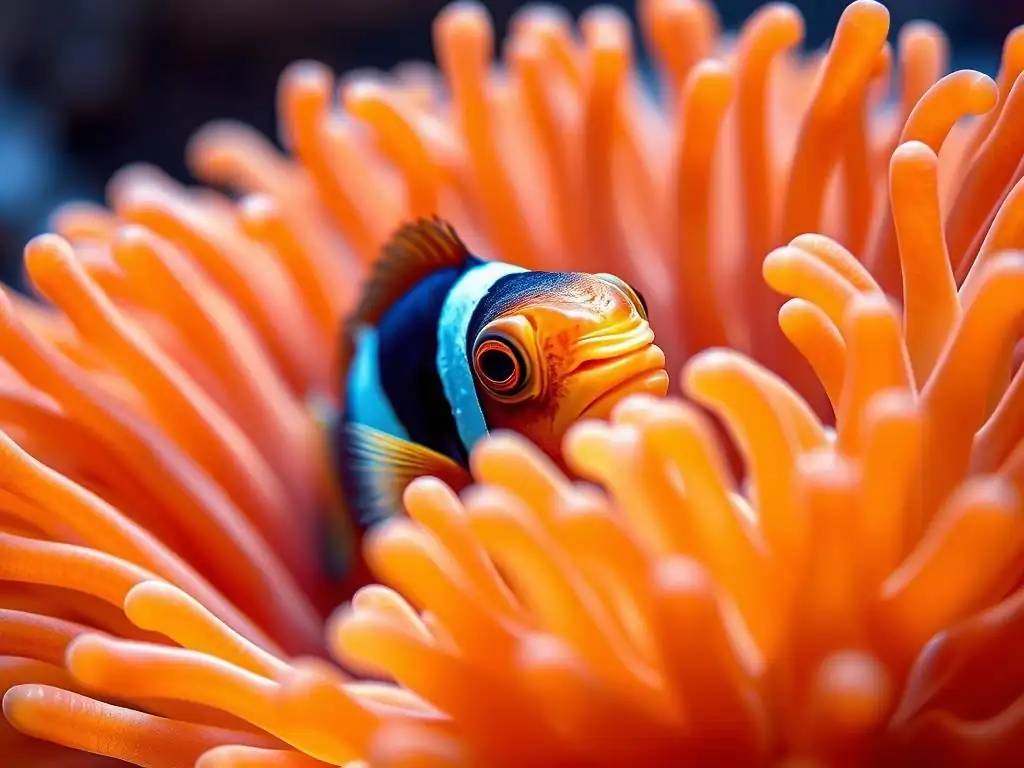
Choosing a Reputable Supplier
The source of your Threeband Anemonefish significantly impacts its health and long-term success in your aquarium. When considering where to buy, prioritize reputable suppliers, whether they are local fish stores or online retailers. A reputable local fish store will have clean, well-maintained tanks, knowledgeable staff, and a clear understanding of the origin and care requirements of their fish. They should be able to answer questions about their quarantine procedures, feeding regimen, and the fish's history.
For online suppliers, look for companies with strong customer reviews, clear communication, and guaranteed live arrival policies. They should also provide detailed information about their holding facilities, acclimation protocols, and shipping methods. Avoid impulse purchases from unverified sources or stores with visibly unhealthy fish. A responsible supplier is committed to the welfare of their animals, which is the first step in ensuring excellent Three band anemonefish care from day one.
Assessing the Health of Potential Purchases
Once you've found a reputable supplier, carefully assess the health of individual Threeband Anemonefish before making a purchase. Observe the fish in the holding tank for at least 10-15 minutes. Look for active, alert behavior; the fish should be swimming freely, not hiding excessively (unless it's a new arrival still acclimating). Its fins should be erect and undamaged, not clamped or frayed. The body should appear full and plump, without any signs of emaciation or bloating.
Check for any visible signs of disease, such as white spots (Ich), a dusty film (Velvet), open sores, cloudy eyes, or unusual growths. The gills should be moving rhythmically and not appear inflamed or rapid. Watch the fish during feeding if possible; a healthy Threeband Anemonefish should have a strong appetite. Asking the staff about the fish's feeding habits and how long it has been in their care can also provide valuable insights into its overall health and how well it will adapt to your Three band anemonefish care routine.
Acclimation Process: Introducing Your New Fish to the Aquarium
The acclimation process is a critical step in introducing your new Threeband Anemonefish to its new home and significantly impacts its initial stress levels and long-term health. Never simply "dump and plop" a new fish into your tank. The goal is to slowly equalize the water parameters (temperature, pH, salinity) between the transport bag and your aquarium. The drip acclimation method is highly recommended for marine fish and invertebrates.
Begin by floating the sealed bag in your aquarium for 15-20 minutes to equalize the temperature. Then, open the bag, roll down the edges to create a float, and use an airline tubing to create a slow drip from your display tank into the bag. Aim for about 1-2 drips per second.
Once the volume of water in the bag has quadrupled, carefully net the Threeband Anemonefish and place it into your aquarium, discarding the water from the bag. This slow acclimation minimizes shock and stress, providing the best start for effective Three band anemonefish care in its new environment.
The Allure of the Threeband Anemonefish: Why Choose Amphiprion tricinctus?
Frequently Asked Questions
How difficult is it to care for Three Band Anemonefish (Amphiprion tricinctus)?
Three Band Anemonefish are generally considered moderately difficult to care for. They require stable water parameters and a well-established aquarium environment, making them best suited for experienced aquarists.
What size aquarium is recommended for Three Band Anemonefish?
A minimum tank size of 30 gallons is recommended for a pair of Three Band Anemonefish. This provides adequate space for them to swim and potentially host an anemone. Larger tanks are always preferable.
What type of anemone is best for Three Band Anemonefish?
While they can host various anemones, Three Band Anemonefish are often found hosting Entacmaea quadricolor (Bubble Tip Anemone) in the wild. Providing a suitable host anemone is crucial for their wellbeing and natural behavior.
What should I feed my Three Band Anemonefish?
Three Band Anemonefish are omnivores and should be fed a varied diet of high-quality marine flake food, frozen foods (such as mysis shrimp and brine shrimp), and occasional vegetable matter. Regular feeding is essential for their health.
Are Three Band Anemonefish aggressive towards other fish?
Three Band Anemonefish can be territorial, especially towards other anemonefish. It's best to keep them as a mated pair or as the only anemonefish species in the aquarium to minimize aggression.
Final Reflection: Embracing the Symphony of Symbiosis
The intricate dance of the Threeband Anemonefish and its host anemone, as explored throughout this article, isn't just a fascinating biological phenomenon; it's a powerful metaphor for the interconnectedness of life and the importance of responsible stewardship in our rapidly changing world. Understanding the nuances of Amphiprion tricinctus care, as we've delved into, is a small but significant step towards preserving the delicate balance of coral reef ecosystems, a balance increasingly threatened by human activity.
This journey into the world of the Threeband Anemonefish has underscored the profound influence even seemingly small creatures can have on their environment. Witnessing their symbiotic relationship firsthand, whether in an aquarium or through research, fosters a deeper appreciation for the complexity and fragility of nature. In the end, we will conserve only what we love; we will love only what we understand; and we will understand only what we are taught.
- Baba Dioum's words resonate deeply, reminding us that education and understanding are the cornerstones of conservation.
As you close this article, I invite you to reflect on the lessons learned about the Threeband Anemonefish and its anemone. Consider how you can apply the principles of careful observation, responsible care, and respect for biodiversity to your own life. Whether it's through supporting sustainable practices, educating others about the wonders of the ocean, or simply appreciating the beauty of nature around you, let the story of Amphiprion tricinctus inspire you to become a champion for the health and preservation of our planet's precious ecosystems.
Uncover the Secrets of the ThreeBand Anemonefish!
Thank you for diving deep into the world of the ThreeBand Anemonefish with us! We hope you've gained a newfound appreciation for this Marshall Islands marvel and its intriguing hosting habits. Now, let's bring that knowledge to life.
- Commit to supporting ethical aquarium practices by only purchasing ThreeBand Anemonefish from reputable breeders who prioritize sustainability and fish welfare.
- Explore the diverse world of anemones! Research which anemone species are most compatible with the ThreeBand Anemonefish to create a thriving symbiotic relationship in your aquarium.
- Share this article with fellow aquarium enthusiasts to spread awareness about the ThreeBand Anemonefish and its unique needs!
What fascinating fact about the ThreeBand Anemonefish are you most excited to share with others?