
Breeding Gobies in a Nano Tank: A Rewarding Challenge, StepbyStep

Welcome to Aquarium Mastery!
Ever dreamt of witnessing the miracle of life unfold in your own living room? Dive into the fascinating world of nano tank goby breeding and discover how you can successfully raise these captivating creatures in a miniature ecosystem. This guide unveils the secrets to creating the perfect environment for your gobies to thrive and reproduce, transforming your nano tank into a thriving haven. Ready to embark on this rewarding challenge? Let's get started!
- Introduction to Nano Tank Goby Breeding
- Selecting the Right Goby Species for Nano Tank Breeding
- Setting Up Your Nano Tank for Goby Breeding Success
- Conditioning Gobies for Breeding in a Nano Aquarium
- The Goby Breeding Process: A Step-by-Step Guide
- Raising Goby Fry in a Nano Tank
- Troubleshooting Common Issues in Nano Tank Goby Breeding
- Post-Breeding Care for Gobies
- Conclusion: The Satisfaction of Nano Tank Goby Breeding
-
Frequently Asked Questions
- What are the main challenges when breeding gobies in a nano tank?
- What type of goby species is most suitable for breeding in a nano tank environment?
- What specific water parameters are crucial for successful goby breeding in a nano tank?
- How do I ensure a sufficient and appropriate food supply for goby fry in a nano tank?
- What are the key steps to take after the goby eggs hatch in a nano tank?
- Final Reflection: The Tiny Wonders of Patience and Dedication
- Dive Deeper: Transform Your Nano Tank into a Goby Paradise!
Introduction to Nano Tank Goby Breeding
The Appeal of Breeding Gobies in Small Aquariums
Breeding marine gobies in a nano tank offers a uniquely rewarding experience for the dedicated aquarist. Unlike larger systems, a nano tank allows for intimate observation of these diminutive fish, revealing intricate behaviors that might go unnoticed in a sprawling reef. The confined yet stable environment of a well-maintained nano tank can provide the ideal conditions for a pair to bond and spawn, turning a small corner of your home into a vibrant hub of marine life reproduction. This specialized form of nano tank goby breeding is a testament to the aquarist's skill and patience.
Beyond the personal accomplishment, successful nano tank goby breeding contributes to the broader understanding of marine fish reproduction and can even help reduce reliance on wild-caught specimens for certain species. It transforms the aquarium from a mere display into a miniature ecosystem where life cycles unfold before your eyes. The journey from observing courtship rituals to seeing microscopic fry emerge and grow is an educational and deeply satisfying endeavor, making the challenges worthwhile.
Understanding the Challenges of Nano Reef Goby Reproduction
While rewarding, breeding gobies in a nano tank presents several distinct challenges that require careful attention and preparation. The small water volume of nano tanks means that water parameters can fluctuate rapidly, making stability a constant concern. Delicate goby eggs and fry are extremely sensitive to even minor shifts in temperature, salinity, pH, or nutrient levels, demanding rigorous monitoring and maintenance.
Furthermore, the successful rearing of goby fry is often the most significant hurdle in nano tank goby breeding. Many goby species produce larvae that are planktonic and incredibly tiny, requiring microscopic live foods like infusoria and rotifers for their initial days, followed by newly hatched brine shrimp. Sourcing and culturing these live foods, along with maintaining pristine water quality in a dedicated fry rearing setup, adds layers of complexity that distinguish successful breeders from casual attempts.
Selecting the Right Goby Species for Nano Tank Breeding
Compatible Goby Species for Breeding in Nano Reefs
When embarking on nano tank goby breeding, selecting the right species is paramount. Focus on gobies that naturally remain small, typically under 3 inches in adult length, and have a documented history of captive breeding success. Species from genera like Gobiodon (Clown Gobies), Trimma (Trimma Gobies), and certain Cryptocentrus (Watchman Gobies) are often good candidates due to their manageable size and relatively peaceful demeanor.
It is generally advantageous to choose captive-bred specimens if available, as they are typically pre-adapted to aquarium life, less stressed, and often healthier than their wild-caught counterparts. Captive-bred fish are also less likely to introduce parasites or diseases into your breeding setup. Researching the specific social structure of your chosen goby is crucial; some are solitary and only pair for breeding, while others form stable, long-term pair bonds.
Considering Goby Size and Temperament for Nano Tank Compatibility
The adult size of the goby directly dictates the minimum nano tank size required for successful breeding. A species that reaches 1.5 inches at maturity, like the Clown Goby, can comfortably breed in a 5-10 gallon nano tank, whereas a 3-4 inch Yellow Watchman Goby would ideally require a 15-20 gallon tank to provide adequate territory and stability. Overcrowding can lead to stress, aggression, and ultimately, a failure to spawn.
Temperament also plays a critical role. While many gobies are peaceful, some can be territorial, especially males towards each other or when guarding a spawning site. Ensure that the chosen pair is compatible and that the tank environment offers enough space and hiding spots to minimize stress and aggression. Observing their interaction over several weeks before attempting to breed is a wise step in nano tank goby breeding.
Popular Goby Choices for Nano Breeding: Clown Goby (Gobiodon okinawae), Yellow Watchman Goby (Cryptocentrus cinctus)
Clown Goby (Gobiodon okinawae)
The Okinawan Clown Goby ( Gobiodon okinawae) is a highly popular choice for nano tank goby breeding due to its vibrant yellow coloration, small adult size (typically 1.5 inches), and relatively straightforward breeding habits. These gobies are known for their strong pair bonds and their tendency to lay eggs on the underside of branching corals, such as Acropora or Stylophora, making egg observation and potential removal relatively easy. Their eggs are larger than many other goby species' eggs, which can simplify the initial fry rearing stages.
Clown Gobies primarily feed on small invertebrates and prepared foods, including high-quality flakes, pellets, and frozen mysis shrimp or enriched brine shrimp. They are generally peaceful, though a male may exhibit territorial behavior towards another male if the tank is too small. With a lifespan of 3-5 years, these charming gobies offer multiple breeding opportunities, making them an excellent starting point for aspiring nano tank goby breeding enthusiasts.
Yellow Watchman Goby (Cryptocentrus cinctus)
The Yellow Watchman Goby ( Cryptocentrus cinctus), reaching up to 4 inches, is another favorite, particularly for those interested in symbiotic relationships, as they often pair with pistol shrimp. These gobies are substrate spawners, laying their eggs deep within burrows they share or create, which adds a layer of complexity to egg retrieval. Their peaceful demeanor and fascinating burrowing behavior make them captivating inhabitants for a larger nano tank (15-20 gallons).
Raising Yellow Watchman Goby fry is more challenging than with Clown Gobies due to the fry's extremely small size, requiring a consistent supply of rotifers for the first few weeks, followed by newly hatched brine shrimp. Their diet in the adult stage consists primarily of meaty foods like frozen mysis shrimp, enriched brine shrimp, and finely chopped seafood. Successful nano tank goby breeding with Watchman Gobies often requires a dedicated fry rearing setup and diligent live food culture.
Setting Up Your Nano Tank for Goby Breeding Success
Choosing the Right Nano Tank Size for Goby Breeding
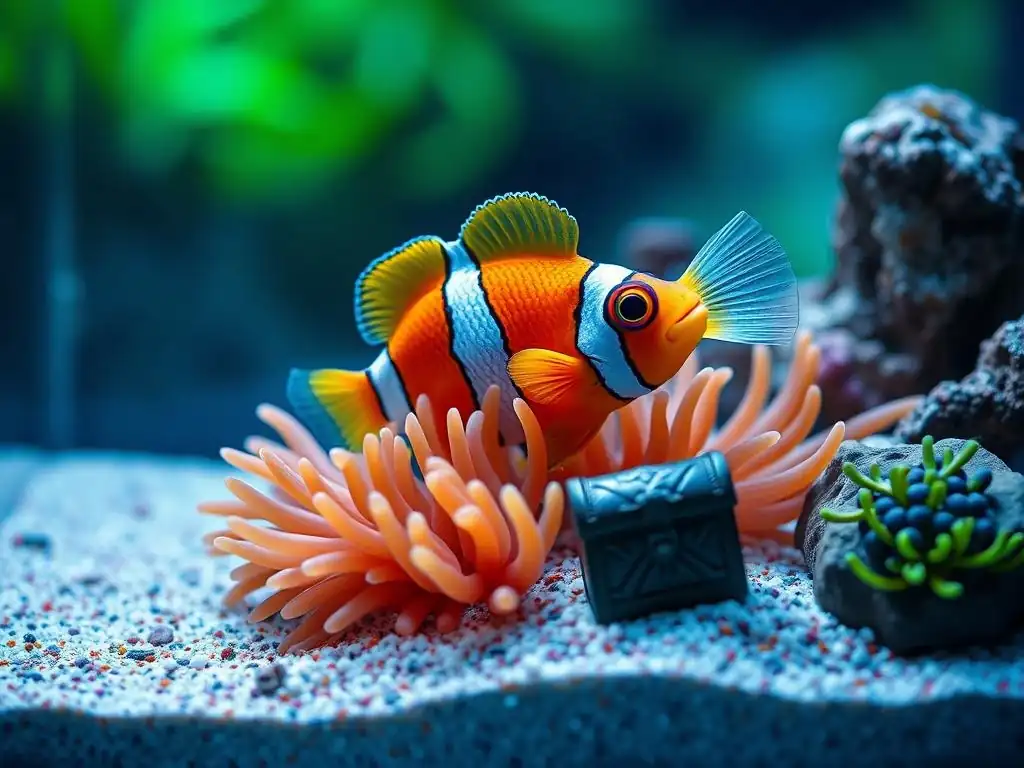
The ideal nano tank size for goby breeding depends heavily on the chosen species. For smaller gobies like Gobiodon species, a dedicated 5 to 10-gallon tank can suffice for a single breeding pair. This allows for intimate observation and easier management of a controlled breeding environment. However, for slightly larger gobies such as Cryptocentrus or Amblyeleotris species, a 15 to 20-gallon tank is generally recommended.
A larger nano tank provides greater water volume, which inherently offers more stability against rapid fluctuations in water parameters, a critical factor for delicate eggs and fry. It also allows for more extensive rockwork and substrate, providing ample territory and hiding spaces that reduce stress and encourage natural spawning behavior. While the term "nano" implies small, opting for the upper end of the nano spectrum (e.g., 20 gallons) can significantly increase your chances of successful nano tank goby breeding.
Essential Equipment for a Goby Breeding Nano Tank: Filtration, Lighting, and Heating
Proper equipment is crucial for maintaining the stable conditions necessary for nano tank goby breeding. For filtration, gentle options are preferred to avoid harming delicate eggs or fry. A small sponge filter or an air-driven corner filter is often ideal, as they provide biological filtration without strong currents. A small hang-on-back (HOB) filter with minimal flow can also work, provided its intake is covered with a sponge to protect fry. Protein skimmers are beneficial in larger nano tanks (15+ gallons) for nutrient export, but may not be necessary in smaller, dedicated breeding setups with frequent water changes.
Lighting requirements for goby breeding are generally modest; standard LED aquarium lights sufficient for basic viewing and potentially low-light corals are more than adequate. High-intensity lighting is not a prerequisite for spawning. Heating is paramount: a reliable, appropriately sized aquarium heater (e.g., 50-75 watts for a 10-20 gallon tank) capable of maintaining a stable temperature between 76-80°F (24-27°C) is essential. Consistent temperature is a key trigger and requirement for successful egg development in nano tank goby breeding.
Creating a Suitable Environment: Substrate, Rockwork, and Hiding Places for Gobies
The physical environment within the nano tank must cater to the specific needs of your chosen goby species for successful nano tank goby breeding. For burrowing gobies like the Yellow Watchman, a deep bed (at least 3-4 inches) of fine, aragonite sand (e.g., sugar-fine grade) is indispensable, allowing them to construct stable burrows. For non-burrowing species, a sand bed is still beneficial for biological filtration and general aesthetics, though a bare-bottom tank can be used if fry rearing is the immediate goal.
Live rock is vital for providing biological filtration and creating natural hiding places and territories. Arrange the rockwork to form caves, crevices, and stable structures that gobies can claim as their own. For Clown Gobies, providing branching corals (real or high-quality artificial) is crucial, as they often lay their eggs on the underside of these structures. The presence of secure hiding spots reduces stress and encourages the pair to feel safe enough to spawn.
Maintaining Optimal Water Parameters for Goby Breeding
Maintaining precise and stable water parameters is arguably the most critical aspect of nano tank goby breeding. Key parameters to monitor rigorously include:
- Salinity: 1.023-1.026 specific gravity (SG)
- Temperature: 76-80°F (24-27°C)
- pH: 8.1-8.4
- Alkalinity: 7-11 dKH
- Calcium: 400-450 ppm
- Magnesium: 1250-1350 ppm
Due to the small water volume, nano tanks are prone to rapid parameter swings. Implementing a strict schedule of small, frequent water changes (e.g., 10% twice weekly or 5% every other day) is essential to replenish trace elements and dilute accumulating nitrates and other waste products. Regular testing with accurate test kits is non-negotiable; consistent monitoring ensures the optimal conditions necessary for gobies to spawn and for their delicate eggs and fry to develop.
Conditioning Gobies for Breeding in a Nano Aquarium
Proper Nutrition for Breeding Gobies: Live Foods and High-Quality Diets
Optimal nutrition is paramount for conditioning gobies for successful nano tank goby breeding. A varied, high-quality diet provides the necessary energy reserves and nutrients for egg production and spawning. Incorporate a significant amount of live foods, such as enriched brine shrimp, copepods, and rotifers, which are packed with essential fatty acids and vitamins. These live offerings often stimulate natural feeding responses and enhance the fish's overall vitality.
Supplement live foods with high-quality frozen options like mysis shrimp, spirulina-enriched brine shrimp, finely chopped seafood, and quality pellets or flakes. Feed your gobies 2-3 times daily, ensuring that both the male and female are actively feeding and appear well-conditioned, with plump bellies. A robust and nutritious diet not only prepares the adults for spawning but also contributes to the viability and health of the eggs.
Identifying Male and Female Gobies: Visual Cues and Behavioral Differences
Sexing gobies can be challenging, as many species exhibit subtle differences, if any, outside of breeding periods. During spawning cycles, females often appear noticeably plumper due to the development of eggs. In some species, males might display more intense coloration, elongated fin rays (particularly dorsal fins), or develop specific breeding tubercles. For instance, male Gobiodon gobies might have a slightly more prominent dorsal fin.
Behavioral cues are often more reliable indicators of a male-female pair. Observe for consistent interaction, such as sharing a burrow, a specific coral branch, or a territory. The male might exhibit courtship displays, such as fin flaring or leading the female to a potential spawning site. If you have multiple gobies, aggression between individuals might indicate two males, while a harmonious coexistence, particularly if they spend a lot of time together, suggests a compatible pair suitable for nano tank goby breeding.
Creating a Pair Bond: Introducing Gobies to the Nano Tank
For species that form pair bonds, successful nano tank goby breeding often hinges on the compatibility of the chosen individuals. If introducing new gobies, it's generally best to add them simultaneously to avoid one fish establishing dominance over the other before a pair bond can form. Always quarantine new fish for at least 2-4 weeks in a separate tank to prevent the introduction of diseases or parasites into your carefully prepared breeding setup.
Ensure the nano tank provides ample hiding spots and visual barriers to reduce initial stress and potential aggression during the introduction phase. Some gobies are naturally solitary and only come together to breed, while others form long-term monogamous relationships. Observe their interactions closely over several weeks; consistent shared territory, mutual grooming, or a lack of aggression are strong indicators of a developing pair bond, essential for encouraging spawning in nano tank goby breeding.
The Goby Breeding Process: A Step-by-Step Guide
Encouraging Spawning: Environmental Triggers and Water Changes
Once your gobies are well-conditioned and a strong pair bond has formed, you can attempt to encourage spawning through environmental triggers. A common method is to increase feeding frequency and quantity, particularly with live foods, mimicking a period of abundance. Slight fluctuations in temperature (e.g., raising it by 1-2°F for a few days, then returning to the baseline) can sometimes simulate seasonal changes.
Significant water changes (e.g., 25-30% with slightly cooler water) can also act as a spawning trigger, simulating rainfall or fresh water influx in their natural habitat. However, the most consistent trigger for nano tank goby breeding is often simply maintaining pristine, stable water parameters and providing a stress-free environment. Patience is key, as some pairs may take several weeks or even months to spawn.
Goby Spawning Behavior: What to Expect
Goby spawning behavior varies by species, but generally involves courtship rituals leading to the deposition of eggs. Many gobies are substrate spawners, meaning they lay their eggs on a hard surface. Clown Gobies ( Gobiodon okinawae), for instance, typically lay a single layer of eggs on the underside of branching corals. Yellow Watchman Gobies ( Cryptocentrus cinctus) will deposit their eggs deep within their burrows or under stable rockwork.
Observe for increased interaction between the pair, such as the male cleaning a potential spawning site or leading the female to a specific location. During actual spawning, the female will deposit tiny, often clear or amber-colored eggs, which the male will then fertilize. After fertilization, the male typically takes on the primary role of guarding and fanning the eggs, ensuring proper oxygenation and protection from predators.
Protecting the Eggs: Moving Eggs to a Separate Hatching Tank [Optional]
For most nano tank goby breeding efforts aimed at high fry survival, it is often necessary to protect the eggs from predation, either by the parents or other tank inhabitants. The decision to move eggs is optional but highly recommended for maximizing yield. If eggs are laid on a removable substrate, such as a small coral frag for Clown Gobies, carefully transfer the entire piece to a dedicated hatching tank.
If eggs are laid on fixed rockwork or within a burrow (as with Watchman Gobies), you may need to carefully siphon the eggs or provide a protective barrier around them if they remain in the main tank. The hatching tank should have identical water parameters to the breeding tank and be equipped with gentle aeration (e.g., a small air stone) to ensure oxygen flow over the eggs. Avoid strong filtration that could damage delicate eggs or newly hatched fry.
Raising Goby Fry in a Nano Tank
Setting Up a Fry Rearing Tank: Essential Equipment and Water Parameters
Raising goby fry successfully requires a dedicated fry rearing tank, usually a small, bare-bottom aquarium ranging from 2 to 5 gallons. A bare bottom facilitates easy cleaning and prevents food from getting trapped. Essential equipment includes a gentle air stone for aeration and water circulation, and a small, reliable heater to maintain the same stable temperature (76-80°F / 24-27°C) as the breeding tank.
Water parameters in the fry tank must be meticulously maintained to match those of the breeding tank. The small volume necessitates frequent, small water changes (e.g., 10% daily or every other day) to remove waste and replenish trace elements, as fry are highly sensitive to ammonia and nitrite. A low-wattage light source is beneficial for observing the fry and for culturing live foods if done in-tank.
First Foods for Goby Fry: Infusoria, Rotifers, and Baby Brine Shrimp
Goby fry are typically planktonic and extremely small, often less than 2mm upon hatching. Their initial diet is critical and usually consists of microscopic live foods. For the first few days, infusoria (microscopic organisms) may be necessary. Following this, L-type rotifers ( Brachionus plicatilis) are the staple food for the first 1-2 weeks, as they are small enough for the fry to consume and provide essential nutrition.
As the fry grow, typically after 1-2 weeks, gradually introduce newly hatched Artemia nauplii (baby brine shrimp). It is crucial to enrich both rotifers and brine shrimp with high-quality phytoplankton or commercial enrichment products to boost their nutritional value, ensuring the fry receive adequate fatty acids and vitamins for healthy development. Consistent availability of food is vital, as goby fry have high metabolic rates and require continuous feeding. This specialized feeding regimen is often the most challenging aspect of nano tank goby breeding.
Maintaining Water Quality in the Fry Tank: Regular Water Changes and Filtration
Maintaining pristine water quality in the fry tank is paramount for the survival and healthy development of goby fry. Due to the high metabolic rate of the fry and the continuous presence of live food, waste can accumulate quickly. Daily small water changes (5-10%) are essential to remove uneaten food, detritus, and harmful nitrogenous compounds. Use a rigid airline tubing to carefully siphon waste from the bare bottom without disturbing the delicate fry.
Filtration in a fry tank must be extremely gentle to avoid sucking up or harming the tiny fry. A small sponge filter driven by an air pump is an excellent choice, providing biological filtration without strong currents. Alternatively, simply using an air stone for aeration and circulation, combined with diligent daily water changes, can suffice. Avoiding any strong currents that might stress the fragile fry is critical for successful nano tank goby breeding.
Gradual Acclimation of Fry to Adult Tank Conditions
As goby fry grow and develop (typically over 1-2 months, depending on the species and growth rate), they will eventually need to be gradually acclimated to larger tank conditions and adult diets. This process involves slowly increasing the size of their living space, either by moving them to a larger grow-out tank or, if appropriate, introducing them to the main display tank.
Begin to introduce finely crushed flake food or small frozen foods (like cyclops or finely chopped mysis shrimp) into their diet as they grow, gradually weaning them off live foods. When transferring to a larger tank, ensure the water parameters are identical and acclimate them slowly using a drip method over an hour or two. Ensure they are large enough not to be seen as food by other tank inhabitants. This final stage marks the successful completion of the nano tank goby breeding cycle.
Troubleshooting Common Issues in Nano Tank Goby Breeding
Addressing Infertility Issues in Gobies
Infertility in gobies can stem from several factors, including poor nutrition, environmental stress, incorrect sexing of the pair, or simply incompatible individuals. First, ensure that your breeding pair is receiving a diverse, high-quality diet rich in essential vitamins and fatty acids. Review all water parameters for stability and optimal levels, as even slight deviations can inhibit spawning.
If diet and water quality are optimal, consider if the pair is genuinely male and female. Sometimes, two individuals of the same sex may appear to pair bond. If a pair consistently fails to spawn after several weeks of ideal conditioning, you might consider separating them briefly and then reintroducing them, or if possible, trying a different partner. Patience is often key in nano tank goby breeding, as some pairs may just need more time to mature or feel comfortable enough to reproduce.
Preventing Diseases in Goby Fry
Preventing diseases in goby fry is far more effective than treating them, as fry are extremely fragile and susceptible to medications. The cornerstone of disease prevention is maintaining impeccable water quality in the fry rearing tank. Frequent, small water changes (daily or every other day) are crucial to remove uneaten food and metabolic waste, which can quickly lead to bacterial infections.
Ensure that all live foods fed to the fry are cultured in clean, sterile conditions to avoid introducing pathogens. Overfeeding should be avoided, as excess food quickly fouls the water. Quarantining adult fish before introducing them to the breeding setup also minimizes the risk of transmitting diseases to the breeding pair and subsequently to the eggs and fry. If disease does occur, treatment options for fry are limited and should only be undertaken with extreme caution and expert guidance.
Dealing with Aggression During the Breeding Process
Aggression between goby pairs can occur if the nano tank is too small, if there are multiple males, or if the pair is simply incompatible. While some territorial behavior is normal, excessive chasing, fin nipping, or hiding can disrupt spawning and lead to stress or injury. Provide ample hiding spots and visual barriers within the rockwork to allow the less dominant fish to retreat.
If aggression becomes severe and persistent, consider separating the fish temporarily or permanently. For some species, a slightly larger nano tank (e.g., a 20-gallon instead of a 10-gallon) can provide enough space to alleviate territorial disputes and reduce stress, thereby increasing the likelihood of successful nano tank goby breeding. Observe the pair closely for signs of stress or injury and intervene if necessary.
Managing Water Quality Problems in Nano Tanks
Nano tanks are inherently more susceptible to rapid fluctuations in water parameters due to their small volume. Common water quality problems include ammonia/nitrite spikes, nitrate accumulation, and swings in pH or salinity. Overfeeding is a primary culprit, leading to excess organic waste. Insufficient filtration or infrequent water changes also contribute significantly.
To manage these issues, implement a rigorous maintenance schedule. Perform small (5-10%) daily or every-other-day water changes to dilute pollutants and maintain stability. Use a reliable test kit to frequently monitor ammonia, nitrite, nitrate, pH, and salinity, adjusting as needed. Avoid overstocking the tank and ensure any filtration is appropriate and regularly maintained. Vigilant water quality management is the single most important factor for successful nano tank goby breeding.
Post-Breeding Care for Gobies
Returning Adult Gobies to the Main Display Tank
After a successful breeding cycle, if your gobies were in a dedicated breeding tank, you'll need to carefully return them to your main display tank. Acclimate them slowly to the main tank's water parameters using a drip acclimation method over an hour or two to prevent shock. Ensure the main tank's salinity, temperature, and pH are identical to their breeding tank before the transfer.
Monitor their behavior closely after reintroduction. Ensure they are eating well and not showing any signs of stress or aggression from other tank inhabitants. Some goby pairs, especially those that form strong pair bonds, may prefer to remain in their dedicated breeding tank to minimize stress and prepare for subsequent spawning cycles, particularly if space permits.
Monitoring Adult Goby Health After Spawning
Breeding is an energy-intensive process for adult gobies, particularly for the female who expends significant resources producing eggs and the male who often guards them vigilantly. After spawning, ensure the adults are receiving a highly nutritious and varied diet to help them replenish their energy reserves. Continue feeding high-quality frozen and live foods multiple times a day.
Observe the pair for any signs of stress, weight loss, fin damage, or changes in coloration. A healthy, well-nourished pair will recover quickly and be more likely to engage in future nano tank goby breeding efforts. Maintaining excellent water quality in their environment is also crucial for their post-spawning recovery and overall well-being.
Preparing for the Next Breeding Cycle
Once the adult gobies have recovered from their previous spawning event, they may be ready to breed again within a few weeks to a few months, depending on the species and environmental conditions. Continue to provide optimal care, including high-quality nutrition and stable, pristine water parameters.
Refine your breeding process based on lessons learned from the previous cycle. Document your observations regarding feeding, water parameters, spawning triggers, and fry development. This detailed record-keeping can help you optimize conditions for future nano tank goby breeding attempts, increasing efficiency and success rates in subsequent spawns.
Conclusion: The Satisfaction of Nano Tank Goby Breeding
The Importance of Responsible Goby Breeding
Embarking on nano tank goby breeding is more than just a hobby; it's a commitment to responsible aquaculture. Successfully breeding marine fish in captivity helps alleviate pressure on wild populations, particularly for species that are heavily collected from their natural habitats. By contributing to the pool of captive-bred marine organisms, you play a vital role in promoting sustainable practices within the aquarium industry.
Responsible breeding also entails ensuring the welfare of both the parent fish and their offspring. This means providing optimal living conditions, appropriate nutrition, and a keen understanding of their specific needs throughout their life cycle. It's about nurturing life and passing on healthy genetics, rather than simply producing numbers, embodying the true spirit of nano tank goby breeding.
Contributing to the Understanding of Goby Behavior and Reproduction
Every successful instance of nano tank goby breeding, regardless of scale, adds to the collective knowledge base about these often-cryptic and fascinating fish. Many goby species have limited documented captive breeding information, and your observations—from courtship rituals to larval development—can provide invaluable insights for the broader aquarist community and even scientific research.
The personal fulfillment derived from successfully breeding these delicate marine creatures in a nano tank is immense. It transforms the aquarist from a mere keeper of fish into an active participant in the marine life cycle, offering a unique window into the natural world. This deep engagement enhances your skills, patience, and understanding, making nano tank goby breeding a truly rewarding and enriching experience.
Frequently Asked Questions
What are the main challenges when breeding gobies in a nano tank?
The primary challenges revolve around limited space which can lead to aggression and poor water quality. Also, maintaining a stable and ideal environment for breeding requires careful monitoring and control.
What type of goby species is most suitable for breeding in a nano tank environment?
Smaller, peaceful species like Elacatinus (e.g., Clown Gobies) or some Trimma gobies are generally more suitable due to their smaller size and calmer temperament. This reduces the risk of territorial disputes within the confined space.
What specific water parameters are crucial for successful goby breeding in a nano tank?
Maintaining stable and pristine water quality is essential. Key parameters include consistent temperature (within the species' optimal range), stable salinity (for saltwater), and minimal levels of nitrates and phosphates.
How do I ensure a sufficient and appropriate food supply for goby fry in a nano tank?
Providing a diet of live foods like rotifers or newly hatched brine shrimp is crucial for the tiny fry. Regular feedings of small quantities are necessary to avoid water quality issues in the nano tank.
What are the key steps to take after the goby eggs hatch in a nano tank?
Immediately after hatching, focus on maintaining excellent water quality and providing appropriate food. Consider using a sponge filter to prevent the fry from being sucked into the filtration system.
Final Reflection: The Tiny Wonders of Patience and Dedication
The journey of breeding gobies in a nano tank, as we've explored, is more than just a technical exercise; it's a testament to the power of dedication and meticulous observation in unlocking the secrets of the natural world, even within the confines of a small glass box. The increasing popularity of nano aquariums underscores a growing desire to connect with nature on a personal, manageable scale, and successfully breeding these miniature marvels offers a profound sense of accomplishment.
This endeavor, though seemingly niche, reflects a broader cultural shift towards mindful living and a deeper appreciation for the delicate balance of ecosystems. My own experience with these tiny creatures has instilled in me a profound respect for the intricacies of life, even at its smallest scale. In every walk with nature one receives far more than he seeks.
- John Muir. This quote perfectly encapsulates the unexpected rewards that come from patiently nurturing life, whether it's a sprawling forest or a thriving nano tank.
Now, consider the lessons learned here – the patience, the attention to detail, the unwavering commitment to creating a nurturing environment. How can you apply these principles to other areas of your life? Perhaps it's in nurturing a personal project, fostering a meaningful relationship, or simply cultivating a greater sense of mindfulness in your daily routine. Embrace the challenge, embrace the learning, and discover the rewarding potential that lies within your own "nano tank" of possibilities.
Dive Deeper: Transform Your Nano Tank into a Goby Paradise!
Thanks for exploring the rewarding world of goby breeding with us! Now that you're equipped with the knowledge, it's time to translate that inspiration into action. Here’s how to take the next steps:
- Start Planning Your Goby Breeding Setup Today: Begin by researching the specific needs of your chosen goby species, ensuring you have the right water parameters, hiding places, and potential mates.
- Share Your Goby Dreams: Connect with fellow aquarists on forums or social media groups dedicated to nano tanks and goby keeping, exchange ideas, and inspire others.
- Document Your Journey: Keep a detailed log of your setup process, breeding attempts, and any challenges you encounter – your experiences could be invaluable to other hobbyists.
What specific goby species are you most excited to breed, and what's the first thing you'll adjust in your nano tank to make it happen?