
Creating the Ideal MicroHabitat for Your Saltwater Invertebrates

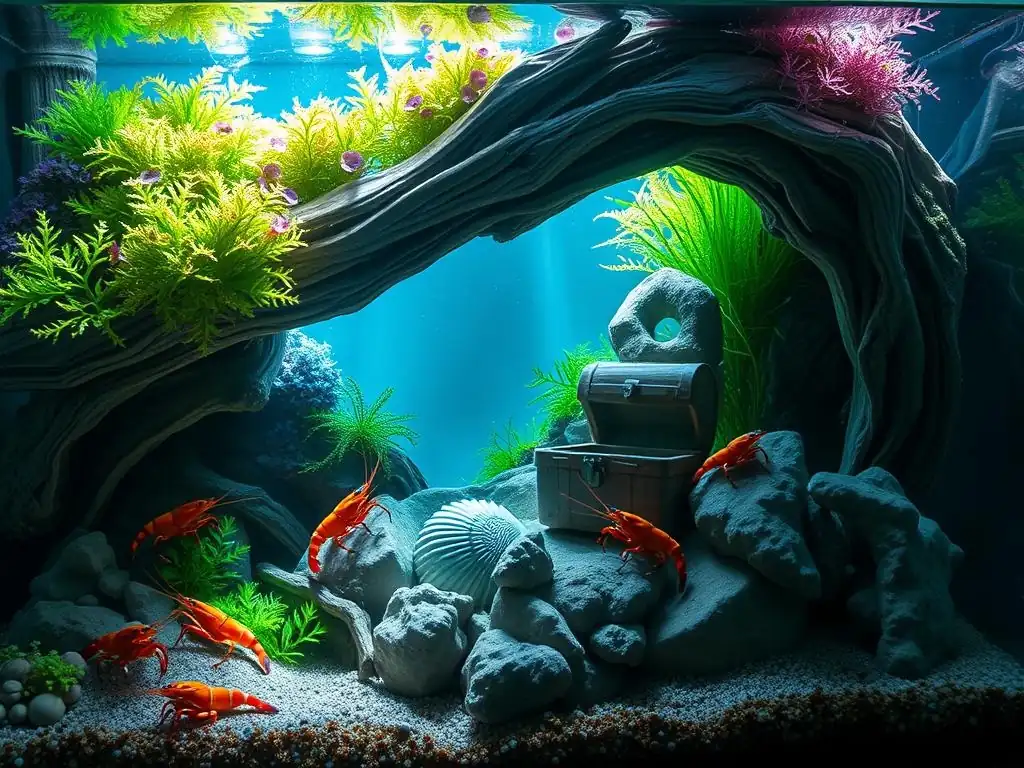
Welcome to Aquarium Mastery!
Ever wondered how to create a thriving, miniature ecosystem within your saltwater aquarium? Dive into the fascinating world of saltwater invertebrate microhabitats and unlock the secrets to a balanced and beautiful tank. Discover how to set up the perfect environment for your delicate invertebrates and watch them flourish. Ready to build your own miniature reef paradise? Let's get started!
- Creating the Ideal Microhabitat for Saltwater Shrimp, Snails, and Crabs
- Understanding Saltwater Invertebrate Microhabitats: An Introduction
- Planning Your Saltwater Invertebrate Microhabitat Setup
- Essential Elements for a Thriving Saltwater Invertebrate Microhabitat
- Maintaining Optimal Water Parameters for Invertebrate Microhabitats
- Feeding Your Saltwater Invertebrates in Their Microhabitat
- Troubleshooting Common Problems in Saltwater Invertebrate Microhabitats
- Examples of Successful Saltwater Invertebrate Microhabitat Setups
- Advanced Techniques for Enhancing Your Invertebrate Microhabitat
- Conclusion: Mastering the Art of Saltwater Invertebrate Microhabitat Creation
-
Frequently Asked Questions
- How important is creating a specific microhabitat for saltwater invertebrates?
- What are some key components of a good saltwater invertebrate microhabitat setup?
- How does water flow impact the health of saltwater invertebrates in a microhabitat?
- What kind of lighting is best for a saltwater invertebrate microhabitat?
- What are some common mistakes people make when setting up saltwater invertebrate microhabitats?
- Final Reflection: Cultivating Thriving Underwater Worlds
- Ignite Your Reef Tank's Potential!
Creating the Ideal Microhabitat for Saltwater Shrimp, Snails, and Crabs
Understanding Saltwater Invertebrate Microhabitats: An Introduction
Why Saltwater Invertebrate Microhabitats Matter for Aquarium Health
Saltwater invertebrate microhabitats are not merely aesthetic additions; they are crucial components for the overall health and stability of a marine aquarium. These specialized zones leverage the natural behaviors of invertebrates to perform vital ecological roles, such as nutrient cycling, detritus consumption, and algae control. For instance, a healthy population of Nassarius snails can efficiently process detritus and uneaten food in a 20-gallon tank, preventing nutrient build-up, while Turbo or Trochus snails tirelessly graze on nuisance algae from rockwork and glass surfaces, keeping the tank clean and clear.
Beyond their cleanup duties, a well-designed saltwater invertebrate microhabitat setup contributes significantly to the biological diversity and resilience of the entire system. Providing a tailored environment for species like Peppermint Shrimp or various hermit crabs ensures their long-term health and activity, which in turn enhances the tank's natural beauty and reduces the aquarist's workload. These invertebrates are key indicators of water quality and their thriving presence signifies a balanced and robust marine ecosystem.
Defining a Saltwater Invertebrate Microhabitat: More Than Just a Tank
A saltwater invertebrate microhabitat refers to a specific, often localized, area within a larger saltwater aquarium that is meticulously designed to meet the unique and specific needs of certain invertebrate species. It goes beyond merely housing invertebrates; it's a focused saltwater invertebrate microhabitat setup that considers precise parameters for substrate, water flow, lighting, and shelter, creating an environment where these creatures can thrive and exhibit their natural behaviors.
This specialized approach differentiates a microhabitat from a general tank setup by emphasizing precision. For instance, it involves maintaining specific gravity consistently between 1.023 and 1.026, and temperature within a narrow range of 75-78°F (24-25.5°C), to prevent osmotic shock in sensitive species. Furthermore, it includes the intentional provision of specific niches, such as deep sandy areas for burrowing snails (e.g., 3-4 inches deep for Nassarius) or intricate rockwork offering ample crevices and caves for shy shrimp to retreat during molting or from potential predators.
Planning Your Saltwater Invertebrate Microhabitat Setup
Assessing Your Existing Saltwater Aquarium Environment
Before embarking on a new saltwater invertebrate microhabitat setup, a comprehensive assessment of your current aquarium environment is paramount. This initial evaluation involves scrutinizing existing fish species for any predatory tendencies; for example, triggerfish, some puffers, and certain wrasses are known to prey on invertebrates and would render a dedicated microhabitat impractical. Evaluate the current bioload and the stability of your water parameters, ensuring that your filtration system can handle any additional inhabitants without compromising water quality.
Beyond the inhabitants, consider the overall size and maturity of your tank. A smaller 20-gallon nano tank might only comfortably support a modest cleanup crew of a few snails and small hermit crabs, whereas a 100-gallon reef tank offers far greater scope for a diverse population and more elaborate invertebrate microhabitat zones. Ensure your established biological filtration (e.g., ammonia and nitrite at 0 ppm, nitrates below 10-20 ppm) is robust enough to maintain pristine conditions for these sensitive additions.
Choosing Saltwater Shrimp, Snails, and Crabs for Your Microhabitat
Selecting Compatible Invertebrate Species
Compatibility is the cornerstone of a successful saltwater invertebrate microhabitat setup. For a diverse and effective cleanup crew, excellent choices often include Nassarius snails (e.g., Nassarius vibex) for sandbed aeration and detritus consumption, Turbo snails ( Turbo fluctuosa) or Turban snails for diligent algae grazing on glass and rockwork, and various Hermit crabs like the ubiquitous Blue Leg ( Clibanarius tricolor) or the vibrant Scarlet Reef Hermit ( Paguristes cadenati) for scavenging.
Peppermint Shrimp ( Lysmata wurdemanni) are highly valued for their ability to control nuisance Aiptasia anemones, while Cleaner Shrimp ( Lysmata amboinensis) offer both symbiotic cleaning services and engaging behavior.
Conversely, it is crucial to avoid mixing species with known predatory or overly aggressive tendencies towards other invertebrates. For instance, while most hermit crabs are beneficial, larger species like the Halloween Hermit ( Ciliopagurus strigatus) can become predatory on snails as they grow, even if they appear benign when small, often consuming them for their shells or as a food source.
Similarly, some "Emerald Crabs" ( Mithraculus sculptus) may nip at corals or other sessile invertebrates depending on their individual temperament and hunger levels. Thorough research into each species' adult size, dietary needs, and temperament is essential to ensure peaceful coexistence within your specific invertebrate microhabitat.
Understanding Invertebrate Size and Growth Rates
The adult size and growth rate of your chosen invertebrates are significant factors in the long-term success and sustainability of your saltwater invertebrate microhabitat setup. For example, a Peppermint Shrimp typically reaches an adult length of about 2 inches (5 cm), while a larger Turbo Snail can grow to 2-3 inches (5-7.5 cm) in diameter. These dimensions directly influence how many individuals a specific microhabitat can comfortably support without leading to overcrowding, which can induce stress and competition for limited resources.
Consider the lifespan and growth trajectory of species like the Scarlet Reef Hermit Crab, which can grow from a tiny quarter-inch shell to needing a 1-inch shell over several years. Overcrowding not only leads to increased stress and aggression but also contributes to a higher bioload, potentially compromising water quality. Planning for the mature size of your invertebrates, rather than just their initial purchase size, is a critical step in designing a resilient and healthy invertebrate microhabitat.
Determining the Ideal Size and Location for Your Microhabitat Zone
The ideal size and strategic location for your saltwater invertebrate microhabitat setup within the main display tank are largely dictated by the overall tank volume, the specific needs of your chosen invertebrate species, and the dynamics of your existing inhabitants. In a 40-gallon breeder tank, for instance, dedicating a section equivalent to 10 gallons with specific rockwork and substrate depth might be a viable approach.
For larger reef tanks (e.g., 100+ gallons), multiple smaller, distinct microhabitats can be established, perhaps one featuring a deep sand bed for a burrowing Pistol Shrimp and Goby pair, and another with intricate rockwork tailored for a diverse cleanup crew.
Placement is equally crucial for the success of your invertebrate microhabitat. Select an area that allows for easy observation and maintenance, but also provides a sense of security and refuge for the invertebrates, away from high-traffic zones or the territories of aggressive fish. Consider areas with slightly reduced water flow for delicate filter feeders like certain shrimp or feather dusters, or a secluded corner with ample sandbed for burrowing snails. The goal is to optimize the invertebrate microhabitat for their natural behaviors, ensuring they feel safe and can effectively contribute to the tank's ecosystem.
Essential Elements for a Thriving Saltwater Invertebrate Microhabitat
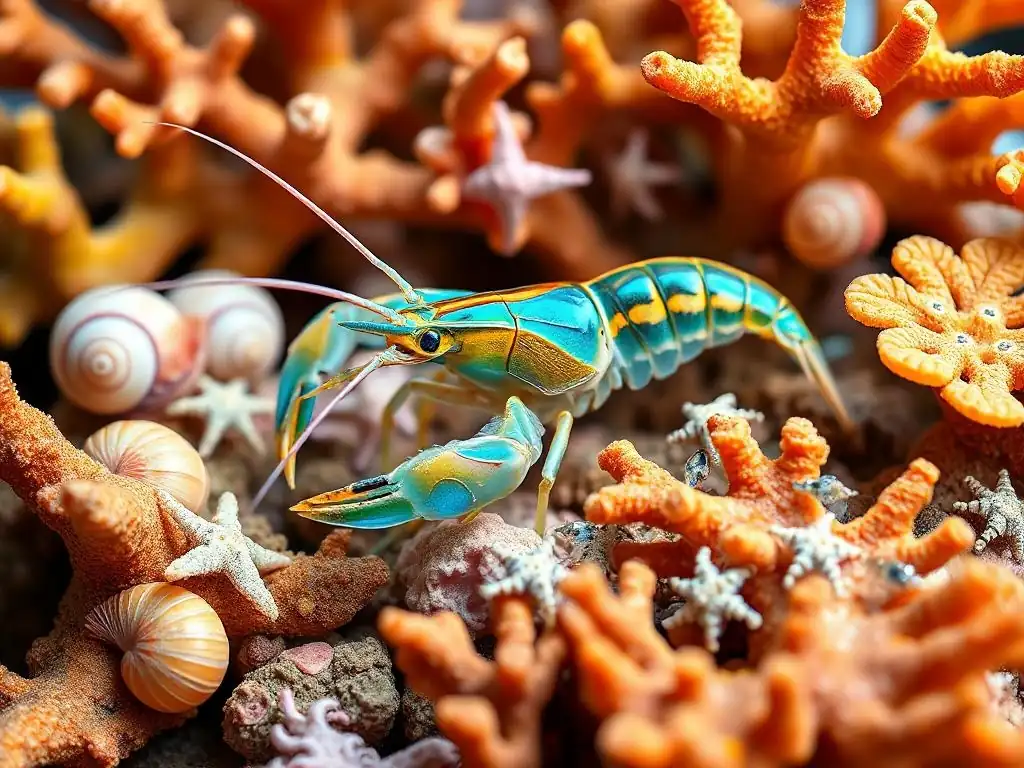
Substrate Selection for Invertebrate Health
Aragonite Sand vs. Crushed Coral: Which is Best?
When establishing a saltwater invertebrate microhabitat setup, the choice of substrate is paramount, especially for burrowing species like Nassarius snails or Pistol Shrimp. Aragonite sand is generally the preferred choice due to its fine grain size, typically ranging from 0.5 mm to 2 mm. This fine texture allows for easy burrowing, prevents compaction, and facilitates the natural movement of sand-sifting invertebrates. Furthermore, aragonite offers excellent buffering capacity, slowly dissolving to release calcium and carbonates, which helps maintain stable alkalinity (dKH) and pH levels crucial for the calcification process of many invertebrates.
In contrast, crushed coral, characterized by its larger, irregular pieces (often 2-5 mm or more), can be abrasive to the delicate bodies of invertebrates and tends to trap detritus more readily. This accumulation of organic waste can lead to nutrient buildup and potentially anoxic zones, which are detrimental to the health of a saltwater invertebrate microhabitat. While crushed coral does provide some buffering, its coarse nature makes it less ideal for creating a natural, comfortable environment for the majority of species that rely on soft, fine substrate for shelter, foraging, and overall well-being.
Substrate Depth and Its Importance
The depth of your substrate is a critical factor in creating a functional and healthy saltwater invertebrate microhabitat setup. For most burrowing snails (e.g., Nassarius, Cerith) and certain shrimp species, a minimum substrate depth of 2-4 inches (5-10 cm) is highly recommended.
This depth provides sufficient space for them to exhibit natural behaviors like burying themselves for safety, foraging for detritus, and aerating the sand bed. A deeper sand bed, typically 4-6 inches (10-15 cm), can also foster the development of beneficial anaerobic bacteria in its lower layers, which play a vital role in denitrification, converting nitrates into harmless nitrogen gas.
However, excessively deep sand beds, particularly those lacking sufficient invertebrate activity to churn the substrate, can become problematic. Without proper aeration, these deep layers can develop anoxic zones where hydrogen sulfide, a highly toxic gas, can accumulate. A balanced substrate depth, actively worked by a healthy population of sand-sifting invertebrates (e.g., 1 Nassarius snail per 2 gallons of sandbed area), ensures proper oxygenation of the upper layers while allowing for beneficial anoxic zones below, contributing to a robust and self-sustaining invertebrate microhabitat ecosystem.
Rockwork and Aquascaping: Creating Shelter and Grazing Surfaces
Live Rock Benefits for Invertebrates
Live rock is an indispensable and foundational element for any successful saltwater invertebrate microhabitat setup, offering far more than just structural support and aesthetic appeal. Its highly porous structure provides an expansive surface area for the colonization of beneficial nitrifying and denitrifying bacteria, contributing significantly to the biological filtration of the system by processing ammonia and nitrite. A typical healthy live rock can host millions of beneficial microorganisms and microfauna, forming the very backbone of the aquarium's ecosystem.
Beyond its filtration capabilities, live rock serves as a natural and continuous food source for many grazing invertebrates, providing a constant supply of microalgae, diatoms, and detritus that naturally accumulate on its surfaces. Crucially, it also offers essential hiding spots, crevices, and caves, which are vital for the security and well-being of shy invertebrates like certain shrimp species during molting, or newly introduced crabs seeking refuge from potential predators or intense lighting within their invertebrate microhabitat.
Building Stable and Diverse Rock Structures
Thoughtful and secure aquascaping is paramount for creating a functional and appealing saltwater invertebrate microhabitat setup. When arranging live rock, the primary focus should be on constructing stable structures that will not shift, collapse, or trap inhabitants, especially with active fish or burrowing invertebrates. Utilize inert materials such as PVC pipes or reef-safe epoxy to securely bond larger pieces, creating robust and permanent foundations. Aim for a balanced design that incorporates both open areas for grazing and swimming, and shaded, secluded caves, overhangs, and tunnels.
Diverse rock structures provide a variety of micro-environments that cater to different invertebrate needs. Ledges offer convenient resting and foraging spots for snails and crabs, while small, intricate caves are perfect for shrimp seeking refuge during their vulnerable molting periods. Incorporating various sizes and shapes of rock, and perhaps even a small "rubble pile" in a corner, can mimic natural reef environments and maximize the utility of the invertebrate microhabitat for a wide array of species' natural behaviors and preferences.
Water Flow and Oxygenation in Invertebrate Microhabitats
The Role of Powerheads and Wave Makers
Adequate water flow is a critical environmental factor for a healthy saltwater invertebrate microhabitat setup, ensuring the consistent delivery of food particles, the efficient removal of waste products, and uniform oxygenation throughout the water column. Powerheads and wave makers are essential tools for achieving this, but their placement and strength must be carefully considered. Many invertebrates, particularly filter feeders like feather dusters or specific shrimp species, thrive with moderate, indirect flow that mimics natural surge zones, rather than direct, strong currents that can dislodge them or cause undue stress.
For instance, while a general reef tank might aim for a total flow rate of 10-20 times the tank volume per hour, within the invertebrate microhabitat itself, you might aim for a more gentle, diffused flow. Position powerheads strategically to create random, turbulent flow patterns that prevent the formation of "dead spots" where detritus can accumulate, but always avoid directly blasting delicate invertebrates with a concentrated stream. Proper flow ensures all areas of the invertebrate microhabitat are well-oxygenated and supplied with nutrients.
Maintaining Optimal Oxygen Levels
Optimal dissolved oxygen (DO) levels are non-negotiable for the survival and long-term health of all inhabitants in a saltwater invertebrate microhabitat setup. Marine invertebrates are particularly sensitive to low DO levels, which can be exacerbated by high water temperatures, excessive organic waste, or insufficient surface agitation. Good surface agitation, generated by powerheads, wave makers, or the return pump from a sump, is essential for facilitating robust gas exchange between the water and the air, maintaining DO saturation, typically aiming for 6-8 mg/L.
Adequate water movement is also crucial for preventing the formation of oxygen-depleted zones, especially within dense rockwork and deeper substrate areas where anaerobic conditions might otherwise develop. While less common for routine hobbyist testing, monitoring oxygen levels can be vital during periods of stress, disease, or if a large amount of organic matter decays. Ensuring stable parameters, avoiding overstocking, and consistent surface agitation are key preventative measures to maintain the high oxygen environment vital for a thriving invertebrate microhabitat.
Lighting Considerations for Saltwater Invertebrates
Understanding PAR and PUR Requirements
While corals have specific Photosynthetically Active Radiation (PAR) and Photosynthetically Usable Radiation (PUR) requirements for their symbiotic zooxanthellae, most saltwater invertebrates commonly found in cleanup crews or kept for their unique behaviors do not directly depend on intense lighting for their survival. Their primary light need often relates indirectly to the growth of microalgae, diatoms, and cyanobacteria, which form a significant part of their natural diet. A PAR level of 50-100 μmol/m²/s might be sufficient for general algae growth in an invertebrate microhabitat.
Therefore, unless you are specifically keeping photosynthetic invertebrates like Tridacna clams or certain types of symbiotic anemones, the lighting for your saltwater invertebrate microhabitat setup should primarily be dictated by the needs of your corals or other photosynthetic organisms in the main tank. It is important to ensure that there are ample shaded areas within the rockwork and aquascape where light-sensitive invertebrates can retreat during the brightest parts of the day, mimicking their natural behaviors in the wild and reducing potential stress.
Choosing the Right Lighting Spectrum
The choice of lighting spectrum for a saltwater invertebrate microhabitat setup typically aligns with the needs of a mixed reef tank, generally favoring a blue-rich spectrum (e.g., 10,000K to 20,000K). This spectrum not only enhances the natural coloration of many invertebrates, making them more visually appealing, but is also highly beneficial for the growth of coralline algae, which many herbivorous snails (like Trochus and Turbo snails) and crabs actively graze upon.
While a full-spectrum light can support various forms of life, excessively strong white light, especially in tanks with elevated nutrient levels, can sometimes promote the rapid growth of nuisance algae (e.g., green hair algae, diatoms) which might overwhelm certain slower-grazing invertebrates. A balanced spectrum that supports healthy primary productivity without encouraging rapid undesirable algae blooms is ideal for maintaining a pristine, functional, and aesthetically pleasing invertebrate microhabitat.
Maintaining Optimal Water Parameters for Invertebrate Microhabitats
Salinity, Temperature, and pH: The Critical Trio
The unwavering stability of salinity, temperature, and pH is absolutely paramount for the health, longevity, and overall well-being of invertebrates in any saltwater invertebrate microhabitat setup. Salinity, measured as specific gravity, should ideally be maintained consistently between 1.023 and 1.026 (or 32-35 parts per thousand, ppt). Even minor fluctuations of just 0.002 can induce significant osmotic stress, particularly during vulnerable periods like molting for shrimp and crabs, which can be fatal.
Temperature must remain stable, typically within the narrow range of 75-78°F (24-25.5°C), with minimal daily swings (ideally less than 1-2°F). pH levels should consistently fall within the range of 8.0-8.4. Maintaining these critical parameters within such tight, stable ranges prevents the physiological shock and metabolic stress that delicate invertebrates are highly susceptible to, ensuring their thriving presence within their specialized invertebrate microhabitat.
The Nitrogen Cycle and Invertebrate Waste Management
A fully established and robust nitrogen cycle is the fundamental biological process underpinning the success of any saltwater invertebrate microhabitat setup. This essential cycle converts highly toxic ammonia (produced from fish waste, uneaten food, and decaying organic matter) into less toxic nitrite, and subsequently into the relatively less harmful nitrate. Invertebrates, while contributing to the overall bioload of the system, also play an invaluable role in waste management by diligently consuming detritus, leftover food, and various forms of algae, thereby reducing the precursors to ammonia and promoting a cleaner environment.
Regular and diligent testing for ammonia (which should always be 0 ppm), nitrite (also 0 ppm), and nitrate (ideally below 10-20 ppm for invertebrate-only tanks, and even lower for reef systems) is absolutely essential. High nitrate levels, although less acutely toxic than ammonia or nitrite, can still significantly stress invertebrates over time, leading to reduced activity, stunted growth, impaired molting, and increased susceptibility to disease. This underscores the critical need for an efficient and balanced nitrogen cycle within the invertebrate microhabitat.
Performing Regular Water Changes: Best Practices
Regular water changes are a cornerstone of maintaining pristine water quality and a stable environment in any saltwater invertebrate microhabitat setup. For most established systems, a routine weekly or bi-weekly water change of 10-20% of the total tank volume is a widely recommended practice. This consistent replenishment helps to remove accumulated nitrates, phosphates, and other dissolved organic compounds that filtration alone cannot fully address. Furthermore, it replenishes essential trace elements that are consumed by corals and calcifying invertebrates, such as calcium, alkalinity, and magnesium.
Crucially, the new saltwater must be meticulously prepared to precisely match the existing tank's salinity and temperature as closely as possible. Even minor discrepancies can cause significant shock to sensitive invertebrates. Utilizing a high-quality synthetic marine salt mix and purified RO/DI (Reverse Osmosis/Deionized) water is essential for consistency and purity. Gradual additions and precise parameter matching ensure that the water change is a beneficial maintenance activity that supports the health of your invertebrate microhabitat, rather than a stressor.
Monitoring and Adjusting Water Chemistry
Consistent and diligent monitoring of water chemistry is vital for the long-term health and prosperity of a thriving saltwater invertebrate microhabitat setup. Beyond the critical trio of salinity, temperature, and pH, regular testing for key parameters like calcium (ideally 400-450 ppm), alkalinity (7-11 dKH), and magnesium (1250-1350 ppm) is highly recommended, especially if your microhabitat houses calcifying invertebrates such as large snails, clams, or certain crabs. These elements are indispensable for the formation and maintenance of their shells and exoskeletons.
Any necessary adjustments to these parameters should always be made slowly and carefully, using reputable marine aquarium supplements and strictly adhering to manufacturer instructions. Rapid or drastic swings in water chemistry are far more detrimental and stressful to invertebrates than slightly off but stable levels. Maintaining a detailed log of all test results and any adjustments made helps to identify long-term trends, proactively address potential imbalances, and ensure the consistent vitality of your invertebrate microhabitat.
Feeding Your Saltwater Invertebrates in Their Microhabitat
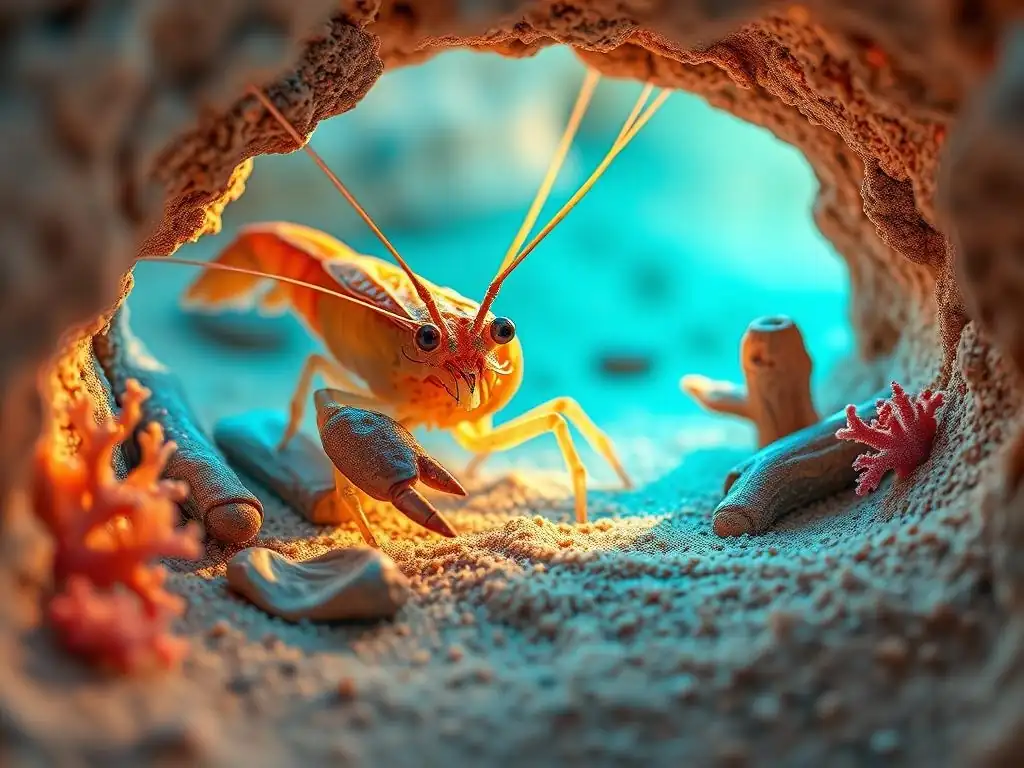
Identifying the Dietary Needs of Your Invertebrates
Understanding the specific dietary needs of each invertebrate species is crucial for a successful and thriving saltwater invertebrate microhabitat setup. Many common cleanup crew members are primarily detritivores (e.g., Nassarius snails, some hermit crabs) or herbivores (e.g., Turbo snails, Trochus snails), diligently grazing on naturally occurring algae films and consuming decaying organic matter and detritus. Other specialized invertebrates, such as certain shrimp species or feather dusters, are filter feeders, relying on suspended particulate matter and plankton in the water column for their nutrition.
While many invertebrates will effectively scavenge for leftover fish food and graze on naturally occurring algae and detritus, supplemental feeding may become necessary, especially in well-established, "clean" tanks with minimal natural food sources or if the invertebrate population is particularly dense. Provide a varied diet that includes high-quality marine flakes or pellets, sinking algae wafers, or targeted liquid foods specifically designed for filter feeders. This ensures that all inhabitants of your invertebrate microhabitat receive adequate and appropriate nutrition for their specific dietary requirements.
Target Feeding Techniques for Specific Species
For certain shy, nocturnal, or less competitive invertebrates within your saltwater invertebrate microhabitat setup, target feeding can be immensely beneficial and ensure they receive adequate nutrition. Utilizing a long pipette or a turkey baster allows you to precisely deliver small amounts of food directly to specific individuals or groups, ensuring they receive their share without intense competition from faster-moving fish or more aggressive tank inhabitants. This technique is particularly useful for small, delicate shrimp, certain reclusive crabs, or sessile filter feeders that might otherwise miss out on general broadcast feeding.
Nocturnal species, such as many types of brittle stars or certain hermit crabs, greatly benefit from feeding after the main tank lights have dimmed or completely turned off for the night. This allows them to emerge from their hiding spots and forage for food without disturbance or perceived threat. Consistent observation of your invertebrates' feeding behaviors will help you refine your target feeding strategy, leading to healthier, more active, and well-nourished specimens in your invertebrate microhabitat.
Preventing Overfeeding and Maintaining Water Quality
Overfeeding is one of the most common and detrimental pitfalls in any aquarium, and it can rapidly destabilize a carefully balanced saltwater invertebrate microhabitat setup. Excess, uneaten food quickly decays, contributing to a significant increase in ammonia, nitrite, nitrate, and phosphate levels, all of which are directly harmful to sensitive invertebrates and act as primary fuel for nuisance algae blooms. It is consistently better to slightly underfeed than to overfeed your aquarium inhabitants.
To prevent overfeeding, offer small amounts of food multiple times a day rather than one large meal, and ensure that all food is consumed within a few minutes. If you consistently find uneaten food accumulating on the substrate or in crevices, it is a clear indication to reduce the quantity or frequency of feeding. A well-managed and responsible feeding regimen, combined with the diligent work of a robust cleanup crew, is absolutely essential for maintaining pristine water quality and ensuring the long-term health and stability of your invertebrate microhabitat.
Troubleshooting Common Problems in Saltwater Invertebrate Microhabitats
Algae Blooms: Causes and Solutions
Algae blooms are a pervasive issue in saltwater invertebrate microhabitat setups, often serving as a clear indicator of an underlying imbalance in nutrient levels (nitrates and phosphates) or lighting parameters. Common culprits include consistent overfeeding, insufficient or infrequent water changes, accumulation of decaying organic matter (detritus), or excessive light intensity or duration. Diatom blooms, characterized by their brown, dusty appearance, frequently occur in newly established tanks, while persistent green hair algae or unsightly cyanobacteria typically signal chronic nutrient accumulation.
Effective solutions involve addressing the root cause: reduce feeding quantities, increase water change frequency (e.g., a 20% weekly change), improve detritus removal through siphoning, and ensure lighting parameters (intensity and photoperiod) are appropriate for your specific setup. Introducing more herbivorous snails, such as Turbo, Trochus, or Nerite snails, can significantly help control algae naturally. Manual removal of large patches of algae also provides immediate relief, improving both the aesthetic appeal and the overall health of the invertebrate microhabitat.
Predation and Competition Among Invertebrates
Even within a carefully planned and compatible saltwater invertebrate microhabitat setup, issues of predation or intense competition can occasionally arise. Some larger hermit crabs, particularly certain species like the Halloween Hermit, may become opportunistic predators on smaller snails, either for their shells or as a food source, even if they initially appeared peaceful. Similarly, certain shrimp species can become territorial, especially if the available space or hiding spots are limited, leading to aggression towards other invertebrates.
Close and consistent observation of your invertebrates' interactions is crucial for early detection of such issues. Look for tell-tale signs such as mysteriously missing snails, damaged or empty shells, or overt aggressive posturing between individuals. If a specific invertebrate consistently preys upon or harasses others, the most effective and often necessary solution is to remove the aggressor from the invertebrate microhabitat to prevent further losses and maintain harmony within the community. Ensuring adequate hiding spots and a sufficient supply of appropriately sized empty shells for hermit crabs can also significantly reduce aggression.
Identifying and Treating Invertebrate Diseases
Unlike fish, identifying and effectively treating diseases in saltwater invertebrates within a microhabitat setup is often exceptionally challenging, with very limited and often unproven treatment options available to hobbyists. Therefore, prevention through the maintenance of stable water parameters, provision of proper nutrition, and meticulous quarantine of all new additions is absolutely paramount. Symptoms of distress or disease in invertebrates can be subtle but may include lethargy, loss of appetite, unusual discoloration, abnormal growths, or the progressive loss of tissue.
Common issues affecting invertebrates are most frequently linked to poor or fluctuating water quality, sudden and drastic parameter swings, or inadvertent exposure to copper-based medications, which are highly toxic to all invertebrates. If an invertebrate exhibits severe signs of illness, it is often best to isolate it in a separate observation tank to prevent potential spread to other inhabitants and to allow for closer monitoring without stressing other tank mates. Maintaining an optimal and stable invertebrate microhabitat environment is by far the strongest defense against disease.
Dealing with Pest Invertebrates (Aiptasia, Bristleworms)
Pest invertebrates, such as the tenacious Aiptasia anemones or certain types of bristleworms, can emerge and proliferate rapidly within a saltwater invertebrate microhabitat setup, competing for resources or even stinging corals and other desirable inhabitants. Aiptasia, small, translucent glass-like anemones, are notorious for their rapid spread and should be addressed promptly. While most bristleworms are beneficial detritivores, certain species can grow to an undesirable size or become predatory on other invertebrates or even small fish.
For Aiptasia, targeted solutions include injecting them directly with Kalkwasser paste, boiling RO/DI water, or a commercial Aiptasia treatment. Introducing natural predators like Peppermint Shrimp ( Lysmata wurdemanni) or the specialized Berghia nudibranch ( Berghia verrucicornis) can also be highly effective. For problematic bristleworms, manual removal using long tweezers or setting a bristleworm trap can help reduce their population. Maintaining a balanced and healthy invertebrate microhabitat helps keep most pest populations in check naturally.
Examples of Successful Saltwater Invertebrate Microhabitat Setups
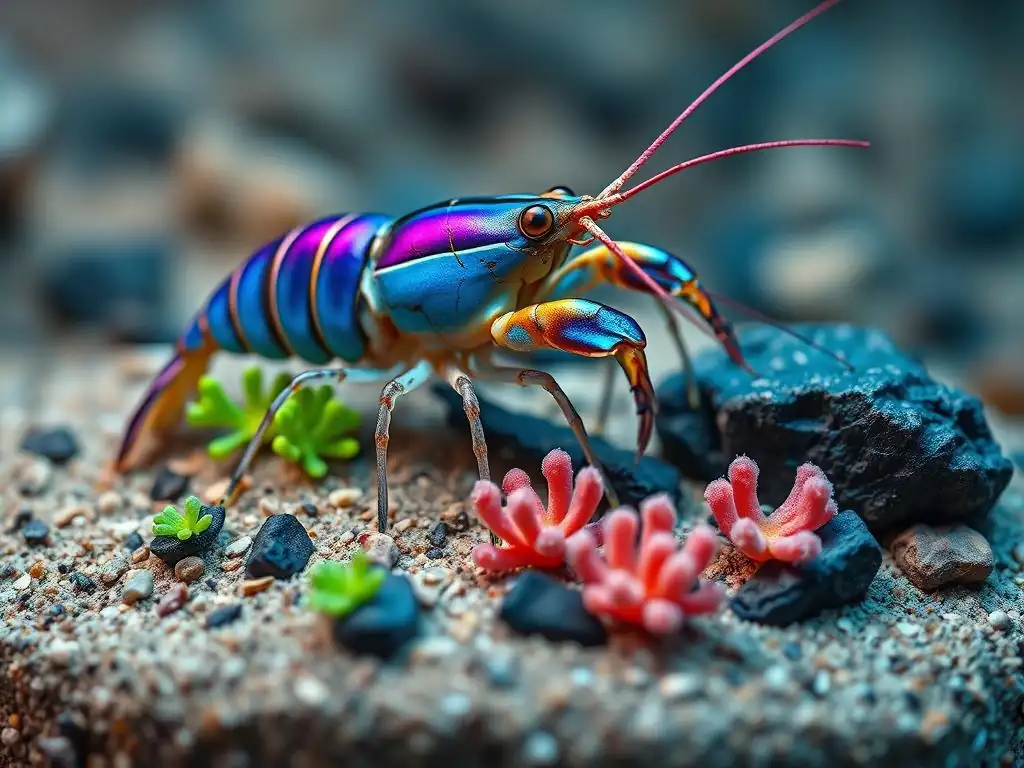
Reef Tank Invertebrate Microhabitats
In a vibrant and thriving reef tank, the saltwater invertebrate microhabitat setup is often seamlessly integrated into the overall aquascape, enhancing both its aesthetic appeal and its crucial ecological functions. A typical mixed reef setup might feature a highly diverse cleanup crew, demonstrating a successful invertebrate microhabitat. This could include Turbo snails ( Turbo fluctuosa) diligently grazing algae from the glass and live rock surfaces, Nassarius snails ( Nassarius vibex) actively burrowing through the sandbed, processing detritus and aerating the substrate, and Scarlet Reef Hermit Crabs ( Paguristes cadenati) scavenging for leftover food and algae in crevices.
These integrated microhabitats are characterized by consistently stable water parameters (e.g., alkalinity 8-10 dKH, calcium 400-450 ppm), moderate and varied water flow, and ample live rock providing both shelter and extensive grazing surfaces. The success of such a reef invertebrate microhabitat ensures a remarkably clean tank environment, significantly reducing nuisance algae and detritus accumulation, while simultaneously supporting the delicate biological balance required for optimal coral health and growth.
Macroalgae-Dominated Invertebrate Habitats
A saltwater invertebrate microhabitat setup specifically designed around macroalgae is frequently found in dedicated refugiums or as a unique feature in display tanks, primarily serving to export nutrients and provide a highly natural environment. These setups typically feature large quantities of beneficial macroalgae, such as Chaetomorpha ( Chaetomorpha linum) or Ulva ( Ulva lactuca), which actively absorb nitrates and phosphates, effectively removing them from the water column. Invertebrates thriving here are predominantly herbivores and detritivores that benefit from the abundant plant matter and associated decaying organic material.
Examples of invertebrates well-suited for this type of invertebrate microhabitat include various Turban snails that graze directly on the macroalgae itself, Emerald Crabs ( Mithraculus sculptus) which can help control nuisance bubble algae, and numerous Bristleworms that efficiently break down decaying plant matter and detritus. The long-term success of such an invertebrate microhabitat relies on providing ample appropriate light for robust macroalgae growth, maintaining moderate water flow, and ensuring a consistent, albeit controlled, supply of nutrients, often sourced directly from the main display tank.
Shrimp-Focused Microhabitat
A dedicated saltwater invertebrate microhabitat setup tailored specifically for shrimp highlights their unique behaviors and often delicate needs. For instance, a symbiotic pair of a Pistol Shrimp ( Alpheus bellulus) and a Watchman Goby ( Cryptocentrus cinctus) requires a very deep sand bed (at least 4-6 inches or 10-15 cm) for the shrimp to construct its elaborate, intricate burrow system, along with stable rockwork for the goby's vigilant perch. This particular invertebrate microhabitat must provide a secure, low-stress environment conducive to their unique partnership and burrowing activities.
Similarly, a microhabitat specifically designed for Cleaner Shrimp ( Lysmata amboinensis) would focus on creating prominent, easily accessible perching spots, often on elevated live rock formations, where they can establish their cleaning stations. These active shrimp benefit greatly from moderate, consistent water flow and stable water parameters. Their characteristic active cleaning behavior, where they pick parasites and dead tissue from fish, is a clear and direct indicator of a healthy and well-maintained invertebrate microhabitat. Supplemental target feeding of small, sinking pellets or frozen foods (e.g., mysis shrimp) ensures their nutritional needs are met.
Advanced Techniques for Enhancing Your Invertebrate Microhabitat
Implementing a Refugium for Nutrient Control
Implementing a refugium is an advanced yet highly effective technique for significantly enhancing a saltwater invertebrate microhabitat setup by improving overall system stability and providing a continuous, natural food source. A refugium is a separate, often dimly lit, chamber connected to the main display tank, typically filled with fast-growing macroalgae (like Chaetomorpha or Ulva) and live rock rubble. This area serves as a natural and highly efficient nitrate and phosphate export mechanism, as the macroalgae consume these nutrients for their growth, effectively removing them from the water column.
Crucially, a refugium also acts as a protected breeding ground for beneficial microfauna, such as copepods and amphipods, which then naturally migrate into the main display tank. These tiny crustaceans are an invaluable natural food source for many invertebrates, including various shrimp and crabs, significantly enriching the diet of the inhabitants within the invertebrate microhabitat and promoting a more robust, self-sustaining ecosystem. This constant influx of live food can lead to healthier, more active, and even breeding invertebrate populations.
Using Activated Carbon and Other Chemical Filtration
While not directly part of the physical saltwater invertebrate microhabitat setup, chemical filtration media like activated carbon and GFO (Granular Ferric Oxide) play a significant and beneficial role in maintaining optimal water quality. Activated carbon excels at removing dissolved organic compounds, phenolic yellowing agents, and certain toxins that can accumulate over time, leading to clearer water and a healthier, less stressful environment for invertebrates. It typically requires replacement every 2-4 weeks to maintain its adsorptive efficiency.
GFO is specifically designed to adsorb phosphates, which are a primary nutrient for nuisance algae. By keeping phosphate levels very low (ideally below 0.03 ppm), GFO helps prevent the proliferation of undesirable algae blooms that can outcompete or overwhelm grazing invertebrates and detract from the aesthetic of the invertebrate microhabitat. When used responsibly and replaced as directed, these chemical media contribute significantly to the pristine water parameters essential for the long-term vitality and success of your invertebrate community.
Creating a Sustainable Ecosystem
The ultimate aspiration and hallmark of a truly successful saltwater invertebrate microhabitat setup is the establishment of a sustainable ecosystem where natural biological processes minimize the need for constant human intervention. This holistic approach involves meticulously balancing the bioload with the filtration capacity, optimizing all critical water parameters, and providing a diverse and complex environment that naturally supports a healthy and intricate food web. In a truly sustainable system, invertebrates not only survive but thrive, often reproduce, and contribute significantly to the tank's inherent cleanliness and overall biological stability.
Achieving this level of sustainability demands a deep understanding of the intricate relationships between all tank inhabitants, from the microscopic bacteria to the fish and the diverse invertebrate community. It requires consistent observation, proactive problem-solving based on subtle cues, and an unwavering commitment to maintaining stable and ideal environmental conditions. When successful, your invertebrate microhabitat transforms into a vibrant, self-regulating miniature ocean, offering immense satisfaction and a profoundly rewarding aquarist experience.
Conclusion: Mastering the Art of Saltwater Invertebrate Microhabitat Creation
Frequently Asked Questions
How important is creating a specific microhabitat for saltwater invertebrates?
It's extremely important. Many saltwater invertebrates have very specific needs regarding water flow, lighting, and substrate composition to thrive in a reef aquarium.
What are some key components of a good saltwater invertebrate microhabitat setup?
Essential components include live rock for biological filtration, appropriate substrate like aragonite sand, and equipment to maintain stable water parameters such as a protein skimmer and a reliable filtration system.
How does water flow impact the health of saltwater invertebrates in a microhabitat?
Different invertebrates require varying degrees of water flow. Some filter feeders need high water flow to deliver food, while others prefer lower flow to avoid being stressed.
What kind of lighting is best for a saltwater invertebrate microhabitat?
The best lighting depends on the specific invertebrates. Soft corals and some invertebrates require lower intensity lighting, whereas others like certain clams need high intensity lighting similar to SPS corals.
What are some common mistakes people make when setting up saltwater invertebrate microhabitats?
Common mistakes include inadequate water flow, poor water quality, and introducing incompatible species. Also, failing to quarantine new arrivals can introduce disease into the established ecosystem.
Final Reflection: Cultivating Thriving Underwater Worlds
The journey of crafting the ideal saltwater invertebrate microhabitat, as we've explored, is more than just assembling a tank; it's about understanding and replicating the delicate balance of a natural ecosystem. The principles of careful planning, appropriate substrate selection, and mindful stocking are not merely suggestions, but essential components for the long-term health and vitality of these fascinating creatures, and their importance is amplified in a world increasingly aware of the fragility of marine life.
This exploration has underscored the profound impact even small-scale aquariums can have on our appreciation for the ocean. Witnessing the intricate interactions within a miniature reef environment fosters a deeper understanding of the interconnectedness of all living things. It's a reminder that even in our homes, we can contribute to conservation efforts by creating sustainable and ethical environments for these often-overlooked members of the marine world. In the end, we will conserve only what we love; we will love only what we understand; and we will understand only what we are taught.
- Baba Dioum.
As you embark on, or continue, your journey of saltwater invertebrate microhabitat setup, remember that patience and observation are your greatest allies. Let the principles outlined here guide you, but allow your own curiosity and passion to shape your unique underwater world. Consider how you can further refine your approach, contribute to the collective knowledge of the hobby, and ultimately, become a steward of these captivating creatures. The ocean's future, in many ways, rests on our ability to appreciate and protect its smallest inhabitants.
Ignite Your Reef Tank's Potential!
Thank you for diving deep into the fascinating world of saltwater invertebrate microhabitats! We hope you've gained valuable insights into creating thriving ecosystems within your aquarium. Now, let's put that knowledge into action and watch your reef flourish.
Here are a few things you can do right now:
- Start planning your ideal microhabitat! Consider the specific needs of your invertebrates and how you can replicate their natural environment. This is your primary action!
- Share your newfound knowledge! Teach a fellow hobbyist about the importance of creating the right environments for their invertebrates.
- Observe your current tank with a new perspective. Can you spot any areas for improvement? Take notes of what you think can be improved, small changes can make a huge difference for your invertebrates.
What specific invertebrate are you most excited to create a microhabitat for, and what unique feature will you incorporate into its environment?