
CleanUp Crew Confidential: Secrets to a Spotless Reef Tank

Welcome to Aquarium Mastery!
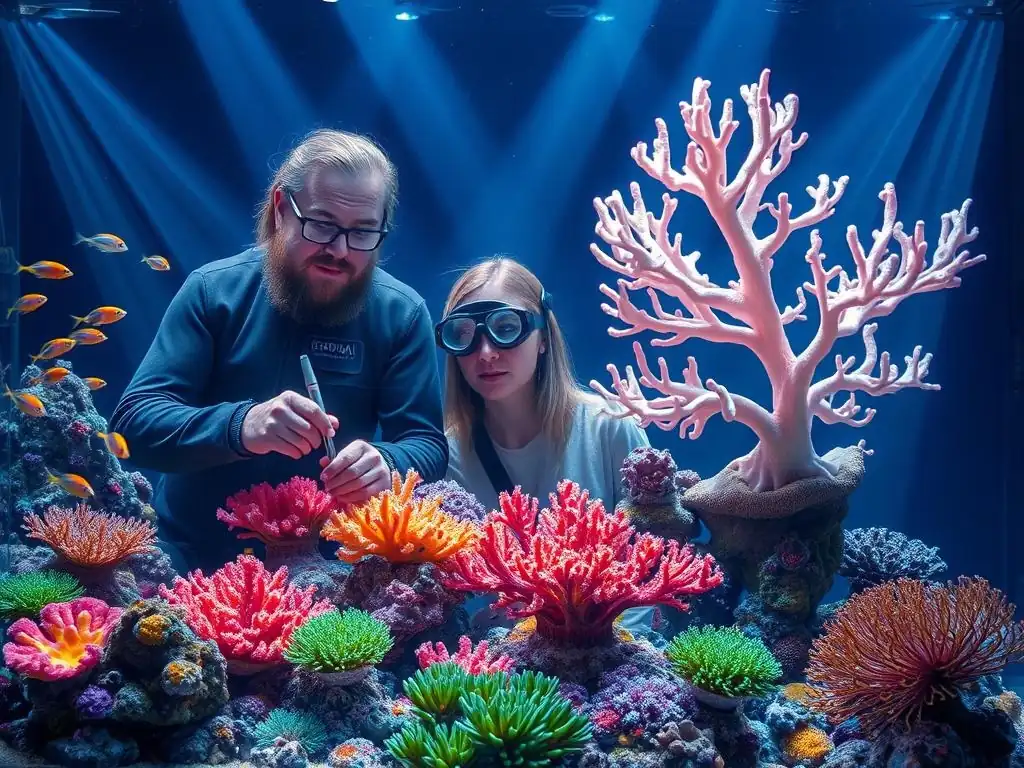
Ever wondered how to keep your reef tank sparkling clean without endless scrubbing? Dive in! We're unlocking the secrets to a thriving ecosystem with the perfect reef tank cleanup crew. Discover which tiny heroes are best suited for your tank, how to choose them, and how to ensure they flourish. Get ready to say goodbye to algae and hello to a pristine reef!
- Understanding the Reef Tank Cleanup Crew: Your Silent Allies
- Assembling Your All-Star Reef Tank Cleanup Team: Species Selection
- Stocking Your Reef Tank Cleanup Crew: Finding the Right Balance
- Maintaining a Healthy Reef Tank Cleanup Crew: Care and Considerations
- Troubleshooting Common Reef Tank Cleanup Crew Problems
- Advanced Reef Tank Cleaning Strategies: Beyond the Basics
-
Frequently Asked Questions
- What exactly is a reef tank cleanup crew, and why is it important?
- How do I choose the right cleanup crew for my specific reef tank?
- How many cleanup crew members do I need for my reef tank?
- What are some common problems with reef tank cleanup crews, and how can I prevent them?
- How often should I replace or supplement my reef tank cleanup crew?
- Final Reflection: The Unseen Architects of the Reef
- Dive Deeper: Transform Your Reef Tank Today!
Understanding the Reef Tank Cleanup Crew: Your Silent Allies
The Vital Role of Detritivores in Reef Aquariums
In the intricate ecosystems of natural coral reefs, a diverse array of organisms silently works to maintain balance by processing organic waste. These unsung heroes are known as detritivores, and they form the backbone of a healthy reef environment. In a closed system like a reef aquarium, replicating this natural process through a well-chosen reef tank cleanup crew is not just beneficial, but absolutely essential for long-term stability and success. These invertebrates consume uneaten food, fish waste, decaying plant matter, and various forms of algae, effectively preventing the buildup of harmful nitrates and phosphates.
Without an efficient reef tank cleanup crew, organic pollutants would rapidly accumulate, leading to poor water quality, unsightly algae blooms, and stress on corals and fish. These small but mighty creatures convert waste into forms that can be more easily processed by the aquarium's filtration system, or they directly incorporate it into their own biomass, effectively removing it from the water column. Their continuous activity is a primary defense against nutrient imbalances, ensuring the delicate chemical parameters necessary for sensitive reef inhabitants are maintained.
Benefits of a Thriving Reef Tank Cleanup Crew
The advantages of a robust reef tank cleanup crew extend far beyond just aesthetic appeal. A diverse team of detritivores significantly reduces the manual labor required for tank maintenance, such as scrubbing algae from glass and siphoning detritus from the sand bed. For instance, a well-stocked 50-gallon reef tank might see a reduction in manual glass cleaning frequency by as much as 60-70% compared to a tank without an adequate cleanup crew, as snails and certain crabs diligently graze surfaces.
Furthermore, a thriving reef tank cleanup crew contributes to the overall health and biodiversity of the aquarium. Their constant grazing and sifting activities promote oxygenation of the substrate, preventing anaerobic pockets that can release toxic hydrogen sulfide gas. They also provide a natural food source for some fish and act as bio-indicators, often showing signs of distress if water parameters begin to deviate from optimal levels. This symbiotic relationship creates a more stable, resilient, and visually appealing reef environment.
Assembling Your All-Star Reef Tank Cleanup Team: Species Selection
Hermit Crabs for Reef Tanks: Algae Control and Detritus Removal
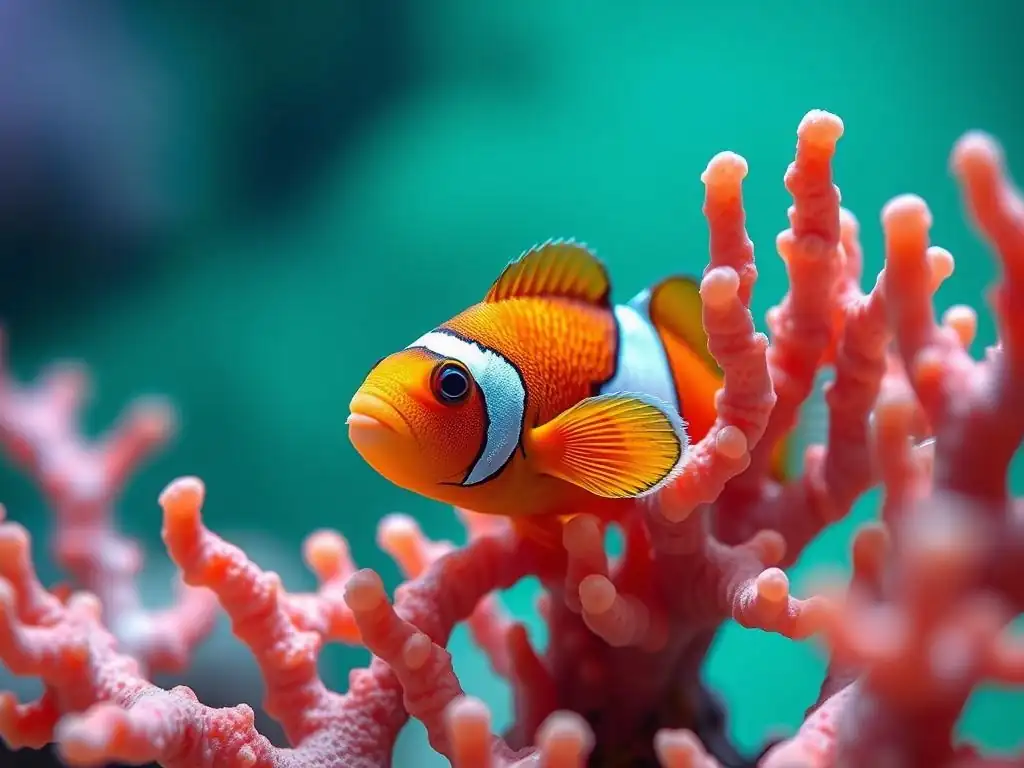
Hermit crabs are among the most popular and effective members of a reef tank cleanup crew, renowned for their diligent scavenging habits. These crustaceans actively comb through live rock and sand, consuming a wide variety of nuisance algae and detritus. Their relatively small size allows them to access tight crevices where other cleanup crew members might struggle, ensuring comprehensive coverage of the aquarium's surfaces.
While generally beneficial, it's crucial to provide an ample supply of appropriately sized empty snail shells for hermit crabs to move into as they grow. A lack of suitable shells can lead to them preying on live snails to usurp their shells, counteracting their intended purpose as part of your reef tank cleanup crew. Observing their behavior and ensuring their housing needs are met will keep them focused on their cleaning duties.
Scarlet Reef Hermit Crab (Paguristes cadenati): A Popular Choice
The Scarlet Reef Hermit Crab is highly prized among aquarists for its vibrant red color and peaceful disposition, making it an excellent addition to almost any reef tank cleanup crew. These active scavengers typically grow to about 1 inch in size, making them suitable for tanks as small as 10 gallons. Their primary diet consists of various forms of nuisance algae, including hair algae and cyanobacteria, which they efficiently graze from live rock and glass.
Unlike some other hermit crab species, Paguristes cadenati is generally considered reef-safe and less likely to bother corals or larger invertebrates. They are diligent workers, constantly sifting through the substrate and picking at surfaces to keep the tank pristine. Providing a steady supply of empty shells is essential for their well-being, as they frequently upgrade their homes as they grow.
Blue Leg Hermit Crab (Clibanarius tricolor): Efficient Algae Grazer
The Blue Leg Hermit Crab is another staple of the reef tank cleanup crew, easily identifiable by its distinctive blue legs with red banding. These smaller hermits typically reach a size of 0.5 to 0.75 inches, allowing them to navigate intricate rockwork and tight spaces that larger cleaners might miss. They are exceptionally efficient at consuming various types of algae, including diatoms and green film algae, and are also keen detritus eaters.
Known for their tireless scavenging, Blue Leg Hermit Crabs are highly active and will constantly pick at the substrate and live rock. While generally peaceful, like all hermit crabs, they may attempt to steal snail shells if empty ones are not readily available. Keeping a small assortment of empty snail shells in the tank will help prevent this behavior and ensure they remain a productive part of your reef tank cleanup crew.
Snails for Reef Tanks: Grazers and Scavengers
Snails are indispensable members of any reef tank cleanup crew, offering a diverse range of specialized cleaning services from glass polishing to sand bed aeration. Their slow, methodical movements allow them to thoroughly graze surfaces, making them highly effective at controlling various types of algae and detritus. Different snail species specialize in different tasks, making a varied selection crucial for comprehensive tank maintenance.
The hardiness and relatively low maintenance requirements of most reef-safe snails make them ideal for both novice and experienced aquarists. They contribute significantly to the overall biological balance of the aquarium by converting unsightly algae and decaying matter into manageable forms. Ensuring a mix of grazing and scavenging snails will provide a robust and efficient component of your reef tank cleanup crew.
Nassarius Snails: The Sand Bed Cleaners
Nassarius snails, particularly species like Nassarius vibex, are exceptional sand bed cleaners and a vital component of a healthy reef tank cleanup crew. These small, conical-shelled snails typically grow to about 0.5 to 1 inch and are renowned for their burrowing behavior. They spend most of their time beneath the sand, emerging primarily when food is detected, often rising from the substrate in a fascinating "feeding frenzy."
By constantly sifting through the sand, Nassarius snails prevent the buildup of detritus and uneaten food within the substrate, which can otherwise lead to anaerobic conditions and the release of harmful gases. Their activity also helps to aerate the sand bed, promoting beneficial bacterial growth. A recommended stocking density is often 1-2 Nassarius snails per 10 gallons of tank volume, ensuring thorough sand bed maintenance.
Turbo Snails: Voracious Algae Eaters
Turbo snails, with species such as the Mexican Turbo Snail ( Turbo fluctuosa) being particularly popular, are large and highly effective algae grazers, making them a powerhouse within any reef tank cleanup crew. These robust snails can grow to sizes ranging from 1 to 3 inches and are voracious consumers of various nuisance algae, including green hair algae, diatoms, and film algae that accumulate on rocks and glass. Their strong, rasping mouthparts can tackle even tough, established algal mats.
Due to their substantial size and appetite, a few Turbo snails can make a significant difference in keeping algae in check. For example, a 50-gallon reef tank might benefit from 2-4 Turbo snails, depending on the algae growth. It is important to note that if they fall upside down on a flat surface, they may struggle to right themselves, so occasional assistance might be needed. Their sheer grazing power makes them an invaluable asset for maintaining a spotless reef tank.
Nerite Snails: Effective Algae Control on Glass and Decor
Nerite snails are small, attractive, and incredibly efficient algae grazers, particularly effective on flat surfaces like aquarium glass and smooth decor. Unlike some other snail species, marine Nerites are unlikely to reproduce prolifically in a saltwater aquarium, preventing overpopulation while still providing excellent cleaning services. They typically grow to about 0.5 to 1 inch and come in various shell patterns.
These snails excel at consuming diatoms and film algae, leaving pristine trails wherever they have grazed. They are generally very hardy and adaptable, making them a reliable choice for any reef tank cleanup crew. A common guideline is to add 1-2 Nerite snails per 10 gallons of tank volume to ensure comprehensive coverage of glass and other smooth surfaces, significantly reducing the need for manual scraping.
Starfish for Reef Tanks: Detritus Control and Sand Sifting
Starfish can be valuable, albeit specialized, additions to a reef tank cleanup crew, primarily contributing to detritus removal and sand bed maintenance. While some species are predatory and unsuitable for reef tanks, several types are excellent scavengers that can play a unique role in the aquarium's ecosystem. Their slow, deliberate movements allow them to thoroughly process the substrate or scavenge within rockwork.
Careful selection is paramount when considering starfish for your reef tank cleanup crew, as their dietary needs and potential impacts on other inhabitants vary significantly. Understanding their specific roles will ensure they are a beneficial and sustainable part of your cleaning team, rather than a potential problem.
Brittle Starfish: Efficient Detritus Removal
Brittle starfish, including various species like the Serpent Starfish ( Ophioderma spp. ), are highly efficient detritus removers and generally excellent, safe additions to a reef tank cleanup crew. These starfish possess long, slender arms and are typically cryptic, often hiding within the live rock structure during the day and emerging at night to scavenge. They effectively consume uneaten food and decaying organic matter that settles in hard-to-reach areas.
Most brittle starfish species are non-predatory towards corals or fish and are quite hardy, making them a reliable cleaner. A medium-sized reef tank (e.g., 50 gallons) could comfortably house one or two brittle starfish, which can reach an arm span of 4 to 10 inches. Their ability to access tight spaces and their continuous scavenging activity significantly contribute to maintaining a clean and healthy reef environment.
Sand Sifting Starfish: Maintaining a Healthy Sand Bed (Considerations)
The Sand Sifting Starfish ( Archaster typicus) is a visually striking and highly effective sand bed cleaner, known for its continuous burrowing and sifting activities. This starfish can grow to about 4-6 inches and relentlessly sifts through the top few inches of the sand bed, ingesting sand and digesting the detritus and micro-organisms within it. This action helps to aerate the substrate and prevent the accumulation of harmful organic matter.
However, the inclusion of a Sand Sifting Starfish in a reef tank cleanup crew requires careful consideration due to its specialized diet. They have very high food requirements, relying on the microscopic organisms and detritus found within the sand. In established, particularly clean tanks, they can quickly deplete their food source and starve, potentially leading to a tank crash if they decay. It is generally recommended for larger, well-established tanks with deep sand beds (at least 3-4 inches) and a consistent supply of detritus.
Shrimp for Reef Tanks: Scavengers and Parasite Control
Shrimp are fascinating and highly beneficial members of a reef tank cleanup crew, contributing in unique ways from general scavenging to active parasite removal. Their active nature and often vibrant colors also add visual interest to the aquarium. Many species are highly social and can form interesting partnerships with fish.
Beyond their cleaning duties, certain shrimp species also offer the invaluable service of controlling nuisance organisms or external parasites, making them multifaceted assets. Their diverse contributions make them an essential component of a comprehensive reef tank cleanup crew.
Peppermint Shrimp (Lysmata wurdemanni): Aiptasia Anemone Control
The Peppermint Shrimp is a small, translucent shrimp with reddish bands, highly valued in the reef keeping hobby primarily for its remarkable ability to consume nuisance Aiptasia anemones. These invasive anemones can quickly proliferate and sting corals, posing a significant threat to a reef tank. Peppermint shrimp typically grow to about 1.5 to 2 inches and are active scavengers, also consuming uneaten food and detritus.
While not every individual Peppermint Shrimp will actively eat Aiptasia, they are generally the most reliable biological control method available. For a moderate Aiptasia infestation in a 50-gallon tank, introducing 2-3 Peppermint Shrimp is a common approach. Even if they don't tackle the Aiptasia, their general scavenging still makes them a useful part of your reef tank cleanup crew.
Cleaner Shrimp (Lysmata amboinensis): Parasite Removal and Tank Hygiene
The Pacific Cleaner Shrimp, Lysmata amboinensis, is perhaps one of the most iconic and beneficial shrimp for any reef tank cleanup crew, instantly recognizable by its long white antennae and distinctive red and white striped body. These shrimp typically grow to about 2 to 2.5 inches and are renowned for their symbiotic relationship with fish, setting up "cleaning stations" where fish present themselves to have external parasites and dead tissue removed.
Beyond their fascinating parasite-removal service, Cleaner Shrimp are also diligent scavengers, readily consuming uneaten food and detritus from the substrate and rockwork. They are generally hardy, peaceful, and add significant visual appeal and activity to the aquarium. Their dual role as a hygienic agent and a general scavenger makes them an invaluable asset for maintaining a healthy and clean reef tank.
Other Invertebrates for a Cleaner Reef Tank
While hermit crabs, snails, starfish, and shrimp form the core of most reef tank cleanup crews, several other specialized invertebrates can provide targeted cleaning services, particularly for deeper sand beds or specific types of algae. These less common but equally effective organisms can further enhance the efficiency and diversity of your cleaning team.
Incorporating these niche cleaners can address specific challenges within your reef environment, ensuring every corner of your tank remains pristine. Their unique contributions round out a comprehensive reef tank cleanup crew, tackling tasks that other members might overlook.
Sea Cucumbers: Sand Bed Detritus Removal Specialists
Sea cucumbers, such as the Tiger Tail Sea Cucumber ( Holothuria hilla), are highly specialized detritivores that excel at processing deep sand beds. These elongated invertebrates slowly crawl across or burrow through the substrate, ingesting sand and digesting the organic detritus and micro-organisms within it, then expelling clean sand. They can grow quite large, often reaching 4 to 10 inches, making them suitable for larger tanks with substantial sand beds (at least 3-4 inches deep).
While incredibly efficient at their task, sea cucumbers require careful consideration. Some species can release toxins into the water if severely stressed or if they die and begin to decompose, potentially "nuking" the entire tank. Therefore, they are generally recommended for experienced aquarists and in stable, mature systems where their specific needs can be met. When healthy, they are a powerful asset to any reef tank cleanup crew focused on substrate hygiene.
Chitons: Algae Grazers on Rocks and Glass
Chitons are unique, ancient marine mollusks characterized by their oval-shaped bodies covered by eight overlapping shell plates. These cryptic grazers are excellent additions to a reef tank cleanup crew, specializing in consuming microalgae and diatoms from the surfaces of live rock and aquarium glass. They possess a strong, muscular foot that allows them to cling tightly to surfaces, even in high flow areas.
Often overlooked, chitons typically grow to about 0.5 to 1.5 inches and are incredibly efficient at cleaning tight crevices and uneven surfaces on live rock where other snails might struggle. They are nocturnal by nature, often only seen after the tank lights are off, diligently scraping away unsightly film algae. Their hardiness and specialized grazing habits make them a valuable, yet subtle, component of a diverse reef tank cleanup crew.
Stocking Your Reef Tank Cleanup Crew: Finding the Right Balance
Calculating Cleanup Crew Needs Based on Tank Size and Bio-load
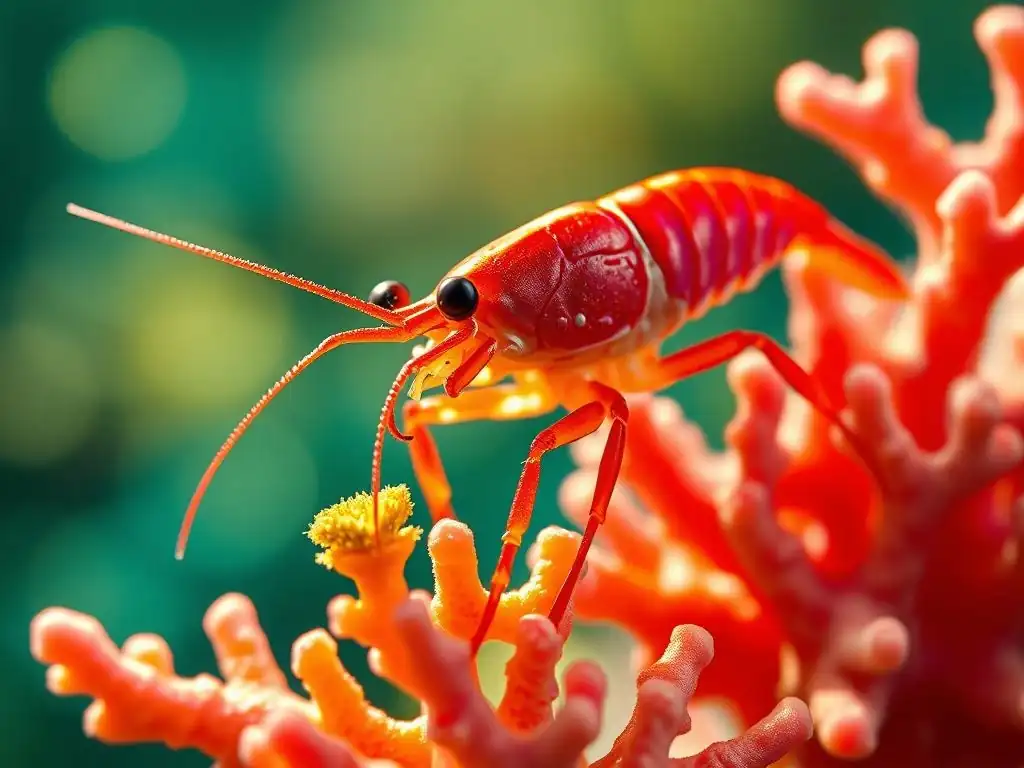
Determining the ideal size and composition of your reef tank cleanup crew is crucial for its effectiveness and the overall health of your aquarium. While general guidelines exist, the exact number of invertebrates needed largely depends on your tank's size, its bio-load (the amount of fish and feeding frequency), and the specific types of nuisance issues you are addressing. A common starting point for a moderately stocked reef tank is approximately 1-2 snails per 10 gallons and 1 hermit crab per 5-10 gallons.
For instance, a 50-gallon reef tank might begin with 5-10 assorted snails (e.g., a mix of Turbo, Nerite, and Nassarius) and 5-10 hermit crabs (e.g., Scarlet and Blue Leg). Shrimp and starfish can then be added based on specific needs like Aiptasia control or sand bed sifting. It is always advisable to start conservatively and observe your tank for a few weeks before adding more members, allowing the initial reef tank cleanup crew to establish itself and demonstrate its impact on algae and detritus levels.
Avoiding Overstocking: Potential Problems and Solutions
While a robust reef tank cleanup crew is vital, overstocking can lead to significant problems that undermine their very purpose. The primary concern with an excessive population is starvation, as the available food sources (algae and detritus) become depleted. This can lead to the death of cleanup crew members, which then contributes to the bio-load and can cause ammonia and nitrite spikes, especially in smaller tanks. For example, in a 20-gallon nano reef, adding 20 hermit crabs and 20 snails would almost certainly lead to mass die-offs within weeks due to insufficient food.
Overstocking also increases the overall waste production within the tank, potentially negating the cleaning benefits and contributing to nutrient accumulation. Solutions include carefully monitoring your cleanup crew's health and activity; if they appear sluggish or are dying off frequently, it's a sign of insufficient food. You can supplement their diet with algae wafers or sinking pellets, or, if the population is truly excessive, consider rehoming some members to a new tank or a local fish store. Regularly assessing your tank's needs and adjusting the reef tank cleanup crew population accordingly is key.
Introducing New Cleanup Crew Members to Your Reef Tank
Proper acclimation is paramount when introducing any new inhabitants to your reef tank, and this is especially true for the sensitive invertebrates that form your cleanup crew. These animals are highly susceptible to sudden changes in salinity, pH, and temperature. Drip acclimation is the recommended method: slowly drip tank water into the bag or container holding the new arrivals over a period of 30-60 minutes, gradually equalizing the water parameters. This minimizes stress and significantly increases their chances of survival.
Once acclimated, it's often beneficial to introduce new reef tank cleanup crew members during periods of dim lighting or after the main lights have turned off for the day. This reduces potential stress from bright lights and also minimizes the immediate risk of predation from curious or hungry fish. Gently place them on the sand bed or directly onto the live rock, allowing them to explore and find hiding spots naturally. Observe them closely over the next few days to ensure they are active and settling in well.
Maintaining a Healthy Reef Tank Cleanup Crew: Care and Considerations
Water Quality: The Foundation for a Thriving Cleanup Crew
Maintaining pristine and stable water quality is the single most critical factor for the longevity and effectiveness of your reef tank cleanup crew. Invertebrates are often more sensitive to fluctuations in water parameters than fish, making consistent conditions essential. Ideal parameters include a stable salinity of 1.023-1.026 specific gravity, a temperature range of 75-80°F (24-27°C), and a pH of 8.0-8.4. Additionally, keeping nitrates below 10 ppm and phosphates below 0.03 ppm is crucial, as high nutrient levels can stress invertebrates and promote nuisance algae that might outcompete their natural food sources.
Regular testing of these parameters, along with alkalinity, calcium, and magnesium, ensures a stable environment. Sudden shifts, even seemingly minor ones, can be detrimental, leading to loss of appetite, lethargy, or even death among your cleanup crew. A well-maintained reef tank with consistent water chemistry will not only support healthy corals and fish but also ensure your reef tank cleanup crew remains active and efficient in its vital roles.
Feeding Your Cleanup Crew: Supplementing Their Diet
While a reef tank cleanup crew primarily sustains itself on naturally occurring algae, detritus, and uneaten fish food, there are instances where supplemental feeding becomes necessary. In very clean, nutrient-poor tanks, or systems with a high density of cleaners, their natural food sources may become insufficient. Signs of underfeeding include sluggish behavior, shrinking bodies, or frequent deaths among your cleanup crew members.
To supplement their diet, offer small amounts of algae wafers, nori (seaweed sheets), sinking pellets, or even small pieces of frozen shrimp a few times a week, particularly after the main tank lights have dimmed. Scatter the food across the sand bed or place it on rocks so that all members have a chance to feed. Observing their response will help you gauge the appropriate frequency and quantity, ensuring your reef tank cleanup crew remains well-nourished and active.
Predator Considerations: Protecting Your Cleanup Crew from Fish
While an essential part of the reef ecosystem, your reef tank cleanup crew can sometimes fall prey to certain fish species. Identifying and avoiding known predators is crucial for the survival and effectiveness of your cleanup team. Common culprits include certain triggerfish, puffers, large wrasses, and some angelfish, which may view snails, crabs, and shrimp as a tasty snack. For example, a Clown Triggerfish ( Balistoides conspicillum) is notorious for cracking snail shells and dismembering crabs.
If you already have potentially predatory fish, providing ample hiding spots within the live rock can offer some protection for your cleanup crew. However, the most effective strategy is careful planning of your tank's inhabitants from the outset. Research the compatibility of any new fish with invertebrates before introducing them. A well-balanced reef tank cleanup crew thrives best in an environment where they are not constantly under threat, allowing them to focus on their cleaning duties.
Recognizing and Addressing Cleanup Crew Health Issues
Observing your reef tank cleanup crew regularly is essential for identifying potential health issues early. Signs of distress or illness can include unusual inactivity, lack of movement, loss of color, or the appearance of white spots on shrimp (indicating parasites or disease). Snails might remain retracted into their shells for extended periods, and hermit crabs might frequently abandon their shells. A sudden increase in cleanup crew deaths is a clear red flag that requires immediate investigation.
The first step in addressing these issues is to test your water parameters thoroughly, as poor water quality (e.g., high nitrates, low pH, or unstable salinity) is a common cause of invertebrate stress. If water parameters are optimal, consider potential predation, starvation, or the introduction of a pathogen. Isolate affected individuals if possible, and adjust feeding or tank inhabitants as necessary. Prompt action can often prevent further losses and help maintain a healthy, active reef tank cleanup crew.
Troubleshooting Common Reef Tank Cleanup Crew Problems
Declining Cleanup Crew Populations: Identifying the Cause
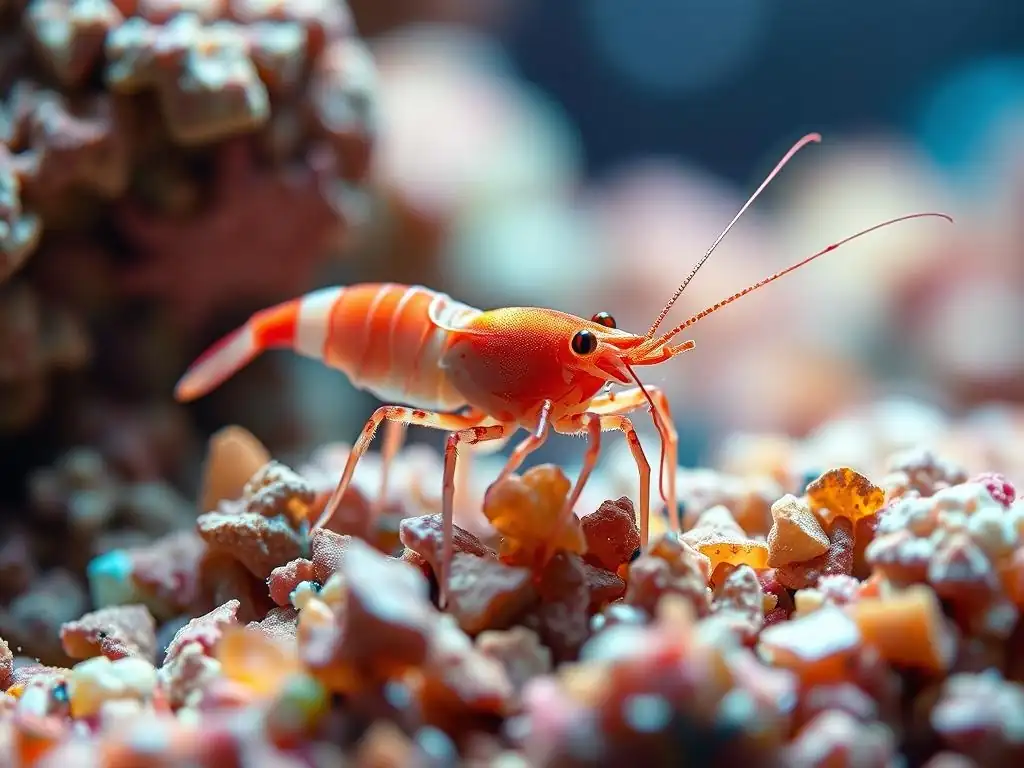
A noticeable decline in your reef tank cleanup crew population is a common and concerning issue that signals an imbalance within the aquarium. The primary causes are typically starvation, predation, poor water quality, or old age. If you notice fewer snails or crabs, or discover deceased members, begin by assessing their potential food sources. In very clean tanks with minimal algae or detritus, the cleanup crew may simply be starving, especially if they are not receiving supplemental feeding.
Next, observe your fish for any predatory behavior; certain species are known to pick at or consume invertebrates. Test your water parameters rigorously, looking for elevated nitrates, phosphates, or unstable salinity, which can be lethal to sensitive invertebrates. Finally, while less common, some invertebrates simply reach the end of their natural lifespan, which varies by species but is generally a few years. Systematically ruling out each cause will help you identify the root problem and take corrective action to restore your reef tank cleanup crew.
Dealing with Pest Algae Outbreaks Despite a Cleanup Crew
Even with a well-stocked reef tank cleanup crew, pest algae outbreaks can still occur, often indicating underlying nutrient issues. If your tank is experiencing persistent green hair algae, diatoms, or cyanobacteria despite the presence of grazers, it's likely that the algae growth rate is simply outstripping the cleanup crew's consumption rate. This usually points to elevated levels of nitrates (above 10 ppm) and phosphates (above 0.03 ppm), which fuel algal growth.
To combat this, focus on nutrient export strategies. Reduce feeding amounts to minimize uneaten food, and consider using phosphate-removing media like GFO (Granular Ferric Oxide) or a refugium to naturally absorb excess nutrients. Manual removal of algae is also crucial to reduce the existing biomass. While your reef tank cleanup crew will continue to graze, addressing the root cause of nutrient excess is essential for long-term control of pest algae.
Preventing Cleanup Crew Predation and Competition
Preventing predation and competition within your reef tank cleanup crew is vital for their long-term survival and effectiveness. Predation primarily comes from certain fish species, as discussed earlier. To mitigate this, carefully research the compatibility of any fish you introduce with invertebrates. For example, avoid puffers, triggerfish, and certain large wrasses if you intend to keep a thriving cleanup crew. Providing ample hiding spots and complex rockwork can also offer refuge for smaller invertebrates.
Competition usually arises when the cleanup crew is overstocked for the available food resources. If you have too many snails or crabs, they will compete for algae and detritus, leading to starvation and decline. Monitor your tank's cleanliness; if there's no visible algae or detritus, your cleanup crew might be too large. Adjusting the population size to match your tank's bio-load and supplementing their diet when necessary will ensure all members of your reef tank cleanup crew have adequate resources, preventing competitive stress and ensuring their continued health.
Advanced Reef Tank Cleaning Strategies: Beyond the Basics
Utilizing a Refugium for Natural Filtration and Cleanup Crew Support
A refugium is an invaluable addition to an advanced reef tank system, acting as a natural filtration powerhouse and a sanctuary for beneficial microfauna. Typically a separate chamber within the sump, a refugium is designed to cultivate macroalgae, such as Chaetomorpha or Ulva, which efficiently absorb nitrates and phosphates from the water column, acting as a natural nutrient export mechanism. This process significantly reduces the workload on your reef tank cleanup crew by keeping nutrient levels consistently low.
Beyond nutrient export, a refugium provides a safe, predator-free environment for the proliferation of copepods and amphipods. These tiny crustaceans are excellent detritivores themselves and serve as a continuous, natural food source for your reef tank cleanup crew and many reef fish, enhancing the overall biodiversity and stability of the aquarium ecosystem. A well-designed refugium can dramatically improve water quality and foster a more robust and self-sustaining reef environment.
Implementing a Protein Skimmer for Waste Removal
A protein skimmer is a cornerstone of effective mechanical and chemical filtration in a reef tank, playing a crucial role in maintaining pristine water quality. This device works by creating a large volume of fine air bubbles that attract and bind to organic waste compounds (proteins, amino acids, carbohydrates) suspended in the water before they can break down into nitrates and phosphates. The protein-laden foam is then collected in a removable cup, effectively removing pollutants from the system.
For a thriving reef tank cleanup crew and sensitive corals, a high-quality protein skimmer is almost indispensable, especially in heavily stocked or larger tanks. By continuously removing dissolved organic waste, it significantly reduces the bio-load and prevents the accumulation of nutrients that fuel nuisance algae growth. This proactive waste removal supports a cleaner environment, allowing your reef tank cleanup crew to focus on maintaining surfaces rather than struggling against overwhelming nutrient levels.
Regular Water Changes: Maintaining Optimal Water Chemistry for a Healthy Reef
Regular partial water changes are a fundamental and highly effective strategy for maintaining optimal water chemistry and overall health in a reef aquarium. While your reef tank cleanup crew works diligently to process organic waste, water changes actively remove accumulated nitrates, phosphates, and other pollutants that might bypass biological or mechanical filtration. They also replenish essential trace elements (like calcium, alkalinity, and magnesium) that are consumed by corals and other invertebrates, which are vital for the growth and health of your entire reef, including the cleanup crew.
A common schedule involves changing 10-20% of the tank's water volume every one to two weeks, depending on the tank's bio-load and nutrient levels. Using high-quality salt mix and RO/DI water ensures that only clean, balanced water is introduced. Consistent water changes provide a stable environment, prevent the buildup of undesirable compounds, and contribute significantly to the long-term vitality of your corals, fish, and, critically, your hardworking reef tank cleanup crew.
Frequently Asked Questions
What exactly is a reef tank cleanup crew, and why is it important?
A reef tank cleanup crew is a group of invertebrates, like snails, crabs, and starfish, that consume algae, detritus, and uneaten food in your reef aquarium. They are vital for maintaining water quality and preventing the build-up of unwanted substances.
How do I choose the right cleanup crew for my specific reef tank?
Consider your tank's size, the types of algae present, and the livestock you already have. Research the specific needs and compatibility of each cleanup crew member before introducing them to your aquarium.
How many cleanup crew members do I need for my reef tank?
The number depends on your tank's size and bioload. A general rule is 1 cleanup crew member per gallon of water, but this can vary. Overcrowding your crew can lead to starvation, while too few may not be effective.
What are some common problems with reef tank cleanup crews, and how can I prevent them?
Common problems include starvation, predation by fish, and poor water quality. Ensure they have enough food, choose compatible tank mates, and maintain stable water parameters.
How often should I replace or supplement my reef tank cleanup crew?
Cleanup crew members have lifespans; some die naturally. Monitor their activity levels and population size. Replace those that die and supplement as needed to maintain effective algae and detritus control.
Final Reflection: The Unseen Architects of the Reef
The meticulous balance of a thriving reef tank hinges on more than just vibrant corals and captivating fish; it depends on the silent, tireless work of the cleanup crew. Understanding their roles and responsibilities, as we've explored, is not just about aesthetics; it's about fostering a healthy, sustainable ecosystem within our glass boxes, a microcosm reflecting the delicate balance of the ocean itself.
This exploration has underscored the profound impact these often-overlooked creatures have on the health and beauty of our reef tanks. My own journey into reef keeping has been deeply enriched by appreciating the subtle contributions of these invertebrates, turning what was once a chore into a fascinating study of symbiotic relationships. In nature, nothing exists alone.
- Rachel Carson. This quote resonates deeply when considering the interconnectedness within a reef tank, where the cleanup crew plays an indispensable role in maintaining equilibrium.
Now, as you gaze upon your own reef, or perhaps dream of establishing one, consider the lessons we've uncovered. Don't just see a collection of corals and fish; see a complex web of life, reliant on the diligent efforts of its cleanup crew. Embrace the responsibility of understanding and nurturing these essential members of your reef community, and you'll be rewarded with a thriving, vibrant ecosystem that reflects the beauty and resilience of the ocean itself.
Dive Deeper: Transform Your Reef Tank Today!
Thanks for exploring the secrets to a spotless reef tank! Now that you're armed with the knowledge to combat algae and maintain pristine conditions, it's time to take action and witness the transformation in your own aquarium.
Here's how you can further elevate your reef keeping journey:
- Commit to a consistent, weekly algae scrubbing session: Dedicate just 30 minutes each week to manually remove algae and maintain crystal-clear views.
- Share your "before and after" photos on social media using #AquariumMasteryReef – Inspire others with your success!
- Try a surprising tactic: Introduce a single emerald crab as a natural algae grazer and document its impact on your reef over a month.
What's one small change you can implement this week to significantly improve the clarity of your reef tank?