
Tank Size Requirements: A Comparative Look at Tiger, Cherry, and Denison Barbs

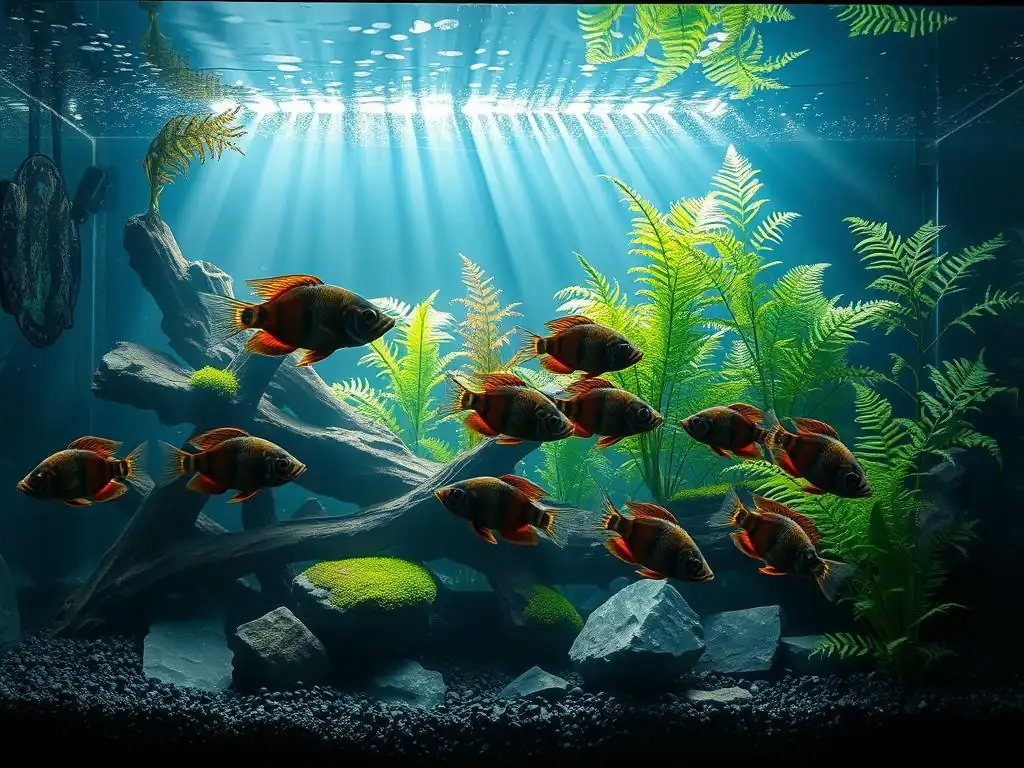
Welcome to Aquarium Mastery!
Ever wondered if your tank is truly big enough for those dazzling Tiger Barbs you've been eyeing? Dive in and discover the surprising tank size requirements for these energetic fish, along with fascinating comparisons to Cherry and Denison Barbs. Unlock the secrets to a thriving aquarium ecosystem and ensure your finned friends have the space they need to flourish! Ready to learn more?
- Barb Tank Size Requirements: A Comparative Look at Tiger, Cherry, and Denison Barbs
- Understanding Barb Tank Size Needs for a Thriving Aquarium
- Tiger Barbs Tank Size: Creating an Optimal Habitat
- Cherry Barbs Tank Size: A Smaller Barb with Specific Needs
- Denison Barb Tank Size: Providing Ample Swimming Space for Roseline Sharks
- Comparative Analysis: Tank Size Recommendations for Each Barb Species
- Setting Up Your Barb Aquarium: Beyond Tank Size
- Maintaining a Healthy Barb Aquarium: Water Changes and Tank Maintenance
- Conclusion: Prioritizing Tank Size for Happy and Healthy Barbs
-
Frequently Asked Questions
- What is the recommended minimum tank size for a school of Tiger Barbs?
- Why is tank size so important for Tiger Barbs?
- Can I keep Tiger Barbs in a smaller tank if I only have a few?
- How does tank size affect the water chemistry in a Tiger Barb tank?
- Besides tank size, what other factors should I consider when keeping Tiger Barbs?
- Final Reflection: Finding Harmony in Aquatic Ecosystems
- Ignite Your Aquarium: Start Your Thriving Barb Habitat Today!
Barb Tank Size Requirements: A Comparative Look at Tiger, Cherry, and Denison Barbs
Understanding Barb Tank Size Needs for a Thriving Aquarium
Selecting the appropriate tank size is a foundational decision for any aquarist, especially when housing active and schooling fish like barbs. The dimensions of an aquarium directly influence the health, behavior, and longevity of its inhabitants. An undersized tank can lead to stunted growth, increased aggression due to territorial disputes, elevated stress levels, and poor water quality, all of which contribute to a diminished quality of life for the fish.
Different barb species possess unique characteristics, including adult size, activity levels, and schooling behaviors, which dictate their specific space requirements. While some smaller barb varieties, such as the Cherry Barb, can thrive in moderately sized aquariums, more energetic or larger species like the Tiger Barb and especially the Denison Barb, demand significantly more room to exhibit their natural schooling patterns and maintain robust health. Understanding these distinctions is paramount to creating a truly thriving aquatic environment.
Tiger Barbs Tank Size: Creating an Optimal Habitat
Minimum Tank Size for a School of Tiger Barbs
For a healthy and stable school of Tiger Barbs ( Puntigrus tetrazona ), a minimum tank size of 20 gallons (approximately 75 liters) is generally recommended. This volume is suitable for a small group of 5 to 7 individuals. Tiger Barbs are known for their semi-aggressive, nippy temperament, which can be mitigated significantly by keeping them in a larger school; a greater number of individuals diffuses aggression among the group rather than directing it towards other tank mates.
However, a 20-gallon tank should be considered the absolute minimum. Many experienced aquarists find that a 29-gallon tank (approximately 110 liters) provides a much better environment for a school of 6 to 8 adult Tiger Barbs, which can grow up to 3 inches (7.5 cm) in length. This increased volume offers more swimming space, helping to reduce stress and aggression within the school and with other inhabitants, making the Tiger barbs tank size a critical factor in their well-being.
Factors Influencing Tiger Barb Tank Size: School Size and Activity Level
The primary factors influencing the ideal Tiger barbs tank size are their inherent activity level and their schooling dynamics. Tiger Barbs are incredibly energetic swimmers, constantly darting and chasing each other, which necessitates ample horizontal swimming space. A tank that is too small restricts this natural behavior, leading to lethargy, heightened stress, and potentially more pronounced aggression, as they lack the room to establish a proper pecking order or escape from dominant individuals.
As the school size increases, so too must the tank size. For a larger school of 10 or more Tiger Barbs, a 55-gallon (approximately 208 liters) or even 75-gallon (approximately 284 liters) tank is highly recommended. This provides sufficient territory for each fish, allows for robust schooling formations, and helps to dilute any aggressive tendencies. The "one inch of fish per gallon" rule is often insufficient for active species like Tiger Barbs; instead, focus on providing enough space for their energetic movements and social structure.
Optimizing Tiger Barb Tank Dimensions: Length vs. Height
When determining the optimal Tiger barbs tank size, the length of the aquarium is often more crucial than its height. Tiger Barbs are mid-level swimmers that appreciate long, uninterrupted stretches of water for their active movements and schooling. A 20-gallon "long" tank, which typically measures around 30 inches (76 cm) in length, is far more suitable than a 20-gallon "high" tank, which might be taller but significantly shorter in length.
For larger schools, consider tanks that are at least 48 inches (122 cm) long, such as standard 55-gallon or 75-gallon aquariums. These dimensions provide the expansive horizontal swimming lanes that Tiger Barbs thrive in, allowing them to perform their characteristic quick turns and chases without constantly bumping into tank walls or decor. Prioritizing length ensures that the Tiger barbs tank size truly meets the needs of these dynamic fish.
Cherry Barbs Tank Size: A Smaller Barb with Specific Needs
Determining the Ideal Tank Size for Cherry Barbs
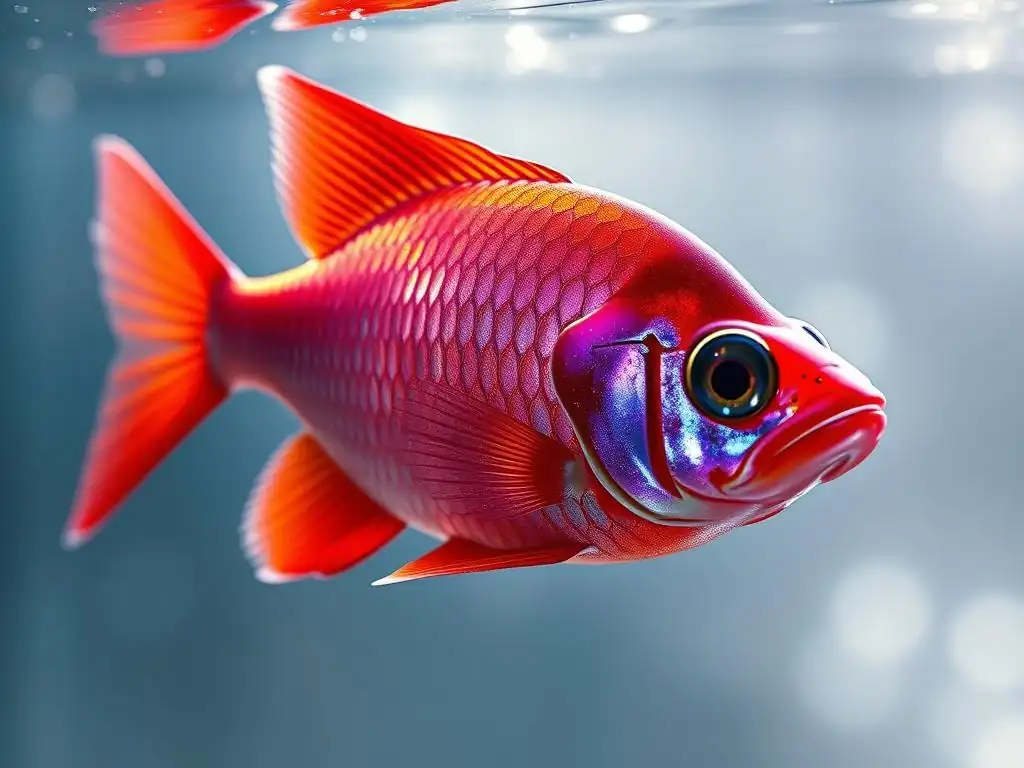
Cherry Barbs ( Puntius titteya ) are significantly smaller and generally more peaceful than their Tiger Barb cousins, reaching an adult size of approximately 1.5 to 2 inches (3.8 to 5 cm). For a small school of 5 to 6 Cherry Barbs, a 10-gallon (approximately 38 liters) aquarium can be considered a minimum. This size provides enough space for them to establish a pecking order and display their natural schooling behaviors.
However, a 15-gallon (approximately 57 liters) or 20-gallon (approximately 75 liters) tank is often preferred, especially if you plan to keep a larger school (8-10 individuals) or house them in a community setup. The increased volume in these larger tanks contributes to greater water stability and offers more swimming room, which, despite their smaller size, Cherry Barbs will readily utilize for exploration and social interaction.
Cherry Barb Tank Size and Temperament Considerations
While Cherry Barbs are known for their relatively peaceful and shy nature, particularly compared to Tiger Barbs, the tank size still plays a role in their overall temperament and well-being. In an adequately sized aquarium, these fish are more likely to exhibit their vibrant colors and engaging schooling behaviors. Males will often display intensified red coloration during breeding periods or when vying for attention, a spectacle best observed in a tank that allows them to interact naturally without feeling cramped.
Conversely, in an undersized tank, even peaceful Cherry Barbs can become stressed, leading to faded colors, reclusive behavior, or even mild aggression if space is extremely limited. Providing ample room allows them to form their social hierarchy comfortably and provides sufficient escape routes if one individual becomes overly dominant, ensuring a harmonious environment for these charming fish.
Creating a Comfortable Environment: Cherry Barb Tank Size and Planted Aquariums
Cherry Barbs thrive in well-planted aquariums that offer plenty of hiding spots and visual barriers. The ideal Cherry Barb tank size should not only accommodate the fish themselves but also allow for a diverse and dense aquascape. A 15-gallon or 20-gallon tank provides enough volume and footprint to incorporate a variety of live plants, such as Java Fern, Anubias, and various stem plants, which mimic their natural habitat.
These plants offer security for the fish, especially for females during spawning, and provide visual breaks that help reduce stress. A larger tank also makes it easier to maintain stable water parameters, which is crucial for the health of both the fish and the plants. The interplay between appropriate Cherry Barb tank size and a rich, planted environment contributes significantly to their overall comfort and encourages their natural behaviors.
Denison Barb Tank Size: Providing Ample Swimming Space for Roseline Sharks
Understanding Denison Barb Growth and Tank Size Requirements
Denison Barbs ( Sahyadria denisonii ), also widely known as Roseline Sharks, are perhaps the most demanding of the barb species discussed when it comes to tank size. These stunning fish are fast-growing and can reach an impressive adult length of up to 6 inches (15 cm), with some individuals even exceeding this in optimal conditions. Their significant size, combined with their highly active and schooling nature, necessitates a substantial aquatic environment from the outset.
Unlike smaller barbs that might tolerate a modest tank for a short period, Denison Barbs require a large habitat throughout their lives. Housing them in an undersized tank will inevitably lead to stunted growth, which can severely compromise their internal organ development and overall health, resulting in a significantly shortened lifespan. Planning for their full adult size is critical before even acquiring these magnificent fish.
Minimum Tank Dimensions for a School of Denison Barbs (Roseline Sharks)
For a healthy school of 6 to 8 Denison Barbs, a minimum tank size of 75 gallons (approximately 284 liters) is absolutely essential. However, many experts and experienced aquarists strongly advocate for 90-gallon (approximately 340 liters) or even 120-gallon (approximately 454 liters) tanks to truly accommodate their needs. The critical dimension for these fish is the length of the tank, which should be at least 4 feet (122 cm), with 5 to 6 feet (152-183 cm) being ideal.
These long tanks provide the expansive swimming lanes that Denison Barbs crave. They are constantly on the move, darting across the aquarium in tight schools, and need uninterrupted space to perform these natural behaviors. A tank that is too short will result in constant turning, which can be stressful and prevent them from schooling effectively, leading to increased stress and potential aggression among the group.
Why a Larger Tank is Crucial for Denison Barb Health and Well-being
The necessity of a larger tank for Denison Barbs extends beyond just providing swimming space. Their high metabolism and active lifestyle mean they produce a significant amount of waste, which can rapidly degrade water quality in smaller volumes. A larger tank offers greater water volume, which acts as a buffer against fluctuations in water parameters like nitrates, making it easier to maintain stable and pristine conditions crucial for their sensitive health.
Furthermore, Denison Barbs are known to be skittish if they feel confined or threatened. A spacious tank allows them to feel secure, reducing stress-related illnesses and promoting their vibrant coloration and natural schooling instincts. Without adequate space, they are prone to stress, which weakens their immune system, making them susceptible to diseases like Ich and fin rot. Investing in a sufficiently large tank is the single most important factor for the long-term health and vitality of Denison Barbs.
Comparative Analysis: Tank Size Recommendations for Each Barb Species
Tiger Barbs vs. Cherry Barbs: A Tank Size Comparison
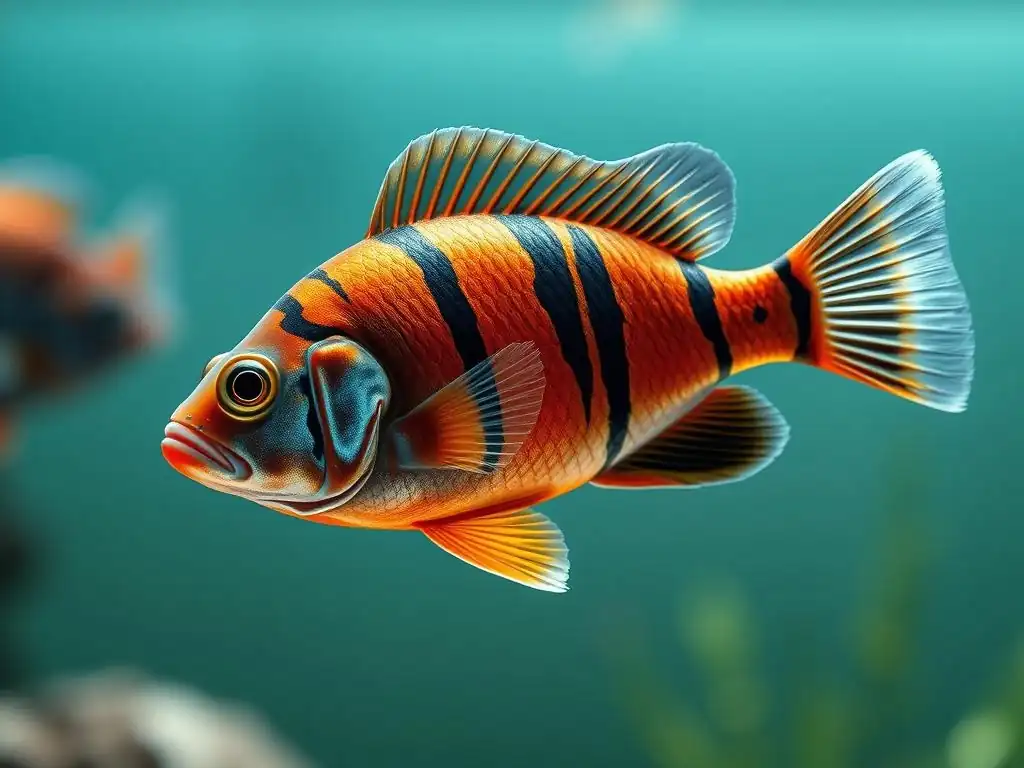
The contrast in tank size requirements between Tiger Barbs and Cherry Barbs is significant, primarily due to their differing adult sizes and temperaments. For a small school of 5-7 Tiger Barbs, a 20-gallon (75-liter) tank is the minimum, with a 29-gallon (110-liter) tank being highly recommended for their active nature and potential for aggression in confined spaces. Tiger Barbs can grow up to 3 inches (7.5 cm) and require substantial horizontal swimming room to mitigate their nippy tendencies.
In contrast, Cherry Barbs, which typically reach only 1.5 to 2 inches (3.8-5 cm), can be comfortably housed in a 10-gallon (38-liter) tank for a small school of 5-6 individuals. A 15-gallon (57-liter) or 20-gallon (75-liter) tank is preferable, especially for a larger school or a community setup, as it offers more stability and space for their generally peaceful exploration. While both are schooling fish, the higher energy and larger potential size of the Tiger Barb dictate a greater volume and, critically, more length in their chosen habitat.
Denison Barbs (Roseline Sharks) vs. Tiger Barbs: Tank Size Differences Explained
The disparity in tank size needs between Denison Barbs and Tiger Barbs is even more pronounced. Denison Barbs, reaching up to 6 inches (15 cm) in length and being extremely active, require a minimum of 75 gallons (284 liters) for a small school of 6-8 fish, with 90 to 120 gallons (340-454 liters) being ideal for their long-term health and vigorous schooling behavior. The emphasis for Denison Barbs is on tank length, with at least 4 feet (122 cm) of swimming space being crucial.
Tiger Barbs, while active, are less than half the size of adult Denison Barbs, typically growing to 3 inches (7.5 cm). This difference in adult size and overall metabolic rate means their minimum tank size is considerably smaller, starting at 20-29 gallons (75-110 liters) for a school. While both benefit from horizontal space, the sheer speed and size of Denison Barbs demand a much larger footprint and water volume to prevent stress, stunting, and aggression, making their requirements vastly different from even the energetic Tiger Barb.
Optimizing Tank Size for a Community Aquarium with Multiple Barb Species
When planning a community aquarium that includes multiple barb species, the tank size must always be determined by the needs of the largest, most active, or potentially most aggressive species. For instance, if you plan to keep both Tiger Barbs and Cherry Barbs, the tank size should meet or exceed the requirements for the Tiger Barbs, meaning a minimum of a 29-gallon tank. This ensures that the more boisterous Tiger Barbs have enough space, which in turn benefits the smaller, more peaceful Cherry Barbs by providing ample room to retreat if needed.
Introducing Denison Barbs into a community setup significantly raises the bar for tank size. Given their substantial size and intense activity, any community tank including Denison Barbs must be at least 75 gallons, preferably 90 to 120 gallons, to provide sufficient linear swimming space for the Roseline Sharks and enough volume to dilute waste from all inhabitants. Always prioritize the species with the highest demand for space to ensure a harmonious and healthy environment for all fish in your multi-species barb aquarium.
Setting Up Your Barb Aquarium: Beyond Tank Size
Filtration and Water Quality for Barb Tanks
Beyond simply providing an adequate Tiger barbs tank size or a suitable home for Cherry or Denison Barbs, robust filtration and diligent water quality management are paramount. Barbs, especially the active Tiger and Denison varieties, have high metabolisms and produce a fair amount of waste. Therefore, a powerful filtration system capable of handling the bioload is essential. Canister filters or multiple hang-on-back (HOB) filters are often recommended, providing strong mechanical filtration to remove particulate matter, biological filtration to convert ammonia and nitrites, and chemical filtration to absorb impurities and maintain water clarity.
Adequate water flow is also beneficial for many barb species, mimicking their natural riverine habitats. While Cherry Barbs prefer calmer waters, Tiger and Denison Barbs appreciate a moderate to strong current. Regular testing of water parameters, including ammonia, nitrite, and nitrate levels, is crucial. Ammonia and nitrite should always be at 0 ppm, while nitrates should be kept below 20 ppm through consistent maintenance.
Substrate and Decor Considerations for Different Barb Species
The choice of substrate and decor should complement the specific needs and behaviors of each barb species within their appropriate tank size. For most barbs, a fine gravel or sand substrate is suitable, allowing for easy cleaning and preventing food from getting trapped. Sand is particularly beneficial for species that like to sift through the substrate.
- Tiger Barbs: These active swimmers require plenty of open swimming space in the mid-level of the tank. Decor should be positioned around the periphery, providing hiding spots and visual breaks without impeding their darting movements. Smooth rocks, driftwood, and sturdy live or artificial plants like Anubias or Java Fern attached to decor are good choices.
- Cherry Barbs: Being more reclusive and preferring planted environments, Cherry Barbs thrive with dense vegetation. Fine-leaved plants such as Cabomba or Rotala, along with driftwood and small caves, offer security and breeding sites. Open swimming areas should still be provided, but the emphasis is on creating a rich, naturalistic environment.
- Denison Barbs: Given their size and speed, Denison Barbs need long, unobstructed swimming lanes. Decor should be minimal in the center of the tank but can include large, smooth rocks and substantial pieces of driftwood along the back or sides. Hardy plants rooted in the substrate or attached to decor can also be used, but ensure they do not hinder the fish's rapid movements.
Choosing the Right Tank Mates for Tiger, Cherry, and Denison Barbs
Selecting compatible tank mates is critical for the long-term harmony of a barb aquarium, especially considering the diverse temperaments among the species.
- Tiger Barbs: Due to their notorious nippy behavior, especially towards slow-moving, long-finned fish, Tiger Barbs are best kept with other fast-moving, semi-aggressive species of similar size. Good companions include other barb species (like Rosy Barbs), larger tetras (e.g., Congo Tetras), various loaches (e.g., Clown Loaches, Yoyo Loaches), and some types of catfish. Avoid keeping them with Angelfish, Bettas, or Gouramis. The correct Tiger barbs tank size also helps reduce aggression towards tank mates.
- Cherry Barbs: As peaceful and shy fish, Cherry Barbs are excellent candidates for community tanks. They do well with other small, peaceful species such as small tetras (e.g., Neon Tetras, Ember Tetras), Rasboras, Corydoras catfish, and Otocinclus. Avoid very large or aggressive fish that might intimidate or outcompete them for food.
- Denison Barbs: Despite their large size, Denison Barbs are generally peaceful schooling fish. They are best kept with other large, active, and peaceful species that can keep up with their energy levels. Suitable tank mates include larger rainbowfish (e.g., Boesemani Rainbowfish), other large, peaceful barbs, certain loaches, and larger gouramis. Ensure tank mates are not small enough to be viewed as prey, nor overly aggressive.
Maintaining a Healthy Barb Aquarium: Water Changes and Tank Maintenance
Regular Water Changes for Optimal Barb Health
Consistent and regular water changes are fundamental to maintaining a healthy environment for all barb species. These active fish, particularly when kept in schools, contribute significantly to the bioload of an aquarium, leading to a gradual accumulation of nitrates and other dissolved organic compounds. Performing weekly water changes of 25% to 30% of the tank volume is a common and effective practice. For larger tanks with Denison Barbs or heavily stocked Tiger Barbs, more frequent or larger water changes might be necessary to keep nitrate levels below 20 ppm.
Water changes remove harmful nitrates, replenish essential trace elements, and help to maintain stable water chemistry, which is vital for the long-term health and vibrancy of your barbs. Always use a good quality water conditioner to neutralize chlorine and chloramines in tap water before adding it to the aquarium, and ensure the new water is at a similar temperature to the tank water to prevent temperature shock to the fish.
Monitoring Water Parameters in Your Barb Tank
Beyond water changes, diligent monitoring of key water parameters is crucial for preventing health issues in barb aquariums. Regular testing with reliable aquarium test kits should be part of your routine. The most critical parameters to monitor are:
- Ammonia (NH3) and Nitrite (NO2): Both should consistently read 0 ppm. Any detectable levels indicate an issue with your biological filtration or overfeeding and are highly toxic to fish.
- Nitrate (NO3): Should be kept below 20 ppm, ideally closer to 10 ppm for sensitive species like Denison Barbs. High nitrates are managed through regular water changes.
- pH: While barbs are generally adaptable, consistent pH is more important than a specific number. Most barbs thrive in a pH range of 6.0 to 7.5. Sudden fluctuations can be stressful.
- Temperature: Each species has an optimal range. Tiger Barbs prefer 74-79°F (23-26°C), Cherry Barbs 72-79°F (22-26°C), and Denison Barbs 68-77°F (20-25°C). Maintaining a stable temperature within their preferred range is essential.
Preventing Common Diseases in Barb Aquariums
Preventing diseases in barb aquariums largely revolves around maintaining excellent water quality, providing an appropriate Tiger barbs tank size (or for other species), a balanced diet, and minimizing stress. Stress is the leading cause of weakened immune systems in fish, making them susceptible to common ailments.
Common diseases in barbs include Ich (white spot disease), fin rot, and bacterial infections. Ich, characterized by small white spots resembling salt grains, often appears when fish are stressed by poor water conditions or temperature fluctuations. Fin rot, indicated by ragged and deteriorating fins, is typically caused by bacterial infections in poor water. Prevention strategies include:
- Proper Tank Size: Ensuring the correct Tiger barbs tank size, Cherry barbs tank size, or Denison barbs tank size prevents overcrowding and reduces aggression, which are major stressors.
- Stable Water Parameters: Consistent ammonia, nitrite, nitrate, pH, and temperature levels are vital.
- Nutritious Diet: Feeding high-quality flakes, pellets, and occasional live or frozen foods boosts their immune system.
- Quarantine New Fish: Always quarantine new fish for at least two to four weeks in a separate tank before introducing them to your main aquarium to prevent the spread of diseases.
- Cleanliness: Regular gravel vacuuming and filter maintenance prevent the buildup of organic waste that can harbor pathogens.
Conclusion: Prioritizing Tank Size for Happy and Healthy Barbs
Frequently Asked Questions
What is the recommended minimum tank size for a school of Tiger Barbs?
The minimum tank size for a school of 6-8 Tiger Barbs is typically 29 gallons. This allows them ample swimming space and helps reduce aggression within the group.
Why is tank size so important for Tiger Barbs?
Tiger Barbs are active, schooling fish. A sufficient tank size helps to minimize stress and aggression, as they need plenty of space to swim and establish their social hierarchy.
Can I keep Tiger Barbs in a smaller tank if I only have a few?
While tempting, keeping Tiger Barbs in a smaller tank is not recommended. Even with fewer fish, they require adequate space. A smaller tank will lead to increased stress and potential health problems.
How does tank size affect the water chemistry in a Tiger Barb tank?
A larger tank provides more water volume, which helps stabilize water parameters like pH and ammonia levels. This makes it easier to maintain a healthy environment for your Tiger Barbs.
Besides tank size, what other factors should I consider when keeping Tiger Barbs?
Besides tank size, consider water parameters (temperature, pH, hardness), filtration, and compatible tank mates. Tiger Barbs are semi-aggressive, so choose peaceful, similarly sized fish.
Final Reflection: Finding Harmony in Aquatic Ecosystems
The journey through the specific tank size requirements of Tiger, Cherry, and Denison Barbs reveals a fundamental truth: responsible fishkeeping hinges on understanding and respecting the needs of each species. This isn't merely about adhering to minimum dimensions; it's about creating thriving aquatic environments where these vibrant creatures can express their natural behaviors and flourish. The well-being of these fish, and indeed the success of any aquarium, is directly proportional to the care and consideration given to their spatial needs.
This exploration has highlighted how crucial it is to move beyond generic recommendations and delve into the unique characteristics of each fish. Understanding these nuances allows us to become better stewards of these miniature ecosystems, fostering a deeper appreciation for the interconnectedness of life within our tanks. The best aquarium is not just a tank, but a miniature ecosystem where every element contributes to the health and happiness of its inhabitants.
This sentiment underscores the responsibility we undertake when bringing these animals into our care.
As you consider the information presented, I invite you to reflect on your own role in the aquatic world. Are you providing the space and conditions necessary for your fish to thrive? Let this article serve as a catalyst for continuous learning and improvement, ensuring that every aquarium becomes a testament to your commitment to responsible and compassionate fishkeeping. Embrace the challenge of creating truly harmonious aquatic environments, and witness the beauty and vitality that unfolds when fish are given the space they need to truly flourish.
Ignite Your Aquarium: Start Your Thriving Barb Habitat Today!
Thanks for diving into the world of barbs with us! We hope this guide gave you the insights you need to create the perfect environment for these vibrant fish. Now, let's turn that knowledge into action!
Here’s how you can take the next step:
- Determine the ideal tank size for your specific barb shoal based on the information in this guide. Remember, happy fish are healthy fish!
- Delve deeper! Research compatible tank mates to create a diverse and harmonious aquarium community. Perhaps a school of Corydoras catfish would be a perfect addition?
- Share this guide with fellow aquarium enthusiasts and spark a conversation about best practices in barb care.
What unique décor ideas are you considering to enrich your barbs' environment and encourage natural behaviors?