
Identifying Common Clownfish Species: A Visual Guide to Anemonefish Diversity

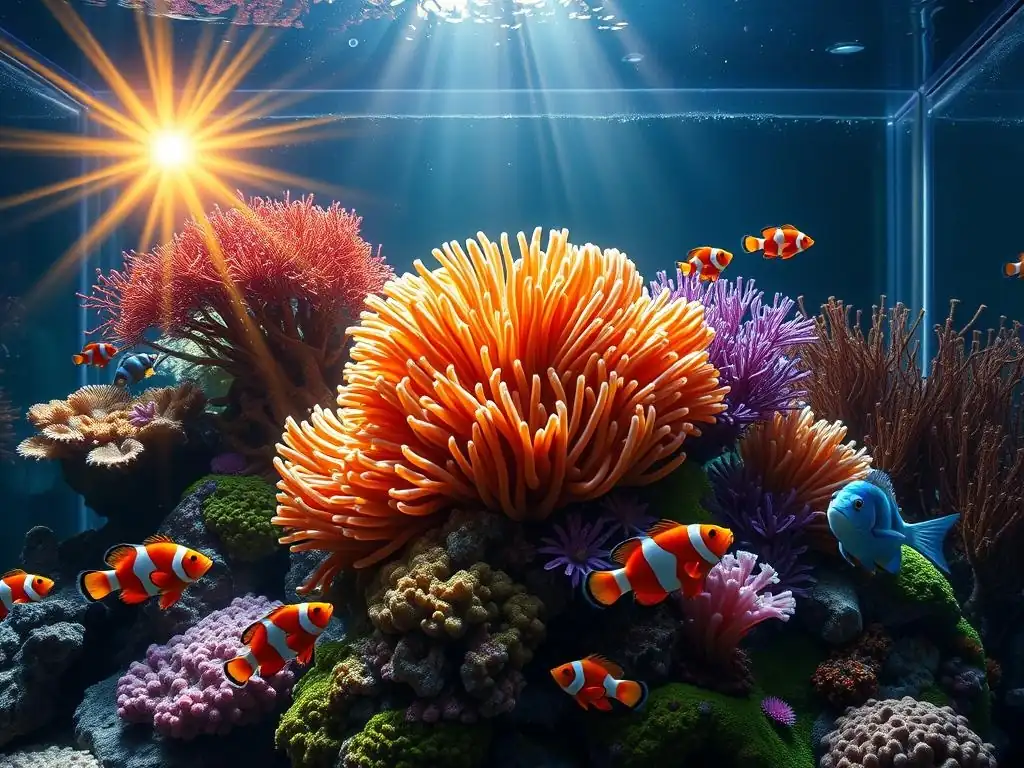
Welcome to Aquarium Mastery, your ultimate resource for thriving aquatic ecosystems!
Ever wondered if that vibrant orange fish is an Ocellaris or a Percula Clownfish? Dive into our Clownfish Species Identification Guide and unlock the secrets to distinguishing these popular anemonefish. Discover fascinating facts, stunning visuals, and essential care tips that will transform you into a true aquarium master. Ready to explore the captivating world of anemonefish diversity? Let's get started!
- Introduction to Clownfish Species Identification
- Clownfish Species Identification Guide: Key Characteristics
-
Common Clownfish Species: A Visual Identification Guide
- Ocellaris Clownfish (Amphiprion ocellaris): The Classic Anemonefish
- Percula Clownfish (Amphiprion percula): The True Percula
- Maroon Clownfish (Premnas biaculeatus): The Largest and Most Aggressive
- Tomato Clownfish (Amphiprion frenatus): The Fiery Red Anemonefish
- Clark's Clownfish (Amphiprion clarkii): The Adaptable Anemonefish
- Saddleback Clownfish (Amphiprion polymnus): The Distinctive Saddle
- Anemone Associations: A Guide to Clownfish Symbiosis
- Hybrid Clownfish: Challenges in Identification
- Advanced Clownfish Identification Techniques
- Caring for Your Identified Clownfish Species
- Conclusion: Appreciating Anemonefish Diversity
-
Frequently Asked Questions
- How can I tell the difference between a Percula Clownfish and an Ocellaris Clownfish?
- What anemone species are commonly hosted by Clownfish in a home aquarium?
- Are there any Clownfish species that are considered more aggressive than others?
- What factors should I consider when selecting Clownfish for my aquarium?
- Where can I find more detailed information on the specific care requirements for each Clownfish species?
- Final Reflection: Appreciating the Vibrant Tapestry of Anemonefish
- Dive Deeper: Unlock the Secrets of Clownfish!
Introduction to Clownfish Species Identification
Why Accurate Clownfish Identification Matters for Aquarists
Accurate clownfish species identification is paramount for any responsible aquarist. Misidentifying a clownfish can lead to significant challenges in providing appropriate care, resulting in stressed fish, aggression issues within the tank, or even premature death.
For instance, the Maroon Clownfish ( Premnas biaculeatus) can grow up to 6 inches and is known for its highly aggressive and territorial nature, requiring a much larger tank and specific tank mates compared to the more docile Ocellaris Clownfish ( Amphiprion ocellaris), which typically reaches only 3-4 inches. Knowing the exact species allows aquarists to research its specific environmental needs, dietary requirements, and behavioral patterns.
Beyond individual fish health, precise clownfish species identification is crucial for maintaining genetic integrity, especially for those interested in breeding. Many species can hybridize, and incorrect identification can lead to unintentional cross-breeding, producing sterile or less vigorous offspring. Furthermore, understanding the specific needs of each species helps aquarists create a harmonious and thriving ecosystem, preventing common issues like stunted growth or disease outbreaks that often stem from unsuitable living conditions.
The Importance of Understanding Anemonefish Diversity
The world of anemonefish, commonly known as clownfish, is incredibly diverse, encompassing over 30 recognized species within the genera Amphiprion and Premnas. Each species boasts unique adaptations, coloration patterns, and symbiotic relationships with various anemone hosts. Appreciating this diversity enriches the aquarium hobby, allowing aquarists to select species that truly fit their setup and preferences, rather than settling for generic "clownfish."
Understanding the nuances of anemonefish diversity also provides insight into their natural behaviors and ecological roles in coral reef environments. From the widespread Clark's Clownfish ( Amphiprion clarkii) known for its wide host range, to the specialized Percula Clownfish ( Amphiprion percula) with its distinct markings, each species contributes uniquely to the vibrancy and complexity of marine ecosystems. This knowledge not only enhances the aquarist's experience but also promotes a deeper connection to the natural world.
Clownfish Species Identification Guide: Key Characteristics
Body Shape and Size Variations Among Clownfish
Clownfish generally share an oval, laterally compressed body shape, but distinct variations in size and robustness are crucial for a reliable clownfish species identification guide. For example, the Maroon Clownfish ( Premnas biaculeatus) is notably larger and more robust, often reaching an adult length of 5-6 inches, making it one of the largest species commonly available. In contrast, the Ocellaris Clownfish ( Amphiprion ocellaris) and Percula Clownfish ( Amphiprion percula) are considerably smaller, typically maturing at 3-4 inches and 2.5-3 inches, respectively.
These size differences are particularly evident in mature specimens. While juveniles of different species might appear similar in size, their growth rates and ultimate adult dimensions vary significantly. Some species, like the Tomato Clownfish ( Amphiprion frenatus), exhibit a more elongated and less stocky build compared to the broad-bodied Maroons. Observing the overall body proportion, from head to tail, can provide valuable clues when attempting to identify clownfish species.
Coloration Patterns: A Crucial Factor in Identifying Clownfish
Coloration patterns are arguably the most striking and immediately useful feature for clownfish species identification. While shades of orange, red, black, and yellow are common, it's the number, shape, and thickness of their white vertical bars or "saddles" that provide definitive clues. For instance, the Ocellaris and Percula clownfish both possess three white bars, but the Percula's bars are typically thicker and often have a more pronounced black outline compared to the Ocellaris.
Beyond the bars, the base body color itself can be distinctive. The Tomato Clownfish is known for its uniform, fiery red-orange hue, often lacking bars in adulthood, while the Clark's Clownfish displays an exceptionally wide range of body colors, from black to yellow, but always with three distinct white bars and often a yellow tail. It is important to note that color intensity can vary based on geographical origin, diet, and even the individual fish's mood, so relying solely on color shade without considering patterns can be misleading for an accurate clownfish species identification guide.
Fin Morphology: Differentiating Clownfish Species
While less immediately obvious than coloration, fin morphology offers subtle yet important distinguishing characteristics for clownfish species identification. The shape of the dorsal and caudal (tail) fins can vary between species. For instance, many Amphiprion species, like the Ocellaris and Percula, tend to have more rounded caudal fins, whereas some other species might exhibit a slightly more truncated or even subtly forked tail.
A particularly unique fin feature is found on the Maroon Clownfish ( Premnas biaculeatus), which possesses a prominent, sharp spine on each cheek, just below the eye. This distinguishing characteristic is unique to the Premnas genus and is a definitive marker for identifying this species, even in juveniles. Observing the presence or absence of such spines, along with the overall shape and structure of the fins, adds another layer of precision to the clownfish species identification guide.
Common Clownfish Species: A Visual Identification Guide
Ocellaris Clownfish (Amphiprion ocellaris): The Classic Anemonefish
Identifying Features of the Ocellaris Clownfish
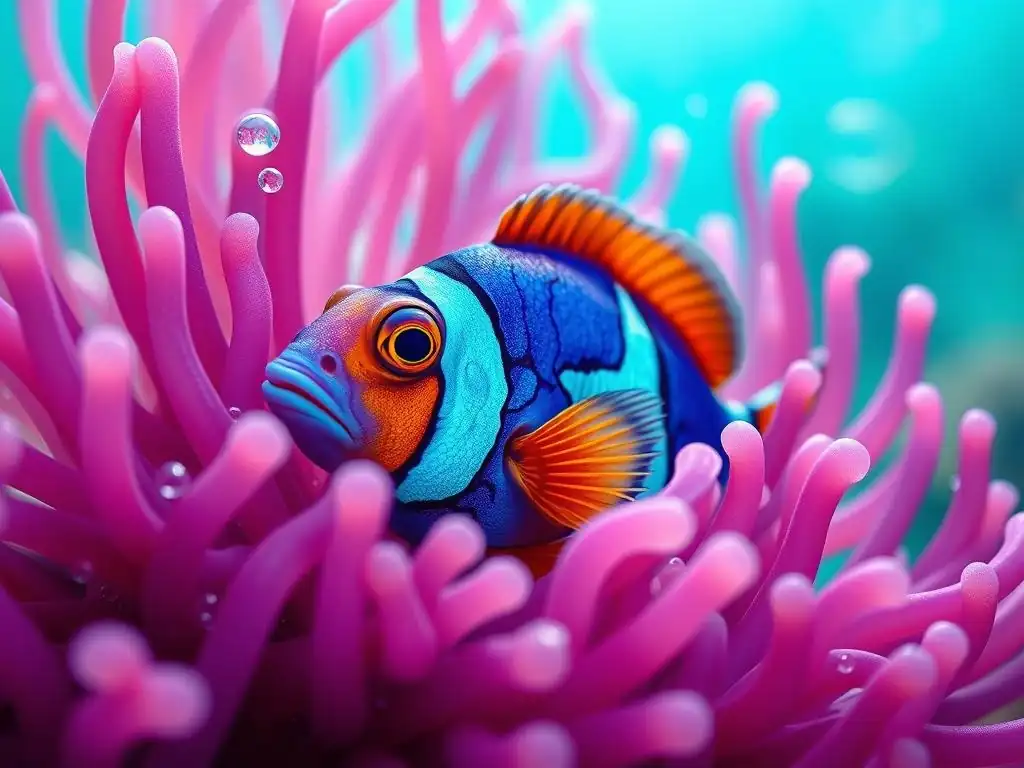
The Ocellaris Clownfish, often referred to as the "False Percula" or simply "Clownfish," is perhaps the most iconic and widely recognized anemonefish in the aquarium trade. Its classic appearance features a bright orange body adorned with three distinct, vertical white bands. These bands are typically outlined in thin black lines, and the middle band often exhibits a slight bulge or irregularity. Adults generally reach a size of 3 to 3.5 inches, making them a popular choice for smaller reef tanks.
A key identifying feature of the Ocellaris is the smooth edge of its preopercle (the bone covering the gill area), lacking any prominent spines, unlike the Maroon Clownfish. Their overall body shape is somewhat stocky but streamlined. When observing an Ocellaris, pay close attention to the relatively uniform thickness of its white bars and the characteristic, somewhat irregular shape of the middle bar, which helps distinguish it from the true Percula.
Ocellaris Clownfish Color Variations: Regional Variations
While the classic orange Ocellaris is most common, this species exhibits fascinating natural and selectively bred color variations. The "Black Ocellaris," also known as the "Darwin Ocellaris," is a naturally occurring melanistic variant found exclusively near Darwin, Australia. These fish are entirely black with crisp white bands, making them visually striking. They are genetically identical to the orange Ocellaris, with the dark coloration developing as they mature.
Beyond natural variations, selective breeding in captivity has produced numerous designer Ocellaris morphs, such as "Snowflake," "Picasso," and "Platnium" clownfish. These variations are characterized by expanded or fused white markings, creating unique patterns. For instance, "Snowflake" Ocellaris display highly irregular and often enlarged white patches that resemble snowflakes. While these designer morphs share the core Ocellaris characteristics, their exaggerated white patterns are a result of specific genetic traits being emphasized through breeding programs.
Percula Clownfish (Amphiprion percula): The True Percula
Percula Clownfish vs. Ocellaris Clownfish: Spotting the Differences
Distinguishing between the Percula Clownfish and the Ocellaris Clownfish is a common challenge in clownfish species identification. While both possess three white vertical bands on an orange body, the Percula's white bars are typically thicker, more prominent, and often have a bolder, more defined black outline. The orange coloration of the Percula is frequently described as a deeper, richer, almost velvety orange compared to the Ocellaris. Additionally, Percula clownfish are generally slightly smaller, reaching adult sizes of 2.5 to 3 inches.
A subtle but reliable difference lies in the dorsal fin ray count; Perculas typically have 10 dorsal fin rays, whereas Ocellaris usually have 11. However, this is difficult to observe without close examination. A more practical visual cue for the amateur aquarist is the shape of the first white bar (behind the eye): in Perculas, this bar often appears wider and more irregular, sometimes extending slightly into the eye or giving an "eyebrow" effect, while in Ocellaris, it tends to be more uniform.
The "Darwin" Ocellaris: Melanistic Variation
It's important to clarify that the "Darwin" Ocellaris is, despite its popular name, a melanistic form of Amphiprion ocellaris, not A. percula. This naturally occurring variant is exclusively found in the waters off Darwin, Australia. Its striking appearance features an entirely black body contrasted sharply with three brilliant white vertical bars, which retain the characteristic shape of an Ocellaris clownfish.
The "Darwin" Ocellaris is a prime example of how geographic isolation can lead to unique color morphs within a species. While often referred to colloquially as "Black Percula," this is a misnomer; true black Percula clownfish are exceedingly rare, if they exist naturally, and are distinct from the well-established "Darwin" Ocellaris. Understanding this distinction is vital for accurate clownfish species identification and for appreciating the genetic diversity within the Amphiprion ocellaris lineage.
Maroon Clownfish (Premnas biaculeatus): The Largest and Most Aggressive
Identifying Maroon Clownfish: Size, Color, and Spines
The Maroon Clownfish ( Premnas biaculeatus) stands out as one of the largest and most distinctive clownfish species, making its clownfish species identification relatively straightforward. Adults can reach an impressive size of 5 to 6 inches, significantly larger than most other commonly kept clownfish. Their body color is a deep, rich maroon or reddish-brown, and they are characterized by a single, broad white or golden vertical stripe located just behind the eye. Juveniles may exhibit two additional faint stripes that typically fade with age.
The most definitive identifying feature of the Maroon Clownfish is the prominent, sharp spine located on each cheek, just below the eye. This spine is unique to the Premnas genus and is a clear indicator, even in young specimens. Their robust build and often aggressive demeanor further distinguish them from the more slender and peaceful Amphiprion species.
Gold Stripe Maroon Clownfish: Stripe Variations
Within the Maroon Clownfish species, a popular and naturally occurring variant is the "Gold Stripe Maroon Clownfish." These individuals are identical in body shape, size, and cheek spine presence to their white-striped counterparts, but their single prominent stripe is a vibrant yellow or gold instead of white. This golden stripe often intensifies in color as the fish matures, becoming more brilliant with age.
It's common for juvenile Gold Stripe Maroons to initially display a faint white or off-white stripe that gradually transitions to yellow or gold as they grow, typically over the first one to two years of their life. This developmental color change can sometimes cause confusion during initial clownfish species identification, but the presence of the defining cheek spine and the general maroon body color remain consistent indicators of this striking species.
Tomato Clownfish (Amphiprion frenatus): The Fiery Red Anemonefish
Distinguishing Features of the Tomato Clownfish
The Tomato Clownfish ( Amphiprion frenatus) is easily recognizable by its uniform, intense fiery red-orange body coloration. Unlike many other clownfish species, adult Tomato clownfish typically lack distinct white vertical bars. Juveniles may possess a single, thin white bar just behind the eye, but this bar often fades or disappears entirely as the fish matures into adulthood. They generally reach an adult size of 4 to 5 inches, placing them in the medium-to-large range for clownfish.
Their body shape is somewhat more elongated and less stocky than that of an Ocellaris or Percula. While not as aggressively territorial as the Maroon Clownfish, they are known to be more assertive than the common Ocellaris, especially as they grow larger. The absence of multiple prominent white bars in mature individuals, combined with their striking monochrome red hue, makes for a straightforward clownfish species identification.
Variants of the Tomato Clownfish: Color Intensity and Bar Presence
The Tomato Clownfish exhibits some variability in its exact shade of red, ranging from a bright, almost neon orange-red to a deeper, more brick-red tone. This variation can sometimes be influenced by their diet and geographical origin. Some individuals may also retain a very faint or incomplete white head bar even into adulthood, while others lose it entirely, becoming completely unbarred.
Despite these minor variations, the core identifying features remain consistent: a generally uniform red-orange body and the tendency for bars to fade or disappear with maturity. This makes the Tomato Clownfish a relatively distinct species within the clownfish species identification guide, relying on its solid coloration rather than complex bar patterns for recognition.
Clark's Clownfish (Amphiprion clarkii): The Adaptable Anemonefish
Identifying Clark's Clownfish: Color Patterns and Distribution
Clark's Clownfish ( Amphiprion clarkii) is one of the most widespread and visually variable clownfish species, making its clownfish species identification both challenging and fascinating. Their body coloration is highly diverse, ranging from black, dark brown, or yellow-orange to bright yellow, with combinations often seen.
Regardless of the body color, they consistently display three distinct white vertical bars: one behind the eye, one in the middle of the body, and one at the base of the caudal (tail) fin. A key identifying feature is that the caudal fin itself is almost always white or bright yellow, contrasting with the body color.
Their wide distribution across the Indo-Pacific, from the Persian Gulf to Japan and Australia, contributes to their extensive color polymorphism. Adults can reach a size of 4 to 5 inches. When attempting to identify clownfish species, the combination of three white bars, a light-colored tail, and highly variable body coloration is a strong indicator of A. clarkii.
Clark's Clownfish and Anemone Associations: Wide Host Range
A remarkable characteristic of Clark's Clownfish, which also indirectly aids in its clownfish species identification in wild contexts, is its exceptional adaptability regarding anemone hosts. Amphiprion clarkii is known to associate with more species of host anemones than any other clownfish, having been observed to host in at least 10 different anemone species. This wide host range includes Bubble Tip Anemones ( Entacmaea quadricolor), Sebae Anemones ( Heteractis crispa), Magnificent Anemones ( Heteractis magnifica), and even the Carpet Anemone ( Stichodactyla mertensii).
While this flexibility is a testament to their adaptability, it means that in an aquarium setting, observing their host choice might not be as definitive for identification as it would be in their natural habitat. However, in the wild, finding a clownfish in a less common host like a Merten's Carpet Anemone strongly suggests it is a Clark's Clownfish due to their unique broad host compatibility.
Saddleback Clownfish (Amphiprion polymnus): The Distinctive Saddle
Identifying Saddleback Clownfish: The Unique Markings
The Saddleback Clownfish ( Amphiprion polymnus) is easily identified by its unique marking: two distinct white "saddles" or broad white bars on a dark body. The first saddle is typically located behind the head, extending down onto the belly, while the second broad bar is positioned mid-body. The body color is generally dark brown to black, and the caudal (tail) fin is usually white or yellowish, providing a striking contrast. They possess a more elongated body shape compared to the stockier Ocellaris or Percula, and can reach an adult size of 4 to 5 inches.
The "saddle" pattern is a defining feature that immediately sets them apart from other clownfish species. Unlike species with narrow bars, the saddles are broad and often irregular in shape, giving the appearance of white patches draped over the fish's back. This distinctive marking is a primary visual cue for accurate clownfish species identification.
Black Saddleback Clownfish: Melanistic Development
Similar to the Black Ocellaris, some Saddleback Clownfish can exhibit a melanistic development, resulting in an almost entirely black body while still retaining their characteristic white saddles. As these fish mature, their dark brown body color can deepen to a rich, velvety black. This natural progression in coloration is influenced by age and potentially environmental factors.
Despite the darkening of the body, the distinctive two white "saddles" remain prominent, serving as the definitive feature for clownfish species identification. Even in their darkest forms, the unique pattern of broad white markings distinguishes them clearly from other dark-bodied clownfish like the Black Ocellaris, which has three distinct, narrower bars.
Anemone Associations: A Guide to Clownfish Symbiosis
Understanding the Relationship Between Clownfish and Anemones
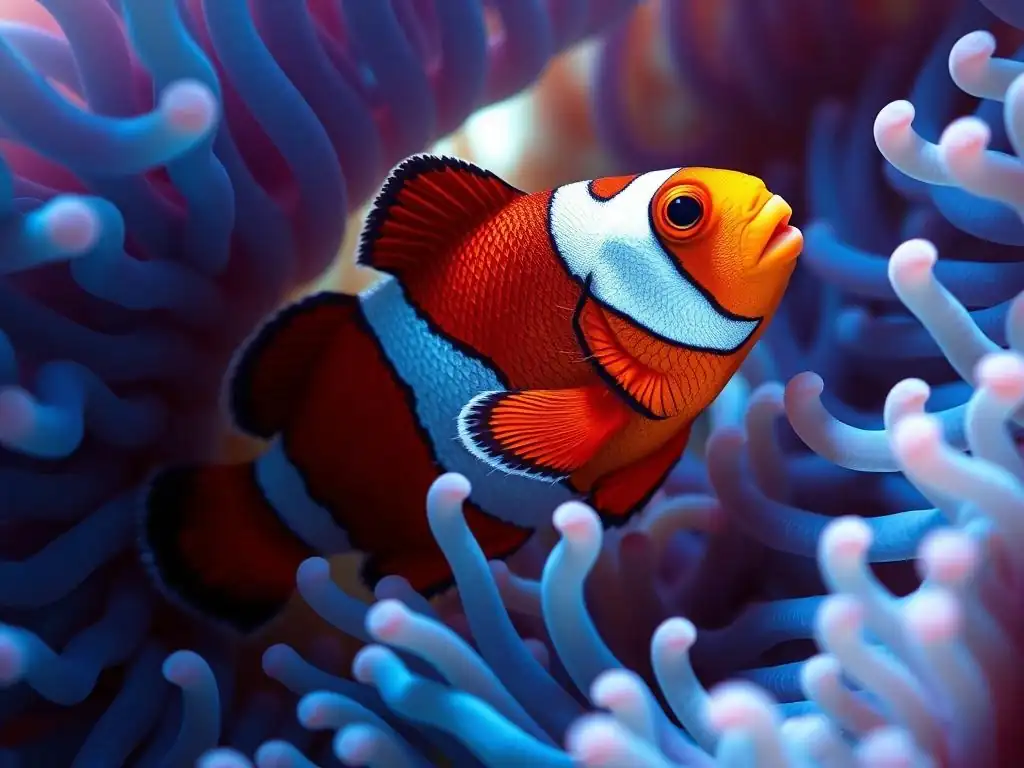
The symbiotic relationship between clownfish and sea anemones is one of nature's most remarkable partnerships, playing a significant role in their ecology and indirectly aiding clownfish species identification in the wild. This relationship is mutualistic: the clownfish gains protection from predators within the anemone's stinging tentacles, to which it is immune due to a special mucus coating. In return, the clownfish may deter predators of the anemone, clean its tentacles of debris and parasites, and even provide nutrients through its waste.
This fascinating interdependence highlights the specialized adaptations of clownfish. Their immunity to anemone stings, developed through a gradual acclimatization process, allows them to safely inhabit a host that would be lethal to most other fish. Understanding this fundamental relationship is key to appreciating the natural history of these marine marvels.
Common Anemone Hosts for Different Clownfish Species
Different clownfish species exhibit varying degrees of specificity regarding their anemone hosts. For instance, the Ocellaris Clownfish ( Amphiprion ocellaris) and Percula Clownfish ( Amphiprion percula) are most commonly found hosting in Bubble Tip Anemones ( Entacmaea quadricolor), Sebae Anemones ( Heteractis crispa), and Magnificent Anemones ( Heteractis magnifica). The Maroon Clownfish ( Premnas biaculeatus) also shows a strong preference for the Bubble Tip Anemone.
In contrast, Clark's Clownfish ( Amphiprion clarkii) is renowned for its wide host range, associating with at least 10 different anemone species, including less common hosts like the Long Tentacle Anemone ( Macrodactyla doreensis) and Merten's Carpet Anemone ( Stichodactyla mertensii). This diversity in host preference, when observed in a natural setting, can provide valuable clues for clownfish species identification, though in captivity, clownfish may host in non-natural hosts or even corals due to lack of choice.
How Anemone Choice Can Aid in Clownfish Species ID
While not a foolproof method in the aquarium trade, where clownfish may readily host in non-natural surrogates, the specific anemone species a clownfish associates with in the wild can be a strong indicator for clownfish species identification. For example, encountering a clownfish consistently hosting in a Merten's Carpet Anemone in its natural habitat would strongly suggest it is Amphiprion clarkii or Amphiprion perideraion, as these are among the few species known to regularly utilize this host.
Similarly, if a wild-caught clownfish is imported alongside its natural host anemone, the identification of the anemone can help narrow down the possibilities for the clownfish species. However, aquarists must exercise caution, as many clownfish in captivity will readily "host" in powerheads, specific corals (like Euphyllia species), or even the corner of the tank if a suitable anemone is unavailable, rendering this method unreliable for captive clownfish species identification.
Hybrid Clownfish: Challenges in Identification
The Rise of Hybrid Clownfish in the Aquarium Trade
The increasing demand for unique and visually striking clownfish has led to a significant rise in the breeding and sale of hybrid clownfish within the aquarium trade. These hybrids are typically created by cross-breeding two different, though often closely related, clownfish species. For example, crosses between Amphiprion ocellaris and Amphip percula are common, as are various crosses involving designer morphs of these species. The motivation behind these hybrids is often to produce novel patterns and colors that command higher prices in the market.
While some hybrids are intentional, others can occur inadvertently in breeding facilities where different species are housed in close proximity. This proliferation of hybrid forms presents a considerable challenge for accurate clownfish species identification, as their genetic lineage is mixed, leading to unpredictable combinations of traits.
Identifying Hybrid Clownfish: Mixed Characteristics and Challenges
Identifying hybrid clownfish visually is exceptionally challenging because they often display a mix of characteristics from their parent species, making precise clownfish species identification through traditional methods unreliable. A hybrid might exhibit the body shape of one parent, but the fin morphology or bar patterns of another, or even entirely novel combinations. For instance, a hybrid might have the rich orange color of a Percula but the thinner white bars of an Ocellaris, or an unusual number of bars.
These mixed characteristics mean that standard visual guides become less effective. The unpredictability of their appearance makes it nearly impossible to definitively classify them as a known species. In many cases, without genetic testing, it is impossible to be 100% certain of a hybrid's exact parentage, posing a significant hurdle for aquarists aiming for accurate clownfish species identification.
Ethical Considerations Regarding Hybrid Clownfish
The proliferation of hybrid clownfish in the aquarium trade raises several ethical considerations for responsible aquarists. One primary concern is the potential impact on the genetic integrity of pure species. If hybrids were ever released into the wild (though highly unlikely for aquarium-bred fish), they could potentially introduce non-native genes into wild populations, diluting the genetic purity of natural species.
Furthermore, there can be concerns about the long-term health and viability of hybrids. While many appear robust, some may suffer from reduced fertility, genetic predispositions to certain health issues, or altered behaviors that make them less suitable for typical aquarium environments. Responsible aquarists should be aware of these issues and, if breeding, strive to maintain pure genetic lines to support the conservation and health of clownfish species.
Advanced Clownfish Identification Techniques
Using Genetics for Accurate Clownfish Species Identification
For the most precise and definitive clownfish species identification, especially when dealing with ambiguous cases or potential hybrids, genetic analysis is the gold standard. Techniques such as DNA sequencing, particularly of mitochondrial DNA (e.g., cytochrome c oxidase subunit I or COI gene), allow scientists to identify the exact species and even determine the lineage of a clownfish by comparing its genetic code to established databases of known species. This method can reveal subtle genetic differences that are not apparent through visual inspection.
While genetic testing is primarily a research tool and not readily accessible to the average aquarist, it underpins our current scientific understanding of clownfish phylogeny and diversity. It is the method used by ichthyologists to confirm new species discoveries and to resolve taxonomic ambiguities that visual cues alone cannot address, providing the ultimate authority in clownfish species identification.
Professional Resources for Anemonefish Identification
When faced with a particularly challenging clownfish species identification, aquarists can turn to professional resources for expert assistance. These resources include specialized scientific literature, such as peer-reviewed ichthyological journals and detailed taxonomic keys, which provide exhaustive descriptions and distinguishing features for all known anemonefish species. Online databases maintained by reputable scientific institutions, like FishBase, also offer comprehensive information and images.
Additionally, connecting with experienced marine biologists, public aquarium staff, or highly knowledgeable members of specialized online forums and communities can provide valuable insights. These experts often possess years of observational experience and access to resources that can help resolve difficult identification cases, particularly for rare species or complex hybrids, contributing significantly to a robust clownfish species identification guide.
Caring for Your Identified Clownfish Species
Meeting the Specific Needs of Each Clownfish Species
Accurate clownfish species identification is not merely an academic exercise; it is fundamental to providing optimal care for your fish. Each species has unique requirements regarding tank size, water parameters, diet, and temperament. For instance, a small, docile Ocellaris Clownfish can thrive in a 20-gallon nano reef, while a large, aggressive Maroon Clownfish requires a minimum of 50-75 gallons to prevent territorial disputes and provide adequate swimming space.
Understanding these specific needs based on proper clownfish species identification allows aquarists to create a tailored environment that promotes the health, longevity, and natural behaviors of their fish. It ensures that the fish is not stressed by inappropriate tank mates, insufficient space, or unsuitable environmental conditions, directly impacting its well-being.
Tank Size and Water Parameters for Clownfish
While specific needs vary, all clownfish species thrive in stable, well-maintained saltwater aquariums. For smaller species like Ocellaris and Percula clownfish, a minimum tank size of 20-30 gallons is generally recommended for a single specimen or a pair. Larger species such as Maroon and Tomato clownfish require more substantial tanks, typically 50 gallons or more, to accommodate their size and potentially aggressive nature.
Standard saltwater parameters are crucial for all clownfish:
- Salinity: 1.023-1.025 specific gravity.
- Temperature: 75-82°F (24-28°C).
- pH: 8.1-8.4.
- Alkalinity: 8-12 dKH.
- Calcium: 400-450 ppm.
Maintaining consistency in these parameters is more important than hitting exact numbers, as fluctuations can stress the fish. Regular water changes (10-20% bi-weekly or monthly) are also essential for water quality.
Diet and Feeding Habits of Different Clownfish Species
Clownfish are omnivores and, in captivity, should be fed a varied diet to ensure they receive all necessary nutrients. High-quality marine flakes and pellets formulated for omnivorous marine fish should form the staple of their diet. Supplementing with frozen foods is highly beneficial; popular choices include mysis shrimp, brine shrimp, spirulina-enriched brine shrimp, and chopped marine meats.
Generally, clownfish should be fed 1-2 times per day, offering an amount they can consume within a few minutes. Larger species like Maroons may require slightly larger food particles or a bit more volume. A diverse diet not only enhances their color and vitality but also boosts their immune system, contributing to their overall health and longevity in the aquarium.
Conclusion: Appreciating Anemonefish Diversity
The Importance of Responsible Clownfish Keeping
Responsible clownfish keeping begins with accurate clownfish species identification. This foundational knowledge empowers aquarists to provide appropriate care, from selecting the correct tank size and compatible tank mates to understanding specific dietary needs and behavioral traits. By recognizing the unique characteristics of each species, aquarists can create thriving environments that mimic their natural habitats, leading to healthier, happier, and longer-lived fish.
Beyond individual fish welfare, responsible keeping contributes to the broader health of the hobby and marine ecosystems. It discourages the mislabeling of fish, promotes ethical sourcing, and supports conservation efforts by emphasizing the importance of maintaining genetic purity in captive-bred populations. Ultimately, a deep appreciation for anemonefish diversity fosters a more informed and sustainable approach to marine aquarism.
Further Resources for Learning About Clownfish Species.
For those eager to deepen their understanding of clownfish species identification and care, numerous valuable resources are available. Comprehensive marine aquarium books, specialized scientific journals focusing on ichthyology and marine biology, and reputable online databases like FishBase provide detailed species profiles and taxonomic information. Engaging with dedicated online forums and communities for marine aquarists can also offer practical advice, shared experiences, and support from fellow enthusiasts.
Attending local aquarium club meetings or visiting public aquariums often provides opportunities to observe various clownfish species firsthand and learn from experienced curators. Continuous learning and a commitment to accurate clownfish species identification will undoubtedly enhance your aquarium journey, allowing you to truly appreciate the incredible diversity and charm of these iconic marine inhabitants.
Frequently Asked Questions
How can I tell the difference between a Percula Clownfish and an Ocellaris Clownfish?
The primary difference lies in their stripe patterns. Percula clownfish often have thicker, more irregular black outlines around their white bars, while Ocellaris clownfish typically have thinner, cleaner black outlines.
What anemone species are commonly hosted by Clownfish in a home aquarium?
Common anemone hosts include the Bubble Tip Anemone (Entacmaea quadricolor), the Magnifica Anemone (Heteractis magnifica), and the Sebae Anemone (Heteractis crispa). However, not all clownfish species will host every anemone type.
Are there any Clownfish species that are considered more aggressive than others?
Yes, some Clownfish species, like the Maroon Clownfish (Premnas biaculeatus), are known for being more territorial and aggressive, especially as they mature. This can be problematic in smaller tanks.
What factors should I consider when selecting Clownfish for my aquarium?
Consider your tank size, the compatibility of the chosen species with other tank inhabitants, and the specific needs of the Clownfish species in terms of water parameters and potential anemone hosts.
Where can I find more detailed information on the specific care requirements for each Clownfish species?
AquariumMastery.com offers detailed species profiles covering topics such as diet, water chemistry, and potential health issues for a wide variety of clownfish and other aquarium inhabitants.
Final Reflection: Appreciating the Vibrant Tapestry of Anemonefish
The ability to distinguish between different clownfish species, as highlighted in this guide, is more than just an academic exercise; it's a gateway to understanding the intricate beauty and fragility of our coral reef ecosystems. In a world increasingly impacted by climate change and habitat destruction, recognizing the unique characteristics of these vibrant creatures allows us to better appreciate and protect their delicate existence.
This journey into the world of anemonefish has undoubtedly deepened our appreciation for the biodiversity that thrives beneath the waves. It reminds us that even within a seemingly homogenous group, remarkable diversity exists, each species playing a vital role in the health of its environment. In the end, we will conserve only what we love; we will love only what we understand; and we will understand only what we are taught.
- Baba Dioum. This quote encapsulates the importance of knowledge and understanding in fostering a sense of responsibility towards our planet.
Now, armed with this knowledge of clownfish species identification, I invite you to look beyond the surface. Consider the impact of your choices on the ocean's health. Whether it's supporting sustainable seafood practices, reducing your carbon footprint, or simply spreading awareness, every action, no matter how small, contributes to the preservation of these magnificent creatures and the vibrant ecosystems they call home. Let us all become stewards of the reef, ensuring that future generations can marvel at the beauty of anemonefish diversity.
Dive Deeper: Unlock the Secrets of Clownfish!
Thank you for exploring the fascinating world of clownfish with us! We hope this guide has equipped you with the knowledge to confidently identify these vibrant reef dwellers. Now, let's turn that knowledge into action.
Here's how you can continue your clownfish journey:
- Become a Reef Guardian: Contribute your clownfish observations and photos to online databases like iNaturalist to help track species distribution and behavior.
- Explore the delicate partnership between clownfish and anemones! Research and learn about the specific needs of clownfish and their host anemones to successfully keep them in an aquarium, if you are passionate about it.
- Share your newfound clownfish expertise! Educate friends, family, and fellow aquarium enthusiasts about the importance of coral reef conservation and the unique adaptations of these amazing fish.
What specific clownfish species are you most excited to identify in your next aquarium visit or dive?