
Effortless Elegance: The Aquarium Mastery Guide to Cherry Barb Care

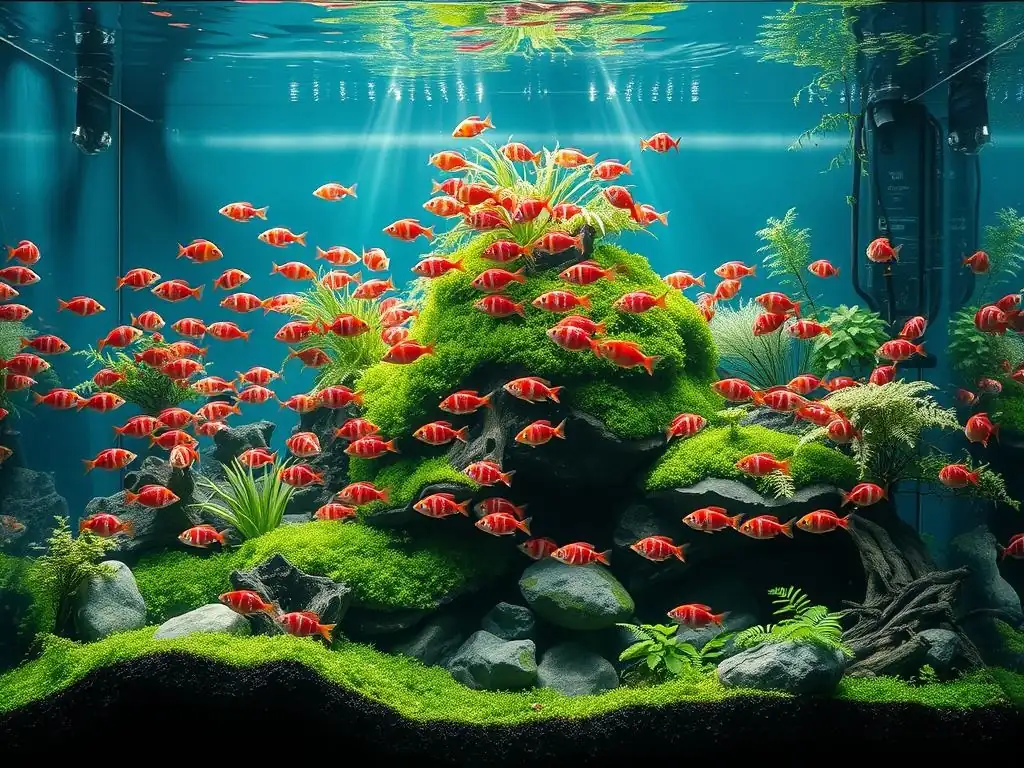
Welcome to Aquarium Mastery!
Intrigued by the vibrant colors and peaceful nature of the Cherry Barb? You've come to the right place! This guide unlocks the secrets to successful Cherry Barb care, transforming your aquarium into a thriving ecosystem. But what's the key to maintaining their brilliant hues and ensuring their long-term health? Dive in to discover essential tips, tricks, and expert advice that will make caring for these elegant fish a breeze. Let's explore the world of Barbus titteya together!
- Understanding Cherry Barbs: An Introduction to Puntius titteya
- Setting Up the Ideal Cherry Barb Tank Environment
- Cherry Barb Care Tips: A Comprehensive Guide
- Cherry Barb Tank Mates: Compatibility and Community Aquariums
- Breeding Cherry Barbs: A Step-by-Step Guide
- Enhancing Cherry Barb Colors and Vitality
- Troubleshooting Common Cherry Barb Care Issues
- Cherry Barb Care Checklist: Ensuring Long-Term Success
- The Joys of Keeping Cherry Barbs: A Rewarding Aquarium Experience
- Frequently Asked Questions
- Final Reflection: Cultivating Aquatic Harmony
- Unleash the Vibrant Beauty of Cherry Barbs in Your Aquarium!
Understanding Cherry Barbs: An Introduction to Puntius titteya
Cherry Barb Characteristics: Size, Appearance, and Lifespan
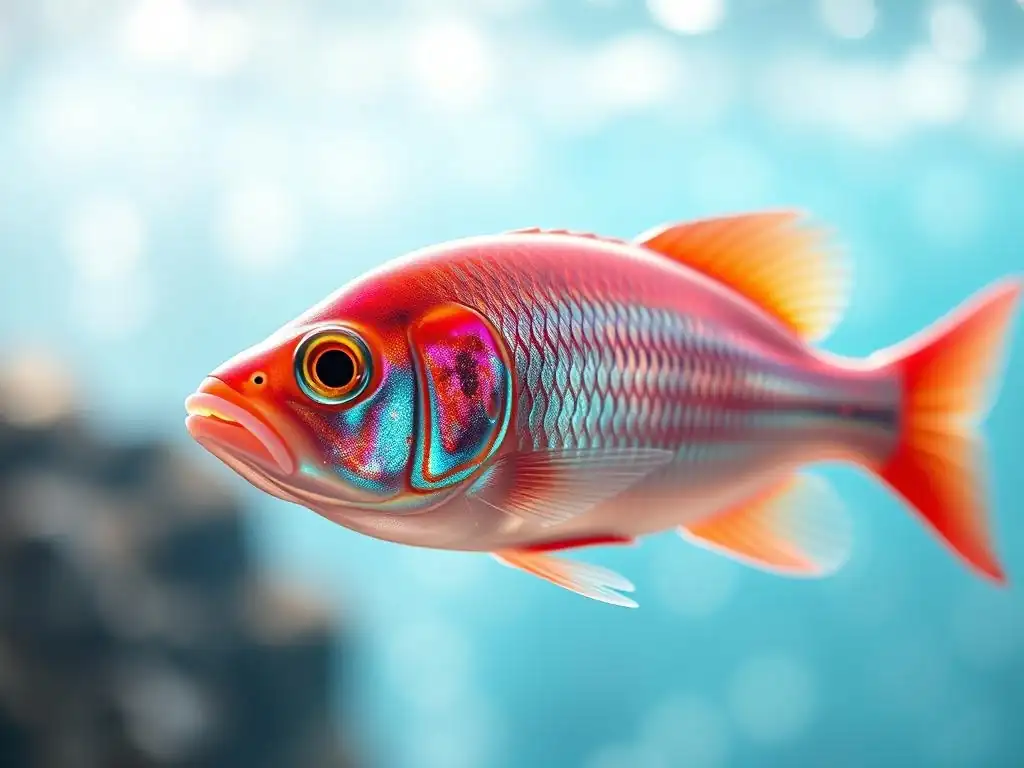
The Cherry Barb, scientifically known as Puntius titteya, is a captivating freshwater fish highly prized for its vibrant coloration and peaceful demeanor. Typically reaching an adult size of about 1.5 to 2 inches (approximately 4 to 5 cm), these slender, torpedo-shaped cyprinids are well-suited for smaller to medium-sized aquariums. Males are particularly striking, displaying an intense, iridescent cherry-red hue that deepens during breeding or when they are actively displaying, while females tend to be plumper with a more subdued, reddish-brown or orange coloration, often featuring a distinct horizontal stripe.
With proper cherry barb care tips and a stable environment, these charming fish can enjoy a lifespan of 4 to 6 years, sometimes even longer. Their hardy nature and adaptability make them an excellent choice for both novice and experienced aquarists. Observing their subtle changes in coloration and behavior can often be an early indicator of their health and well-being, highlighting the importance of consistent observation as a key aspect of their care.
Natural Habitat and Behavior of Cherry Barbs in the Wild
In their native habitat, Cherry Barbs originate from the shaded, slow-moving streams and rivers of Sri Lanka, particularly in the Kelani and Nilwala river basins. These waters are typically characterized by dense vegetation, submerged roots, and leaf litter, providing ample cover and a rich source of food. The water in these natural environments is often soft and slightly acidic, with stable temperatures, reflecting the conditions that promote their optimal health and vibrant coloration in captivity.
In the wild, Cherry Barbs are known to inhabit the middle and lower strata of the water column, foraging for small invertebrates, algae, and detritus. They exhibit a natural schooling behavior, preferring to live in groups, which provides them with a sense of security and allows for fascinating social interactions. This schooling instinct is crucial to replicate in the home aquarium, as it significantly reduces stress and encourages their most natural and appealing behaviors, contributing to effective cherry barb care tips.
Why Choose Cherry Barbs for Your Freshwater Aquarium?
Cherry Barbs are an exceptional choice for freshwater aquariums due to their combination of beauty, peacefulness, and ease of care. Their striking red coloration adds a brilliant splash of color to any tank, making them stand out without being overly boisterous. Unlike some other barb species, Cherry Barbs are renowned for their calm temperament, making them ideal inhabitants for a community aquarium where they rarely bother other fish, even those with longer fins.
Furthermore, their active yet graceful schooling behavior provides constant visual interest, as they dart and weave through plants in unison. They are relatively undemanding regarding water parameters, provided stability is maintained, and are quite resilient, making them forgiving for beginners who are still learning the ropes of aquarium maintenance. Implementing proper cherry barb care tips from the outset ensures these fish thrive, offering a rewarding experience for any aquarist.
Setting Up the Ideal Cherry Barb Tank Environment
Tank Size Recommendations for a School of Cherry Barbs
While a small group of 5-6 Cherry Barbs might survive in a 10-gallon tank, a 20-gallon long aquarium is generally considered the minimum ideal size to properly house a school of these active fish. A 20-gallon long tank, measuring approximately 30 inches in length, provides ample horizontal swimming space, which is far more important for schooling species than vertical height. This extra space allows them to exhibit their natural schooling behavior, reducing stress and preventing potential nipping that can arise from overcrowding.
For larger schools of 8-10 or more Cherry Barbs, or if you plan to include other compatible community fish, a 30-gallon or 40-gallon breeder tank would be even more beneficial. Larger tanks offer increased water volume, which contributes to greater stability in water parameters, making the tank easier to maintain and providing a more robust environment for the fish. Adhering to these tank size recommendations is a cornerstone of effective cherry barb care tips, ensuring their long-term health and vitality.
Water Parameters for Optimal Cherry Barb Health: Temperature, pH, and Hardness
Maintaining stable and appropriate water parameters is paramount for the health and vibrant coloration of Cherry Barbs. The ideal temperature range for these tropical fish is between 72-79°F (22-26°C). Fluctuations outside this range can cause stress and weaken their immune system, making them susceptible to diseases. A reliable aquarium heater with a thermostat is essential to keep the temperature consistent, especially in environments with varying room temperatures.
Cherry Barbs thrive in slightly acidic to neutral water, with a pH range of 6.0-7.5. While they are quite adaptable, sudden changes in pH should be avoided, as these can be highly stressful. Similarly, their preferred water hardness (GH) is soft to moderately hard, typically between 5-19 dGH (90-340 ppm). Regular testing of these parameters using a quality liquid test kit is crucial for proactive cherry barb care tips, allowing for minor adjustments before issues escalate.
Choosing the Right Substrate and Decorations for Cherry Barbs
When selecting a substrate for a Cherry Barb aquarium, fine gravel or sand are excellent choices. A darker substrate color is often recommended as it helps to bring out the vibrant red coloration of the fish, making them appear even more striking. Avoid very coarse or sharp substrates that could potentially injure their delicate fins or bodies. The substrate also serves as a medium for beneficial bacteria, contributing to the biological filtration of the tank.
Decorations should aim to mimic their natural habitat, providing both open swimming areas and plenty of hiding spots. Dense live planting, such as Java Fern, Anubias, Cryptocoryne, or even floating plants, is highly beneficial. These plants offer security, reduce stress, and provide natural foraging opportunities. Incorporating driftwood and smooth rocks can further enhance the natural aesthetic while providing additional visual breaks and territories within the tank, all vital for comprehensive cherry barb care tips.
Essential Filtration and Lighting for Cherry Barb Aquariums
For Cherry Barbs, a gentle yet effective filtration system is crucial. Sponge filters are an excellent option for smaller tanks or breeding setups, providing both mechanical and biological filtration without creating strong currents that can stress these fish. For larger community tanks, a hang-on-back (HOB) filter or a canister filter can be used, provided the outflow is baffled or directed to minimize strong water flow. The key is to ensure good water circulation and adequate biological filtration to process ammonia and nitrites, maintaining pristine water quality.
Lighting for a Cherry Barb aquarium should be moderate. While live plants require sufficient light for photosynthesis, excessive brightness can stress the fish, causing them to lose color and hide more frequently. A timer is recommended to establish a consistent light cycle, typically 8-10 hours per day, which mimics natural day-night cycles and helps prevent excessive algae growth. Proper lighting contributes not only to the aesthetic appeal of the tank but also to the overall well-being of the Cherry Barbs, forming an integral part of effective cherry barb care tips.
Cherry Barb Care Tips: A Comprehensive Guide
Feeding Cherry Barbs: Diet and Nutritional Needs
Cherry Barbs are omnivorous, meaning their diet in the wild consists of both plant matter and small invertebrates. To ensure optimal health, vibrant coloration, and longevity in the aquarium, it is crucial to provide a varied and balanced diet. A high-quality flake food or small pellet designed for tropical fish should form the staple of their diet, providing essential vitamins and minerals. However, relying solely on dry foods can lead to nutritional deficiencies and dull coloration over time.
Supplementing their diet with live or frozen foods is highly beneficial. Options such as bloodworms, brine shrimp, daphnia, and mosquito larvae provide excellent protein sources and mimic their natural foraging behaviors. Additionally, blanched vegetables like spirulina flakes, zucchini, or shelled peas can be offered occasionally to provide necessary plant-based nutrients. A diverse diet not only boosts their immune system but also significantly enhances their natural red hues, a primary goal of good cherry barb care tips.
Recommended Foods for Vibrant Cherry Barb Colors
To truly bring out the stunning cherry-red coloration of Puntius titteya, specific attention should be paid to foods rich in carotenoids. These natural pigments, found in many aquatic invertebrates and plants, are directly responsible for the intensity of their red and orange hues. High-quality commercial flake or pellet foods often contain color-enhancing ingredients like astaxanthin or spirulina, which are excellent for daily feeding.
Beyond commercial products, incorporating frozen or live foods such as bloodworms and brine shrimp, which are naturally rich in these pigments, will yield noticeable results. Spirulina flakes or pellets, derived from blue-green algae, are another fantastic option that provides both plant-based nutrients and color-enhancing compounds. Consistently offering a varied diet that includes these color-boosting elements is one of the most effective cherry barb care tips for achieving truly vibrant and breathtaking fish.
Feeding Schedule and Avoiding Overfeeding
A consistent feeding schedule is vital for the health of Cherry Barbs and the overall cleanliness of the aquarium. It is generally recommended to feed them 2-3 times a day, offering small amounts that they can consume entirely within 2-3 minutes. This approach ensures that all fish get enough to eat without leaving excess food to decay in the tank, which can rapidly degrade water quality.
Overfeeding is one of the most common pitfalls in aquarium keeping and can lead to a host of problems. Uneaten food decomposes, leading to spikes in ammonia and nitrites, cloudy water, and excessive algae growth. It can also cause digestive issues and obesity in the fish, shortening their lifespan. Always err on the side of underfeeding rather than overfeeding, and promptly remove any uneaten food after the designated feeding time. This diligent approach is a fundamental cherry barb care tips practice that prevents many common tank issues.
Maintaining Water Quality: Water Changes and Testing
Maintaining pristine water quality is arguably the most critical aspect of successful Cherry Barb care. Regular partial water changes are essential to remove accumulated nitrates, replenish essential minerals, and maintain overall water purity. A weekly water change of 25-30% of the tank volume is a good standard for most community tanks with Cherry Barbs. For heavily stocked tanks or those experiencing water quality issues, more frequent or larger changes may be necessary.
Beyond water changes, consistent water testing is indispensable. Aquarists should regularly monitor ammonia, nitrite, and nitrate levels, aiming for 0 ppm ammonia, 0 ppm nitrite, and nitrate levels consistently below 20 ppm. pH and temperature should also be checked to ensure stability within their preferred ranges. Investing in a reliable liquid test kit, such as the API Freshwater Master Test Kit, provides accurate readings, allowing for proactive adjustments and ensuring the long-term well-being of your Cherry Barbs. This proactive monitoring is a cornerstone of effective cherry barb care tips.
Preventing and Treating Common Cherry Barb Diseases
Prevention is always the best approach when it comes to fish health. Maintaining stable water parameters, providing a varied and nutritious diet, avoiding overcrowding, and quarantining new fish for at least 2-4 weeks before introducing them to the main tank are crucial preventative measures. Despite best efforts, Cherry Barbs can occasionally fall ill, often due to stress or poor water conditions. Common diseases include Ich (white spot disease), Fin Rot, Fungal infections, and bacterial infections.
Observing your fish daily for any changes in behavior or appearance is key to early detection. Healthy Cherry Barbs are active, display vibrant colors, have clear eyes, and their fins are intact and held naturally. Any signs of lethargy, clamped fins, faded colors, spots, growths, or unusual swimming patterns warrant immediate investigation. Prompt identification and treatment of diseases significantly increase the chances of recovery and are an important part of comprehensive cherry barb care tips.
Identifying Potential Health Issues in Cherry Barbs
Early detection of health issues in Cherry Barbs relies heavily on vigilant observation. Healthy individuals are typically active swimmers, exhibiting their characteristic schooling behavior, and displaying bright, vivid coloration, especially the males. Their fins should be fully extended and free from tears or ragged edges, and their bodies should appear full but not bloated.
Signs of potential illness include lethargy or unusual hiding, gasping at the surface of the water, rubbing against decorations, or darting movements. Physical symptoms may manifest as white spots resembling salt grains (Ich), cloudy eyes, frayed or decaying fins (Fin Rot), fuzzy white growths (fungus), red streaks on the body, or bloating. Any of these indicators should prompt immediate action, starting with water quality tests, as poor water is a frequent underlying cause. Recognizing these symptoms quickly is a vital component of successful cherry barb care tips.
Effective Treatments for Sick Cherry Barbs
Once a health issue is identified, effective treatment depends on accurate diagnosis. For common parasitic infections like Ich, raising the water temperature gradually (if compatible with other tank inhabitants) to 82-84°F (28-29°C) for several days can accelerate the parasite's life cycle, making it more vulnerable to treatment. This can be combined with specific Ich medications available at pet stores, following the manufacturer's instructions carefully. Adding aquarium salt (non-iodized) can also be beneficial in some cases, at a dosage of 1 tablespoon per 5 gallons for Ich.
For bacterial infections (e.g., Fin Rot, body sores) or fungal infections, broad-spectrum antibacterial or antifungal medications are typically required. It is highly recommended to treat sick fish in a separate quarantine tank if possible, to prevent the spread of disease to healthy tank mates and to allow for more precise dosing without affecting the main tank's beneficial bacteria. Always ensure proper aeration in the treatment tank and perform partial water changes as directed by the medication instructions. Consistent water quality remains paramount throughout the treatment process.
Cherry Barb Tank Mates: Compatibility and Community Aquariums
Best Tank Mates for Cherry Barbs: Peaceful Community Fish
Cherry Barbs are renowned for their peaceful nature, making them excellent candidates for a diverse community aquarium. The best tank mates are other similarly sized, non-aggressive, and schooling fish that prefer similar water parameters. Excellent choices include other peaceful small tetras such as Neon Tetras, Cardinal Tetras, and Ember Tetras, which share their preference for soft, slightly acidic water and active schooling behavior.
Rasboras, like Harlequin Rasboras or Chili Rasboras, also make ideal companions due to their calm temperament and similar size. Bottom dwellers such as Corydoras catfish (e.g., Panda Cory, Bronze Cory) and Otocinclus catfish are also highly compatible, as they occupy different levels of the water column and are entirely peaceful. Small, peaceful loaches like Kuhli Loaches can also coexist harmoniously.
Ensuring ample space and a large enough school of Cherry Barbs (at least 6, preferably 8-10+) will minimize any potential shyness or stress, promoting active and vibrant fish. This careful selection of tank mates is crucial for effective cherry barb care tips in a community setting.
Fish to Avoid Keeping with Cherry Barbs
Despite their peaceful disposition, not all fish are suitable tank mates for Cherry Barbs. It is crucial to avoid any species that are known to be aggressive, territorial, or fin-nippers. Larger, predatory fish that might view Cherry Barbs as prey, such as many types of Cichlids (e.g., Oscars, Jack Dempseys) or large Gouramis, should be strictly avoided. Their presence would cause immense stress to the Barbs, leading to faded colors, hiding, and ultimately, poor health or even death.
Even within the barb family, certain species like the Tiger Barb, while visually appealing, are notorious fin-nippers and can harass the more delicate Cherry Barbs, leading to stress and injury. Similarly, very boisterous or highly active fish might outcompete Cherry Barbs for food or space, causing them undue stress. Additionally, extremely shy or slow-moving fish might not thrive alongside the active Cherry Barbs, as they could be outcompeted for food or become stressed by the constant movement. Careful research into species compatibility is a non-negotiable aspect of successful cherry barb care tips.
Creating a Harmonious Aquarium Community
Creating a harmonious aquarium community with Cherry Barbs requires thoughtful planning beyond just compatible species selection. Adequate tank size is paramount, as overcrowding is a leading cause of stress and aggression in any community tank. Ensure that the tank provides enough space for all inhabitants to swim freely and establish their own territories without constant conflict. For Cherry Barbs, ensuring they are kept in a sufficiently large school (minimum 6, ideally 8-10 or more) is key, as this distributes any minor internal sparring and makes them feel more secure.
Providing plenty of hiding spots and visual barriers through dense planting, driftwood, and rock formations can significantly reduce stress and aggression by allowing fish to retreat when needed. Introducing all fish simultaneously or adding new fish slowly, observing interactions closely, can also help establish a peaceful hierarchy. A well-planned and maintained community tank, where all inhabitants thrive, is the ultimate goal of comprehensive cherry barb care tips, showcasing the beauty and natural behaviors of these elegant fish.
Breeding Cherry Barbs: A Step-by-Step Guide
Setting Up a Breeding Tank for Cherry Barbs
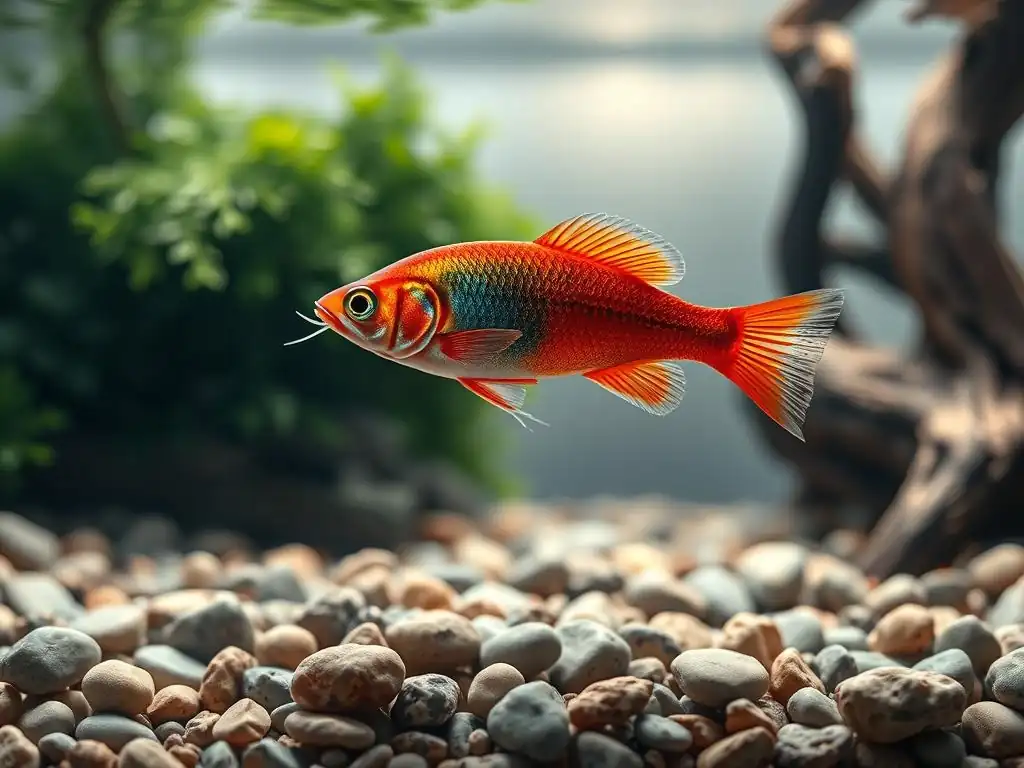
To successfully breed Cherry Barbs, setting up a dedicated breeding tank is highly recommended to protect the eggs and fry from being eaten by the parents or other tank inhabitants. A small aquarium, typically 5 to 10 gallons (approximately 19 to 38 liters), is sufficient for a single breeding pair or trio (one female and two males). The tank should have a bare bottom, or at most, a thin layer of marbles or a spawning grate to allow eggs to fall out of reach of the parents.
Crucially, the breeding tank should be heavily furnished with fine-leaved plants like Java Moss, Water Wisteria, or artificial spawning mops. These provide the ideal substrate for the Cherry Barbs to scatter their adhesive eggs. Filtration should be gentle, such as a small sponge filter, to prevent eggs or newly hatched fry from being sucked up. Dim lighting is also preferred, as eggs are light-sensitive. Maintaining a consistent temperature between 75-79°F (24-26°C) with a reliable heater is vital for successful spawning and egg development.
Conditioning Cherry Barbs for Breeding
Before attempting to breed Cherry Barbs, it is essential to condition the prospective parents to ensure they are in peak health and ready to spawn. This process typically involves separating males and females for a period of one to two weeks. During this time, feed both sexes a high-quality, varied diet rich in protein, such as live or frozen bloodworms, brine shrimp, daphnia, and high-protein flake foods. This enriched diet helps the females develop eggs and the males become more vibrant and eager to spawn.
Select a plump female with a noticeably rounded belly, indicating she is full of eggs, and a male displaying intense, vibrant red coloration and active behavior. Introduce the chosen pair or trio into the prepared breeding tank, ideally in the evening. Spawning usually occurs at dawn the following day or within a few days. The male will typically chase the female, encouraging her to release her eggs among the plants or spawning mop, where he will then fertilize them.
Spawning and Fry Care: Raising Cherry Barb Fry
Cherry Barb spawning is an exciting event, typically occurring in the early morning hours, often at dawn. The male will intensely chase the female into the spawning material, where she will scatter numerous tiny, clear, adhesive eggs. These eggs will stick to the plants or fall through the spawning grate to the bottom. Once spawning is complete, which usually takes a few hours, it is crucial to immediately remove the adult fish from the breeding tank. Cherry Barbs are notorious egg eaters and will consume their offspring if given the opportunity.
The eggs will typically hatch within 24 to 48 hours, depending on the water temperature. The newly hatched fry are very tiny and will remain attached to surfaces, absorbing their yolk sacs, for another 3-5 days. Once they become free-swimming, they will need microscopic food. Infusoria is an ideal first food, followed by newly hatched brine shrimp or micro-worms as they grow. Small, frequent water changes (e.g., 10-20% daily) using aged or dechlorinated water are essential to maintain pristine water quality for the delicate fry.
Identifying and Preventing Egg Eating
Cherry Barbs, like many other barb species, have a strong instinct to consume their own eggs and fry. This behavior is a natural part of their survival mechanism in the wild, but it poses a significant challenge for aquarists attempting to breed them. The moment spawning is observed to be complete, or even if you suspect it has occurred, the adult fish must be promptly removed from the breeding tank. Leaving them in the tank, even for a short period, will likely result in the loss of most, if not all, of the eggs.
To further prevent egg eating, setting up the breeding tank with a bare bottom and a spawning mop or a layer of marbles allows the eggs to fall through to an area inaccessible to the parents. Alternatively, a fine mesh spawning grate can be placed a few inches above the bottom. Dim lighting in the breeding tank after spawning can also help, as the eggs are light-sensitive and the parents might be less inclined to forage in low light. These preventative measures are crucial for successful cherry barb care tips when breeding.
Enhancing Cherry Barb Colors and Vitality
Diet and Color Enhancement: Foods for Brighter Cherry Barbs
The vibrancy of your Cherry Barbs' coloration is largely a reflection of their diet and overall health. To achieve the brightest, most intense red hues, it's essential to provide a diet rich in carotenoids. These natural pigments are found in various foods and are directly absorbed by the fish, contributing to their skin coloration. High-quality commercial flake or pellet foods formulated for color enhancement often contain synthetic or natural sources of astaxanthin and spirulina, which are excellent for daily feeding.
Beyond commercial options, incorporating natural sources of carotenoids is highly effective. Frozen or live bloodworms and brine shrimp are particularly rich in these pigments and are eagerly accepted by Cherry Barbs. Spirulina, a blue-green algae, is another fantastic natural supplement that can be fed in flake or pellet form, not only enhancing color but also providing a broad spectrum of nutrients. Consistent feeding with these color-boosting foods, as part of comprehensive cherry barb care tips, will lead to noticeably more vibrant and stunning fish.
Maintaining Optimal Water Parameters for Vibrant Colors
While diet plays a significant role in color enhancement, even the best foods won't compensate for poor water quality. Optimal and stable water parameters are fundamental to the overall health of Cherry Barbs, which directly translates into vibrant coloration. Fish that are stressed by fluctuating temperatures, incorrect pH, or high levels of ammonia, nitrite, or nitrate will often display faded colors, appearing dull and listless.
Regular partial water changes (e.g., 25-30% weekly) are crucial for removing accumulated nitrates and replenishing essential minerals. Consistent monitoring of temperature (72-79°F), pH (6.0-7.5), and hardness (5-19 dGH) ensures that the environment remains within their preferred range. A well-maintained filtration system that provides excellent biological filtration is also vital for breaking down waste products. A clean, stable, and healthy environment is the bedrock upon which vibrant colors are built, making it a core aspect of effective cherry barb care tips.
Reducing Stress to Promote Health and Color
Stress is one of the primary culprits behind faded colors and overall poor health in aquarium fish, including Cherry Barbs. Identifying and mitigating sources of stress is therefore paramount for promoting their vitality and maintaining their brilliant coloration. Common stressors include overcrowding, aggressive tank mates, unstable water parameters, insufficient hiding spots, strong water currents, and inconsistent lighting cycles.
To reduce stress, ensure your Cherry Barbs are kept in a sufficiently large school (at least 6-8 individuals), as their schooling instinct provides security. Provide a well-planted tank with plenty of hiding spots and visual barriers, allowing them to retreat when they feel threatened. Maintain consistent water parameters through regular testing and water changes, and ensure gentle filtration.
A calm, stable environment with appropriate tank mates will allow your Cherry Barbs to feel secure, reducing stress and enabling them to display their most vibrant and natural colors. This holistic approach is a key part of advanced cherry barb care tips.
Troubleshooting Common Cherry Barb Care Issues
Addressing Fading Colors in Cherry Barbs
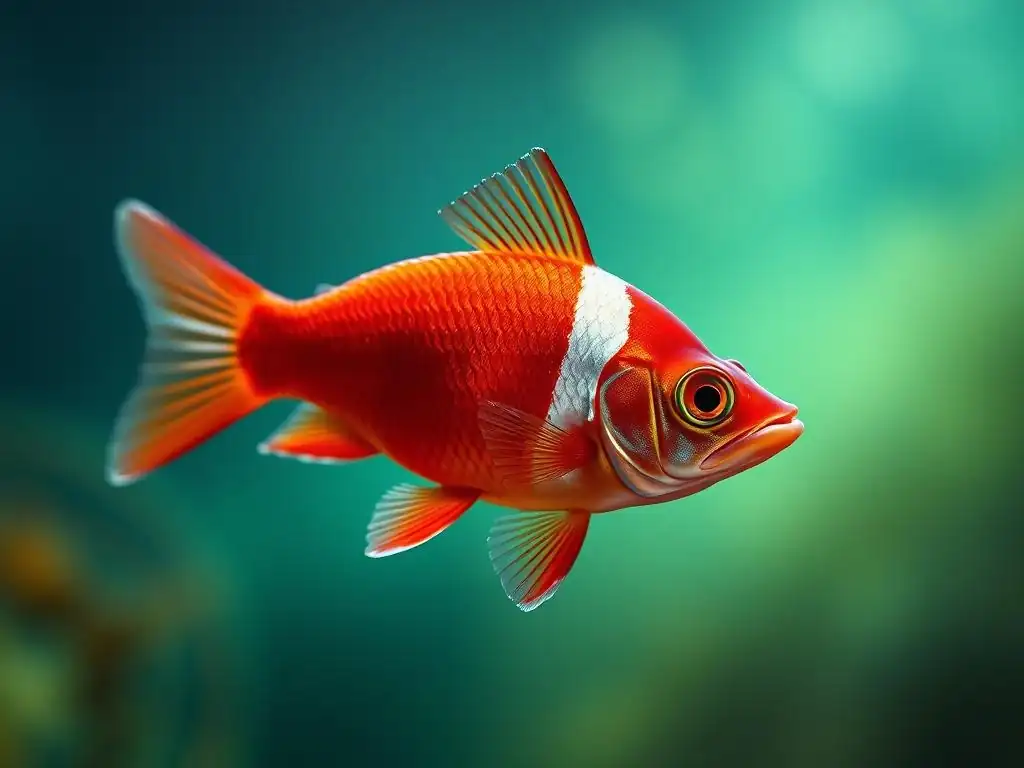
Fading colors in Cherry Barbs are a common concern for aquarists and usually indicate an underlying issue. The most frequent causes include stress, poor diet, unsuitable water parameters, or illness. When a Cherry Barb's vibrant red hue begins to dull or appear washed out, the first step is to thoroughly check all water parameters (ammonia, nitrite, nitrate, pH, temperature) to ensure they are within the ideal range and stable. Sudden fluctuations or high nitrate levels are significant stressors that can quickly affect coloration.
If water parameters are in check, evaluate their diet. Are they receiving a varied diet rich in color-enhancing foods like spirulina and bloodworms? A monotonous or low-quality diet can lead to nutritional deficiencies that manifest as faded colors.
Also, observe tank mates for signs of bullying or aggression, as constant harassment will stress the fish. Finally, consider if the fish are new to the tank and still adapting, or if they might be showing early signs of illness or old age. Addressing these potential issues is crucial for restoring their natural vibrancy, a key part of proactive cherry barb care tips.
Dealing with Aggression in Cherry Barbs
While Cherry Barbs are generally peaceful, instances of aggression, typically in the form of fin-nipping or chasing, can occur. This behavior is most often observed when they are not kept in a sufficiently large school. Cherry Barbs are schooling fish, and when kept in small numbers (e.g., fewer than 6 individuals), they can become shy, stressed, and sometimes direct their stress-induced nipping behavior towards each other or other tank mates, particularly those with long, flowing fins. Males may also spar with each other, especially during breeding periods, but this is usually harmless.
The primary solution to aggression in Cherry Barbs is to increase their school size. Aim for a group of 8-10 or more individuals, as this allows them to establish a natural pecking order and spread out any minor aggression among themselves, rather than targeting other species. Ensuring the tank is adequately sized and provides plenty of hiding spots and visual breaks (e.g., dense plants, driftwood) can also help reduce territorial disputes and stress. A well-adjusted school in a spacious, decorated environment rarely exhibits problematic aggression, which is a key component of successful cherry barb care tips.
Solving Water Quality Problems Affecting Cherry Barb Health
Water quality problems are the most common cause of health issues and stress in Cherry Barbs. Symptoms can range from lethargy, clamped fins, and gasping at the surface to faded colors and increased susceptibility to diseases. These problems typically stem from overfeeding, insufficient filtration, infrequent water changes, or overstocking the aquarium. High levels of ammonia and nitrite are particularly toxic, while persistently high nitrates weaken the fish over time.
To solve water quality problems, immediate action is often required. Start with a significant partial water change (e.g., 50%) to quickly dilute harmful compounds. Then, test the water parameters (ammonia, nitrite, nitrate, pH) to identify the specific issue. Review your feeding habits, ensuring you are not overfeeding and removing any uneaten food promptly.
Check your filtration system to ensure it is adequately sized and functioning correctly, cleaning or replacing media as needed. Finally, assess your tank's stocking level; if it's overcrowded, consider rehoming some fish to reduce the bioload. Consistent monitoring and preventative measures are foundational cherry barb care tips for maintaining a healthy environment.
Cherry Barb Care Checklist: Ensuring Long-Term Success
Daily, Weekly, and Monthly Maintenance Tasks
To ensure the long-term success and thriving health of your Cherry Barbs, a consistent maintenance schedule is essential. Daily Tasks:
- Observe fish behavior: Look for any signs of stress, disease, or unusual activity.
- Check water temperature: Ensure it's within the ideal range of 72-79°F (22-26°C).
- Feed fish: Provide small amounts 2-3 times a day, ensuring all food is consumed within minutes.
Weekly Tasks:
- Perform a 25-30% partial water change: Use dechlorinated water at a similar temperature.
- Gravel vacuum: Siphon debris from the substrate to remove waste.
- Wipe down tank glass: Remove any algae or water marks from the interior and exterior.
- Test water parameters: Check ammonia, nitrite, nitrate, and pH levels.
Monthly Tasks:
- Clean filter media: Rinse filter sponges or mechanical media in old tank water to preserve beneficial bacteria. Avoid cleaning all media at once.
- Trim plants: Prune overgrown live plants to prevent shading and maintain tank aesthetics.
- Deeper substrate cleaning: If using sand, stir it gently to release trapped gases (avoid disturbing too much at once).
Adhering to this routine is a cornerstone of comprehensive cherry barb care tips.
Monitoring Cherry Barb Behavior and Health
Consistent monitoring of your Cherry Barbs' behavior and physical appearance is one of the most proactive and effective cherry barb care tips you can employ. Healthy Cherry Barbs are typically active, engaged in schooling, and display vibrant coloration. They should have clear eyes, intact fins, and a natural, graceful swimming pattern. Any deviation from these norms can be an early indicator of a problem.
Look for signs such as lethargy, hiding excessively, gasping at the surface, rapid breathing, clamped fins, or rubbing against objects, as these often signal stress or illness. Observe their appetite; a sudden refusal to eat or a significant decrease in feeding interest can be a red flag. Changes in coloration, particularly fading, should also prompt an investigation into water quality, diet, or potential bullying. Early detection through diligent observation allows for prompt intervention, significantly increasing the chances of successful resolution and preventing minor issues from escalating into severe health problems.
Product Recommendations
Equipping yourself with the right tools and products is crucial for effective Cherry Barb care. For water testing, the API Freshwater Master Test Kit is highly recommended; its liquid reagents provide accurate and reliable readings for ammonia, nitrite, nitrate, and pH, which are essential for maintaining stable water parameters. A reliable and appropriately sized aquarium heater, such as the Fluval M series or Eheim Jager heaters, is indispensable for maintaining a consistent temperature within their ideal range of 72-79°F.
For filtration, a sponge filter (for smaller tanks or breeding setups) or a quality hang-on-back (HOB) filter with adjustable flow (like the AquaClear series) is recommended, often with a pre-filter sponge or baffle to reduce current. When it comes to food, invest in high-quality flakes such as TetraMin Tropical Flakes or Omega One Super Color Flakes as a staple, and supplement with frozen foods like Hikari Bio-Pure Bloodworms or San Francisco Bay Brand Brine Shrimp for optimal nutrition and color enhancement. These specific product recommendations facilitate adherence to best cherry barb care tips practices.
The Joys of Keeping Cherry Barbs: A Rewarding Aquarium Experience
Keeping Cherry Barbs is truly a rewarding experience for aquarists of all levels. Their effortless elegance, vibrant cherry-red coloration (especially in males), and peaceful schooling behavior add a dynamic and beautiful element to any freshwater community aquarium. They are relatively hardy and adaptable, making them an excellent choice for beginners looking to venture beyond basic fish species, while still offering enough charm and interest to captivate experienced hobbyists. Their active yet non-aggressive nature ensures they fit seamlessly into a well-planned community tank, bringing life and color without causing undue stress to other inhabitants.
With the consistent application of sound cherry barb care tips, including maintaining stable water parameters, providing a varied and nutritious diet, ensuring adequate tank size, and selecting appropriate tank mates, these delightful fish will thrive. Watching a healthy school of Cherry Barbs darting through lush aquatic plants, their colors shimmering under the aquarium lights, offers immense satisfaction and a continuous source of enjoyment. They are a testament to the beauty and tranquility that can be achieved within the aquatic world, making them a perennial favorite in the hobby.
Frequently Asked Questions
What are the ideal water parameters for Cherry Barbs?
Cherry Barbs thrive in slightly acidic to neutral water, with a pH between 6.0 and 7.0. The ideal temperature range is 72-79°F (22-26°C). Maintaining stable parameters is key for their health.
What is the best tank size for a group of Cherry Barbs?
A minimum of 20 gallons is recommended for a small school of 6-8 Cherry Barbs. This allows them ample space to swim and display their natural schooling behavior. Larger tanks are always preferable.
What should I feed my Cherry Barbs?
Cherry Barbs are omnivores and will accept a variety of foods. Offer a high-quality flake food as their staple diet, supplemented with live or frozen foods like daphnia and bloodworms for optimal health and coloration.
How do I encourage breeding in Cherry Barbs?
To encourage breeding, provide soft, slightly acidic water and plenty of fine-leaved plants or a spawning mop. Condition the fish with live foods and maintain a stable, warm temperature.
What are common health problems to watch out for in Cherry Barbs?
Cherry Barbs are generally hardy, but can be susceptible to Ich (white spot disease) and fin rot if water quality is poor. Regular water changes and quarantine of new fish can help prevent these issues.
Final Reflection: Cultivating Aquatic Harmony
The journey into effortless elegance with Cherry Barbs reveals more than just aquarium maintenance; it unveils a pathway to understanding the delicate balance within our miniature ecosystems. The insights shared, from water parameters to social dynamics, are not merely instructions, but rather an invitation to engage with nature on a deeper, more responsible level, especially in a world increasingly disconnected from the natural world.
This exploration of Cherry Barb care has underscored the profound impact even small actions can have on the well-being of living creatures. Witnessing the vibrant colors and playful interactions of these fish thriving in a well-maintained environment is a constant reminder of the beauty and fragility of life. In nature, nothing is perfect and everything is perfect. Trees can be contorted, bent in weird ways, and they're still beautiful.
- Alice Walker. This quote resonates deeply, reminding us that even within the controlled environment of an aquarium, embracing the natural imperfections and striving for balance is the key to true beauty.
Now, as you embark on your own Cherry Barb adventure, remember that knowledge is only the beginning. Take the Cherry barb care tips you've learned and transform them into a living, breathing reality. Observe, adapt, and connect with your aquatic companions. Let the gentle rhythm of the aquarium inspire a sense of peace and responsibility within you, reminding you of the interconnectedness of all living things.
Unleash the Vibrant Beauty of Cherry Barbs in Your Aquarium!
Thank you for diving into the world of Cherry Barb care! We hope this guide has empowered you with the knowledge to create a thriving environment for these stunning fish. Now, it's time to put your newfound expertise into action:
- Take the plunge and begin setting up your Cherry Barb's ideal habitat! Ensure your tank meets their needs for space, plants, and water parameters.
- Share your Cherry Barb journey! Post photos of your vibrant fish and tank setup on social media, tagging us @AquariumMastery, and inspire others.
- Research compatible tank mates for your Cherry Barbs – could a school of pygmy corydoras be the perfect addition?
What's one small change you can make today to improve your future Cherry Barb's well-being?