
Scooter Blenny (Ocellated Dragonet): The Charming, Foraging Bottom Dweller

Welcome to Aquarium Mastery!
Ever been captivated by the tiny, darting movements of a fish that seems to always be searching for a tasty snack? That's likely a Scooter Blenny, and you're in the right place! Dive into our comprehensive Scooter Blenny Care Guide to uncover the secrets to keeping these charming bottom dwellers thriving in your saltwater aquarium. What unique needs do these fish have, and how can you create the perfect environment for them? Discover the answers and so much more – let's get started!
- Introduction to the Scooter Blenny: A Nano Reef Favorite
- Scooter Blenny Care Guide: Essential Information
- Identifying and Preventing Scooter Blenny Diseases
- Breeding Scooter Blennies: A Challenging Endeavor
- Scooter Blenny vs. Other Blennies: Key Differences
- Advanced Scooter Blenny Care Tips for Experienced Aquarists
- Troubleshooting Common Scooter Blenny Issues
- Conclusion: Enjoying the Unique Charm of Your Scooter Blenny
- Frequently Asked Questions
- Final Reflection: Embracing the Delicate Balance
- Unlock the Secrets of a Thriving Blenny Aquarium!
Introduction to the Scooter Blenny: A Nano Reef Favorite
What is a Scooter Blenny? Understanding Ocellated Dragonet Basics
The Scooter Blenny, scientifically known as Synchiropus ocellatus, is not actually a true blenny but belongs to the Dragonet family (Callionymidae). This distinction is important for understanding its unique characteristics and care requirements.
Growing typically to a size of 2 to 3 inches (5 to 7.5 cm), these captivating fish are admired for their distinctive appearance, featuring large, fan-like pectoral fins that they use to "scoot" along the substrate, giving them their common name. Their bodies are adorned with intricate, mottled patterns of brown, tan, and white, often complemented by striking ocelli (eye-spots) on their dorsal fins, providing excellent camouflage within their natural environment.
Native to the sandy and rubble-strewn bottoms of shallow lagoons and coastal areas across the Indo-Pacific, the Ocellated Dragonet is a specialized micro-predator. Unlike many fish that actively hunt, Scooter Blennies spend their days meticulously sifting through sand and picking at live rock, searching for tiny invertebrates. Their peaceful and shy nature, combined with this constant foraging behavior, makes them a fascinating, albeit challenging, addition to the right saltwater aquarium.
Why Choose a Scooter Blenny for Your Saltwater Aquarium?
Choosing a Scooter Blenny for your saltwater aquarium offers a unique opportunity to observe one of the most charming and dynamically active bottom-dwelling fish. Their constant "scooting" movements and diligent foraging add an unparalleled level of activity and visual interest to the lower levels of a tank, making them a captivating focal point. Their relatively small size also makes them suitable for nano reef setups, provided their very specific dietary needs are met. Beyond their aesthetic appeal, their peaceful temperament makes them excellent community fish, as long as tank mates are equally docile and non-competitive.
Furthermore, Scooter Blennies contribute to the overall health of a mature sand bed by constantly sifting through it, which can help prevent detritus buildup and aerate the substrate. While their specialized diet presents a significant responsibility for the aquarist, successfully providing the necessary environment and food source for these unique fish is incredibly rewarding. They represent a commitment to creating a truly thriving ecosystem, making them an ideal choice for dedicated aquarists seeking a distinct and engaging inhabitant for their reef.
Scooter Blenny Care Guide: Essential Information
Optimal Tank Conditions for Scooter Blennies
Tank Size Recommendations for Ocellated Dragonets
When considering a Scooter Blenny for your aquarium, tank size is paramount, not just for physical space but, more critically, for sustaining a sufficient population of their natural food source: microfauna. While a minimum of 20-30 gallons (75-113 liters) is sometimes cited, a tank of 50 gallons (approximately 190 liters) or larger is vastly preferred. This larger volume provides greater stability for water parameters and, most importantly, offers a significantly larger surface area for a deep sand bed and live rock, which are crucial habitats for the proliferation of copepods and amphipods.
The primary reason larger tanks are recommended for comprehensive Scooter blenny care is the direct correlation between tank volume and the natural food supply. A larger, well-established tank, running for at least six months to a year, is essential to ensure a robust, self-sustaining population of these tiny invertebrates. Without this abundant live food source, even in a larger tank, a Scooter Blenny will slowly starve, highlighting that raw volume alone is insufficient without a thriving micro-ecosystem.
Water Parameters: Maintaining a Healthy Environment
Maintaining precise and stable water parameters is a cornerstone of successful Scooter blenny care. The ideal salinity for Ocellated Dragonets should range between 1.023 and 1.026 specific gravity, mimicking their natural marine environment. The water temperature should be consistently maintained between 72-78°F (22-25.5°C), while the pH level should remain within 8.1-8.4. Crucially, ammonia and nitrite levels must be zero parts per million (ppm), and nitrate levels should be kept below 10-20 ppm to prevent stress and illness. Regular testing with reliable aquarium test kits is indispensable to monitor these parameters.
Beyond the numbers, stability is key; sudden fluctuations in any parameter can severely stress these delicate fish. A mature nitrogen cycle is non-negotiable, and effective filtration, including a protein skimmer and a robust biological filter, is vital for minimizing dissolved organic compounds. Regular, small water changes, such as 10-15% bi-weekly, help to replenish trace elements and maintain pristine water quality. Moderate to low water flow is also preferred, as these bottom-dwelling fish are not strong swimmers and can be stressed by turbulent conditions.
Substrate and Aquascaping for Foraging Blennies
The choice and depth of substrate are critical elements in providing optimal Scooter blenny care. A deep sand bed, ideally at least 2 to 4 inches (5 to 10 cm) in depth, is absolutely crucial for their well-being. This substantial substrate provides not only a natural environment but also a vast habitat for the propagation of copepods, amphipods, and other essential microfauna that form the bulk of their diet. Fine to medium grain sand is preferred, as it allows the blenny to easily sift through it without causing damage to its delicate mouthparts during foraging.
In addition to the sand bed, thoughtful aquascaping with live rock is highly beneficial. Live rock offers additional surface area for microfauna to colonize and provides numerous hiding spots, crevices, and visual barriers, which are essential for a shy fish like the Scooter Blenny to feel secure. Arranging the rocks to create caves and overhangs will provide natural shelter. It is important to avoid any sharp edges in the rockwork that could potentially injure the blenny as it navigates its environment. A well-designed aquascape enhances both the blenny's welfare and the aesthetic appeal of the tank.
Scooter Blenny Diet and Feeding Habits
The Importance of Live Food for Scooter Blennies
The single most critical aspect of Scooter blenny care is their diet, as they are obligate micro-predators. Their natural feeding habits involve constantly sifting through the sand and picking at live rock surfaces to consume tiny live invertebrates, primarily copepods and amphipods. They are notoriously challenging, and often impossible, to train onto prepared or frozen foods. This fundamental dietary requirement means that a thriving, self-sustaining population of microfauna within the aquarium or a dedicated refugium is not merely beneficial but absolutely essential for their long-term survival.
Without a continuous and abundant supply of live food, Scooter Blennies will inevitably starve, a process that can be slow and distressing, leading to severe emaciation, lethargy, and ultimately, death, often within a few months of introduction to an insufficiently stocked tank. It is estimated that a single Scooter Blenny can consume thousands of copepods daily. Therefore, consistent replenishment of live copepod cultures, often requiring regular purchases of bottled copepods (e.g., 8-16 oz every 2-4 weeks for a single blenny in a 50-gallon tank), is frequently necessary to supplement the natural populations, even in mature systems.
How to Ensure Adequate Food Consumption
Ensuring your Scooter Blenny receives adequate nutrition is a primary challenge in their care. The most effective strategy is the integration of a healthy, established refugium plumbed into the main display tank. A refugium serves as a safe haven for copepods and amphipods to breed without predation, allowing their populations to flourish before migrating into the display tank through the plumbing. Beyond a refugium, regular manual dosing of live copepod cultures directly into the display tank, particularly during periods of low light or after the main lights are off, can significantly boost the available food supply.
Close observation of your Scooter Blenny's body condition is vital to confirm it is feeding adequately. Look for a plump, rounded belly; a sunken or pinched stomach is a clear indicator of malnutrition and starvation. If signs of emaciation appear, immediate action is required, such as increasing the frequency and quantity of copepod dosing. While not always successful, some aquarists attempt target feeding with a pipette, delivering live brine shrimp or mysis shrimp directly to the blenny, though this is often a temporary measure and should not replace a robust natural food source.
Supplementing Their Diet: Copepods and Amphipods
For effective Scooter blenny care, supplementing their diet with live copepods and amphipods is often necessary, even in tanks with a refugium. Live copepod species such as Tisbe or Tigriopus are highly nutritious and readily consumed. These can be purchased from reputable aquaculture suppliers and introduced regularly to the tank. Many experienced aquarists also cultivate their own copepod cultures in separate, dedicated containers to ensure a continuous and cost-effective supply, providing a sustainable food source.
While live foods are paramount, attempts can be made to train Scooter Blennies to accept prepared foods, though success is limited and should never be relied upon as the primary diet. Small, nutrient-rich frozen foods like enriched mysis shrimp, cyclops, or finely chopped marine-based foods can be offered.
When attempting to feed prepared foods, it's often beneficial to turn off powerheads to allow the food to settle near the blenny's foraging area. However, it is crucial to understand that even if a blenny accepts these, the bulk of its nutritional needs must still be met by a constant supply of live microfauna.
Scooter Blenny Compatibility and Tank Mates
Choosing the Right Tank Mates: Gobies and Firefish
Selecting appropriate tank mates is a critical aspect of successful Scooter blenny care, as their peaceful and often timid nature makes them vulnerable to aggression and competition. Ideal companions are small, docile, and non-competitive fish that primarily occupy different niches in the aquarium.
Excellent choices include various species of Firefish, such as the Purple Firefish ( Nemateleotris decora) or the Helfrich's Firefish ( Nemateleotris helfrichi), which tend to stay in the upper water column. Small, peaceful gobies like the Clown Goby ( Gobiodon okinawae) or the Yellow Watchman Goby ( Cryptocentrus cinctus) can also be suitable, provided they do not directly compete for the same sand-dwelling microfauna.
Most reef-safe invertebrates are also compatible with Scooter Blennies. This includes various species of snails, hermit crabs (ensure they are not overly large or aggressive), and cleaner shrimp such as the Pacific Cleaner Shrimp ( Lysmata amboinensis). These invertebrates generally do not compete for the blenny's specialized food source and can contribute to the overall health and biodiversity of the tank. The key is to ensure that any potential tank mate is calm, slow-moving, and poses no threat of bullying or outcompeting the Scooter Blenny for its vital food supply.
Avoiding Aggressive Tank Mates
To ensure the long-term well-being of your Scooter Blenny, it is crucial to avoid any aggressive or overly territorial tank mates. Fish known for their assertive behavior, such as many larger wrasses (e.g., Coris Wrasses), dottybacks, damselfish, most angelfish, and triggerfish, are unsuitable. Even semi-aggressive species can cause significant stress to a shy Scooter Blenny, leading to hiding, reduced feeding, and ultimately, a decline in health. Their slow, deliberate movements and constant foraging make them easy targets for bullying and harassment.
Beyond direct aggression, avoid fast-eating or highly competitive fish that will quickly consume any introduced prepared foods or deplete the tank's natural microfauna before the slow-foraging blenny has a chance to feed. For instance, some active wrasses, while generally reef-safe, can be highly efficient copepod predators, inadvertently starving a Scooter Blenny. The peaceful nature of the Ocellated Dragonet necessitates a similarly tranquil community to thrive, making careful selection of tank mates a cornerstone of effective Scooter blenny care.
Housing Multiple Scooter Blennies: Risks of Competition
Housing multiple Scooter Blennies can be a rewarding endeavor, particularly when aiming for a breeding pair, but it carries significant risks of competition, especially among males or in tanks with insufficient space and food. Scooter Blennies can be kept in male-female pairs in adequately sized tanks, typically 50 gallons (190 liters) or larger, provided there are ample hiding spots and, critically, an extremely robust and continuously replenished supply of live microfauna.
Males can be distinguished by their noticeably larger and more elaborate first dorsal fin compared to females. Introducing a male and female simultaneously, or adding a male after a female has established herself, often yields the highest success rates for pairing.
However, attempting to house multiple males, or more than one pair in a tank that is too small, will almost invariably lead to intense territorial aggression and direct competition for food resources. Even a male and female pair requires abundant space and an exceptionally thriving microfauna population to coexist without stress. Constant observation is essential; if signs of aggression, such as chasing, fin nipping, or one blenny appearing thin while the other is robust, are noted, immediate separation may be necessary to prevent harm or starvation.
Identifying and Preventing Scooter Blenny Diseases
Common Diseases Affecting Scooter Blennies
Scooter Blennies, like many marine aquarium fish, are susceptible to common saltwater diseases, primarily when stressed by suboptimal conditions. Among the most prevalent are external parasites such as Marine Ich ( Cryptocaryon irritans), characterized by small white spots resembling salt grains, and Velvet ( Amyloodinium ocellatum), which appears as a dusty, yellowish film. Bacterial infections, manifesting as fin rot, cloudy eyes, or body lesions, can also occur. The susceptibility to these ailments is significantly heightened by stressors such as poor water quality, an inadequate diet, or aggression from tank mates, all of which compromise their immune system.
Beyond parasitic and bacterial infections, a major "disease" affecting Scooter Blennies, though not contagious, is chronic malnutrition or starvation. This is a prevalent issue in tanks that cannot sustain their specialized diet. Symptoms include a severely sunken belly, noticeable weight loss, lethargy, loss of vibrant coloration, and a general decline in activity. Aquarists often misdiagnose these symptoms as a pathogenic infection, but they are a direct consequence of insufficient live microfauna. Recognizing this critical distinction is paramount for effective Scooter blenny care and intervention.
Recognizing Early Signs of Illness
Early detection of illness is crucial for successful treatment and forms a vital part of proactive Scooter blenny care. Aquarists should observe their blennies daily for any changes in behavior or physical appearance. Look for increased hiding, unusual swimming patterns (such as darting, rubbing against decor, or listlessness), labored breathing (rapid gill movement, gasping at the surface), or a sudden refusal to forage or eat any offered food. These behavioral shifts often precede visible physical symptoms.
Physical signs to watch for include the appearance of white spots (indicative of Ich), a dusty or velvety coating on the body (suggesting Velvet), cloudy eyes, frayed or clamped fins, or any unusual lesions, discoloration, or swelling on the body. Any deviation from the blenny's normal, active foraging behavior and vibrant coloration warrants immediate investigation. Given the delicate nature of Scooter Blennies, they can decline rapidly once symptoms become apparent, making swift action imperative.
Quarantine Procedures for New and Sick Fish
Implementing strict quarantine procedures is a fundamental aspect of preventative Scooter blenny care. All new Scooter Blennies, and indeed any new fish, should undergo a mandatory quarantine period of at least 4-6 weeks in a separate, fully cycled quarantine tank.
This dedicated tank allows for close observation for any signs of disease, provides an opportunity for preventative treatments (such as deworming), and, if possible, allows the aquarist to attempt to train the blenny to accept prepared foods without risking the introduction of pathogens to the main display tank. The quarantine tank's water parameters should precisely match those of the main system to minimize stress during transfer.
If a Scooter Blenny displays signs of illness while in the main display tank, it should be promptly moved to a hospital tank for isolated treatment. This prevents the potential spread of disease to other inhabitants and allows for precise dosing of medications, which might otherwise harm the main tank's biological filter or sensitive invertebrates. Copper-based medications are often effective against common external parasites like Ich and Velvet but require careful monitoring of copper levels and the fish's response. Maintaining pristine water quality in the hospital tank is as important as the medication itself.
Maintaining Optimal Water Quality for Disease Prevention
Maintaining optimal water quality is the primary defense against disease in Scooter Blennies. Pristine and stable water parameters are essential for supporting a robust immune system and reducing stress, which is a major precursor to illness. Consistent salinity (1.023-1.026 SG), stable temperature (72-78°F or 22-25.5°C), zero levels of ammonia and nitrite, and low nitrates (below 20 ppm) are non-negotiable requirements. Regular water testing with accurate kits and consistent maintenance routines, including regular water changes and filter cleaning, are vital to prevent the accumulation of toxins.
Beyond chemical parameters, fostering a healthy and enriching environment directly contributes to disease prevention. A well-established tank with ample live rock, a deep sand bed, and a thriving population of microfauna directly supports the blenny's natural feeding behavior and overall well-being. A well-fed, unstressed Scooter Blenny is significantly more resilient to potential pathogens. Ensuring a stress-free environment, which includes selecting appropriate and non-aggressive tank mates, is as crucial as managing the water chemistry for comprehensive Scooter blenny care.
Breeding Scooter Blennies: A Challenging Endeavor
Setting up a Breeding Tank for Ocellated Dragonets
Breeding Scooter Blennies in captivity is a challenging but rewarding endeavor, requiring a dedicated setup. A separate breeding tank, typically 20-30 gallons (75-113 liters), is recommended to provide a controlled environment.
This tank should feature a mature biological filter, stable water parameters mirroring the main display, and very low water flow to prevent dispersal of eggs and fry. While a deep sand bed is crucial for adult blennies, a bare bottom or a very shallow sand bed in the breeding tank is often preferred to simplify egg collection, though a separate, robust refugium is still necessary to supply food to the conditioned breeding pair.
Environmental cues play a significant role in encouraging spawning behavior. Providing plenty of hiding spots, such as small PVC pipes or sections of live rock arranged to form caves, can make the pair feel secure. A slightly dimmed lighting cycle can also help mimic natural spawning conditions, which typically occur at dusk. Most importantly, the breeding tank must be continuously supplied with an abundant amount of live copepods and other microfauna to ensure the pair is well-conditioned and robust enough to spawn successfully.
Encouraging Spawning Behavior
Encouraging spawning behavior in Scooter Blennies hinges primarily on excellent conditioning and a stress-free environment. Spawning is most likely to occur in pairs that are exceptionally well-fed and healthy. Conditioning the male and female with a rich, continuous diet of live copepods and enriched frozen foods for several weeks or even months is crucial. Observe their behavior closely; males will often engage in elaborate courtship displays, extending their notably larger dorsal fin and "dancing" for the female. Spawning typically occurs at dusk, with the pair rising together in the water column to release tiny, pelagic eggs and sperm.
Collecting the eggs is the next critical step. Since Scooter Blennies are pelagic spawners, their eggs are released into the water column and are buoyant. A specialized egg collection device, such as an egg collector or an overflow box designed to gently skim the surface water into a separate rearing tank, is often employed to gather these microscopic eggs. This is essential to prevent them from being consumed by other tank inhabitants or lost to the filtration system, highlighting the meticulous nature of Scooter blenny care during breeding.
Raising Scooter Blenny Fry: Microalgae and Rotifers
Raising Scooter Blenny fry is notoriously difficult and represents one of the most significant challenges in marine aquaculture. The fry are incredibly small upon hatching, typically within 24-48 hours, and have very specific and demanding feeding requirements. They are planktonic and require microscopic live food sources immediately after hatching. The rearing tank itself must maintain impeccable water quality with extremely gentle aeration and minimal water flow to prevent harm to the delicate fry.
The diet of newly hatched Scooter Blenny fry progresses through several stages. For the first few days, they primarily feed on phytoplankton (microalgae), which they filter from the water column. This is then followed by a critical phase where they require rotifers ( Brachionus plicatilis) for approximately 1-2 weeks as their primary food source.
As the fry grow, they can gradually transition to slightly larger zooplankton, such as newly hatched brine shrimp nauplii, and eventually to micro-copepods. Maintaining dense, healthy cultures of these specific live foods is the biggest hurdle to successful Scooter blenny fry rearing and requires significant dedication.
Scooter Blenny vs. Other Blennies: Key Differences
Distinguishing Features: Identifying the Scooter Blenny
A common misconception in the aquarium hobby is that the Scooter Blenny is a true blenny. However, despite its common name, the Scooter Blenny ( Synchiropus ocellatus) is classified within the Dragonet family (Callionymidae), which is distinct from the Blenniidae family (true blennies). This taxonomic difference is reflected in several key distinguishing features.
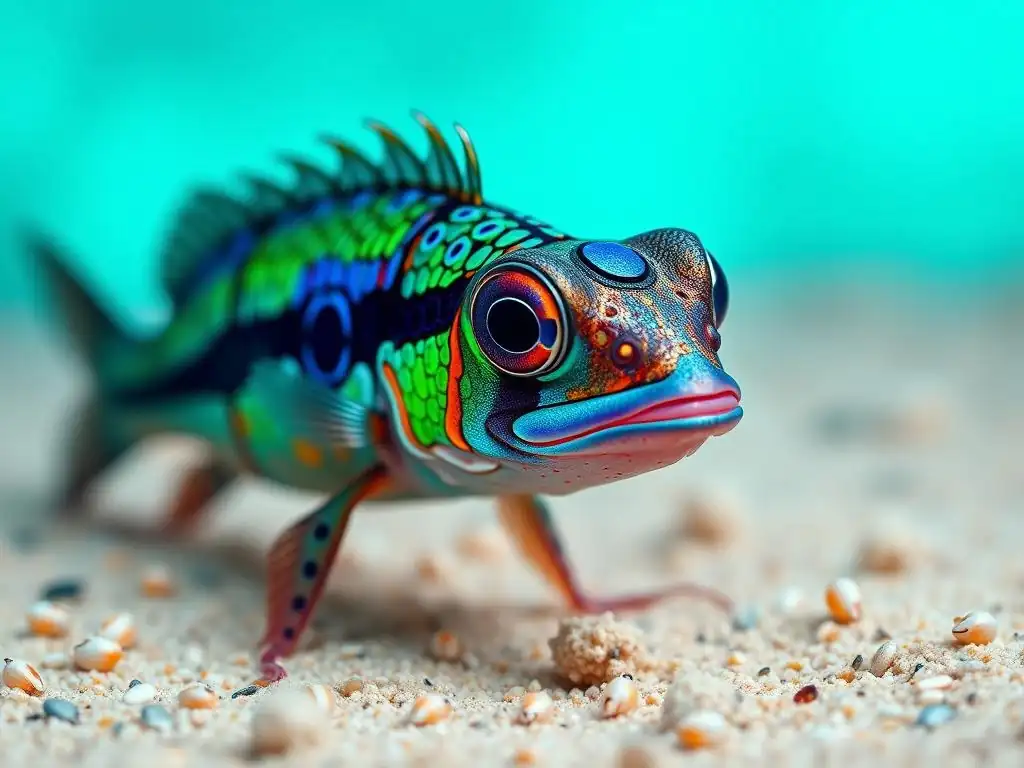
Dragonets possess a scaleless body, a small, upturned mouth, and notably large, fan-like pectoral fins that they utilize for their characteristic "scooting" movement across the substrate. In contrast, true blennies often have prominent eyes, comb-like teeth, and typically perch on rocks or within crevices, using their pelvic fins to prop themselves up or hop.
Visually, Scooter Blennies are identified by their intricate, mottled patterns of browns, tans, and whites, providing excellent camouflage. A defining feature for identification, particularly for sexing, is the male's significantly taller and more elaborate first dorsal fin compared to the female's. Their body shape is generally depressed or flattened, which further differentiates them from the more elongated or cylindrical bodies commonly seen in many true blenny species. Understanding these physical distinctions is crucial for proper identification and, consequently, for providing appropriate Scooter blenny care.
Comparing Scooter Blenny Care to Other Blenny Species
The most significant difference when comparing Scooter blenny care to that of other blenny species lies in their dietary requirements. Most true blennies, such as the Lawnmower Blenny ( Salarias fasciatus) or the Tailspot Blenny ( Salarias fasciatus), are primarily herbivorous or omnivorous, grazing on algae films or readily accepting a wide range of prepared foods like flakes, pellets, and frozen offerings.
Scooter Blennies, however, are highly specialized micro-predators that rely almost exclusively on a constant supply of live micro-invertebrates (copepods and amphipods) found within the sand bed and on live rock. This makes their dietary needs far more demanding and less flexible.
Beyond diet, their behavioral and habitat preferences also differ. True blennies often perch on rocks, in corals, or within small crevices, sometimes even burrowing. Scooter Blennies, conversely, are almost exclusively bottom-dwellers, continuously sifting through the sand. This specialized foraging behavior necessitates a mature tank with a deep, thriving sand bed and a robust population of microfauna, a requirement that is far less stringent for many other blenny species. These fundamental differences in lifestyle profoundly impact the overall Scooter blenny care guide, making them a more advanced species to keep.
Advanced Scooter Blenny Care Tips for Experienced Aquarists
Training Your Scooter Blenny to Accept Prepared Foods
While challenging, some experienced aquarists have achieved success in training Scooter Blennies to accept prepared foods, significantly enhancing their long-term Scooter blenny care strategy. This process requires immense patience and consistent effort. One effective strategy involves offering very small amounts of highly desirable frozen foods, such as enriched mysis shrimp or cyclops, using a target feeder or a pipette.
The food should be delivered directly in front of the blenny's foraging path, ideally when powerheads are turned off to allow the food to settle. This training can take weeks or even months, and it's important to note that success is not guaranteed for every individual.
Another method involves using "training wheels" by initially offering live blackworms or live brine shrimp, then gradually mixing in their frozen equivalents. Some aquarists also employ a small, clear glass dish placed on the sand bed, introducing food into it to encourage the blenny to associate the dish with feeding. Even if a Scooter Blenny eventually accepts prepared foods, it is crucial that live microfauna remains a significant, if not primary, component of their diet, as their natural foraging behavior provides essential nutrients and mental stimulation.
Creating a Thriving Ecosystem for Optimal Health
For optimal Scooter blenny care and long-term health, experienced aquarists focus on creating a truly thriving ecosystem within their aquarium. This often involves maximizing the efficiency of the refugium. Consider a larger refugium than typically recommended, packed densely with various macroalgae, such as Chaetomorpha, and ample live rock rubble. This setup significantly increases the surface area available for copepod and amphipod breeding, ensuring a continuous and robust supply of their natural food. Regularly "seeding" the refugium with new copepod cultures can also help maintain genetic diversity and population density.
Beyond the refugium, promoting overall biodiversity within the main display tank is beneficial. Avoid the use of medications that might harm beneficial invertebrates whenever possible, as a healthy microfauna population is key. Introducing various types of live rock and sand from established, healthy systems can bring in additional beneficial microfauna. A vibrant, microfauna-rich environment is arguably the single most important factor for the long-term health, vibrancy, and natural behavior of a Scooter Blenny, allowing them to thrive rather than merely survive.
Monitoring and Adjusting Tank Parameters for Long-Term Success
Advanced Scooter blenny care extends beyond basic water parameter monitoring. For long-term success in a reef environment, experienced aquarists also regularly test for alkalinity (dKH), calcium, and magnesium, as these parameters contribute significantly to the overall stability of the entire system, indirectly benefiting the blenny. However, the most crucial aspect of monitoring for Scooter Blennies is direct observation of the fish itself. Consistently assess the blenny's body condition: is it plump and well-fed, or is its belly sunken? Is it actively foraging, or is it lethargic and hiding more than usual? Its coloration should be vibrant and alert.
Proactive adjustments based on these observations are essential. Do not wait for severe problems to manifest. If you notice even a slight decrease in activity or a subtle thinning of the blenny's body, immediately increase the frequency and quantity of live copepod dosing. Adjust feeding schedules or methods if attempting to train for prepared foods. Consistent, proactive adjustments based on diligent observation and regular water testing ensure the blenny not only survives but truly thrives, potentially living for 2-4 years or more in captivity, a testament to comprehensive Scooter blenny care.
Troubleshooting Common Scooter Blenny Issues
Addressing Weight Loss and Malnutrition
Weight loss and malnutrition are among the most common and critical issues faced by Scooter Blennies in captivity, often indicating insufficient Scooter blenny care regarding their diet. If your Scooter Blenny exhibits a sunken belly, appears lethargic, or its colors fade, it is almost certainly starving. The immediate and most crucial step is to significantly increase the supply of live copepods and amphipods. Daily dosing of high-quality live cultures, often multiple times a day, is essential. For aquarists without one, setting up a dedicated copepod culture system becomes an urgent priority to ensure a continuous and abundant supply.
For a long-term solution, a thorough evaluation of your tank's microfauna population is necessary. Is your refugium adequately sized and maintained to support a thriving copepod population? Is your sand bed deep enough and undisturbed to serve as a microfauna habitat?
Are there too many other copepod predators in the tank (e.g., certain wrasses or mandarins) that are outcompeting your blenny? Reassessing your entire Scooter blenny care guide to ensure a sustainable and plentiful food source is paramount. In severe cases of emaciation, moving the blenny to a dedicated "fattening" tank with an extremely high density of live food may be the only way to save it.
Dealing with Parasites and Infections
When a Scooter Blenny displays physical signs of parasites, such as Ich (white spots) or Velvet (dusty film), or bacterial infections (e.g., fin rot, lesions), prompt and accurate diagnosis is crucial. The first step in effective Scooter blenny care for illness is to immediately move the affected fish to a hospital tank. This isolation prevents the potential spread of disease to other tank inhabitants and allows for targeted treatment without harming the main display's sensitive biological filter or invertebrates.
Treatment options vary depending on the diagnosis. For external parasites like Ich and Velvet, copper-based medications or hyposalinity (reduced salinity) can be effective in a hospital tank, but strict adherence to dosing instructions and careful monitoring of water parameters are vital. Bacterial infections may require broad-spectrum antibiotics, often administered via medicated food or by dissolving them directly into the hospital tank water. Throughout any treatment, maintaining excellent water quality in the hospital tank is as important as the medication itself to support the blenny's recovery.
Solving Compatibility Problems with Other Tank Inhabitants
Compatibility problems can significantly stress a Scooter Blenny, impacting its health and longevity. The first step in solving such issues is careful observation to identify the source of the problem. Closely watch your tank for any signs of bullying, fin nipping, or constant chasing directed at the blenny. Even seemingly peaceful fish can become problematic if they are faster eaters or occupy the same foraging niche, inadvertently starving the blenny by consuming all available microfauna.
If a tank mate is identified as aggressive or overly competitive, the most effective solution is often to remove the problematic fish from the tank. If food competition is the primary issue, increasing the frequency and quantity of live food dosing, and considering target feeding the blenny if it accepts it, can sometimes alleviate the problem.
Rearranging the aquascaping to create more hiding spots and visual barriers can also help reduce stress by providing more secure areas for the blenny. However, for persistent aggression or severe competition, permanent separation of the incompatible fish is often the most reliable solution to ensure proper Scooter blenny care.
Conclusion: Enjoying the Unique Charm of Your Scooter Blenny
The Scooter Blenny (Ocellated Dragonet) is undoubtedly one of the most captivating and unique inhabitants for a saltwater aquarium. While their specialized dietary requirements and need for a mature, microfauna-rich environment present a significant challenge, the effort invested in their Scooter blenny care is profoundly rewarding. Their constant, endearing "scooting" movements and diligent foraging behavior add an unparalleled sense of natural activity and charm to the bottom levels of a well-established tank. Successfully meeting their specific needs allows aquarists to witness a truly fascinating species thrive in a home environment.
Ultimately, providing excellent Scooter blenny care is about creating a miniature, balanced ecosystem that caters to their specific biological requirements. For the dedicated and patient aquarist, the Ocellated Dragonet offers an unparalleled opportunity to observe a truly unique bottom-dweller, adding a distinctive personality, intricate beauty, and a continuous display of natural behavior to their reef tank. Their presence transforms an aquarium into a vibrant, living tableau, making them a truly special addition for those committed to their well-being.
Frequently Asked Questions
What is a Scooter Blenny, and why are they also called Ocellated Dragonets?
Scooter Blennies, scientifically Synchiropus ocellatus, are small, bottom-dwelling fish known for their unique hopping movement. They're called Ocellated Dragonets because of their dragon-like appearance and distinctive eye spots.
What are the primary challenges in Scooter Blenny care?
The biggest challenge is their specialized diet. They primarily feed on copepods and other small invertebrates, requiring a well-established and mature aquarium with a thriving microfauna population.
What size aquarium is recommended for a Scooter Blenny?
A minimum of 30 gallons is recommended, but larger tanks are preferable. This ensures a sufficient copepod population and adequate space for them to forage and establish territories.
What water parameters are crucial for Scooter Blenny health?
Maintaining stable and pristine water quality is vital. This includes a specific gravity of 1.024-1.026, a pH of 8.1-8.4, and near-zero levels of ammonia, nitrite, and nitrate.
Are Scooter Blennies reef safe?
Yes, Scooter Blennies are generally considered reef safe. They will not bother corals or other invertebrates, but they may compete with other fish for copepod resources.
Final Reflection: Embracing the Delicate Balance
The intricacies of Scooter Blenny care, as explored throughout this guide, are not merely about maintaining a beautiful fish; they are a microcosm of our responsibility towards the delicate ecosystems we choose to bring into our homes. Understanding the specific needs of these charming bottom dwellers underscores a broader understanding of marine conservation and the importance of informed decision-making when interacting with the natural world.
The ongoing fascination with the Scooter Blenny highlights our desire to connect with the beauty and complexity of the ocean. This connection, however, demands a commitment to responsible stewardship. We must recognize that the health and well-being of these creatures, and indeed the entire reef environment, are inextricably linked to our actions. We are tied to the ocean. And when we go back to the sea, whether it is to sail or to watch it, we are going back from whence we came.
- John F. Kennedy. This quote reminds us of our inherent connection to the ocean and the responsibility that comes with it.
Now, consider the lessons learned about the Scooter Blenny's unique foraging habits, its sensitivity to water parameters, and its need for a thriving microfauna population. How can you apply this same level of dedication and informed care to other aspects of your life, whether it's nurturing your own well-being, supporting sustainable practices, or advocating for the protection of our planet's precious resources? Let the commitment to providing optimal Scooter Blenny care inspire you to cultivate a deeper understanding and appreciation for the interconnectedness of all living things and to act as a responsible steward of our shared world.
Unlock the Secrets of a Thriving Blenny Aquarium!
Thank you for exploring the fascinating world of the Scooter Blenny! We hope you've gained valuable insights into creating a happy and healthy environment for these charming bottom dwellers. Now, let's turn that knowledge into action.
- Dive Deeper: Start by carefully assessing your existing aquarium's ecosystem to ensure it can sustainably support a Scooter Blenny's foraging needs. This is the single most important step!
- Share your newfound knowledge! Educate a fellow aquarium enthusiast about the unique requirements of these captivating fish.
- Consider designing and sketching out a rockscape enrichment plan. What fun and surprising additions can you include in their new home?
What small change will you make today to create a more enriching environment for your future (or current) Scooter Blenny?