
Creating the Ultimate Barb Biotope: Replicating Natural Habitats for Tiger, Cherry, or Denison

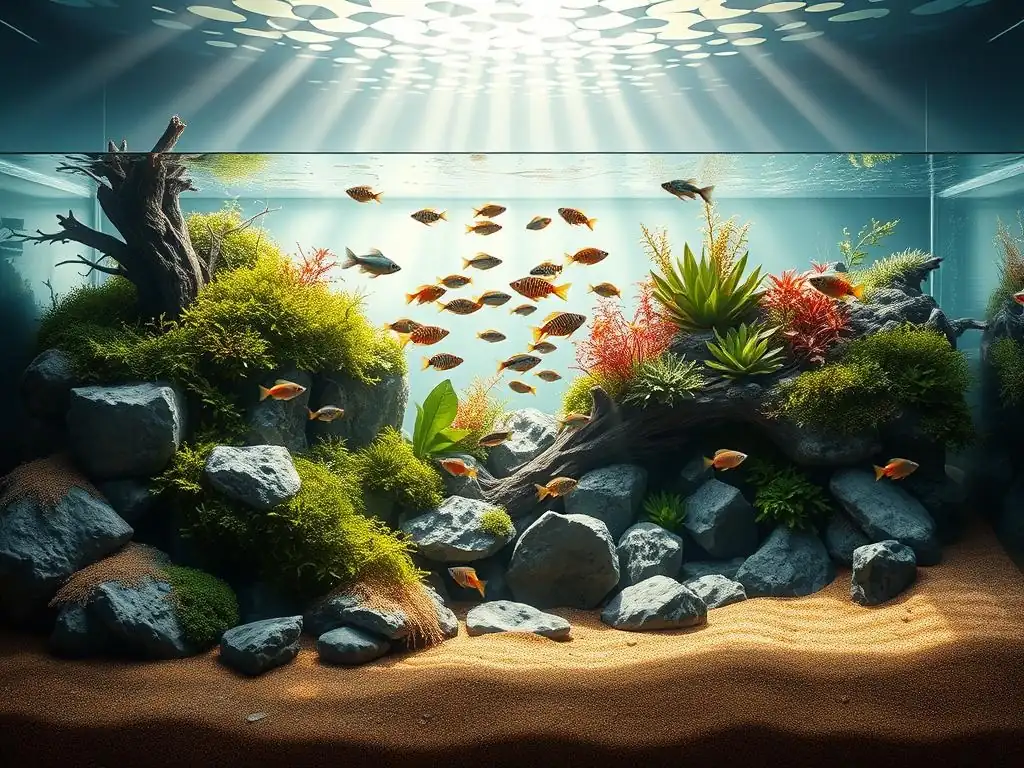
Welcome to Aquarium Mastery!
Ever wondered how to transform your aquarium into a thriving, authentic ecosystem for your Barbs? Dive into our comprehensive guide and unlock the secrets of a stunning Barb biotope aquarium setup. Discover everything you need to know to perfectly replicate the natural habitats of Tiger, Cherry, or Denison Barbs, creating a vibrant and healthy environment. Ready to build your own slice of paradise? Let's get started!
- Creating the Ultimate Barb Biotope Aquarium Setup
- Understanding Barb Biotopes: Replicating Natural Environments
- Selecting Your Barb Species: Tiger, Cherry, or Denison?
-
Essential Elements of a Barb Biotope Aquarium
- Aquarium Size and Shape for Barbs
- Substrate Selection: Mimicking Natural Riverbeds
- Water Chemistry: Achieving Ideal Parameters for Your Barb Species
- Filtration and Water Flow: Maintaining Water Quality
- Lighting for Barb Biotope Aquariums: Simulating Natural Sunlight
- Plants for Barb Biotopes: Creating a Natural Look
- Hardscape: Rocks, Wood, and Other Natural Elements
- Setting Up Your Barb Biotope Aquarium: A Step-by-Step Guide
- Maintaining Your Barb Biotope Aquarium
- Barb Biotope Tank Mates: Choosing Compatible Species
- Troubleshooting Common Issues in Barb Biotope Aquariums
- Advanced Barb Biotope Aquascaping Techniques
- The Future of Barb Biotope Aquariums: Trends and Innovations
-
Frequently Asked Questions
- What is a Barb biotope aquarium and why should I create one?
- What are the key elements to consider when setting up a Barb biotope aquarium?
- Which Barb species are best suited for a biotope aquarium, and what are their specific needs?
- How do I ensure the water chemistry in my Barb biotope aquarium is suitable for the fish?
- What are common challenges faced when maintaining a Barb biotope aquarium, and how can I overcome them?
- Final Reflection: Embracing the Barb's Natural World
- Ignite Your Aquarium: Recreate a Barb Paradise!
Creating the Ultimate Barb Biotope Aquarium Setup
Understanding Barb Biotopes: Replicating Natural Environments
What is a Barb Biotope and Why Create One?
A biotope aquarium is a specialized setup designed to replicate a specific natural habitat, including its flora, fauna, and environmental conditions. For barbs, creating a biotope means recreating the precise river, stream, or flood plain environment from which a particular species originates. This goes beyond simply providing water and substrate; it involves meticulously matching water parameters, current, lighting, and the types of plants and hardscape found in their native waters. The goal is to provide an environment so similar to their natural home that the fish exhibit their full range of natural behaviors.
The primary reason to create a barb biotope is to offer the fish an optimal living environment that minimizes stress and maximizes their health and natural behaviors. For instance, in a well-executed Tiger Barb biotope, their characteristic nipping behavior is often redirected towards each other within their schooling group, rather than towards other tank inhabitants, due to the ample space and proper social structure. Similarly, Cherry Barbs, when housed in a biotope mimicking their shaded, leaf-littered streams, display more vibrant colors and engage in natural courtship rituals more readily than in a generic community tank.
Benefits of a Species-Specific Barb Biotope Aquarium
The benefits of a species-specific barb biotope aquarium setup are profound, extending from the physical health of the fish to the educational and aesthetic value for the aquarist. By precisely matching the water chemistry, temperature, and physical structure of their native habitat, barbs experience significantly reduced stress levels. This leads to a stronger immune system, less susceptibility to common fish diseases, and a longer, healthier lifespan. For example, Denison Barbs, which originate from fast-flowing, oxygen-rich rivers, thrive when provided with strong currents and high oxygen saturation, preventing lethargy and encouraging their active swimming patterns.
Furthermore, a biotope setup encourages natural behaviors such as schooling, foraging, and breeding. Witnessing a group of Cherry Barbs weave through dense plant thickets, or Tiger Barbs darting through open water as they would in their native Sumatra, offers an unparalleled observation experience. This type of barb biotope aquarium setup also serves as an invaluable educational tool, showcasing the intricate balance of a specific ecosystem and fostering a deeper appreciation for aquatic life and conservation efforts.
Key Considerations for a Successful Barb Biotope
The success of a barb biotope aquarium setup hinges on thorough research and a commitment to detail. The first crucial step is to select a specific barb species and then delve deeply into its natural environment. This involves understanding the precise geographical location, the typical water parameters (pH, hardness, temperature), the type of substrate, the prevalence of specific aquatic plants, and the presence of hardscape elements like rocks and driftwood. For instance, replicating a Sri Lankan stream for Cherry Barbs requires significantly different conditions than a fast-flowing Indian river for Denison Barbs.
Beyond the initial setup, long-term maintenance and vigilance are paramount. A successful barb biotope is a dynamic, living system that requires consistent monitoring of water quality, regular water changes, and appropriate feeding. Consideration must also be given to the mature size of the barb species and the potential growth of aquatic plants, ensuring the biotope remains sustainable and healthy over time. Planning for these aspects from the outset ensures the biotope remains a thriving, accurate representation of nature.
Selecting Your Barb Species: Tiger, Cherry, or Denison?
Tiger Barb Biotope: South East Asian River Recreations
Tiger Barbs ( Puntigrus tetrazona), with their distinctive black stripes and energetic demeanor, are among the most popular barb species in the aquarium hobby. Native to the islands of Sumatra and Borneo in Southeast Asia, these active schooling fish are known for their lively swimming patterns and sometimes boisterous behavior. They typically reach an adult size of about 2.5 to 3 inches (6-7.5 cm), making them a robust choice for a dedicated barb biotope aquarium setup.
Their natural habitat consists of clear, moderately flowing rivers and tributaries, often with a substrate of sand or fine gravel and abundant vegetation. When designing a Tiger Barb biotope, the aim is to replicate these dynamic environments, providing ample open swimming space for their schooling antics while also incorporating dense planted areas for security and exploration. Their vibrant orange and black coloration truly stands out against a natural backdrop, making them a captivating centerpiece in a well-designed biotope.
Tiger Barb Natural Habitat: Water Parameters and Substrate
In their native Sumatran and Bornean rivers, Tiger Barbs thrive in specific water conditions. The pH typically ranges from slightly acidic to neutral, around 6.0 to 7.0, with general hardness (GH) between 5 and 12 dGH. The water temperature usually remains stable between 75-80°F (24-27°C). These parameters are crucial for maintaining their health and vibrant coloration in a barb biotope aquarium setup. Replicating a moderate water flow, akin to a river current, is also beneficial, as it encourages their natural swimming behaviors and ensures high oxygenation.
For the substrate, fine sand or smooth, small-grade gravel is ideal, mimicking the riverbeds they inhabit. The addition of a thin layer of dried leaf litter, such as Indian almond leaves, can further enhance the natural look and release beneficial tannins, which slightly lower pH and provide antibacterial properties, mimicking the dark, tannin-stained waters found in some of their native regions. This attention to detail in the substrate and water chemistry is vital for a truly authentic Tiger Barb biotope.
Plants and Decor for a Tiger Barb Biotope Aquarium
To accurately represent a Tiger Barb's natural habitat, the selection of plants and decor is critical. Robust, broad-leaved plants that can withstand the barbs' active nature are preferred. Excellent choices include Java Fern ( Microsorum pteropus), Anubias species (e.g., Anubias barteri), and various Cryptocoryne species (e.g., Cryptocoryne wendtii), all of which are native to Southeast Asia and can be anchored to driftwood or rocks. These plants provide essential hiding spots and visual barriers, which can help diffuse aggression within a school of Tiger Barbs.
Hardscape elements should primarily consist of smooth river rocks and various types of driftwood, such as Malaysian driftwood or Mopani wood. These not only contribute to the aesthetic appeal but also offer additional hiding places and territories for the fish. When arranging these elements, it's important to create a balance between densely planted areas and open swimming spaces, allowing the Tiger Barbs to exhibit their characteristic schooling behavior while also having areas to retreat to.
Cherry Barb Biotope: Simulating Sri Lankan Streams
Cherry Barbs ( Puntius titteya) are small, peaceful, and vibrantly colored barbs originating from the shaded, slow-moving streams and floodplains of Sri Lanka. Males, especially during breeding, display a striking cherry-red coloration, which gives them their common name. These barbs are considerably smaller than Tiger Barbs, typically reaching only about 1.5 to 2 inches (3.5-5 cm) in length, making them an excellent choice for a smaller barb biotope aquarium setup, even as compact as 10-gallon tanks for a small school.
Their gentle nature and preference for densely planted environments make them ideal for replicating a serene, natural stream. In their native habitat, they are often found among leaf litter and submerged vegetation, where they forage for small invertebrates and detritus. A Cherry Barb biotope aims to capture this tranquility, providing a secure and richly detailed environment that highlights their subtle beauty and encourages their shy, inquisitive behaviors.
Cherry Barb Natural Habitat: Soft Water and Shady Conditions
Cherry Barbs naturally inhabit the shaded, slow-flowing streams and floodplains of Sri Lanka. The water in these environments is typically soft and slightly acidic, with a pH range of 6.0 to 7.0 and general hardness (GH) between 2 and 10 dGH. Temperatures generally remain stable between 73-79°F (23-26°C). These specific parameters are crucial to replicate for a successful Cherry Barb biotope aquarium setup, as they contribute significantly to the fish's health, coloration, and breeding activity.
A key characteristic of their natural waters is the presence of leaf litter and decaying plant matter, which releases tannins, staining the water a light tea color and contributing to the soft, acidic conditions. Providing a gentle water flow, rather than strong currents, is also important, as they are not accustomed to turbulent waters. Replicating these conditions helps to reduce stress and encourages the Cherry Barbs to display their most vibrant colors and natural behaviors.
Choosing the Right Plants and Hardscape for Cherry Barbs
For a Cherry Barb biotope, the emphasis is on creating a densely planted environment with plenty of hiding spots and shaded areas. Fine-leaved plants are particularly suitable, such as Java Moss ( Taxiphyllum barbieri), various Cryptocoryne species (e.g., Cryptocoryne parva or Cryptocoryne beckettii), and Rotala species. Floating plants like Dwarf Water Lettuce ( Pistia stratiotes) or Red Root Floaters ( Phyllanthus fluitans) can be used to diffuse light and provide the necessary shaded conditions that Cherry Barbs prefer.
Hardscape elements should be subtle and organic, consisting of small, smooth pebbles and intricately branched driftwood pieces that mimic submerged roots and branches. The addition of a generous layer of dried leaf litter (such as Indian almond leaves, oak leaves, or catappa leaves) on the substrate is highly recommended. This not only enhances the natural aesthetic by mimicking their native streambeds but also slowly releases beneficial tannins, contributing to the soft, acidic water chemistry and providing additional foraging areas for the barbs.
Denison Barb Biotope: Replicating the Western Ghats
Denison Barbs ( Sahyadria denisonii), also known as Roseline Sharks or Red-line Torpedo Barbs, are striking and highly active fish native to the clear, fast-flowing rivers and streams of the Western Ghats mountain range in Kerala, India. Renowned for their iridescent scales, prominent red stripe, and black line running along their bodies, they are a visually stunning addition to a large barb biotope aquarium setup. These barbs can grow quite large, reaching up to 6 inches (15 cm) in length, and are incredibly energetic, requiring substantial swimming space.
Their natural habitat is characterized by strong currents, high oxygen levels, and clear, cool waters. Replicating these conditions is paramount for the health and well-being of Denison Barbs. A biotope for this species must prioritize powerful filtration, robust water flow, and ample open space for their continuous movement, while also incorporating sturdy plants and hardscape that can withstand the dynamic environment.
Denison Barb Natural Habitat: Fast-Flowing Rivers and Oxygen Levels
The natural habitat of Denison Barbs in the Western Ghats of India is defined by clear, cool, and highly oxygenated fast-flowing rivers and streams. The water parameters are typically neutral to slightly alkaline, with a pH range of 6.5 to 7.8, and moderate hardness, generally between 5 and 15 dGH. Crucially, the water temperature is cooler than that preferred by many tropical fish, ideally maintained between 68-77°F (20-25°C). Maintaining high dissolved oxygen levels is non-negotiable for this species, as they are accustomed to turbulent, well-aerated waters.
The substrate in their native environment often consists of smooth river rocks, pebbles, and coarse sand, with sparse vegetation. To mimic this, a barb biotope aquarium setup for Denison Barbs must incorporate powerful filtration systems that not only maintain pristine water quality but also generate significant water flow. This strong current is vital for their well-being, encouraging their natural upstream swimming behavior and ensuring they remain active and healthy.
Creating a Suitable Environment for Denison Barbs
Creating a suitable environment for Denison Barbs in a barb biotope aquarium setup requires a focus on simulating their high-energy, riverine habitat. The tank must be spacious, ideally 75 gallons (280 liters) or more for a school, with substantial length to accommodate their vigorous swimming. Robust plants that can withstand strong currents are essential; excellent choices include Anubias species and Java Fern ( Microsorum pteropus), which can be securely attached to hardscape. Bolbitis fern is another suitable option.
Hardscape should consist of large, smooth river stones and substantial pieces of driftwood arranged to create natural flow channels and provide occasional resting spots or visual barriers. While open swimming space is paramount, strategically placed rocks and wood can offer areas of slightly reduced current, allowing the fish to rest if needed. The substrate should be fine sand or small, smooth gravel. The overall design should convey a sense of a clear, powerful riverbed, providing both the necessary environmental conditions and aesthetic appeal for this magnificent species.
Essential Elements of a Barb Biotope Aquarium
Aquarium Size and Shape for Barbs
The size and shape of your barb biotope aquarium are foundational to its success, directly impacting the well-being and natural behavior of your chosen barb species. For active schooling fish like Tiger Barbs, a minimum tank size of 20-30 gallons (75-115 liters) is recommended for a small school of 6-8 individuals, with longer tanks preferred over taller ones to maximize swimming space.
Cherry Barbs, being smaller and less active, can thrive in a 10-20 gallon (38-75 liters) tank for a school of 6-8, though larger tanks always offer more stability. Denison Barbs, due to their adult size and high activity levels, require a significantly larger barb biotope aquarium setup, with a minimum of 75 gallons (280 liters) for a small group, and ideally 100 gallons (378 liters) or more for a thriving school.
The length of the aquarium is often more critical than its height for barbs, as they are horizontal swimmers. A longer tank provides ample linear swimming space, which is essential for their schooling behavior and overall health. For species like Denison Barbs that are accustomed to fast-flowing rivers, a longer tank allows for the creation of effective current zones. Consider the tank's footprint to ensure adequate space for aquascaping elements that mimic their natural habitat, such as driftwood and rocks, without impeding their swimming lanes.
Substrate Selection: Mimicking Natural Riverbeds
Substrate selection is a critical component of any barb biotope aquarium setup, as it directly influences water chemistry, plant health, and the overall aesthetic. For most barb species, a fine sand or smooth, small-grade gravel is ideal, accurately mimicking the sandy or pebbly riverbeds found in their natural habitats. Using natural colors like brown, black, or dark grey enhances the biotope's realism and can help bring out the vibrant colors of the fish. It is crucial to avoid coarse or sharp-edged gravel, which could potentially injure the barbs' delicate barbels or fins during foraging.
The depth of the substrate should typically be between 1 to 2 inches (2.5-5 cm), providing sufficient depth for anchoring aquatic plants while allowing for easy cleaning. For planted barb biotopes, a nutrient-rich substrate layer beneath the inert sand or gravel can be beneficial for plant growth, though many biotope-appropriate plants (like Anubias or Java Fern) are epiphytes and do not require root-feeding. Some aquarists also opt to layer a thin covering of dried leaf litter over the substrate, particularly for Cherry Barb biotopes, to further enhance the natural look and provide beneficial tannins.
Water Chemistry: Achieving Ideal Parameters for Your Barb Species
Achieving and maintaining precise water chemistry is paramount for the health and longevity of fish in a barb biotope aquarium setup. Each barb species has specific requirements for pH, water hardness (GH and KH), and temperature, which must be consistently monitored and adjusted to replicate their natural habitat. Regular water testing using reliable kits is non-negotiable to track these parameters and identify any deviations promptly. This proactive approach helps prevent stress and disease in your barbs.
Beyond initial setup, understanding how various elements within the tank can influence water chemistry is crucial. For instance, certain types of driftwood can slowly release tannins, lowering pH and softening water, which is beneficial for species like Cherry Barbs but might be less ideal for Denison Barbs. Conversely, some rocks, like limestone, can leach minerals, increasing hardness and pH. Using reverse osmosis (RO) water, reconstituted with specific minerals, offers the most precise control over water parameters, allowing aquarists to tailor the water profile exactly to the chosen barb species' needs.
pH Levels for Barb Biotope Aquariums
The pH level, a measure of acidity or alkalinity, is a fundamental water parameter that must be carefully managed in a barb biotope aquarium setup. Tiger Barbs and Cherry Barbs generally prefer slightly acidic to neutral water, with a pH range of 6.0 to 7.0. Denison Barbs, on the other hand, can tolerate a broader range, typically from 6.5 to 7.8, leaning towards neutral to slightly alkaline. Fluctuations in pH can cause significant stress to fish, leading to weakened immune systems and susceptibility to disease.
To maintain the desired pH, several strategies can be employed. The presence of driftwood and Indian almond leaves can naturally lower pH and add beneficial tannins, making them excellent additions for Tiger and Cherry Barb biotopes. For Denison Barbs, stable water with adequate buffering capacity is more important than specific pH adjustment, though ensuring it doesn't dip too low is key. Regular partial water changes with appropriately conditioned water are the most effective method for long-term pH stability, preventing drastic shifts that could harm your barbs.
Water Hardness (GH and KH) for Biotopes
Water hardness, specifically General Hardness (GH) and Carbonate Hardness (KH), plays a significant role in a barb biotope aquarium setup. GH measures the concentration of dissolved mineral salts, primarily calcium and magnesium, while KH (alkalinity) measures the water's buffering capacity, which helps stabilize pH.
Cherry Barbs thrive in soft water, with a GH typically ranging from 2 to 10 dGH, and often benefit from a lower KH. Tiger Barbs prefer slightly harder water, around 5 to 12 dGH, while Denison Barbs are adaptable to a broader range, from 5 to 15 dGH, and appreciate stable KH levels to prevent pH swings.
Achieving the correct hardness involves careful water management. For soft water species like Cherry Barbs, using reverse osmosis (RO) or distilled water and then remineralizing it to the desired GH and KH levels is often the most reliable method. For species that prefer harder water, or if your tap water is naturally very soft, mineral additives or certain types of inert rocks (like Seiryu stone, though use with caution as some can slightly raise pH) can be used. Consistent monitoring of both GH and KH is crucial to ensure long-term stability and prevent stress for your barbs.
Temperature Control in Barb Biotopes
Temperature control is a critical aspect of maintaining a healthy barb biotope aquarium setup, as each species has a preferred range that mimics its natural environment. Tiger Barbs thrive in warmer conditions, typically between 75-80°F (24-27°C). Cherry Barbs prefer a slightly cooler, but still warm, range of 73-79°F (23-26°C). Denison Barbs, originating from cooler, fast-flowing rivers, require temperatures between 68-77°F (20-25°C), making them less suitable for traditional warm community tanks.
A reliable aquarium heater, appropriately sized for your tank, is essential to maintain a consistent temperature. It's advisable to use a separate thermometer to verify the heater's accuracy. Stable temperatures prevent thermal shock and stress, which can weaken fish immune systems and make them susceptible to disease. Avoid sudden temperature fluctuations, which can occur during large water changes if the new water is not temperature-matched. Consistent temperature within the species-specific range promotes optimal metabolism, activity, and overall well-being for your barbs.
Filtration and Water Flow: Maintaining Water Quality
Robust filtration is non-negotiable for any successful barb biotope aquarium setup, as it plays a pivotal role in maintaining pristine water quality and a healthy environment. Filtration systems perform three main functions: mechanical filtration removes particulate matter, biological filtration converts harmful ammonia and nitrite into less toxic nitrate, and chemical filtration removes dissolved pollutants and odors. For active fish like barbs, efficient filtration is essential to handle their bioload and keep the water clear and free of toxins.
Beyond simply cleaning the water, the type and strength of filtration also dictate the water flow, which is a crucial environmental factor for many barb species. Canister filters are often preferred for larger barb biotopes due to their powerful flow rates and large media capacity, allowing for comprehensive mechanical and biological filtration. Hang-on-back (HOB) filters can be suitable for smaller setups, provided they offer adequate flow and filtration volume. Over-filtration, meaning having a filter rated for a larger tank size than your actual aquarium, is often beneficial as it provides an extra margin of safety for water quality.
Choosing the Right Filter for a Barb Biotope
Selecting the appropriate filter is a key decision for a barb biotope aquarium setup, as it directly impacts water quality and flow. For most barb species, especially the active and somewhat high-bioload Tiger Barbs and Denison Barbs, a powerful external canister filter is often the best choice. Canister filters offer superior mechanical, biological, and chemical filtration due to their large media capacity and efficient design. They are also highly customizable, allowing you to choose specific filter media tailored to your tank's needs, such as ceramic rings for biological filtration or filter floss for mechanical particle removal.
Alternatively, for smaller Cherry Barb biotopes or as supplementary filtration, hang-on-back (HOB) filters can be effective. When choosing any filter, always check its GPH (gallons per hour) rating and ensure it turns over the tank's water volume at least 5-10 times per hour, depending on the barb species' needs. For Denison Barbs, who require significant water movement, supplementing the main filter with a powerhead or wave maker might be necessary to achieve the desired current, truly replicating their fast-flowing river habitats.
Creating Appropriate Water Flow for Your Barb Species
The level of water flow is a critical environmental factor that varies significantly among barb species and must be carefully replicated in a barb biotope aquarium setup. Denison Barbs, originating from fast-flowing rivers in the Western Ghats, absolutely require strong, turbulent currents to thrive. This can be achieved using powerful canister filter outflows, internal powerheads, or even dedicated wave makers, strategically placed to create broad, sweeping currents across the tank. Providing areas of slightly calmer water near the substrate or behind large hardscape elements can offer them resting spots.
In contrast, Tiger Barbs prefer moderate water flow, similar to that found in their native Sumatran and Bornean rivers. A good canister filter or a robust HOB filter should provide sufficient current without being overly turbulent. Cherry Barbs, hailing from more tranquil, shaded streams in Sri Lanka, prefer very gentle water movement. For these peaceful barbs, a baffled filter outflow or a sponge filter might be more appropriate to avoid stressing them with excessive current. Tailoring the water flow to the specific barb species is essential for their comfort, activity, and overall health in the biotope.
Lighting for Barb Biotope Aquariums: Simulating Natural Sunlight
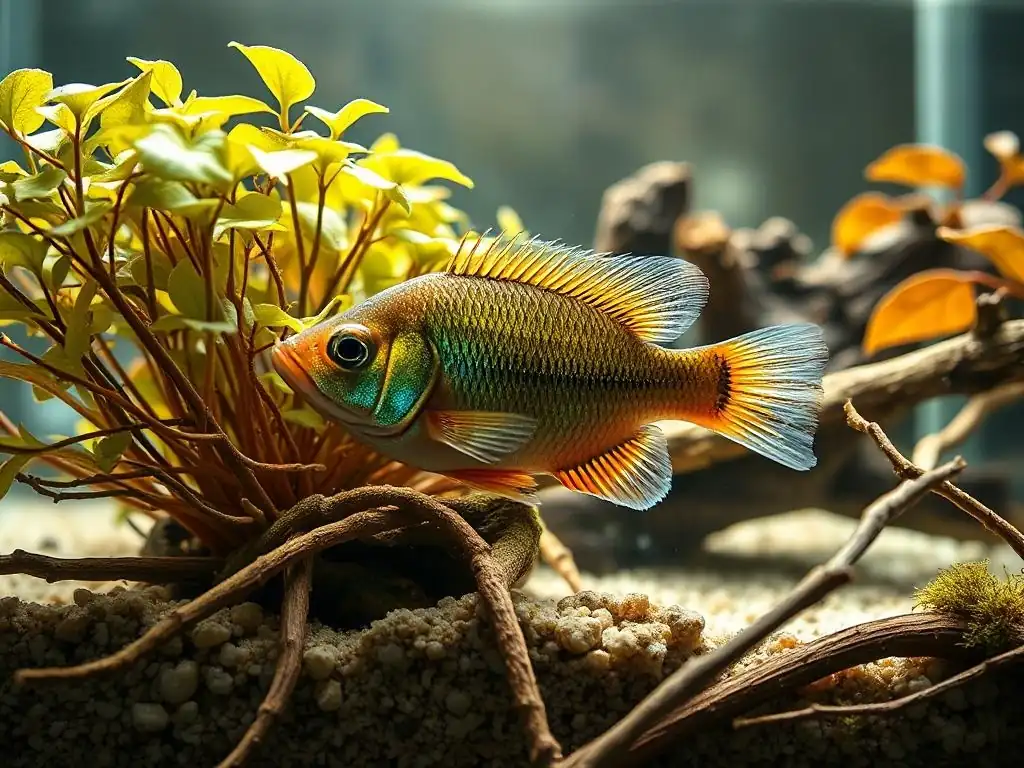
Lighting in a barb biotope aquarium setup serves multiple purposes: it supports plant growth, enhances the visual appeal of the fish and aquascape, and simulates the natural light cycles of their native habitats. For most barb biotopes, a full-spectrum LED lighting system is highly recommended. LEDs offer excellent energy efficiency, produce minimal heat, and allow for precise control over light intensity and spectrum, enabling aquarists to mimic sunrise, daytime, and sunset conditions. A typical lighting duration of 8-10 hours per day is generally sufficient for healthy plant growth and to establish a natural day-night cycle for the fish.
The intensity of the lighting should be tailored to both the plant species chosen and the specific barb species' preferences. Cherry Barbs, for instance, naturally inhabit shaded streams and prefer dimmer lighting, often benefiting from floating plants that diffuse overhead light. Tiger and Denison Barbs, while adaptable, still appreciate areas of shade provided by taller plants or hardscape, even in brighter setups. Balancing light intensity with plant requirements and fish comfort is key to a successful and visually appealing barb biotope.
Plants for Barb Biotopes: Creating a Natural Look
Aquatic plants are integral to a barb biotope aquarium setup, contributing significantly to water quality, providing essential cover, and enhancing the natural aesthetic. Beyond their visual appeal, plants perform vital ecological functions: they absorb nitrates, oxygenate the water, and provide foraging grounds and hiding spots for fish, mimicking the complex ecosystems of natural rivers and streams. The selection of plant species should directly correspond to the barb's native habitat, ensuring authenticity and ecological compatibility.
When aquascaping with plants, it's crucial to balance dense planting with open swimming areas, especially for active schooling barbs like Tiger and Denison Barbs. Densely planted sections offer security and visual breaks, reducing stress and aggression, while open areas allow barbs to exhibit their natural schooling behavior. The strategic placement of foreground, midground, and background plants creates depth and perspective, transforming the aquarium into a vibrant, living representation of a natural barb habitat.
Selecting Appropriate Plant Species for each Barb Type
Selecting the correct plant species is paramount for an authentic barb biotope aquarium setup, as different barb habitats support distinct flora. For a Tiger Barb biotope, robust, South East Asian native plants are ideal, such as various Cryptocoryne species (e.g., Cryptocoryne wendtii, Cryptocoryne balansae), Java Fern ( Microsorum pteropus), and Anubias species ( Anubias barteri, Anubias nana). These plants are durable and can withstand the energetic nature of Tiger Barbs.
For a Cherry Barb biotope, replicating the dense, shaded streams of Sri Lanka calls for fine-leaved, lower-light plants. Excellent choices include Java Moss ( Taxiphyllum barbieri), which can be draped over driftwood, more delicate Cryptocoryne varieties (e.g., Cryptocoryne parva), and various Rotala species. Floating plants like Red Root Floaters or Dwarf Water Lettuce are also highly recommended to provide the necessary shade. Denison Barbs, requiring strong currents, need robust plants that can anchor firmly to hardscape, such as Anubias species, Java Fern, and Bolbitis fern, as delicate stem plants might struggle in such turbulent conditions.
Plant Placement and Aquascaping Techniques
Effective plant placement and aquascaping techniques are crucial for creating a visually appealing and functional barb biotope aquarium setup. When designing, consider the "rule of thirds" to create a balanced composition, placing focal points off-center. Taller, background plants like Vallisneria or larger stem plants should be positioned at the rear of the tank, providing a lush backdrop and hiding spots. Midground plants, such as Cryptocoryne species or medium-sized Anubias, can create visual interest and transitional zones.
Foreground plants, like Java Moss or Cryptocoryne parva, add detail and coverage at the substrate level. For species like Anubias and Java Fern, which are epiphytes, attaching them to driftwood or rocks with fishing line or super glue creates a natural look and prevents them from rotting if planted in the substrate. Ensure that plants do not overly obstruct swimming paths, especially for active barbs like Denison and Tiger Barbs, and provide ample open space. Strategic placement of plants can also help to diffuse aggression in schooling fish by breaking up lines of sight and creating numerous territories.
Hardscape: Rocks, Wood, and Other Natural Elements
Hardscape, comprising rocks, wood, and other inert natural elements, forms the structural backbone of any barb biotope aquarium setup. These elements are essential for replicating the natural environment, providing visual interest, and offering crucial hiding spots and territories for the fish. Beyond aesthetics, hardscape provides surfaces for beneficial bacteria to colonize, contributing to biological filtration, and can also influence water chemistry, depending on the material.
The choice of hardscape materials should be consistent with the barb's native habitat. For instance, smooth, rounded river stones are ideal for a Denison Barb biotope, mimicking their fast-flowing river environment. Various types of driftwood, such as Malaysian driftwood, Mopani wood, or Manzanita, are excellent for all barb biotopes, as they release tannins that can benefit water quality for soft-water species and provide intricate structures for fish to explore. Always ensure that any hardscape material is thoroughly cleaned and aquarium-safe before introduction, avoiding anything that could leach harmful substances or drastically alter water parameters in an undesirable way.
Choosing Natural Hardscape Materials
Choosing the right natural hardscape materials is fundamental to authentically recreating a barb biotope aquarium setup. For Tiger and Denison Barbs, who hail from riverine environments, smooth river rocks and pebbles are excellent choices, mimicking the natural substrate and providing stable surfaces. Types of rock like basalt, granite, or slate are generally inert and will not significantly alter water parameters. Avoid rocks with sharp edges that could injure active fish.
Driftwood is a versatile and essential hardscape element for all barb biotopes. Malaysian driftwood, Mopani wood, and Manzanita branches are popular choices due to their natural appearance and ability to release beneficial tannins, which can lower pH and add a natural tint to the water, particularly suitable for Cherry Barbs. When selecting wood, ensure it has been properly cured and will not leach excessive amounts of tannins or undesirable substances. Boiling or soaking driftwood for several days or weeks can help reduce initial tannin release and ensure it sinks properly, contributing to a stable and natural-looking barb biotope.
Arranging Hardscape to Mimic Natural Barb Habitats
Arranging hardscape elements is an art form within a barb biotope aquarium setup, aiming to mimic the natural flow and structure of the barb's native habitat. For species like Denison Barbs, large, smooth river stones can be arranged to create natural channels and refuges that direct water flow, simulating a turbulent riverbed. For Tiger Barbs, a combination of driftwood and rocks can create a complex environment with both open swimming lanes and secluded hiding spots, catering to their active yet sometimes territorial nature.
For Cherry Barbs, the focus should be on creating intricate, root-like structures with branched driftwood and scattered small pebbles, mimicking the dense, shaded areas of Sri Lankan streams. The "rule of thirds" can be applied to hardscape placement to create visual balance and interest. Ensure all rocks and wood are stable and securely placed to prevent collapses that could harm fish or damage the tank. The arrangement should not only be aesthetically pleasing but also functional, providing security, exploration opportunities, and defining territories for your barb species.
Setting Up Your Barb Biotope Aquarium: A Step-by-Step Guide
Step 1: Preparing the Aquarium Tank
The first crucial step in setting up your barb biotope aquarium setup is thorough preparation of the tank itself. Begin by cleaning the empty aquarium using only plain water and a clean, dedicated cloth or sponge. Avoid using any soaps, detergents, or chemical cleaners, as residues can be highly toxic to fish and plants. Rinse the tank thoroughly several times to ensure no dust or debris remains.
Once clean, place the aquarium on a sturdy, level stand or cabinet capable of supporting the significant weight of the filled tank (water weighs approximately 8.3 pounds per gallon, or 1 kg per liter). Ensure the stand is perfectly level to prevent uneven pressure on the glass, which could lead to leaks or cracks over time. If desired, now is the time to apply a background to the back of the tank, which can enhance the visual depth and hide equipment. This initial preparation sets the foundation for a stable and healthy biotope.
Step 2: Installing Substrate and Hardscape
With the tank prepared, the next step in your barb biotope aquarium setup is installing the substrate and hardscape. Begin by thoroughly rinsing your chosen substrate (fine sand or smooth gravel) multiple times under running water until the water runs clear. This removes dust and fine particles that could cloud your aquarium water later. Carefully add the rinsed substrate to the bottom of the tank, sloping it gently from back to front to create a sense of depth and natural topography, typically aiming for 1-2 inches (2.5-5 cm) in depth.
Once the substrate is in place, arrange your pre-cleaned and cured hardscape materials, such as rocks and driftwood. Position larger elements first, ensuring they are stable and securely placed, especially if you plan to stack rocks. Think about the natural habitat of your chosen barb species: for Denison Barbs, create strong current paths with large stones; for Cherry Barbs, arrange intricate driftwood branches to mimic submerged roots. Ensure that hardscape pieces do not scratch the glass or create unstable structures that could collapse, safeguarding both your fish and the tank.
Step 3: Planting Aquatic Plants
After the substrate and hardscape are established, the next exciting phase of your barb biotope aquarium setup is planting the aquatic plants. Before planting, inspect all plants for any damaged leaves or roots and trim them as necessary. For stem plants, gently separate them into individual stems. For root-feeding plants like Cryptocoryne, carefully spread their roots and gently bury them into the substrate. Epiphytic plants, such as Anubias and Java Fern, should be attached to driftwood or rocks using fishing line or aquarium-safe super glue, ensuring their rhizomes are not buried, as this can cause them to rot.
When planting, consider the final size and growth habit of each plant species to avoid overcrowding and ensure proper light penetration. Use long-handled tweezers to carefully insert plants into the substrate, minimizing disturbance. For a truly natural look, group plants of the same species together rather than scattering them uniformly. Keep the plants moist by misting them with water during the planting process to prevent them from drying out, which can stress them before the tank is filled.
Step 4: Filling the Tank with Water
Once your substrate, hardscape, and plants are meticulously arranged in your barb biotope aquarium setup, it's time to carefully fill the tank with water. To prevent disturbing the substrate and uprooting plants, place a clean, sturdy plate or a piece of plastic wrap on top of the substrate before beginning to pour water. Pour the water slowly onto this surface, allowing it to gently diffuse into the tank.
Use a hose or bucket to fill the tank with dechlorinated water. Always add a high-quality water conditioner or dechlorinator as you fill, as tap water typically contains chlorine or chloramines that are harmful to fish and beneficial bacteria. Fill the tank to within an inch or two of the rim. Once filled, turn on your filter and heater to begin circulating and warming the water. The water may appear cloudy initially due to fine particles, but this should settle within a few hours to a day as the filter begins its work.
Step 5: Cycling the Aquarium
Cycling the aquarium is the most critical, yet often overlooked, step in setting up a barb biotope aquarium setup. This process establishes the beneficial bacterial colonies necessary to convert toxic ammonia (from fish waste and decaying matter) into less harmful nitrate, via an intermediate stage of nitrite. This biological filtration is the cornerstone of a healthy and stable aquarium. A fishless cycle, using an ammonia source, is highly recommended as it prevents exposing fish to dangerous toxin levels.
The cycling process typically takes 4-6 weeks, though it can vary. During this period, you will need to regularly test the water for ammonia, nitrite, and nitrate using a liquid test kit. Ammonia and nitrite levels will spike and then gradually fall to zero, indicating that the bacterial colonies are established. Nitrate levels will rise, confirming the cycle's completion. Only when both ammonia and nitrite consistently read zero for several days should you consider introducing fish, ensuring a safe and mature environment for your barbs.
Step 6: Introducing Your Barb Fish
Once your barb biotope aquarium setup has successfully completed its nitrogen cycle and all water parameters are stable and within the ideal range for your chosen species, you can finally introduce your barb fish. It is crucial to acclimate new fish slowly to their new environment to minimize stress from changes in water chemistry and temperature. Drip acclimation is the preferred method: place the fish, still in their transport bag, into a bucket, then slowly drip water from your aquarium into the bucket over 45-60 minutes until the water volume has tripled.
After acclimation, gently net the fish and release them into the tank, discarding the bag water. Avoid pouring the bag water directly into your aquarium, as it may contain unwanted pathogens or pollutants. Dim the aquarium lights for the first few hours after introduction to further reduce stress. Introduce a small group of barbs first, observing them closely for signs of stress, disease, or aggression. Gradually add more individuals over several days or weeks until your desired school size is reached, allowing the established fish to adjust to the new additions.
Maintaining Your Barb Biotope Aquarium
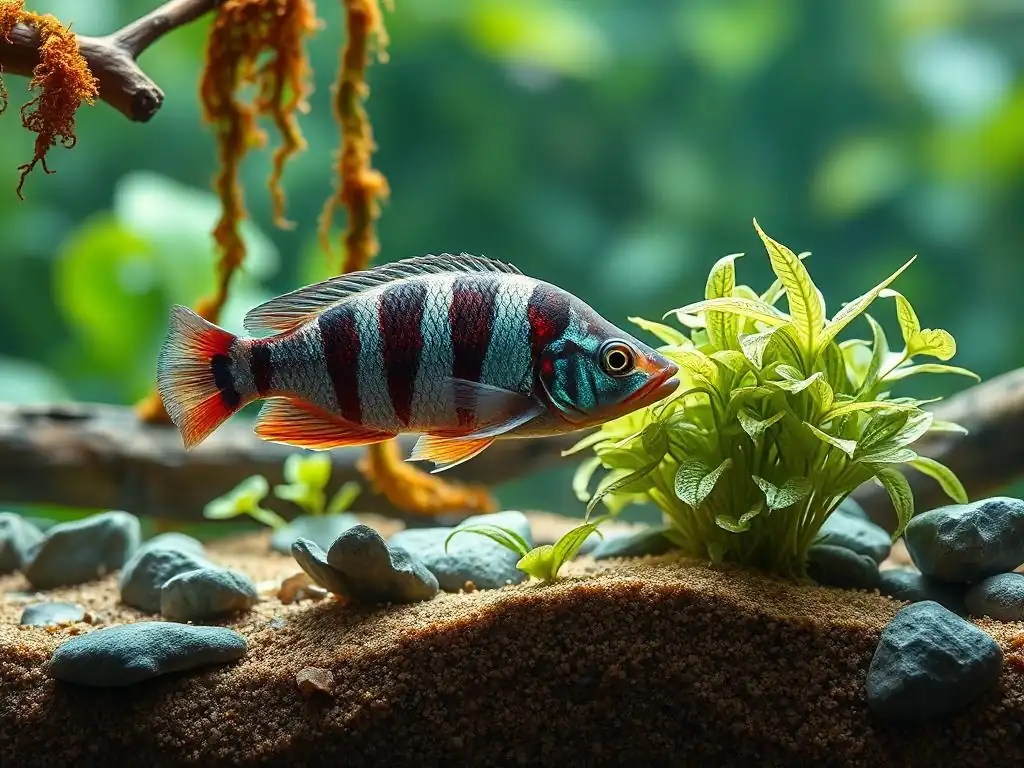
Regular Water Changes: Maintaining Water Quality
Regular water changes are the single most important maintenance task for any barb biotope aquarium setup, directly impacting water quality and fish health. Even with robust filtration, nitrates accumulate over time, and essential minerals are depleted. Performing weekly or bi-weekly water changes of 25-30% of the tank's volume helps to remove accumulated nitrates and other pollutants, while replenishing trace elements vital for fish and plant health.
When performing a water change, use a gravel vacuum to siphon water from the bottom of the tank, simultaneously removing detritus and uneaten food that settle in the substrate. Always ensure the new water is dechlorinated and temperature-matched to the aquarium water to prevent shocking your fish. Consistency is key: establishing a regular schedule for water changes will maintain stable water parameters, reduce stress on your barbs, and prevent the onset of many common aquarium ailments.
Monitoring Water Parameters: pH, Ammonia, Nitrite, Nitrate
Consistent monitoring of water parameters is an indispensable part of maintaining a healthy barb biotope aquarium setup. While the tank is cycling, daily testing for ammonia, nitrite, and nitrate is crucial. Once the tank is cycled and stocked, weekly testing for nitrate is recommended, with ammonia and nitrite tests performed only if there are signs of fish distress or if the tank is newly stocked. pH should be monitored weekly or bi-weekly, depending on the stability of your water source and the presence of elements that can alter pH.
Using a reliable liquid-based test kit provides the most accurate readings compared to test strips. Keeping a log of your test results allows you to track trends and identify potential issues before they become critical. If parameters fall outside the ideal range for your barb species, immediate action, such as a partial water change, filter maintenance, or adjusting feeding habits, may be necessary to restore balance and ensure the well-being of your fish.
Plant Care and Trimming
Maintaining the aquatic plants in your barb biotope aquarium setup is essential for both aesthetic appeal and the overall health of the ecosystem. Regular plant care involves providing adequate nutrients, which can be achieved through root tabs for heavy root feeders, or liquid fertilizers for water column feeders, tailored to your plant species and lighting intensity. If you have a high-tech planted biotope, CO2 supplementation might be necessary to support vigorous growth.
Trimming is another vital aspect of plant care. Overgrown plants can block light to other plants, create excessive shade, or simply disrupt the aquascape's design. Use sharp aquascaping scissors to trim stem plants, replanting the cuttings if desired. Remove any decaying or yellowing leaves promptly, as they can release nutrients that contribute to algae growth and degrade water quality. Consistent plant care ensures a lush, vibrant, and healthy environment that benefits both the plants and your barb fish.
Feeding Your Barbs: Providing a Natural Diet
Providing a natural and varied diet is crucial for the health, coloration, and activity of your barbs in a barb biotope aquarium setup. While high-quality dry flakes or pellets can form the staple of their diet, supplementing with live or frozen foods mimics their natural foraging habits and provides essential nutrients. Excellent choices for live or frozen foods include bloodworms, brine shrimp, daphnia, and mosquito larvae. For species like Denison Barbs, which are omnivores with a preference for protein, these supplements are particularly beneficial.
It's generally better to feed your barbs small amounts multiple times a day (2-3 times) rather than one large meal. This prevents overfeeding, which can lead to uneaten food decaying and polluting the water, contributing to algae blooms and poor water quality. Observe your barbs during feeding; they should consume all food within a few minutes. Adjust feeding amounts based on their activity level and the overall cleanliness of the tank. A well-fed barb is a healthy and vibrant barb.
Identifying and Treating Diseases in Barb Biotopes
Even in a well-maintained barb biotope aquarium setup, fish can occasionally fall ill. Early identification and prompt treatment of diseases are crucial for the recovery of affected fish and the prevention of spread to other tank inhabitants. Common diseases in barbs include Ich (white spot disease), fin rot, dropsy, and various bacterial or fungal infections. Symptoms can range from visible white spots, frayed fins, or bloated bodies to behavioral changes like lethargy, clamped fins, or rapid breathing.
Prevention is always the best cure. Maintaining pristine water quality, stable parameters, and a stress-free environment are the most effective measures against disease. Quarantine any new fish in a separate tank for at least two weeks before introducing them to your main biotope to prevent the introduction of pathogens. If a fish does show signs of illness, research the specific symptoms to identify the disease and administer appropriate medication, following dosage instructions carefully. Isolate sick fish if possible to facilitate treatment and prevent further spread within the biotope.
Barb Biotope Tank Mates: Choosing Compatible Species
Suitable Tank Mates for Tiger Barbs
Choosing suitable tank mates for Tiger Barbs in a barb biotope aquarium setup requires careful consideration due to their notorious nippy nature. While they are known to nip at the fins of slow-moving, long-finned fish, this behavior is often mitigated when Tiger Barbs are kept in large schools of 8-10 or more individuals, as their aggression is typically diffused among themselves. Suitable tank mates should be similarly active, robust, and fast-moving, capable of holding their own.
Excellent tank mate options include other active cyprinids like larger Danios (e.g., Giant Danios), which can keep up with their energy. Some species of peaceful, active loaches, such as Clown Loaches (though they require very large tanks due to their size), can also coexist well. Medium-sized, quick-moving Plecos or Bristlenose Plecos can serve as bottom dwellers. Avoid any fish with long, flowing fins (like Angelfish or Bettas) or very shy, slow-moving species, as they will likely become targets for fin-nipping.
Compatible Tank Mates for Cherry Barbs
Cherry Barbs are renowned for their peaceful and shy nature, making them excellent candidates for a tranquil barb biotope aquarium setup. When choosing tank mates, prioritize other small, non-aggressive, and similarly sized fish that will not intimidate them. Their gentle disposition means they can be easily stressed by overly boisterous or aggressive species.
Ideal tank mates for Cherry Barbs include other small, peaceful schooling fish such as various Rasbora species (e.g., Harlequin Rasboras, Chili Rasboras), small peaceful tetras (e.g., Neon Tetras, Ember Tetras), and Corydoras catfish, which occupy the bottom layer without disturbing the barbs. Otocinclus catfish are also excellent algae eaters that are completely harmless to Cherry Barbs. While some aquarists successfully keep them with dwarf shrimp, it's worth noting that very small or juvenile shrimp might occasionally be preyed upon, especially if the tank is not heavily planted to provide ample hiding spots.
Ideal Tank Mates for Denison Barbs
Denison Barbs are active, schooling fish that can reach a significant size, requiring tank mates that are equally robust and can tolerate strong water currents in a barb biotope aquarium setup. Despite their torpedo-like appearance, they are generally peaceful towards other species, but their high energy and size mean they can inadvertently stress smaller, more delicate fish. They thrive in a school of at least 6-8 individuals, which helps to diffuse any potential aggression and encourages their natural schooling behavior.
Ideal tank mates for Denison Barbs include other active, medium to large-sized, peaceful to semi-aggressive fish that appreciate similar water parameters and strong flow. Examples include various species of larger Rainbowfish (e.g., Boeseman's Rainbowfish, Turquoise Rainbowfish), other schooling barbs of similar size (such as Rosy Barbs or Silver Dollars), and some species of peaceful, active loaches. Bottom dwellers like larger Plecos or robust species of Corydoras catfish can also be suitable. Avoid very small, slow-moving, or long-finned fish, as they may be overwhelmed by the Denison Barbs' activity or inadvertently nipped.
Troubleshooting Common Issues in Barb Biotope Aquariums
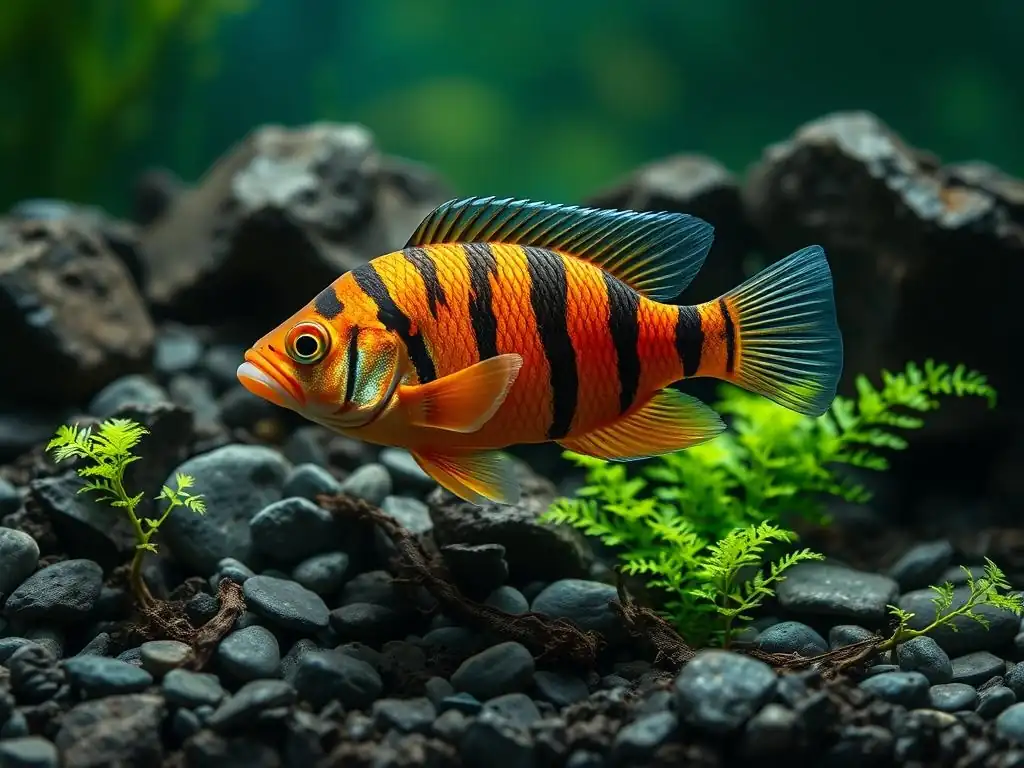
Algae Control in Barb Biotopes
Algae growth is a common issue in many barb biotope aquarium setups, often indicating an imbalance in the tank's ecosystem. The primary causes of excessive algae are typically over-lighting, nutrient imbalance (too many nitrates/phosphates), or insufficient plant mass to outcompete the algae. Common types include green spot algae, hair algae, and brown diatom algae. While a small amount of algae is natural and can even be beneficial, excessive growth detracts from the biotope's aesthetic and can indicate underlying water quality issues.
To control algae, first identify the cause. Reduce lighting duration to 8-10 hours per day if it's too long, or consider dimming intensity. Perform regular water changes (25-30% weekly) to reduce nitrates and phosphates. Ensure your filter is clean and functioning efficiently. Introducing algae-eating invertebrates like Nerite snails or certain species of Otocinclus catfish can also help. Manual removal with an algae scraper during water changes is also effective. A balanced approach, combining proper husbandry, nutrient management, and a healthy plant mass, is key to long-term algae control.
Cloudy Water and Water Quality Problems
Cloudy water is a common symptom of underlying water quality problems in a barb biotope aquarium setup. Various factors can cause cloudiness:
- Bacterial Bloom: A sudden influx of beneficial bacteria, often seen in newly set up tanks during the nitrogen cycle or after major disruptions, causes a milky white cloudiness.
- Particulate Matter: Fine debris from substrate, uneaten food, or decaying plant matter can cause a hazy appearance.
- Algae Bloom: Green cloudy water often indicates an excessive proliferation of suspended green algae.
- Chemical Imbalance: Certain chemical reactions or the presence of specific dissolved substances can also contribute to cloudiness.
Addressing cloudy water involves identifying the root cause. For bacterial blooms, patience and consistent filtration are key; avoid large water changes as they can prolong the bloom. For particulate matter, ensure your mechanical filtration (filter floss, sponges) is clean and efficient, and reduce feeding. For algae blooms, address lighting and nutrient levels. Large water changes (50% or more), followed by thorough gravel vacuuming and filter cleaning, can often provide immediate relief for most forms of cloudiness by removing excess organic load and pollutants from the barb biotope aquarium setup.
Fish Health Issues and Diseases
Despite best efforts, fish health issues and diseases can occasionally arise in a barb biotope aquarium setup, often as a result of stress from poor water quality, incorrect parameters, or incompatible tank mates. Common signs of illness include lethargy, clamped fins, loss of appetite, abnormal swimming, visible spots (white, black, or fuzzy), frayed fins, or bloating. Early detection is crucial for successful treatment and preventing the spread of disease to other fish in the biotope.
The most effective strategy for managing fish health issues is prevention. Maintain consistently stable and appropriate water parameters, perform regular water changes, provide a balanced diet, and avoid overcrowding. Always quarantine new fish in a separate tank for at least two weeks before introducing them to your main biotope to prevent the introduction of pathogens. If a fish becomes ill, identify the specific symptoms and research the appropriate treatment. Many common diseases can be treated with over-the-counter aquarium medications, but always follow dosage instructions carefully and consider isolating sick fish for treatment to avoid medicating the entire biotope.
Advanced Barb Biotope Aquascaping Techniques
Creating Depth and Perspective in Your Biotope
Creating depth and perspective is an advanced aquascaping technique that transforms a flat, two-dimensional barb biotope aquarium setup into a vibrant, immersive underwater landscape. This illusion is achieved by strategically arranging elements to draw the viewer's eye into the background. One common method is to slope the substrate, making it higher at the back of the tank and gradually lower towards the front, which simulates a natural incline.
Furthermore, using plants of varying heights and textures, with taller, finer-leaved species in the background and shorter, broader-leaved plants in the foreground, enhances the perception of distance. Placing smaller hardscape elements (rocks, wood) in the background and larger ones in the foreground also contributes to this effect. Creating a "vanishing point" – a central area where lines and elements converge – can also guide the viewer's gaze, adding a dramatic sense of depth and making the barb biotope appear much larger than it truly is.
Using Natural Materials to Enhance the Realism
Enhancing the realism of a barb biotope aquarium setup goes beyond just plants and rocks; it involves incorporating a variety of natural materials that mimic the subtle details of a wild habitat. One of the most effective ways to achieve this is through the strategic use of leaf litter. Indian almond leaves (catappa leaves), oak leaves, or even dried magnolia leaves, when scattered across the substrate, decompose slowly, releasing beneficial tannins that stain the water a natural tea color and provide a natural foraging ground for barbs and other detritivores.
Beyond leaves, other botanicals such as alder cones, seed pods (e.g., lotus pods, cholla wood), and small twigs can be added. These elements not only contribute to the visual authenticity by mimicking natural debris but also create micro-habitats and hiding spots for smaller fish and invertebrates. They also slowly release tannins and humic substances, contributing to soft, acidic water conditions preferred by many barb species, making the barb biotope aquarium setup even more ecologically accurate and visually compelling.
Integrating Technology to Enhance the Biotope Experience
Integrating advanced technology can significantly enhance the functionality and aesthetic appeal of a barb biotope aquarium setup, allowing for greater control and precision in replicating natural conditions. Smart controllers, for instance, can automate lighting cycles, gradually increasing and decreasing intensity to simulate natural sunrise and sunset, reducing stress on fish. They can also precisely regulate temperature, ensuring stability within the narrow optimal range for species like Denison Barbs.
Furthermore, advanced filtration systems with customizable flow rates and media options allow for unparalleled water quality and the creation of highly specific current patterns, essential for mimicking riverine habitats. Auto-dosers can precisely administer liquid fertilizers for planted biotopes or even trace minerals for specific water parameters. High-quality LED lighting with adjustable spectrums allows aquarists to fine-tune light conditions to promote specific plant growth or enhance fish coloration, pushing the boundaries of realism in a barb biotope aquarium setup.
The Future of Barb Biotope Aquariums: Trends and Innovations
The future of barb biotope aquariums is poised for exciting developments, driven by a growing emphasis on species-specific conservation and a deeper understanding of aquatic ecosystems. There's a clear trend towards more accurate and ecologically sound setups, moving beyond mere aesthetics to prioritize the well-being and natural behaviors of the fish. This involves a greater focus on sourcing wild-type or responsibly bred strains of barbs, and replicating not just general habitat types, but very specific geographical locations, down to the exact flora and fauna found there.
Innovations in aquarium technology will continue to play a crucial role in enhancing the barb biotope aquarium setup experience. Advancements in LED lighting will allow for even more precise control over light spectrum and intensity, mimicking natural photoperiods and seasonal changes.
Smart filtration systems and automated water parameter monitoring will make it easier for aquarists to maintain the highly stable conditions required for a true biotope. Furthermore, increasing awareness of environmental issues will likely lead to a greater emphasis on sustainable aquascaping materials and responsible fish keeping practices, ensuring that the passion for barb biotopes contributes positively to aquatic conservation efforts globally.
Frequently Asked Questions
What is a Barb biotope aquarium and why should I create one?
A Barb biotope aquarium aims to replicate the natural habitat of Barb fish species like Tiger, Cherry, or Denison Barbs. Creating one provides optimal conditions for their health and behavior, enhancing their natural beauty.
What are the key elements to consider when setting up a Barb biotope aquarium?
The key elements include selecting appropriate substrate, decorations (rocks, wood), and plants that mimic the natural environment of your chosen Barb species. Water parameters, like pH and hardness, are also critical.
Which Barb species are best suited for a biotope aquarium, and what are their specific needs?
Tiger Barbs, Cherry Barbs, and Denison Barbs are popular choices. Tiger Barbs need plenty of swimming space, Cherry Barbs prefer densely planted areas, and Denison Barbs require strong water flow.
How do I ensure the water chemistry in my Barb biotope aquarium is suitable for the fish?
Regular water testing is essential to maintain stable pH, hardness, and ammonia/nitrite/nitrate levels. Using RO/DI water and buffering agents can help achieve the desired parameters.
What are common challenges faced when maintaining a Barb biotope aquarium, and how can I overcome them?
Common challenges include algae blooms, water parameter fluctuations, and disease outbreaks. Regular water changes, proper filtration, and quarantine procedures are essential preventative measures.
Final Reflection: Embracing the Barb's Natural World
The journey of crafting a Barb biotope aquarium setup transcends mere fishkeeping; it's an act of environmental stewardship, bringing a slice of the wild into our homes. By meticulously recreating the natural habitats of Tiger, Cherry, or Denison Barbs, we not only enhance their well-being but also deepen our understanding of the delicate ecosystems they inhabit. This pursuit of authenticity, detailed in the preceding pages, highlights the power of informed aquascaping to connect us with the beauty and fragility of the natural world.
The influence of biotope aquariums extends beyond the glass walls of our tanks. It fosters a deeper appreciation for biodiversity and the importance of conservation. It encourages us to look beyond the aesthetic appeal of an aquarium and consider the ecological needs of its inhabitants. In the end, we will conserve only what we love; we will love only what we understand; and we will understand only what we are taught.
- Baba Dioum. This quote perfectly encapsulates the transformative potential of a Barb biotope, turning hobbyists into informed advocates for the preservation of these stunning fish and their threatened environments.
Now, consider the lessons learned in creating your own Barb biotope. How can you apply this mindful approach to other aspects of your life? Let the dedication and research invested in replicating a natural habitat inspire you to cultivate a greater awareness of the interconnectedness of all living things. Embrace the opportunity to be a steward of the environment, both within your aquarium and beyond, and contribute to a future where the beauty of the natural world is cherished and protected for generations to come.
Ignite Your Aquarium: Recreate a Barb Paradise!
Thanks for diving into the world of barb biotopes with us! We hope you've gained some inspiring ideas to transform your aquarium. Now, let's turn that knowledge into action!
- Start Small: Begin by gathering images and resources for one specific barb species – are you ready to commit to replicating that environment?
- Expand Your Circle: Join the Aquarium Mastery community forum and share your plans, inspiration, and challenges as you build your biotope!
- Unearth Hidden Gems: Visit your local stream or river (with permission, of course!) to photograph native plants and substrates for an extra layer of authenticity, even if you can't use them directly.
What unique element will you bring to your barb biotope that sets it apart and truly captures the essence of their natural world?