
Top 5 SandSifting Gobies for a Sparkling Clean Nano Substrate

Welcome to Aquarium Mastery!
Ever wonder how to achieve that pristine, sparkling clean substrate in your nano saltwater aquarium? We're diving deep into the fascinating world of nano substrate sand sifting! Discover the top 5 goby species that can become your tiny tank's best cleaning crew. Intrigued? Let's explore these miniature marvels and unlock the secrets to a thriving and beautiful nano reef!
- Introduction: Maintaining a Pristine Nano Reef Substrate with Sand-Sifting Gobies
- Why Choose a Sand-Sifting Goby for Your Nano Reef Tank?
-
Frequently Asked Questions
- What is a "nano substrate" and why is sand sifting important in a nano aquarium?
- Why should I choose a sand-sifting goby for my nano aquarium?
- Are all sand-sifting gobies suitable for nano aquariums?
- What are the potential downsides of keeping a sand-sifting goby?
- How often should I supplement the diet of my sand-sifting goby?
- Final Reflection: The Tiny Titans of a Thriving Ecosystem
- Dive Deeper & Sparkle Up Your Tank!
Introduction: Maintaining a Pristine Nano Reef Substrate with Sand-Sifting Gobies
Maintaining a pristine substrate is a cornerstone of a healthy and vibrant nano reef aquarium. In these smaller, more delicate ecosystems, the accumulation of detritus and uneaten food can quickly lead to elevated nutrient levels, fostering unsightly algae blooms and potentially harming sensitive corals and invertebrates. While mechanical filtration helps, a natural, biological approach to keeping the sand bed clean is often superior, and this is where the specialized behavior of sand-sifting gobies becomes invaluable for effective nano substrate sand sifting.
These fascinating fish actively churn and aerate the top layers of the sand bed, preventing the formation of anaerobic pockets, which can release harmful gases like hydrogen sulfide. Their continuous sifting action ensures that detritus is suspended into the water column, where it can be removed by mechanical filters, or broken down by beneficial bacteria within the sand itself. For aquarists aiming for a self-sustaining and aesthetically pleasing nano reef, incorporating a sand-sifting goby can significantly reduce manual maintenance and contribute to overall tank stability.
Why Choose a Sand-Sifting Goby for Your Nano Reef Tank?
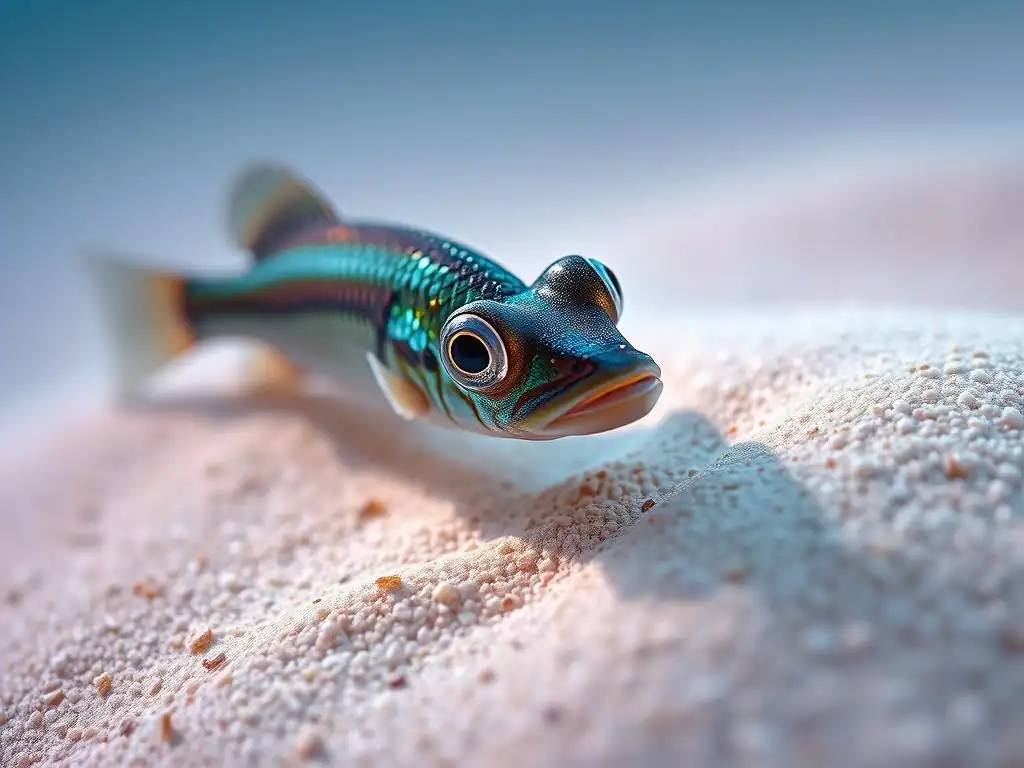
Benefits of Natural Sand Bed Filtration in Nano Aquariums
The sand bed in a nano aquarium is far more than just aesthetic substrate; it serves as a crucial component of the tank's natural filtration system. Within its grains, vast colonies of beneficial bacteria thrive, performing vital processes such as nitrification and denitrification. Nitrifying bacteria convert harmful ammonia and nitrite into less toxic nitrate, while denitrifying bacteria, often found in deeper, oxygen-depleted zones, can convert nitrate into harmless nitrogen gas, which then escapes the system. A healthy, active sand bed is essential for maintaining stable water parameters in a compact nano environment.
Sand-sifting gobies enhance this natural filtration by constantly turning over the substrate. This prevents detritus from settling and compacting, which can starve the beneficial bacteria of oxygen and create anaerobic zones. By keeping the sand bed aerated and distributing organic matter, these gobies ensure that a greater surface area is exposed to oxygen and water flow, maximizing the efficiency of the bacterial populations. This continuous activity supports a robust biological filter, reducing the need for extensive manual siphoning and contributing to a healthier, more balanced ecosystem for your nano substrate sand sifting.
The Role of Gobies in Nutrient Cycling and Detritus Removal
Sand-sifting gobies are biological workhorses when it comes to nutrient cycling and detritus removal in a nano reef. Their primary method involves taking mouthfuls of sand, sifting through it to extract tiny food particles, detritus, and small invertebrates, and then expelling the cleaned sand through their gills. A single goby can process an impressive volume of sand daily, often sifting several times its body weight in substrate over a 24-hour period. This constant processing directly addresses the accumulation of organic waste, which is a major source of nitrates and phosphates in closed systems.
This continuous sifting action not only removes visible detritus but also helps to break down larger particles into smaller ones, making them more accessible for decomposition by bacteria or removal by mechanical filtration. By actively preventing detritus from settling deep into the substrate and becoming trapped, gobies help to keep nutrients suspended in the water column, where they can be exported through protein skimming or water changes.
Their diligent efforts are a key factor in maintaining low nutrient levels, which is critical for preventing nuisance algae and promoting the health of sensitive corals in a nano reef, making them ideal candidates for natural nano substrate sand sifting.
Considerations Before Introducing a Sand-Sifting Goby
Before introducing a sand-sifting goby to your nano reef, several important factors must be carefully considered to ensure both the goby's well-being and the stability of your aquarium. Firstly, tank size is paramount; while these are nano-suitable fish, they still require adequate space. Most sand-sifting gobies need a minimum tank size of 10 to 20 gallons, with a substrate bed of at least 2 to 3 inches deep to facilitate their natural sifting behavior. A shallower substrate will not provide enough material for them to effectively sift, leading to stress and potential health issues.
Secondly, assess your existing tank inhabitants. While generally peaceful, some gobies can be territorial towards conspecifics or similar-looking fish. Ensure that your sand bed is free of large, delicate corals or invertebrates that could be buried by the goby's sifting activity.
For example, certain LPS corals or sessile invertebrates placed directly on the sand could be inadvertently covered. Finally, consider the goby's specific dietary needs; while they sift for food, many species require supplemental feeding with high-quality frozen foods like mysis shrimp or brine shrimp to thrive. Proper research into the specific species is essential to ensure they are a good fit for your nano substrate sand sifting goals and overall tank environment.
Frequently Asked Questions
What is a "nano substrate" and why is sand sifting important in a nano aquarium?
A nano substrate refers to the bottom layer of material in a small aquarium (typically under 20 gallons). Sand sifting is important because it helps aerate the substrate and prevents the buildup of harmful anaerobic bacteria.
Why should I choose a sand-sifting goby for my nano aquarium?
Sand-sifting gobies are natural biological filters. They sift through the sand, consuming detritus and uneaten food, which helps maintain a cleaner and healthier environment for your other aquarium inhabitants.
Are all sand-sifting gobies suitable for nano aquariums?
No, many sand-sifting gobies grow too large for nano aquariums. It's crucial to select smaller species that won't outgrow the limited space and disrupt the delicate ecosystem.
What are the potential downsides of keeping a sand-sifting goby?
Sand-sifting gobies can sometimes stir up the substrate, leading to temporary cloudiness. They may also compete with other bottom-dwelling inhabitants for food, so proper feeding is essential.
How often should I supplement the diet of my sand-sifting goby?
Supplementing their diet with frozen or live foods is important. Aim to provide small feedings several times a week to ensure they receive enough nutrition beyond what they find in the substrate.
Final Reflection: The Tiny Titans of a Thriving Ecosystem
The delicate balance within a nano aquarium is easily disrupted, making the role of natural filtration more crucial than ever. Our exploration of the top sand-sifting gobies underscores the power of these miniature ecosystem engineers in maintaining a healthy and visually appealing environment, proving that even the smallest creatures can have a monumental impact.
This journey into the world of nano substrate maintenance has highlighted the profound interconnectedness of life within our aquariums. It reminds us that responsible aquascaping isn't just about aesthetics; it's about fostering a thriving ecosystem where every inhabitant plays a vital role. In nature, nothing exists alone.
- Rachel Carson. This quote perfectly encapsulates the symbiotic relationship between these gobies and the overall health of a nano aquarium, emphasizing the responsibility we bear as stewards of these miniature worlds.
Now, consider the lessons learned from these tiny titans. How can you apply the principles of balance and natural filtration, not just in your aquarium, but in your own life? Embrace the power of small actions, the importance of interconnectedness, and the beauty of a well-maintained ecosystem, both within your tank and within yourself. Let the sand-sifting goby inspire you to cultivate a cleaner, healthier, and more vibrant world, one grain at a time.
Dive Deeper & Sparkle Up Your Tank!
Thanks for exploring the fascinating world of sand-sifting gobies with us! We hope you found inspiration to enhance your nano aquarium's ecosystem. Now, let's get your hands wet!
- Choose your goby wisely and introduce it to a well-established tank. A happy goby is a hard-working goby!
- Share your goby success stories! Post pictures and tips on the Aquarium Mastery community forum.
- Surprise your tank! Try introducing a small, diverse cleanup crew before adding your goby, see how the ecosystem evolves together.
Ready to witness the magic of a clean and thriving nano aquarium?