
Reef Tank Stocking Calculator: How Many Fish Can Your System Handle?

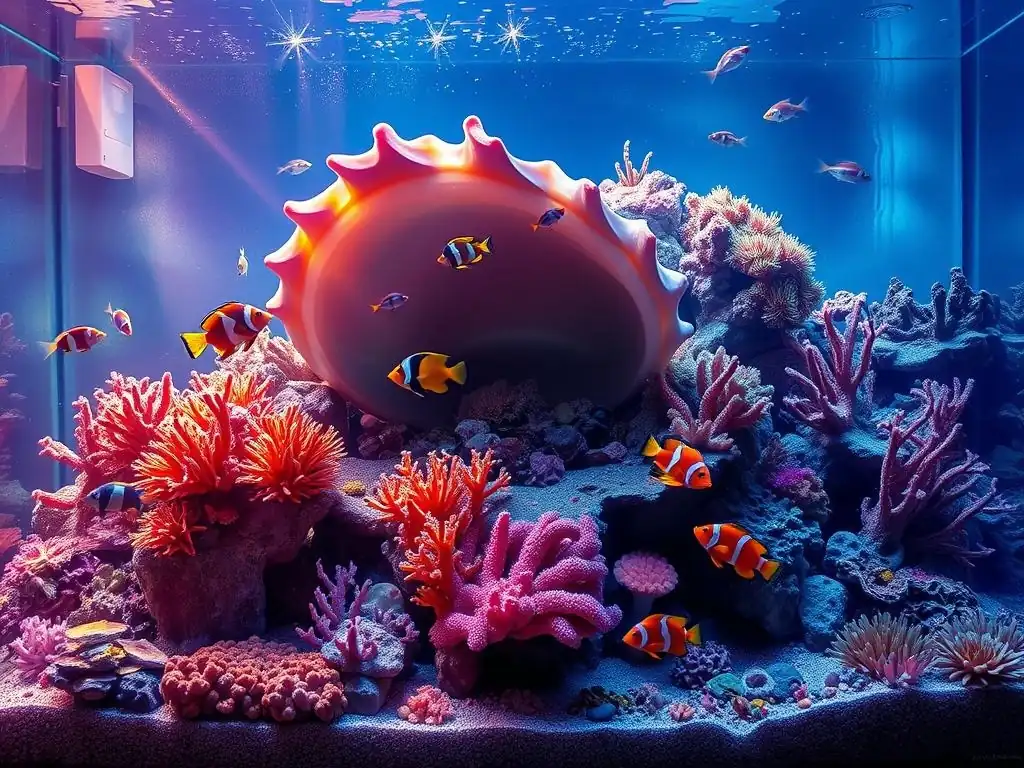
Welcome to Aquarium Mastery, your ultimate guide to thriving aquatic ecosystems!
Ever wondered if you're pushing the limits of your reef tank's capacity? Dive in to discover the secrets of reef tank fish stocking and unlock the perfect balance for a vibrant and healthy reef environment. This article explores a crucial aspect of saltwater aquariums, ensuring you can determine the ideal number of fish for your system. Ready to create a harmonious underwater paradise? Let's get started!
- Understanding Reef Tank Fish Stocking: A Comprehensive Guide
-
Factors Affecting Reef Tank Fish Stocking Capacity
- Tank Size: The Foundation of Fish Stocking Calculations
- Filtration System Capacity: Handling Waste in Your Reef Aquarium
- Water Circulation: Ensuring Adequate Oxygenation and Waste Removal
- Rockwork and Hiding Places: Providing Shelter and Reducing Aggression
- Fish Compatibility: Avoiding Aggression and Stress
- Reef Tank Stocking Calculators: Tools and Their Limitations
- Calculating Reef Tank Fish Stocking: A Practical Approach
- Reef Tank Stocking Guidelines: General Rules of Thumb
- Common Reef Tank Stocking Mistakes to Avoid
- Maintaining a Healthy Reef Tank with Proper Fish Stocking
- Advanced Reef Tank Stocking Strategies
- Conclusion: Achieving a Balanced and Thriving Reef Aquarium Through Smart Fish Stocking
-
Frequently Asked Questions
- How does the Reef Tank Stocking Calculator work?
- What factors besides the calculator should I consider when stocking my reef tank?
- What happens if I overstock my reef tank?
- Can I add all the recommended fish at once, or should I introduce them gradually?
- What types of fish are generally not recommended for beginner reef tanks, even if the calculator suggests they fit?
- Final Reflection: The Living Symphony of Our Reefs
- Dive Deeper: Transform Your Reef Into a Thriving Ecosystem!
Understanding Reef Tank Fish Stocking: A Comprehensive Guide
The Importance of Proper Fish Stocking Levels in Reef Aquariums
Maintaining appropriate reef tank fish stocking levels is paramount for the long-term health and stability of your marine ecosystem. When a reef aquarium is properly stocked, the biological processes within the tank, such as the nitrogen cycle, can effectively process the waste produced by the inhabitants. Conversely, an overstocked tank experiences a rapid accumulation of organic waste, leading to elevated levels of ammonia, nitrite, and especially nitrate and phosphate. These elevated nutrients can fuel nuisance algae blooms, stress corals, and compromise the immune systems of fish, making them more susceptible to diseases like Ich or Marine Velvet.
Beyond the biological implications, proper reef tank fish stocking significantly impacts the aesthetic appeal and the behavioral health of your fish. A well-stocked tank allows fish to exhibit natural behaviors, such as schooling, foraging, and establishing territories without excessive aggression.
For instance, a 75-gallon reef tank might comfortably house a small group of three to five peaceful fish like Ocellaris Clownfish and a Royal Gramma Basslet, allowing each to thrive and display their full personality. However, introducing too many fish, or incompatible species, can lead to chronic stress, fin nipping, and even fatalities, detracting from the beauty and tranquility of the display.
Overstocking vs. Understocking: Finding the Sweet Spot for Reef Health
Overstocking is a common pitfall for many aquarists, driven by the desire to have a diverse collection of marine life. However, the consequences are severe: a dramatically increased biological load overwhelms the filtration system, leading to rapid deterioration of water quality. In an overstocked 100-gallon reef tank, nitrate levels might spike from a healthy 5 parts per million (ppm) to over 50 ppm within a matter of days or weeks, even with regular maintenance.
This nutrient excess can trigger outbreaks of unsightly Cyanobacteria or Dinoflagellates, which can quickly smother corals and consume valuable oxygen. Fish in an overstocked environment often exhibit stunted growth, faded colors, and increased susceptibility to parasitic infections due to chronic stress.
While less common, understocking can also present its own set of challenges, though generally less critical than overstocking. An understocked reef tank might not fully utilize the available biological filtration capacity, potentially leading to an imbalance in the ecosystem. In some cases, a lack of "grazers" can allow certain types of algae to proliferate if there are residual nutrients and light, simply because there aren't enough fish consuming it.
However, the primary "sweet spot" for reef tank fish stocking leans towards conservatism. It is always safer to start with fewer fish and gradually add more, allowing the biological filter to adapt and ensuring that each inhabitant has ample space and resources. For example, a 50-gallon reef tank with a single small fish might not look as vibrant, but its water parameters will remain exceptionally stable compared to an overstocked counterpart.
Biological Load and Its Impact on Reef Tank Water Quality
Biological load refers to the total amount of organic waste produced by all the inhabitants in your reef tank, including fish, invertebrates, and even decaying uneaten food and detritus. This waste, primarily in the form of ammonia from fish respiration and excretion, is the starting point of the nitrogen cycle. Beneficial bacteria in the biological filter (live rock, sand, bio-media) convert this toxic ammonia into less harmful nitrite, and then into nitrate.
Higher biological load means more ammonia production, demanding a more robust biological filter to prevent toxic spikes. For instance, a single adult Yellow Tang can produce significantly more waste than a pair of Ocellaris Clownfish, thus contributing a much higher biological load to the system and requiring more efficient processing.
The long-term impact of biological load is primarily seen in the accumulation of nitrates and phosphates, which are the end products of organic decomposition and nutrient cycling. While nitrates are less toxic than ammonia or nitrite, consistently high levels (e.g., above 20-30 ppm for corals) can stress sensitive corals, inhibit their growth, and promote the growth of nuisance algae.
Phosphates, even at very low concentrations (e.g., above 0.03 ppm), can hinder coral calcification and also fuel algae blooms. Therefore, managing biological load through appropriate reef tank fish stocking, efficient filtration, and regular maintenance is crucial for maintaining pristine water quality and a thriving, vibrant reef aquarium.
Factors Affecting Reef Tank Fish Stocking Capacity
Tank Size: The Foundation of Fish Stocking Calculations
Tank size is undeniably the most fundamental factor in determining your reef tank fish stocking capacity. Larger tanks offer several distinct advantages: greater water volume dilutes waste products more effectively, leading to more stable water parameters and a larger buffer against sudden changes.
For example, a 200-gallon tank can absorb a temporary spike in ammonia much better than a 20-gallon nano tank, where even a small amount of uneaten food can rapidly cause ammonia to rise to dangerous levels. Furthermore, larger tanks provide more physical space for fish to swim, establish territories, and avoid aggression, which is crucial for active swimmers like Tangs or certain Wrasses.
Beyond just the gallonage, the physical dimensions and footprint of a tank significantly influence its suitability for different fish species. A 120-gallon tank with a 48-inch length and 24-inch depth offers far more horizontal swimming space than a 120-gallon "tall" tank that might be 36 inches long but 36 inches deep. Active, pelagic swimmers such as a Yellow Tang (which can reach 8 inches in length) require extensive horizontal swimming room, ideally a tank of at least 75-100 gallons with a minimum length of 48 inches.
Conversely, a pair of Ocellaris Clownfish, which typically remain relatively small (up to 4 inches) and often host in an anemone or coral, can thrive in a 20-30 gallon nano reef, provided other parameters are met. Understanding these specific spatial requirements is paramount for responsible reef tank fish stocking.
Filtration System Capacity: Handling Waste in Your Reef Aquarium
The capacity and efficiency of your filtration system are critical in determining how much biological load your reef tank can handle. A robust filtration setup acts as the primary defense against accumulating waste products, processing ammonia and nitrite, removing organic detritus, and exporting nutrients.
While a large tank volume provides a good buffer, an undersized or inefficient filtration system will quickly be overwhelmed by even moderate reef tank fish stocking levels, leading to chronically high nitrates and phosphates, and potentially toxic ammonia or nitrite spikes. A comprehensive filtration system typically integrates mechanical, chemical, and biological components to address different aspects of waste management.
An effective filtration system is not just about having the components, but ensuring they are appropriately sized and maintained for your specific reef tank fish stocking density. For instance, a highly efficient protein skimmer might be able to handle the waste from a slightly higher fish load, but it cannot fully compensate for a fundamentally overstocked system.
Regular maintenance, such as cleaning filter socks daily or weekly, emptying the skimmer cup every few days, and replacing chemical media (like activated carbon or GFO) on a schedule, directly impacts the system's ability to keep water parameters stable. Ignoring filtration maintenance will quickly negate any benefits, leading to issues even in a moderately stocked tank.
Sump Size and Its Role in Reef Tank Filtration
A sump is an invaluable addition to most reef aquarium systems, significantly enhancing overall water volume and providing dedicated space for critical filtration equipment. By increasing the total water volume of the system (often by 15-30% of the display tank's volume, or even more), a sump provides a larger buffer against parameter swings, making the tank more stable.
For example, a 100-gallon display tank with a 30-gallon sump effectively becomes a 130-gallon system, diluting waste and stabilizing temperature and salinity more effectively. This increased stability is crucial for delicate corals and sensitive fish, particularly when considering reef tank fish stocking.
Beyond volume, sumps allow for the compartmentalization of various filtration methods, optimizing their performance. They typically feature sections for mechanical filtration (e.g., filter socks or filter floss to remove particulate matter), chemical filtration (e.g., activated carbon for removing dissolved organics and GFO for phosphate removal), and substantial biological filtration (e.g., live rock rubble, bio-media blocks, or even a refugium). This structured approach ensures that each stage of filtration can operate efficiently without interfering with others, leading to superior water quality and supporting a healthier environment for your chosen reef tank fish stocking.
Protein Skimmer Efficiency: Removing Organic Waste
The protein skimmer is arguably the most critical piece of equipment for nutrient export in a reef tank, especially when considering reef tank fish stocking. Its primary function is to remove organic compounds (proteins, amino acids, carbohydrates) from the water before they break down into nitrates and phosphates. It achieves this by creating a massive column of fine bubbles that attract and bind to organic molecules, which are then carried to a collection cup for removal. This process is known as foam fractionation and significantly reduces the biological load on the system.
The efficiency of a protein skimmer is paramount. An undersized or poorly performing skimmer will allow dissolved organics to accumulate, leading to chronically high nitrate and phosphate levels, which promote nuisance algae growth and stress corals. When selecting a skimmer, it is generally recommended to choose one rated for 1.5 to 2 times your actual system volume, particularly if you plan for moderate to heavy reef tank fish stocking.
For example, a 100-gallon display tank with a 30-gallon sump (130 gallons total volume) might benefit most from a skimmer rated for 200-260 gallons. Regular cleaning of the skimmer neck and collection cup is essential to maintain optimal performance.
Biological Filtration: The Nitrogen Cycle in Action
Biological filtration is the cornerstone of a healthy reef tank, responsible for processing the highly toxic waste products of the nitrogen cycle. This process relies on beneficial bacteria that colonize porous surfaces within the aquarium, primarily live rock, the sand bed, and any dedicated bio-media. These bacteria convert ammonia (produced by fish waste and decaying organic matter) into nitrite, and then convert nitrite into nitrate. A robust biological filter is essential to prevent the accumulation of ammonia and nitrite, which are lethal to fish and invertebrates even at low concentrations.
The amount of biological filtration capacity directly dictates how much biological load your system can safely handle, thereby influencing your reef tank fish stocking limits. Traditionally, a general guideline has been to aim for 1 to 1.5 pounds of live rock per gallon of display tank volume, as live rock provides extensive surface area for bacterial colonization.
However, modern aquascaping often uses less live rock, compensating with highly porous synthetic bio-media or alternative methods like a deep sand bed. Regardless of the method, ensuring sufficient surface area for nitrifying and denitrifying bacteria is critical for efficiently processing the waste generated by your reef tank fish stocking.
Water Circulation: Ensuring Adequate Oxygenation and Waste Removal
Adequate water circulation is vital for the health and stability of a reef tank, impacting both the inhabitants and the overall system efficiency. Proper flow ensures that all areas of the tank receive sufficient oxygenation, preventing the formation of anaerobic dead spots where harmful gases like hydrogen sulfide can accumulate. It also helps to suspend particulate waste, allowing it to be drawn into mechanical filtration (like filter socks) for removal, preventing detritus from settling and breaking down into unwanted nutrients. Without sufficient flow, organic matter can accumulate in low-flow areas, leading to nutrient spikes and nuisance algae.
Beyond waste removal, strong, random water movement is crucial for the health of corals and many fish species. Corals, being sessile organisms, rely on water flow to bring them food, remove waste products, and facilitate gas exchange. Many reef fish, such as Tangs and Anthias, are highly active swimmers that thrive in turbulent flow conditions mimicking their natural reef environments.
A common guideline for reef tanks suggests a total water turnover rate of 20 to 40 times the tank volume per hour, achieved through powerheads or wavemakers. For example, a 100-gallon reef tank might require powerheads providing a combined flow of 2,000-4,000 gallons per hour (GPH) to ensure proper circulation and support healthy reef tank fish stocking.
Rockwork and Hiding Places: Providing Shelter and Reducing Aggression
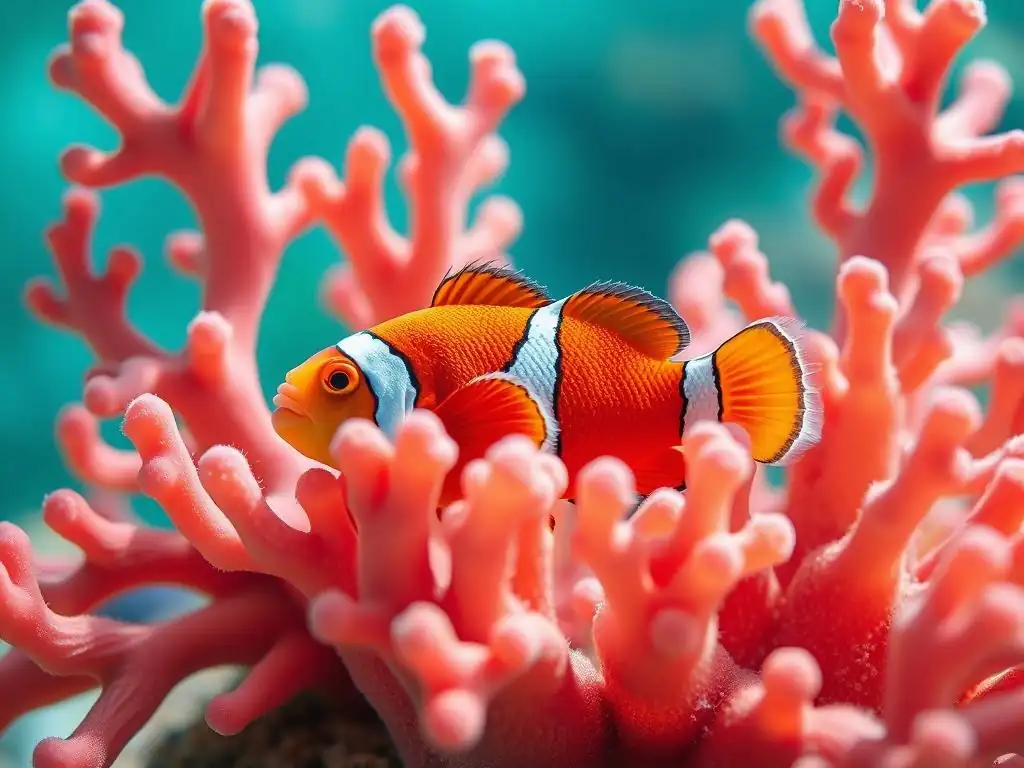
The aquascape, particularly the arrangement of live rock, plays a crucial role in supporting higher reef tank fish stocking levels by providing essential structure and territory. Well-designed rockwork creates numerous caves, crevices, and overhangs that serve as vital hiding places for fish. This is particularly important for smaller, more timid species that need refuge from aggressive tank mates or simply a secure spot to rest and sleep. Without adequate hiding spots, fish can become chronically stressed, leading to suppressed immune systems and increased susceptibility to disease.
Beyond providing shelter, strategic rockwork helps to break up sightlines and establish natural territories, which can significantly reduce inter-species aggression. By creating distinct zones and visual barriers, you can allow more fish to coexist peacefully, as they have their own defined spaces and escape routes.
For example, a complex aquascape in a 75-gallon tank might allow for a greater diversity of peaceful fish than a tank with minimal rockwork, even if the total volume is the same. Thoughtful aquascaping is therefore an integral part of responsible reef tank fish stocking, contributing to the overall well-being and diversity of your marine community.
Fish Compatibility: Avoiding Aggression and Stress
Fish compatibility is arguably as crucial as tank size and filtration when determining successful reef tank fish stocking. Even in a large, well-filtered aquarium, mixing incompatible species can lead to chronic stress, fin nipping, injury, and even death for the less dominant or aggressive inhabitants. Aggression can manifest in various forms, from subtle intimidation and food competition to outright physical attacks. For instance, attempting to house a highly aggressive Picasso Triggerfish with small, peaceful gobies or blennies is almost guaranteed to result in conflict, regardless of the tank's volume.
Researching the temperament, adult size, and specific needs of each fish species before purchase is paramount. Some fish are known for their territorial nature (e.g., many Angelfish, Damselfish), while others are schooling fish that thrive in groups (e.g., Anthias, some Chromis). Certain species, like some Wrasses, require a deep sand bed to burrow into for sleep or security. Understanding these nuanced behaviors and requirements allows you to select a community that can coexist harmoniously, minimizing stress and promoting long-term health. A well-planned, compatible reef tank fish stocking list will result in a more vibrant and peaceful display.
Reef Tank Stocking Calculators: Tools and Their Limitations
How Reef Tank Stocking Calculators Work: A Step-by-Step Explanation
Reef tank stocking calculators are digital tools designed to provide a rough estimate of how many fish your aquarium can safely hold, based on several input parameters. Typically, these calculators require you to input your tank's gross volume (e.g., 50 gallons, 100 gallons), and sometimes its dimensions.
You then select the fish species you intend to keep, and the calculator often has pre-programmed data on their average adult size, general activity level, and estimated biological load. For instance, a calculator might assign a "load factor" of 3 for a small, docile Ocellaris Clownfish, but a factor of 10 for a large, active Tang.
Once all the desired fish are entered, the calculator sums up their individual "load factors" and compares it against the tank's "capacity factor," which is derived from its volume and sometimes the type of filtration specified (though this is less common for simple calculators). The output is usually a percentage of "stocking level" or a simple "recommended" or "overstocked" indication.
For example, a calculator might suggest that a 75-gallon tank is at 80% capacity with a pair of Clownfish, a Royal Gramma, and a small Blenny, indicating a suitable reef tank fish stocking level. These tools serve as a convenient starting point for planning your aquatic community.
Popular Reef Tank Stocking Calculators: A Comparison
Several online reef tank stocking calculators are available, each with its own strengths and limitations. Popular options include those found on forums like Reef Central or dedicated aquarium websites. Most operate on a similar principle, using a combination of "inch-per-gallon" guidelines and species-specific bio-load estimations. For example, some calculators might rate a small gobby as equivalent to 0.5 inches of "stocking capacity," while a larger tang might be 5 inches, even if both are technically "small" fish.
While widely used, these calculators vary in their database accuracy and the complexity of their algorithms. Some provide more detailed information on specific fish needs (e.g., minimum tank length), while others are more simplistic.
For instance, a calculator might suggest a 40-gallon breeder tank can hold 6 small fish, but it might not explicitly warn that two of those fish, if they are certain types of Damselfish, will likely fight to the death. It's crucial to understand that no single calculator is perfect, and they should always be used as a guide, not an absolute rule, for determining your optimal reef tank fish stocking.
Limitations of Calculators: Considering Individual Fish Needs
Despite their utility as a starting point, reef tank stocking calculators have significant limitations and should not be relied upon exclusively. Their primary drawback is their inability to account for the highly variable and nuanced behaviors of individual fish. They often use generalized data for species, but individual fish within a species can have vastly different temperaments. A calculator cannot predict if a specific Clownfish will be unusually aggressive, or if a particular Tang will grow faster than average and become stressed in a seemingly adequate space.
Furthermore, calculators often struggle to incorporate the full complexity of a reef ecosystem. They typically don't adequately factor in the efficiency of your specific filtration components (e.g., the exact GPH of your protein skimmer, the volume of your refugium), the amount and structure of your live rock, or the presence of corals and invertebrates, all of which contribute to the overall biological load and nutrient export.
For example, a calculator might approve a certain number of fish, but if your tank has poor circulation or an undersized skimmer, that recommended reef tank fish stocking level could still lead to problems. Ultimately, real-world observation and experience are essential complements to any calculator's output.
Calculating Reef Tank Fish Stocking: A Practical Approach
Step 1: Determine Your Tank's True Water Volume
The first and most crucial step in calculating your reef tank fish stocking capacity is to accurately determine your system's true water volume. This is not simply the advertised gallonage of your display tank. You must account for the volume displaced by live rock, sand, and any equipment inside the display. For example, a 100-gallon display tank might only hold 80-85 gallons of actual water once it's filled with 100-150 pounds of live rock and a 2-4 inch sand bed.
Additionally, if you have a sump, its water volume must be added to the display tank's actual water volume. A 30-gallon sump, even if only half-filled with water, adds significant volume to the total system. So, a 100-gallon display tank (actual water 80-85 gallons) combined with a 15-gallon sump (actual water 10-12 gallons) results in a total system volume of approximately 90-97 gallons. This "true water volume" is the foundation upon which all subsequent reef tank fish stocking calculations should be based, as it directly reflects the buffering capacity and dilution potential of your system.
Step 2: Assess Your Filtration System's Capacity
Once you have determined your true water volume, the next critical step is to realistically assess the capacity and efficiency of your entire filtration system. This involves evaluating your mechanical, chemical, and biological filtration components. For mechanical filtration, consider the effectiveness of your filter socks or sponges in removing particulate matter. For chemical filtration, assess the type and quantity of media used (e.g., activated carbon, GFO) and how regularly it's replaced.
Most importantly, evaluate your protein skimmer and biological filtration. Is your protein skimmer rated for at least 1.5 to 2 times your total system volume? Is it producing consistent, dark skimmate? For biological filtration, consider the amount of live rock (e.g., 1-1.5 lbs per gallon of actual water) and any additional bio-media. A robust filtration system, capable of processing a higher biological load, allows for more flexible reef tank fish stocking, whereas an undersized or poorly maintained system will necessitate a much lighter load to maintain water quality.
Step 3: Research the Specific Needs of Your Desired Fish Species
Before adding any fish, thorough research into the specific needs of each desired species is paramount. This goes beyond just general compatibility and delves into their individual requirements for space, diet, and behavior. Understanding these nuances will prevent future problems and ensure the long-term well-being of your reef tank inhabitants.
Fish Size at Maturity: Planning for Future Growth
One of the most common reef tank stocking mistakes is failing to account for a fish's adult size. Many fish are sold as juveniles, looking small and harmless in the fish store tank, but can grow significantly larger. A small, 2-inch Yellow Tang, for example, will eventually reach 7-8 inches in length. Similarly, a tiny Clown Triggerfish can grow to over a foot long and become highly aggressive.
Housing an adult fish in a tank too small for its mature size leads to stunted growth, chronic stress, aggression towards tank mates, and ultimately, a reduced lifespan. Always research the maximum adult size of any fish you consider and ensure your tank can comfortably accommodate it when fully grown. For instance, a 30-gallon tank is suitable for a pair of Ocellaris Clownfish (max 3-4 inches each), but wholly inadequate for a juvenile Emperor Angelfish (max 15 inches).
Swimming Habits and Temperament: Assessing Space Requirements
Beyond just adult size, a fish's swimming habits and temperament are crucial for determining its true space requirements and how it will fit into your reef tank fish stocking plan. Some fish, like Tangs and certain Wrasses, are highly active, constantly swimming across the length of the tank, and thus require significant open swimming space (e.g., a 4-foot long tank for most Tangs). Others, like Gobies or Blennies, are more sedentary and prefer to perch on rocks or the sand bed, requiring less expansive swimming room but potentially more hiding spots.
Furthermore, temperament dictates how well a fish will coexist with others. A peaceful fish like a Royal Gramma Basslet will generally stay within its territory, while a territorial Damselfish might relentlessly harass other fish in a confined space. Even fish of similar size can have vastly different space needs based on their activity levels and social dynamics. Understanding these behaviors is key to preventing aggression and ensuring all inhabitants have adequate perceived space, even within the same physical tank volume.
Dietary Needs and Waste Production: Understanding Biological Load
A fish's dietary needs and subsequent waste production directly contribute to the biological load on your reef tank. Herbivorous fish, such as Tangs and Blennies, primarily consume algae and plant matter. While their waste can be significant, it often contains less concentrated nitrogenous compounds compared to carnivorous fish. Carnivorous fish, like Lionfish or certain Groupers, consume protein-rich foods, leading to a higher concentration of nitrogen and phosphorus in their waste. This means that a tank heavily stocked with carnivorous fish will typically generate a higher biological load and demand more robust filtration.
Uneaten food also contributes significantly to biological load, especially with species that are messy eaters or require frequent feedings. For instance, a Mandarinfish, which grazes constantly on copepods, produces less concentrated waste per feeding than a large Angelfish that consumes meaty foods multiple times a day. Understanding these dietary nuances allows for more precise management of nutrient input and output, helping to maintain stable water parameters and optimize your reef tank fish stocking strategy.
Step 4: Account for Invertebrates and Corals
While fish are often the primary focus of reef tank stocking calculations, it is crucial not to overlook the biological load contributed by invertebrates and corals. Although many invertebrates, such as snails and hermit crabs, are beneficial for cleanup, they still produce waste. Larger invertebrates like shrimp, crabs, or sea cucumbers can add a noticeable amount to the overall biological load. For example, a cleaner shrimp, while small, will still contribute to the system's waste output.
Corals, especially large colonies of fast-growing SPS (Small Polyp Stony) corals or LPS (Large Polyp Stony) corals, also contribute to the biological load through their metabolic processes and waste excretion. They consume nutrients and expel waste, and if they die or decay, they can rapidly pollute the water. While their individual contribution might be less than a fish of comparable size, a heavily 'stocked' coral reef can significantly impact nutrient levels. Therefore, when planning your reef tank fish stocking, remember to consider the entire ecosystem and the cumulative biological impact of all your marine inhabitants.
Step 5: Adjust Stocking Levels Based on Experience and Observation
The final and perhaps most crucial step in calculating and maintaining optimal reef tank fish stocking is to continuously adjust levels based on your personal experience and diligent observation of your aquarium. No calculator or guideline can perfectly predict the dynamics of a living, evolving ecosystem. Your tank's specific filtration efficiency, maintenance routine, and the unique temperaments of your chosen fish will ultimately dictate its true capacity.
Regularly monitor your water parameters (ammonia, nitrite, nitrate, phosphate) to gauge your system's ability to handle the current biological load. If nitrates consistently rise despite good maintenance, it's a clear sign you might be pushing your reef tank fish stocking limits. Observe your fish for signs of stress, aggression, or disease. Are they darting nervously? Are fins nipped?
Is one fish constantly hiding? These are indicators that your stocking level or compatibility is off. Be prepared to rehome fish if necessary, or slow down on new additions. A successful reef tank is a dynamic balance, requiring ongoing assessment and adaptation.
Reef Tank Stocking Guidelines: General Rules of Thumb
The Inch-Per-Gallon Rule: A Starting Point (and Its Caveats)
The "inch-per-gallon" rule is a very basic guideline often cited for freshwater aquariums: "one inch of fish per gallon of water." For reef tanks, this rule is generally too simplistic and often misleading due to the vastly different needs of marine fish and the complexity of a reef ecosystem. If applied, a more conservative version might be "one inch of small, peaceful marine fish per 3-5 gallons of actual water volume." For instance, a 3-inch Ocellaris Clownfish might require 9-15 gallons of water by this revised rule.
However, this rule has significant caveats for marine environments. It fails to account for a fish's biological load (a 3-inch Tang produces far more waste than a 3-inch Goby), activity level (a fast-swimming fish needs more linear space), adult size, or temperament. It also completely ignores the impact of corals and invertebrates. Therefore, while it can serve as a very rough starting point for absolute beginners, relying solely on the inch-per-gallon rule for reef tank fish stocking is highly discouraged. It's best used as a mental check, not a definitive calculation.
Considering Fish Bio-Load: High vs. Low Waste Producers
A more practical guideline for reef tank fish stocking involves considering the "bio-load" of each species, rather than just its length. Fish vary dramatically in the amount of waste they produce, largely influenced by their diet, metabolism, and activity level. Herbivores like Tangs, while large, often have more efficient digestive systems for their plant-based diet, but their sheer volume of food consumed means they still produce significant waste. Carnivores, such as Puffers or Groupers, consume protein-rich diets and tend to produce more concentrated waste, putting a higher demand on the filtration system.
Examples of high bio-load fish include most Tangs (e.g., Yellow Tang, Blue Tang), large Angelfish (e.g., Emperor Angelfish, Queen Angelfish), Puffers, and Triggers. These fish consume a lot of food and produce substantial waste, requiring larger tanks and robust filtration. Low bio-load fish typically include small, less active species like Gobies, Blennies, and small Damselfish (though some Damselfish have high aggression bio-load). When planning your reef tank fish stocking, prioritize species with lower biological loads if your filtration is not exceptionally robust, or if you aim for a higher density of inhabitants.
Gradual Stocking: Allowing Your Reef Ecosystem to Adjust
One of the most crucial reef tank stocking guidelines is to stock your aquarium gradually, rather than adding multiple fish at once. This allows your biological filter (the beneficial bacteria in your live rock and sand) sufficient time to adapt and multiply in response to the increasing biological load. Adding too many fish at once can overwhelm the existing bacterial colonies, leading to a dangerous spike in ammonia and nitrite, which can be lethal to all your tank inhabitants.
A common practice is to add one or two new fish at a time, waiting several weeks (typically 3-4 weeks) between additions. This period allows the biological filter to catch up, water parameters to stabilize, and for you to observe the new fish's behavior and compatibility with existing tank mates.
For example, in a 75-gallon tank, you might add a pair of Ocellaris Clownfish, wait three weeks, then add a Royal Gramma, wait another three weeks, and so on. This slow and steady approach significantly reduces stress on the system and increases the likelihood of a successful and stable reef tank fish stocking.
Common Reef Tank Stocking Mistakes to Avoid
Adding Too Many Fish Too Quickly
One of the most frequent and detrimental mistakes in reef tank stocking is adding too many fish at once or in rapid succession. This practice directly overwhelms the nascent or established biological filtration system, which relies on beneficial bacteria to process fish waste. When a large influx of waste (ammonia) occurs suddenly, the bacterial colonies cannot multiply fast enough to convert it into less toxic forms. This leads to dangerous spikes in ammonia and nitrite, which are highly toxic to fish and invertebrates, causing stress, disease, and often fatalities.
For instance, introducing five new fish to a 50-gallon tank over a single weekend, especially if the tank is relatively new (less than 6 months old), is a recipe for disaster. The existing bacterial population, perhaps capable of processing the waste from one or two small fish, will be completely swamped. It is far safer to add one or two small fish at a time, waiting a minimum of 3-4 weeks between additions, and diligently monitoring water parameters (especially ammonia and nitrite) to ensure the biological filter has adequately adjusted to the increased reef tank fish stocking.
Ignoring Fish Compatibility Issues
Neglecting fish compatibility is a major oversight that can lead to constant stress, aggression, injury, and even death among your reef tank inhabitants, regardless of tank size or filtration. Many marine fish species have specific temperaments, territorial needs, or predatory instincts that make them unsuitable tank mates for others. For example, placing a highly aggressive Damsel or Triggerfish with peaceful, slow-moving Gobies or Blennies will almost certainly result in the harassment or demise of the smaller, docile fish.
Researching the social behavior, adult size, and potential for aggression of every fish you intend to introduce is non-negotiable for successful reef tank fish stocking. Consider factors like whether a fish is territorial, if it can tolerate tank mates of similar species, or if it's prone to nipping fins or consuming small invertebrates.
A common error is mixing fish that occupy the same niche and compete for resources, such as multiple species of similar herbivorous Tangs in a tank that is not exceptionally large (e.g., trying to put a Yellow Tang and a Blue Tang in a 75-gallon tank, which often leads to conflict).
Neglecting Water Quality Monitoring
A critical mistake that undermines even the best reef tank fish stocking plans is the neglect of regular water quality monitoring. Even with a seemingly appropriate fish load, parameters can shift due to various factors like increased feeding, equipment malfunction, or the natural growth of inhabitants. Failing to regularly test for ammonia, nitrite, nitrate, and phosphate leaves you blind to impending problems until they manifest as sick fish or algae outbreaks.
For example, if nitrates slowly climb from 10 ppm to 40 ppm over a few weeks without detection, corals will begin to stress, and nuisance algae will proliferate. Consistent testing, ideally weekly for nitrates and phosphates, and immediately if any issues arise, provides early warning signs. This allows for corrective actions like increased water changes, adjustment of filtration, or re-evaluation of your reef tank fish stocking before minor issues escalate into major crises that threaten the entire ecosystem.
Overfeeding: Contributing to Nutrient Buildup
Overfeeding is a rampant and often underestimated mistake that directly contributes to nutrient buildup and poor water quality in reef tanks, negating efforts to maintain proper reef tank fish stocking. Any uneaten food quickly breaks down, releasing ammonia, phosphates, and other organic compounds into the water column. This provides a direct fuel source for nuisance algae and can rapidly elevate nitrate and phosphate levels, even in a well-filtered tank.
For instance, if you feed a 50-gallon reef tank enough food for 10 fish when you only have 3, the excess food will significantly increase the biological load. Fish should only be fed what they can consume within 1-2 minutes, once or twice a day, depending on the species. Overfeeding also leads to an increased biological load from the fish themselves, as they grow larger and produce more waste. Being mindful of feeding amounts is a simple yet profoundly effective way to manage nutrient levels and support healthy reef tank fish stocking.
Maintaining a Healthy Reef Tank with Proper Fish Stocking
Regular Water Changes: Diluting Nitrate Levels
Regular water changes are a cornerstone of maintaining a healthy reef tank, especially when aiming for optimal reef tank fish stocking. While effective filtration systems convert toxic ammonia and nitrite into less harmful nitrate, nitrates still accumulate over time and are only removed from the system through water changes, specific chemical media (like GFO or biopellets), or by macroalgae in a refugium. Consistently high nitrate levels (e.g., above 20-30 ppm for sensitive corals) can inhibit coral growth, stress fish, and fuel nuisance algae.
Performing routine water changes, typically 10-20% of the total system volume every one to two weeks, effectively dilutes accumulated nitrates and phosphates. For example, in a 100-gallon system with nitrates at 20 ppm, a 20% water change would reduce nitrates to approximately 16 ppm, assuming the new water is nitrate-free. This regular dilution helps to maintain stable water parameters, replenishes essential trace elements consumed by corals and invertebrates, and provides a cleaner environment for your reef tank fish stocking.
Monitoring Water Parameters: Testing for Ammonia, Nitrite, and Nitrate
Consistent and accurate monitoring of key water parameters is indispensable for managing a healthy reef tank with appropriate reef tank fish stocking. Ammonia and nitrite should always be at zero parts per million (ppm) in an established reef tank; any detectable levels indicate an issue with the biological filter or an overstocked condition. Nitrate, while less toxic, should ideally be kept below 10-20 ppm for most coral-dominant tanks, and phosphate below 0.03 ppm.
Regular testing, ideally weekly for nitrate and phosphate, and whenever a new fish is added or an issue is suspected, provides crucial insights into the health of your system. For instance, if you notice nitrates steadily climbing from 5 ppm to 15 ppm over a week, it signals that your current reef tank fish stocking might be generating more waste than your system can comfortably process, prompting you to consider a water change, filter maintenance, or a re-evaluation of your fish load. This proactive approach allows for early intervention, preventing minor imbalances from escalating into major problems.
Observing Fish Behavior: Identifying Signs of Stress or Disease
Beyond water parameters, diligent observation of your fish's behavior is a vital aspect of maintaining a healthy reef tank and assessing the success of your reef tank fish stocking. Fish behavior is often the first indicator of stress, disease, or incompatibility issues within the tank. Healthy fish should be active (according to their species' nature), have vibrant colors, show interest in food, and exhibit normal swimming patterns.
Signs of stress or disease include clamped fins, rapid breathing, fading colors, scratching against rocks (flashing), white spots (Ich), abnormal swimming, or a general lack of activity. Aggressive interactions, such as chasing, nipping, or constant hiding by a specific fish, indicate compatibility problems or insufficient space for the current reef tank fish stocking.
For example, if a small Tang is constantly being chased by a larger Angelfish, it's a clear sign of stress due to aggression, regardless of water quality. Prompt identification of these behaviors allows for timely intervention, such as adjusting tank mates, improving water quality, or treating disease.
Adjusting Stocking Levels as Needed: Adapting to Changes in Your Reef Ecosystem
A healthy reef tank is a dynamic ecosystem, constantly evolving. Therefore, the ability to adjust reef tank fish stocking levels as needed is a hallmark of an experienced aquarist. Your initial stocking plan might be perfect, but over time, fish grow, filtration efficiency might change, or the demands of a growing coral colony could alter the system's capacity to handle waste.
If your water parameters consistently indicate nutrient buildup despite regular maintenance, or if fish show chronic signs of stress or aggression, it's a strong signal that your current reef tank fish stocking is too high for your system's capabilities. This might necessitate rehoming one or more fish, upgrading your filtration (e.g., a larger protein skimmer), or increasing the frequency or volume of water changes. Conversely, if your tank seems underpopulated and parameters are consistently pristine, you might consider adding another small, compatible fish. This flexible and adaptive approach is key to achieving a truly balanced and thriving reef aquarium.
Advanced Reef Tank Stocking Strategies
Deep Sand Beds (DSB): Enhancing Biological Filtration
Deep Sand Beds (DSBs) are an advanced reef tank stocking strategy that significantly enhance biological filtration, particularly denitrification, which helps to remove nitrates from the system. A DSB typically consists of a layer of fine sand (e.g., aragonite) that is 4-6 inches deep or more. Within this deep, anoxic (oxygen-depleted) environment, a specific type of anaerobic bacteria thrives. These bacteria utilize nitrate as an oxygen source, converting it into harmless nitrogen gas, which then off-gasses from the aquarium.
This natural nitrate reduction process can be highly effective in managing the biological load from reef tank fish stocking, allowing for potentially higher fish densities or simply more stable, lower nitrate levels. However, DSBs require careful setup and maintenance to prevent the buildup of hydrogen sulfide (a toxic gas) and can be disruptive if disturbed. They are a long-term commitment and are often combined with a refugium for maximum effectiveness in nutrient export.
Refugiums: Creating a Safe Haven for Beneficial Organisms
A refugium is an isolated section of a sump or a separate small tank plumbed into the main system, designed to provide a safe haven for beneficial organisms and enhance nutrient export. The most common use of a refugium is to cultivate macroalgae, particularly Chaetomorpha (Chaeto), which rapidly absorbs nitrates and phosphates from the water as it grows. This actively removes excess nutrients generated by reef tank fish stocking, preventing them from fueling nuisance algae in the display tank.
Beyond nutrient export, a refugium provides a protected environment for various beneficial micro- and macro-fauna, such as copepods and amphipods. These tiny crustaceans reproduce in the refugium without being preyed upon by fish in the main display. Periodically, these organisms are flushed into the main tank, providing a continuous, natural food source for picky eaters like Mandarinfish or Dragonets, thereby supporting a more diverse and robust reef tank fish stocking.
Dosing Carbon Sources: Reducing Nitrate and Phosphate Levels
Dosing carbon sources, often referred to as "carbon dosing" or "vodka dosing" (though other carbon sources like vinegar or commercial products are used), is an advanced reef tank stocking strategy aimed at reducing nitrate and phosphate levels. This method involves adding a simple organic carbon source to the aquarium water, which provides a food source for heterotrophic bacteria that consume nitrates and phosphates. These bacteria then rapidly multiply, forming a "bacterial bloom" which can then be skimmed out by a protein skimmer or consumed by corals and invertebrates.
This process essentially converts dissolved nutrients into bacterial biomass, which is then exported from the system, effectively lowering nitrate and phosphate levels. For example, a system struggling with 30 ppm nitrates might see levels drop to below 5 ppm within weeks with careful carbon dosing and efficient skimming. While highly effective for managing the biological load from reef tank fish stocking, carbon dosing requires precise control and careful monitoring to avoid bacterial blooms that can deplete oxygen or cause cloudy water. It is an advanced technique best undertaken by experienced aquarists.
Conclusion: Achieving a Balanced and Thriving Reef Aquarium Through Smart Fish Stocking
Frequently Asked Questions
How does the Reef Tank Stocking Calculator work?
The calculator uses a fish size and tank volume ratio to estimate the appropriate number of fish. It considers factors like biological load and swimming space to provide a responsible stocking suggestion. Remember this is an estimate and observation of your specific aquarium is key.
What factors besides the calculator should I consider when stocking my reef tank?
Consider your aquarium's filtration capacity, the temperament of the fish, and their adult size. Compatibility between species and their specific dietary needs are also crucial for a thriving reef environment.
What happens if I overstock my reef tank?
Overstocking can lead to poor water quality, increased stress on fish, and a higher risk of disease. It can also contribute to algae blooms and an unstable reef ecosystem.
Can I add all the recommended fish at once, or should I introduce them gradually?
You should introduce fish gradually to allow your biological filter to adjust to the increased bioload. Adding too many fish at once can overwhelm the system and cause an ammonia spike.
What types of fish are generally not recommended for beginner reef tanks, even if the calculator suggests they fit?
Fish that require highly specialized care, are aggressive, or grow to be very large are generally not recommended for beginners. Examples include certain tangs, large predatory fish, and delicate species like mandarin dragonets.
Final Reflection: The Living Symphony of Our Reefs
The principles of responsible reef tank stocking, as explored in this article, are not just abstract calculations; they are a vital commitment to the health and longevity of miniature ecosystems we create. Understanding the delicate balance between fish populations and the capacity of our systems is more crucial than ever, as the popularity of reef keeping continues to grow and the demand for these beautiful creatures increases. Ignoring these principles risks not only the well-being of our aquatic inhabitants but also contributes to the unsustainable practices that threaten wild reef environments.
The journey of building a thriving reef aquarium is deeply personal, a testament to our dedication and understanding of the natural world. It's a constant learning process, a dance between observation, adjustment, and respect for the life we've chosen to nurture. And while formulas and calculators provide a framework, the true success lies in our ability to adapt and respond to the unique needs of our individual systems. In the end, we will conserve only what we love; we will love only what we understand; and we will understand only what we are taught.
- Baba Dioum. This quote resonates deeply, reminding us that informed stewardship is the cornerstone of responsible reef keeping.
As you embark on, or continue, your reef keeping journey, remember that each decision you make has a ripple effect. Let the knowledge gained here empower you to create not just a visually stunning display, but a thriving, sustainable ecosystem. Consider the long-term impact of your choices, prioritize the well-being of your fish, and contribute to the preservation of these magnificent underwater worlds, both in your home and in the ocean. Your dedication to responsible stocking is an investment in the future of our reefs, a testament to your commitment to a more sustainable and beautiful world.
Dive Deeper: Transform Your Reef Into a Thriving Ecosystem!
Thank you for exploring the fascinating world of reef tank stocking! Now that you understand the crucial balance needed for a healthy reef, let's put that knowledge into action and ensure your aquatic environment thrives.
Here are some actionable steps to take:
- Calculate Your Ideal Stocking Level: Use the principles discussed to precisely determine the right number of fish for your specific aquarium. Consider future growth, compatibility, and overall bioload.
- Explore Less Common Tank Mates: Research unusual but beneficial reef inhabitants, such as certain types of shrimp or snails, that can contribute to a balanced ecosystem.
- Share Your Stocking Plan: Post your proposed stocking list on aquarium forums to get feedback and advice from experienced reef keepers.
What surprising discovery did you make about your tank's stocking potential, and how will that influence your future choices?