
Sudden Barb Deaths: Investigating Mysterious Losses in Your Aquarium

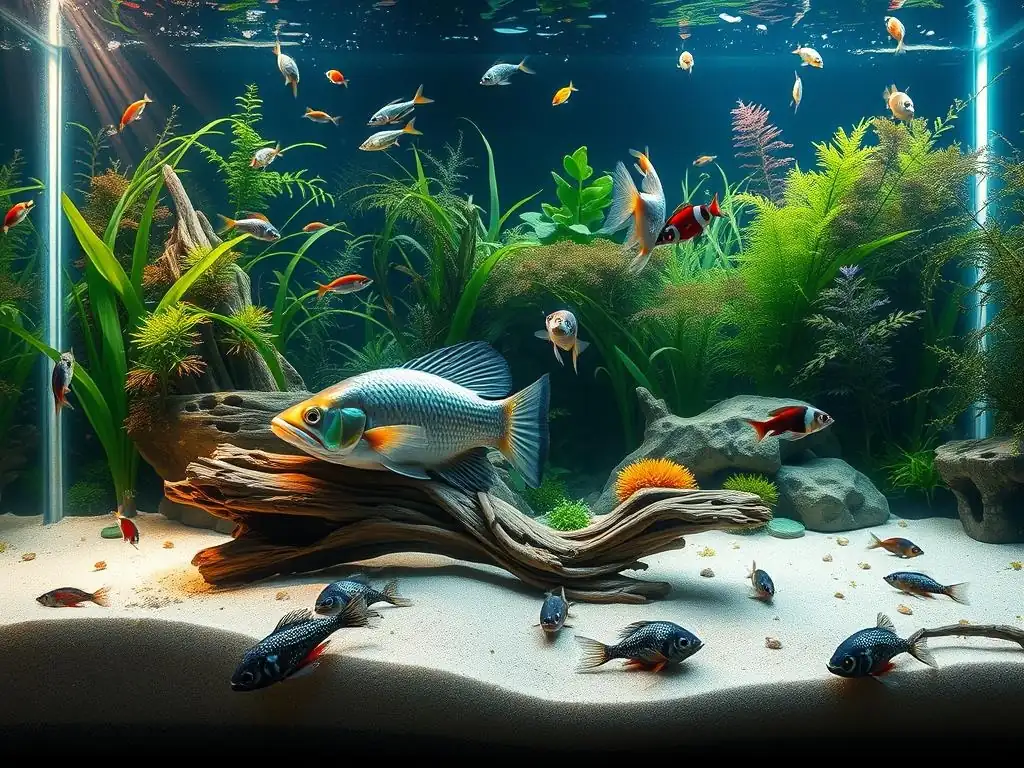
Welcome to Aquarium Mastery!
Are you baffled by sudden barb deaths in your aquarium? It's a heartbreaking experience for any aquarist, and we understand. Dive into our comprehensive guide, "Sudden Barb Deaths: Investigating Mysterious Losses in Your Aquarium," where we unravel the potential causes behind these unexpected losses. Prepare to explore everything from water chemistry imbalances to hidden diseases, and learn how to protect your vibrant barb community. Let's get started and find the answers together!
- Understanding Sudden Barb Deaths in Your Aquarium
- Water Quality Issues Leading to Barb Deaths
- Disease and Parasites Affecting Barb Health
- Stress Factors Contributing to Barb Mortality
- Investigating Specific Barb Species Susceptibility
- Preventative Measures to Avoid Sudden Barb Deaths
- Troubleshooting Checklist for Sudden Barb Deaths
-
Frequently Asked Questions
- Why are my barbs suddenly dying in my aquarium?
- What are the most common signs of illness in barbs that might lead to sudden death?
- How can I test my aquarium water to prevent sudden barb deaths?
- What are some common diseases that affect barbs and can lead to sudden death?
- What steps can I take to prevent sudden barb deaths in my aquarium?
- Final Reflection: Unraveling the Mysteries of Aquatic Life
- Unleash Your Inner Aquarium Detective!
Understanding Sudden Barb Deaths in Your Aquarium
Identifying Potential Causes of Barb Mortality
When faced with sudden barb deaths aquarium, it's crucial to understand the multifaceted nature of fish mortality. While barbs are generally considered hardy and resilient, they can succumb rapidly to acute environmental changes or disease outbreaks. The most common categories contributing to barb mortality include critical water quality issues (e.g., ammonia spikes), rapid temperature fluctuations, virulent diseases, and severe stress factors. For instance, a drastic pH drop from 7.0 to 5.5 in a matter of hours can be lethal for a school of Tiger Barbs, leading to immediate fatalities.
Pinpointing a single cause for sudden barb deaths can be challenging, as often multiple contributing factors weaken the fish before a final trigger. For example, a tank experiencing chronic high nitrate levels (above 40 ppm) might not immediately cause death, but it significantly stresses barbs, suppressing their immune system. This weakened state then makes them highly susceptible to a common pathogen like Ich, which, when combined with the underlying stress, results in rapid and unexpected barb mortality across the school. It’s the cumulative effect that often leads to these mysterious losses.
The Importance of Quick Diagnosis for Barb Health
The swiftness of sudden barb deaths aquarium necessitates an equally swift diagnostic and intervention process. A single death, particularly among schooling fish like barbs, is rarely an isolated incident; it often serves as an urgent warning sign of a systemic problem threatening the entire aquarium ecosystem. For example, if one Cherry Barb dies from an acute ammonia spike (e.g., 2.0 ppm), it's highly probable that the remaining 10-15 barbs in the school are also suffering severe gill damage and could perish within 24-48 hours if no action is taken.
Immediate action can be the difference between losing one fish and losing an entire community. This includes meticulously observing the remaining fish for any signs of distress (such as gasping at the surface, clamped fins, or lethargy), performing comprehensive water parameter tests without delay, and preparing for emergency interventions like large water changes or medication. A prompt response to initial barb mortality can effectively halt a cascading crisis, saving valuable fish and preserving the delicate balance of your aquatic environment.
Water Quality Issues Leading to Barb Deaths
Ammonia and Nitrite Poisoning: Silent Killers of Barbs
Ammonia (NH3/NH4+) and nitrite (NO2-) are highly toxic compounds that are byproducts of fish waste and decaying organic matter. In a healthy, cycled aquarium, beneficial bacteria convert these toxins into less harmful nitrates (NO3-). However, in new tanks, overstocked tanks, or those with inadequate filtration, ammonia and nitrite levels can spike rapidly, leading to severe poisoning. Even a concentration of 0.25 ppm ammonia or 0.1 ppm nitrite can cause significant stress and gill damage in barbs, often resulting in sudden barb deaths aquarium due to their inability to properly respire and excrete waste.
The effects of ammonia and nitrite poisoning are insidious, often manifesting as labored breathing, lethargy, red gills, and eventually, organ failure. Barbs exposed to these toxins might appear fine one day and be found dead the next. For instance, a common scenario for barb mortality is the introduction of a large group of barbs into an uncycled 20-gallon tank; the bio-load quickly overwhelms the nascent bacterial colony, causing ammonia to skyrocket from 0 ppm to 1-2 ppm within days, leading to rapid and widespread sudden barb deaths.
Testing Your Aquarium Water for Ammonia and Nitrites
Accurate and regular water testing is the first line of defense against sudden barb deaths caused by ammonia and nitrite. Liquid-based test kits are highly recommended over test strips, as they offer superior precision and reliability. For example, a quality liquid test kit can detect ammonia levels with an accuracy of ±0.1 ppm and nitrites with ±0.05 ppm, providing clear warnings before levels become critically toxic. Test strips, while convenient, often have a wider margin of error, sometimes up to 0.5 ppm, which can delay crucial interventions.
To effectively monitor your barb health, perform water tests at least once a week, and immediately whenever you notice any signs of distress or sudden barb deaths aquarium. When using a liquid kit, follow the manufacturer's instructions meticulously, ensuring proper shaking of reagents and accurate color comparisons. Consistent testing at roughly the same time of day can help identify patterns and prevent future barb mortality events, especially after significant tank changes like adding new fish or performing filter maintenance.
Immediate Actions to Reduce Ammonia and Nitrite Levels
Upon detecting any measurable ammonia or nitrite (ideally both should be 0 ppm in a cycled tank), the most critical immediate action is a large water change. A 30-50% water change can significantly dilute the concentration of these toxins, providing immediate relief to your barbs. For example, if your ammonia level is 2.0 ppm, a 50% water change will instantly reduce it to approximately 1.0 ppm, buying crucial time for your fish and allowing you to address the root cause of the spike.
Following the water change, consider adding an ammonia-detoxifying water conditioner (e.g., Seachem Prime or AmGuard), which temporarily neutralizes ammonia and nitrite, making them less harmful for up to 24-48 hours without removing them from the system. Increase aeration using an air stone to maximize dissolved oxygen, which aids fish respiration and bacterial activity. Temporarily cease feeding for 24-48 hours to reduce the bio-load, and ensure your filtration system is functioning optimally. Continue to monitor water parameters every 12-24 hours and perform smaller (20-25%) water changes daily until ammonia and nitrite return to zero, preventing further sudden barb deaths.
pH Imbalances and Barb Sensitivity
pH, a measure of acidity or alkalinity, is a critical water parameter for barb health. While most barbs tolerate a pH range of 6.0 to 7.5, consistency is far more important than hitting an exact number. Rapid fluctuations in pH, even by as little as 0.5 units within a few hours (e.g., a sudden drop from pH 7.0 to 6.5), can induce severe osmotic shock in fish. This shock can fatally disrupt their internal bodily functions, leading to organ failure and sudden barb deaths aquarium much faster than a consistently high or low pH.
Common culprits behind pH imbalances include unbuffered source water (tap water with low alkalinity that can experience pH crashes), the addition of CO2 for planted tanks without proper monitoring, or the presence of decor that drastically alters water chemistry (e.g., certain rocks raising pH or driftwood lowering it excessively). For instance, if your tap water has a low KH (carbonate hardness) of 2-3 dKH, the pH can easily plummet overnight due to the natural buildup of acids from fish respiration and decomposition, resulting in unexpected barb mortality.
Understanding the Ideal pH Range for Barbs
Different barb species have slightly varied ideal pH ranges, though most fall within the slightly acidic to neutral spectrum. For instance, the popular Tiger Barbs (Puntigrus tetrazona) generally thrive in pH 6.0-7.0, while Cherry Barbs (Puntius titteya) prefer a similar range of 6.0-7.0. Denison Barbs (Sahyadria denisonii), being more sensitive, prefer a stable pH between 6.5-7.5. Understanding these specific requirements is crucial, as maintaining a pH consistently outside these ranges, especially if fluctuating, places immense stress on the fish and contributes to sudden barb deaths.
Physiologically, an incorrect pH impairs a barb's ability to regulate its internal salt and water balance (osmoregulation) and can damage their delicate gill tissues. In acidic water, fish struggle to excrete ammonia, while in alkaline water, ammonia becomes more toxic. This leads to symptoms like labored breathing, lethargy, and a loss of appetite. Prolonged exposure to an unsuitable pH, or sudden changes, overwhelms their systems, leading to severe distress and eventual barb mortality.
Adjusting pH Levels Safely in Your Aquarium
Adjusting pH levels in an aquarium requires extreme caution and should always be done gradually to avoid shocking your fish and causing sudden barb deaths. Never attempt to alter pH by more than 0.2 units per 24 hours. The safest methods involve using aquarium-specific pH buffers (e.g., Seachem Acid Buffer for lowering, Seachem Alkaline Buffer for raising) or natural methods that provide slow, controlled changes. For example, adding peat moss to the filter or using properly cured driftwood can gradually lower pH and soften water over several days.
Avoid using household chemicals like baking soda (to raise pH) or vinegar (to lower pH) unless you are an experienced aquarist, as they can cause unpredictable and dangerous pH swings, directly leading to sudden barb deaths aquarium. When performing water changes, ensure the new water's pH matches the tank's pH as closely as possible to prevent fluctuations. Consistent monitoring with a reliable pH test kit is essential to maintain stability and prevent barb mortality due to pH shock.
Temperature Fluctuations and Their Impact on Barb Health
Barbs are tropical fish, and as such, they require stable, warm water temperatures, typically ranging from 72-78°F (22-26°C). Sudden barb deaths can often be attributed to rapid and significant temperature fluctuations. A drop or rise of more than 5°F (3°C) within a few hours, for instance, if a heater fails overnight and the tank temperature plummets from 76°F to 68°F, can induce severe thermal shock. This shock weakens the barbs' immune systems, making them highly susceptible to disease and causing immediate physiological distress that can be fatal.
Common causes of temperature instability include faulty or undersized heaters, drastic unheated water changes, tanks placed in drafty areas, or direct exposure to sunlight. Even seemingly minor temperature swings, if frequent, can chronically stress barbs, leading to lethargy, loss of appetite, and increased susceptibility to infections like Ich. This cumulative stress eventually culminates in barb mortality, often appearing as sudden barb deaths without obvious prior symptoms.
Maintaining a Stable Aquarium Temperature
To prevent sudden barb deaths aquarium due to temperature fluctuations, investing in a reliable, appropriately sized aquarium heater is paramount. A general guideline is 5 watts of heater power per gallon of water for tanks in average room temperatures. For example, a 20-gallon tank would typically require a 100-watt heater. For larger tanks or added security, using two smaller heaters (e.g., two 150-watt heaters in a 75-gallon tank) can provide more even heat distribution and redundancy in case one unit fails, significantly reducing the risk of a catastrophic temperature drop.
Regularly check your heater's functionality and monitor the tank temperature with an accurate thermometer. Digital thermometers are often more precise than traditional stick-on types. Place the thermometer away from the heater to get an accurate average tank temperature reading. Additionally, avoid placing the aquarium near windows, air conditioning vents, or heating ducts, as these can introduce external temperature variations that destabilize the tank environment and compromise barb health.
The Role of Heaters and Chillers in Barb Care
Heaters are fundamental to maintaining the specific warm temperature range essential for tropical barbs. A consistent temperature supports optimal metabolic function, digestion, and a robust immune system. Without proper heating, barbs are constantly fighting against a suboptimal environment, leading to chronic stress, reduced disease resistance, and ultimately, sudden barb deaths. For instance, a persistent temperature below 70°F (21°C) will cause most barb species to become sluggish, lose appetite, and eventually succumb to stress or opportunistic infections.
While less common for typical barb setups, chillers play a vital role in preventing overheating in certain situations. In exceptionally hot climates, or for tanks with high-power lighting that significantly elevates water temperature, chillers ensure temperatures do not exceed the safe upper limit (typically 80°F or 27°C for most barbs). Overheating can drastically reduce dissolved oxygen levels, leading to heat stress and suffocation, another less common but equally fatal cause of sudden barb deaths. If your tank consistently reaches temperatures above 82°F (28°C), a chiller might be a necessary investment to safeguard barb health.
Disease and Parasites Affecting Barb Health
Identifying Common Barb Diseases
While barbs are known for their resilience, stress and suboptimal water quality can severely compromise their immune systems, making them vulnerable to a range of diseases and parasitic infections. Recognizing the early signs of illness is crucial to prevent widespread sudden barb deaths aquarium. Common ailments include Ich (White Spot Disease), various bacterial infections like Fin Rot, and internal or external parasites. A single sick barb can rapidly spread pathogens throughout a densely populated school, leading to a domino effect of barb mortality.
General symptoms to look out for include changes in behavior such as lethargy, hiding, or darting erratically; physical signs like clamped fins, rapid gill movement, visible spots, growths, or frayed fins; and changes in appetite or coloration. For example, a normally active Tiger Barb that suddenly becomes reclusive and develops white spots should immediately raise concerns about Ich. Proactive observation is key to addressing these issues before they lead to sudden barb deaths.
Ich (White Spot Disease) in Barbs: Symptoms and Treatment
Ich, caused by the parasite Ichthyophthirius multifiliis, is one of the most common and rapidly spreading diseases in freshwater aquariums, often leading to sudden barb deaths if not promptly treated. Symptoms include small, white, salt-like spots visible on the body, fins, and gills, accompanied by flashing (rubbing against tank decor), clamped fins, and labored breathing. The parasites burrow into the fish's skin, causing irritation and eventually compromising gill function, leading to suffocation.
Treatment for Ich typically involves a combination of methods. Gradually raise the tank temperature to 82-86°F (28-30°C) over 24 hours, as the higher temperature accelerates the parasite's life cycle, making it more susceptible to medication. Add aquarium salt (1 tablespoon per 5 gallons, ensuring compatibility with plants and invertebrates) and use an anti-Ich medication containing malachite green or formalin (e.g., Kordon Rid-Ich Plus), strictly following dosage instructions. Perform daily partial water changes (25%) before re-dosing to remove free-swimming parasites and improve water quality, which is crucial for barb health and recovery.
Fin Rot and Bacterial Infections in Barbs
Fin Rot is a common bacterial infection characterized by the erosion or fraying of fins, often with a white or reddish edge. It's typically a secondary infection, meaning it occurs when fish are stressed by poor water quality (e.g., high ammonia, nitrite, or nitrates), incompatible tank mates, or physical injury. If left untreated, the infection can spread to the body, causing systemic issues and leading to sudden barb deaths aquarium.
Treatment for Fin Rot and other bacterial infections primarily involves addressing the underlying stress factors. Immediately perform a large water change (30-50%) and maintain pristine water quality with daily 25-30% water changes. Administer a broad-spectrum antibacterial medication (e.g., Furan-2, Maracyn) as directed by the manufacturer. Adding aquarium salt (1 teaspoon per gallon) can also aid in healing and reduce stress. Consistent water changes and proper tank hygiene are vital for preventing recurrence and promoting barb health.
Parasitic Infections: Recognizing and Addressing Them
Beyond Ich, barbs can be affected by various other parasitic infections, both internal and external. External parasites like gill flukes ( Dactylogyrus) or body flukes ( Gyrodactylus) can cause rapid gill movement, scratching, or visible lesions. Internal parasites, such as Hexamita or various worms (e.g., tapeworms, nematodes), often lead to emaciation despite eating, white stringy feces, bloating, or lethargy. These parasites can significantly weaken barbs, making them susceptible to secondary infections and contributing to sudden barb deaths.
Diagnosis of internal parasites often requires careful observation of feces and behavior, while external parasites might be visible or inferred from severe respiratory distress. Treatment for internal parasites typically involves medicated foods containing active ingredients like metronidazole or praziquantel. For external flukes, praziquantel-based medications (e.g., PraziPro) or specific dips might be necessary. Always remove activated carbon from the filter during medication, follow dosage instructions precisely, and ensure good water quality to support barb health during recovery.
Quarantine Procedures for New Barbs
A dedicated quarantine tank is an indispensable tool for preventing sudden barb deaths aquarium caused by disease introduction. This separate, fully cycled aquarium (at least 10-20 gallons for a small school of barbs) allows you to isolate new fish for a period of 2-4 weeks. During this time, you can observe them for any signs of illness, treat them if necessary, and prevent the potential spread of pathogens to your established display tank. For example, introducing a batch of 6 new Tiger Barbs directly into a main tank without quarantine could easily introduce Ich, potentially wiping out all 20 existing fish within days.
During the quarantine period, maintain stable water parameters and provide adequate hiding spots to reduce stress. Observe the new barbs daily for any symptoms of disease or abnormal behavior. Many aquarists opt for prophylactic treatment for common ailments like Ich during quarantine, even if no symptoms are present. Only transfer healthy, active, and disease-free barbs to your main aquarium after the full quarantine period, safeguarding the long-term barb health of your entire community.
Preventing Disease Introduction to Your Established Aquarium
Quarantine remains the single most effective measure to prevent disease introduction and subsequent sudden barb deaths in your established aquarium. Even fish that appear perfectly healthy at the pet store can be carriers of dormant pathogens that may flare up under the stress of a new environment or infect existing, less resistant fish. The small investment in a quarantine tank and the time spent observing new fish can save you significant heartache and expense down the line.
Beyond quarantine, other preventative measures are crucial. Avoid cross-contamination by using separate nets and equipment for your quarantine tank and main tank, or thoroughly disinfect them between uses. Practice good hand hygiene before and after handling aquarium water or equipment. Furthermore, always purchase fish from reputable local fish stores or breeders who maintain clean tanks and visibly healthy stock. Observing the fish in the store for signs of disease or distress before purchase can also help reduce the risk of bringing home compromised barb health.
Stress Factors Contributing to Barb Mortality
Overcrowding and Its Effect on Barb Stress Levels
Overcrowding is a leading, yet often underestimated, cause of sudden barb deaths aquarium. While the "one inch of fish per gallon" rule is a popular guideline, it is overly simplistic, especially for active, schooling fish like barbs. An overcrowded tank leads to a rapid accumulation of waste, resulting in persistently high nitrate levels and potentially ammonia/nitrite spikes, even with regular filtration. This constant exposure to suboptimal water quality creates chronic environmental stress, severely compromising the barbs' immune systems and making them highly vulnerable to disease.
Beyond water quality, overcrowding also induces significant behavioral stress. Barbs, particularly Tiger Barbs, require ample space to swim and establish territories within their school. In a confined environment, aggression (e.g., fin nipping) intensifies, and competition for food and hiding spots increases. This chronic stress depletes their energy reserves, leading to suppressed immune function, stunted growth, and eventually, barb mortality. For example, trying to keep 15 adult Tiger Barbs in a 20-gallon tank will almost certainly lead to frequent sudden barb deaths due to stress and poor conditions.
Determining the Appropriate Stocking Density for Your Aquarium
To ensure optimal barb health and prevent sudden barb deaths, it's crucial to determine the appropriate stocking density for your aquarium. For active schooling barbs like Tiger Barbs, a minimum of 2-3 gallons per adult fish is a more realistic guideline, and they should always be kept in schools of at least 6-8 individuals to diffuse aggression. A 55-gallon tank is often considered the minimum for a healthy school of 10-12 adult Tiger Barbs, providing ample swimming space and reducing stress.
When planning your stocking, always consider the adult size of the fish, not just their current size. Factor in your filtration capacity and your commitment to a consistent maintenance schedule. A heavily planted tank with robust filtration can sometimes support a slightly higher density, but it's always safer to understock than overstock. Proper stocking ensures stable water parameters, reduces stress, and allows barbs to exhibit their natural schooling behaviors, preventing barb mortality from overcrowding.
Aggression from Tank Mates: Barb Compatibility
Barbs, especially species like Tiger Barbs, are known for their boisterous and sometimes nippy behavior. If not kept in sufficiently large schools (minimum of 6-8 individuals), their inherent aggression can turn inward, leading to fin nipping among themselves, or outward towards inappropriate tank mates. Introducing long-finned, slow-moving, or very small fish with Tiger Barbs is a common mistake that causes immense stress, injury, and ultimately sudden barb deaths for the bullied fish.
Being constantly harassed prevents fish from feeding properly, causes physical injuries (e.g., torn fins, scale damage), and induces chronic stress. This stress severely suppresses their immune system, making them highly susceptible to secondary infections like Fin Rot or fungal growth. For instance, an Angelfish kept with Tiger Barbs will likely have its long fins shredded, leading to chronic stress and eventually barb mortality due to infection or sheer exhaustion, even if the Tiger Barbs themselves remain healthy.
Choosing Suitable Tank Mates for Barbs
To prevent sudden barb deaths aquarium due to aggression, careful selection of tank mates is paramount. For nippy species like Tiger Barbs, choose similarly sized, fast-moving, and robust fish that can hold their own. Good companions often include other fast-moving barbs (e.g., Denison Barbs, Rosy Barbs in larger tanks), Clown Loaches, larger Danios, and some hardy Tetras like Congo Tetras. The key is to select fish that are not easily intimidated and do not have long, flowing fins that invite nipping.
For more peaceful barb species like Cherry Barbs, which are less aggressive, a wider range of tank mates is suitable, including smaller Tetras (e.g., Neon Tetras, Black Skirt Tetras), Corydoras catfish, and peaceful Rasboras. Always research the specific temperament and requirements of any potential tank mate before introduction. Ensure your tank is adequately sized to accommodate all species comfortably, providing enough space for everyone to thrive and minimize stress-related barb mortality.
Observing Barb Behavior for Signs of Stress
Daily observation of your barbs' behavior is a critical, yet often overlooked, component of preventing sudden barb deaths. Changes in normal behavior are often the earliest indicators of underlying stress, disease, or water quality issues. Look for signs such as excessive hiding, clamped fins (fins held close to the body), rapid gill movement (indicating respiratory distress), darting or erratic swimming, loss of vibrant coloration, refusal to eat, or unusual aggression/passivity towards tank mates.
For example, a normally active school of Denison Barbs that suddenly huddles together at the bottom of the tank, showing faded coloration and rapid breathing, is a clear sign of severe stress, possibly due to a sudden temperature drop or ammonia spike. Keeping a mental or physical checklist of normal behaviors and noting any deviations can help you intervene promptly. Addressing these stress indicators early can prevent the cumulative effect that often leads to unexpected barb mortality.
Poor Diet and Nutritional Deficiencies in Barbs
A complete, balanced, and varied diet is fundamental for maintaining optimal barb health and preventing sudden barb deaths. Relying solely on one type of food, especially a low-quality flake food, can lead to significant nutritional deficiencies over time. Lack of essential vitamins, minerals, and proteins weakens the barbs' immune systems, making them highly susceptible to diseases and less resilient to environmental stressors. Chronic malnutrition can also cause stunted growth, deformities, and internal organ damage, leading to premature barb mortality.
Conversely, overfeeding is another common dietary issue that indirectly contributes to sudden barb deaths aquarium. Excess food decays in the tank, rapidly polluting the water by increasing ammonia, nitrite, and nitrate levels. This directly compromises water quality, leading to toxic conditions that can quickly overwhelm a barb's system. Therefore, striking a balance between providing adequate nutrition and avoiding overfeeding is crucial for long-term barb health and tank stability.
Providing a Balanced Diet for Optimal Barb Health
To ensure optimal barb health and prevent sudden barb deaths from nutritional deficiencies, provide a varied and high-quality diet. A good foundation is a premium flake or pellet food designed for tropical fish, which should be supplemented with a variety of other options. Include frozen foods such as bloodworms, brine shrimp, and daphnia 2-3 times a week to provide essential proteins and variety. Occasional live foods, like mosquito larvae or small worms (sourced safely to avoid introducing pathogens), can also be beneficial.
For omnivorous or herbivorous barb species (like some Rosy Barbs or Cherry Barbs), incorporating vegetable matter is also important. This can include blanched spirulina flakes, algae wafers, or even small pieces of blanched zucchini. Feed small amounts multiple times a day (2-3 times) rather than one large feeding, ensuring that all food is consumed within 2-3 minutes. This approach minimizes waste, maintains water quality, and ensures all barbs get adequate nutrition, significantly reducing the risk of barb mortality.
Recognizing Signs of Malnutrition in Barbs
Recognizing the signs of malnutrition in your barbs can help you intervene before it leads to sudden barb deaths. Common indicators include stunted growth (a barb that is significantly smaller than its age-mates), dull or faded coloration, emaciation (a sunken belly or very thin body profile despite eating), and general lethargy. For example, a 6-month-old Tiger Barb that is only 1 inch long when it should typically be closer to 2 inches indicates severe nutritional deficiency, making it highly vulnerable.
Chronic malnutrition severely compromises the immune system, making the fish highly susceptible to opportunistic infections that a well-fed fish would easily fight off. Even minor environmental fluctuations or the presence of common pathogens can then trigger barb mortality in an already weakened fish. If you observe these signs, immediately review and adjust your feeding regimen, ensuring a diverse diet with high-quality foods to restore barb health and prevent further sudden barb deaths.
Investigating Specific Barb Species Susceptibility
Sudden Deaths in Tiger Barbs: Common Issues
Tiger Barbs (Puntigrus tetrazona) are widely popular due to their vibrant coloration and active schooling behavior. While generally hardy, they are notoriously semi-aggressive and prone to stress if not kept in appropriate groups (minimum 6-8 individuals) or if housed with incompatible tank mates. A common cause of sudden barb deaths aquarium in Tiger Barbs is stress-induced illness or direct injury from excessive fin nipping, especially when kept in insufficient numbers where aggression is concentrated on a few individuals.
Another frequent contributor to barb mortality in Tiger Barbs is their relatively high metabolism, which means they produce more waste. In overcrowded tanks or those with inadequate filtration, ammonia and nitrate levels can quickly escalate, leading to rapid water quality deterioration. This acute or chronic exposure to toxins is a primary driver of sudden barb deaths, as their systems are quickly overwhelmed. They are also quite sensitive to rapid temperature fluctuations, which can trigger Ich outbreaks that, if untreated, cause mass sudden barb deaths.
Cherry Barb Deaths: Specific Concerns
Cherry Barbs (Puntius titteya) are known for their peaceful nature and beautiful red coloration, making them excellent community fish. However, despite their docile temperament, they are particularly sensitive to rapid changes in water parameters, especially pH and temperature. A sudden pH swing of 0.5 units or more, or a temperature drop of 5°F (3°C) within a short period, can induce severe shock and lead to sudden barb deaths. They prefer stable, slightly acidic to neutral water (pH 6.0-7.0) and consistent temperatures.
While less prone to aggression-related stress than Tiger Barbs, Cherry Barbs can still suffer from barb mortality due to overcrowding, which compromises water quality and increases susceptibility to bacterial infections like Columnaris or Fin Rot. They are also less tolerant of persistently high nitrate levels than some other barb species, emphasizing the importance of regular and consistent water changes (e.g., 25% weekly) to maintain pristine conditions and prevent sudden barb deaths aquarium in these delicate fish.
Denison Barb Mortality: Addressing Unique Needs
Denison Barbs (Sahyadria denisonii), also known as Roseline Sharks, are stunning and active fish that command a higher price tag and demand more specialized care. They are highly sensitive to water quality, particularly intolerant of any measurable ammonia or nitrite. Even trace amounts (e.g., 0.1 ppm ammonia) can cause significant stress, gill damage, and often lead to sudden barb deaths. They thrive in highly oxygenated water with strong currents, mimicking their natural riverine habitats.
Their larger adult size (up to 6 inches) and schooling nature mean they require very spacious aquariums, typically a minimum of 55-75 gallons for a healthy school of 6-8 individuals. Stress from inadequate space, insufficient water flow, or a poor diet can quickly lead to health decline and barb mortality. Denison Barbs are also known to be more susceptible to transport stress, making careful acclimation crucial upon introduction to a new tank to prevent sudden barb deaths aquarium during the initial period.
Preventative Measures to Avoid Sudden Barb Deaths
Regular Water Changes and Aquarium Maintenance
Regular water changes are the single most effective preventative measure against sudden barb deaths aquarium and the cornerstone of good aquarium husbandry. Performing routine water changes (e.g., 25-30% weekly or bi-weekly, depending on stocking density and filtration) effectively dilutes accumulated nitrates, replenishes essential minerals, and removes dissolved organic pollutants that can stress fish and compromise barb health. For instance, in a well-stocked 55-gallon tank, a consistent weekly 25% water change can keep nitrates below 20 ppm, whereas skipping it for two weeks could see levels climb to 50+ ppm, leading to chronic stress and eventual barb mortality.
Beyond water changes, comprehensive aquarium maintenance includes gravel vacuuming to remove detritus and uneaten food from the substrate, cleaning filter media (always in old tank water to preserve beneficial bacteria), wiping down tank glass to prevent algae buildup, and visually inspecting all equipment. A clean, stable, and well-maintained environment significantly reduces stress on your barbs, minimizes the risk of disease outbreaks, and prevents the conditions that lead to sudden barb deaths.
Proper Filtration and Water Circulation
A robust and appropriately sized filtration system is paramount for maintaining stable water quality and preventing sudden barb deaths. Biological filtration, provided by beneficial bacteria colonizing filter media, is especially critical as it converts highly toxic ammonia and nitrite into less harmful nitrates. Over-filtering your tank (e.g., using a filter rated for 60 gallons on a 30-gallon tank) is often beneficial, as it provides extra capacity for biological filtration and ensures cleaner water.
Adequate water circulation is equally important, especially for active barbs like Denison Barbs that thrive in flowing water. Good circulation ensures even distribution of oxygen throughout the tank and prevents the formation of stagnant areas where waste can accumulate and dissolved oxygen can deplete. Powerheads or strategically positioned filter outputs can enhance flow, providing the necessary current and ensuring high oxygen levels. Low dissolved oxygen can lead to respiratory distress, lethargy, and directly contribute to barb mortality.
Observing Your Barbs for Early Signs of Illness
Proactive and diligent observation of your barbs is one of the most powerful tools in preventing sudden barb deaths. Dedicate 5-10 minutes each day to simply watching your fish. Look for subtle changes in their normal behavior, swimming patterns, breathing rate, fin condition, appetite, and coloration. Early detection of illness or stress can be the difference between a minor issue and a widespread barb mortality event.
Keep a mental note or a small log of your barbs' typical activity levels and feeding habits. For example, if a normally active school of Tiger Barbs suddenly becomes lethargic, huddles in a corner, or shows clamped fins, it's a clear red flag. If a Cherry Barb that usually schools begins to isolate itself, it warrants immediate investigation of water parameters and a closer look for physical symptoms. This consistent, attentive observation allows for prompt intervention, significantly increasing the chances of successful treatment and preventing further sudden barb deaths aquarium.
Troubleshooting Checklist for Sudden Barb Deaths
Step-by-Step Guide to Identify the Problem
When confronted with sudden barb deaths aquarium, a systematic troubleshooting approach is essential to identify the root cause quickly and prevent further barb mortality. Follow this step-by-step guide:
- Immediate Water Test: This is the most crucial first step. Test for ammonia, nitrite, nitrate, pH, and temperature. Record the exact readings. Any measurable ammonia or nitrite, or extreme/fluctuating pH/temperature, is a critical indicator.
- Observe Remaining Fish: Carefully examine all surviving barbs and other tank inhabitants. Look for specific symptoms like white spots (Ich), frayed fins (Fin Rot), labored breathing, clamped fins, listlessness, or unusual scratching. Note if the deaths are isolated or affecting multiple species.
- Check Equipment Functionality: Verify that your heater is working and maintaining the correct temperature. Ensure the filter is running properly and providing adequate flow. Check air stones or powerheads for proper aeration and circulation.
- Review Recent Changes: Consider anything new or different in the last 24-72 hours. Did you add new fish (without quarantine)? Introduce new plants or decor? Change food brands? Perform a large water change with unconditioned water? Use any new chemicals or medications? These can often trigger
sudden barb deaths.
Continue the troubleshooting process:
- Assess Tank Mates and Stocking: Are there any overly aggressive tank mates bullying the barbs? Is the tank overcrowded for the species you keep? Overcrowding and bullying are significant sources of chronic stress that can lead to
barb mortality. - Evaluate Feeding Habits: Have you been overfeeding, leading to excess waste? Or underfeeding, causing malnutrition? Is the food old or expired? Poor diet can weaken the immune system and contribute to
sudden barb deaths. - Consider Other Environmental Factors: Is the tank near a drafty window, direct sunlight, or a source of household chemicals (e.g., air fresheners, cleaning sprays)? These external factors can subtly but significantly impact
barb health.
By systematically going through this checklist, you can often narrow down the potential causes of sudden barb deaths and take targeted, effective action to stabilize your aquarium and prevent further losses.
Consulting with an Aquarium Expert for Assistance
If you have meticulously followed the troubleshooting checklist and are still unable to identify the cause of sudden barb deaths, or if the problem persists despite your interventions, it's time to consult with an aquarium expert. This could be a knowledgeable staff member at a reputable local fish store, an experienced aquarist from an online forum or club, or, in severe cases, a specialized aquatic veterinarian. Their expertise can provide a fresh perspective and help diagnose complex issues that might be beyond the scope of a typical hobbyist.
When seeking professional assistance, be prepared to provide as much detailed information as possible. This includes your tank size and setup (filtration type, substrate, decor), a complete list of all tank inhabitants, precise readings of all water parameters (ammonia, nitrite, nitrate, pH, temperature, GH, KH), your regular maintenance schedule, any recent changes made to the tank, and specific observations of the deceased fish and any remaining sick fish. Clear and comprehensive documentation significantly aids in accurate diagnosis and finding a solution to prevent further barb mortality and restore barb health to your aquarium.
Frequently Asked Questions
Why are my barbs suddenly dying in my aquarium?
Sudden barb deaths can be caused by a variety of factors, including poor water quality, disease outbreaks, or sudden changes in tank parameters like temperature or pH.
What are the most common signs of illness in barbs that might lead to sudden death?
Look for signs like lethargy, loss of appetite, clamped fins, or visible lesions on their bodies. These indicate underlying health issues that may lead to sudden death.
How can I test my aquarium water to prevent sudden barb deaths?
Regularly test your water for ammonia, nitrite, and nitrate levels using a reliable aquarium test kit. High levels of these substances are toxic to fish and can cause rapid mortality.
What are some common diseases that affect barbs and can lead to sudden death?
Common diseases include Ich (white spot disease), bacterial infections, and parasitic infestations. Quick identification and treatment are crucial for survival.
What steps can I take to prevent sudden barb deaths in my aquarium?
Maintaining stable water parameters, performing regular water changes, quarantining new fish, and providing a balanced diet are all vital for preventing sudden deaths.
Final Reflection: Unraveling the Mysteries of Aquatic Life
The sudden and unexplained loss of life in an aquarium, especially the vibrant barbs, is more than just a frustrating experience; it's a stark reminder of the delicate balance within these miniature ecosystems. Understanding the complex interplay of water chemistry, disease, and environmental stressors is crucial not only for the well-being of our aquatic companions but also for appreciating the fragility of life itself.
This exploration into the causes of sudden barb deaths has highlighted the importance of responsible aquarium keeping. It's a journey that connects us to the natural world, demanding careful observation and a commitment to creating a thriving environment. The responsibility we take on when introducing life into our homes extends beyond mere aesthetics; it requires a deep understanding and respect for the needs of these creatures. The greatness of a nation and its moral progress can be judged by the way its animals are treated.
- Mahatma Gandhi. This quote resonates deeply when we consider the care we provide to our aquatic friends.
As we conclude this investigation, let us not simply file away this knowledge. Instead, let us use it to become more conscientious aquarists, more attentive observers, and more dedicated stewards of the miniature worlds we create. Take the lessons learned here – the importance of water testing, quarantine procedures, and careful observation – and apply them to your own aquarium. By doing so, you not only protect your barbs but also contribute to a greater understanding and appreciation for the delicate beauty of aquatic life.
Unleash Your Inner Aquarium Detective!
Thank you for delving into the world of barb mysteries! We hope you've gained valuable insights into identifying and addressing potential causes of sudden fish loss. Now it's time to put that knowledge into action and ensure the health and vibrancy of your aquarium.
Here are some steps you can take to protect your barbs:
- Immediately test your water parameters— ammonia, nitrite, nitrate, pH, and temperature are crucial indicators of your aquarium's health.
- Consider setting up a quarantine tank for any new or sick fish to prevent the spread of potential diseases.
- Share your newfound knowledge! Help fellow aquarium enthusiasts by discussing your findings and solutions in online forums or local aquarium groups.
What immediate steps will you take to investigate the health of your aquarium after reading this article?