
Clownfish Communication: Understanding Their Clicks, Wiggles & Spawning Signals

Welcome to Aquarium Mastery!
Ever wondered what those curious clicks and wiggles from your clownfish really mean? Delve into the fascinating world of these captivating creatures and unlock the secrets behind their unique communication. Our in-depth guide, " Clownfish Communication: Understanding Their Clicks, Wiggles & Spawning Signals," reveals the subtle cues that signal everything from dominance displays to the exciting beginnings of clownfish spawning behavior signals. Are you ready to decipher the language of your favorite reef dwellers? Read on to discover more!
- Understanding Clownfish Communication: An Introduction to Clownfish Behavior
- Clownfish Clicks: Deciphering Audible Signals
- Clownfish Wiggles: Visual Cues in Clownfish Society
- Clownfish Spawning Behavior Signals: Preparing for Reproduction
- Decoding Clownfish Aggression: Communication During Conflicts
- The Anemone Connection: Communication Within the Symbiotic Relationship
- Promoting Natural Clownfish Behavior in Your Aquarium
- Optimizing Spawning Conditions for Clownfish: Encouraging Breeding
- Raising Clownfish Fry: Post-Spawning Care and Communication
- Conclusion: Mastering the Art of Understanding Clownfish
-
Frequently Asked Questions
- What are the primary spawning behavior signals clownfish exhibit?
- How can I identify if my clownfish are preparing to spawn based on their communication?
- What role do "clicks" and "wiggles" play in clownfish courtship and spawning?
- What environmental factors can influence clownfish spawning behavior in an aquarium?
- How can I improve the chances of successful clownfish spawning in my home aquarium?
- Final Reflection: Decoding the Language of the Reef
- Dive Deeper: Uncover the Secrets of Clownfish Chatter!
Understanding Clownfish Communication: An Introduction to Clownfish Behavior
The Importance of Decoding Clownfish Communication
Understanding the intricate communication methods of clownfish is paramount for any aquarist aiming to provide optimal care and foster a thriving aquarium environment. By deciphering their clicks, wiggles, and subtle cues, hobbyists can gain valuable insights into their fish's health, social dynamics, and reproductive readiness. This knowledge allows for proactive management of potential issues, such as stress or aggression, and significantly enhances the likelihood of successful breeding, particularly when recognizing Clownfish spawning behavior signals.
Furthermore, a deep understanding of clownfish communication helps in creating a truly enriched habitat that mimics their natural environment. When aquarists can interpret the nuances of their fish's interactions, they can adjust tank parameters, introduce appropriate tank mates, or provide suitable nesting sites, all of which contribute to a stress-free and natural existence for these fascinating marine creatures. This empathetic approach not only benefits the fish but also enriches the experience for the observer, transforming a simple display tank into a dynamic ecosystem.
Overview of Clownfish Communication Methods
Clownfish employ a diverse repertoire of communication methods, encompassing audible, visual, and even subtle chemical signals. Audible communication primarily involves various forms of "clicking" sounds, produced for purposes ranging from territorial defense to courtship. These sounds, often low-frequency, are surprisingly complex and vary in intensity and pattern depending on the message being conveyed.
Visual communication is equally vital, expressed through a wide array of body language, most notably their characteristic "wiggles" and fin displays. These visual cues are used to establish dominance hierarchies, signal submission, or engage in elaborate courtship rituals that are critical Clownfish spawning behavior signals. While less understood by hobbyists, chemical signals, or pheromones, also play a role, particularly in coordinating reproductive cycles and potentially influencing social interactions, though their direct observation is challenging in a home aquarium setting.
Clownfish Clicks: Deciphering Audible Signals
What Do Clownfish Clicks Mean?
Clownfish clicks are a surprisingly versatile form of communication, serving multiple purposes within their social structure and environment. Most commonly, these audible signals are associated with territorial defense, acting as a warning to perceived intruders, whether they are other fish, the aquarist's hand, or even a cleaning magnet. A rapid succession of clicks often indicates heightened aggression or stress, clearly communicating a "stay away" message.
Beyond aggression, clicks can also be part of courtship displays, where males might produce softer, more rhythmic clicks to attract a mate, often in conjunction with visual cues. In some instances, a single, sharp click might signify a sudden startle or alarm. Learning to differentiate these sounds based on context can provide aquarists with invaluable real-time feedback on their clownfish's emotional state and intentions.
How Clownfish Produce Clicking Sounds
The primary mechanism behind clownfish clicking sounds involves the rapid grinding of their pharyngeal teeth, located in their throat, or through swift movements of their jaw and operculum (gill cover). This process generates a percussive sound that travels effectively through water, allowing for acoustic communication within their aquatic habitat. The sounds are typically low-frequency, making them difficult for the human ear to discern without specialized equipment, though in a quiet room, a sharp, distinct click might occasionally be heard.
Research suggests that the intensity and frequency of these clicks can be modulated by the fish, allowing for a range of communicative nuances. For instance, a louder, more forceful click might indicate a higher level of threat or aggression, while a softer, more rhythmic pattern could be indicative of courtship or interaction with their host anemone. The precision with which they can produce these sounds highlights the evolutionary importance of acoustic communication in their daily lives.
Distinguishing Different Types of Clownfish Clicks
Distinguishing between the various types of clownfish clicks requires attentive observation of both the sound itself and the accompanying behavior. Aggressive clicks are typically sharp, loud, and often occur in rapid, irregular bursts, frequently accompanied by fin flaring, chasing, or lunging towards a perceived threat. These sounds are a clear warning signal, indicating a fish that is feeling threatened or asserting dominance.
In contrast, courtship clicks, which are part of the Clownfish spawning behavior signals, tend to be softer, more rhythmic, and often occur during the male's "shivering" or "dancing" display near the female or the chosen nesting site. These sounds are part of a broader behavioral sequence aimed at enticing the female to spawn. While discerning these subtle differences audibly can be challenging for the average aquarist, associating specific clicking patterns with observed behaviors provides a reliable method for interpretation.
Clownfish Wiggles: Visual Cues in Clownfish Society
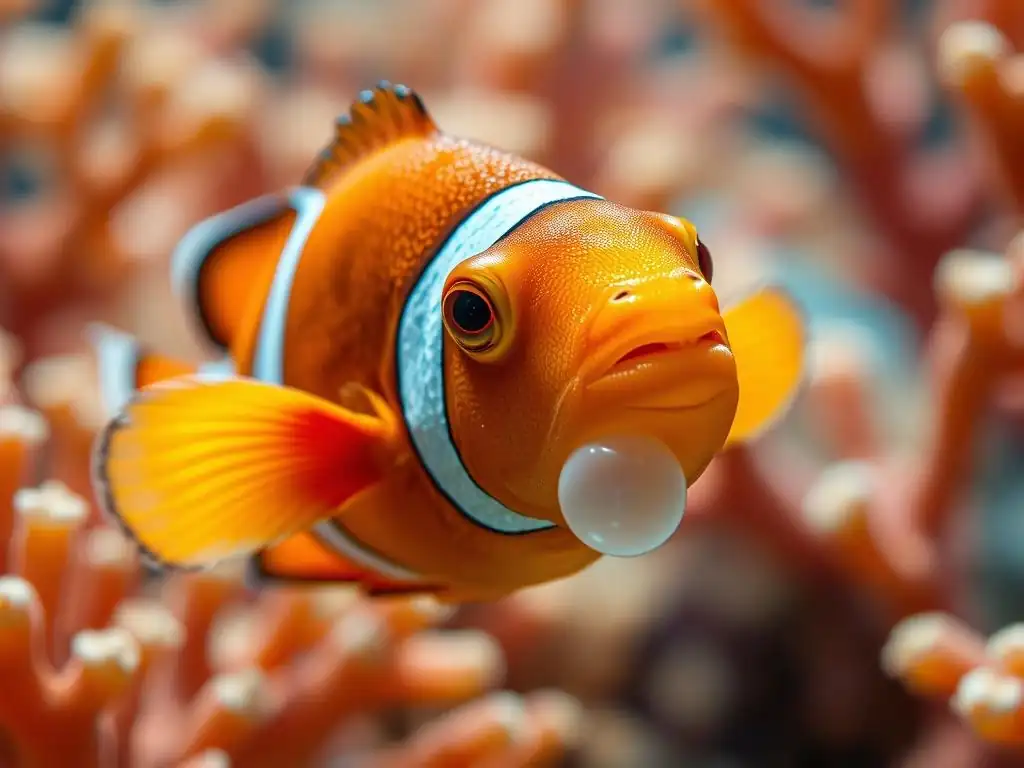
The Meaning Behind Clownfish Body Language: Wiggles and Shakes
Clownfish body language, particularly their characteristic wiggles and shakes, forms a crucial part of their visual communication system. These movements are far from random; they convey a spectrum of messages, from excitement and submission to assertion and readiness for reproduction. A general "wiggling" might indicate curiosity or comfort, especially when a clownfish is exploring a new part of the tank or interacting gently with its host anemone.
More specific wiggles, often combined with fin displays or subtle color changes, serve as clear indicators of social status or intent. For instance, a rapid, almost vibrating shake can signify submission to a dominant individual, while a slower, more deliberate sway might be part of a territorial display. Understanding these visual cues allows aquarists to gauge the social harmony within their tank and identify any potential stressors or developing relationships.
Dominance Displays: Wiggling as a Sign of Hierarchy
Within a clownfish pair or group, wiggling plays a significant role in establishing and maintaining the social hierarchy. The dominant female, typically the largest fish, often exhibits distinct wiggles to assert her authority over the smaller, subordinate male(s). This can manifest as a "quivering" motion directed towards the male, sometimes accompanied by a slight chase or fin nipping, reinforcing her position.
The subordinate male, in turn, may respond with a more subdued, rapid "shivering" wiggle, often with fins clamped, signaling submission and acknowledgement of the female's dominance. This constant, subtle communication through wiggling helps prevent outright aggression and maintains stability within the pair, ensuring that the hierarchy is clear and understood by all individuals.
Courtship Wiggles: Attracting a Mate
Courtship wiggles are perhaps the most anticipated and fascinating visual Clownfish spawning behavior signals for aquarists hoping to breed their fish. During the pre-spawning phase, the male clownfish will often perform an elaborate "dance" or "shivering" display near the female and the chosen nesting site. This involves rapid, short wiggles of his body, often with fins flared, as he attempts to entice the female.
This courtship ritual can last for several days, intensifying as the female becomes ready to lay eggs. The male might repeatedly brush against the female, or gently nip at her fins, all while performing these captivating wiggles. These visual cues are a clear indication of reproductive readiness and are often the first observable signs that a clownfish pair is preparing to spawn.
Clownfish Spawning Behavior Signals: Preparing for Reproduction
Identifying Pre-Spawning Signals in Clownfish
Recognizing pre-spawning signals in clownfish is crucial for successful breeding efforts and provides fascinating insight into their reproductive cycle. One of the earliest and most consistent Clownfish spawning behavior signals is an increased focus on cleaning a potential nest site. This site is typically a smooth, flat surface such as a rock, a terracotta pot, or even the base of their host anemone. Both the male and female will meticulously mouth and rub the chosen spot, removing any algae or debris, sometimes for several days before egg laying.
Alongside nest cleaning, aquarists will often observe heightened interaction between the pair. The male becomes particularly attentive, frequently performing courtship wiggles and shivering near the female, as well as nudging her towards the cleaned nest site. The female may also appear noticeably plumper due to developing eggs, and both fish might exhibit more vibrant coloration, indicating their readiness to reproduce.
The Role of Chemical Signals in Clownfish Reproduction
While less visually apparent than clicks or wiggles, chemical signals, or pheromones, likely play an important, albeit subtle, role in clownfish reproduction. These chemical cues, released into the water, can signal reproductive readiness between the male and female, helping to synchronize their spawning efforts. Although direct scientific observation of these specific pheromones in clownfish is ongoing, in many marine species, chemical communication facilitates mate recognition, territorial marking, and reproductive timing.
For the aquarist, maintaining pristine water quality is paramount, as it ensures that any naturally occurring chemical signals can be effectively transmitted and detected by the fish. High levels of nitrates or other pollutants can interfere with these delicate chemical communications, potentially hindering the natural progression of Clownfish spawning behavior signals and successful breeding. Therefore, consistent water changes and robust filtration indirectly support this aspect of their reproductive behavior.
Detailed Look at Clownfish Egg-Laying Behavior
The actual egg-laying behavior of clownfish is a captivating process, a culmination of the earlier Clownfish spawning behavior signals. The female initiates the process, typically laying rows of small, oval-shaped eggs directly onto the meticulously cleaned nesting site. She will often make multiple passes, depositing eggs in a tight, adhesive cluster. The male follows closely behind, fertilizing the eggs with each pass. This synchronized dance can last for several hours, with the pair often taking short breaks.
A healthy pair can lay anywhere from a few hundred to over a thousand eggs in a single spawn, with Ocellaris clownfish often producing between 200 and 1,000 eggs, depending on their size and maturity. The eggs are typically orange or yellowish initially, gradually turning silver-grey as they develop and hatch, usually within 7 to 10 days at a temperature of approximately 78-82°F (25.5-27.8°C). During this period, both parents, but especially the male, will diligently fan and guard the eggs, removing any unfertilized or diseased ones, a clear and strong Clownfish spawning behavior signal of parental commitment.
Decoding Clownfish Aggression: Communication During Conflicts
Understanding Aggressive Displays in Clownfish
Aggressive displays in clownfish are a clear form of communication, primarily used to establish dominance, defend territory, or assert their position within a social hierarchy. These displays can range from subtle fin flaring and rapid, jerky swimming to more overt actions like chasing, nipping, or even brief head-butting. The purpose is usually to deter a perceived threat or competitor without escalating to severe physical harm.
Common triggers for aggression include the introduction of new tank mates, insufficient tank size leading to overcrowding, competition for food, or disputes over a preferred host anemone or hiding spot. Recognizing these aggressive Clownfish spawning behavior signals early can help aquarists intervene before minor squabbles turn into serious injuries, maintaining peace within the aquarium.
How Clownfish Use Body Language to Establish Territory
Clownfish are highly territorial, especially around their host anemone or chosen nesting site, and they use specific body language to communicate these boundaries. A common display involves the fish spreading all its fins, making itself appear larger, often accompanied by rapid swimming or "tail slapping" near the intruder. This visual signal clearly communicates a "keep out" message, defining their personal space.
In some cases, a clownfish might position itself between an intruder and its territory, acting as a living barrier. These posturing and positioning behaviors are effective ways for clownfish to establish and maintain their territory without constant physical altercations, demonstrating a sophisticated form of non-verbal communication.
Managing Aggression in a Clownfish Aquarium
Managing aggression in a clownfish aquarium requires proactive planning and observation. Providing ample space is crucial; a minimum of 20 gallons for a pair of Ocellaris or Percula clownfish is often recommended, with larger tanks (e.g., 30+ gallons) offering more flexibility for other tank mates. Offering multiple hiding spots and visual breaks in the rockwork can help subordinate fish retreat and reduce direct confrontations.
When introducing new fish, doing so simultaneously or introducing the more aggressive fish last can sometimes mitigate territorial disputes. If aggression persists, temporarily separating the instigator or rearranging the tank decor to disrupt established territories can be effective. Ensuring all fish are well-fed and have sufficient resources also reduces competition-driven aggression.
The Anemone Connection: Communication Within the Symbiotic Relationship
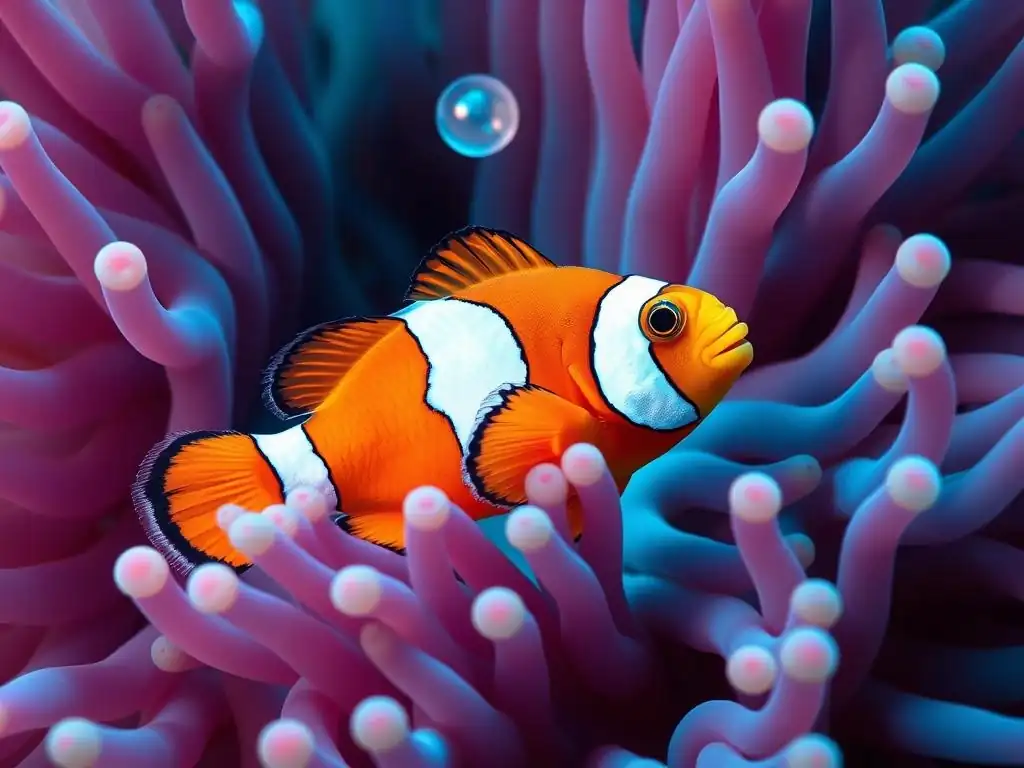
How Clownfish Communicate with Their Host Anemone
The symbiotic relationship between clownfish and their host anemone involves a unique form of communication, primarily through tactile interaction and specific behaviors. When a clownfish is first introduced to an anemone, it typically performs a "dance" of careful, gentle contact, rubbing its body against the tentacles. This process, which can take hours or even days, allows the clownfish to gradually acclimate to the anemone's stinging cells, building up its protective mucus layer.
Once acclimated, the clownfish's presence often stimulates the anemone. For instance, a clownfish settling into the tentacles can cause the anemone to expand its polyps, providing more shelter. Conversely, if the clownfish perceives a threat, it might retreat deeper into the anemone, prompting the anemone to retract slightly, indicating a shared sense of security or alarm.
Beyond initial acclimation, clownfish exhibit several specific behaviors related to their host anemone, each carrying its own meaning. "Hosting" is the most obvious, where the clownfish resides safely within the anemone's tentacles, signifying comfort, security, and protection from predators. Clownfish will also often "clean" their anemone by removing debris, uneaten food, or even dead tentacles, a behavior that benefits the anemone's health.
Another common behavior is "feeding the anemone," where the clownfish will bring small pieces of food, such as mysis shrimp or brine shrimp, directly to the anemone's mouth. This act demonstrates the mutualistic nature of their relationship, as the anemone benefits from the nutrients, while the clownfish reinforces its bond and ensures the health of its protective home.
Maintaining a Healthy Anemone-Clownfish Relationship
Maintaining a healthy anemone-clownfish relationship hinges on providing optimal conditions for both species. The anemone, being more sensitive, requires stable water parameters, appropriate lighting (often strong, specific spectrum lighting for photosynthetic anemones like Bubble Tips), and adequate water flow. For example, a Bubble Tip Anemone (Entacmaea quadricolor), a common host for Ocellaris clownfish, thrives in well-established tanks with temperatures around 76-80°F (24.4-26.7°C) and consistent salinity of 1.025 SG.
Regular feeding of the anemone with small pieces of marine-based foods (e.g., silversides, shrimp) once or twice a week is also crucial. Selecting an anemone species that is naturally compatible with your specific clownfish species (e.g., a Sebae Anemone for a Percula Clownfish) will further promote a successful and long-lasting symbiotic bond, allowing the clownfish to exhibit natural hosting behaviors.
Promoting Natural Clownfish Behavior in Your Aquarium
Creating an Environment for Natural Communication
To promote natural clownfish communication and behavior in your aquarium, creating an environment that closely mimics their natural habitat is essential. This includes maintaining stable and pristine water parameters (e.g., specific gravity 1.024-1.026, pH 8.1-8.4, temperature 76-82°F), which reduces stress and encourages normal social interactions. Providing adequate live rock structures with caves and hiding spots offers security and defines territories, reducing unnecessary aggression.
If keeping a pair, ensure the tank is sufficiently sized (e.g., 20 gallons or more for a single pair) to allow for their social dynamics to unfold naturally. Introducing a compatible host anemone, if feasible for your setup, will significantly enhance their natural behaviors, including hosting rituals and potential Clownfish spawning behavior signals, providing a focal point for their interactions.
Observing and Interpreting Your Clownfish's Behavior
Regular and patient observation is key to truly understanding your clownfish's behavior and communication. Spend time daily watching their interactions, noting changes in their wiggles, fin positions, and any audible clicks. For instance, a clownfish consistently hiding or showing clamped fins might be stressed, while increased activity, vibrant colors, and specific courtship wiggles could indicate readiness to spawn.
Keeping a small log of observations, especially during potential breeding periods, can help identify patterns and anticipate behaviors. Learning to distinguish between playful nudges and aggressive lunges, or between casual wiggles and specific Clownfish spawning behavior signals, empowers you to respond appropriately to their needs and appreciate the nuances of their social lives.
Common Mistakes to Avoid When Keeping Clownfish
Several common mistakes can inhibit natural clownfish behavior and communication. Overcrowding is a frequent issue; placing too many fish in a small tank leads to heightened aggression and stress, suppressing natural social hierarchies. For example, attempting to keep more than a single pair of Ocellaris clownfish in a 30-gallon tank without extensive rockwork can lead to constant conflict.
Another mistake is unstable water parameters, which can cause chronic stress, weaken immunity, and prevent fish from exhibiting natural behaviors, including Clownfish spawning behavior signals. Incompatible tank mates, such as overly aggressive species or those that compete directly for resources, can also disrupt the clownfish's peace. Lastly, an unvaried or insufficient diet can lead to nutritional deficiencies, impacting overall health and reproductive vigor.
Optimizing Spawning Conditions for Clownfish: Encouraging Breeding
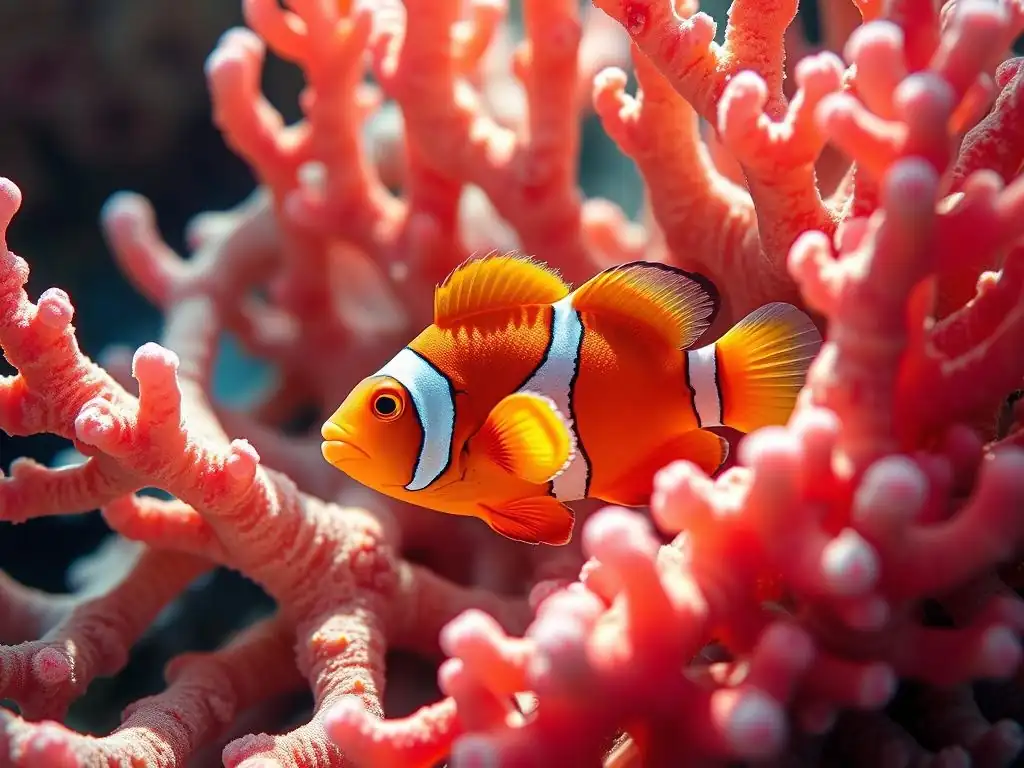
Water Parameters and Their Impact on Clownfish Spawning
Optimizing water parameters is fundamental to encouraging Clownfish spawning behavior signals and successful reproduction. Consistent and stable conditions are more critical than hitting exact numbers, but ideal ranges include a temperature of 78-82°F (25.5-27.8°C), which often stimulates breeding activity. Salinity should be maintained between 1.025 and 1.026 specific gravity, mimicking natural reef conditions.
Furthermore, a stable pH of 8.1-8.4 and undetectable levels of ammonia and nitrite, with nitrates kept below 10 ppm, are essential. Regular, small water changes (e.g., 10-20% weekly) help replenish trace elements and maintain overall water quality, which signals to the fish that the environment is stable and conducive to reproduction, directly influencing Clownfish spawning behavior signals.
Providing Suitable Nesting Sites for Clownfish
Providing suitable nesting sites is a crucial step in encouraging clownfish to spawn. Clownfish prefer smooth, flat surfaces for egg deposition. Excellent options include terracotta pots (halved or whole), ceramic tiles, or smooth, flat pieces of live rock. These sites should be positioned in a relatively sheltered area of the tank, often near the base of their host anemone if one is present, or in a quiet corner of the rockwork.
Offering multiple potential sites can increase the likelihood of the pair choosing one they deem ideal. The male clownfish, in particular, will meticulously clean the chosen surface for several days prior to spawning, a clear Clownfish spawning behavior signal that the site is ready. Ensuring the site is easily accessible for both the fish and for future egg retrieval (if rearing fry) is also beneficial.
Diet and Nutrition for Breeding Clownfish
A high-quality, varied, and protein-rich diet is absolutely critical for conditioning clownfish for breeding and enhancing Clownfish spawning behavior signals. Feed your potential breeding pair multiple times a day (e.g., 2-3 times) with a diverse mix of foods. Excellent choices include frozen mysis shrimp, enriched brine shrimp, spirulina-fortified flakes, high-quality pellets, and small pieces of chopped seafood.
The increased nutritional intake supports gonadal development and ensures the female produces viable, healthy eggs, while the male maintains good health for fertilization and parental care. For instance, feeding mysis shrimp, known for its high protein and lipid content, can significantly boost a pair's readiness to spawn. A well-fed pair will not only show more consistent Clownfish spawning behavior signals but also produce larger and more frequent clutches of eggs.
Raising Clownfish Fry: Post-Spawning Care and Communication
Understanding Fry Behavior and Communication
Newly hatched clownfish fry are incredibly tiny, typically less than 4mm long, and are planktonic, meaning they drift in the water column. Their behavior is primarily driven by instinct: they are phototactic (attracted to light) and will instinctively swim towards light sources, often congregating near the surface. Their communication at this stage is very basic, likely involving subtle chemical cues to signal distress or the presence of food, as well as simple swimming patterns.
As they grow, usually within a few days, they transition from a completely planktonic stage to exhibiting more directed swimming, and their communication becomes slightly more complex, though still rudimentary. Observing their swimming patterns and aggregation points can indicate their comfort levels and feeding success.
Feeding and Caring for Clownfish Fry
Feeding clownfish fry is the most critical and challenging aspect of their post-spawning care. For the first 5-7 days post-hatch, they require very small, live food, with rotifers (e.g., Brachionus plicatilis) being the standard. These rotifers must be gut-loaded with phytoplankton to provide essential fatty acids. After about a week, the fry can transition to newly hatched brine shrimp nauplii, which are slightly larger and easier to culture.
Fry must be fed frequently, typically 3-5 times a day, to ensure a constant supply of food in their rearing tank. Maintaining pristine water quality in the fry tank is paramount; daily partial water changes (e.g., 20-30%) using aged, aerated saltwater are often necessary to remove uneaten food and waste, as fry are highly susceptible to poor water conditions.
Ensuring the Survival of Clownfish Fry
Ensuring the survival of clownfish fry is a delicate process with inherent challenges, as mortality rates can be high. A dedicated larval rearing tank, typically a bare-bottomed tank of 5-10 gallons, is essential to control water quality and facilitate feeding. Gentle aeration, often provided by an air stone with minimal bubbles, is needed, as strong filtration can suck in the tiny fry.
Lighting should be dim but consistent, as fry are attracted to light. Vigilant monitoring of water parameters and swift removal of any dead fry or uneaten food are vital to prevent ammonia spikes. As they grow, within 2-3 weeks, they will undergo metamorphosis, developing their adult coloration and shape, at which point they can transition to more varied foods and a larger grow-out tank.
Conclusion: Mastering the Art of Understanding Clownfish
Key Takeaways on Clownfish Communication
Mastering the art of understanding clownfish communication profoundly enhances the aquarist's experience and the well-being of their fish. We've explored their diverse communication methods, from the subtle nuances of their clicks—signaling aggression, warning, or courtship—to the expressive visual cues conveyed through their wiggles and fin displays, indicating dominance, submission, or reproductive readiness. Crucially, recognizing Clownfish spawning behavior signals like nest cleaning, courtship wiggles, and detailed egg-laying rituals provides a roadmap for successful breeding.
Beyond these direct interactions, the often-overlooked chemical signals and their intricate symbiotic relationship with anemones further underscore their complex social lives. Ultimately, consistent observation, combined with an understanding of these multi-faceted communication strategies, allows aquarists to proactively manage their tank, reduce stress, and foster a thriving environment where clownfish can exhibit their full range of natural behaviors.
Further Resources for Clownfish Enthusiasts
For those passionate about deepening their understanding of clownfish, a wealth of further resources is available. Delving into specific species profiles, such as those for Amphiprion ocellaris (Ocellaris Clownfish) or Amphiprion percula (Percula Clownfish), can provide insights into subtle behavioral differences between species. Exploring advanced breeding guides and forums dedicated to marine aquaculture offers practical tips on optimizing Clownfish spawning behavior signals and larval rearing techniques.
Engaging with online communities and local aquarium clubs can also be invaluable, providing opportunities to share experiences, troubleshoot challenges, and learn from seasoned aquarists. Continuous learning, whether through scientific literature, hobbyist resources, or simply dedicated observation of your own fish, will undoubtedly enrich your journey as a clownfish enthusiast and a responsible aquarist.
Frequently Asked Questions
What are the primary spawning behavior signals clownfish exhibit?
Clownfish display a range of behaviors including increased activity, cleaning of a suitable spawning site, and ritualistic dances involving fin displays and body contact.
How can I identify if my clownfish are preparing to spawn based on their communication?
Look for heightened aggression (especially from the female), increased cleaning of a flat surface within the tank, and the male following the female closely.
What role do "clicks" and "wiggles" play in clownfish courtship and spawning?
Clicks and wiggles are forms of non-verbal communication used to establish dominance, attract a mate, and synchronize spawning behavior. These behaviors are key indicators of a pair bonding.
What environmental factors can influence clownfish spawning behavior in an aquarium?
Stable water parameters, appropriate lighting, and a secure, private spawning location are crucial. Also, proper diet is important to induce a spawning cycle.
How can I improve the chances of successful clownfish spawning in my home aquarium?
Maintain excellent water quality, provide a flat rock or tile for spawning, and ensure the pair has a consistent food supply and minimal disturbance.
Final Reflection: Decoding the Language of the Reef
The intricate world of clownfish communication, as explored in this article, is not merely an academic curiosity; it's a window into the fragile beauty and complex social dynamics of coral reef ecosystems. Understanding the nuances of their clicks, wiggles, and, most importantly, their spawning behavior signals, is now more crucial than ever, as these vibrant habitats face unprecedented threats from climate change and habitat destruction. The survival of these iconic fish, and indeed the entire reef ecosystem, hinges on our ability to decipher and protect their delicate communication pathways.
The study of clownfish spawning behavior signals has profoundly influenced my understanding of the interconnectedness of life on Earth. Witnessing the dedication and precision with which these creatures communicate to ensure the continuation of their species is truly humbling. It underscores the importance of conservation efforts and the need for a deeper appreciation of the natural world. As Sylvia Earle so eloquently stated: Even if you never have the chance to see or touch the ocean, the ocean touches you with every breath you take, every drop of water you drink, every bite you consume. Everyone, everywhere is inextricably connected to and utterly dependent upon the existence of the sea.
Now, consider the implications of this knowledge. How can you, in your own life, contribute to the preservation of these vital ecosystems? Whether it's supporting sustainable seafood choices, reducing your carbon footprint, or advocating for marine conservation policies, every action, no matter how small, can make a difference. Let us all strive to become better stewards of our planet, ensuring that future generations can marvel at the captivating language and vibrant life of the clownfish and the reefs they call home.
Dive Deeper: Uncover the Secrets of Clownfish Chatter!
Thank you for exploring the fascinating world of clownfish communication! We hope you've gained valuable insights into their clicks, wiggles, and spawning signals. Now, it's time to put your knowledge into action and truly connect with these captivating creatures.
Here are a few ways you can continue your journey:
- Start Observing: Dedicate time each day to quietly observe your clownfish. Note any new behaviors, interactions, or sounds they make. Keeping a journal can help you track patterns and gain a deeper understanding of their communication style.
- Share the Wonder: Create a short video showcasing your clownfish's unique behaviors and post it on social media with the hashtag #ClownfishChatter. Let's spread the word about their fascinating language!
- Consider a 'Clownfish Communication' Enrichment Activity: Introduce a new, safe object (like a clean ping pong ball) into their environment and observe how they react and communicate with each other about it.
What surprising communication signals have you observed in your clownfish recently?