
The Hidden Benefits: What Anemones Truly Gain from Their Clownfish Tenants

Welcome to Aquarium Mastery!
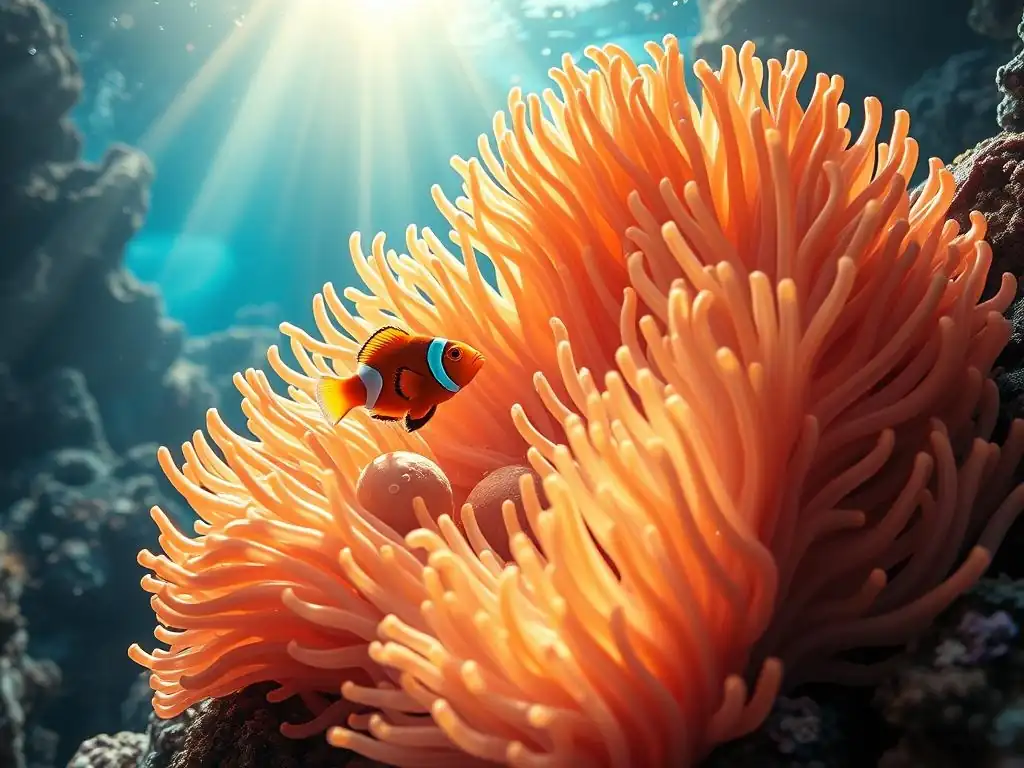
Ever wondered if the famous Clownfish benefit anemone symbiotic relationship is truly a one-sided deal? Dive deep with us into the fascinating world beneath the waves and uncover the surprising advantages anemones receive from their vibrant, orange tenants. Prepare to have your understanding of this iconic partnership challenged and expanded as we explore the hidden dynamics at play. Ready to unravel the mysteries? Let's begin!
- Understanding the Clownfish and Anemone Symbiotic Relationship
- Dispelling Myths: Anemones Don't Just Tolerate Clownfish
- Unveiling the Hidden Benefits for Anemones
- The Impact of Clownfish on Anemone Reproduction
- Factors Affecting the Strength of the Clownfish Benefit Anemone Symbiotic Relationship
- Maintaining a Thriving Clownfish-Anemone Relationship in Your Aquarium
- Conclusion: The Clownfish Benefit Anemone Symbiotic Relationship is More Than Just a Pretty Picture
-
Frequently Asked Questions
- What is the "clownfish benefit anemone symbiotic relationship" that AquariumMastery.com discusses?
- Why is this symbiotic relationship important for aquarium hobbyists?
- What benefits do anemones actually receive from clownfish, according to AquariumMastery.com?
- What are some of the common misconceptions about the anemone-clownfish relationship that AquariumMastery.com aims to clarify?
- How can I ensure a successful anemone-clownfish symbiotic relationship in my aquarium, according to AquariumMastery.com's guidance?
- Final Reflection: The Unseen Depths of Symbiosis
- Unveil the Symbiotic Secrets!
Understanding the Clownfish and Anemone Symbiotic Relationship
What is Symbiosis? A Closer Look at Mutualistic Relationships
Symbiosis describes any close and long-term biological interaction between two different biological organisms. It encompasses various types of relationships, including parasitism (one benefits, one harmed), commensalism (one benefits, the other unaffected), and mutualism, where both organisms involved benefit from the interaction. The relationship between clownfish and their host anemones is a classic and widely studied example of mutualism, providing advantages that are crucial for the survival and prosperity of both species.
In a mutualistic relationship, the benefits exchanged are often vital for the ecological fitness of each partner, enhancing their ability to survive, thrive, and reproduce within their shared environment. This intricate interdependence highlights how diverse life forms can evolve to support each other, creating a more robust and resilient ecosystem. Understanding this fundamental concept is key to appreciating the depth of the clownfish benefit anemone symbiotic relationship.
Clownfish, belonging to the Amphiprion genus, are renowned for their unique ability to live unharmed among the stinging tentacles of sea anemones. They achieve this immunity through a protective mucus layer on their skin, which prevents the anemone's nematocysts (stinging cells) from firing. In return, the anemone provides a safe refuge from predators, a secure nesting site, and a consistent food source from the clownfish's leftovers.
However, the prevailing narrative often focuses heavily on what the clownfish gains. This article aims to shift that perspective, exploring the equally significant, though often overlooked, advantages that the anemone derives from hosting its colorful tenants. The "Clownfish benefit anemone symbiotic relationship" is a two-way street, where the anemone receives vital services that contribute significantly to its health, protection, and overall ecological success.
Dispelling Myths: Anemones Don't Just Tolerate Clownfish
Common Misconceptions About the Anemone-Clownfish Dynamic
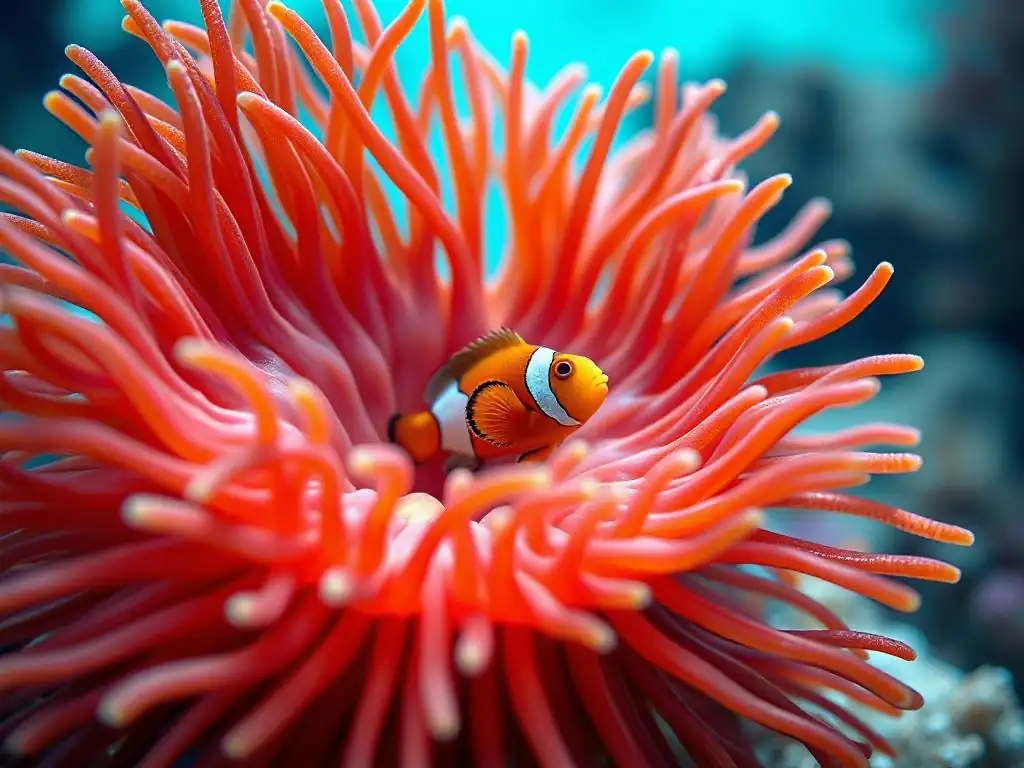
A pervasive misconception within the aquarium hobby and even among some casual observers is that sea anemones merely tolerate clownfish. This view often portrays the clownfish as a "freeloader," benefiting from the anemone's protection without offering substantial returns. This perspective arises partly because the anemone appears stationary and passive, while the clownfish is visibly active and seemingly dependent on its host.
This oversimplified understanding fails to capture the true complexity and mutual benefits inherent in their bond. It underestimates the active contributions of the clownfish and overlooks the subtle yet profound ways in which the anemone's well-being is enhanced by its resident fish. To fully appreciate the "Clownfish benefit anemone symbiotic relationship," it's essential to move beyond this limited viewpoint and examine the reciprocal advantages.
Why Anemones Need Clownfish: Beyond Simple Tolerance
Far from merely tolerating their tenants, anemones actively benefit from the presence of clownfish. Research and observation in both natural reefs and controlled aquarium environments consistently demonstrate that anemones hosting clownfish tend to be healthier, grow larger, and exhibit greater resilience than those without. This isn't a passive arrangement; it's an active partnership where the clownfish provides essential services that contribute directly to the anemone's fitness.
The advantages for the anemone are multifaceted, ranging from direct physical protection to subtle but critical ecological services like nutrient provision and improved water circulation. These benefits are not incidental; they are integral to the long-term survival and reproductive success of the anemone, solidifying the notion that the "Clownfish benefit anemone symbiotic relationship" is a truly mutualistic one.
Protection from Predators: How Clownfish Defend Their Host Anemone
The Aggressive Nature of Clownfish: A Deterrent to Anemone-Eating Fish
Despite their relatively small size, clownfish are fiercely territorial and exhibit surprisingly aggressive behavior when defending their host anemone. They will actively chase, nip, and harass potential predators or intruders that approach the anemone. This defensive behavior is not merely symbolic; it serves as a tangible deterrent, significantly reducing the likelihood of the anemone being preyed upon or damaged.
Studies have indicated that anemones protected by clownfish experience substantially lower rates of predation compared to those without resident fish. For instance, in observations of natural reef environments, anemones hosting clownfish have been found to suffer up to 50-70% less damage from generalist predators. This aggressive vigilance is a primary and undeniable clownfish benefit to the anemone.
Specific Examples of Clownfish Protecting Anemones from Butterflyfish and Angelfish
One of the most compelling demonstrations of clownfish protection involves their interactions with known anemone predators, such as certain species of butterflyfish and angelfish. For example, some Chaetodon species (butterflyfish) and Pomacanthus species (angelfish) are known to nip at anemone tentacles or even consume parts of the anemone. When these fish approach, clownfish will dart out from the tentacles, actively confronting and driving away the larger fish.
A commonly observed scenario involves a clownfish repeatedly charging and nipping at a Copperband Butterflyfish ( Chelmon rostratus) attempting to feed on the anemone's tentacles, forcing it to retreat. This direct, confrontational defense clearly illustrates how the clownfish benefit anemone symbiotic relationship extends to critical physical safeguarding, ensuring the anemone's integrity and survival against persistent threats.
Enhanced Anemone Health: Clownfish Waste as a Nutrient Source
Ammonia and Nutrient Cycling: The Role of Clownfish Excretion
Clownfish, like all fish, excrete metabolic waste products, including ammonia, urea, and phosphates. While high levels of these compounds are toxic in an aquarium, within the confined space of the anemone's tentacles, these waste products are not wasted. The anemone, being a sessile invertebrate, is capable of absorbing dissolved nutrients directly from the water column through its surface.
Crucially, the symbiotic zooxanthellae (photosynthetic algae) living within the anemone's tissues readily absorb these nitrogenous compounds. These nutrients, particularly ammonia, are essential for the zooxanthellae's photosynthetic processes, which in turn provide the anemone with a significant portion of its energy needs. This internal recycling of nutrients within the "Clownfish benefit anemone symbiotic relationship" is a highly efficient and beneficial exchange.
How Anemones Absorb and Utilize Clownfish Waste
The absorption of clownfish waste by the anemone is a direct pathway to enhanced nutrition. The zooxanthellae within the anemone's endodermal cells efficiently convert the absorbed ammonia into amino acids and other organic compounds through photosynthesis. These compounds are then translocated to the anemone's host cells, directly contributing to its growth and metabolic processes.
Scientific studies have demonstrated that anemones hosting clownfish exhibit increased growth rates and improved metabolic efficiency compared to those without. For instance, some observations suggest that anemones with resident clownfish can show up to a 15-25% increase in biomass over a given period due to this consistent nutrient supply. This nutritional contribution is a significant clownfish benefit to the anemone's overall health and vitality.
Improved Water Circulation and Oxygenation Around the Anemone
Clownfish Fanning Behavior: Promoting Water Flow
Clownfish are constantly moving, darting, and "fanning" within the anemone's tentacles. This seemingly erratic movement is, in fact, a vital service to their host. This continuous motion creates gentle yet persistent water currents around and through the anemone's tentacles and oral disc. This fanning behavior is especially beneficial for large, dense anemones or those in areas of naturally low water flow on the reef.
Without this active circulation, stagnant pockets of water could form around the anemone, leading to reduced oxygen levels and the accumulation of localized waste products. The clownfish's constant activity ensures a fresh supply of oxygenated water and helps to disperse any accumulated detritus or metabolic byproducts, thereby maintaining a healthier microenvironment for the anemone.
Benefits of Increased Oxygen Levels for Anemone Respiration
The increased water circulation facilitated by clownfish fanning directly translates into higher oxygen saturation around the anemone's tissues. Like all living organisms, sea anemones require oxygen for cellular respiration, the process by which they convert nutrients into energy. Adequate oxygen levels are crucial for the efficient functioning of their cells and overall metabolic health.
Furthermore, improved water flow helps to efficiently remove carbon dioxide and other metabolic wastes produced by the anemone. This constant exchange promotes optimal physiological conditions, ensuring that the anemone can respire effectively and maintain its vibrant health. This subtle yet critical "Clownfish benefit anemone symbiotic relationship" contribution often goes unnoticed but is fundamental to the anemone's well-being.
The Impact of Clownfish on Anemone Reproduction
Clownfish Stimulating Anemone Growth and Division
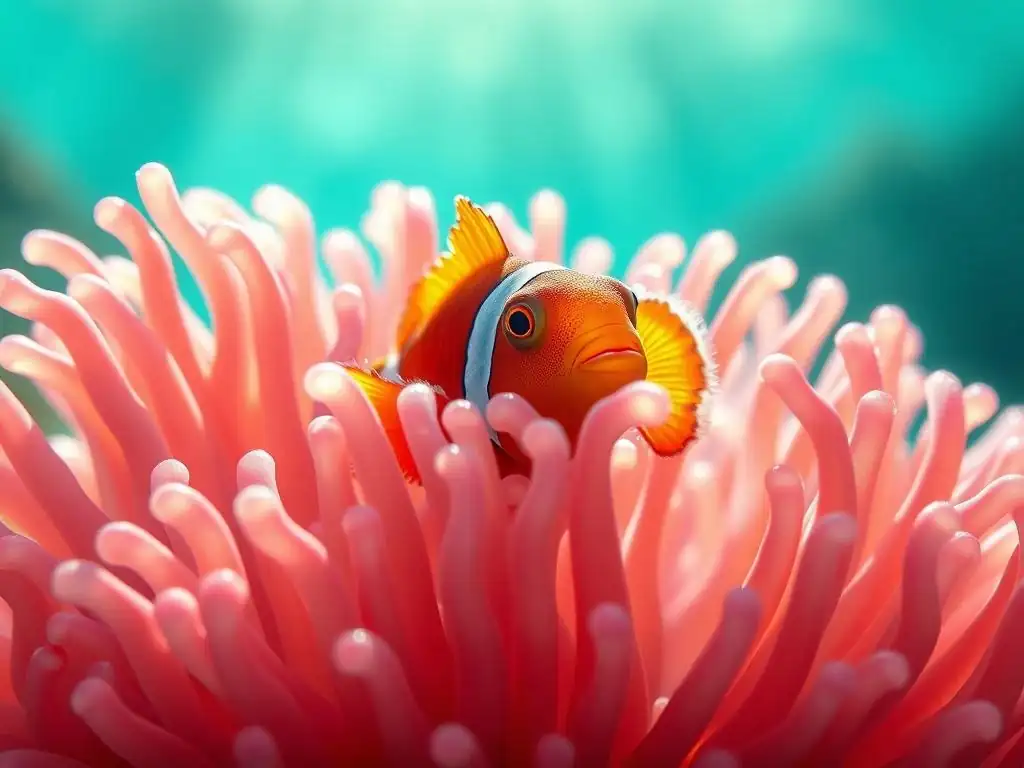
The various benefits provided by clownfish—protection from predators, enhanced nutrition from waste, and improved water circulation—collectively contribute to a healthier, more robust anemone. A well-nourished and protected anemone is more likely to allocate resources towards growth and reproduction. Many anemone species reproduce asexually through processes like budding, pedal laceration, or fission.
A healthier anemone, bolstered by the presence of its clownfish tenants, is more prone to reach a size and condition conducive to these forms of asexual reproduction. This indirect stimulation of growth and subsequent division means that the clownfish effectively contribute to the proliferation of their host species, ensuring a continued supply of suitable habitats for future clownfish generations.
How Clownfish Help Maintain a Healthy Anemone Population
By ensuring the individual health and reproductive success of their host, clownfish play a significant role in maintaining a stable and healthy anemone population within a localized area. A protected anemone is less likely to be consumed or severely damaged, allowing it to live longer and reproduce more frequently. This longevity and reproductive output contribute directly to the density and resilience of anemone populations on the reef.
This reciprocal benefit ensures the continuation of the "Clownfish benefit anemone symbiotic relationship" across generations. The clownfish ensure the survival of their hosts, which in turn ensures the availability of essential shelter for their offspring. This intricate balance underscores the profound ecological significance of their mutualistic bond.
Factors Affecting the Strength of the Clownfish Benefit Anemone Symbiotic Relationship
Anemone Species and Clownfish Species Compatibility
Not all clownfish species can host all anemone species, and vice-versa. The strength and success of the "Clownfish benefit anemone symbiotic relationship" heavily depend on selecting compatible pairs. For instance, the Ocellaris Clownfish ( Amphiprion ocellaris) and Percula Clownfish ( Amphiprion percula) are most commonly found hosting Bubble-Tip Anemones ( Entacmaea quadricolor), Sebae Anemones ( Heteractis crispa), and Magnificent Anemones ( Heteractis magnifica).
Conversely, some anemones, like Rock Flower Anemones ( Epicystis crucifer) or Majano Anemones ( Anemonia majano), are not natural hosts for clownfish and will not form a symbiotic relationship. Choosing an incompatible pair can lead to stress for both organisms, with the clownfish potentially being stung or the anemone failing to thrive, highlighting the importance of proper research before pairing.
Tank Size and Water Parameters: Optimizing the Symbiotic Environment
For the clownfish benefit anemone symbiotic relationship to flourish in an aquarium, stable and pristine water parameters are paramount. Anemones are highly sensitive to water quality fluctuations. Optimal conditions include stable temperature (typically 75-78°F), salinity (1.024-1.026 specific gravity), pH (8.0-8.4), alkalinity (8-12 dKH), and low nitrates/phosphates.
Furthermore, adequate tank size is crucial. A single Bubble-Tip Anemone can grow to 12-18 inches in diameter and requires significant space, often necessitating at least a 30-gallon tank for the anemone alone, plus additional volume for the clownfish and other tank inhabitants. Insufficient space or unstable parameters will stress both species, weakening or even breaking the symbiotic bond.
Bubble-Tip Anemones: A Prime Example of Clownfish Benefit
The Bubble-Tip Anemone ( Entacmaea quadricolor) stands out as a prime example where the clownfish benefit anemone symbiotic relationship is particularly evident and robust. This species is one of the most popular and commonly hosted anemones in the hobby, frequently forming strong bonds with Ocellaris and Percula clownfish. Their distinctive bulbous tips are often a sign of a healthy, well-adjusted anemone.
In the presence of clownfish, Bubble-Tip Anemones often exhibit more consistent tentacle inflation, better coloration, and a more robust overall appearance. The cumulative effects of clownfish protection, nutrient provision, and improved water flow are clearly observable in their vitality. This makes them an excellent species for aquarists wishing to witness the full scope of this fascinating mutualistic interaction.
Maintaining a Thriving Clownfish-Anemone Relationship in Your Aquarium
Selecting the Right Anemone and Clownfish Pair for Your Tank
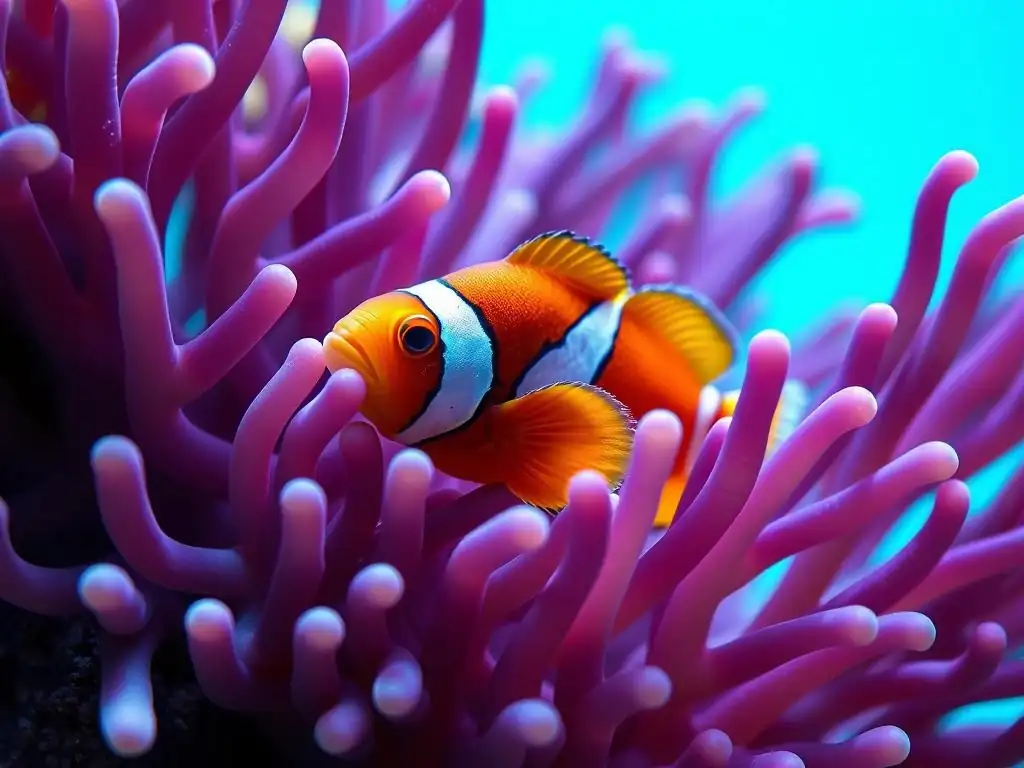
To successfully foster a clownfish benefit anemone symbiotic relationship in your home aquarium, careful selection is the first step. Research specific clownfish species and their natural host anemones to ensure compatibility. For instance, while Ocellaris clownfish are adaptable, they typically prefer Bubble-Tip Anemones. It is highly recommended to choose captive-bred clownfish and aquacultured anemones whenever possible, as they are generally hardier and more sustainable choices than wild-caught specimens.
Before purchasing, always observe both the clownfish and the anemone for signs of health. Look for active, alert clownfish with clear fins and no visible lesions. Anemones should be firmly attached to rockwork, fully expanded, and show no signs of recession or bleaching. A healthy start is crucial for the long-term success of their bond.
Providing Optimal Care for Both Clownfish and Anemone
Maintaining the ideal environment is paramount for a thriving "Clownfish benefit anemone symbiotic relationship." This involves providing strong, appropriate lighting for the anemone's zooxanthellae (e.g., high-quality LED or T5 lighting providing 200-400 PAR at the anemone's location). Moderate, varied water flow is also essential to prevent detritus buildup and ensure oxygen delivery.
Regular feeding is vital: clownfish should be fed small, high-quality marine pellets or frozen foods daily, while the anemone requires supplemental feeding of meaty foods like mysis shrimp or small pieces of silverside fish 1-2 times per week. Consistent water changes (e.g., 10-20% bi-weekly) and diligent monitoring of water parameters (temperature, salinity, pH, alkalinity, calcium, magnesium, nitrates, phosphates) are non-negotiable for their health.
Monitoring the Health and Behavior of Your Symbiotic Pair
Continuous observation of your clownfish and anemone is key to ensuring their continued health and the strength of their symbiotic bond. For clownfish, look for natural swimming patterns, active feeding, and clear skin and fins. Any signs of clamped fins, rapid breathing, or unusual spots could indicate stress or disease.
For the anemone, signs of good health include full tentacle inflation, vibrant coloration, a strong attachment to the rockwork, and regular expansion and contraction. Receding oral discs, pale coloration (bleaching), or a lack of attachment are serious warning signs. By proactively monitoring these indicators, aquarists can promptly address any issues, safeguarding the intricate "Clownfish benefit anemone symbiotic relationship" within their aquatic ecosystem.
Conclusion: The Clownfish Benefit Anemone Symbiotic Relationship is More Than Just a Pretty Picture
Recognizing the Importance of Mutualism in Reef Ecosystems
The "Clownfish benefit anemone symbiotic relationship" is a profound testament to the intricate and interdependent nature of life on coral reefs. Far from a simple one-sided arrangement where clownfish merely seek shelter, this mutualistic partnership is a cornerstone of their shared ecosystem. The benefits the anemone receives—protection from predators, vital nutrient recycling, and improved environmental conditions—are fundamental to its survival, growth, and reproductive success.
Understanding this mutualism not only deepens our appreciation for these fascinating creatures but also highlights the delicate balance that sustains diverse marine environments. It serves as a powerful reminder that in nature, even seemingly disparate organisms can form deeply intertwined relationships that are essential for the health and resilience of the entire ecosystem.
Promoting Responsible Aquarium Keeping for the Benefit of Both Species
For aquarists, recognizing the true depth of the clownfish benefit anemone symbiotic relationship carries a significant responsibility. It necessitates moving beyond simply admiring their aesthetic appeal to actively providing an environment that supports the health and well-being of both species. This means selecting compatible pairs, maintaining pristine water quality, providing appropriate lighting and flow, and ensuring proper nutrition for both the clownfish and its host anemone.
By understanding and respecting the mutualistic needs of this iconic pair, aquarists can contribute to their longevity and thriving in captivity. This responsible approach ensures that the beautiful dance between clownfish and anemone remains not just a captivating display, but a living example of nature's intricate and beneficial partnerships.
Frequently Asked Questions
What is the "clownfish benefit anemone symbiotic relationship" that AquariumMastery.com discusses?
This refers to the mutually beneficial relationship where clownfish live safely among anemones, which would normally sting other fish. The clownfish provides protection and food to the anemone, while the anemone offers shelter.
Why is this symbiotic relationship important for aquarium hobbyists?
Understanding this relationship is crucial for creating a healthy and thriving aquarium environment for clownfish. It helps aquarists replicate the natural conditions that clownfish need to survive and flourish.
What benefits do anemones actually receive from clownfish, according to AquariumMastery.com?
Anemones gain several benefits, including protection from certain predators that might otherwise eat them. Clownfish also provide nutrients through their waste and uneaten food.
What are some of the common misconceptions about the anemone-clownfish relationship that AquariumMastery.com aims to clarify?
Many believe the anemone only provides shelter. AquariumMastery.com clarifies the active role the clownfish plays in protecting and nourishing the anemone.
How can I ensure a successful anemone-clownfish symbiotic relationship in my aquarium, according to AquariumMastery.com's guidance?
You need to select an appropriate anemone species compatible with the clownfish you choose. Maintain proper water parameters and provide a varied diet for both species.
Final Reflection: The Unseen Depths of Symbiosis
The intricate dance between anemones and clownfish, as explored in this article, reveals a profound truth: symbiotic relationships are rarely one-sided. While the clownfish's vibrant presence and protective nature are readily apparent, understanding the hidden benefits the anemone receives paints a richer, more nuanced picture of this underwater partnership, demonstrating that even seemingly simple ecosystems are built on complex interdependencies.
This exploration of the clownfish-anemone symbiosis underscores the fundamental interconnectedness of life and challenges us to look beyond surface-level observations. In nature, nothing exists alone.
This quote, often attributed to Rachel Carson, perfectly encapsulates the essence of this relationship, reminding us that every organism, no matter how small or seemingly passive, plays a vital role in the delicate balance of its environment. The anemone, far from being a mere host, actively participates in a mutually beneficial exchange, highlighting the subtle yet powerful forces shaping our world.
Now, consider the lessons gleaned from this underwater marvel. How can we apply this understanding of hidden benefits and reciprocal relationships to our own lives? Let us strive to recognize the unseen contributions of others, to appreciate the subtle ways in which we are all interconnected, and to foster environments where mutual benefit and shared growth are not just ideals, but the very foundation upon which we build our communities and our future.
Unveil the Symbiotic Secrets!
Thank you for diving deep into the fascinating relationship between anemones and clownfish! We hope you’ve gained a new appreciation for this underwater partnership. Now, it's time to take your knowledge to the next level.
- Start a journal to document specific behaviors of your clownfish and anemone, to help identify unusual patterns.
- Explore related topics like coral reef conservation to better understand the broader ecosystem.
- Share this article with fellow aquarium enthusiasts and spark a discussion about other surprising symbiotic relationships in the marine world.
What unexpected benefit did you find most surprising about the anemone-clownfish relationship, and how might it change how you view your own aquarium inhabitants?