
Breeding Maroon Clownfish: Taming Temperament for Successful Spawning

Welcome to Aquarium Mastery, your ultimate resource for everything aquariums!
Ever wondered how to unlock the secrets to successfully breeding the notoriously feisty Maroon Clownfish? Dive in and discover our comprehensive Maroon Clownfish breeding guide, where we explore everything from taming their temperament to creating the perfect spawning environment. Get ready to embark on a rewarding journey into the fascinating world of clownfish reproduction – the adventure starts now!
- Maroon Clownfish Breeding Guide: Maximizing Success with Premnas biaculeatus
- Understanding Maroon Clownfish for Breeding Success
- Setting Up Your Maroon Clownfish Breeding Tank
- The Maroon Clownfish Breeding Process: A Step-by-Step Guide
- Raising Maroon Clownfish Fry: From Hatching to Maturity
- Managing Aggression During Maroon Clownfish Breeding
- Troubleshooting Common Maroon Clownfish Breeding Problems
- Advanced Techniques for Maroon Clownfish Breeding
- Maroon Clownfish Breeding: A Rewarding Aquarium Challenge
-
Frequently Asked Questions
- How difficult is it to breed Maroon Clownfish compared to other clownfish species?
- What is the ideal tank size and setup for breeding Maroon Clownfish?
- What water parameters are crucial for successful Maroon Clownfish breeding?
- How do I identify a breeding pair of Maroon Clownfish?
- What do Maroon Clownfish eggs look like and how long does it take for them to hatch?
- Final Reflection: Cultivating Harmony in Captivity
- Ignite Your Clownfish Breeding Journey!
Maroon Clownfish Breeding Guide: Maximizing Success with Premnas biaculeatus
Understanding Maroon Clownfish for Breeding Success
Identifying Compatible Maroon Clownfish Breeding Pairs
Identifying a compatible pair of Premnas biaculeatus, commonly known as Maroon clownfish, is the foundational step in any successful breeding guide. Unlike many fish species, clownfish are protandrous hermaphrodites, meaning all individuals are born male and the dominant individual transitions into a female. In a natural or captive setting, the largest and most dominant fish will become the female, while the second largest will remain or become the functional male.
A successful pairing often involves acquiring two juveniles and allowing them to grow together, or introducing a smaller, sub-adult male to a larger, established female. The size difference is crucial; typically, the female will be at least 1.5 to 2 inches larger than the male to minimize aggression and establish a clear hierarchy.
When selecting potential breeding stock, it is advisable to observe their interactions for several weeks in a sufficiently sized quarantine tank. Look for behaviors such as swimming together, mutual grooming, or sharing a territory, which indicate a nascent bond.
If one fish consistently chases or nips the other aggressively without any signs of reconciliation, they may not be a compatible pair, and continuing to force them together could result in injury or death. Aquarists often report higher success rates pairing a wild-caught individual with a tank-bred one, as this can sometimes lead to more robust genetics and reduced aggression, though the specific mechanisms are still under study.
Maroon Clownfish Aggression: A Key Factor in Spawning
Maroon clownfish are renowned for their aggressive and territorial nature, a characteristic that significantly impacts their breeding success. This aggression is particularly pronounced in females, who can become highly territorial, especially when guarding a host anemone or a chosen spawning site. During pairing, the larger female will assert dominance over the smaller male, which involves a degree of chasing, fin nipping, and even body slamming. While some aggression is normal and necessary for establishing the hierarchical structure required for breeding, excessive aggression can prevent a pair from forming or even lead to the injury or death of the male.
Managing this inherent aggression is a critical component of any Maroon clownfish breeding guide. Providing ample space in the breeding tank, alongside multiple hiding spots and visual barriers, can help diffuse territorial disputes. For instance, a 40-gallon breeder tank offers a good footprint for a pair, allowing the male adequate retreat space.
It is not uncommon for a female to injure a male if the tank is too small or if the male is unable to submit effectively. Observing the pair closely for signs of severe stress or physical damage to the male is paramount. If constant, brutal attacks occur, temporary separation or even re-pairing with a different male may be necessary to ensure the male's survival and future breeding potential.
Creating the Optimal Breeding Environment for Maroon Clownfish
Establishing an optimal breeding environment is crucial for encouraging Maroon clownfish to spawn regularly and successfully. This involves replicating key aspects of their natural habitat while providing specific conditions conducive to reproduction. A dedicated breeding tank, separate from a community display, allows for precise control over water parameters and reduces stress from other tank inhabitants. The tank should be mature, with stable biological filtration, to ensure pristine water quality, which is paramount for both adult health and the delicate fry.
The environment should include a suitable spawning surface, typically a flat rock, terracotta pot, or a host anemone. Maroon clownfish prefer a vertical or angled surface near their host or chosen territory for egg deposition. Providing multiple options can increase the likelihood of them selecting a preferred site. Furthermore, consistent lighting cycles, mimicking natural daylight hours (e.g., 12 hours on, 12 hours off), are important for regulating their natural spawning rhythms. Stable environmental conditions, including temperature, salinity, and pH, reduce stress and promote overall health, directly contributing to the pair's readiness to breed.
Setting Up Your Maroon Clownfish Breeding Tank
Tank Size and Setup Requirements for Maroon Clownfish Spawning
For a dedicated Maroon clownfish breeding guide, the tank size and setup are paramount. A minimum tank size of 30 gallons is often recommended for a single pair, but a 40-gallon breeder tank (which offers a larger footprint than a standard 40-gallon) is significantly more advantageous due to its greater floor space.
This increased area provides ample territory for the female and crucial retreat space for the male, helping to mitigate the species' inherent aggression. The tank should be equipped with mature biological filtration, such as a hang-on-back filter or a small sump system, to maintain stable water parameters without generating excessive flow that could disturb eggs or fry.
The physical setup within the tank should include several key elements. A suitable spawning surface is essential; a flat, smooth rock, a terracotta pot laid on its side, or a piece of slate positioned at an angle within the pair's preferred territory works well. These surfaces provide an ideal substrate for egg adhesion.
Additionally, ample hiding spots and visual barriers, such as PVC pipes, rock caves, or synthetic decor, should be strategically placed to allow the male to escape the female's aggression when necessary. While a host anemone is not strictly required for breeding in captivity, providing one can sometimes encourage spawning behavior and offers a more natural environment for the pair.
Water Parameters for Successful Maroon Clownfish Reproduction
Maintaining precise and stable water parameters is critical for the health of breeding Maroon clownfish and the viability of their eggs. The optimal temperature range for spawning is typically between 26-28°C (79-82°F), as warmer temperatures can stimulate metabolic processes and encourage reproductive activity. Salinity should be maintained consistently within a specific gravity range of 1.023 to 1.025. Fluctuations in salinity can cause significant stress, potentially inhibiting spawning or negatively impacting egg development.
Beyond temperature and salinity, other water chemistry parameters require careful monitoring. The pH level should ideally be kept between 8.1 and 8.4, and alkalinity (dKH) should be stable, typically between 8-12 dKH. Calcium levels should be maintained at 400-450 ppm, and magnesium at 1300-1400 ppm, as these minerals are vital for overall fish health and egg development. Regular water changes, typically 10-20% weekly, using high-quality reverse osmosis/deionized (RO/DI) water mixed with a reputable marine salt mix, are essential for removing nitrates and other pollutants that can accumulate and stress the breeding pair.
Choosing the Right Host Anemone or Substitute for Breeding
While Maroon clownfish can breed successfully without a host anemone in a captive environment, providing one can sometimes encourage natural behaviors and provide a sense of security for the pair, potentially leading to more consistent spawning. The most commonly associated and preferred host anemone for Premnas biaculeatus is the Bubble Tip Anemone ( Entacmaea quadricolor). If choosing to include an anemone, ensure it is healthy, well-established, and appropriately sized for the tank and the clownfish. Anemones require specific lighting and water flow, which must be considered when designing the breeding setup.
For those opting not to include a live anemone, or if the anemone fails to host the clownfish, suitable substitutes can be used. Terracotta pots, smooth rocks, or even pieces of PVC pipe can serve as excellent spawning surfaces and provide a sense of territory. Many breeders find success by placing a small, smooth terracotta pot on its side or an angled piece of slate in a secluded corner of the tank.
The clownfish will often adopt this structure as their "host" and meticulously clean its surface in preparation for egg deposition. The key is to provide a stable, easily cleanable surface within the pair's chosen territory that allows for easy egg attachment and subsequent parental care.
The Maroon Clownfish Breeding Process: A Step-by-Step Guide
Conditioning Maroon Clownfish for Spawning
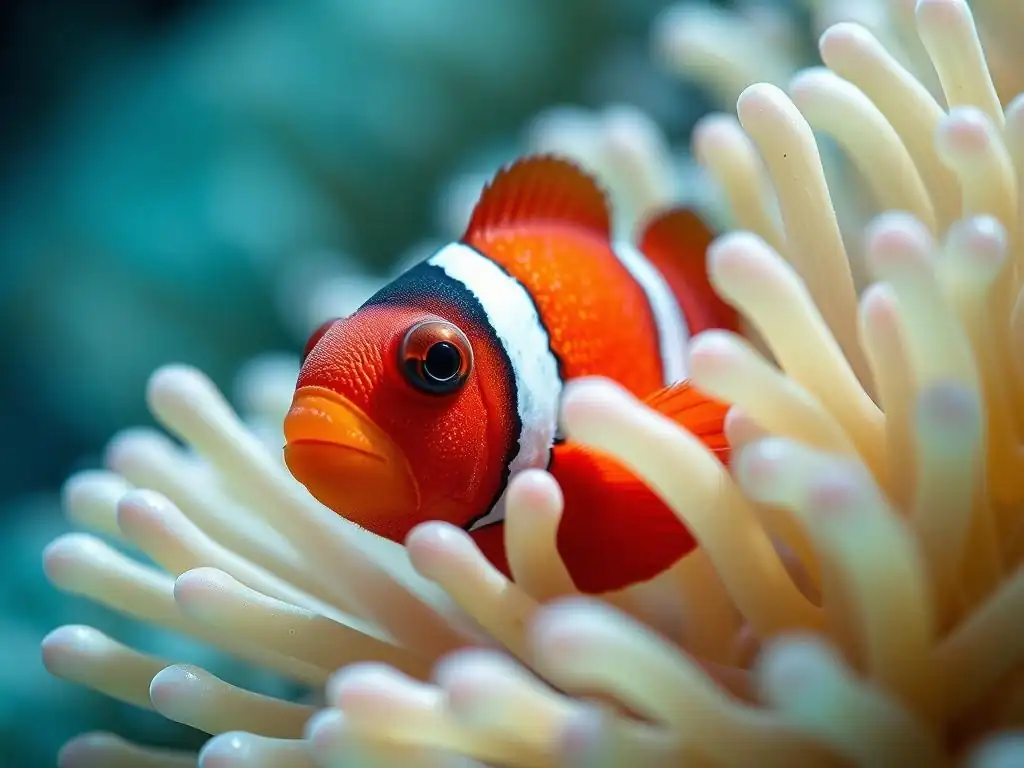
Successful Maroon clownfish breeding hinges significantly on proper conditioning of the adult pair. A high-quality, varied diet is paramount to ensure they are in peak reproductive health. Feed the breeding pair two to three times daily with a diverse range of nutritious foods. This should include a mix of frozen mysis shrimp, enriched brine shrimp, spirulina flakes, high-quality marine pellets, and live foods such as blackworms or small feeder shrimp. The live foods are particularly effective in stimulating spawning, as they mimic natural prey and provide essential nutrients and fatty acids.
Beyond diet, maintaining pristine water quality and stable parameters is crucial. Regular small water changes (e.g., 10% twice a week) help keep nitrate levels low and provide fresh trace elements. Ensure the tank environment is free from undue stress, such as aggressive tank mates or sudden changes in lighting or temperature.
A consistent photoperiod of 12-14 hours of light per day, followed by a dark period, also helps regulate their natural biological rhythms and encourages the onset of spawning behaviors. Many breeders find that slightly increasing the water temperature to the higher end of their preferred range (e.g., 28°C or 82°F) can sometimes trigger spawning.
Recognizing Mating Behavior in Maroon Clownfish
Observing specific mating behaviors is key to knowing when your Maroon clownfish are preparing to spawn. The male will typically initiate courtship, often displaying a distinctive "wobbling" or "shaking" dance around the female and their chosen spawning site. This involves rapid body twitching and fin fluttering. Both male and female will engage in meticulous cleaning of the chosen spawning surface, using their mouths to vigorously scrape away any algae or debris. This cleaning can last for several hours or even a full day before egg deposition.
As spawning approaches, the female's abdomen may appear noticeably distended due to the developing eggs. The pair will spend an increasing amount of time near their selected spawning site, often rubbing against it. Just before egg laying, the female's ovipositor will become visible, a small, tube-like protrusion used to deposit eggs. The male will also have a smaller, pointed genital papilla. These behaviors indicate that spawning is imminent, often occurring within 24-48 hours of intense cleaning and courtship rituals.
Egg Deposition and Parental Care by Maroon Clownfish
Egg deposition in Maroon clownfish typically occurs in the late afternoon or early evening, often lasting for 1-2 hours. The female will make multiple passes over the cleaned spawning surface, extruding a string of bright orange to reddish-brown eggs. Immediately following each pass by the female, the male will follow closely behind, fertilizing the eggs. A typical clutch can range from 100 to over 1,000 eggs, depending on the size, age, and health of the female. The eggs are adhesive and are securely attached to the substrate.
After egg deposition, both parents exhibit strong parental care. The male, however, typically takes on the primary role of fanning and guarding the eggs. He will constantly fan the eggs with his pectoral fins, ensuring proper oxygenation and preventing the accumulation of debris or fungus. He will also meticulously mouth the eggs, removing any unfertilized or diseased eggs, which appear opaque or white.
The female will guard the perimeter, aggressively chasing away any perceived threats. The eggs typically hatch in 7-10 days, depending on water temperature; warmer temperatures shorten the incubation period. As hatching approaches, the eggs will become translucent, and the silver eyes of the developing fry will be visible.
Raising Maroon Clownfish Fry: From Hatching to Maturity
Hatching Maroon Clownfish Eggs: A Critical Stage
The hatching of Maroon clownfish eggs is a critical stage that requires careful preparation and precise timing. Eggs typically hatch 7 to 10 days after deposition, with the exact duration dependent on water temperature; cooler temperatures prolong the incubation. Hatching usually occurs shortly after the lights go out, often within 1-2 hours of darkness. As the hatching time approaches, the eggs will become translucent, and the silvery eyes of the developing larvae will be distinctly visible within each egg. This transparency is a key indicator that hatching is imminent.
To maximize fry survival, it is highly recommended to remove the eggs from the breeding tank 1-2 days before anticipated hatching and transfer them to a dedicated fry-rearing tank. This prevents predation by the parents or other tank inhabitants and allows for precise control over the fry's environment.
The rock or tile with the eggs can be gently moved into the rearing tank, ensuring that the water parameters in the rearing tank precisely match those of the breeding tank to avoid osmotic shock. The rearing tank should be dimly lit, bare-bottomed, and equipped with gentle aeration, such as an air stone with minimal bubbles, to prevent disturbance of the delicate fry.
Feeding Maroon Clownfish Fry: Rotifers and Nutritional Enrichment
Feeding Maroon clownfish fry effectively is the most challenging aspect of their rearing due to their extremely small size (approximately 3-4 mm at hatching) and specific nutritional requirements. Newly hatched fry require live food, and Brachionus plicatilis (L-type rotifers) are the industry standard. Rotifers must be cultured separately and fed to the fry continuously for the first 7-10 days. The density of rotifers in the fry tank should be maintained at 5-10 rotifers per milliliter, which requires daily monitoring and replenishment.
For optimal fry development and survival, the rotifers themselves must be nutritionally enriched before being fed to the fry. This process, known as "gut loading," involves feeding the rotifers with a high-quality nutritional supplement rich in essential fatty acids (especially DHA and EPA) and vitamins, such as Selco or Nannochloropsis phytoplankton.
After 7-10 days, the fry will have grown sufficiently to begin accepting larger foods like newly hatched brine shrimp nauplii. As they continue to grow, typically around 3-4 weeks post-hatch, they can be gradually weaned onto finely crushed dry foods, such as high-quality marine pellets or flake food, and eventually small frozen foods like finely chopped mysis shrimp.
Maintaining Water Quality for Healthy Fry Development
Maintaining pristine water quality is paramount for the survival and healthy development of Maroon clownfish fry, which are extremely sensitive to pollutants. Due to the high feeding frequency of live foods, organic waste can rapidly accumulate, leading to dangerous spikes in ammonia and nitrite. Therefore, a rigorous water change schedule is essential. Daily small water changes, typically 10-20% of the tank volume, are often necessary during the first few weeks of the fry's life. The replacement water must be precisely matched in temperature, salinity, and pH to avoid shocking the delicate fry.
Filtration in a fry tank must be gentle and effective. Sponge filters are an excellent choice as they provide biological filtration without creating strong currents that could harm the fry. Air stones should be used to provide gentle aeration, ensuring adequate oxygenation without excessive turbulence. Regular siphoning of the tank bottom to remove uneaten food and waste is also critical. A bare-bottom tank facilitates this cleaning process. Monitoring water parameters daily for ammonia, nitrite, and nitrate using precise test kits is non-negotiable to ensure the fry are thriving in a stable and healthy environment.
Preventing Diseases and Common Issues in Maroon Clownfish Fry
Maroon clownfish fry are susceptible to a range of diseases and common issues that can lead to high mortality rates if not addressed promptly. One of the most prevalent issues is "swim bladder disease," where fry are unable to properly inflate their swim bladder, causing them to sink or float uncontrollably. This is often linked to poor water quality, nutritional deficiencies, or insufficient surface agitation.
Ensuring proper aeration and maintaining optimal water parameters can help mitigate this. Another common problem is bacterial infections, which can manifest as cloudy eyes, fin rot, or general lethargy. These are often a result of poor hygiene in the rearing tank or contaminated live food cultures.
Preventative measures are key to minimizing disease outbreaks. Strict quarantine protocols for live food cultures, ensuring they are free of pathogens, are vital. Maintaining exceptionally clean rearing conditions, including daily siphoning of detritus and frequent water changes, significantly reduces the bacterial load in the water.
Nutritional completeness through enriched rotifers and brine shrimp builds stronger immune systems in the fry. If a disease outbreak occurs, prompt identification and treatment are crucial, though options for treating such delicate fry can be limited. Some aquarists use very low doses of broad-spectrum antibiotics, but this should be approached with extreme caution and only as a last resort, as it can disrupt beneficial bacteria.
Managing Aggression During Maroon Clownfish Breeding
Strategies for Reducing Aggression in Maroon Clownfish Pairs
Maroon clownfish, particularly the females, are known for their territorial and aggressive nature, which can pose challenges when establishing and maintaining a breeding pair. Implementing specific strategies to reduce aggression is crucial for long-term breeding success and the safety of the male. One primary strategy is providing ample space; a 40-gallon breeder tank offers a good footprint, allowing the male enough room to retreat if the female becomes overly dominant. This space helps to diffuse territorial disputes that can escalate in smaller enclosures.
Another effective strategy involves incorporating numerous hiding spots and visual barriers within the breeding tank. PVC pipes, rock caves, or tall pieces of artificial coral can serve as excellent safe havens for the male. These barriers break up sightlines, preventing constant visual contact that can exacerbate aggression.
For instance, placing a large rock structure in the center of the tank can create two distinct territories, allowing the male to escape to his preferred side when feeling threatened. Consistent feeding with high-quality, varied foods also helps reduce aggression, as well-fed fish are generally less stressed and less prone to hostile behaviors driven by competition.
Separating and Reintroducing Maroon Clownfish: A Gradual Process
In cases of severe or persistent aggression where the male is at risk of injury, temporary separation may become necessary. This involves carefully removing the male from the breeding tank and placing him in a separate, albeit smaller, quarantine or holding tank. This allows both fish to de-stress and recover from any physical or psychological trauma. The separation period can range from a few days to several weeks, depending on the severity of the aggression and the male's recovery. During this time, continue to feed both fish well and maintain optimal water parameters in their respective tanks.
Reintroduction must be a gradual and cautious process to prevent a recurrence of severe aggression. A common technique is to use an acclimation box or a clear divider within the main breeding tank. Place the male in the acclimation box or on one side of the divider, allowing the female to see him but not physically interact.
This allows the female to become accustomed to his presence again without the ability to attack. After a few days to a week of observation, if the female shows reduced aggression (e.g., less charging, no frantic swimming), the divider can be removed, or the male released. Closely monitor their interactions for the first 24-48 hours and be prepared to separate them again if aggression escalates.
Using Visual Barriers to Reduce Aggression
Visual barriers are an invaluable tool in managing aggression within a Maroon clownfish breeding pair, especially given their territorial tendencies. These barriers work by breaking up the line of sight between the female and male, preventing continuous observation that can trigger or exacerbate aggressive behaviors. Strategic placement of live rock, PVC pipes, or even artificial decorations can create these necessary visual breaks. For example, a tall piece of live rock positioned between the female's chosen territory (e.g., an anemone or spawning pot) and the male's preferred hiding spot can significantly reduce direct confrontations.
Beyond large structures, smaller, dense decorations can also be effective. Consider arranging corals or rockwork to create multiple small "nooks" or "caves" that the male can quickly dart into. This allows the male to feel secure and reduces the constant stress of being within the female's direct view. When designing the aquascape for a Maroon clownfish breeding tank, prioritize functionality over aesthetics to ensure adequate hiding spots and visual breaks. This proactive approach to tank design is a cornerstone of any successful Maroon clownfish breeding guide aiming to mitigate their naturally aggressive disposition.
Troubleshooting Common Maroon Clownfish Breeding Problems
Addressing Lack of Spawning Activity
A common frustration for aquarists embarking on a Maroon clownfish breeding guide is the lack of spawning activity despite having an apparent pair. Several factors can contribute to this. Firstly, ensure the pair is truly a male and a female; if both are the same size or if the "male" is too large relative to the female, a proper hierarchy might not have formed, or both could be males. Patience is key, as it can take several months, or even over a year, for a pair to mature and begin spawning, especially if they were acquired as juveniles.
Environmental factors are often culprits. Review all water parameters: is the temperature consistently within the optimal range of 26-28°C (79-82°F)? Are salinity, pH, alkalinity, calcium, and magnesium stable and within ideal ranges? Inconsistent or fluctuating parameters are significant stressors.
Nutritional deficiencies can also inhibit spawning; ensure the pair is receiving a diverse, high-quality diet rich in protein and fatty acids, including live foods. Sometimes, a slight increase in feeding frequency or the introduction of a new spawning substrate (e.g., a different type of rock or pot) can stimulate activity. If severe aggression is preventing the male from thriving, addressing that issue first is paramount, as a stressed male will not spawn.
Identifying and Treating Egg Fungus
Egg fungus is a common and disheartening problem that can quickly decimate a clutch of Maroon clownfish eggs. It typically appears as a white, fuzzy growth on the eggs, indicating they are unfertilized or dead. This fungus can then spread rapidly to healthy, viable eggs, suffocating them and preventing successful hatching. Poor water quality, insufficient oxygenation of the eggs, or a high percentage of unfertilized eggs are primary contributors to fungal outbreaks.
Prompt action is essential for treating egg fungus. The male clownfish usually does an excellent job of fanning and removing bad eggs, but if the problem is widespread, manual intervention may be needed. Gently siphoning off affected eggs or carefully brushing them away with a soft brush can help.
Ensuring strong, consistent fanning by the male is critical; if the male is not fanning adequately, increasing water flow over the egg clutch (without dislodging them) can help. Some breeders use very mild antifungal treatments in the breeding tank, though this should be approached with caution as it can affect the adult fish or beneficial bacteria. Maintaining pristine water quality through regular small water changes and ensuring adequate aeration in the tank are the best preventative measures against egg fungus.
Preventing Fry Mortality
High fry mortality is arguably the most common challenge in Maroon clownfish breeding, often leading to frustration for new breeders. The delicate nature of newly hatched fry makes them highly susceptible to environmental stressors and nutritional deficiencies. A primary cause of mortality is starvation due to insufficient or inappropriate food. Newly hatched fry are incredibly small and require live, microscopic food like rotifers for their first week to ten days. If rotifer density is too low or they are not nutritionally enriched, fry will starve.
Another significant factor is poor water quality in the fry-rearing tank. Ammonia and nitrite levels can spike rapidly due to uneaten food and waste, quickly poisoning the fry. Daily small water changes (10-20%) and meticulous siphoning of the tank bottom are crucial. Aggressive filtration or strong currents can also physically damage or exhaust the tiny fry; gentle sponge filters and minimal aeration are necessary.
Furthermore, sudden changes in water parameters (temperature, salinity, pH) during water changes can be lethal. Consistency and stability are paramount. Finally, disease outbreaks, often introduced via contaminated live food cultures or poor hygiene, can wipe out an entire batch. Strict sanitation protocols for all equipment and live food cultures are vital to prevent fry mortality.
Advanced Techniques for Maroon Clownfish Breeding
Using Live Foods to Enhance Breeding Success
Incorporating a diverse array of live foods is a cornerstone of advanced Maroon clownfish breeding, significantly enhancing the health, vigor, and spawning frequency of adult pairs. While frozen and dry foods provide essential nutrition, live foods stimulate natural hunting instincts and deliver a superior nutritional profile often lacking in processed diets. For conditioning adult pairs, live blackworms ( Lumbriculus variegatus) are highly beneficial, providing a rich source of protein and essential fatty acids. They are readily accepted and can noticeably increase egg production and quality.
Beyond blackworms, live adult brine shrimp ( Artemia salina) and various copepod species (e.g., Tisbe or Apocyclops) are excellent additions to the breeding diet. These foods not only provide crucial nutrients but also encourage natural foraging behaviors, which can reduce stress and improve overall well-being. For the fry, live rotifers ( Brachionus plicatilis) are indispensable for the first 7-10 days post-hatch due to their small size and nutritional value when enriched.
Following rotifers, newly hatched brine shrimp nauplii are the next critical live food. Advanced breeders often maintain continuous cultures of these various live foods to ensure a consistent and high-quality supply, which is directly correlated with higher spawning rates and improved fry survival.
Green Water Culture for Larval Rearing
Green water culture, the controlled cultivation of phytoplankton, is an advanced yet highly effective technique in Maroon clownfish larval rearing, primarily employed to enhance the nutritional value of rotifers and provide a natural feeding environment for the fry. Phytoplankton, such as Nannochloropsis oculata or Tetraselmis chuii, are microscopic algae that serve as the primary food source for rotifers.
By maintaining a dense culture of phytoplankton in the rotifer culture tank, the rotifers become "gut-loaded" with essential fatty acids (e.g., DHA and EPA), vitamins, and amino acids, which are then passed on to the clownfish fry when they consume the rotifers.
Furthermore, a dilute "green water" presence in the actual fry-rearing tank can be beneficial. While the fry do not directly consume the phytoplankton, the algae consume ammonia and nitrite, helping to maintain pristine water quality. They also provide a natural visual stimulus, potentially encouraging feeding behaviors and acting as a visual cue for the tiny rotifers, making them easier for the fry to locate and capture. Implementing green water culture requires dedicated space and equipment for growing phytoplankton, but its benefits in terms of increased fry survival rates and faster growth are well documented by experienced breeders.
Skimming and Ozone Use in Fry Tanks
For advanced Maroon clownfish breeding operations, especially those aiming for high survival rates from large clutches, the strategic use of protein skimming and ozone in fry tanks can significantly improve water quality and reduce pathogenic loads. Protein skimmers, typically small, air-driven or venturi models, actively remove dissolved organic compounds from the water.
In a fry tank, where frequent feeding of live foods can quickly foul the water, a skimmer helps to maintain lower nitrate levels and overall cleaner water, reducing the stress on delicate fry. However, skimmers must be appropriately sized and adjusted to avoid creating excessive turbulence that could harm the fry.
Ozone generators, when used cautiously and correctly, can further enhance water quality by oxidizing organic pollutants and effectively sterilizing the water, reducing bacterial and viral loads. Ozone is introduced into the water via a diffuser or venturi, and its contact time must be carefully controlled, often through a reaction chamber, before the water returns to the fry tank. Excess ozone can be highly toxic to marine life, so precise dosing and the use of an ORP (Oxidation-Reduction Potential) controller are essential.
Furthermore, a carbon filter should be used after ozone contact to remove any residual ozone before the water re-enters the main fry system. While complex, these techniques are employed by commercial breeders to achieve optimal water conditions for mass fry production, significantly lowering mortality rates from waterborne issues.
Maroon Clownfish Breeding: A Rewarding Aquarium Challenge
Breeding Maroon clownfish, Premnas biaculeatus, is undoubtedly a rewarding endeavor for the dedicated aquarist, offering a unique opportunity to observe the intricate life cycle of these captivating marine fish. While their inherent aggression presents a notable challenge, particularly during pair formation and egg guarding, understanding and mitigating this temperament through strategic tank setup, careful pair selection, and consistent observation is key to success. The detailed steps outlined in this Maroon clownfish breeding guide, from conditioning adults to raising the delicate fry, highlight the precision and commitment required.
The journey from observing initial courtship behaviors to witnessing a successful hatch and, eventually, raising robust juvenile clownfish is immensely gratifying. It not only contributes to the sustainable aquaculture of popular marine species, reducing reliance on wild-caught specimens, but also deepens an aquarist's understanding of marine biology and husbandry. While demanding, with its intricate requirements for water quality, specific nutrition, and vigilant care, the successful propagation of Maroon clownfish stands as a testament to an aquarist's skill and patience, making it a truly enriching and worthwhile aquarium challenge.
Frequently Asked Questions
How difficult is it to breed Maroon Clownfish compared to other clownfish species?
Maroon Clownfish are considered more challenging to breed than other clownfish. This is primarily due to their aggressive temperament and specific requirements for successful spawning.
What is the ideal tank size and setup for breeding Maroon Clownfish?
A larger tank (75 gallons or more) is generally recommended to accommodate their aggressive behavior. The tank should also include a suitable host anemone and plenty of rockwork for refuge.
What water parameters are crucial for successful Maroon Clownfish breeding?
Maintaining stable water parameters is essential. This includes a specific gravity between 1.024-1.026, a pH of 8.1-8.4, and a temperature of 78-82°F, with low levels of nitrates and phosphates.
How do I identify a breeding pair of Maroon Clownfish?
Typically, the larger fish in the pair is the female, and the smaller fish is the male. Observing their interactions and behaviors, like cleaning a potential spawning site, can also provide clues.
What do Maroon Clownfish eggs look like and how long does it take for them to hatch?
Maroon Clownfish eggs are small, orange, and adhesive. They are usually laid on a flat surface near the anemone, and they typically hatch in 6-10 days, depending on the water temperature.
Final Reflection: Cultivating Harmony in Captivity
The intricacies of Maroon Clownfish breeding, as explored in this guide, extend far beyond the technical aspects of water parameters and feeding schedules. They represent a microcosm of our responsibility as aquarists to understand and respect the delicate balance of life we bring into our care. The success of spawning these magnificent fish hinges not only on our knowledge but also on our patience and dedication to creating an environment where their natural instincts can flourish.
This journey into Maroon Clownfish breeding has underscored the profound influence we have on the lives of these creatures. It's a reminder that responsible aquarists are not simply keepers, but stewards of a miniature ecosystem, tasked with fostering well-being and promoting natural behaviors. In the end, we will conserve only what we love; we will love only what we understand; and we will understand only what we are taught.
- Baba Dioum. This quote perfectly encapsulates the importance of continuous learning and empathy in our pursuit of successful breeding and conservation.
Now, armed with this Maroon Clownfish breeding guide, I invite you to reflect on your own role in the aquarium hobby. Consider how you can apply these principles of patience, observation, and respect to not only breed Maroon Clownfish successfully but also to enhance the lives of all the creatures under your care. Let us all strive to be more than just hobbyists, but true custodians of the aquatic world, ensuring a vibrant and thriving future for these captivating fish.
Ignite Your Clownfish Breeding Journey!
Thank you for diving into the world of Maroon Clownfish breeding! We hope you've found valuable insights to help you on your aquarist journey. Now, let's put that knowledge into action and create a thriving environment for your fish.
Here's how you can take the next steps:
- Start a detailed observation journal of your Maroon Clownfish pair, noting their interactions, feeding habits, and any signs of spawning behavior. This is the cornerstone of successful breeding!
- Experiment with introducing uncommon live foods like rotifers or copepods to your clownfish's diet to stimulate spawning.
- Share your unique experiences and challenges with other breeders on aquarium forums – learning from the community can unlock unforeseen insights.
What surprising changes will you make to your clownfish's environment to encourage spawning?