
Anemone Longevity: How Long Can Your Clownfish's Host Live and Thrive?

Welcome to Aquarium Mastery!
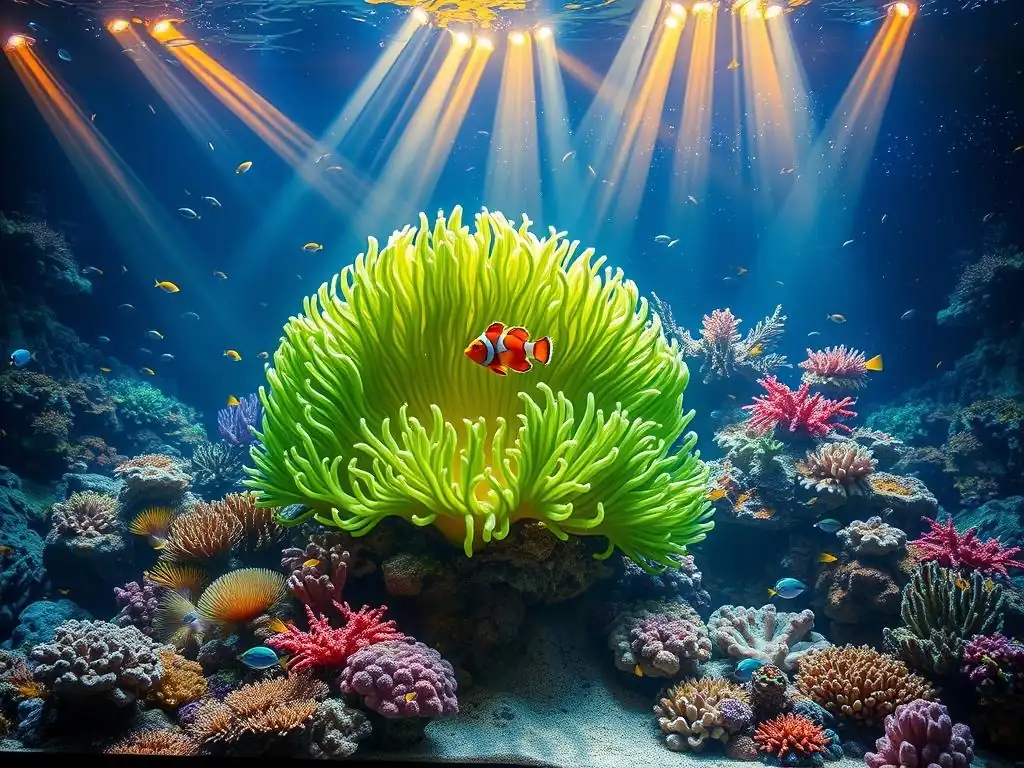
Ever wondered if your clownfish's anemone companion will outlive them? Dive into "Anemone Longevity: How Long Can Your Clownfish's Host Live and Thrive?" and discover the secrets to ensuring your anemone not only survives but thrives, creating a healthy and vibrant ecosystem for your beloved clownfish. Get ready to unlock the clownfish anemone longevity tips you need to keep your saltwater aquarium flourishing!
- Understanding Anemone Lifespan in Aquariums
- Key Considerations for Extending Anemone Life
- Common Anemone Diseases and How to Prevent Them
- Choosing the Right Anemone Species for Clownfish and Aquarium Longevity
- Clownfish Anemone Longevity Tips for a Thriving Symbiotic Relationship
- Maximizing Anemone Health: Long-Term Care Strategies
- Conclusion: Ensuring a Long and Healthy Life for Your Clownfish's Anemone Host
- Frequently Asked Questions
- Final Reflection: The Enduring Dance of Life
- Cultivate a Thriving Anemone Ecosystem!
Understanding Anemone Lifespan in Aquariums
Average Lifespan of Common Aquarium Anemones
Anemones in their natural marine environments can exhibit truly astonishing lifespans, with some large species like the Magnificent Anemone ( Heteractis magnifica) estimated to live for many decades, potentially even centuries, by cloning themselves through fission. However, their lifespan in a home aquarium is significantly shorter and highly dependent on the quality of care provided. While a well-maintained anemone can live for several years, many aquarists find their anemones perish within months due to suboptimal conditions.
For common aquarium species, the potential for longevity is still impressive. A healthy Bubble Tip Anemone ( Entacmaea quadricolor), a popular choice for clownfish hosts, can live for 10 to 20 years or even longer under ideal conditions. Sebae Anemones ( Heteractis crispa) typically have a shorter captive lifespan of 5 to 10 years, reflecting their more sensitive nature. Achieving these maximum lifespans requires meticulous attention to their specific environmental needs, making proper care crucial for clownfish anemone longevity tips.
Factors Affecting Anemone Longevity in Captivity
Numerous factors profoundly influence an anemone's longevity in a captive environment. The most critical include stable and pristine water quality, appropriate lighting intensity and spectrum, consistent and proper feeding, and adequate water flow. Initial health upon acquisition and the acclimation process also play a significant role; an anemone stressed during shipping or improperly acclimated may never fully recover, leading to a shortened lifespan.
Beyond these primary factors, tank stability, compatibility with tank mates, and the overall maturity of the aquarium system are also vital. Anemones thrive in established tanks (typically 6-12 months old or more) with robust biological filtration and minimal fluctuations in parameters. Constant stress from aggressive fish, chemical imbalances, or inconsistent care will invariably reduce an anemone's ability to thrive, often leading to a gradual decline over a period of months rather than years, highlighting the need for comprehensive clownfish anemone longevity tips.
Key Considerations for Extending Anemone Life
Optimal Water Parameters for Healthy Anemones
Maintaining Stable Salinity for Anemone Health
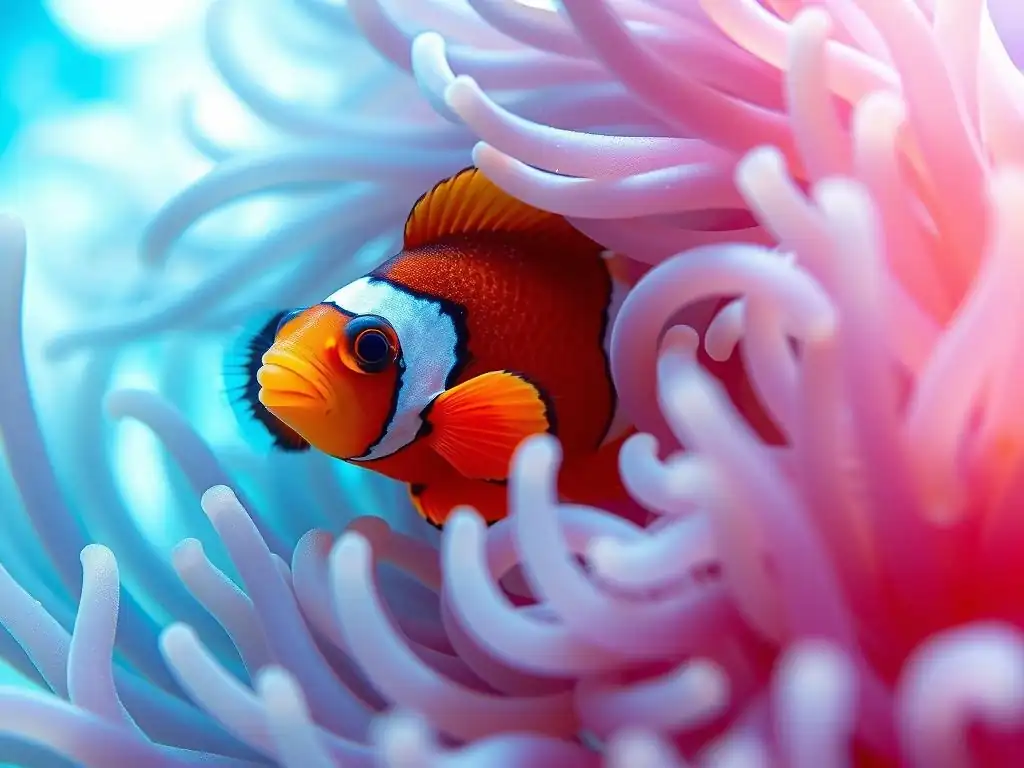
Salinity is perhaps the most critical water parameter for anemones, as they are osmoconformers, meaning their internal osmotic pressure adjusts to match their external environment. The ideal specific gravity (SG) for most anemones is 1.025 to 1.026. Rapid fluctuations in salinity, even as small as 0.002 to 0.003 SG units over a short period (e.g., a few hours), can induce severe osmotic stress, causing the anemone to deflate, retract, or even detach from its substrate.
To maintain stable salinity, regular top-offs with purified RODI (Reverse Osmosis Deionized) water are essential to compensate for evaporation, which concentrates salts in the tank. Using an auto top-off (ATO) system is highly recommended for consistent salinity. When performing water changes, ensure the new saltwater precisely matches the tank's salinity. A sudden drop of 0.005 SG or more can be particularly detrimental, leading to cellular damage and significantly impacting anemone longevity.
The Importance of Proper pH and Alkalinity
Maintaining a stable pH range of 8.1 to 8.4 and an alkalinity (dKH) level of 8 to 12 dKH is crucial for anemone health. These parameters are vital for the calcification processes of any skeletal structures (though anemones are soft-bodied, they rely on stable carbonate chemistry) and support the overall metabolic functions of both the anemone and its symbiotic zooxanthellae. Fluctuations outside this optimal range can inhibit photosynthesis and nutrient uptake.
Low alkalinity, for instance, can hinder the biological processes that allow the anemone to maintain its turgor and overall vitality. A pH swing of more than 0.2 units within a 24-hour period can be highly stressful, disrupting cellular functions and leading to a weakened state. Regular testing (at least weekly) and the use of appropriate buffering solutions or two-part dosing systems are often necessary to keep these parameters within their ideal limits, contributing significantly to clownfish anemone longevity.
Controlling Nitrate and Phosphate Levels
High levels of nitrates and phosphates are indicative of poor water quality and can be detrimental to anemone health. Ideally, nitrates should be kept below 10-20 ppm, and phosphates should be undetectable or below 0.03 ppm. These nutrients, when elevated, can inhibit the function of the symbiotic zooxanthellae, leading to bleaching (expulsion of zooxanthellae) and subsequent starvation of the anemone.
Even moderately elevated nitrate levels, such as a consistent 50 ppm, can slowly degrade an anemone's health over several months, making it more susceptible to stress and disease. Phosphates, even at levels like 0.1 ppm, can stunt growth and reduce overall vitality. Regular partial water changes (e.g., 10-20% weekly), efficient protein skimming, and the use of phosphate-removing media are essential strategies to keep these nutrient levels in check and promote long-term anemone health.
Lighting Requirements for Anemone Growth and Survival
Selecting the Right Light Spectrum for Your Anemone Species
Anemones host photosynthetic zooxanthellae within their tissues, which are critical for their energy production, providing 70-90% of their nutritional needs. These symbiotic algae require specific light spectrums, primarily in the blue and white ranges (typically 10,000K to 20,000K), for optimal photosynthesis. The Photosynthetically Active Radiation (PAR) level, which measures light intensity, also varies significantly by anemone species.
For example, Bubble Tip Anemones generally thrive under moderate PAR levels, typically ranging from 100 to 250 PAR. In contrast, more demanding species like the Magnificent Anemone ( Heteractis magnifica) or Mertens' Carpet Anemone ( Stichodactyla mertensii) may require significantly higher PAR, often in the range of 200 to 400 PAR, to sustain their dense zooxanthellae populations. Utilizing full-spectrum LED fixtures or a combination of T5 fluorescent bulbs with appropriate actinic (blue) supplementation is crucial for meeting these specific lighting demands for clownfish anemone longevity.
Light Acclimation to Prevent Anemone Stress
Sudden or drastic changes in light intensity or spectrum are highly stressful for anemones and can lead to immediate and severe health issues, most notably bleaching. When introducing a new anemone to a tank, or when upgrading lighting, a slow and gradual acclimation process is paramount. This can involve starting with lower light intensity, placing the anemone in a shaded area of the tank, or using dimmer settings on LED lights.
Bleaching, characterized by the anemone losing its vibrant color and appearing translucent, is a common sign of light shock. A rapid increase from, for instance, 50 PAR to 300 PAR can cause an anemone to expel a significant portion of its zooxanthellae within hours or days. A recommended strategy for new lighting or new anemones is to increase light intensity gradually, perhaps by 10-20% per week, allowing the anemone to adapt and its zooxanthellae population to adjust to the new conditions, thereby supporting clownfish anemone longevity.
Feeding Your Anemone for Optimal Health
What to Feed Your Anemone: Diet Recommendations
While zooxanthellae provide the majority of an anemone's energy through photosynthesis, supplemental feeding of meaty foods is crucial for their overall health, growth, and long-term survival. Anemones are carnivorous and benefit from a varied diet. Recommended foods include mysis shrimp, chopped silversides, krill, small pieces of marine-grade shrimp, or high-quality frozen marine preparations designed for carnivorous invertebrates.
A varied diet ensures that the anemone receives a full spectrum of essential amino acids, fatty acids, and other nutrients that photosynthesis alone cannot provide. These dietary supplements contribute to stronger tissue growth, enhanced resilience against stress, and improved immune function. Observing the anemone's response to food – its ability to capture and ingest it – is a good indicator of its overall health and vitality.
Proper Feeding Techniques and Frequency
Target feeding is the most effective method to ensure your anemone receives adequate nutrition. This involves using tongs or a pipette to gently place food directly onto the anemone's oral disc (mouth). It's important to ensure the anemone fully grasps and consumes the food, as uneaten food can decompose and degrade water quality.
The frequency of feeding depends on the anemone's size, species, and the amount of light it receives. Larger anemones or those in lower light environments may require more frequent feeding. Typically, feeding 1 to 3 times per week is sufficient for most common aquarium anemones. For instance, a small Bubble Tip Anemone might thrive on a single mysis shrimp every 2-3 days, while a large Sebae Anemone could consume a quarter-inch piece of silverside twice a week. Overfeeding can lead to water quality issues, while underfeeding will result in a slow decline in health and a shortened lifespan.
Ensuring Proper Water Flow for Anemones
Why Water Flow is Crucial for Anemone Well-being
Moderate, turbulent water flow is essential for the health and longevity of anemones. Proper flow serves multiple critical functions: it ensures the delivery of food particles and dissolved oxygen to the anemone's tentacles and body, facilitates the removal of metabolic waste products from around its tissues, and aids in gas exchange. Without adequate flow, waste can accumulate, and the anemone may struggle to obtain sufficient nutrients and oxygen.
Conversely, excessive or direct laminar flow can be detrimental. Too strong a current can prevent the anemone from properly attaching its foot, constantly buffet its body, or even cause physical damage to its delicate tissues. This constant stress can lead to detachment, inability to feed effectively, and a general decline in health. Anemones typically prefer areas where they receive indirect, random, or turbulent flow that gently sways their tentacles rather than flattening them.
Achieving Ideal Water Movement in Your Tank
To achieve ideal water movement, aquarists typically utilize powerheads or wavemakers. The strategic placement of these devices is crucial to create the desired flow patterns. Avoid positioning powerheads to blast directly onto the anemone. Instead, aim them to create broad, circulating currents that provide ample indirect flow throughout the tank.
Observing the anemone's tentacles is a good indicator of appropriate flow. They should sway gently and naturally, indicating consistent water movement without being violently thrashed or flattened against the anemone's body. Adjusting the powerhead's angle, intensity, or adding diffusers may be necessary to fine-tune the flow. Achieving this balance is a key clownfish anemone longevity tip, as it directly impacts their ability to feed and respire efficiently.
Common Anemone Diseases and How to Prevent Them
Recognizing Early Signs of Anemone Illness
Recognizing the early signs of illness in an anemone is crucial for timely intervention and improved prognosis. A healthy anemone is typically fully inflated, exhibits vibrant coloration, and is firmly attached to its chosen substrate. Signs of distress or illness include persistent retraction or deflation (remaining shrunken for more than a few hours), loss of color or bleaching (appearing translucent or pale), a gaping mouth that is constantly open or expelling mesenterial filaments, an inability to attach or frequent detachment, and any signs of tissue necrosis or disintegration, particularly around the foot.
Any deviation from its normal appearance or behavior, especially if it persists for more than 24-48 hours, should prompt immediate investigation into water parameters, lighting, and feeding. For instance, a Bubble Tip Anemone that remains deflated and refuses to inflate even after the lights have been on for several hours is a significant red flag, signaling potential stress or underlying health issues that need to be addressed promptly.
Treating Common Anemone Diseases
Many "diseases" in anemones are not caused by specific pathogens but are rather symptoms of environmental stress or poor water quality. Therefore, the primary and most effective "treatment" is almost always to identify and correct the underlying environmental issue. This typically involves performing immediate water quality tests, adjusting lighting or flow, and ensuring proper feeding.
Bacterial infections can sometimes occur, often manifesting as localized tissue necrosis or a general decline. While specific medications for anemones are limited and can be risky in a display tank, improving water quality is paramount. In severe cases, a short-term dip in a separate container with a broad-spectrum antibiotic (such as Furan-2, carefully dosed and monitored) might be considered as a last resort, but prevention through optimal husbandry is by far the best strategy for maintaining clownfish anemone longevity.
Quarantine Protocols for New Anemones
Implementing a quarantine protocol for all new anemones is highly recommended to prevent the introduction of diseases, parasites, or unwanted pests into your established display tank. A separate quarantine tank allows for observation in a controlled environment, where the anemone can be monitored for health issues and acclimated without the added stress of an existing ecosystem.
A minimum quarantine period of 2 to 4 weeks is advisable. During this time, ensure the anemone is eating, fully inflating, and firmly attaching. It also provides an opportunity to check for common hitchhikers, such as predatory snails (e.g., Sundial Snails) or nudibranchs, which can predate on anemones. This proactive measure significantly reduces the risk of introducing problems that could jeopardize the health of your existing tank inhabitants and the long-term clownfish anemone longevity.
Choosing the Right Anemone Species for Clownfish and Aquarium Longevity
Anemone Compatibility with Clownfish Species
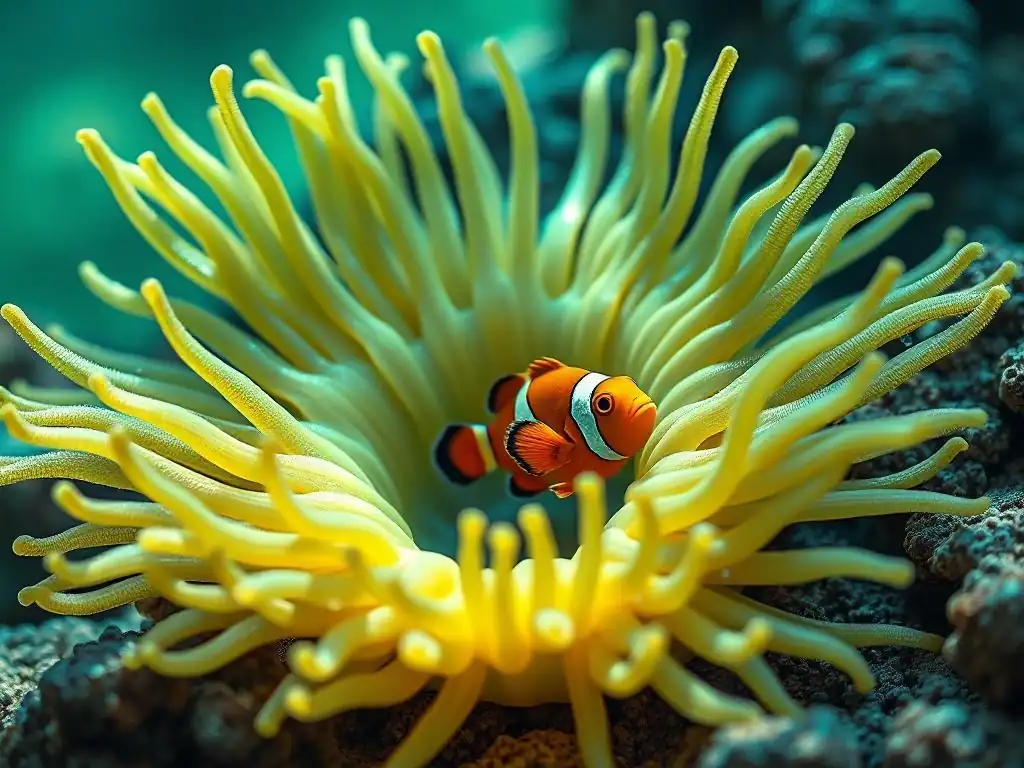
Not all anemones will host all species of clownfish, and not all anemones are suitable for the home aquarium environment, especially for beginners. The most common and reliable host anemones for popular clownfish species include the Bubble Tip Anemone ( Entacmaea quadricolor), Sebae Anemone ( Heteractis crispa), Magnificent Anemone ( Heteractis magnifica), and Mertens' Carpet Anemone ( Stichodactyla mertensii). Clownfish often exhibit a preference for certain anemone species based on their natural distribution and symbiotic relationships in the wild.
For instance, the widely kept Ocellaris and Percula clownfish ( Amphiprion ocellaris and Amphiprion percula) are most commonly observed to host Bubble Tip Anemones, and this pairing is often the most successful in captivity. Larger clownfish species, such as Maroon Clownfish ( Premnas biaculeatus), might host a wider variety including Bubble Tip and Sebae Anemones. Thorough research into the specific clownfish-anemone pairings is essential to ensure a successful and long-lasting symbiotic relationship, which is a core component of clownfish anemone longevity tips.
Selecting Hardy Anemone Species for Beginners
For aquarists new to keeping anemones, selecting a hardy and forgiving species is paramount to success. The Bubble Tip Anemone ( Entacmaea quadricolor) is widely considered the best choice for beginners due to its relative resilience and adaptability compared to other host anemone species. Provided its basic needs for stable water parameters, moderate lighting, and consistent feeding are met, BTAs can thrive and offer a rewarding experience.
In contrast, species like the Sebae Anemone ( Heteractis crispa) or the Magnificent Anemone ( Heteractis magnifica) are significantly more challenging to keep. They have much more stringent requirements for lighting intensity, water purity, and flow, and are far less tolerant of fluctuations. These species are best left to experienced aquarists with well-established and highly stable reef tanks, as their demanding nature often leads to premature failure for novices attempting to achieve clownfish anemone longevity.
Bubble Tip Anemone (Entacmaea quadricolor): Care and Lifespan
The Bubble Tip Anemone (BTA) is arguably the most popular and suitable host anemone for a home aquarium, particularly for Ocellaris and Percula clownfish. Their care requirements include moderate lighting (typically 100-250 PAR), moderate but turbulent water flow, and stable water parameters (specific gravity 1.025-1.026, pH 8.1-8.4, dKH 8-12, nitrates below 20 ppm). They prefer to anchor their foot securely within rockwork, often in crevices or shaded areas, while extending their tentacles into the light. Supplemental feeding of meaty foods 1-2 times per week is also crucial.
With proper and consistent care, Bubble Tip Anemones can exhibit impressive longevity, living for 10 to 20 years or even more in captivity. They are also known for their ability to propagate asexually through fission (splitting) when conditions are optimal, which is a strong indicator of a thriving and healthy specimen. Their hardiness and potential for a long life make them an excellent foundation for achieving long-term clownfish anemone longevity.
Sebae Anemone (Heteractis crispa): Care and Lifespan
The Sebae Anemone ( Heteractis crispa) is another common host anemone, recognizable by its typically white or pale coloration and often purple-tipped tentacles. However, it is significantly more challenging to keep than the Bubble Tip Anemone. Sebaes require very high lighting (often 200-400 PAR), strong but indirect water flow, and absolutely pristine water quality with nitrates ideally below 5 ppm and phosphates undetectable. They often prefer to embed their foot deep into a soft sandbed, though some may attach to rockwork. Regular and frequent feeding of meaty foods is also essential.
Due to their demanding requirements and sensitivity to water quality fluctuations, Sebae Anemones typically have a shorter captive lifespan compared to BTAs, often living only 5 to 10 years even in ideal aquarium conditions. Many perish much sooner if their specific needs are not consistently met. Their fragility makes them a less suitable choice for beginners seeking to establish a long-term symbiotic relationship, as successful clownfish anemone longevity with this species requires a high level of expertise.
Clownfish Anemone Longevity Tips for a Thriving Symbiotic Relationship
Creating a Stress-Free Environment for Anemones and Clownfish
The cornerstone of achieving long-term clownfish anemone longevity is providing a stable and stress-free environment. Anemones are highly sensitive to sudden changes in their surroundings, including fluctuations in temperature, salinity, or lighting. Consistency in all water parameters is paramount; even minor daily swings can cumulatively stress the anemone, leading to a shortened lifespan. Ensure ample space is provided for the anemone to expand and move if it desires, with suitable rockwork for attachment.
Minimize disturbances within the tank, such as aggressive tank mates or excessive manual intervention. While clownfish will host, ensure the anemone is adequately sized for its clownfish inhabitants; a small anemone (e.g., less than 4-5 inches in diameter) hosting a large or aggressive clownfish pair can be constantly irritated and stressed. A healthy symbiotic relationship thrives when both partners are comfortable and unstressed, making this a crucial aspect of clownfish anemone longevity tips.
Monitoring Clownfish Behavior for Anemone Health
Clownfish can serve as excellent bio-indicators of their host anemone's health. A clownfish that suddenly stops hosting its anemone, or whose interactions with the anemone become hesitant or unusual, can signal underlying stress or illness in the anemone. For example, if the anemone consistently retracts or deflates whenever the clownfish approaches, it may be experiencing discomfort or a decline in health.
Observe the clownfish's typical hosting behavior. A healthy symbiotic relationship involves the clownfish gently navigating and moving within the anemone's tentacles, often appearing comfortable and protected. Aggressive darting, excessive biting at the anemone's oral disc, or a prolonged absence from the anemone could indicate that the anemone is unhealthy, irritated, or not providing the expected protection. Paying close attention to these subtle cues can provide early warnings and allow for timely intervention, contributing to effective clownfish anemone longevity tips.
Avoiding Common Mistakes That Shorten Anemone Lifespan
Several common mistakes frequently lead to a shortened anemone lifespan in captivity. One of the most significant is introducing an anemone to an immature aquarium system, typically one that has been set up for less than 6-12 months. New tanks often lack the stability and robust biological filtration necessary to support sensitive invertebrates like anemones. Unstable water parameters, including fluctuating salinity, pH, or high nutrient levels, are also primary culprits.
Other frequent errors include providing insufficient lighting for the anemone's specific species requirements, inadequate or infrequent feeding, and improper acclimation techniques upon introduction to the tank. Furthermore, placing an anemone in a tank with strong stinging corals or aggressive fish that can irritate or damage it, or attempting to force an anemone to remain in a specific spot rather than allowing it to choose its preferred location, can severely stress the animal. Avoiding these pitfalls is paramount for maximizing clownfish anemone longevity.
Maximizing Anemone Health: Long-Term Care Strategies
Regular Maintenance for a Long-Lived Anemone
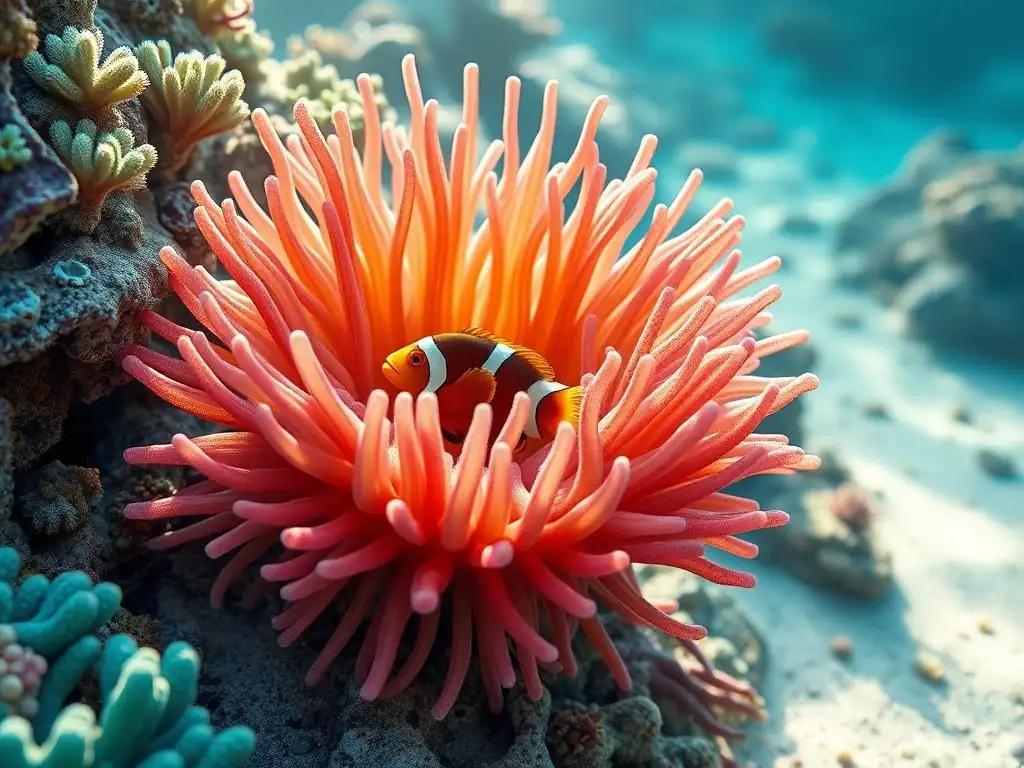
Consistent and diligent aquarium maintenance is the bedrock of achieving a long and healthy life for your anemone. This includes performing regular partial water changes, typically 10-20% of the tank volume weekly or bi-weekly, to export accumulated nutrients and replenish essential trace elements. Consistent cleaning of filtration media, protein skimmers, and the aquarium substrate prevents the buildup of organic waste that can degrade water quality.
Daily monitoring of temperature and salinity is crucial, as is weekly testing of key parameters such as pH, alkalinity, calcium, nitrates, and phosphates. This routine allows for the early detection and correction of any imbalances before they can significantly impact the anemone's health. A proactive maintenance schedule minimizes stress and provides the stable environment necessary for the anemone to thrive for many years, making it a critical aspect of clownfish anemone longevity.
Anemone Propagation: Ethical Considerations and Techniques
Anemones can propagate both sexually (spawning) and asexually (budding or fission). While sexual reproduction is rare in home aquariums, asexual propagation, particularly fission, is a common occurrence when an anemone is thriving and healthy. While observing a natural split is fascinating, intentional asexual propagation (fragmentation) by aquarists should only be attempted by experienced individuals on very healthy, established anemones.
Ethical considerations are paramount when considering fragmentation. The process can be stressful, and ensuring the anemone is not unduly harmed and that the resulting fragments have a high chance of survival is essential. Techniques often involve careful cutting of the oral disc or foot, but natural splitting is generally preferred as it indicates optimal environmental conditions and minimizes stress to the parent animal. Successful natural propagation is a strong indicator of excellent long-term clownfish anemone longevity.
Troubleshooting Common Anemone Problems and Solutions
When an anemone shows signs of distress, prompt troubleshooting is vital. If an anemone detaches from its substrate and begins to float around the tank, it is almost certainly a sign of severe stress, often due to poor water quality, inadequate flow, or unsuitable lighting. The immediate solution is to check all water parameters, guide the anemone to a calmer, shaded area of the tank, or place it in a separate container with ideal water parameters until it reattaches.
Bleaching, characterized by the loss of vibrant color and a translucent appearance, indicates the expulsion of zooxanthellae, usually due to too much or too little light, temperature swings, or severe water quality issues. Solutions include gradually adjusting lighting intensity, ensuring stable temperature, and performing a small water change. If the anemone's mouth is constantly gaping or appears inverted, it could be a sign of starvation or severe internal stress, requiring immediate attention to feeding and water quality. Addressing these issues swiftly is crucial for clownfish anemone longevity.
Conclusion: Ensuring a Long and Healthy Life for Your Clownfish's Anemone Host
Achieving impressive anemone longevity in a home aquarium is not merely a stroke of luck but the direct result of diligent care and a deep understanding of their specific needs. It hinges on providing a consistently stable, pristine, and well-suited environment that closely mimics their natural habitat. From maintaining precise water parameters and providing appropriate lighting to ensuring proper nutrition and adequate water flow, every aspect of care contributes to their long-term well-being.
The journey to a thriving, long-lived anemone is a rewarding one, enhancing the beauty and ecological balance of your marine aquarium. By committing to continuous learning, consistent maintenance, and proactive problem-solving, aquarists can successfully navigate the challenges and enjoy a vibrant, enduring symbiotic relationship between their beloved clownfish and its magnificent host. Embracing these comprehensive clownfish anemone longevity tips will undoubtedly lead to a healthier and more resilient aquatic ecosystem.
Frequently Asked Questions
How long do anemones typically live in a home aquarium?
Anemones can have a wide range of lifespans in captivity. With proper care, some species can live for several years or even decades. However, poor water quality and improper feeding can significantly shorten their lifespan.
What are the most crucial factors for anemone longevity?
Maintaining stable water parameters, including salinity, temperature, and pH, is paramount. Providing adequate lighting and appropriate feeding are also essential for long-term health and survival.
What type of lighting is best for anemones to thrive?
Most anemones require intense lighting, often provided by metal halide or LED fixtures specifically designed for reef aquariums. The specific lighting needs will vary based on the anemone species.
What should I feed my anemone, and how often?
Anemones benefit from supplemental feedings of small pieces of meaty foods, such as mysis shrimp or finely chopped seafood. Feeding frequency typically ranges from once or twice a week, depending on the anemone's size and species.
How can I tell if my anemone is unhealthy or dying?
Signs of an unhealthy anemone include shrunken size, loss of color, failure to attach to the substrate, and expulsion of zooxanthellae (bleaching). Immediate action is needed to correct any underlying issues.
Final Reflection: The Enduring Dance of Life
The information presented throughout this article underscores the critical importance of understanding anemone longevity for the well-being of clownfish and the overall health of reef aquariums. It's clear that simply acquiring an anemone isn't enough; responsible reef keeping demands a commitment to providing the specific conditions that allow these delicate creatures to thrive for years to come, ensuring a stable and enriching environment for their clownfish partners.
This journey into anemone care has highlighted the profound interconnectedness within a reef ecosystem. It's a reminder that our actions as aquarists have direct consequences on the lives of the animals we choose to keep, and that a deep understanding of their needs is paramount. In the end, we will conserve only what we love; we will love only what we understand; and we will understand only what we are taught.
– Baba Dioum. This quote perfectly encapsulates the responsibility we bear to educate ourselves and others about the intricate lives of these fascinating creatures.
As you consider the information shared here, I urge you to reflect on your own practices and aspirations as a reef keeper. Are you truly providing the optimal conditions for your anemone to flourish? Are you actively seeking knowledge and refining your approach? The longevity of your anemone, and the happiness of your clownfish, depends on your dedication. Embrace the challenge, continue to learn, and strive to create a thriving reef ecosystem that will endure for years to come.
Cultivate a Thriving Anemone Ecosystem!
Thanks for diving into the world of anemone longevity! You've gained valuable insights into extending the lifespan of these fascinating creatures. Now, let's put that knowledge into action and ensure your anemone thrives for years to come.
Here are some actionable steps you can take right now:
- Prioritize optimal water conditions. Regularly test and maintain parameters like salinity, pH, and nitrate levels to mimic the anemone's natural environment.
- Explore unconventional feeding methods. Experiment with targeted feeding using a turkey baster to ensure your anemone receives adequate nutrition.
- Share your anemone care tips! Join our Aquarium Mastery community forum and contribute your own experiences and insights to help other reef keepers.
What's the single most impactful change you'll make to your anemone care routine this week based on what you've learned?