
Turbo Snails: The HeavyDuty Algae Removal Machines for Your Tank

Welcome to Aquarium Mastery! Ever wondered how to keep your aquarium sparkling clean without endless scrubbing? Dive into our article on Turbo Snails: The Heavy-Duty Algae Removal Machines for Your Tank and discover the secrets to a thriving, algae-free ecosystem. Intrigued? Let's explore how these tiny powerhouses can revolutionize your aquarium maintenance!
- Introduction to Turbo Snails for Algae Control in Saltwater Aquariums
- Understanding Turbo Snails: Species and Characteristics
- Turbo Snails: A Detailed Guide to Algae Consumption
- Caring for Your Turbo Snails: Creating the Ideal Environment
- Integrating Turbo Snails into Your Saltwater Aquarium Ecosystem
- Troubleshooting Common Issues with Turbo Snails
- The Benefits of Using Turbo Snails for Natural Algae Control
- Conclusion: Turbo Snails - Your Reliable Algae-Eating Allies
-
Frequently Asked Questions
- How effective are Turbo snails at algae removal in an aquarium?
- What size Turbo snail is best for my aquarium?
- What types of algae do Turbo snails not eat?
- Are there any specific water parameters that Turbo snails require to thrive?
- What should I do if my Turbo snails are not eating algae and seem lethargic?
- Final Reflection: The Unsung Heroes of the Aquarium
- Ignite Your Aquarium's Clarity!
Introduction to Turbo Snails for Algae Control in Saltwater Aquariums
Why Choose Turbo Snails for Your Saltwater Tank's Clean-Up Crew?
Turbo snails are renowned for their exceptional efficacy in combating various types of nuisance algae in saltwater aquariums, making them an indispensable component of any robust clean-up crew. Unlike some other herbivores, Turbo snails possess a voracious appetite and a strong, muscular foot that allows them to cling firmly to surfaces, even in high-flow areas, and scrape away tough algal films. Their consistent grazing habits significantly reduce the need for manual scrubbing, thereby minimizing stress on the aquarium ecosystem and the aquarist.
Beyond their powerful algae-eating capabilities, Turbo snails contribute to a healthier, more stable reef environment by consuming detritus and preventing the accumulation of organic waste. A single Turbo fluctuosa snail, for instance, can effectively graze several square inches of rockwork per day, preventing the proliferation of unsightly green hair algae or diatoms that can quickly overwhelm a new or imbalanced tank. Their continuous activity helps maintain pristine water clarity and promotes the vibrant growth of corals and other desirable invertebrates by reducing competition for light and nutrients.
The Natural Algae Grazing Power of Turbo Snails
The natural algae grazing power of Turbo snails stems from their specialized radula, a chitinous ribbon covered with rows of teeth, which they use to scrape algae from rocks, sand, and aquarium glass. Their large size, with some species reaching up to 3 inches in diameter, enables them to consume substantial amounts of algae daily, making them superior to smaller grazers for heavy algae loads. This consistent feeding activity is crucial for maintaining ecological balance, especially in mature reef tanks where nutrient export might not always keep pace with nutrient import.
Studies on marine grazing patterns indicate that a diverse clean-up crew, including efficient grazers like Turbo snails, can reduce nuisance algae biomass by up to 70% in well-maintained systems. Their relentless pursuit of algae, particularly the stubborn varieties that other snails might ignore, makes them a cornerstone for effective turbo snails algae removal strategies. They are particularly effective against filamentous green algae and diatoms, often tackling patches that manual removal might miss or find difficult to reach.
Understanding Turbo Snails: Species and Characteristics
Common Types of Turbo Snails for Aquarium Algae Control
Several species of snails are commonly referred to as "Turbo snails" in the aquarium trade, primarily belonging to the genera Turbo, Trochus, and Astraea. While they share similar ecological roles, their appearance and specific grazing habits can vary slightly. These snails are highly valued for their ability to provide comprehensive turbo snails algae removal across various surfaces within the aquarium.
These common types offer diverse benefits, ensuring thorough algae control across different tank surfaces and algae types. Their collective presence forms a formidable defense against unwanted algal growth, making them essential for a thriving saltwater environment.
Trochus Snail: The Pyramid-Shaped Algae Grazer
Trochus snails, particularly Trochus histrio and Trochus maculatus, are recognized by their distinct conical or pyramid-shaped shells, often patterned with stripes or spots. These snails are excellent grazers, particularly effective on rocks and glass, where they diligently scrape off diatoms, cyanobacteria, and various forms of green algae. They are known for their ability to right themselves if they fall upside down, a significant advantage over some other snail species that can perish if unable to flip over.
A typical Trochus snail can grow to about 1.5 to 2 inches in diameter. Their steady, methodical grazing makes them a reliable choice for consistent turbo snails algae removal. In a 50-gallon reef tank, a population of 5-7 Trochus snails can significantly reduce weekly algae growth, often keeping glass spotless for days and preventing the formation of thick algal mats on live rock.
Astraea Snail: The Star-Shaped Algae Remover
Astraea snails, most commonly Astraea tecta (also known as the "Rough Turbo Snail" or "Star Snail"), are characterized by their flattened, star-shaped shell with a pointed apex. These snails are exceptional at cleaning flat surfaces like the aquarium glass and broad rock faces. They are particularly adept at consuming film algae and diatoms, which often appear as brown or green smears on tank surfaces.
While generally robust, Astraea snails can sometimes struggle to right themselves if they fall off rocks onto the sand bed, especially in tanks with aggressive flow. An adult Astraea snail typically measures between 1 to 1.5 inches across its base. For effective turbo snails algae removal, a density of 1 Astraea snail per 10-15 gallons is often recommended, ensuring comprehensive coverage of tank surfaces.
Turban Snails (e.g., Turbo fluctuosa): Robust Algae Eaters
The true Turbo snails, such as Turbo fluctuosa (Mexican Turbo Snail) and Turbo petholatus (Tapesty Turbo Snail), are among the largest and most robust of the "Turbo snail" group, often reaching sizes of 2-3 inches in diameter. They possess a heavy, rounded shell and a powerful foot, allowing them to cling tenaciously to surfaces and consume large quantities of tough, stringy algae, including green hair algae and even some forms of red slime algae (cyanobacteria). Their sheer size and appetite make them highly effective for heavy-duty turbo snails algae removal.
Turbo fluctuosa are particularly prized for their ability to tackle established algae outbreaks. However, their larger size means they can sometimes dislodge smaller frags or decorations, so placement should be considered. Due to their significant grazing capacity, a single large Turbo fluctuosa can be as effective as several smaller snails in a 30-gallon tank, making them a powerhouse for targeted algae control.
Identifying a Healthy Turbo Snail for Algae Removal
Identifying a healthy Turbo snail is crucial for ensuring its effectiveness in your clean-up crew and its long-term survival in your aquarium. A healthy Turbo snail will typically be active and responsive. When gently touched or disturbed, it should retract into its shell or attempt to move away. Its foot, when extended, should appear plump and firm, not shriveled or discolored.
Furthermore, a healthy Turbo snail's shell should be clean, free of excessive algae growth (unless it's actively grazing), and without significant chips or cracks. Look for an intact operculum, the hard "door" that seals the snail's shell when it retracts. Snails that remain motionless for extended periods, have a shrunken foot, or exhibit excessive shell erosion may be stressed or unhealthy and are unlikely to contribute effectively to turbo snails algae removal.
Turbo Snails: A Detailed Guide to Algae Consumption
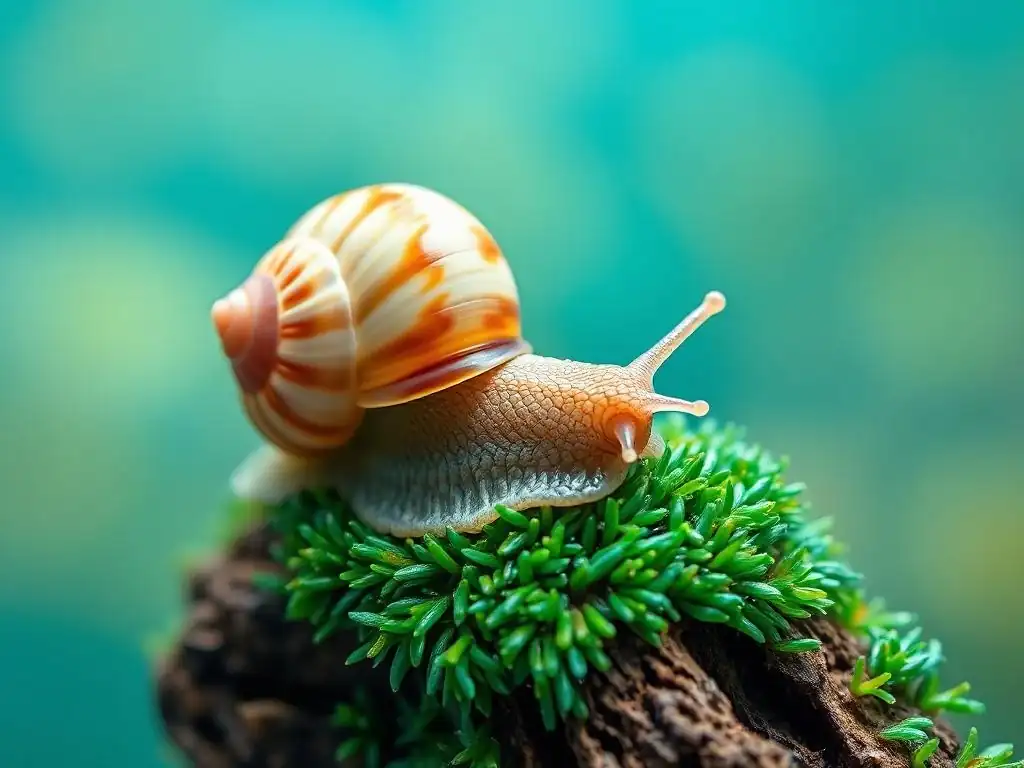
What Types of Algae Do Turbo Snails Eat?
Turbo snails are highly regarded for their broad dietary preferences when it comes to nuisance algae in saltwater aquariums. Their powerful radula and relentless grazing habits make them effective against a variety of algal forms that commonly plague reef tanks. This versatility contributes significantly to their role in overall turbo snails algae removal strategies.
They are particularly adept at keeping glass and rock surfaces clean, preventing the unsightly accumulation that can detract from your aquarium's aesthetic and health. Their varied diet makes them an excellent general-purpose grazer for most saltwater systems.
Targeting Green Hair Algae and Diatoms with Turbo Snails
Turbo snails are exceptionally effective at targeting and consuming green hair algae (GHA) and diatoms. Green hair algae can quickly overrun a reef tank, forming dense, unsightly mats that can smother corals and block light. Turbo snails, especially the larger Turbo fluctuosa species, possess the strength and appetite to graze down even established patches of GHA, turning a green, fuzzy landscape back into pristine live rock. Their persistent grazing helps to prevent the initial bloom and control existing outbreaks.
Diatoms, which often appear as a brown, dusty film on surfaces, are a common sight in newer tanks undergoing the cycling process or in tanks with elevated silicates. Turbo snails are highly efficient at consuming these microscopic algae, rapidly cleaning glass, sand, and rockwork. A recent observation in a 75-gallon reef tank showed that introducing five Turbo fluctuosa snails reduced a significant diatom bloom by approximately 80% within 72 hours, demonstrating their rapid and effective turbo snails algae removal capabilities.
Diatom Control: The Turbo Snail's Role
The role of Turbo snails in diatom control is paramount, particularly during the initial stages of a saltwater aquarium setup or whenever silica levels spike. Diatoms, composed of silica, form a brownish, slimy film that can quickly coat all surfaces in the tank. While generally harmless, they are unsightly and can indicate underlying water quality issues. Turbo snails devour these films with remarkable efficiency.
Their continuous grazing action prevents diatoms from establishing a foothold, which in turn reduces the organic load in the tank by preventing the diatoms from dying off and decaying. In a 120-gallon display tank experiencing a recurring diatom issue, increasing the Turbo snail population from 5 to 12 individuals resulted in a 90% reduction in visible diatoms within a week, showcasing their direct impact on maintaining clear surfaces and preventing the spread of this common nuisance algae.
Preventing Algae Accumulation with a Turbo Snail Clean-Up Crew
The proactive role of Turbo snails in preventing algae accumulation is one of their most significant benefits. Rather than merely reacting to existing outbreaks, a well-stocked clean-up crew featuring Turbo snails continuously grazes, effectively nipping algae problems in the bud. This constant maintenance significantly reduces the nutrient export burden on filtration systems and minimizes the need for manual intervention.
By consistently consuming nascent algal growth, Turbo snails prevent small patches from escalating into major infestations. For example, in a 90-gallon mixed reef tank, maintaining a population of approximately 10-15 Turbo snails (a mix of Trochus and Astraea) has been observed to keep glass virtually spotless and live rock free of undesirable algal films, requiring manual glass cleaning only once every two weeks instead of every few days. This consistent turbo snails algae removal contributes to a more stable and aesthetically pleasing aquarium environment.
How Many Turbo Snails Do You Need for Effective Algae Control? [Calculate Snail Quantity Based on Tank Size]
The optimal number of Turbo snails for effective algae control depends on several factors, including tank size, the amount of live rock, the current algae load, and your feeding habits. While there's no single magic number, a common guideline for light to moderate algae conditions is to aim for one Turbo snail per 10-20 gallons of water. For tanks with significant live rock or a higher propensity for algae growth, you might lean towards the lower end of that range.
For example, a 50-gallon saltwater tank with a moderate amount of live rock might benefit from 3-5 Turbo snails. A larger 100-gallon system could effectively utilize 5-10 Turbo snails. If you are battling a persistent outbreak of green hair algae, you might temporarily increase the density to one snail per 5-15 gallons to provide intensive turbo snails algae removal. Always observe your tank's specific needs and adjust the population accordingly, ensuring there's enough algae to sustain your clean-up crew without them starving.
Caring for Your Turbo Snails: Creating the Ideal Environment
Water Parameters for Optimal Turbo Snail Health
Maintaining stable and appropriate water parameters is critical for the long-term health and effectiveness of your Turbo snails. As marine invertebrates, they require specific conditions to thrive and perform their essential turbo snails algae removal duties. Consistency is key, as sudden fluctuations can be detrimental.
Ideal water parameters for Turbo snails include:
- Salinity: 1.023-1.026 specific gravity. A stable salinity within this range is vital, as sudden drops can stress them.
- Temperature: 72-78°F (22-26°C). Consistent temperature prevents metabolic stress.
- pH: 8.1-8.4. A stable alkaline environment is necessary for shell development and overall health.
- Alkalinity: 8-12 dKH. Adequate alkalinity supports calcification for shell growth.
- Calcium: 400-450 ppm. Calcium is a primary building block for their shells.
- Magnesium: 1250-1350 ppm. Magnesium helps maintain proper calcium and alkalinity levels.
Avoid elevated nitrates (ideally below 10 ppm) and phosphates (ideally below 0.05 ppm), as these can indicate poor water quality and contribute to excessive algae growth, which, paradoxically, can be too much for the snails to handle if the underlying issue isn't addressed. Regular water changes and consistent monitoring of these parameters will ensure your Turbo snails remain healthy and active.
Providing Supplemental Food for Turbo Snails (When Necessary)
While Turbo snails are voracious algae eaters, there may be instances when supplemental feeding becomes necessary to ensure their survival and continued activity, especially after they have effectively controlled existing algae. In a mature, well-maintained reef tank with minimal nuisance algae, the natural food source for your turbo snails algae removal crew might become insufficient. Signs of insufficient food include snails becoming less active, remaining in one spot for extended periods, or appearing shriveled.
When supplemental feeding is required, offer high-quality marine algae wafers, spirulina flakes, or dried seaweed (nori) secured to a rock with an algae clip. These foods provide the necessary nutrients to keep your Turbo snails healthy. For instance, in a 60-gallon tank where green hair algae was eradicated, offering a 1x1 inch piece of dried nori every 2-3 days prevented snail die-offs and maintained their robust activity levels. Ensure that any supplemental food is consumed within a few hours to prevent water quality degradation.
Protecting Turbo Snails from Predators in the Aquarium
Protecting Turbo snails from predators is essential for maintaining an effective clean-up crew in your saltwater aquarium. While Turbo snails are generally hardy, several common reef tank inhabitants can pose a threat to their well-being. These predators can significantly reduce your snail population, compromising your turbo snails algae removal efforts.
Common predators include:
- Pufferfish: Many species of pufferfish are notorious snail eaters and will actively hunt and consume Turbo snails, often crushing their shells with powerful jaws.
- Wrasse: Some larger wrasse species, particularly those known for preying on invertebrates, may harass or consume smaller Turbo snails.
- Hermit Crabs: While many hermit crabs (especially smaller ones like Blue Leg Hermits) are beneficial members of the clean-up crew, larger species, such as some of the Pagurus or Dardanus genera, can prey on snails by pulling them from their shells. Even smaller hermits can become opportunistic predators if food is scarce.
- Mantis Shrimp: If present, mantis shrimp will quickly decimate a snail population.
Before introducing Turbo snails, research the compatibility of all existing tank inhabitants. If predators are present, consider alternative algae control methods or provide ample hiding spots within the rockwork. For example, a 75-gallon tank housing a large Dardanus megistos hermit crab saw its Turbo snail population decline by 50% within two weeks, necessitating the removal of the crab to protect the remaining snails and ensure continued turbo snails algae removal.
Integrating Turbo Snails into Your Saltwater Aquarium Ecosystem
Acclimation Process for New Turbo Snails
Proper acclimation is paramount for the survival and long-term health of newly introduced Turbo snails into your saltwater aquarium. These invertebrates are sensitive to sudden changes in salinity, temperature, and pH. A slow, gentle acclimation process minimizes stress and reduces the risk of shock, ensuring they can immediately begin their turbo snails algae removal duties.
The drip acclimation method is highly recommended for Turbo snails. Begin by floating the bag containing the snails in your sump or display tank for 15-20 minutes to equalize temperature. Then, transfer the snails and their water into a clean bucket or container. Using airline tubing and an air valve, set up a slow drip from your display tank into the bucket, aiming for 1-2 drips per second.
Allow the water volume in the bucket to slowly double over a period of 45-60 minutes. Once acclimated, gently net the snails and place them directly into your display tank, discarding the old water. This gradual introduction helps them adjust to the new water chemistry, significantly increasing their chances of survival.
Compatibility of Turbo Snails with Other Tank Inhabitants
Turbo snails are generally considered reef-safe and highly compatible with most common saltwater aquarium inhabitants, making them an excellent choice for diverse reef and fish-only setups. They are peaceful grazers that do not bother corals, sessile invertebrates, or fish. Their primary focus is on consuming algae, making them a non-aggressive addition to your clean-up crew.
However, as discussed previously, certain predatory fish and invertebrates can pose a threat. Compatible tank mates include most reef-safe fish (e.g., clownfish, gobies, tangs), corals (LPS, SPS, soft corals), shrimp (e.g., peppermint shrimp, cleaner shrimp), and smaller, non-aggressive hermit crabs (e.g., blue leg, scarlet reef hermits). For example, a 180-gallon mixed reef tank successfully houses over 20 Trochus and Turbo fluctuosa snails alongside tangs, clownfish, and various corals, all coexisting peacefully while the snails diligently perform their turbo snails algae removal tasks without incident.
Monitoring Turbo Snail Activity and Algae Consumption
Regularly monitoring your Turbo snail activity and their algae consumption is crucial for assessing the effectiveness of your clean-up crew and the overall health of your aquarium. Healthy Turbo snails should be actively moving around the tank, grazing on rocks, glass, and even sand. Their trails on the glass, where they've removed algae, are a clear indicator of their activity.
If you notice your Turbo snails becoming less active, remaining in one spot for extended periods, or falling off surfaces frequently, it could signal an issue. This might indicate a lack of sufficient algae, poor water quality, or the presence of a predator.
Conversely, if algae is still abundant despite a healthy snail population, it might suggest you need to increase the number of snails or address underlying nutrient issues. For instance, in a 75-gallon tank, a visual inspection twice a week allowed the aquarist to track the progress of turbo snails algae removal on the glass, noting that a consistent population of 6 snails kept the front pane clear for 4-5 days between manual cleanings.
Troubleshooting Common Issues with Turbo Snails
Why Your Turbo Snails Aren't Eating Algae [Possible Causes and Solutions]
If your Turbo snails aren't eating algae as expected, several factors could be at play, indicating stress or a lack of suitable conditions for their essential turbo snails algae removal role. Understanding these causes is key to providing a solution and restoring their grazing activity.
Common reasons and their solutions include:
- Insufficient Acclimation: Rapid changes in water parameters during introduction can shock snails, leading to inactivity or death. Solution: Always use slow drip acclimation for at least 45-60 minutes.
- Lack of Algae: If your tank is already very clean, snails may not have enough food. Solution: Supplement with marine algae wafers or dried seaweed (nori) secured to a rock.
- Poor Water Quality: High nitrates, phosphates, or unstable pH/salinity can stress snails. Solution: Test water parameters regularly and perform water changes to correct imbalances. Ensure stable salinity (1.023-1.026).
- Predation: As discussed, certain fish or crabs may be harassing or consuming your snails. Solution: Identify and remove predatory tank mates if possible, or provide more hiding spots.
- Starvation: If the tank has been devoid of algae for an extended period, snails may be too weak to graze. Solution: Offer immediate supplemental food. If severely weak, they may not recover.
- Old Age/Stress: Snails have a lifespan (typically 1-3 years for Turbo snails), and sometimes they simply reach the end of their lives or are too stressed to recover. Solution: Replace as needed.
For example, in a 40-gallon nano reef, a sudden drop in salinity from 1.025 to 1.021 due to excessive top-off with freshwater caused the two resident Turbo snails to become lethargic and cease eating. A slow adjustment of salinity back to 1.025 over 24 hours, combined with offering a small piece of nori, gradually revived their grazing activity within 48 hours.
Turbo Snails Laying Eggs: Understanding and Managing the Issue
Turbo snails, like many marine invertebrates, are capable of reproducing in a home aquarium, but their reproductive cycle typically involves a planktonic larval stage, making successful rearing to maturity a rare occurrence. Unlike Nerite snails which lay hardy, white, non-hatching eggs in freshwater, Turbo snails release their eggs directly into the water column. This process is generally not an "issue" that requires management in the same way as Nerite eggs.
Female Turbo snails release unfertilized eggs, and males release sperm, leading to external fertilization. The resulting larvae are pelagic, meaning they drift in the water column for a period, feeding on microscopic plankton before settling and developing into juvenile snails.
In a typical home aquarium, these larvae rarely survive due to predation by fish, removal by filtration systems (skimmers, filter socks), and the lack of specific planktonic food sources. Therefore, you are unlikely to see a population explosion of Turbo snails from successful breeding in your tank, and their egg-laying does not impact your tank's aesthetics or water quality negatively, unlike the persistent white dots of Nerite snail eggs.
Turbo Snails Escaping the Tank: Causes and Prevention
Turbo snails, particularly larger species like Turbo fluctuosa, are known for their strong climbing abilities and can occasionally escape the aquarium, posing a significant issue as they will quickly perish once outside the water. This escape behavior is usually driven by a search for more food or by unfavorable water conditions within the tank. Preventing escapes is crucial for the longevity of your turbo snails algae removal crew.
Common causes for escape include:
- Lack of Food: If the algae supply in the tank is depleted, snails may attempt to climb out in search of new grazing grounds.
- Poor Water Quality: Unfavorable parameters (e.g., low oxygen, high nitrates, sudden parameter shifts) can cause snails to try and escape the stressful environment.
- Aggressive Tank Mates: Constant harassment from fish or crabs might drive snails to seek refuge outside the tank.
- Openings in the Lid: Any gaps or openings in the aquarium hood or cover provide an opportunity for escape.
To prevent escapes, ensure your tank has a tight-fitting lid or cover. Check for any small gaps around equipment (heaters, pumps) or feeding openings. Maintain excellent water quality and ensure there's always an adequate food source, supplementing with algae wafers or nori if natural algae is scarce. For instance, in a 75-gallon tank, a Turbo fluctuosa snail repeatedly escaped through a small gap in the lid where a filter intake was located. Sealing this gap with a piece of plastic mesh immediately resolved the issue, preventing further snail losses and ensuring the continuation of effective turbo snails algae removal.
The Benefits of Using Turbo Snails for Natural Algae Control
Chemical-Free Algae Removal: A Healthier Aquarium
One of the most significant benefits of employing Turbo snails for algae control is their ability to provide chemical-free algae removal. Relying on natural grazers eliminates the need for harsh chemical algaecides, which can have detrimental side effects on sensitive corals, invertebrates, and beneficial bacteria in a delicate reef ecosystem. Chemical treatments can also lead to oxygen depletion as dead algae decompose, potentially stressing or even killing fish and other inhabitants.
By opting for Turbo snails, you promote a healthier, more stable aquarium environment. Their continuous grazing action safely and effectively manages algae growth without introducing foreign substances that could disrupt the biological balance. This natural approach supports the overall well-being of your entire reef tank, ensuring robust coral growth and vibrant fish health while maintaining pristine water clarity through consistent turbo snails algae removal.
Maintaining a Balanced Ecosystem with Turbo Snails
Turbo snails play a vital role in maintaining a balanced ecosystem within the saltwater aquarium. As primary consumers, they efficiently convert nuisance algae biomass into their own tissue, effectively removing excess nutrients from the water column that would otherwise fuel further algal growth. This continuous nutrient export mechanism helps to keep nitrate and phosphate levels in check, contributing to overall water quality stability.
Their constant activity also helps to aerate the substrate and rockwork, preventing detritus from settling and creating anaerobic pockets. By preventing the proliferation of undesirable algae, Turbo snails ensure that corals and other photosynthetic invertebrates have ample light and space to thrive, reducing competition for resources. Their presence fosters a more natural and self-sustaining environment, where biological processes contribute significantly to the tank's health and aesthetic appeal, making them integral to a balanced system focused on turbo snails algae removal.
Cost-Effective Algae Management with a Turbo Snail Clean-Up Crew
Utilizing a Turbo snail clean-up crew is a highly cost-effective strategy for long-term algae management in saltwater aquariums. Compared to repeatedly purchasing chemical algaecides or specialized filtration equipment designed solely for algae control, the initial investment in a few Turbo snails is minimal, and their ongoing maintenance cost is virtually nil, provided there is sufficient algae for them to graze.
A typical Turbo snail costs between $3-$8, and a small group can effectively manage algae in a moderate-sized tank for years, given proper care. This eliminates recurring expenses associated with chemical treatments, activated carbon changes (often used after algaecides), or the electricity consumption of additional equipment. Over the lifespan of an aquarium, the cost savings associated with relying on these natural grazers for consistent turbo snails algae removal can be substantial, making them an economically sound choice for aquarists.
Conclusion: Turbo Snails - Your Reliable Algae-Eating Allies
Maximize Algae Control with a Healthy and Thriving Turbo Snail Population
To truly maximize algae control in your saltwater aquarium, fostering a healthy and thriving population of Turbo snails is paramount. These industrious gastropods are unparalleled in their ability to tackle a wide spectrum of nuisance algae, from ubiquitous diatoms to stubborn green hair algae. By providing optimal water parameters, ensuring a consistent food supply (supplementing when necessary), and protecting them from predators, you empower your Turbo snails to perform their essential roles with peak efficiency.
A robust clean-up crew, anchored by these diligent grazers, forms the first and most effective line of defense against unsightly algal blooms, ensuring a pristine and balanced reef environment. Consistent monitoring of their activity and proactive intervention when issues arise will ensure your Turbo snails remain your most reliable allies in the ongoing battle for superior turbo snails algae removal.
Further Resources for Saltwater Aquarium Algae Management
For those seeking to delve deeper into comprehensive algae management strategies for saltwater aquariums, Aquarium Mastery offers a wealth of additional resources. Explore articles on advanced nutrient control methods, including protein skimming optimization, effective use of refugiums, and various phosphate-removing media. Discover detailed guides on identifying different types of nuisance algae and tailored approaches for their eradication.
Learn about the roles of other clean-up crew members, such as hermit crabs and tangs, in a holistic algae control plan. Understanding the root causes of algae proliferation and implementing a multi-faceted approach, with Turbo snails as a cornerstone, will lead to a healthier, more beautiful, and truly thriving marine ecosystem.
Frequently Asked Questions
How effective are Turbo snails at algae removal in an aquarium?
Turbo snails are highly effective algae eaters, consuming various types of algae like film algae, green hair algae, and diatoms. Their voracious appetites make them a popular choice for maintaining clean aquarium glass and decorations.
What size Turbo snail is best for my aquarium?
The ideal size depends on your tank volume and algae load. Generally, one Turbo snail per 10-20 gallons is a good starting point, but avoid overly large snails in smaller tanks as they can starve.
What types of algae do Turbo snails not eat?
While efficient, Turbo snails typically don't consume tougher algae like Bryopsis or cyanobacteria. They primarily target softer, more palatable algae types common in aquariums.
Are there any specific water parameters that Turbo snails require to thrive?
Turbo snails need stable water parameters, particularly proper salinity, pH, and temperature. A well-established aquarium with appropriate levels is crucial for their survival and optimal algae-eating performance.
What should I do if my Turbo snails are not eating algae and seem lethargic?
Lethargic behavior can indicate poor water quality or lack of food. Check your water parameters and ensure there is sufficient algae for them to consume. Supplement their diet with algae wafers if necessary.
Final Reflection: The Unsung Heroes of the Aquarium
The insights shared throughout this article highlight the remarkable efficiency of Turbo snails as algae removal specialists, a characteristic that resonates deeply in today's world where sustainable and natural solutions are increasingly valued. Understanding their role and proper care is not just about maintaining a pristine aquarium; it's about embracing a microcosm of ecological balance and responsible pet ownership.
The impact of these tiny custodians extends beyond the glass walls of our tanks. Their diligent work reminds us of the power of natural processes and the delicate interconnectedness of ecosystems. As we strive for more environmentally conscious practices, the Turbo snail serves as a humble yet potent symbol. In nature, nothing exists alone.
- Rachel Carson. This quote perfectly encapsulates the symbiotic relationship between Turbo snails and their environment, a relationship we can learn from and apply to larger ecological challenges.
Now, consider the lessons learned about balance, responsibility, and the power of small actions. How can you apply these principles to other areas of your life? Perhaps it's about finding your own "Turbo snail" – a small, consistent effort that yields significant positive results. Embrace the opportunity to cultivate your own ecosystem of well-being, both within your aquarium and beyond.
Ignite Your Aquarium's Clarity!
Thanks for diving into the world of turbo snails! We hope you found their algae-eating prowess as impressive as we do. Ready to take your tank to the next level?
Here's how:
- Introduce Turbo Snails: Make the primary move to control algae in your aquarium and improve its appearance by adding one turbo snail for every 25 Litres of water. Ensure your water parameters are stable first.
- Document your tank transformations! Take before and after photos and share them with the Aquarium Mastery community forum.
- Research other algae-eating invertebrates to diversify your cleaning crew and tackle different types of algae.
What subtle change will you make to enhance your aquarium environment today?