
Orange Skunk Clownfish (Amphiprion sandaracinos): A Streak of Sunshine for Your Anemone

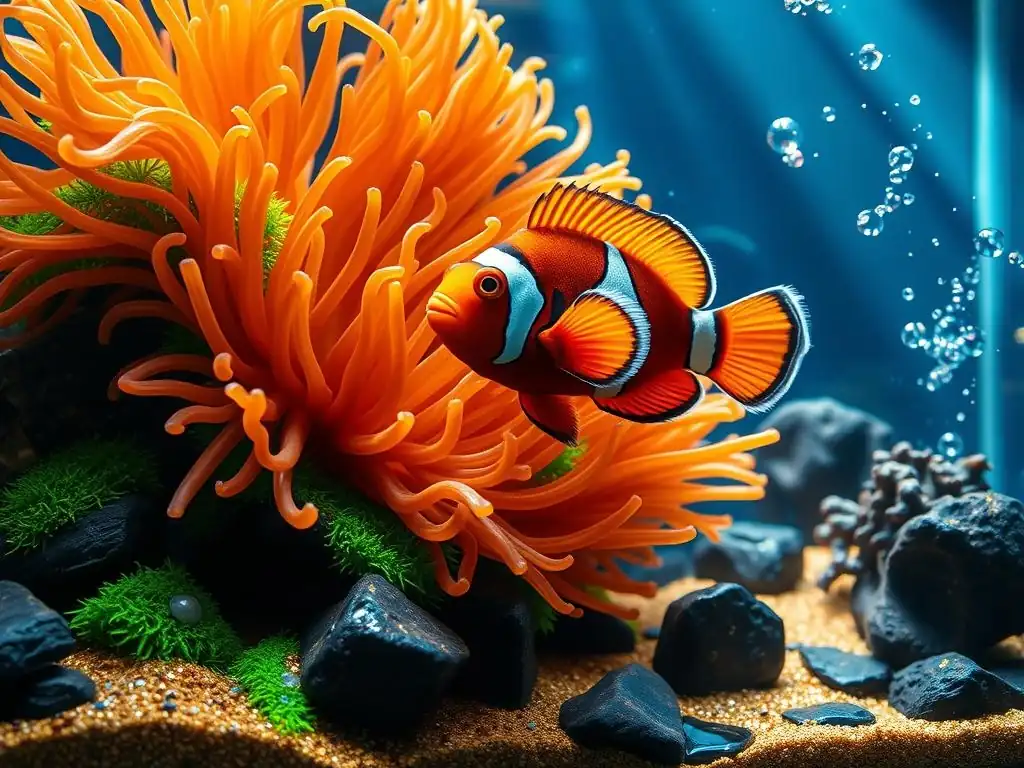
Welcome to Aquarium Mastery!
Ever wondered how to bring a splash of vibrant color and playful personality to your saltwater tank? Dive in and discover the secrets to successful Orange Skunk Clownfish care. These captivating creatures are more than just pretty faces, and this guide will equip you with everything you need to know to keep them thriving. Ready to uncover the nuances of their behavior, habitat, and specific needs? Let's get started!
- Understanding the Orange Skunk Clownfish: An Introduction to Amphiprion sandaracinos
- Optimal Orange Skunk Clownfish Care: Creating the Ideal Environment
- Diet and Feeding: Ensuring Proper Nutrition for Your Orange Skunk Clownfish
- Anemone Symbiosis: The Key to Orange Skunk Clownfish Happiness
- Tank Mates for Orange Skunk Clownfish: Compatibility and Considerations
- Orange Skunk Clownfish Breeding: A Rewarding Challenge
- Common Health Issues and Treatments for Orange Skunk Clownfish
- Purchasing Orange Skunk Clownfish: Selecting Healthy Specimens
- The Allure of the Orange Skunk Clownfish: Why They're a Great Addition to Your Reef Tank
- Frequently Asked Questions
- Final Reflection: A Vibrant Future for Reefkeeping
- Ignite Your Reef: Bring Home a Splash of Sunshine!
Understanding the Orange Skunk Clownfish: An Introduction to Amphiprion sandaracinos
Origin and Natural Habitat of the Orange Skunk Clownfish
The Orange Skunk Clownfish, scientifically known as Amphiprion sandaracinos, originates from the vast Indo-Pacific region. Its natural range extends from the Andaman Sea and Malaysia, eastward through Indonesia and the Philippines, reaching as far as the Solomon Islands and the Great Barrier Reef in Australia. These vibrant fish typically inhabit shallow coral reefs, lagoons, and outer reef slopes, often found at depths ranging from approximately 3 to 20 meters (about 10 to 65 feet). They thrive in environments rich with suitable host anemones, which provide both shelter and protection from predators.
In their natural environment, Orange Skunk Clownfish form symbiotic relationships primarily with several species of sea anemones. Common natural hosts include the Sebae Anemone ( Heteractis crispa), Mertens' Carpet Anemone ( Stichodactyla mertensii), and the Long Tentacle Anemone ( Macrodactyla doreensis). While usually observed in pairs, small groups may also inhabit a single large anemone, with a clear hierarchy established where the largest female dominates the smaller males.
Distinguishing Features: Identifying the Orange Skunk Clownfish
The Orange Skunk Clownfish is easily identifiable by its striking coloration and unique stripe pattern. Its body is a brilliant orange to reddish-orange, often intensifying in color with age and health. The most distinctive feature, which gives it its common name, is a single, narrow white stripe that runs dorsally along its midline, extending from the snout all the way to the caudal (tail) fin base. This stripe is usually thin and distinct, contrasting sharply with the orange body.
Adult Orange Skunk Clownfish typically reach a maximum size of about 4 inches (approximately 10 centimeters), making them a moderately sized clownfish species. Their body is somewhat elongated and laterally compressed, characteristic of many damselfish. While similar to other "skunk" clownfish like Amphiprion akallopisos (which lacks the caudal stripe) or Amphiprion perideraion (which has a broader, more lateral stripe), the unique dorsal stripe extending to the tail fin is the definitive identifier for Amphiprion sandaracinos.
Temperament and Behavior of Orange Skunk Clownfish in Reef Aquariums
Compared to some of their more boisterous clownfish relatives, Orange Skunk Clownfish are generally considered one of the more peaceful and less aggressive species, making their orange skunk clownfish care relatively straightforward in a community setting. They are typically shy upon introduction to a new aquarium but quickly become more confident once settled, especially if a host anemone or suitable substitute is present. They exhibit typical clownfish behavior, often hovering near their chosen host or a specific rock structure, rarely venturing far into open water.
In a reef aquarium, Orange Skunk Clownfish can be kept as a single specimen or in a bonded pair. When kept in pairs, the female will be noticeably larger than the male, and they will establish a clear social hierarchy. While generally peaceful towards other tank mates, they can display minor territoriality, especially if breeding or protecting an anemone. Aggression towards other clownfish species is possible, particularly in smaller tanks, so careful consideration of tank size and inhabitants is part of responsible orange skunk clownfish care.
Optimal Orange Skunk Clownfish Care: Creating the Ideal Environment
Tank Size Requirements for Orange Skunk Clownfish
Providing adequate space is fundamental to proper orange skunk clownfish care, ensuring their health and reducing stress. For a single Orange Skunk Clownfish or a bonded pair, a minimum tank size of 20 to 30 gallons (approximately 75 to 115 liters) is generally recommended. This volume provides sufficient swimming space and helps maintain stable water parameters, which are crucial for any marine inhabitant.
However, if you plan to house a host anemone for your Orange Skunk Clownfish, a larger tank of at least 50 gallons (about 190 liters) is strongly advised. Anemones have significant space, lighting, and water flow requirements, and a larger water volume contributes to greater stability, making it easier to manage the complex needs of both the fish and its host. A larger tank also provides more room for other tank mates and minimizes potential territorial disputes.
Water Parameters: Maintaining a Healthy Aquarium Environment
Maintaining stable and appropriate water parameters is paramount for the long-term success of orange skunk clownfish care. The ideal temperature range for Amphiprion sandaracinos is between 75-82°F (24-28°C). Salinity should be kept consistent, typically between 1.020 and 1.025 specific gravity (SG), or 30-35 ppt. The pH level should be maintained within the alkaline range of 8.1 to 8.4, mimicking their natural ocean environment.
Beyond these primary parameters, it is essential to keep ammonia and nitrite levels at zero (0 ppm), as even trace amounts can be highly toxic. Nitrate levels should be kept as low as possible, ideally below 10-20 ppm, through regular water changes and efficient filtration. Additionally, for a thriving reef environment that supports both the clownfish and potentially an anemone, monitor alkalinity (8-12 dKH), calcium (400-450 ppm), and magnesium (1200-1350 ppm) to ensure proper growth and health of corals and invertebrates.
Essential Equipment for Orange Skunk Clownfish: Filtration, Lighting, and Heating
Effective filtration is a cornerstone of orange skunk clownfish care, vital for maintaining pristine water quality. A robust protein skimmer is highly recommended for saltwater aquariums, as it efficiently removes organic waste before it can break down into harmful nitrates and phosphates. Live rock, typically at a ratio of 1-1.5 pounds per gallon (0.45-0.68 kg per 3.78 liters), provides excellent biological filtration and numerous hiding spots, contributing to a stable and natural environment.
Lighting requirements for Orange Skunk Clownfish themselves are moderate; standard reef-compatible LED or fluorescent lighting will suffice. However, if you plan to host an anemone, the lighting needs will increase significantly, often requiring high-output LEDs or T5 fixtures to support the anemone's photosynthetic needs. A reliable aquarium heater with a thermostat is crucial to maintain a consistent temperature within the recommended range, preventing stress and disease. Adequate water flow, provided by powerheads, is also beneficial for oxygenation and detritus removal.
Diet and Feeding: Ensuring Proper Nutrition for Your Orange Skunk Clownfish
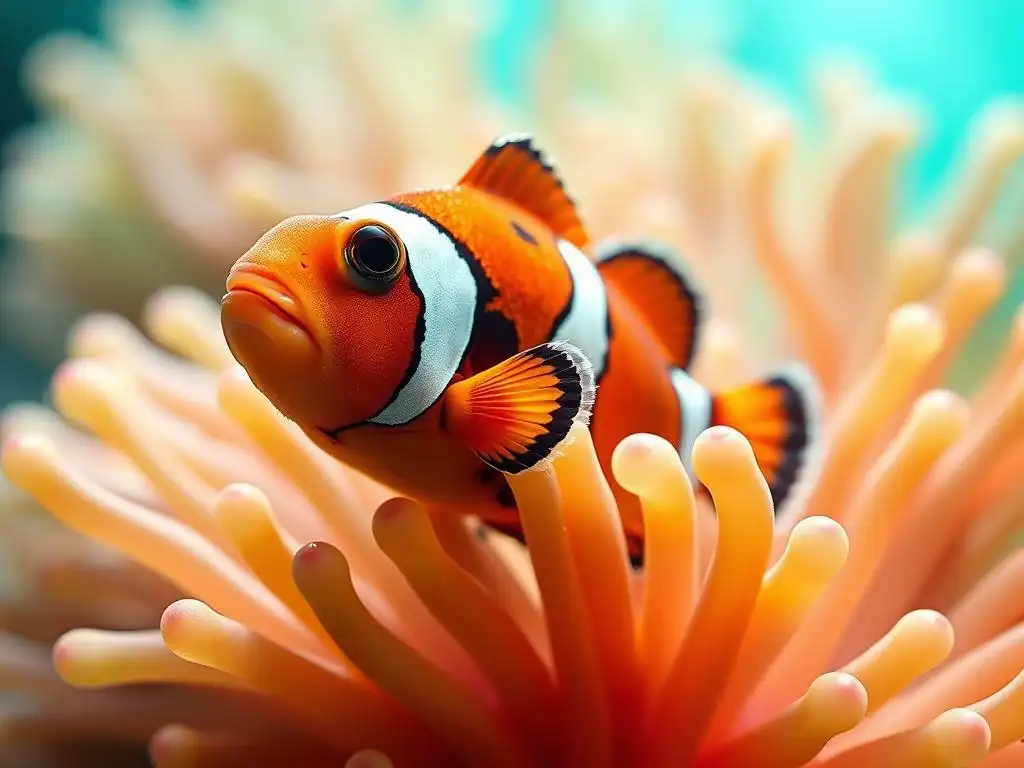
What to Feed Orange Skunk Clownfish: A Balanced Diet
Orange Skunk Clownfish are omnivores, meaning their diet in the wild consists of a mix of small invertebrates, algae, and zooplankton. To ensure optimal health and vibrant coloration in captivity, a varied and balanced diet is crucial for proper orange skunk clownfish care. High-quality marine flake foods and pellets formulated for omnivores should form the base of their diet.
Supplement these dry foods with a variety of frozen offerings such as mysis shrimp, enriched brine shrimp, spirulina-enriched foods, and finely chopped seafood like krill or silversides. Offering different types of food not only ensures a broader spectrum of nutrients but also keeps the fish engaged and stimulated. For instance, a diet that includes frozen mysis shrimp provides excellent protein and fatty acids, while spirulina flakes contribute essential plant-based nutrients.
Feeding Frequency and Portion Sizes for Optimal Health
When it comes to feeding frequency, Orange Skunk Clownfish generally thrive when fed 1 to 2 times daily. The key is to provide small portions that can be consumed within 2 to 3 minutes. Overfeeding is a common mistake in aquarium husbandry and can lead to poor water quality, algae blooms, and potential health issues for your fish.
Observe your fish during feeding to gauge their appetite and ensure all food is consumed. If food remains floating or settles on the substrate after a few minutes, you are likely feeding too much. Adjust the portion size accordingly. Consistent feeding schedules also help your fish establish a routine and reduce stress, contributing positively to their overall orange skunk clownfish care.
Supplementing the Diet of Orange Skunk Clownfish
While a varied diet of flakes, pellets, and frozen foods provides a good nutritional foundation, supplementing their diet can further enhance the health and vitality of your Orange Skunk Clownfish. Vitamin supplements, such as Selcon or other liquid vitamin preparations designed for marine fish, can be soaked into frozen foods before feeding. This helps boost their immune system and ensures they receive all necessary micronutrients.
Garlic guard or similar garlic-based additives can also be used to soak foods; garlic is believed to stimulate appetite and may offer some immune-boosting benefits. For breeding pairs or fish that appear less vibrant, live foods like copepods or enriched brine shrimp can be an excellent addition. These provide natural foraging opportunities and are packed with nutrients, especially beneficial for conditioning fish for spawning.
Anemone Symbiosis: The Key to Orange Skunk Clownfish Happiness
Choosing the Right Anemone for Your Orange Skunk Clownfish
The symbiotic relationship between clownfish and anemones is one of the most fascinating aspects of reef aquariums. For Orange Skunk Clownfish, several anemone species are natural hosts in the wild and can be successfully kept in captivity. The Sebae Anemone ( Heteractis crispa), Mertens' Carpet Anemone ( Stichodactyla mertensii), and the Long Tentacle Anemone ( Macrodactyla doreensis) are among their preferred natural hosts. These anemones require specific conditions, including intense lighting, strong water flow, and a mature tank environment (typically 6 months to 1 year established) to thrive.
While not a primary natural host, the Bubble Tip Anemone ( Entacmaea quadricolor) is also frequently hosted by Orange Skunk Clownfish in home aquariums due to its relative hardiness compared to other host anemones. Regardless of the species chosen, it is crucial to understand that anemones are demanding invertebrates. They require stable water parameters, consistent feeding, and significant tank space. Do not add an anemone to an immature tank, as this often leads to its demise and can negatively impact other tank inhabitants.
Introducing Anemones to Your Aquarium: A Step-by-Step Guide
Introducing an anemone to your aquarium requires careful planning and execution to ensure the health of both the anemone and your existing livestock. Begin by drip acclimating the anemone slowly over an hour or more to match your tank's temperature and salinity precisely. Once acclimated, place the anemone in a location with moderate to strong water flow and appropriate lighting, preferably on stable rockwork where it can attach its foot. Allow the anemone several hours, or even a day, to settle and attach itself before introducing your Orange Skunk Clownfish.
Once the anemone is settled, you can introduce your Orange Skunk Clownfish. Do not force the clownfish into the anemone, as this can stress both organisms. In many cases, the clownfish will naturally discover and host the anemone within a few hours to several days.
Sometimes, they may take weeks or even months, or never host at all, which is normal. Ensure the anemone has enough space to expand without stinging other corals or fish, and monitor its behavior closely. Patience is a virtue in this process, and a calm, stress-free introduction is vital for successful orange skunk clownfish care and anemone establishment.
Monitoring the Symbiotic Relationship: Ensuring the Health of Both Fish and Anemone
Once an Orange Skunk Clownfish begins hosting an anemone, regular monitoring is essential to ensure the continued health and well-being of both partners in the symbiotic relationship. Observe the clownfish for any signs of stress, such as clamped fins, rapid breathing, or hiding, which could indicate the anemone is not a suitable host or is causing irritation. Similarly, watch the anemone for signs of distress, including bleaching (loss of color), deflating for extended periods, or failing to attach its foot, which can be indicators of poor water quality, inadequate lighting, or insufficient feeding.
Ensure the anemone is not moving to areas where it might sting other corals or sessile invertebrates. Anemones are mobile and can relocate if conditions are not ideal. Feed the anemone small pieces of marine-based foods like shrimp or finely chopped fish once or twice a week, directly to its mouth, to supplement its photosynthetic diet. Maintaining pristine water parameters, consistent lighting, and stable temperatures are crucial for both the anemone and the Orange Skunk Clownfish, as their health is intertwined. This diligent oversight is a key aspect of comprehensive orange skunk clownfish care.
Tank Mates for Orange Skunk Clownfish: Compatibility and Considerations
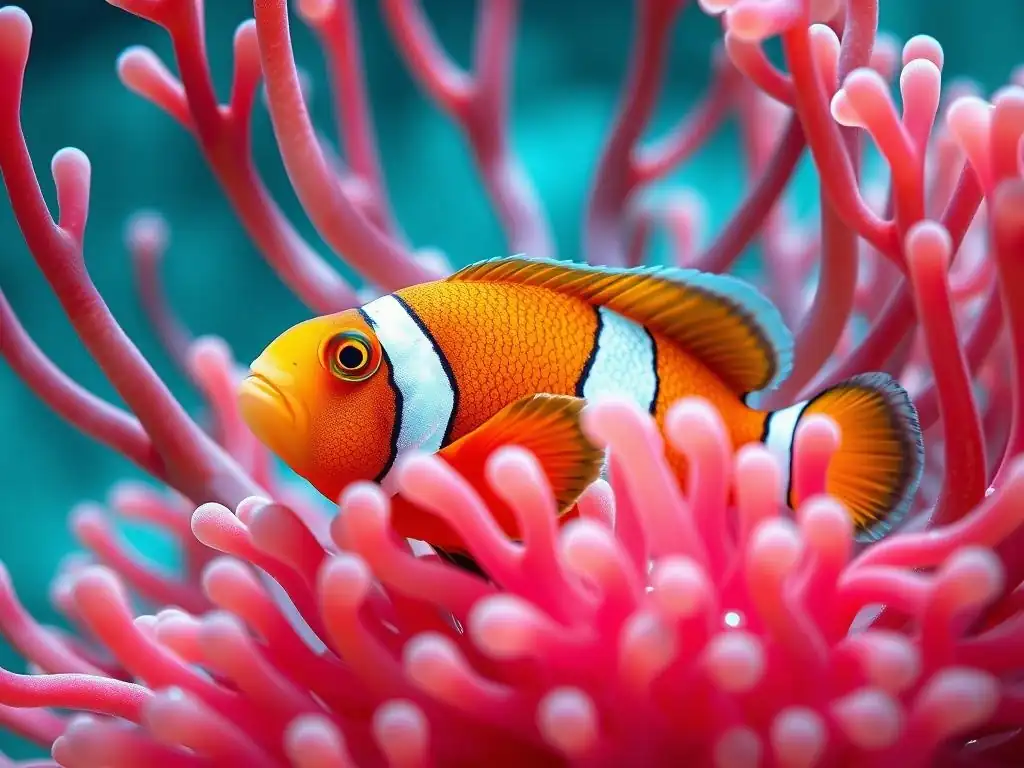
Ideal Tank Companions for Orange Skunk Clownfish
The peaceful nature of the Orange Skunk Clownfish makes it a suitable candidate for a variety of community reef tanks, provided careful consideration is given to tank mate compatibility. Ideal tank companions are generally peaceful, similarly sized fish that will not outcompete the clownfish for food or territory. Good choices include small gobies, such as the Watchman Goby or Yellow Clown Goby, which occupy different niches in the tank.
Other excellent options include blennies (like the Lawnmower Blenny or Tailspot Blenny), royal grammas, firefish, and various small, peaceful wrasses (e.g., Six-Line Wrasse, Possum Wrasse). Certain less aggressive damselfish species, such as the Pacific Blue Eye, can also coexist peacefully. When selecting tank mates, prioritize species with calm temperaments and ensure there is ample live rock and hiding spots to minimize stress and provide retreats for all inhabitants, a vital component of successful orange skunk clownfish care.
Fish to Avoid: Aggressive Species and Potential Conflicts
While Orange Skunk Clownfish are generally docile, certain fish species can pose a significant threat to their well-being and should be avoided in the same aquarium. Large, aggressive predators such as lionfish, groupers, and some larger moray eels will view clownfish as potential prey. Highly territorial or overtly aggressive fish, including many large angelfish, triggerfish, and certain larger damselfish, can harass and stress Orange Skunk Clownfish, leading to injury or even death.
Additionally, avoid fin-nipping species like some puffers or large, boisterous wrasses that might cause stress or physical harm. Even seemingly peaceful fish can become problematic if the tank is too small, leading to increased aggression due to limited space. Researching the adult size and temperament of any potential tank mate is crucial to prevent conflicts and ensure a harmonious environment for your Amphiprion sandaracinos, thereby upholding effective orange skunk clownfish care.
Maintaining a Peaceful Community Aquarium with Orange Skunk Clownfish
Creating and maintaining a peaceful community aquarium with Orange Skunk Clownfish involves more than just selecting compatible species; it also requires strategic planning and ongoing observation. Provide plenty of live rock structures with caves, crevices, and overhangs, which serve as essential hiding spots and territorial boundaries for all fish. Introducing less aggressive or smaller fish before larger, more dominant species can help establish territories without excessive conflict.
Monitor interactions closely, especially during feeding times and after adding new inhabitants. Any signs of persistent aggression, bullying, or stress (such as clamped fins, rapid breathing, or refusal to eat) should be addressed promptly. This might involve rearranging rockwork to break up territories, isolating the aggressor, or, in extreme cases, removing one of the fish. A well-designed aquascape with ample hiding places and sufficient space contributes significantly to a low-stress environment, which is paramount for comprehensive orange skunk clownfish care.
Orange Skunk Clownfish Breeding: A Rewarding Challenge
Setting Up a Breeding Tank for Orange Skunk Clownfish
Breeding Orange Skunk Clownfish in captivity can be a highly rewarding experience, though it requires dedication and specific setup. A dedicated breeding tank, typically 20 to 30 gallons (75-115 liters), is recommended for a bonded pair. This tank should be relatively simple in design; a bare bottom is often preferred for easier cleaning and fry collection, or a thin layer of sand. Provide several clay pots, ceramic tiles, or flat rocks for the pair to use as a spawning site.
Filtration should be gentle yet effective. An air-driven sponge filter or a small hang-on-back filter with minimal flow is ideal, as strong currents can harm delicate eggs and fry. A reliable heater is necessary to maintain a stable temperature, ideally at the upper end of their preferred range (e.g., 80-82°F or 27-28°C), which can sometimes stimulate spawning. Dim lighting initially can also help reduce stress on the breeding pair.
Conditioning Orange Skunk Clownfish for Breeding
Successful breeding hinges on conditioning the Orange Skunk Clownfish pair with a nutrient-rich diet. Feed the pair multiple times a day (3-4 times) with a diverse array of high-quality, protein-rich foods. This includes frozen mysis shrimp, enriched brine shrimp, spirulina-based foods, and finely chopped marine seafood like krill or silversides. Live foods, such as copepods, are particularly beneficial as they mimic natural prey and can significantly boost spawning readiness and egg quality.
Maintaining pristine water parameters in the breeding tank is also critical. Consistent temperature, salinity, and low nitrate levels are essential for the health of the adults and the viability of the eggs. Some breeders report that a slight, gradual increase in water temperature (by 1-2°F over a few days) can sometimes act as a spawning trigger. Providing a stable and stress-free environment, along with optimal nutrition, are the cornerstones of successful orange skunk clownfish care for breeding.
Caring for Orange Skunk Clownfish Eggs and Fry
Once the Orange Skunk Clownfish pair lays eggs, typically on a chosen flat surface, the male will diligently guard and fan them. The eggs are usually brownish-orange and hatch in approximately 7 to 10 days, depending on the water temperature. Just before hatching, the eggs will become silvery due to the developing eyes of the fry. It is critical to either remove the parent fish immediately after hatching or transfer the egg-laden tile to a separate rearing tank, as the adults may consume the newly hatched fry.
Rearing Orange Skunk Clownfish fry is notoriously challenging and requires intensive orange skunk clownfish care. Newly hatched fry are extremely small and require microscopic live food, such as rotifers, for their first 5-7 days. After this initial period, they can transition to newly hatched brine shrimp (nauplii). Frequent, small water changes (10-20% daily) are essential to maintain water quality in the rearing tank, as fry tanks can quickly foul due to high feeding rates. Providing gentle aeration and a dark environment for the first few days can also improve survival rates.
Common Health Issues and Treatments for Orange Skunk Clownfish
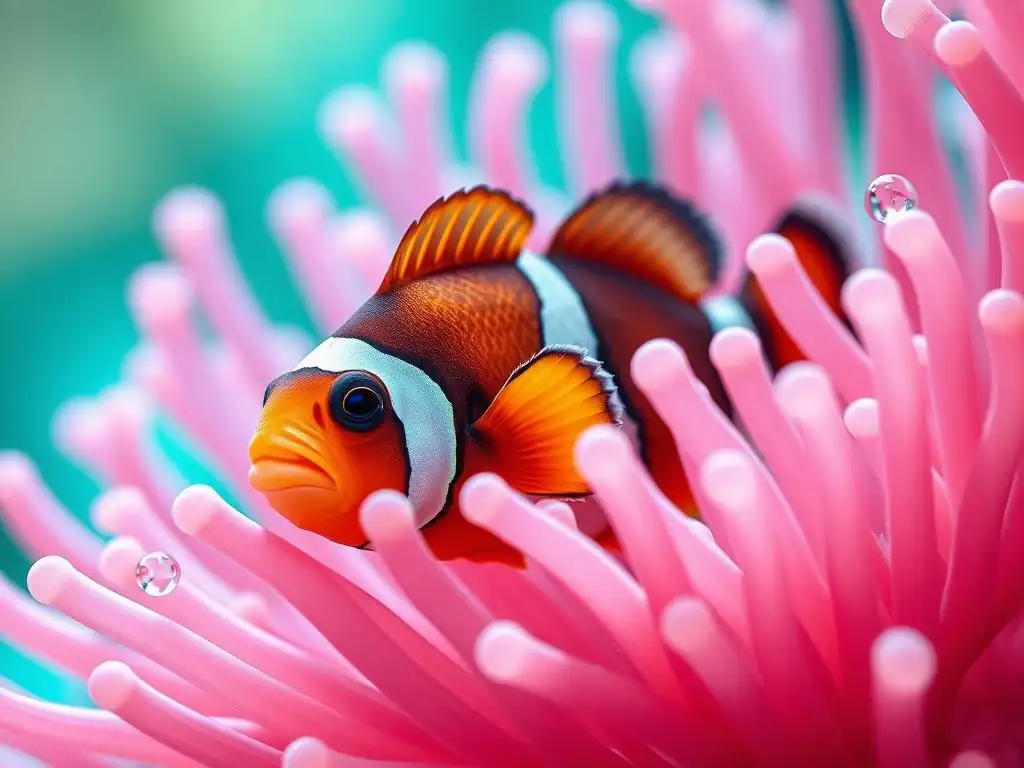
Identifying Common Diseases Affecting Orange Skunk Clownfish
Even with diligent orange skunk clownfish care, these fish can sometimes fall victim to common marine aquarium diseases. Marine Ich ( Cryptocaryon irritans) is one of the most prevalent, manifesting as tiny white spots resembling salt grains on the fish's body and fins, often accompanied by scratching against tank decor. Marine Velvet ( Amyloodinium ocellatum) is another highly contagious parasitic infection, appearing as a fine, dusty coating, often golden or brownish, with fish exhibiting labored breathing and lethargy.
Bacterial infections, such as Fin Rot, can cause fins to appear frayed, ragged, or discolored. Brooklynella ( Brooklynella hostilis), sometimes called "Clownfish Disease," is a rapidly progressing parasitic infection characterized by heavy mucus production, sloughing skin, and rapid breathing. Observing changes in behavior, such as refusal to eat, abnormal swimming, or hiding, can be early indicators of illness. Prompt identification is crucial for effective treatment.
Treatment Options for Sick Orange Skunk Clownfish
When an Orange Skunk Clownfish shows signs of disease, immediate action is necessary. It is highly recommended to move the sick fish to a separate quarantine or hospital tank for treatment, to avoid medicating the main display tank (which can harm corals and invertebrates) and to prevent the spread of disease. For Marine Ich and Velvet, copper-based medications are often effective, but precise dosing and careful monitoring of copper levels are vital. Formalin dips can be used for Brooklynella, providing rapid relief.
Bacterial infections like Fin Rot typically respond to broad-spectrum antibiotics, administered either through the water or via medicated food. Always follow the medication manufacturer's instructions precisely regarding dosage and duration. During treatment, remove any carbon filtration, as it will absorb the medication. Ensure excellent aeration in the hospital tank, as some medications can reduce oxygen levels. Consistent monitoring of water parameters in the hospital tank is also critical for supporting the fish's recovery. This proactive approach is fundamental to successful orange skunk clownfish care.
Preventing Diseases: Maintaining Optimal Water Quality
Prevention is always the best approach to orange skunk clownfish care and disease management. The cornerstone of disease prevention is maintaining consistently optimal water quality. This involves performing regular water changes, typically 10-20% weekly or bi-weekly, using high-quality RODI (Reverse Osmosis De-Ionized) water mixed with a good marine salt mix. Consistent monitoring of all key water parameters (temperature, salinity, pH, ammonia, nitrite, nitrate) is also essential to quickly identify and correct any deviations.
Avoiding overcrowding in the aquarium helps reduce stress and prevents the rapid spread of pathogens. Perhaps the most critical preventative measure is quarantining all new fish and invertebrates for a period of 4 to 6 weeks before introducing them to the main display tank. This allows time for any latent diseases to manifest and be treated, preventing the introduction of pathogens into your established system. A stable, low-stress environment significantly boosts the immune system of your Orange Skunk Clownfish, making them more resilient to potential health issues.
Purchasing Orange Skunk Clownfish: Selecting Healthy Specimens
Where to Buy Orange Skunk Clownfish: Reputable Sources
When acquiring an Orange Skunk Clownfish, choosing a reputable source is paramount to ensure you bring home a healthy specimen. Local fish stores with a clean environment, knowledgeable staff, and well-maintained tanks are often a good option. Observe their holding tanks for any signs of disease or dead fish, as these can indicate poor husbandry practices. Ask the staff about their acclimation procedures and the origin of their fish (e.g., wild-caught vs. aquacultured).
Online retailers can also be a viable option, especially for specific species or aquacultured specimens. Look for online stores with strong positive reviews, clear live arrival guarantees, and transparent shipping policies. Aquacultured Orange Skunk Clownfish are often preferred as they are typically hardier, more accustomed to aquarium life, and have a lower environmental impact compared to wild-caught individuals. Responsible sourcing is a key step in providing the best orange skunk clownfish care from day one.
Identifying Healthy Orange Skunk Clownfish Before Purchase
Before making a purchase, take the time to carefully inspect the Orange Skunk Clownfish you intend to buy. A healthy specimen will be active and alert, swimming freely and exhibiting natural clownfish behavior. Look for clear, bright eyes with no cloudiness or abnormalities. Their fins should be fully extended, intact, and free from any tears, fraying, or white spots. The body should be plump, not emaciated or sunken, indicating that the fish has been feeding well.
Observe the fish for any visible signs of disease, such as white spots (Ich), a dusty coating (Velvet), open sores, or excessive mucus. The respiration rate should be normal, without rapid gill movement or gasping at the surface. If possible, observe the fish during feeding to ensure it has a healthy appetite. Avoiding fish that appear listless, clamped-finned, or show any signs of distress is crucial for successful orange skunk clownfish care and the health of your existing aquarium.
Acclimation Process: Introducing Your New Fish to the Aquarium
The acclimation process is a critical step in introducing your new Orange Skunk Clownfish to its new home, minimizing stress and preventing shock. Begin by turning off your aquarium lights to reduce stress on existing inhabitants and the new arrival. Float the sealed bag containing the fish in your display tank for 15-20 minutes to equalize the water temperature.
After temperature equalization, the drip acclimation method is highly recommended for marine fish. Place the fish and its original water into a clean bucket or container. Use airline tubing to siphon water from your display tank into the bucket, regulating the flow to a slow drip (e.g., 2-3 drips per second). Allow this process to continue for at least 30-60 minutes, or until the water volume in the bucket has quadrupled.
This gradual change in water chemistry significantly reduces stress. Carefully net the fish and introduce it to your display tank, discarding the water from the bag/bucket – never add store water directly to your main aquarium. Keep the lights off for several hours after introduction to allow the fish to explore its new surroundings calmly.
The Allure of the Orange Skunk Clownfish: Why They're a Great Addition to Your Reef Tank
Orange Skunk Clownfish: A Beginner-Friendly Clownfish Species?
The Orange Skunk Clownfish is often considered a good choice for beginner aquarists who have established a stable saltwater aquarium. Their relatively peaceful temperament and moderate size (up to 4 inches) make them less prone to aggression than some other clownfish species. They are generally hardy and adaptable once acclimated to a suitable environment, making their orange skunk clownfish care manageable for those new to marine aquariums.
However, it's important to differentiate between caring for the fish itself and caring for a host anemone. While Orange Skunk Clownfish are quite robust, keeping a symbiotic anemone significantly increases the complexity and demands of the aquarium. Anemones require mature tanks, specific lighting, and precise water parameters, which can be challenging for novices. Therefore, while the Amphiprion sandaracinos itself is beginner-friendly, the decision to house an anemone should be made by more experienced aquarists. They can thrive perfectly well in an aquarium without a host anemone, often choosing a soft coral or even a powerhead as a substitute.
Enhancing Your Reef Aquarium with the Beauty of Amphiprion sandaracinos
The Orange Skunk Clownfish is undeniably a beautiful and captivating addition to any reef aquarium. Its vibrant orange body, accented by the distinctive white dorsal stripe running from snout to tail, provides a striking contrast against the blues and greens of a well-maintained reef tank. Their active yet graceful swimming, often hovering around a chosen spot, adds dynamic interest to the aquatic landscape.
Beyond their aesthetic appeal, the potential for these clownfish to host a sea anemone offers a unique opportunity to observe one of nature's most iconic symbiotic relationships firsthand. Watching an Amphiprion sandaracinos nestle comfortably within the stinging tentacles of its host is a truly mesmerizing experience that brings a piece of the natural coral reef into your home. Their relatively straightforward orange skunk clownfish care, combined with their engaging behavior and stunning appearance, makes them a highly desirable and rewarding inhabitant for many marine aquarists.
Frequently Asked Questions
How difficult is it to care for Orange Skunk Clownfish?
Orange Skunk Clownfish are generally considered easy to care for, making them a good choice for beginner to intermediate saltwater aquarists. They are relatively hardy and adaptable to aquarium life.
What size tank is recommended for Orange Skunk Clownfish?
A tank size of at least 20 gallons is recommended for a pair of Orange Skunk Clownfish. Larger tanks are always better as they provide more stable water parameters and swimming space.
Do Orange Skunk Clownfish require an anemone to thrive?
While they prefer to host in an anemone, Orange Skunk Clownfish can live happily without one. They may host in other corals or simply choose a spot in the rockwork for shelter and security.
What type of food do Orange Skunk Clownfish eat?
These clownfish are omnivores and will accept a variety of foods. A balanced diet should include high-quality flake food, frozen foods like brine shrimp and mysis shrimp, and occasional vegetable matter.
What are some common health issues to watch out for with Orange Skunk Clownfish?
Like other saltwater fish, Orange Skunk Clownfish can be susceptible to diseases like ich (white spot disease) and marine velvet. Maintaining proper water quality and quarantine protocols are crucial for preventing illness.
Final Reflection: A Vibrant Future for Reefkeeping
The journey of understanding Orange Skunk Clownfish care extends far beyond the confines of a fish tank. It's a testament to our growing appreciation for the delicate balance of marine ecosystems and our responsibility as stewards of these vibrant environments. By delving into the specifics of their needs, we not only ensure the well-being of these captivating creatures but also contribute to the broader understanding of reef conservation.
This exploration of Amphiprion sandaracinos has profoundly underscored the interconnectedness of life within a reef aquarium. It’s a microcosm reflecting the larger ocean, where every element, from water parameters to symbiotic relationships, plays a crucial role. In the end, we will conserve only what we love; we will love only what we understand; and we will understand only what we are taught.
- Baba Dioum. This quote resonates deeply, reminding us that knowledge is the key to fostering a genuine connection with the natural world and inspiring a commitment to its preservation.
Now, armed with a deeper understanding of Orange Skunk Clownfish care, I invite you to reflect on your own role in the reefkeeping community. Consider how you can further contribute to the well-being of these animals and the health of our oceans. Whether it's through responsible sourcing, meticulous care practices, or sharing your knowledge with others, every action, no matter how small, can make a significant difference. Let us all strive to be conscientious reefkeepers, ensuring a vibrant future for these streaks of sunshine and the ecosystems they call home.
Ignite Your Reef: Bring Home a Splash of Sunshine!
Thank you for diving into the vibrant world of the Orange Skunk Clownfish. We hope you've gained a new appreciation for this fascinating reef inhabitant and its unique charm. Now, let's turn that knowledge into action!
- Take the Plunge: Research reputable breeders and local aquarium stores to find a healthy and ethically sourced Orange Skunk Clownfish for your reef tank.
- Share the Sparkle: Spread the joy by sharing this article with fellow reef enthusiasts who appreciate the beauty of these clownfish.
- Explore Anemone Harmony: Delve deeper into anemone compatibility and create the ultimate symbiotic paradise for your new aquatic friend.
Ready to transform your reef with the radiant beauty of the Orange Skunk Clownfish?