
Pruning for Perfection: Essential Plant Trimming Techniques to Maintain Aquascape Beauty & Health


Welcome to Aquarium Mastery!
Ever wondered how professional aquascapers achieve those flawlessly balanced and breathtaking freshwater aquarium displays? It all starts with mastering the art of pruning. Dive into our expert guide on freshwater aquarium plant pruning techniques and discover the secrets to maintaining not only the beauty, but also the health and vitality of your planted tank. Ready to unlock the secrets to a thriving aquatic paradise?
- Understanding the Importance of Freshwater Aquarium Plant Pruning
- Essential Tools for Freshwater Aquarium Plant Pruning
- Freshwater Aquarium Plant Pruning Techniques: A Step-by-Step Guide
-
Specific Plant Pruning Techniques for Popular Aquascape Plants
- Pruning Anubias: Encouraging New Growth Without Damage
- Trimming Java Fern: Maintaining Shape and Preventing Overgrowth
- Dealing with Fast-Growing Plants: Hygrophila, Rotala, and Ludwigia
- Pruning Carpeting Plants: Achieving a Lush, Even Carpet
- Pruning Vallisneria: Controlling Runner Growth
- Pruning Sagittaria: Maintaining Desired Height and Spread
- Maintaining Aquascape Aesthetics Through Pruning
- Post-Pruning Care: Optimizing Plant Recovery and Growth
- Troubleshooting Common Plant Pruning Problems
- Advanced Freshwater Aquarium Plant Pruning Techniques
- Conclusion: Mastering Freshwater Aquarium Plant Pruning for Aquascape Success
-
Frequently Asked Questions
- What is the main reason for pruning freshwater aquarium plants?
- When is the best time to prune freshwater aquarium plants?
- What tools are recommended for pruning freshwater aquarium plants?
- How should I prune stem plants in my freshwater aquarium?
- What do I do with the plant trimmings after pruning?
- Final Reflection: Cultivating Underwater Harmony
- Unleash Your Inner Aquascaping Artist!
Understanding the Importance of Freshwater Aquarium Plant Pruning
Why Pruning Matters for a Healthy Aquascape
Regular freshwater aquarium plant pruning is not merely about aesthetics; it is a critical practice for maintaining the overall health and vitality of your aquatic ecosystem. Uncontrolled plant growth can lead to significant issues, such as reduced water circulation, which in turn can create anaerobic pockets in the substrate and hinder the proper distribution of essential nutrients. Furthermore, overgrown plants can shade out lower-lying plants, depriving them of vital light and leading to stunting or even death, particularly for carpeting species that require intense illumination.
Beyond light and circulation, pruning directly impacts nutrient cycling within the aquarium. Decaying plant matter, often a result of insufficient light reaching lower leaves or overcrowding, releases organic waste into the water column. This excess organic load can contribute to elevated nitrate levels and fuel unsightly algae blooms, compromising water quality and stressing fish and invertebrates. Therefore, strategic freshwater aquarium plant pruning techniques are fundamental to preventing these cascading problems and fostering a stable, thriving aquascape.
The Role of Trimming in Plant Growth and Aesthetics
Trimming plays a pivotal role in shaping the growth patterns of aquatic plants, allowing aquarists to manipulate their form and density. For stem plants, consistent pruning encourages lateral branching, transforming sparse, leggy stems into dense, bushy clumps that contribute significantly to the aquascape's visual appeal and provide excellent hiding spots for fish. This process, often referred to as "topping" or "pinching," redirects the plant's energy from vertical elongation to horizontal expansion, creating a fuller, more robust appearance.
Aesthetically, freshwater aquarium plant pruning techniques are indispensable for achieving and maintaining specific aquascape styles, whether it's a meticulously manicured Dutch aquascape or a naturalistic Iwagumi layout. By selectively removing parts of plants, aquarists can control height, create distinct layers, and ensure proper visual flow throughout the tank. For instance, maintaining a gradient from shorter foreground plants like Glossostigma elatinoides to taller background plants such as Rotala macrandra requires precise and regular trimming to preserve the intended perspective and depth.
Preventing Common Problems Through Regular Pruning
Regular freshwater aquarium plant pruning is a proactive measure against several common aquarium maladies. One of the most prevalent issues it helps mitigate is the rampant growth of opportunistic algae. When plants are healthy and thriving due to adequate light penetration and nutrient access—both enhanced by proper pruning—they outcompete algae for available nutrients, effectively starving it out. Conversely, decaying plant matter from neglected growth provides a rich food source for algae, leading to rapid proliferation.
Another significant problem prevented by consistent pruning is the accumulation of detritus and the formation of anaerobic zones. Dense, unpruned plant masses can trap fish waste, uneaten food, and other organic debris, which then decompose and consume oxygen, potentially creating harmful pockets of hydrogen sulfide gas in the substrate. By thinning out plant growth and removing dead leaves, freshwater aquarium plant pruning techniques ensure better water flow through the plant mass and substrate, promoting aerobic conditions essential for beneficial bacteria and overall tank health.
Essential Tools for Freshwater Aquarium Plant Pruning
Choosing the Right Pruning Shears and Scissors
Selecting the appropriate pruning shears and scissors is paramount for effective and precise freshwater aquarium plant pruning. The most common types include straight scissors, ideal for general trimming of stem plants and reaching open areas; curved scissors, which excel at accessing tight spots, trimming around hardscape, or shaping carpeting plants; and wave scissors, designed with a unique S-curve to navigate dense plant growth without disturbing the aquascape. Materials typically range from standard stainless steel to high-grade surgical stainless steel, with the latter offering superior corrosion resistance and sharpness retention.
When choosing, consider the size of your aquarium and the density of your planting. For nano tanks or intricate detail work, smaller, finer-tipped scissors (e.g., 6-7 inches in length) are preferable. For larger tanks with extensive plant growth, longer scissors (e.g., 10-12 inches) provide better reach.
Investing in sharp, high-quality tools minimizes damage to plant tissue, leading to cleaner cuts that heal faster and reduce the risk of infection or decay. For instance, a well-regarded pair of stainless steel curved scissors can cost between $25 and $60, but their longevity and precision make them a worthwhile investment for serious aquascapers.
Sterilizing Tools to Prevent Algae and Disease
Sterilization of freshwater aquarium plant pruning tools is a critical step often overlooked by new aquarists, yet it is vital for preventing the introduction and spread of unwanted algae, bacteria, and diseases. Even seemingly clean tools can harbor microscopic spores or pathogens from previous use or even from the air. A simple and effective method for sterilization involves wiping the tools with a 70% isopropyl alcohol solution before and after each use. This concentration is effective at denaturing proteins and dissolving lipids in cell membranes, killing most common contaminants.
Alternatively, a 10% bleach solution can be used for a more thorough disinfection, followed by a meticulous rinse with dechlorinated water to ensure no residue enters the aquarium. For aquarists dealing with specific disease outbreaks, a quick dip in a hydrogen peroxide solution (e.g., 3% solution, rinsed thoroughly) can also be effective. The goal is to ensure that no foreign biological material is transferred between plants, or from outside sources into the delicate aquarium environment, thereby protecting your aquatic inhabitants and maintaining the pristine condition of your aquascape.
Other Helpful Tools: Tweezers, Substrate Spatulas, and Plant Weights
Beyond the essential pruning shears, several other tools significantly enhance the efficiency and precision of freshwater aquarium plant pruning and maintenance. Long-handled aquascaping tweezers, typically 10-12 inches in length, are indispensable for planting small foreground plants, repositioning displaced elements, or removing tiny bits of debris. Their fine tips allow for delicate manipulation without disturbing the substrate or other plants. Straight tweezers are excellent for general use, while bent-tip tweezers offer better access around obstacles.
Substrate spatulas or sand flatteners, often made of stainless steel, are invaluable for smoothing the substrate surface after planting or pruning, ensuring a neat and professional finish. They help prevent the accumulation of detritus in uneven areas and maintain the intended contours of your aquascape.
Lastly, plant weights, such as lead-free strips or ceramic rings, can be temporarily or permanently used to anchor newly planted stems or buoyant rhizome plants like Anubias until their root systems establish. These supplementary tools, while not directly used for cutting, contribute significantly to the overall ease and success of freshwater aquarium plant pruning and design.
Freshwater Aquarium Plant Pruning Techniques: A Step-by-Step Guide
Identifying Plants That Need Pruning
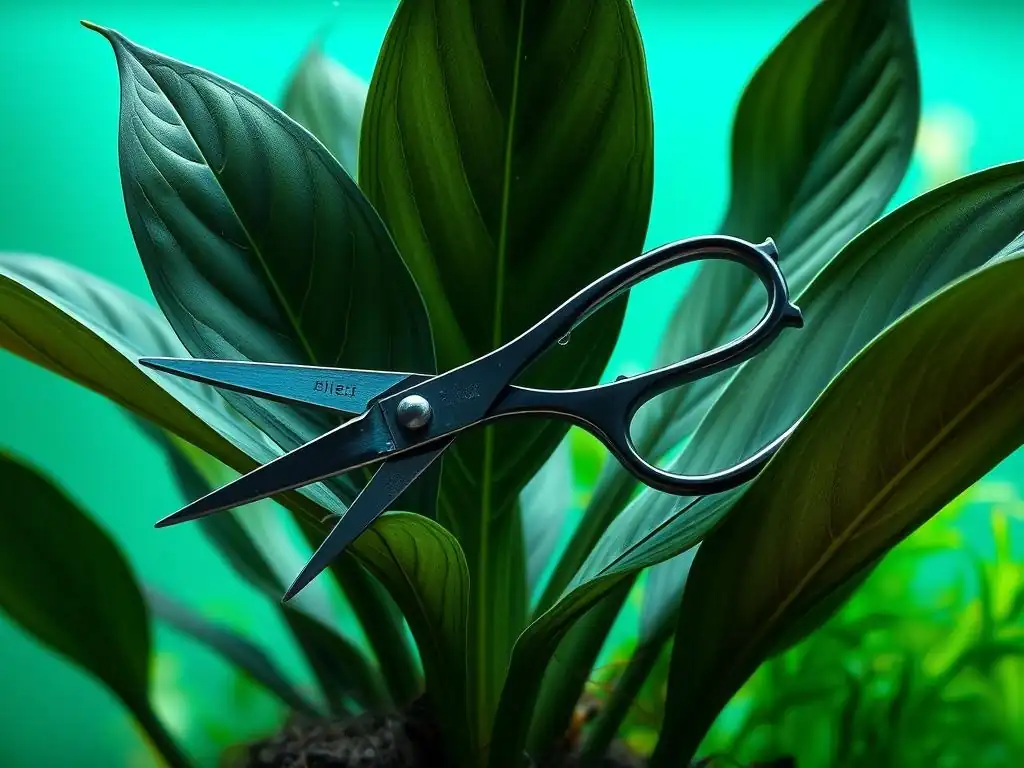
The first step in effective freshwater aquarium plant pruning is accurately identifying which plants require attention. Observe your plants for signs of overcrowding, such as lower leaves yellowing or decaying due to lack of light, or stems becoming leggy and reaching towards the surface. Fast-growing stem plants like Hygrophila polysperma or Rotala rotundifolia often need weekly or bi-weekly trimming, as they can grow 1-2 inches per week under optimal conditions, quickly outcompeting slower-growing species.
Also, look for any dead, decaying, or algae-covered leaves on any plant type, regardless of its growth rate. These compromised leaves not only detract from the aquascape's beauty but also contribute to organic waste in the water column, potentially fueling algae blooms. For instance, older leaves of Anubias barteri or Cryptocoryne wendtii might develop holes or turn translucent, signaling they are past their prime and should be removed to redirect the plant's energy towards new, healthy growth.
The Correct Way to Trim Stem Plants for Bushier Growth
To encourage bushier growth in stem plants, the most effective freshwater aquarium plant pruning technique is "topping." This involves cutting the top portion of the stem, typically just above a leaf node. A leaf node is the point on the stem where leaves emerge. When you cut above a node, the plant's apical dominance (the tendency for the main stem to grow upwards) is broken, prompting the dormant buds at the node just below the cut to sprout, usually producing two new side shoots.
For example, if you have a Ludwigia repens stem that is 10 inches tall and you want it to be 6 inches, cut the stem at the 6-inch mark, ensuring your cut is about 0.5 inches above a healthy leaf node. The trimmed top portion, often 3-4 inches long, can then be replanted into the substrate to propagate new plants, effectively creating more bushy growth from the original plant and new plants from the cuttings. This method not only controls height but significantly increases the plant's overall density and visual impact.
Pruning Rooted Plants: Swords, Crypts, and More
Pruning rooted plants like Amazon Swords ( Echinodorus spp.) and Cryptocorynes ( Cryptocoryne spp.) differs significantly from trimming stem plants. These plants primarily grow from a central crown or rhizome, producing new leaves from the base. The primary freshwater aquarium plant pruning technique for these species involves removing older, outer leaves that show signs of decay, yellowing, or excessive algae growth. Use sharp scissors to cut these leaves as close to the base or rhizome as possible without damaging the central growth point.
For instance, an Echinodorus bleheri (Amazon Sword) may periodically produce large, older leaves that start to melt or become covered in diatoms. Removing these leaves, typically 1-2 per month depending on growth, redirects the plant's energy into producing new, healthier foliage from its core. Similarly, for Cryptocoryne wendtii, if older leaves are dissolving or showing nutrient deficiencies, trimming them off encourages new, vibrant growth. This method ensures the plant remains healthy, prevents the accumulation of decaying organic matter, and maintains its aesthetic appeal.
Removing Dead or Damaged Leaves to Improve Plant Health
One of the most fundamental freshwater aquarium plant pruning techniques applicable to virtually all aquatic plant species is the removal of dead or damaged leaves. These leaves are not only visually unappealing but also act as a burden on the plant, as it expends energy trying to maintain or repair them. Furthermore, decaying plant material releases organic compounds into the water, which can contribute to increased biological load, elevate nutrient levels, and potentially trigger algae blooms.
To perform this, carefully inspect your plants during regular maintenance. Identify any leaves that are yellowing, browning, transparent, covered in heavy algae, or showing signs of melting. Using sharp, dedicated aquarium scissors, snip these compromised leaves off as close to the main stem or rhizome as possible without damaging healthy tissue. For example, a yellowing lower leaf on a Bacopa caroliniana stem or a browning tip on an Anubias nana should be promptly removed. This simple yet crucial step redirects the plant's resources to new, healthy growth and significantly contributes to overall water quality.
Managing Algae Growth Through Strategic Pruning
Strategic freshwater aquarium plant pruning plays a crucial role in managing and preventing algae outbreaks. Algae often thrive in conditions where there is an imbalance in nutrients, light, or CO2, and where healthy plants are not effectively competing for resources. Overgrown and dense plant masses can create shaded areas where plants struggle to photosynthesize efficiently, leading to their decline and subsequent release of nutrients that algae can exploit.
By thinning out dense areas, pruning improves light penetration to all parts of the plant, including the lower leaves and carpeting plants, ensuring they can photosynthesize robustly and outcompete algae for available nitrates and phosphates. Removing any leaves already covered in algae is also vital, as these leaves act as a "nursery" for further algae growth.
For example, if Java Fern leaves are heavily coated in Black Beard Algae (BBA), trimming those specific leaves and ensuring better water flow around the remaining plant can significantly reduce the algae's foothold in the tank. This direct removal, combined with creating optimal conditions for plant growth, is a powerful algae control strategy.
Specific Plant Pruning Techniques for Popular Aquascape Plants
Pruning Anubias: Encouraging New Growth Without Damage
Anubias species, such as Anubias barteri var. nana and Anubias coffeefolia, are prized for their hardiness and low maintenance, but they still benefit from specific freshwater aquarium plant pruning techniques. The key to pruning Anubias is to understand that they grow from a rhizome, a horizontal stem from which leaves and roots emerge. Never cut the rhizome itself unless you intend to propagate the plant. Instead, focus on removing old, yellowing, or algae-covered leaves by cutting their petioles (leaf stems) as close to the rhizome as possible with sharp scissors.
To encourage new growth or propagate Anubias, you can carefully cut the rhizome into sections, ensuring each section has at least 3-4 leaves and some healthy root development. For instance, if a large Anubias nana has grown extensively along a piece of driftwood, you can divide its rhizome into several smaller pieces, each capable of growing into a new plant. This method not only helps manage the size of established plants but also allows for easy expansion of your Anubias collection without purchasing new specimens.
Trimming Java Fern: Maintaining Shape and Preventing Overgrowth
Java Fern ( Microsorum pteropus) is another popular rhizome-based plant that requires specific freshwater aquarium plant pruning techniques. Unlike stem plants, Java Fern does not benefit from topping. Instead, pruning focuses on maintaining its desired shape, preventing it from overshadowing other plants, and removing unsightly or decaying fronds (leaves). Over time, Java Fern can produce numerous plantlets from its mature fronds, leading to a dense, sometimes unruly, clump.
To trim Java Fern, use sharp scissors to cut individual fronds at their base, close to the rhizome. Prioritize removing any fronds that are turning brown or black, are heavily covered in algae, or are simply too large for the desired aesthetic. For instance, if a Microsorum pteropus 'Windelov' has developed large, overshadowing fronds, selectively removing the largest ones allows light to penetrate to smaller, newer fronds and surrounding plants. If you wish to propagate, you can also cut a healthy frond into sections, and new plantlets will often develop from these pieces.
Dealing with Fast-Growing Plants: Hygrophila, Rotala, and Ludwigia
Fast-growing stem plants like Hygrophila corymbosa, Rotala rotundifolia, and Ludwigia repens are the most frequent beneficiaries of freshwater aquarium plant pruning techniques due to their rapid growth rates, often adding 1-3 inches of height per week under optimal conditions. Without regular trimming, these plants can quickly reach the water surface, shade out lower plants, and create a tangled mess. The primary method for these species is "topping" or "cutting back."
To prune, identify the desired height for the plant. Using sharp scissors, cut the stem just above a leaf node, ensuring at least a few healthy leaves remain on the lower portion. For example, if a Rotala rotundifolia stem is 15 inches tall and you want it to be 8 inches, make the cut at the 8-inch mark, leaving a healthy node below.
The cut tops, typically 4-7 inches long, can then be replanted directly into the substrate to form new plants, effectively creating a denser bush and propagating the species simultaneously. This frequent trimming, often weekly or bi-weekly, is essential for maintaining the intended aquascape layout and promoting lush, lateral growth.
Pruning Carpeting Plants: Achieving a Lush, Even Carpet
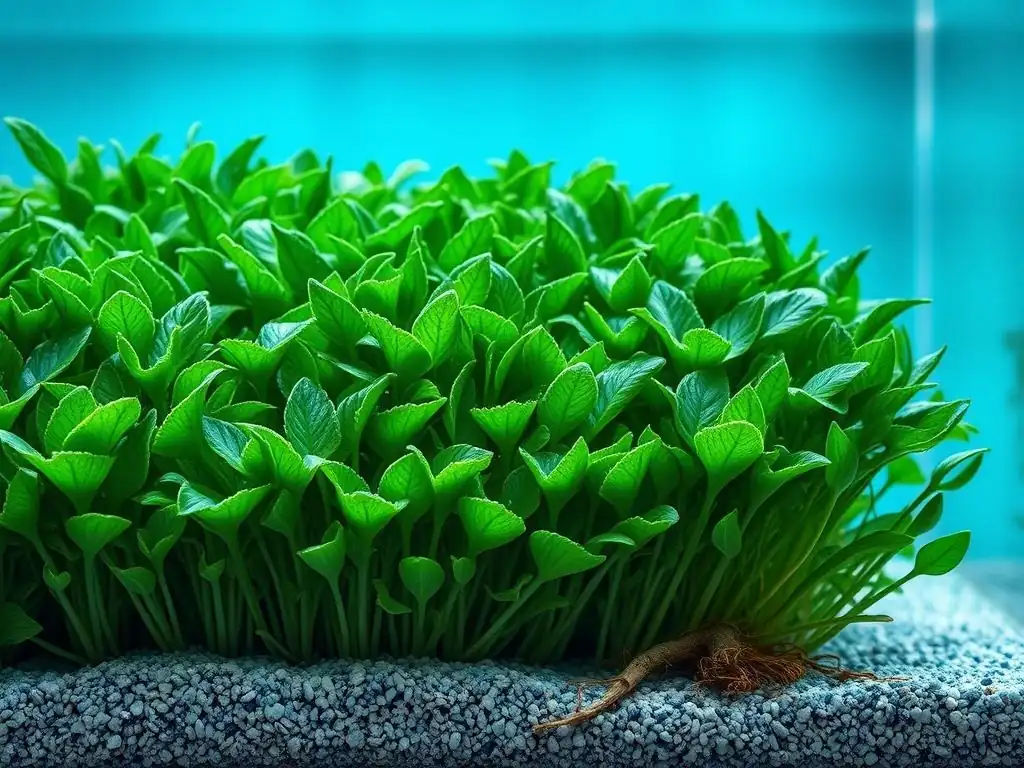
Achieving and maintaining a lush, even carpet of plants like Glossostigma elatinoides, Hemianthus callitrichoides 'Cuba' (HC Cuba), or Monte Carlo ( Micranthemum tweediei) requires diligent and specific freshwater aquarium plant pruning techniques. These plants grow horizontally, forming a dense mat, but without pruning, they can grow too tall, shade themselves out, and detach from the substrate, leading to floating patches.
The most effective method for carpeting plants is "shearing" or "mowing." This involves using curved or straight scissors to trim the entire carpet to a uniform height, much like mowing a lawn. For instance, to maintain an HC Cuba carpet at a height of 0.5 inches, you would carefully trim any growth exceeding that height.
This process, which may need to be performed every 2-4 weeks depending on growth rate, encourages the carpet to grow denser and spread more vigorously along the substrate, preventing it from becoming leggy or detaching. After a significant trim, it's crucial to remove all floating clippings to prevent them from decaying and impacting water quality.
Pruning Vallisneria: Controlling Runner Growth
Vallisneria species, such as Vallisneria spiralis or Vallisneria gigantea, are popular background plants known for their long, ribbon-like leaves and their tendency to spread rapidly via runners. While this spread is desirable for filling backgrounds, unchecked runner growth can quickly overwhelm an aquarium. The key freshwater aquarium plant pruning technique for Vallisneria focuses on managing these runners and removing old, damaged leaves.
To control spread, identify the runners extending from the main plant. These are thin stems that grow horizontally along or just beneath the substrate, with new plantlets forming at their tips. You can either snip the runner close to the main plant to prevent further spread, or carefully dig up the new plantlet and replant it elsewhere or discard it.
For the leaves themselves, only remove old, yellowing, or decaying leaves by cutting them at the base, near the substrate. Never trim the tips of healthy Vallisneria leaves, as this can cause them to rot and die back, affecting the plant's overall health and appearance.
Pruning Sagittaria: Maintaining Desired Height and Spread
Sagittaria species, including Sagittaria subulata (dwarf sagittaria) and Sagittaria platyphylla, are versatile plants used in foreground, midground, or background depending on the species. Like Vallisneria, they propagate through runners, and their leaves grow directly from a central crown. Effective freshwater aquarium plant pruning techniques for Sagittaria involve managing their spread and maintaining their leaf height.
For dwarf sagittaria, which forms a dense carpet, similar to HC Cuba, you can shear the leaves to a desired height (e.g., 2-3 inches) to encourage denser growth and prevent it from shading itself out. Use sharp scissors to cut the leaves straight across. For larger Sagittaria species, focus on removing older, yellowing, or damaged outer leaves by cutting them at the base.
To control their spread via runners, identify the thin runners emerging from the parent plant and either snip them to prevent new plantlets from forming or carefully remove and replant/discard the new plantlets. This dual approach ensures your Sagittaria remains healthy, dense, and within its designated area.
Maintaining Aquascape Aesthetics Through Pruning
Creating and Maintaining Specific Aquascape Styles with Pruning
Freshwater aquarium plant pruning is the cornerstone of creating and maintaining distinct aquascape styles. For instance, in a Dutch aquascape, where dense groups of various plant species are meticulously arranged to create vibrant "streets" of color and texture, precise pruning is essential to define boundaries, control height gradients, and ensure each plant receives adequate light. Regular trimming of stem plants in these layouts, often weekly, is critical to maintaining their compact, bushy form and preventing them from merging into an undifferentiated mass.
Conversely, in an Iwagumi aquascape, which emphasizes a minimalist layout of rocks with a sparse carpet of plants, pruning focuses on keeping the carpeting plants very short and dense, typically 0.5 to 1 inch in height. This is achieved through frequent shearing, ensuring the carpet remains low to highlight the hardscape and maintain the vast, open feel of the design. Without these tailored freshwater aquarium plant pruning techniques, the unique characteristics of each aquascape style would quickly dissipate as plants grow unchecked and obscure the intended design.
Using Pruning to Control Plant Height and Density
One of the most direct applications of freshwater aquarium plant pruning techniques is the precise control over plant height and density. For background plants like Myriophyllum mattogrossense or Limnophila sessiliflora, regular topping allows aquarists to maintain them at a specific height, preventing them from breaching the water surface or overshadowing other plants. By consistently cutting these plants back to, for example, two-thirds of the tank height, you encourage them to branch out and form a denser, more visually impactful wall of foliage rather than tall, spindly stems.
Similarly, for midground plants such as Alternanthera reineckii or Staurogyne repens, targeted trimming encourages lateral growth, creating lush, compact bushes that define the mid-section of the aquascape. By pinching off the growing tips, the plant's energy is redirected, leading to a significant increase in leaf density and a more robust appearance. This active management of height and density through specific freshwater aquarium plant pruning techniques is what transforms a collection of individual plants into a cohesive and artfully designed aquascape.
Achieving a Balanced and Harmonious Look in Your Aquarium
The ultimate goal of freshwater aquarium plant pruning is to achieve a balanced and harmonious aesthetic within the entire aquarium. This involves more than just individual plant health; it's about how all the elements—hardscape, fish, and plants—interact visually. Pruning allows for the creation of visual pathways, focal points, and a sense of depth. For example, by maintaining a clear line of sight to a central hardscape element through strategic trimming of surrounding plants, you can draw the viewer's eye to the intended focal point.
Furthermore, balancing plant masses is crucial. If one area is overly dense, it can make the aquascape feel heavy or claustrophobic. Pruning helps to thin out these areas, allowing light to penetrate and creating a more open, airy feel. Conversely, if an area is too sparse, selective pruning of nearby stem plants and replanting the tops can help fill it in. This continuous refinement through freshwater aquarium plant pruning techniques ensures that the aquascape evolves into a cohesive, visually appealing, and well-proportioned underwater landscape.
Post-Pruning Care: Optimizing Plant Recovery and Growth
Fertilizing After Pruning to Support New Growth
After significant freshwater aquarium plant pruning, it is crucial to provide adequate nutrition to support the vigorous new growth that will follow. When plants are trimmed, they often respond by initiating rapid new shoot development, which requires a substantial amount of macro (nitrogen, phosphorus, potassium) and micro (iron, manganese, zinc, etc.) nutrients. Failing to provide these can lead to stunted growth, nutrient deficiencies, or even an increase in algae as plants struggle to recover.
Consider dosing a comprehensive liquid fertilizer immediately after a large pruning session, or increasing your regular dosing slightly for a few days to a week. For instance, if you usually dose 5ml of a complete liquid fertilizer twice a week, you might add an extra 2-3ml after a major trim. For heavy root feeders like Swords or Crypts that have had old leaves removed, supplementing with root tabs near their base can also be highly beneficial, ensuring they have access to a steady supply of nutrients for robust regeneration.
Monitoring Water Parameters After Significant Pruning
Significant freshwater aquarium plant pruning can temporarily impact water parameters, making diligent monitoring a vital post-pruning care step. When a large volume of plant material is removed, the bioload of the tank shifts, and the plants' immediate demand for nutrients like nitrates and phosphates decreases until new growth resumes. This temporary surplus of nutrients, combined with any decaying plant fragments left in the water, can potentially lead to an imbalance that favors algae growth.
Therefore, it is advisable to test your water parameters—particularly nitrates, phosphates, and ammonia—within 24-48 hours after a major trimming session. A partial water change (e.g., 25-30%) immediately after pruning is highly recommended to remove any floating debris and dilute excess nutrients. This proactive approach helps to stabilize the water column, preventing potential spikes in undesirable compounds and ensuring a healthy environment for both plants and aquatic inhabitants as the plants recover and re-establish their growth.
Preventing Algae Blooms After Pruning
Preventing algae blooms is a primary concern after freshwater aquarium plant pruning, as the disruption to the ecosystem can sometimes create conditions ripe for their proliferation. The sudden removal of plant biomass means fewer plants are actively consuming nutrients, leading to a temporary increase in available nitrates and phosphates in the water. If not addressed, this nutrient surplus can be quickly exploited by opportunistic algae.
To mitigate this risk, beyond monitoring water parameters and performing water changes, ensure excellent mechanical filtration to remove any fine plant debris that might decay. Consider reducing your light intensity or duration slightly for a few days post-pruning to curb algae growth while plants are in recovery. Furthermore, maintaining optimal CO2 levels is crucial, as healthy, CO2-rich plant growth will quickly resume its competitive advantage over algae. Introducing fast-acting nutrient consumers like floating plants (e.g., Salvinia minima) for a short period can also help absorb excess nutrients in the water column.
Troubleshooting Common Plant Pruning Problems
Dealing with Stunted Growth After Pruning
Stunted growth after freshwater aquarium plant pruning is a common issue that often indicates an underlying problem. While a brief pause in growth is normal as plants redirect energy, prolonged stunting suggests a deficiency or imbalance. The most frequent culprits are insufficient nutrients, particularly nitrates and phosphates, which are crucial for new cell development. If your plants were actively growing before the trim but now seem stuck, check your macro-nutrient levels. For example, if nitrates are below 5 ppm or phosphates are undetectable, consider increasing your fertilization.
Another factor could be inadequate CO2 levels, especially in high-tech setups. New growth after pruning is often very demanding of carbon. If your drop checker is not consistently green or your CO2 bubble count seems low, adjust accordingly. Finally, ensure sufficient light. If lower leaves were shaded before pruning and are now exposed, they might struggle if light intensity isn't adequate for the species. Reviewing your light duration and intensity settings might be necessary to support the renewed growth.
Preventing Plant Rot and Decay Post-Trimming
Plant rot and decay after freshwater aquarium plant pruning are typically consequences of improper trimming techniques or poor water quality. Dirty or dull scissors can crush plant tissue rather than making a clean cut, leaving a damaged wound that is susceptible to bacterial or fungal infections. Always use sharp, sterilized tools to ensure a clean severing of tissue, which heals much faster. A clean cut reduces the surface area for pathogens to enter and minimizes cellular damage.
Furthermore, leaving too many small, floating plant fragments in the water column after pruning can contribute to decay. These fragments break down, releasing organic matter that can foul the water and promote bacterial growth, which can then spread to compromised plant tissues. Thoroughly siphoning out all clippings immediately after trimming is essential. Maintaining excellent water quality, with low levels of organic waste and stable parameters, also significantly reduces the risk of post-pruning rot, allowing plants to recover efficiently.
Addressing Nutrient Deficiencies Revealed by Pruning
Freshwater aquarium plant pruning can sometimes reveal or exacerbate existing nutrient deficiencies. As plants are trimmed, they often prioritize new growth, and if specific nutrients are lacking, these new leaves will be the first to show symptoms. For instance, new growth that appears pale or yellow might indicate an iron deficiency, as iron is crucial for chlorophyll production. Stunted new leaves or dark green, almost black, leaves can point to a lack of phosphorus.
By observing these symptoms in the post-pruning new growth, aquarists can pinpoint specific deficiencies and adjust their fertilization regimen. For example, if new Rotala leaves are small and pale, a chelated iron supplement might be needed. If general growth seems weak, a complete liquid fertilizer might be insufficient, and a shift to a more comprehensive macro-nutrient dosing regimen could be necessary. Pruning acts as a diagnostic tool, highlighting areas where your nutrient balance might be imperfect, allowing for targeted adjustments to optimize plant health.
Advanced Freshwater Aquarium Plant Pruning Techniques
Utilizing Topping for Plant Propagation
Topping is not just a freshwater aquarium plant pruning technique for density; it's also a highly effective and widely used method for plant propagation. When you cut the top portion of a stem plant (e.g., Rotala macrandra or Hygrophila pinnatifida) just above a node, the severed top section can be replanted directly into the substrate. Given adequate light, nutrients, and CO2, this cutting will develop roots from its lower nodes and grow into a new, independent plant identical to the parent.
This method allows aquarists to rapidly increase their plant biomass or fill in sparse areas of their aquascape without purchasing additional plants. For example, a single stem of Ludwigia super red can yield 2-3 new cuttings every few weeks, quickly populating a background or midground section. The key to successful propagation via topping is ensuring the cutting has at least 3-4 healthy nodes and leaves to support initial growth, and burying the bottom 1-2 nodes into the substrate for root development.
The Art of Pinching to Promote Lateral Growth
Pinching is a more subtle freshwater aquarium plant pruning technique, often applied to individual stems or specific areas to promote lateral growth without significantly reducing the plant's overall height. Instead of cutting the entire top portion, pinching involves carefully removing just the very tip of the main growing point (the apical meristem) with your fingernails or small, sharp tweezers. This is particularly effective for plants where you want to encourage bushiness without creating a distinct "cut" line.
For example, if a Staurogyne repens stem is growing too vertically and you desire a denser, carpeting effect, pinching out the very top will encourage side shoots to develop from the nodes directly below. This technique is less disruptive than a full cut and is ideal for fine-tuning the shape of individual plants or small clusters. It redirects the plant's energy from vertical elongation into developing more side branches, leading to a fuller, more compact plant form.
Using Leaf Pruning to Improve Light Penetration
Leaf pruning, specifically targeting individual leaves rather than entire stems, is an advanced freshwater aquarium plant pruning technique used to strategically improve light penetration to lower plant layers or to enhance the aesthetic of certain species. For large-leaved plants like Echinodorus (Swords) or Tiger Lotus, overly large or numerous leaves can cast significant shadows on smaller foreground plants, hindering their growth.
By selectively removing some of the largest or most outwardly spreading leaves from these plants, aquarists can open up the canopy, allowing more light to reach carpeting plants or other low-lying species. For instance, if a Red Tiger Lotus is casting a wide shadow over your Monte Carlo carpet, removing 2-3 of its largest surface-reaching leaves will allow more light to filter down. This technique not only benefits the shaded plants but also encourages the main plant to produce new, potentially more vibrant, leaves in response to the increased light availability.
Conclusion: Mastering Freshwater Aquarium Plant Pruning for Aquascape Success
Mastering freshwater aquarium plant pruning techniques is not just a skill; it's an art form that transforms a collection of aquatic plants into a vibrant, healthy, and aesthetically pleasing aquascape. From understanding the fundamental importance of pruning for plant health and water quality to selecting the right tools and applying specific techniques for various plant types, each step contributes to the overall success of your underwater garden. Regular, informed pruning prevents common problems like algae outbreaks and nutrient imbalances, ensuring your aquatic ecosystem remains stable and thriving.
By diligently applying these freshwater aquarium plant pruning techniques—whether it's topping for bushy stem plants, carefully trimming rhizome plants like Anubias, or meticulously shearing carpeting species—you gain precise control over your aquascape's design, density, and visual appeal. The post-pruning care, including appropriate fertilization and water parameter monitoring, is equally critical for optimizing plant recovery and sustained growth. Ultimately, embracing these practices allows aquarists to cultivate a dynamic, harmonious, and beautiful aquatic environment that truly reflects their vision and passion.
Frequently Asked Questions
What is the main reason for pruning freshwater aquarium plants?
Pruning primarily promotes healthier plant growth and maintains the desired aquascape appearance. It also helps to prevent overcrowding and ensures adequate light reaches all plants.
When is the best time to prune freshwater aquarium plants?
Generally, prune when plants become overgrown, start to block light from reaching other plants, or show signs of dying or decaying leaves. Regular, smaller trims are often preferable to infrequent, drastic ones.
What tools are recommended for pruning freshwater aquarium plants?
Sharp aquarium-safe scissors or aquascaping tools (like spring scissors and trimming spatulas) are ideal. Avoid using household scissors, as they may introduce contaminants to the aquarium.
How should I prune stem plants in my freshwater aquarium?
Cut stem plants just above a leaf node. This encourages lateral growth, resulting in a bushier and more compact appearance. You can then replant the cuttings.
What do I do with the plant trimmings after pruning?
You can replant healthy trimmings to propagate new plants. Discard any decaying or unhealthy trimmings to prevent them from polluting the aquarium water.
Final Reflection: Cultivating Underwater Harmony
The principles of aquascaping, as we've explored, are not merely about aesthetics; they are fundamentally about fostering a thriving ecosystem. The art of pruning, therefore, becomes an act of stewardship, ensuring the health and longevity of our underwater gardens and reflecting a deeper understanding of the delicate balance within a freshwater aquarium.
The influence of thoughtful pruning extends far beyond the immediate visual appeal. It's about nurturing growth, preventing disease, and creating a dynamic environment where each plant can flourish. This mindful approach mirrors our own lives, reminding us that strategic "pruning" – letting go of what no longer serves us – is essential for personal growth and well-being. The best time to plant a tree was 20 years ago. The second best time is now.
This ancient proverb resonates deeply with the practice of pruning; the sooner we embrace proactive care, the more vibrant and resilient our aquascapes, and indeed our lives, will become.
As you contemplate the techniques discussed, consider how you can apply these principles of mindful cultivation beyond the glass walls of your aquarium. Embrace the power of strategic pruning, not just in your aquascape, but in your own life. What areas require careful trimming to allow for new growth and greater harmony? Let the lessons learned in nurturing your underwater world inspire you to cultivate a more balanced and beautiful existence.
Unleash Your Inner Aquascaping Artist!
Thank you for diving into the world of aquascape pruning with us! We hope you’ve gained valuable insights into maintaining a thriving and beautiful underwater garden. Now, it's time to put that knowledge into action and elevate your aquascaping skills.
Here's what you can do next:
- Schedule your first pruning session this weekend. Don’t wait! A little trim can do wonders for your plants' health and appearance.
- Document your pruning progress with photos and share your before-and-after shots on aquascaping forums. Inspire others and learn from their experiences!
- Experiment with propagating the cuttings from your pruned plants. Who knows, you might discover a new favorite plant!
What specific trimming technique are you most eager to try in your aquascape?