
First Foods for Clownfish Larvae: Rotifers, Copepods, and the Key to Survival

Welcome to Aquarium Mastery!
Ever wondered what it takes to nurture tiny clownfish larvae from hatchlings to thriving members of your reef aquarium? The secret often lies in their very first meal. Dive into our guide, " First Foods for Clownfish Larvae: Rotifers, Copepods, and the Key to Survival," and unlock the secrets to successful clownfish breeding. What are the critical differences between rotifers and copepods, and how can you ensure your larvae get the nutrition they need? Find out inside, and let's master the art of aquarium keeping together!
- Understanding the Critical First Days: Feeding Clownfish Larvae
- Rotifers: The Cornerstone of Clownfish Larvae Diets
- Copepods: An Alternative and Complementary Food Source
- Feeding Strategies for Clownfish Larvae: Optimizing Intake
- Addressing Common Challenges in Feeding Clownfish Larvae
- Beyond Rotifers and Copepods: Exploring Advanced Feeding Options
- Conclusion: Mastering the Art of Feeding Clownfish Larvae for Successful Breeding
-
Frequently Asked Questions
- What is the primary food source for clownfish larvae?
- Why are rotifers so important for clownfish larvae survival?
- At what point can copepods be introduced to the clownfish larvae diet?
- What happens if clownfish larvae don't get the right first food?
- Are there any alternative food sources for clownfish larvae besides rotifers and copepods?
- Final Reflection: Nurturing New Beginnings
- Ignite Your Clownfish Breeding Success Now!
Understanding the Critical First Days: Feeding Clownfish Larvae
Why First Food is Crucial for Clownfish Larvae Survival
The initial days following the hatching of clownfish larvae are incredibly precarious, with survival rates heavily dependent on the immediate availability of appropriate first foods. Newly hatched clownfish are tiny, often measuring just 3-4 millimeters, and possess a very small mouth gape, typically around 80-120 microns.
Their yolk sac, which provides initial sustenance, is quickly absorbed, usually within 24 to 48 hours post-hatch, making the transition to exogenous feeding a matter of life or death. Without a constant supply of suitable prey, starvation can occur rapidly, often leading to over 95% mortality within the first 72 hours in an unmanaged system.
Successful clownfish breeding operations demonstrate a stark contrast, achieving survival rates often ranging from 50% to even 80% or higher during the larval stage when optimal feeding protocols are meticulously followed. This dramatic difference underscores that the timely introduction of the correct clownfish larvae first food is not just beneficial, but absolutely crucial for the viability of the entire batch. The high metabolic rate of these developing larvae demands a continuous energy supply to fuel rapid growth and organ development, making any delay or inadequacy in feeding a fatal error.
The Unique Nutritional Needs of Newly Hatched Clownfish
Newly hatched clownfish larvae have unique and highly specific nutritional requirements that differ significantly from those of adult fish or even older fry. Their rapid development necessitates a diet rich in highly unsaturated fatty acids (HUFAs), particularly Docosahexaenoic Acid (DHA) and Eicosapentaenoic Acid (EPA), which are vital for proper neurological, visual, and skeletal development. These essential fatty acids are not synthesized by the larvae themselves and must be acquired directly from their diet.
Furthermore, the protein content and amino acid profile of the clownfish larvae first food are critical for rapid tissue growth. Given their minuscule size and undeveloped digestive systems, the prey offered must also be highly digestible and perfectly sized to fit their tiny mouths.
The absence of specific nutrients or the provision of food that is too large or indigestible will lead to malnutrition, stunted growth, and increased susceptibility to disease, even if larvae appear to be consuming the food. This highlights the importance of not just providing food, but providing the right food, specifically tailored to the delicate physiology of clownfish larvae.
Rotifers: The Cornerstone of Clownfish Larvae Diets
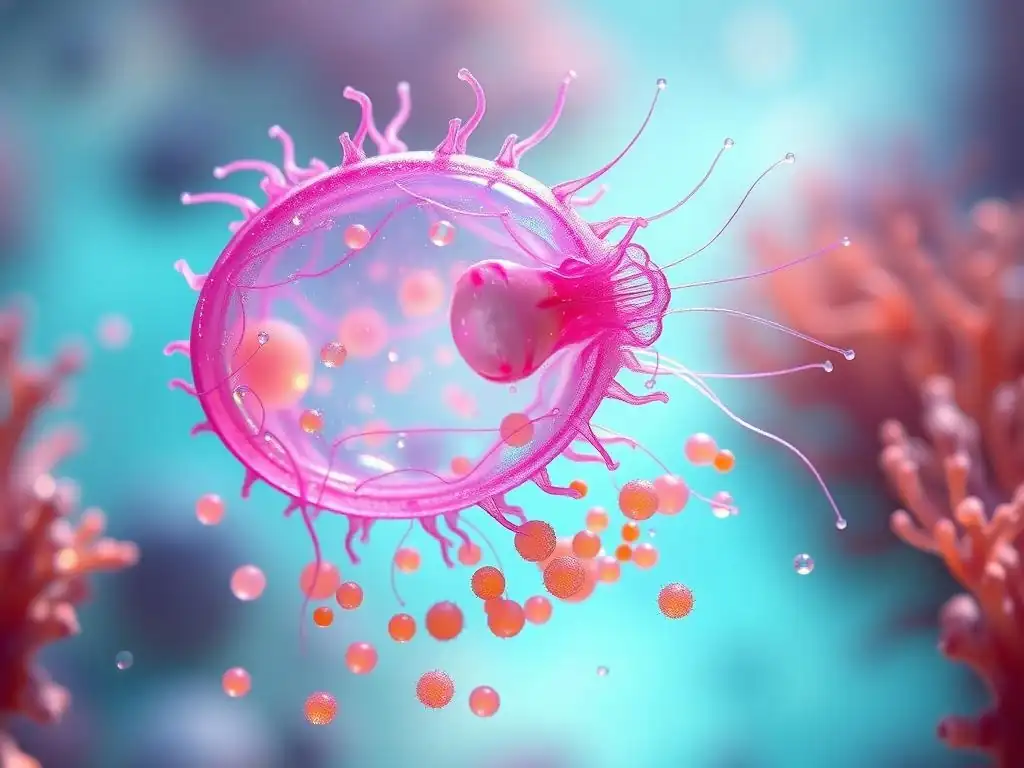
What are Rotifers and Why are They Ideal for Clownfish Larvae?
Rotifers, particularly the species Brachionus plicatilis (L-type) and Brachionus rotundiformis (S-type), are microscopic zooplankton that have long been the staple clownfish larvae first food in aquaculture. These tiny organisms typically range in size from 50 to 300 microns, with B. rotundiformis being on the smaller end (50-150 microns) and B. plicatilis slightly larger (100-300 microns). This size range is perfectly suited for the small mouth gape of newly hatched clownfish larvae, which, as mentioned, is often around 80-120 microns.
Beyond their ideal size, rotifers are highly digestible and can be mass-produced relatively easily, making them a practical choice for breeders. Crucially, rotifers act as living capsules that can be enriched with essential nutrients, allowing aquarists to tailor the nutritional profile of the clownfish larvae first food to meet the specific demands of the developing fry. Their relatively slow, jerky swimming motion also makes them an easy target for the developing predatory instincts of the larvae, ensuring efficient capture and consumption.
Culturing Rotifers: A Practical Guide
Culturing rotifers is an essential skill for anyone attempting to breed clownfish, as a consistent and abundant supply of this clownfish larvae first food is non-negotiable for high survival rates. A robust rotifer culture ensures that larvae have immediate access to food upon hatching.
Setting Up a Rotifer Culture System
To set up a basic rotifer culture, you will need a few key components: a culture vessel (e.g., a 5-gallon bucket or a 10-gallon aquarium), an air pump with airline tubing and an air stone for gentle aeration, a light source (LED shop light works well), and a heater if ambient temperatures are inconsistent (optimal temperature is 75-80°F or 24-27°C). Start with a clean, established rotifer inoculum from a reputable source. Fill the vessel with clean, dechlorinated saltwater (1.019-1.025 specific gravity) and introduce the starter culture.
For instance, a 5-gallon bucket can effectively sustain a culture capable of feeding hundreds of clownfish larvae, producing densities of 200-300 rotifers per milliliter. The culture should be well-aerated to prevent oxygen depletion and keep the rotifers suspended. Adequate lighting, typically 16-18 hours per day, supports the growth of any incidental phytoplankton and can help maintain culture health, though feeding with a concentrated phytoplankton paste is the primary method of sustenance.
Feeding and Maintaining Your Rotifer Culture
Rotifers are filter feeders, and their primary diet in culture consists of phytoplankton. Concentrated liquid phytoplankton products (e.g., Nannochloropsis or Chlorella paste) are commonly used for their convenience and nutritional consistency. The culture should be fed daily, or even twice daily, to maintain a light green tint, indicating sufficient food availability. A typical feeding rate might be 1-2 mL of concentrated algae paste per liter of culture volume for densities exceeding 100 rotifers/mL.
Regular maintenance is crucial for a healthy, productive culture. This includes siphoning off detritus from the bottom of the culture vessel every few days and performing partial water changes (25-50%) every 3-4 days to remove metabolic wastes and prevent crashes. Harvesting rotifers involves siphoning them through a fine mesh sieve (typically 50-75 microns) to separate them from the culture water before rinsing and feeding to the larvae. A well-maintained culture can consistently provide the necessary clownfish larvae first food for weeks or months.
Enriching Rotifers for Enhanced Nutritional Value for Clownfish
While rotifers are excellent in terms of size and digestibility, their nutritional value is only as good as what they consume. Therefore, enriching rotifers is a critical step to ensure they provide the optimal nutritional profile for developing clownfish larvae.
Essential Enrichment Nutrients for Rotifers
The primary goal of rotifer enrichment is to significantly boost their content of Highly Unsaturated Fatty Acids (HUFAs), particularly DHA (Docosahexaenoic Acid) and EPA (Eicosapentaenoic Acid), which are vital for larval development. Clownfish larvae, like many marine fish larvae, have a high demand for these specific fatty acids for proper neurological, visual, and immunological system development. Without adequate HUFAs, larvae can suffer from deformities, poor pigmentation, reduced growth rates, and increased mortality.
Commercial enrichment products are specifically formulated to provide these essential nutrients, often containing concentrated HUFA emulsions, vitamins (like Vitamin C and E), and amino acids. Studies have shown that rotifers enriched with high levels of DHA, often exceeding 15 mg/g dry weight, dramatically improve the survival and health outcomes for marine fish larvae. This targeted nutritional boost transforms rotifers from a basic food source into a powerhouse of essential nutrients, making them a truly complete clownfish larvae first food.
Methods for Rotifer Enrichment
Enrichment typically involves placing harvested rotifers into a separate, clean container with fresh saltwater and an enrichment product. The duration of enrichment usually ranges from 6 to 12 hours, during which the rotifers actively filter-feed on the enrichment medium, incorporating the beneficial nutrients into their own tissues. For example, a common practice is to enrich rotifers for 6-8 hours in a 1-liter container with an air stone, using 0.5-1.0 mL of a commercial enrichment product.
After the enrichment period, the rotifers are harvested again, rinsed gently with clean saltwater, and then fed directly to the clownfish larvae. It's important to feed enriched rotifers promptly, as their nutritional value can degrade over time after enrichment. This process significantly increases the DHA content of the rotifers by three to five times compared to unenriched rotifers, providing the crucial dietary components necessary for the robust growth and development of clownfish larvae, solidifying their role as the primary clownfish larvae first food.
Copepods: An Alternative and Complementary Food Source
Copepods vs. Rotifers: A Nutritional Comparison for Clownfish Larvae
While rotifers are a cornerstone, copepods offer a distinct advantage in terms of natural nutritional superiority, making them an excellent alternative or complementary clownfish larvae first food. Copepods, particularly their nauplii (larval stage), generally possess a naturally higher content of essential HUFAs, proteins, and amino acids compared to unenriched rotifers. This is due to their diverse diet in the wild, which includes various phytoplankton species.
Beyond their superior nutritional profile, copepods exhibit a more erratic, "jerky" swimming motion compared to the smoother movement of rotifers. This specific movement pattern often triggers a stronger feeding response in marine fish larvae, including clownfish, potentially leading to higher feeding success rates. For instance, wild copepods can contain 20-30% lipid content by dry weight, with a superior n-3 HUFA profile, whereas unenriched rotifers might only contain 5-10% lipids. This inherent nutritional richness means that while enrichment is still beneficial, copepods start with a much higher baseline of critical nutrients for delicate clownfish larvae.
Different Types of Copepods Suitable for Clownfish Larvae
Several types of copepods are suitable as clownfish larvae first food, each with unique characteristics that make them valuable additions to a larval feeding regimen. Their diverse sizes and swimming behaviors can cater to different stages of larval development.
Harpacticoid Copepods: A Popular Choice
Harpacticoid copepods, such as Tigriopus californicus (often called "Tig pods"), are a popular choice. While adult harpacticoids are benthic (bottom-dwelling), their nauplii are pelagic and remain suspended in the water column, making them readily available to feeding larvae. Tigriopus californicus nauplii range in size from approximately 50-150 microns, making them an ideal clownfish larvae first food for newly hatched fry.
These copepods are robust and relatively easy to culture, providing a consistent source of highly nutritious prey. Their nauplii are rich in DHA and other essential fatty acids, contributing significantly to the healthy development of clownfish larvae. Furthermore, the adult Tigriopus can serve as a supplemental food source for older clownfish fry and juveniles, making them a versatile component of a breeding program.
Calanoid Copepods: Another Excellent Option
Calanoid copepods are another highly regarded option, primarily known for their pelagic (free-swimming) lifestyle throughout all their life stages, including nauplii. Species like Parvocalanus crassirostris are particularly small, with nauplii typically ranging from 40-100 microns. This smaller size makes them exceptionally well-suited as the very first food for the tiniest clownfish larvae with the smallest mouth gapes.
Parvocalanus crassirostris is celebrated for its consistently high levels of DHA and its ability to remain suspended in the water column, ensuring continuous availability for the planktivorous larvae. While generally more challenging to culture than rotifers or some harpacticoids, their superior nutritional profile and ideal size make them an invaluable clownfish larvae first food, often resulting in higher survival rates and more robust fry. Many successful breeders combine both rotifers and copepods to provide a varied and nutritionally comprehensive diet.
Culturing Copepods: A More Complex but Rewarding Process
Culturing copepods for use as clownfish larvae first food is generally more complex and time-consuming than culturing rotifers, but the nutritional benefits they provide often justify the extra effort. Their longer generation times and specific dietary needs require a more dedicated approach.
Setting Up a Copepod Culture
Setting up a copepod culture typically requires larger tanks and a more stable environment than rotifer cultures. A 10-gallon tank can start a modest culture, but for sustained production to feed large batches of clownfish larvae, multiple larger vessels (e.g., 20-40 gallon systems) are often necessary. These systems require gentle aeration, stable salinity (1.020-1.025 SG), and consistent temperatures (75-80°F or 24-27°C). The initial inoculum should come from a reputable source to ensure a healthy, predator-free starter culture.
Unlike rotifers, which can be fed on concentrated pastes or even yeast, copepods often require specific live phytoplankton species as their primary food source, such as Nannochloropsis, Isochrysis, or Tetraselmis. Maintaining a separate, thriving phytoplankton culture is often a prerequisite for successful copepod breeding, adding a layer of complexity to the process. Cleanliness is paramount to prevent crashes and contamination by unwanted organisms.
Maintaining a Healthy Copepod Population
Maintaining a healthy copepod population for a continuous supply of clownfish larvae first food involves consistent feeding, careful monitoring of water quality, and less frequent harvesting than rotifers. Copepod cultures typically require daily feeding with a phytoplankton concentration of 100,000-200,000 cells/mL to ensure optimal reproduction. Overfeeding can quickly foul the water, leading to crashes, while underfeeding will slow down reproduction.
Water changes should be less frequent than with rotifers, perhaps 10-20% weekly, to avoid disturbing the copepod life cycle. Generation times for copepods can range from 7 to 14 days, depending on the species and environmental conditions, meaning patience is key. Harvesting is usually done by siphoning off a portion of the water column through a fine mesh net (e.g., 50-75 microns) to collect the nauplii and adults, ensuring that enough copepods remain in the culture to sustain future reproduction. The effort invested in a healthy copepod culture significantly pays off in the quality and survival of clownfish larvae.
Feeding Strategies for Clownfish Larvae: Optimizing Intake
Determining the Right Feeding Schedule for Clownfish Larvae
Optimizing the feeding schedule for clownfish larvae is paramount to their survival and growth, especially during the critical first few days when they transition from yolk sac to external feeding. Due to their high metabolic rate and small energy reserves, clownfish larvae require a constant presence of food in their water column. This often means maintaining a consistent density of their clownfish larvae first food throughout the day and night.
For newly hatched larvae, a density of 5-10 rotifers/mL (or an equivalent density of copepod nauplii) is generally recommended for the first 7-10 days. This constant availability ensures that every larva has ample opportunity to feed, preventing starvation. To achieve this, breeders often employ continuous drip feeding systems or conduct multiple small feedings every 1-2 hours, even throughout the night, to ensure the food density never drops below critical levels. Observing the larvae's bellies—a full belly indicates successful feeding—can help fine-tune the feeding frequency and quantity.
Maintaining Optimal Water Quality During Feeding
High feeding rates, while essential for larval survival, pose a significant challenge to maintaining optimal water quality in the larval rearing tank. Uneaten food and larval waste can rapidly degrade water parameters, leading to dangerous spikes in ammonia and nitrite, which are highly toxic to delicate clownfish larvae. Ammonia concentrations as low as 0.25 ppm can be lethal.
Therefore, meticulous water quality management is as crucial as providing the clownfish larvae first food itself. This involves implementing gentle filtration (e.g., sponge filters with very low flow), consistent aeration to maintain high dissolved oxygen levels, and performing daily small water changes, typically 10-20% of the tank volume. Regular siphoning of any settled detritus or uneaten food from the bottom of the tank is also vital. Some breeders also utilize "green water" techniques by adding small amounts of live phytoplankton to the larval tank, which can help absorb ammonia and maintain water stability.
Observing Larval Feeding Behavior: Signs of Success
Keen observation of larval feeding behavior provides invaluable feedback on the effectiveness of your feeding strategy and the overall health of your clownfish larvae. Successful feeding is typically indicated by several key signs. Within hours of being introduced to their clownfish larvae first food, healthy larvae will exhibit visibly distended abdomens, often referred to as "full bellies." This is the most direct indicator that they are actively consuming the offered prey.
Beyond physical signs, actively feeding larvae will display vigorous, purposeful swimming, often darting after individual prey items. They should appear alert and evenly distributed throughout the water column, rather than congregating listlessly at the bottom or surface. As they grow, their bodies will become more robust, and their pigmentation will develop. For instance, healthy clownfish larvae can double in size from approximately 3mm at hatch to 6mm by 10 days post-hatch when provided with optimal nutrition. A lack of these signs, coupled with dwindling numbers, suggests that adjustments to the feeding regimen or water quality management are urgently needed.
Addressing Common Challenges in Feeding Clownfish Larvae
Preventing Starvation in Clownfish Larvae
Starvation is arguably the leading cause of mortality in newly hatched clownfish larvae, making its prevention the paramount concern for breeders. The primary strategy to prevent starvation is to ensure a consistently high density of appropriate clownfish larvae first food in the rearing tank at all times. If rotifer counts drop below 3-5 rotifers/mL, larvae will quickly succumb to starvation, often within 24-48 hours, due to their high metabolic rate and limited energy reserves.
To combat this, breeders must meticulously monitor food density, often using a microscope to count prey items per milliliter of water from the larval tank. Consistent, frequent feeding, often every 1-2 hours around the clock, is essential. Furthermore, ensuring the food organisms are the correct size and are viable (i.e., alive and swimming) is critical. Dead or too-large food particles will not be consumed and will only foul the water. A robust culture of clownfish larvae first food, ready for immediate deployment, is the best defense against starvation.
The paradox of feeding clownfish larvae is that the very act of providing life-sustaining food can also create conditions that lead to their demise if water quality is not rigorously managed. Overfeeding, while seemingly beneficial, rapidly leads to the accumulation of uneaten food and larval waste, resulting in dangerous spikes in ammonia (NH3/NH4+) and nitrite (NO2-). Even low concentrations of these nitrogenous compounds, such as 0.25 ppm ammonia, can be lethal to delicate clownfish larvae.
Effective management involves a multi-pronged approach: daily partial water changes (typically 10-20% of the tank volume), gentle mechanical filtration (e.g., sponge filters) to remove particulate matter without harming larvae, and consistent aeration to maintain high dissolved oxygen levels. Regular siphoning of the tank bottom to remove settled detritus and uneaten clownfish larvae first food is also crucial. Some breeders also employ live phytoplankton in the "green water" technique, which can help absorb ammonia and stabilize pH, acting as a natural buffer against rapid water quality degradation.
Dealing with Predation in the Larval Tank
While less common if proper sterile techniques are employed, predation in the larval tank can be a devastating challenge, capable of wiping out an entire batch of clownfish larvae in a short period. Even microscopic organisms can pose a threat. Organisms such as hydroids, certain flatworms, copepod predators (e.g., some cyclopoid copepods), or even unhatched Artemia cysts can consume or harm delicate clownfish larvae.
To mitigate this risk, strict hygiene and sterilization protocols are essential. All equipment used for larval rearing, including tanks, air stones, and tubing, should be thoroughly cleaned and sterilized (e.g., with bleach solution followed by thorough rinsing and dechlorination) before use. Water used for larval rearing and for culturing clownfish larvae first food should be filtered down to at least 1 micron to remove any unwanted eggs or larvae of potential predators.
Quarantining new live food cultures before introducing them to the larval tank can also help prevent the accidental introduction of predatory organisms. Vigilant microscopic inspection of the larval tank water can help identify and address potential predators early.
Beyond Rotifers and Copepods: Exploring Advanced Feeding Options
Introducing Artemia Nauplii as a Secondary Food Source
As clownfish larvae grow, their mouth gape increases, allowing them to consume larger prey. Around 7-10 days post-hatch, depending on their growth rate, Artemia nauplii (brine shrimp) can be introduced as a secondary clownfish larvae first food. Newly hatched Artemia nauplii are typically around 400-500 microns, making them too large for newly hatched clownfish but perfectly suited for slightly older fry.
However, it is crucial to note that unenriched Artemia nauplii are nutritionally deficient, particularly in essential HUFAs. Therefore, Artemia must be enriched with a commercial enrichment product for at least 12-24 hours prior to feeding, similar to the process for rotifers. This enrichment significantly boosts their DHA and EPA content, transforming them into a highly nutritious food source that supports the continued rapid growth and development of the clownfish fry. Introducing Artemia provides dietary diversity and allows the larvae to transition to larger food particles as they mature.
The Role of Algae in the Clownfish Larvae Ecosystem
While clownfish larvae are primarily zooplanktivores, live microalgae play a significant, albeit indirect, role in their rearing ecosystem, particularly through the "green water" technique. Although the larvae themselves do not directly consume large quantities of microalgae for nutrition, maintaining a low concentration of live phytoplankton (e.g., Nannochloropsis or Isochrysis) in the larval tank offers several benefits.
Firstly, algae act as a continuous food source for any remaining rotifers or copepods in the larval tank, helping to maintain their nutritional quality and viability. Secondly, live algae can help stabilize water quality by consuming ammonia and other nitrogenous wastes, acting as a natural biofilter and buffer against pH swings. A typical concentration might be 50,000-100,000 cells/mL.
This "green water" can also reduce light intensity, which some larvae prefer, and make prey items more visible against a contrasting background. While not a direct clownfish larvae first food, algae contribute significantly to a stable and healthy environment conducive to high larval survival.
Conclusion: Mastering the Art of Feeding Clownfish Larvae for Successful Breeding
Key Takeaways for Raising Healthy Clownfish Fry
Mastering the art of feeding clownfish larvae is the cornerstone of successful clownfish breeding. The journey from a tiny, fragile larva to a robust juvenile hinges on providing the precise clownfish larvae first food at the right time and in the right quantity. Key takeaways include the absolute necessity of having a consistent, abundant supply of appropriately sized and nutritionally enriched live foods, primarily rotifers and copepods, immediately available upon hatching. These microscopic organisms, when properly cultured and enriched, provide the essential HUFAs and proteins critical for rapid development.
Equally vital is the meticulous management of water quality within the larval rearing tank. High feeding rates, while necessary, demand constant vigilance against ammonia and nitrite spikes through daily water changes, gentle filtration, and thorough cleaning. Observing larval feeding behavior – looking for full bellies and active swimming – serves as an indispensable feedback mechanism, allowing breeders to fine-tune their feeding strategies. By diligently addressing these core principles, aquarists can significantly increase the survival rates of their clownfish fry, transforming what was once a highly challenging endeavor into a rewarding breeding success.
Resources for Further Learning on Clownfish Larvae Nutrition
For those dedicated to advancing their skills in clownfish breeding and larval nutrition, a wealth of information exists beyond the scope of this article. Delving deeper into the intricacies of clownfish larvae first food and comprehensive rearing techniques can significantly enhance success rates.
Recommended avenues for further learning include specialized aquaculture forums and online communities dedicated to marine fish breeding, where experienced hobbyists and professionals share practical insights and troubleshoot common issues. Academic papers and scientific journals focusing on marine larval aquaculture provide detailed research on specific nutritional requirements, prey species, and environmental parameters. Additionally, books on marine ornamental fish breeding often contain invaluable practical guides and protocols for culturing live foods and managing larval systems. Engaging with these resources will empower breeders with the knowledge to continuously refine their practices and achieve even greater success in raising healthy clownfish fry.
Frequently Asked Questions
What is the primary food source for clownfish larvae?
The primary food source for clownfish larvae is typically live rotifers. They are small enough for the larvae to consume and provide essential nutrients for initial growth.
Why are rotifers so important for clownfish larvae survival?
Rotifers are crucial because they are the appropriate size for the larvae's tiny mouths and provide the necessary nutrients and fatty acids for early development. They directly impact survival rates.
At what point can copepods be introduced to the clownfish larvae diet?
Copepods can be introduced after the larvae have grown and are able to consume larger food particles. This usually happens a few days after hatching, depending on the larvae's growth rate.
What happens if clownfish larvae don't get the right first food?
If clownfish larvae don't receive the appropriate first food, they are unlikely to survive. Malnutrition leads to weakness and death, as they cannot develop properly without the necessary nutrients.
Are there any alternative food sources for clownfish larvae besides rotifers and copepods?
While rotifers and copepods are the standard, some aquarists have experimented with enriched artificial diets designed for larval fish. However, live food is generally preferred for optimal results.
Final Reflection: Nurturing New Beginnings
The journey from a tiny egg to a thriving clownfish is a delicate dance, and as we've explored, the selection of appropriate first foods is paramount to their survival. The success of rotifers and copepods in this crucial stage highlights the importance of understanding the intricate needs of these vulnerable creatures, and the profound impact our choices have on their future.
This exploration has underscored the profound connection between our actions and the delicate balance of marine ecosystems. Witnessing the fragility of clownfish larvae reminds us of the responsibility we bear to protect their environment and ensure their survival. In the end, we will conserve only what we love; we will love only what we understand; and we will understand only what we are taught.
- Baba Dioum. This quote resonates deeply, urging us to continue learning and sharing knowledge to foster a greater appreciation for the wonders of the ocean.
As you consider the information presented, I invite you to reflect on your own role in supporting marine life. Whether you're a seasoned aquarist or simply an admirer of the ocean's beauty, consider how you can contribute to a future where clownfish, and all marine creatures, can thrive. Perhaps it's through responsible aquarium practices, supporting conservation efforts, or simply spreading awareness. Every action, no matter how small, can make a difference in nurturing new beginnings.
Ignite Your Clownfish Breeding Success Now!
Thank you for diving into the crucial world of clownfish larvae nutrition! We hope you’ve gained valuable insights into the importance of rotifers and copepods for their survival. Now, let’s put that knowledge into action and dramatically improve your breeding results:
- Master the Art of Rotifer Culture: Start cultivating your own high-quality rotifer cultures to ensure a consistent and nutritious food source for your clownfish larvae. This is the most critical step to increasing survival rates.
- Explore live copepod enrichment techniques using innovative methods to boost their nutritional value, making them even more irresistible to hungry larvae.
- Share your newfound knowledge! Head over to our Aquarium Mastery community forum (aquariummastery.com) and share your experience with different feeding strategies.
What specific rotifer strain are you most excited to experiment with, and what improvements are you hoping to see in your clownfish larval development?