
Can You Keep Multiple Clownfish Pairs? Navigating Territoriality with Anemones

Welcome to Aquarium Mastery!
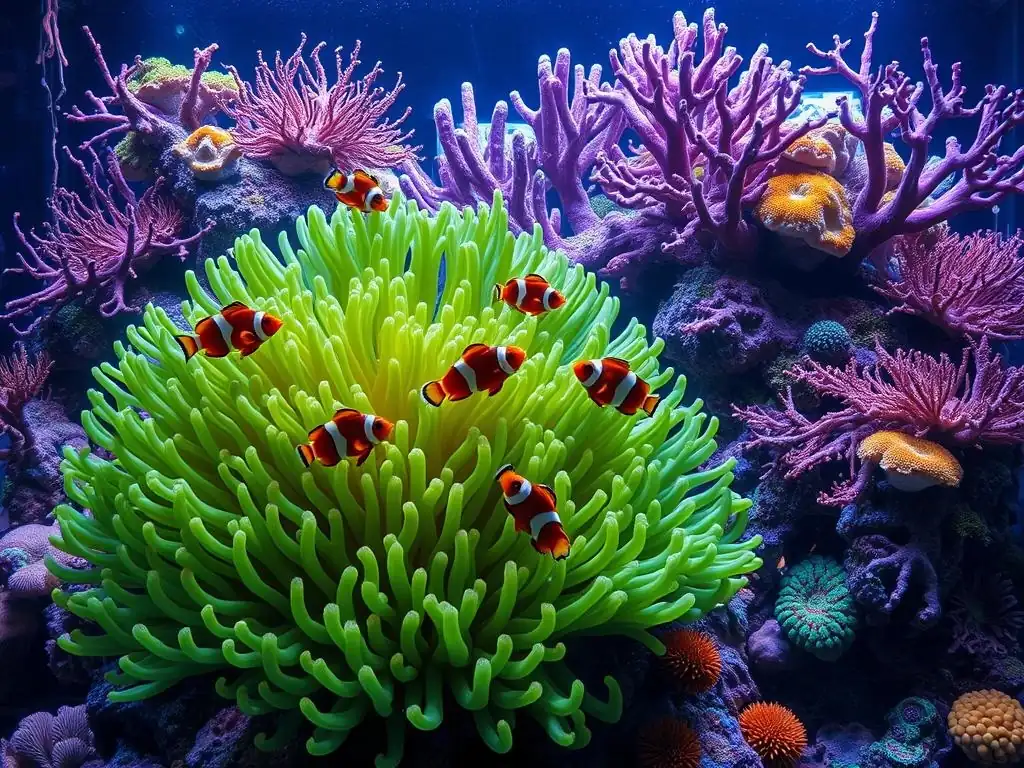
Ever wondered if you can create a bustling clownfish community in your saltwater aquarium? The allure of multiple clownfish pairs nestled amongst swaying anemones is undeniable. But before you dive in, understanding their complex social dynamics is crucial. Dive into our guide: “Can You Keep Multiple Clownfish Pairs? Navigating Territoriality with Anemones,” where we unlock the secrets to successful Clownfish anemone territoriality management, providing essential tips to avoid chaos and ensure a harmonious underwater world. Are you ready to master the art of clownfish coexistence? Let's explore!
- Understanding Clownfish Territoriality and Anemone Association
- The Challenges of Housing Multiple Clownfish Pairs in a Single Tank
- Factors Influencing Clownfish Aggression in a Community Tank
- Strategies for Managing Clownfish Anemone Territoriality in a Reef Tank
- Alternative Solutions: When Multiple Pairs Might Not Be the Best Option
- Choosing Compatible Anemones for Clownfish: Minimizing Competition
- Clownfish Anemone Territoriality Management Tips: A Summary
- Advanced Techniques for Managing Clownfish Aggression
-
Frequently Asked Questions
- How important is the size of my aquarium when keeping multiple clownfish pairs?
- What role do anemones play in managing clownfish territoriality?
- What are some early warning signs of excessive aggression between clownfish?
- If I already have a pair of clownfish, what's the best way to introduce a new pair?
- Are there certain species of clownfish that are less territorial than others?
- Final Reflection: Harmonizing Reef Life
- Ignite Your Clownfish Colony!
Understanding Clownfish Territoriality and Anemone Association
The Territorial Nature of Clownfish: A Key Consideration for Aquarium Keeping
Clownfish, belonging to the genus Amphiprion and Premnas, are inherently territorial creatures, a trait deeply rooted in their natural behaviors for survival and reproduction. In the wild, a dominant breeding pair will establish and fiercely defend a specific area, typically centered around their host anemone. This behavior translates directly into the aquarium environment, where they will assert control over their chosen anemone, a favored rock structure, or a general section of the tank. This territoriality is not merely a preference but a survival instinct, ensuring access to food, shelter, and breeding opportunities.
This innate territoriality means that when multiple clownfish pairs are introduced into a single confined space, conflicts are almost inevitable. The aggression can range from subtle fin-flaring and chasing to more overt nipping, biting, and even fatal attacks, particularly between unrelated pairs or individuals of the same sex not part of an established pair.
Observations in controlled environments indicate that a dominant clownfish pair might actively defend a radius of 1 to 2 feet around their host anemone, making it challenging for other pairs to establish their own safe zones without constant skirmishes. Understanding this fundamental aspect is the first step in successful Clownfish anemone territoriality management tips.
The Symbiotic Relationship: Anemones as Territory and Protection for Clownfish
The iconic symbiotic relationship between clownfish and sea anemones is central to their territorial behavior. In this mutualistic partnership, the clownfish gains protection from predators through the anemone's stinging tentacles, to which the clownfish is immune, and a secure place to lay their eggs. In return, the clownfish may clean the anemone, ward off its predators, and potentially provide nutrients through its waste. For the clownfish, the anemone is not just a host; it is the absolute epicenter of their world, their home, and thus, their most prized possession to defend.
This deep bond profoundly reinforces their territorial instincts. Any perceived threat to their host anemone, whether from other fish or even tank maintenance activities, will trigger a defensive response. While not all clownfish species host in all anemone species, the bond with their preferred host is remarkably strong.
For instance, common Ocellaris ( Amphiprion ocellaris) and Percula ( Amphiprion percula) clownfish predominantly host in Bubble Tip Anemones ( Entacmaea quadricolor), Magnificent Sea Anemones ( Heteractis magnifica), and Sebae Anemones ( Heteractis crispa). The defense of this vital resource is a primary driver of aggression in multi-pair setups, making effective Clownfish anemone territoriality management tips essential.
The Challenges of Housing Multiple Clownfish Pairs in a Single Tank
Increased Aggression and Fighting: Risks of Overcrowding Clownfish
Introducing multiple clownfish pairs into a single aquarium significantly escalates the risk of aggression and fighting. Each pair, driven by its territorial nature, will attempt to establish dominance and secure its own space, leading to direct competition. This manifests as incessant chasing, fin-nipping, body slamming, and even attempts to evict rivals from their chosen host or territory. The constant stress of these confrontations can weaken the immune systems of the subordinate fish, making them more susceptible to diseases like Ich or bacterial infections.
In tanks smaller than 75 gallons, the likelihood of long-term success with multiple clownfish pairs plummets to below 20% without rigorous management, often resulting in severe injury or even death for the weaker individuals. The aggression is not always immediately lethal but can lead to chronic stress, fin erosion, and ultimately, a failure to thrive. This highlights the critical need for proactive Clownfish anemone territoriality management tips to prevent such outcomes.
Resource Competition: Anemones and Territory Scarcity in Aquariums
Beyond general space, the scarcity of host anemones is a primary catalyst for aggression among multiple clownfish pairs. Anemones are a finite and highly coveted resource in an aquarium. If there are insufficient anemones, or if they are placed too close together, pairs will inevitably fight over the most desirable hosts. A dominant pair might attempt to claim multiple anemones, or relentlessly harass other pairs away from any available host, even if it means forcing them to live without one.
Even when multiple anemones are present, their natural expansion can lead to overlapping territories, creating constant skirmishes. For example, a healthy Bubble Tip Anemone ( Entacmaea quadricolor) can expand to 12-18 inches in diameter, requiring significant clearance from other inhabitants and their own host. Without adequate spacing and distinct territorial boundaries, the constant competition for these vital resources will lead to chronic stress and aggression, undermining the peace of the entire reef ecosystem. Implementing effective Clownfish anemone territoriality management tips must address this resource allocation challenge.
Factors Influencing Clownfish Aggression in a Community Tank
Tank Size Matters: Adequate Space for Multiple Clownfish Pairs
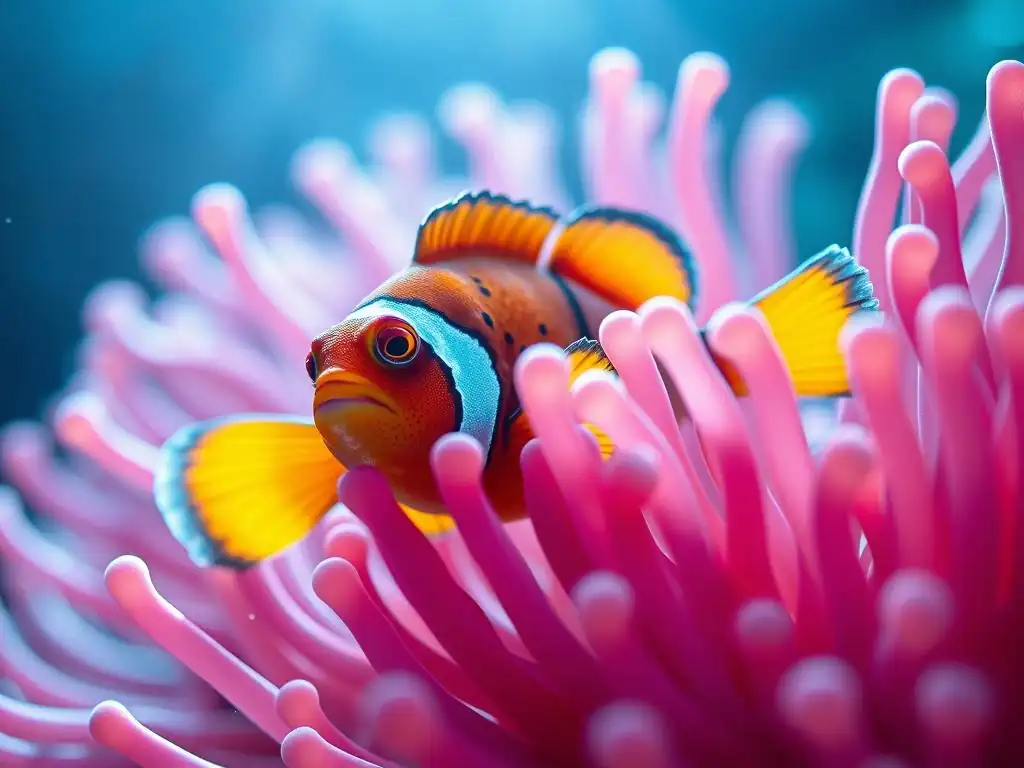
The size of the aquarium is arguably the most critical factor in mitigating aggression among multiple clownfish pairs. More space allows for the creation of distinct territories and provides ample room for fish to avoid confrontations. For two pairs of relatively peaceful Ocellaris or Percula clownfish, a tank of at least 125 gallons is generally considered the absolute minimum for a reasonable chance of long-term success.
Even at this size, careful planning is essential. For more aggressive species, such as Maroon or Tomato clownfish, even larger tanks (180+ gallons) are often necessary, and even then, multi-pair setups are highly discouraged due to their inherent aggression.
Beyond sheer volume, the tank's footprint (length and width) is often more important than its height. A longer tank (e.g., 72" x 24") provides more linear space for territorial division than a taller, narrower tank of the same volume (e.g., 48" x 36"). This horizontal expanse allows each pair to establish a more clearly defined territory, reducing the likelihood of constant boundary disputes. This foundational aspect is a cornerstone of effective Clownfish anemone territoriality management tips.
Anemone Abundance: Providing Enough Homes to Reduce Competition
Providing a sufficient number of host anemones is crucial for reducing competition and aggression. Ideally, each clownfish pair should have its own dedicated host anemone, and it can be beneficial to have an extra anemone or two to allow for choice or as a fallback if one anemone moves or declines. The strategic placement of these anemones is just as important as their quantity. They should be positioned far apart, with significant visual barriers between them, to prevent overlapping territories and constant visual cues that trigger aggression.
For instance, in a 180-gallon tank aiming to house two clownfish pairs, providing three or four suitable anemones, such as Entacmaea quadricolor (Bubble Tip Anemone) or Heteractis crispa (Sebae Anemone), positioned at opposite ends of the tank with substantial rockwork or tall coral structures in between, can significantly improve the chances of success. This setup allows each pair to perceive its host as part of an isolated territory, thereby minimizing direct confrontations. These are vital Clownfish anemone territoriality management tips.
Clownfish Species and Temperament: Choosing Compatible Pairs
Not all clownfish species are created equal when it comes to temperament, and selecting compatible pairs is paramount for a multi-pair setup.
- Less aggressive species: Ocellaris ( Amphiprion ocellaris) and Percula ( Amphiprion percula) clownfish are generally the most peaceful and are the only species typically recommended for multi-pair setups, even then with significant caveats.
- Moderately aggressive species: Pink Skunk ( Amphiprion perideraion) and Clarkii ( Amphiprion clarkii) clownfish exhibit moderate levels of aggression and are rarely suitable for multi-pair tanks unless in extremely large, species-specific environments.
- Highly aggressive species: Maroon ( Premnas biaculeatus), Tomato ( Amphiprion frenatus), and Cinnamon ( Amphiprion melanopus) clownfish are notoriously aggressive and should almost never be housed with other clownfish, even in very large tanks. They are best kept as a single pair in a species-dedicated setup.
Mixing highly aggressive species with less aggressive ones is a recipe for disaster. It is generally advisable to keep pairs of the same species for better compatibility, as inter-species aggression can be more pronounced. Thorough research into the specific temperament of any clownfish species before purchase is a non-negotiable Clownfish anemone territoriality management tip.
Strategies for Managing Clownfish Anemone Territoriality in a Reef Tank
Introduce Clownfish Simultaneously: Minimizing Pre-Existing Territory Claims
One of the most effective Clownfish anemone territoriality management tips is to introduce all clownfish pairs to the tank simultaneously. When no single pair has had the opportunity to establish a dominant territory, they are often less aggressive during the initial setup phase. The general procedure involves allowing all host anemones to settle in their desired locations for a few days or weeks. Once the anemones are stable, all clownfish pairs should be acclimated and released into the tank at the same time.
This "all in, all at once" strategy prevents a pre-existing pair from claiming the entire tank or all available anemones before newcomers arrive. While some initial squabbles are normal, the lack of established dominance can lead to a more even distribution of territories. Close observation during the first 24-48 hours is critical to ensure that no single pair is overly aggressive or that any fish is being unduly targeted.
Create Visual Barriers: Breaking Line of Sight to Reduce Aggression
Strategic aquascaping is a powerful tool in managing clownfish aggression. Creating visual barriers within the tank helps break the line of sight between competing pairs, significantly reducing the frequency and intensity of confrontations. This can be achieved using various elements:
- Live Rock: Arrange live rock to form distinct "zones" or "islands," providing caves, overhangs, and tall structures that block views.
- Tall Corals: Large, branching corals such as Acropora, Montipora, or even tall soft corals can serve as natural screens.
- PVC or Acrylic Structures: Subtly placed, these can create internal divisions.
For example, in a 6-foot long tank, a large central rock structure with multiple caves and crevices can serve as an effective barrier between two separate anemone hosts positioned at opposite ends. By preventing constant visual cues, the fish are less likely to engage in territorial displays, leading to a more peaceful environment. This is a crucial Clownfish anemone territoriality management tip.
Provide Ample Hiding Places: Rockwork and Decor to Offer Refuge
Beyond visual barriers, providing numerous hiding places is essential for the well-being of all clownfish, especially subordinate individuals. When aggression does occur, readily available refuges allow targeted fish to escape and de-stress, preventing prolonged harassment and physical injury. These hiding spots can include:
- Caves and Tunnels: Formed by live rock, providing secure retreats.
- Dense Coral Growth: Healthy, established coral colonies offer natural nooks and crannies.
- PVC or Ceramic Tubes: Discreetly placed, these can offer immediate shelter.
The presence of ample hiding places reduces the overall stress level in the tank, as fish know they have an escape route. This contributes to healthier fish and a more stable environment, making it a valuable Clownfish anemone territoriality management tip.
Monitor Clownfish Behavior: Watch for Signs of Excessive Aggression
Constant, vigilant monitoring of clownfish behavior is non-negotiable when housing multiple pairs. Aquarists must be proactive in observing for signs of excessive aggression, which can escalate quickly and lead to severe harm. Key behaviors to watch for include:
- Constant Chasing and Nipping: Persistent harassment of one fish by another.
- Frayed Fins or Body Wounds: Physical evidence of attacks.
- Refusal to Eat: Stressed fish may stop feeding.
- Constant Hiding or Pale Coloration: Signs of extreme stress and submission.
- Rapid Breathing or Erratic Swimming: Indicative of high stress levels.
Daily observation, particularly during feeding times, is crucial. If consistent aggression leads to physical injury, severe stress, or the inability of a fish to thrive, immediate intervention is necessary. This may involve rearranging the aquascape, adding more hiding spots, or, in severe cases, removing the aggressor or the targeted fish to a separate tank. This diligent observation forms a key Clownfish anemone territoriality management tip.
Alternative Solutions: When Multiple Pairs Might Not Be the Best Option
Single Clownfish Pair in a Dedicated Anemone Tank
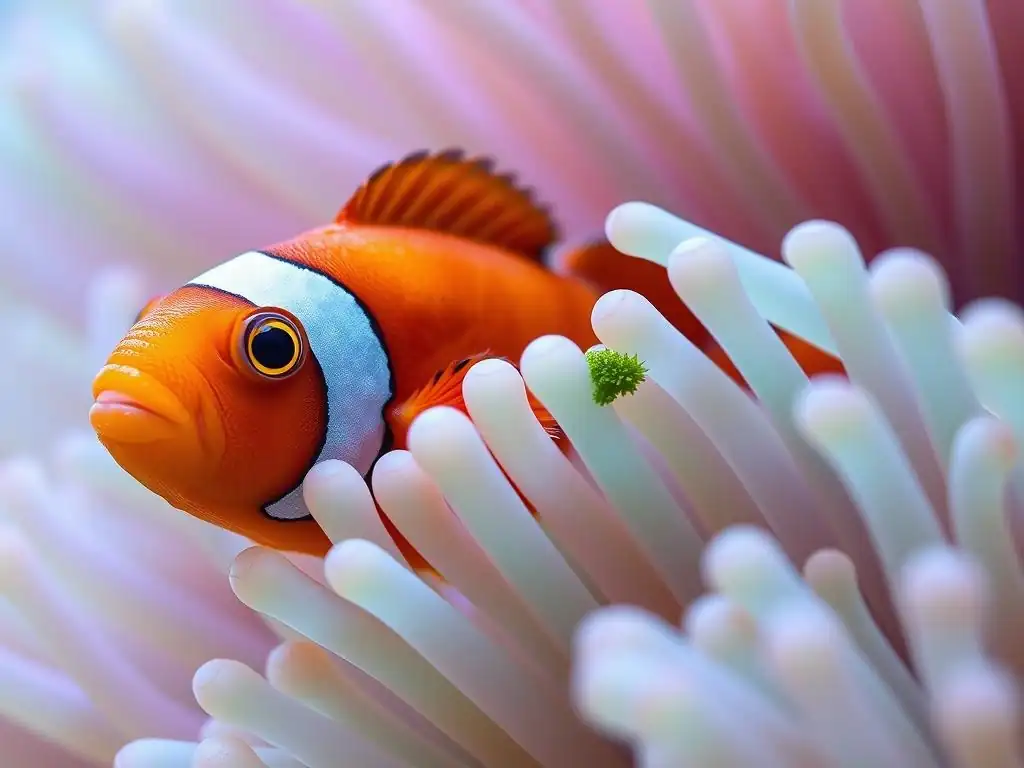
For many aquarists, the simplest and most successful approach to enjoying clownfish and their host anemone is to keep a single pair in a dedicated tank. This eliminates all issues related to inter-pair aggression and territoriality, allowing the clownfish to thrive without competition. A 20-gallon long tank, for instance, can comfortably house a single pair of Ocellaris clownfish and a small Bubble Tip Anemone, providing optimal conditions for the symbiotic display without the complexities of a multi-pair setup. This allows the pair to exhibit their full range of natural behaviors, including breeding, in a peaceful environment.
Focus on Other Compatible Reef Fish Species
If the goal is a vibrant community tank, but the challenges of multiple clownfish pairs seem too daunting, focusing on other compatible reef fish species is an excellent alternative. Many peaceful reef fish can coexist harmoniously with a single clownfish pair, adding diversity and activity to the aquarium without introducing aggressive territorial disputes.
Examples of good tank mates include various species of gobies, blennies, certain types of peaceful damselfish (e.g., Talbot's Damsel), tangs (if tank size permits), and many types of wrasses. This approach allows for a rich and varied ecosystem without the specific Clownfish anemone territoriality management tips required for multi-pair setups.
Larger Tank Considerations: Minimum 125 Gallon Tank for Multiple Clownfish Pairs
It cannot be overstated: the success of housing multiple clownfish pairs is overwhelmingly dependent on tank size. As mentioned, a minimum of 125 gallons is typically recommended for even two pairs of the least aggressive species. Anything less significantly increases the risk of chronic stress, injury, and eventual failure.
Even in a 125-gallon tank, careful planning of the aquascaping and anemone placement, along with vigilant monitoring, remains crucial. For a truly comfortable and less stressful environment for multiple pairs, a 6-foot long tank (e.g., 180 gallons or larger) offers significantly better chances for success than smaller dimensions, providing ample room for distinct territories and reducing the need for constant Clownfish anemone territoriality management tips.
Choosing Compatible Anemones for Clownfish: Minimizing Competition
Selecting Anemones Preferred by Clownfish: Ensuring Host Compatibility
Not all anemones will host all clownfish species, and selecting the correct host is vital for the clownfish's well-being and to ensure they utilize the anemone as their territory. A clownfish that doesn't host can become stressed and more prone to aggression.
- Ocellaris and Percula Clownfish: Most commonly host in Bubble Tip Anemones ( Entacmaea quadricolor), Sebae Anemones ( Heteractis crispa), and Magnificent Sea Anemones ( Heteractis magnifica).
- Maroon Clownfish: Primarily host in Bubble Tip Anemones ( Entacmaea quadricolor) and Sebae Anemones ( Heteractis crispa).
- Clarkii Clownfish: Are less picky and will host in a wider variety, including Bubble Tip, Sebae, and Long Tentacle Anemones ( Macrodactyla doreensis).
Thorough research into specific clownfish-anemone pairings is essential before purchase. While some clownfish may "host" in non-anemone corals (e.g., Euphyllia corals), this is often a sign of a lack of a preferred host and does not offer the same level of protection or territorial defense, potentially leading to increased stress and aggression. This is a fundamental Clownfish anemone territoriality management tip.
Spacing Anemones Strategically: Preventing Overlapping Territories
Strategic placement of host anemones is critical for preventing competition and aggression in a multi-pair clownfish setup. Anemones need ample space not only for their own expansion but also to prevent their stinging tentacles from touching each other, which can lead to chemical warfare between the anemones themselves. More importantly, each anemone marks the center of a clownfish pair's territory. If these territories overlap significantly, constant skirmishes will ensue.
A general rule of thumb for large host anemones is to allow at least 18-24 inches between the centers of two anemones. This provides a buffer zone for the anemones themselves and allows for distinct territorial boundaries for their resident clownfish. Placing anemones at opposite ends of a long tank, with substantial rockwork or coral structures in between, creates natural divisions that minimize visual contact and perceived territorial encroachment. This careful planning is a pivotal Clownfish anemone territoriality management tip.
Anemone Care and Health: Maintaining a Stable Environment
Healthy, thriving anemones are paramount for the well-being of their host clownfish and the overall stability of the aquarium. A stressed or unhealthy anemone can lead to stressed clownfish, which are more prone to aggression and disease. Maintaining pristine water parameters is crucial:
- Salinity: Stable at 1.025-1.026 specific gravity.
- Temperature: Consistent between 76-78°F (24-25.5°C).
- pH: Stable between 8.1-8.4.
- Nitrates: Kept below 10 ppm.
- Phosphates: Maintained below 0.03 ppm.
- Alkalinity, Calcium, Magnesium: Stable levels are essential for anemone health (e.g., Alkalinity 8-12 dKH, Calcium 400-450 ppm).
- Lighting: Adequate PAR levels, often 150-300 for Bubble Tip Anemones, depending on species.
- Water Flow: Moderate, turbulent flow is often preferred.
Regular feeding of the anemones (e.g., small pieces of shrimp or silversides 1-2 times per week) and consistent water changes (e.g., 10-20% bi-weekly) will contribute to their health. A robust protein skimmer and proper filtration are also vital. Ensuring the anemones are healthy and thriving reduces stress on the clownfish, which in turn minimizes stress-induced aggression, making it a key Clownfish anemone territoriality management tip.
Clownfish Anemone Territoriality Management Tips: A Summary
Key Takeaways for Successful Multi-Pair Clownfish Aquariums
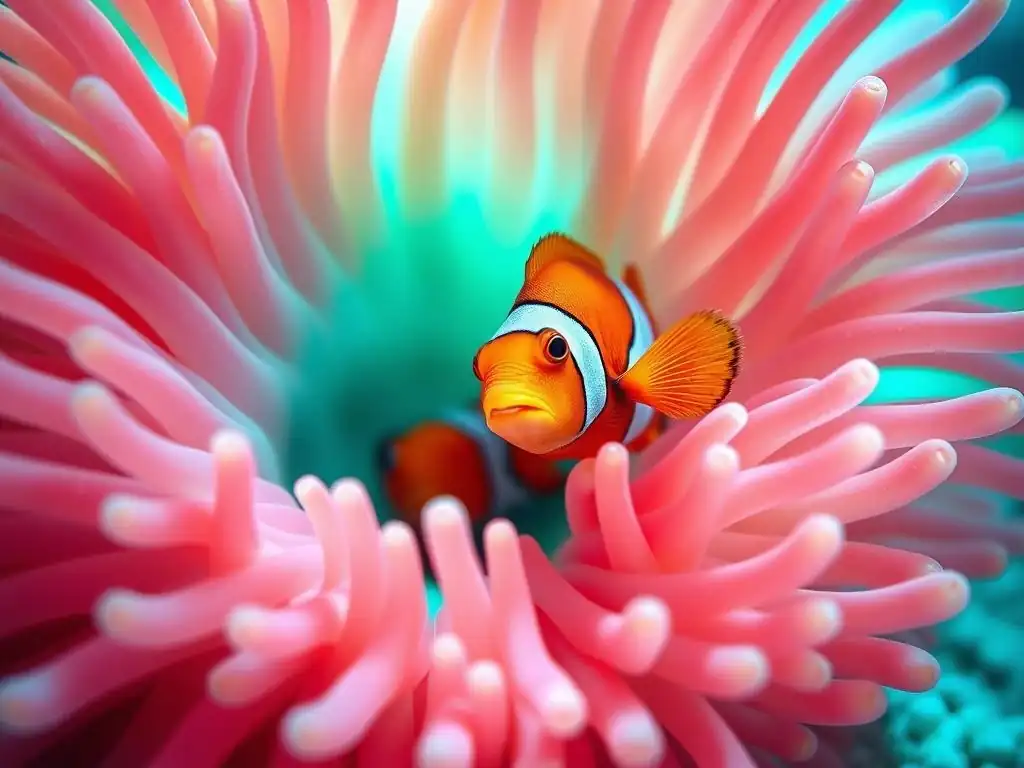
Successfully housing multiple clownfish pairs in a single aquarium is a challenging endeavor that requires meticulous planning and consistent effort. The most crucial Clownfish anemone territoriality management tips can be summarized as follows:
- Tank Size: Always opt for the largest possible tank, with a minimum of 125 gallons for even the most peaceful species, and preferably 180 gallons or more for true long-term success. The tank's footprint (length x width) is often more important than its height.
- Anemone Abundance & Spacing: Provide at least one healthy, suitable host anemone per pair, ideally more, and ensure they are strategically spaced far apart (18-24 inches between centers) with visual barriers in between.
- Species Selection: Stick to less aggressive species like Ocellaris or Percula clownfish, and avoid mixing highly aggressive species.
- Aquascaping: Utilize live rock and corals to create distinct zones, ample hiding places, and visual barriers that break the line of sight between territories.
- Introduction: Introduce all clownfish pairs simultaneously to prevent pre-established dominance and territorial claims.
- Vigilant Monitoring: Consistently observe fish behavior for any signs of aggression, stress, or injury, and be prepared to intervene if necessary.
- Water Quality: Maintain pristine and stable water parameters to reduce overall stress on the fish.
- Feeding: Implement supplemental feeding strategies to ensure all fish receive adequate nutrition and reduce food-related competition.
- Quarantine: Always quarantine new fish to prevent disease introduction, which can stress existing inhabitants.
Ensuring a Peaceful and Thriving Reef Ecosystem
The ultimate goal of applying these Clownfish anemone territoriality management tips is to create a peaceful and thriving reef ecosystem where all inhabitants can flourish. While challenging, a well-managed multi-pair clownfish tank can be incredibly rewarding, offering a dynamic display of complex social behaviors, stunning symbiotic relationships, and the vibrant beauty of a healthy marine environment. Success hinges on patience, thorough research, proactive management, and a deep understanding of clownfish natural instincts. By adhering to these guidelines, aquarists can significantly increase their chances of maintaining a harmonious and captivating multi-pair clownfish setup.
Advanced Techniques for Managing Clownfish Aggression
The Role of Water Quality: Maintaining a Healthy Aquarium Environment
Maintaining pristine water quality is a foundational, yet often underestimated, Clownfish anemone territoriality management tip. Fluctuations in water parameters or the presence of high nutrient levels can significantly stress fish, making them more prone to aggressive outbursts. When fish are stressed, their immune systems are compromised, and their natural behaviors can become exaggerated or erratic. Consistently stable parameters are crucial:
- Regular water changes (e.g., 10-20% weekly or bi-weekly) help dilute pollutants and replenish trace elements.
- Robust filtration, including a high-quality protein skimmer, live rock, and potentially a refugium, effectively removes organic waste and maintains low nitrate and phosphate levels (ideally <10 ppm nitrates, <0.03 ppm phosphates).
- Stable pH (8.1-8.4), alkalinity (8-12 dKH), and calcium (400-450 ppm) contribute to the overall health of the ecosystem, including corals and invertebrates, which indirectly benefits the fish by providing a stable and comfortable habitat.
A healthy environment reduces stress-induced aggression, allowing the fish to exhibit more natural and less combative behaviors.
Supplemental Feeding Strategies: Reducing Competition for Food
Competition for food can be a significant trigger for aggression among clownfish, especially in multi-pair setups. Implementing supplemental feeding strategies can help mitigate this. Instead of a single large feeding, consider:
- Multiple Small Feedings: Feeding smaller quantities several times a day (e.g., 2-3 times daily) ensures all fish get sufficient food and reduces the urgency and competition during feeding times.
- Broadcast Feeding: Distributing food widely across the tank rather than in one concentrated spot allows all fish to access it more easily, preventing a dominant fish from monopolizing the food source.
- Varied Diet: Offering a diverse diet of high-quality pellets, flakes, and frozen foods (e.g., mysis shrimp, brine shrimp, finely chopped seafood) ensures complete nutrition, which contributes to overall health and reduced stress. For instance, feeding a small pinch of high-quality pellet food in the morning and a portion of frozen mysis shrimp in the evening can ensure both nutritional needs and reduce competitive feeding.
By ensuring all fish are well-fed and reducing the perceived scarcity of food, aquarists can significantly reduce food-related aggression, a vital Clownfish anemone territoriality management tip.
Quarantine Procedures for Introducing New Clownfish
A stringent quarantine procedure for any new clownfish, or any new fish for that matter, is an advanced but absolutely essential Clownfish anemone territoriality management tip. Introducing new fish directly into the main display tank without quarantine carries several risks:
- Disease Introduction: New fish can carry parasites (like Ich or Velvet) or bacterial infections that can devastate an entire established tank.
- Stress to Existing Fish: The sudden introduction of a new fish, especially another clownfish, can disrupt existing social hierarchies and territorial boundaries, leading to increased aggression from established pairs.
- Stress to New Fish: The new fish is immediately thrown into a potentially hostile environment, which can weaken its immune system and make it more susceptible to disease and aggression.
A dedicated quarantine tank, typically 10-20 gallons, should be used for at least 3-4 weeks. During this period, the new fish can be observed for any signs of illness, treated prophylactically if necessary, and allowed to acclimate to captivity without the stress of territorial disputes. A typical quarantine protocol might involve 2-3 weeks of observation, followed by a course of medication if needed, totaling 4-6 weeks before introduction to the main display. This practice ensures that new fish are healthy and robust before entering the potentially stressful environment of a multi-pair clownfish tank, greatly contributing to long-term success.
Frequently Asked Questions
How important is the size of my aquarium when keeping multiple clownfish pairs?
Aquarium size is critical for minimizing aggression. A larger tank provides more space and more hiding places, reducing territorial disputes.
What role do anemones play in managing clownfish territoriality?
Anemones serve as safe havens for clownfish, and having multiple anemones can help distribute territorial claims and reduce aggression.
What are some early warning signs of excessive aggression between clownfish?
Keep an eye out for constant chasing, nipped fins, or a clownfish being isolated in a corner of the tank.
If I already have a pair of clownfish, what's the best way to introduce a new pair?
Introduce the new pair when the lights are dimmed and consider using a breeder box or similar containment to allow them to acclimate without immediate conflict.
Are there certain species of clownfish that are less territorial than others?
While all clownfish exhibit some territoriality, Ocellaris and Percula clownfish are generally considered less aggressive than Maroon clownfish.
Final Reflection: Harmonizing Reef Life
The complexities of maintaining a thriving reef aquarium, as we've explored, are deeply intertwined with understanding the delicate balance of nature. Clownfish anemone territoriality management isn't just about following a set of rules; it’s about fostering an environment where these captivating creatures can coexist peacefully. The knowledge shared in this article serves as a practical guide, but also as a reminder of the responsibility we undertake when bringing a piece of the ocean into our homes.
This journey into the world of clownfish and anemones has underscored the importance of mindful observation and proactive intervention. The success of any reef tank hinges on our ability to anticipate potential conflicts and create conditions that minimize aggression. As Jacques Cousteau eloquently stated, The sea, once it casts its spell, holds one in its net of wonder forever.
This wonder compels us to act as stewards, ensuring the well-being of the life we choose to nurture.
Now, armed with these insights and "Clownfish anemone territoriality management tips," I invite you to reflect on your own aquascaping practices. Consider how you can further optimize your tank to promote harmony and reduce stress among your clownfish. By thoughtfully applying these principles, you're not just building a beautiful aquarium; you're cultivating a microcosm of the ocean, a testament to the beauty and resilience of marine life, and a living example of responsible reef keeping.
Ignite Your Clownfish Colony!
Thanks for diving deep into the world of clownfish and anemones! We hope you've gained a clearer understanding of their fascinating dynamics and territorial behaviors. Now, let's put that knowledge into action!
Here's how you can take the next step in building a thriving reef tank:
- Strategically place anemones within your aquarium to create distinct territories, potentially allowing multiple clownfish pairs to coexist peacefully. Carefully observe interactions and be prepared to adjust the aquascape as needed.
- Share your unique clownfish setup! Post a picture of your tank on your favorite aquarium forum, highlighting the anemone placement and clownfish behavior you've observed.
- Explore the possibilities: Research alternative symbiotic relationships between clownfish and other reef inhabitants, expanding your reefing knowledge beyond anemones.
What's one unexpected change you'll make to your tank setup based on what you've learned about clownfish territoriality?