
Optimal Tank Mates for Clownfish: Ensuring Peace with Anemones and During Breeding

Welcome to Aquarium Mastery!
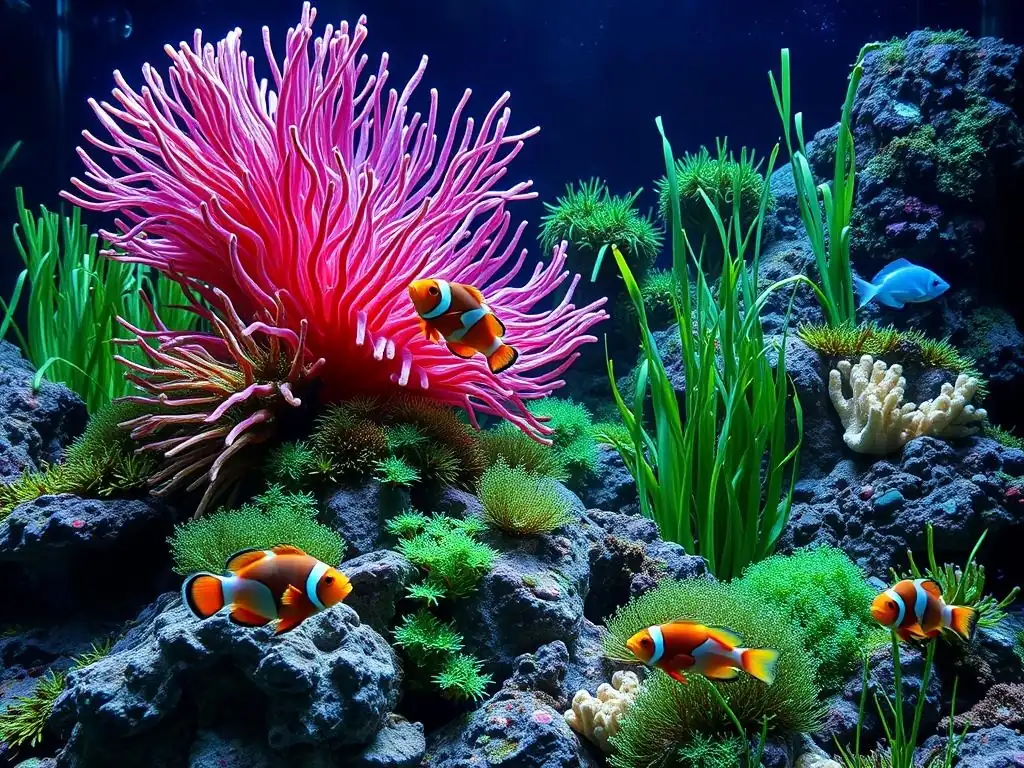
Ever wondered if your clownfish are truly living their best lives? Dive in and discover the secrets to optimal tank mate compatibility! This guide unravels the mysteries of pairing clownfish with the right anemones and other aquatic companions, ensuring a peaceful and thriving saltwater ecosystem. Are you ready to unlock the key to a harmonious reef? Let's explore the fascinating world of clownfish relationships!
- Understanding Clownfish Tank Mate Compatibility
- Best Clownfish Tank Mates: Species Profiles and Compatibility
- Clownfish Aggression and Tank Mate Considerations
- Tank Mates to Avoid with Clownfish: Incompatible Species
- Clownfish Breeding and Tank Mate Impact
- Maintaining a Balanced Reef Ecosystem for Clownfish and Their Tank Mates
-
Frequently Asked Questions
- What are the best tank mates for Clownfish in a freshwater aquarium?
- Can I keep just any anemone with my Clownfish, and how does that affect tank mate compatibility?
- What types of fish should I avoid putting in a tank with Clownfish to ensure optimal tank mate compatibility, especially during breeding?
- How does Clownfish breeding behavior impact tank mate compatibility and what should I do?
- What are some peaceful and compatible fish that can coexist with Clownfish, promoting peaceful cohabitation?
- Final Reflection: Harmony in the Reef
- Unlock a Thriving Clownfish Community!
Understanding Clownfish Tank Mate Compatibility
Why Clownfish Tank Mate Selection Matters
Selecting appropriate tank mates for clownfish is paramount for the long-term health and stability of any saltwater aquarium. Incompatible species can lead to chronic stress for the clownfish, manifesting as faded colors, reduced activity, and increased susceptibility to diseases like marine ich or velvet. Furthermore, a stressed clownfish may not host an anemone effectively, disrupting the natural symbiotic relationship that is often a primary reason aquarists choose these charismatic fish.
Beyond the well-being of the clownfish themselves, poor tank mate choices can destabilize the entire reef ecosystem. Aggressive fish might nip at corals, consume beneficial invertebrates, or relentlessly harass other tank inhabitants, leading to a cascade of negative effects including injuries, starvation, and even death. Conversely, overly timid fish may be outcompeted for food by more boisterous species, resulting in malnutrition and a decline in their health. A harmonious environment, fostered by careful tank mate selection, ensures all inhabitants can thrive.
Key Factors Influencing Clownfish Compatibility in Reef Tanks
Several critical factors influence how well clownfish will coexist with other species in a reef tank, with tank size being one of the most significant. A general guideline suggests a minimum of 20 gallons for a single Ocellaris or Percula clownfish, with 30 gallons recommended for a pair. Larger species, like the Maroon clownfish, require at least 50 gallons for a pair due to their increased size and more pronounced territoriality. Inadequate space exacerbates aggression and competition for resources, leading to constant stress.
Individual temperament, though difficult to predict, also plays a role; some clownfish are naturally more assertive than others. The presence of a host anemone significantly impacts compatibility, as clownfish will aggressively defend their territory around it. Fish that might nip at or compete with the anemone (e.g., certain angelfish or butterflyfish) are poor choices. Furthermore, consider the feeding habits and water column preferences of potential tank mates. Bottom-dwellers or mid-water column swimmers that don't compete for the same food sources or physical space as the clownfish often make better companions.
Best Clownfish Tank Mates: Species Profiles and Compatibility
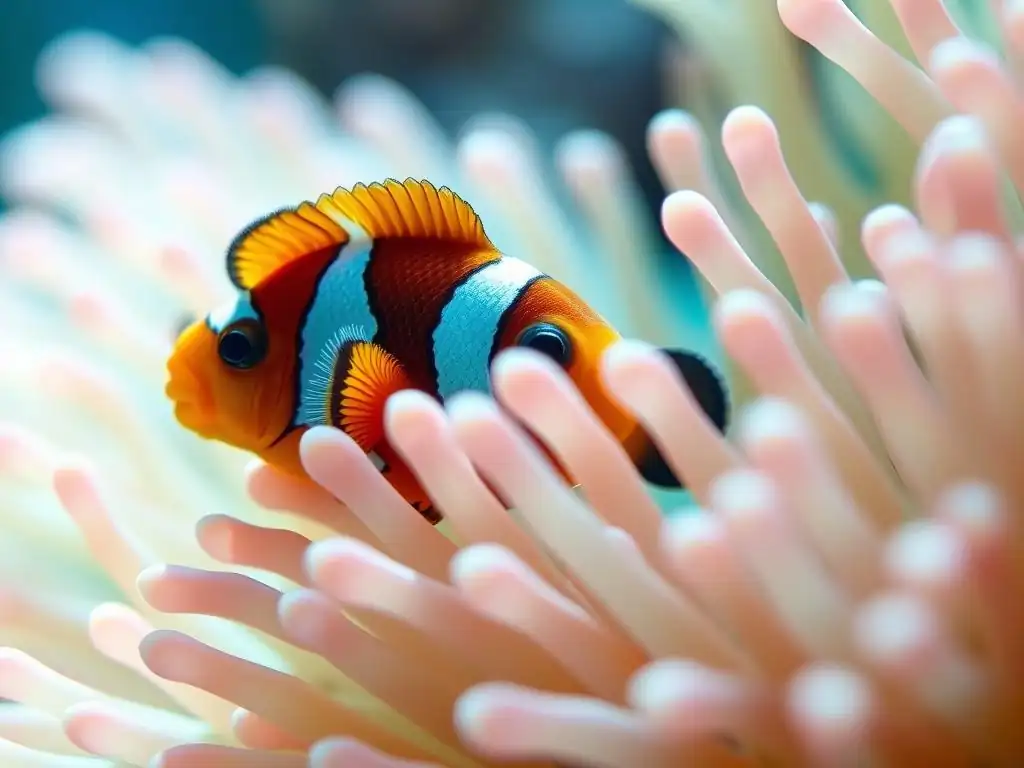
Peaceful Fish for Clownfish Tanks: Ideal Companions
Gobies: A Safe and Compatible Choice for Clownfish
Gobies are consistently among the most recommended tank mates for clownfish due to their peaceful nature and distinct ecological niches within the aquarium. Species like the Yellow Watchman Goby ( Cryptocentrus cinctus) or the Diamond Watchman Goby ( Valenciennea puellaris) are excellent choices; they primarily inhabit the bottom of the tank, sifting sand for detritus and small invertebrates, thus avoiding direct competition for space in the water column where clownfish typically reside. Many gobies also form symbiotic relationships with pistol shrimp, adding another fascinating dynamic to the tank without threatening the clownfish.
Their small size, generally ranging from 2 to 6 inches, and calm demeanor mean they pose no threat to clownfish or their anemones. For instance, a Yellow Watchman Goby, typically reaching 4 inches, will spend its time meticulously cleaning the substrate, often creating intricate burrows. This behavior provides visual interest and contributes to tank cleanliness without encroaching on the clownfish's territory, making them a safe and beneficial addition to most clownfish-centric reef setups.
Cardinalfish: Community Fish That Thrive With Clownfish
Cardinalfish, particularly popular species such as the Banggai Cardinalfish ( Pterapogon kauderni) and the Pajama Cardinalfish ( Sphaeramia nematoptera), are highly compatible with clownfish due to their tranquil temperament and relatively slow-moving nature. These fish tend to occupy the mid-water column or hover near rockwork, exhibiting a calm presence that doesn't provoke the territorial instincts of clownfish. Their peaceful disposition ensures they will not harass or outcompete clownfish for food, especially during feeding times.
Banggai Cardinalfish, known for their striking striped patterns and unique mouth-brooding behavior, typically grow to about 3 inches and are best kept in small groups, which further diffuses any potential aggression within the tank. Similarly, Pajama Cardinalfish, reaching around 3.5 inches, are often seen schooling loosely, providing a beautiful visual contrast to the clownfish without posing any threat. Their non-aggressive feeding habits mean they can coexist comfortably without stressing the clownfish or other peaceful inhabitants.
Firefish Goby: Benefits and Considerations
Firefish Gobies, including the common Red Firefish ( Nemateleotris magnifica) and the more vibrant Purple Firefish ( Nemateleotris decora), are excellent, non-aggressive choices for clownfish tanks. These slender, elegant fish typically hover in the upper to mid-water column, often facing the current, and dart into crevices when startled. Their maximum size rarely exceeds 3 inches, making them suitable for tanks as small as 10 gallons for a single specimen, though a 20-gallon or larger tank is recommended for a pair or community setup.
While generally peaceful, Firefish Gobies can be skittish and prone to jumping, necessitating a tight-fitting lid on the aquarium. They do not compete directly with clownfish for food or territory, as their feeding primarily consists of planktonic matter in the water column. However, it's important to provide ample hiding spots within the rockwork for them to retreat to, as their shy nature can lead to stress if they feel exposed, particularly when initially introduced to a tank with established clownfish.
Invertebrates as Clownfish Tank Mates: Anemones and Beyond
Anemone Selection for Clownfish: A Symbiotic Relationship
The selection of an appropriate host anemone is often the cornerstone of a successful clownfish setup, as it forms the basis of their iconic symbiotic relationship. The Bubble Tip Anemone ( Entacmaea quadricolor) is arguably the most common and versatile host, readily accepted by a wide range of clownfish species, including Ocellaris and Percula.
Other suitable options include the Sebae Anemone ( Heteractis crispa), Magnificent Anemone ( Heteractis magnifica), and Carpet Anemones ( Stichodactyla spp. ), though the latter two can grow very large and require significant tank space, often 75 gallons or more, with powerful lighting and strong water flow.
It is crucial to ensure the aquarium is mature, typically six months to a year old, before introducing an anemone. Stable water parameters, particularly consistent salinity (1.025 SG), temperature (76-79°F), and excellent water quality (zero ammonia/nitrite, low nitrates), are vital for anemone health and longevity. Anemones are sensitive and prone to "walking" around the tank if conditions are not ideal, potentially stinging corals or other tank inhabitants.
Shrimp and Crabs: Navigating Compatibility
Many species of shrimp and crabs can be compatible tank mates for clownfish, often adding functional benefits like detritus consumption or pest control. Cleaner Shrimp species, such as the Skunk Cleaner Shrimp ( Lysmata amboinensis) or Peppermint Shrimp ( Lysmata wurdemanni), are generally excellent choices. They are peaceful, actively clean fish of parasites, and do not pose a threat to clownfish or their anemones. Similarly, various hermit crabs (e.g., Blue Leg Hermit Crabs, Scarlet Hermit Crabs) are beneficial for consuming detritus and algae, contributing to tank cleanliness.
However, caution is advised with larger or more opportunistic crab species, such as certain Emerald Crabs ( Mithraculus sculptus) which, while often good algae eaters, can sometimes nip at corals or other invertebrates as they grow larger. Similarly, larger predatory crabs should be avoided entirely. Always research the specific species thoroughly, as a small crab purchased from a local fish store might grow into a problematic pest or even a threat to smaller fish over time.
Peppermint Shrimp: Benefits and Risks
Peppermint Shrimp ( Lysmata wurdemanni) are a popular choice for reef tanks, primarily valued for their ability to consume Aiptasia anemones, a common and often invasive pest. These shrimp typically grow to about 2 inches and are generally peaceful, making them suitable companions for clownfish and most other reef inhabitants. Their nocturnal nature means they are often seen foraging after the lights are out, diligently searching for Aiptasia or scavenging leftover food particles.
While their Aiptasia-eating habits are a significant benefit, there are occasional reports of Peppermint Shrimp, particularly if underfed or very large, nipping at soft corals or even small zoanthids. This behavior is not universal but is a risk to consider, especially in heavily planted or delicate coral tanks. For a clownfish-focused tank with no sensitive corals, their benefits typically outweigh the minimal risks, providing a natural and effective pest control solution.
Clownfish Aggression and Tank Mate Considerations
Understanding Clownfish Territoriality
Clownfish, particularly mature pairs, can exhibit significant territorial behavior, especially around their chosen host anemone or a preferred nesting site. This instinct stems from their natural need to protect their home and future offspring from perceived threats. The degree of territoriality varies considerably among species; for instance, the Maroon Clownfish ( Premnas biaculeatus) is notoriously more aggressive and territorial than the common Ocellaris Clownfish ( Amphiprion ocellaris) or Percula Clownfish ( Amphiprion percula).
This aggression can manifest as chasing, nipping at fins, or even body slamming other fish that venture too close to their perceived territory. While often more of a nuisance than a deadly threat to larger, faster fish, persistent harassment can cause chronic stress and fin damage in tank mates. Understanding this innate behavior is crucial for selecting companions that can either avoid confrontation or are robust enough to withstand occasional displays of dominance without suffering undue stress.
Minimizing Aggression: Tank Size and Aquascaping
Adequate tank size is the most effective measure to minimize clownfish aggression. A larger volume of water provides more physical space for all inhabitants, allowing clownfish to establish a territory without constantly encroaching on other fish's zones. For example, while a single Ocellaris clownfish might survive in a 10-gallon tank, a 30-gallon tank provides sufficient space for a pair and a few peaceful tank mates, significantly reducing stress-induced aggression.
Strategic aquascaping further aids in diffusing tension. Creating multiple hiding spots, caves, and visual barriers with live rock allows bullied or stressed fish to retreat and escape the line of sight of an aggressive clownfish. Designing distinct territories within the tank, perhaps with one side dominated by the clownfish's anemone and another side offering refuge for other species, can help distribute the tank's population more evenly and reduce direct confrontations.
Introducing New Tank Mates to an Established Clownfish Tank
Introducing new tank mates to an established clownfish tank requires careful planning to minimize stress and aggression. A crucial first step is to quarantine all new fish in a separate tank for at least two to four weeks to ensure they are disease-free and eating well. This prevents the introduction of pathogens into your main display tank, protecting your existing clownfish and their environment.
When ready to introduce, consider rearranging some of the rockwork in the main tank. This can temporarily disorient the established clownfish, making them less territorial initially.
Introducing new fish after the main tank lights have been off for a few hours can also help, as the new arrivals have time to find hiding spots before the clownfish become fully active. For particularly aggressive clownfish, using an acclimation box or a clear plastic container inside the tank for a few days can allow the clownfish to get used to the new fish's presence without direct interaction, often reducing aggression upon full release.
Tank Mates to Avoid with Clownfish: Incompatible Species
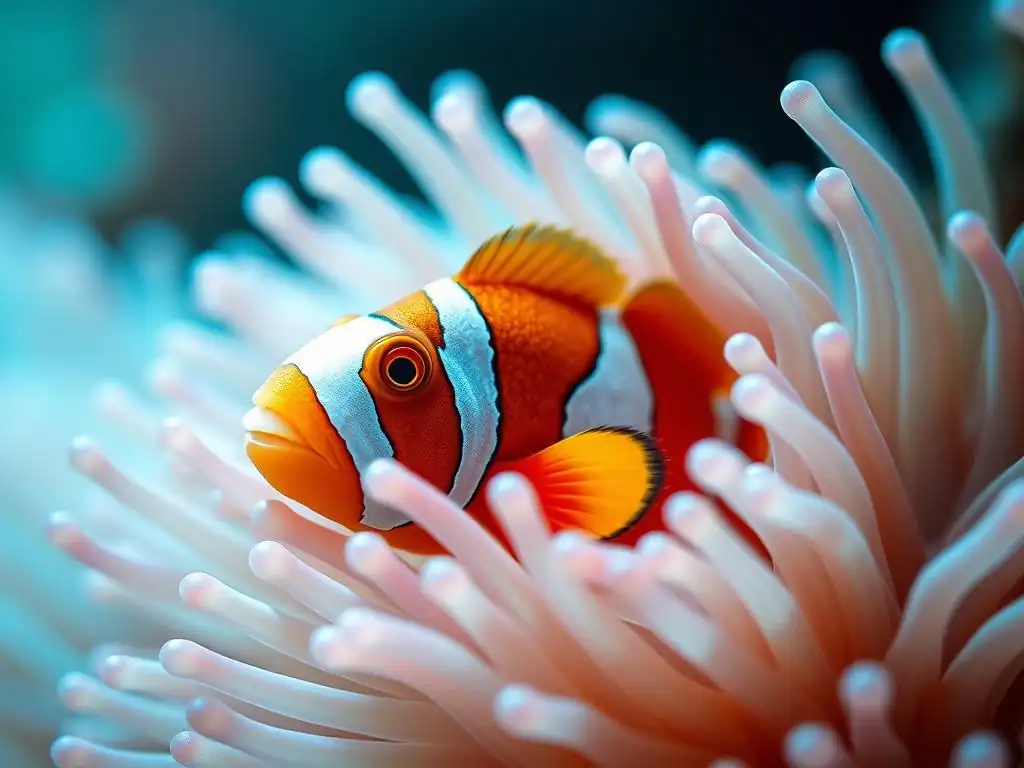
Fish That Compete with Clownfish for Resources
Certain fish species directly compete with clownfish for vital resources like food, space, or even host anemones, leading to chronic stress and potential starvation for the clownfish. This competition can be subtle, such as faster-feeding fish consuming all the food before the clownfish get enough, or overt, like direct aggressive encounters over territory. Understanding these competitive dynamics is key to maintaining a harmonious aquarium.
Aggressive Fish: Triggers, Damsels, and More
A range of highly aggressive fish species are entirely incompatible with the generally more docile clownfish. Triggerfish, such as the Picasso Triggerfish ( Rhinecanthus aculeatus) or the Humu Humu Triggerfish ( Rhinecanthus rectangulus), are notoriously territorial and possess powerful jaws capable of inflicting severe damage or even killing clownfish. They also have a tendency to nip at and consume invertebrates, including valuable cleanup crew members and potentially even the clownfish's host anemone.
Similarly, many Damsel species, despite their small size, are known for their extreme aggression and territoriality. Species like the Blue Devil Damsel ( Chrysiptera cyanea) or the Three Stripe Damsel ( Dascyllus aruanus) will relentlessly harass and stress clownfish, often nipping fins and preventing them from accessing food. Even relatively peaceful Damsels can become problematic as they mature, making them generally unsuitable for a peaceful clownfish setup.
Emperor Angelfish: Why They're Not Ideal
While stunning in appearance, the Emperor Angelfish ( Pomacanthus imperator) is generally not an ideal tank mate for clownfish, particularly in smaller to moderately sized reef aquariums. These angelfish can grow quite large, reaching up to 15 inches in length in captivity, and require substantial tank space, typically 120 gallons or more. Their size alone can be intimidating to smaller clownfish, and they can sometimes exhibit semi-aggressive behavior towards tank mates, especially in confined spaces.
More critically, Emperor Angelfish are known to nip at corals and other invertebrates, including large polyp stony (LPS) corals and even anemones. This behavior could directly stress or harm the clownfish's host anemone, thereby jeopardizing the clownfish's primary refuge and increasing its stress levels. Their potential to graze on the anemone's tentacles makes them a significant risk for a clownfish and anemone pairing.
Fish That May Prey on Clownfish
Predatory Fish: Groupers and Lionfish
Any fish species with a mouth large enough to swallow a clownfish poses a direct and significant threat. Predatory fish like Groupers and Lionfish are opportunistic hunters, and a clownfish, despite its association with an anemone, can easily become a meal. Dwarf Lionfish, such as the Fu Manchu Lionfish ( Dendrochirus biocellatus) or the Dwarf Fuzzy Lionfish ( Dendrochirus brachypterus), while smaller than their larger cousins, still possess mouths capable of consuming fish up to half their own body length. A typical dwarf lionfish, reaching 4-7 inches, could easily consume a 2-3 inch clownfish.
Various Grouper species, even smaller ones like the Coral Grouper ( Cephalopholis miniata), grow quickly and have voracious appetites. These fish are ambush predators and will readily consume any tank mate that fits into their surprisingly large mouths. Introducing a clownfish into a tank with such predators is a recipe for disaster, as the clownfish will eventually be seen as food, regardless of its host anemone.
Invertebrates That Pose a Threat to Clownfish
While many invertebrates are safe, some can pose a direct threat to clownfish, particularly when they reach a larger size or if the clownfish is small or already stressed. Large, opportunistic predatory crabs, such as certain species of Sally Lightfoot Crabs ( Percnon gibbesi) or Arrow Crabs ( Stenorhynchus seticornis), can become problematic. While often sold as algae eaters or scavengers, as they mature, they may become opportunistic predators, attempting to catch and consume smaller, slow-moving fish, including clownfish, especially at night.
Similarly, some larger, more aggressive shrimp species, though less common in the hobby, could theoretically pose a minor threat to very small or sickly clownfish. It is always crucial to research the adult size and known behaviors of any invertebrate before introducing it to a tank with clownfish, prioritizing species known for their peaceful, herbivorous, or detritivorous diets.
Clownfish Breeding and Tank Mate Impact
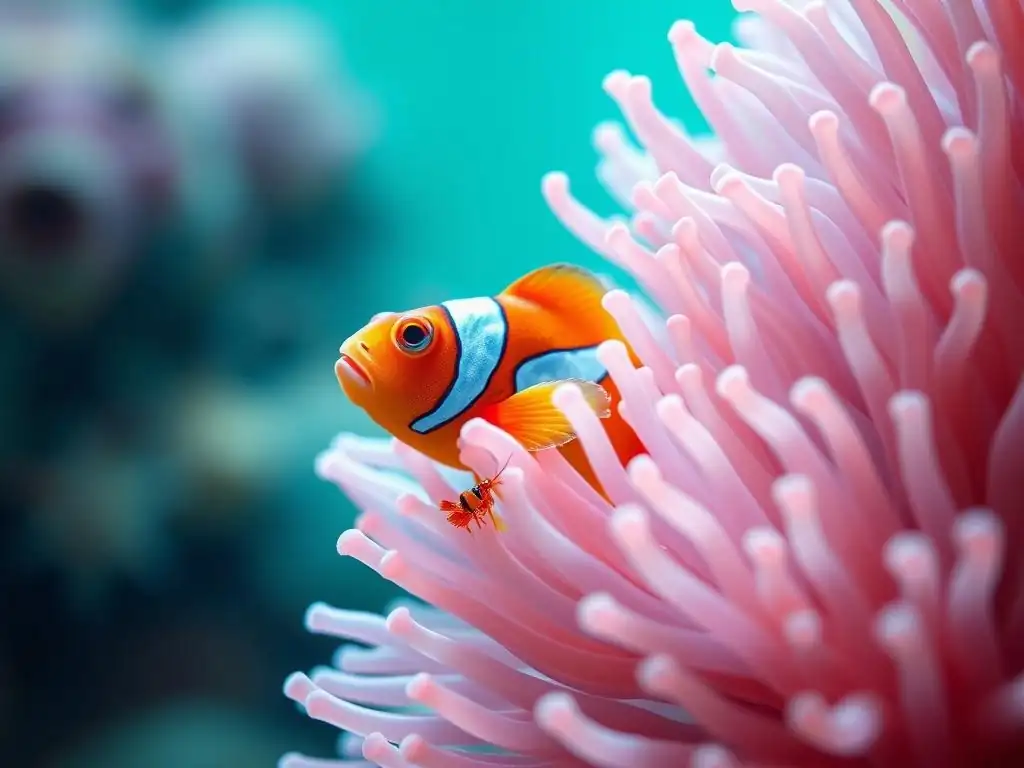
Protecting Clownfish Eggs and Fry from Tank Mates
When clownfish decide to breed, their vulnerability, and more significantly, the vulnerability of their eggs and subsequent fry, becomes a paramount concern. Clownfish typically lay their eggs on a flat surface near their anemone or a protected rock, and both parents will diligently guard the clutch. However, virtually all other tank mates, even those considered peaceful, will view these eggs as a readily available food source. Gobies, cardinalfish, and even many shrimp species will opportunistically consume clownfish eggs if given the chance, significantly reducing the chances of a successful hatch.
Once the eggs hatch, releasing tiny, planktonic fry into the water column, the risk of predation becomes almost absolute in a community tank. These microscopic fry are entirely defenseless and will be immediately consumed by nearly every other fish and even some invertebrates in the tank. The success rate of raising clownfish fry in a community aquarium is statistically negligible, often less than 1% without dedicated efforts to protect them.
Ideal Tank Mates During Clownfish Breeding
Given the high predation risk on clownfish eggs and fry, the concept of "ideal" tank mates during a breeding attempt in a community tank is quite limited. The most ideal scenario is, in fact, the absence of any other fish or predatory invertebrates. However, if other inhabitants must be present, the least problematic tank mates would be very small, non-predatory, and slow-moving invertebrates that are unlikely to encounter the eggs directly or capture free-swimming fry.
For instance, small, herbivorous snails (e.g., Turbo snails, Nassarius snails) that do not actively scavenge or move into the clownfish's nesting area might be tolerated. Micro brittle stars, hidden within the rockwork, also pose minimal risk. However, it is crucial to understand that even these "ideal" tank mates still represent a potential threat to the delicate eggs or newly hatched fry, making successful breeding in a mixed community tank an extremely challenging endeavor.
Setting Up a Separate Breeding Tank: A Solution for Sensitive Tank Mates
For aquarists serious about breeding clownfish and successfully raising their offspring, setting up a separate, dedicated breeding tank is the most effective and recommended solution. A simple 10-gallon to 20-gallon bare-bottom tank is often sufficient for a pair of Ocellaris or Percula clownfish. This isolation provides a controlled environment free from predators, allowing the eggs to develop undisturbed and the fry to hatch safely.
A separate breeding tank offers numerous benefits: it eliminates predation on eggs and fry, allows for precise control over water parameters critical for fry development (which differ from adult fish parameters), and simplifies feeding the microscopic fry. Furthermore, it prevents the breeding pair's increased aggression towards tank mates during nesting. This dedicated setup significantly increases the success rate of raising clownfish from eggs to juveniles, transforming an almost impossible feat in a community tank into a manageable and rewarding experience.
Maintaining a Balanced Reef Ecosystem for Clownfish and Their Tank Mates
Water Quality Parameters for a Thriving Reef Tank
Maintaining pristine and stable water quality is the bedrock of a successful reef tank supporting clownfish and their tank mates. Key parameters must be consistently monitored and maintained within optimal ranges. Salinity should be kept between 1.023 and 1.025 specific gravity (SG), mimicking natural seawater, and temperature should remain stable between 75-80°F (24-27°C). Fluctuations in these parameters can cause significant stress to all inhabitants.
Furthermore, nitrogenous waste products must be kept at undetectable levels: Ammonia (NH3/NH4+) and Nitrite (NO2-) should always be 0 ppm. Nitrates (NO3-) should be kept below 20 ppm, ideally below 10 ppm, through regular water changes and efficient filtration. Other essential parameters for a thriving reef include pH between 8.1-8.4, Alkalinity (dKH) between 8-12, Calcium (Ca) between 400-450 ppm, and Magnesium (Mg) between 1200-1350 ppm, especially if corals are present. Regular testing (at least weekly for critical parameters) and consistent maintenance are non-negotiable.
Feeding Strategies for a Mixed Community Tank
Effective feeding strategies are crucial in a mixed community tank to ensure all inhabitants, including clownfish and their diverse tank mates, receive adequate nutrition without overfeeding the system. A varied diet is essential: high-quality marine flake foods and pellets should be supplemented with frozen foods like enriched brine shrimp, mysis shrimp, and spirulina. Feeding small amounts multiple times a day (e.g., 2-3 times) is often better than one large feeding, as it mimics natural foraging behavior and reduces waste.
Observe each fish during feeding to ensure everyone is getting enough food, particularly shyer species or those with slower feeding habits. Target feeding using a turkey baster can be beneficial for less competitive fish or specific corals. Ensure that food particles are small enough for all fish to consume easily. Overfeeding can lead to poor water quality, increased nitrates, and algae blooms, stressing the entire ecosystem and potentially leading to health issues for the fish.
Observing and Addressing Potential Conflicts
Constant observation of the aquarium inhabitants is a critical aspect of maintaining a balanced and peaceful reef ecosystem. Daily visual inspections can reveal early signs of stress, aggression, or illness among clownfish and their tank mates. Look for physical injuries like nipped fins, faded colors, rapid breathing, or unusual swimming patterns. Pay close attention to interactions between fish: persistent chasing, hiding, or refusal to eat can indicate bullying.
If conflicts arise, prompt action is necessary. Minor skirmishes might resolve themselves, especially in adequately sized tanks with ample hiding spots. However, persistent aggression may require intervention. This could involve rearranging the aquascape to create new territories, adding more hiding spots, or, in severe cases, removing the aggressive fish from the tank. Sometimes, simply adjusting feeding times or methods can reduce competition. Early detection and intervention are vital to prevent chronic stress and ensure the long-term well-being of all tank inhabitants.
Frequently Asked Questions
What are the best tank mates for Clownfish in a freshwater aquarium?
This is a common misconception. Clownfish are strictly saltwater fish and cannot survive in freshwater environments. You'll need to set up a saltwater aquarium for them.
Can I keep just any anemone with my Clownfish, and how does that affect tank mate compatibility?
No, not all anemones are suitable. Certain anemone species are the natural hosts for Clownfish, like Heteractis magnifica or Entacmaea quadricolor. Choosing the wrong anemone can stress both the fish and the anemone.
What types of fish should I avoid putting in a tank with Clownfish to ensure optimal tank mate compatibility, especially during breeding?
Avoid aggressive fish like damsel fish or large predators. These can bully or eat the Clownfish, especially when they are vulnerable while breeding and protecting their eggs.
How does Clownfish breeding behavior impact tank mate compatibility and what should I do?
During breeding, Clownfish become more territorial. Ensure tank mates have enough space to avoid constant conflict. Consider removing aggressive fish during breeding periods.
What are some peaceful and compatible fish that can coexist with Clownfish, promoting peaceful cohabitation?
Some good choices include gobies, firefish, and certain types of blennies. These fish generally have peaceful temperaments and won't compete aggressively with Clownfish for resources or territory.
Final Reflection: Harmony in the Reef
The delicate balance of a reef aquarium, as we've explored through Clownfish tank mate compatibility, extends far beyond mere aesthetics. It's a microcosm of the natural world, demanding careful consideration and understanding to ensure the well-being of its inhabitants. The choices we make in selecting tank mates directly impact the health, happiness, and even the breeding success of our beloved clownfish, highlighting the profound responsibility we undertake as aquarists.
This journey into the world of compatible companions has underscored the importance of empathy and informed decision-making. Understanding the nuances of each species, their temperaments, and their needs, is crucial for creating a thriving and peaceful environment. The best way to find yourself is to lose yourself in the service of others.
- Mahatma Gandhi. This quote, while not directly about fish, perfectly encapsulates the dedication required to truly cater to the needs of our aquatic companions and foster a harmonious ecosystem.
Now, as you embark on, or continue, your reef-keeping adventure, remember the lessons we've learned about Clownfish tank mate compatibility. Consider not just the beauty of the fish, but their needs, their potential interactions, and the overall impact on the delicate balance of your reef. Let this knowledge empower you to create a thriving, peaceful, and beautiful underwater world, where clownfish and their companions can flourish together.
Unlock a Thriving Clownfish Community!
Thanks for diving deep into the world of clownfish compatibility! We hope you've discovered valuable insights to create a harmonious aquarium. Now, let's put that knowledge into action:
- Carefully evaluate your tank size and temperament of existing fish before introducing new companions. This is key to ensuring a stress-free environment for your clownfish.
- Share your newfound knowledge with fellow aquarists! Post your most interesting finding from this article on social media and inspire others to create balanced ecosystems.
- Consider joining a local aquarium club or online forum to exchange experiences and learn from seasoned hobbyists.
Ready to build the ultimate clownfish paradise?